How to Protect the Garden with Frost Cloth
Frost cloth is an invaluable tool in the winter garden. Use it to blanket your tender plants and protect them from light frosts and freezes. It’s amazing what a single layer of fabric can do! Join former nurseryman Jerad Bryant to discover how to protect the garden with this unique material.


Contents
I learned the value of frost cloth in the garden while working at an ornamental plant nursery in Oregon. The temperatures would drop below freezing in the winter, but they wouldn’t stay low for too long. Most tender plants would survive the cold nights if they had protection.
Frost cloth became our tool of choice for protecting plants at the nursery. It’s lightweight, easy to set up, and it works like a charm. Simply drape it over your tender plants, secure the edges to the ground, and remove it when the temperature rises above freezing.
Frost cloth is superb as a temporary protector. It works to keep evergreen shrubs, marginally hardy woody perennials, and overwintering crops healthy and perky amidst cold weather. Follow these steps to use frost cloth in the garden to protect your plants.
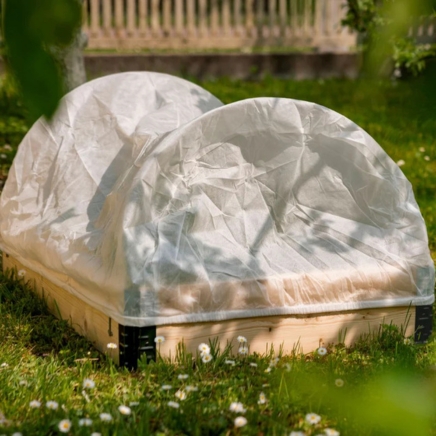

What is Frost Cloth?

Garden frost cloth is a lightweight fabric with polyester fibers. The fibers have gaps between them that let air, water, and some light through. This differs from other protectors, like greenhouse plastic, that don’t let any air or moisture through.
The breathable nature of this cloth makes it perfect for winter applications. It’ll keep the frost out while letting light and rainfall reach the plants underneath. It’s light enough to sit on top of the plants without weighing them down or snapping their limbs.
Most products work well down to temperatures of 28°F (-2°C), though some have layers thicker than others. The product’s packaging should tell you its frost rating.
Frost-protecting cloths have more than one benefit; they also prevent insect pests from targeting crops in the spring. Use it during the fall and winter, then store it until spring when pests begin to frequent the garden.
How to Protect the Garden
In the garden, frost cloth protects beds, crops, potted plants, and new lawns from frost. It isn’t a good long-term solution, though it works well for temporary applications. Use it to extend the season in fall and spring, and to protect frost-tender perennials during the winter.
Cover Beds
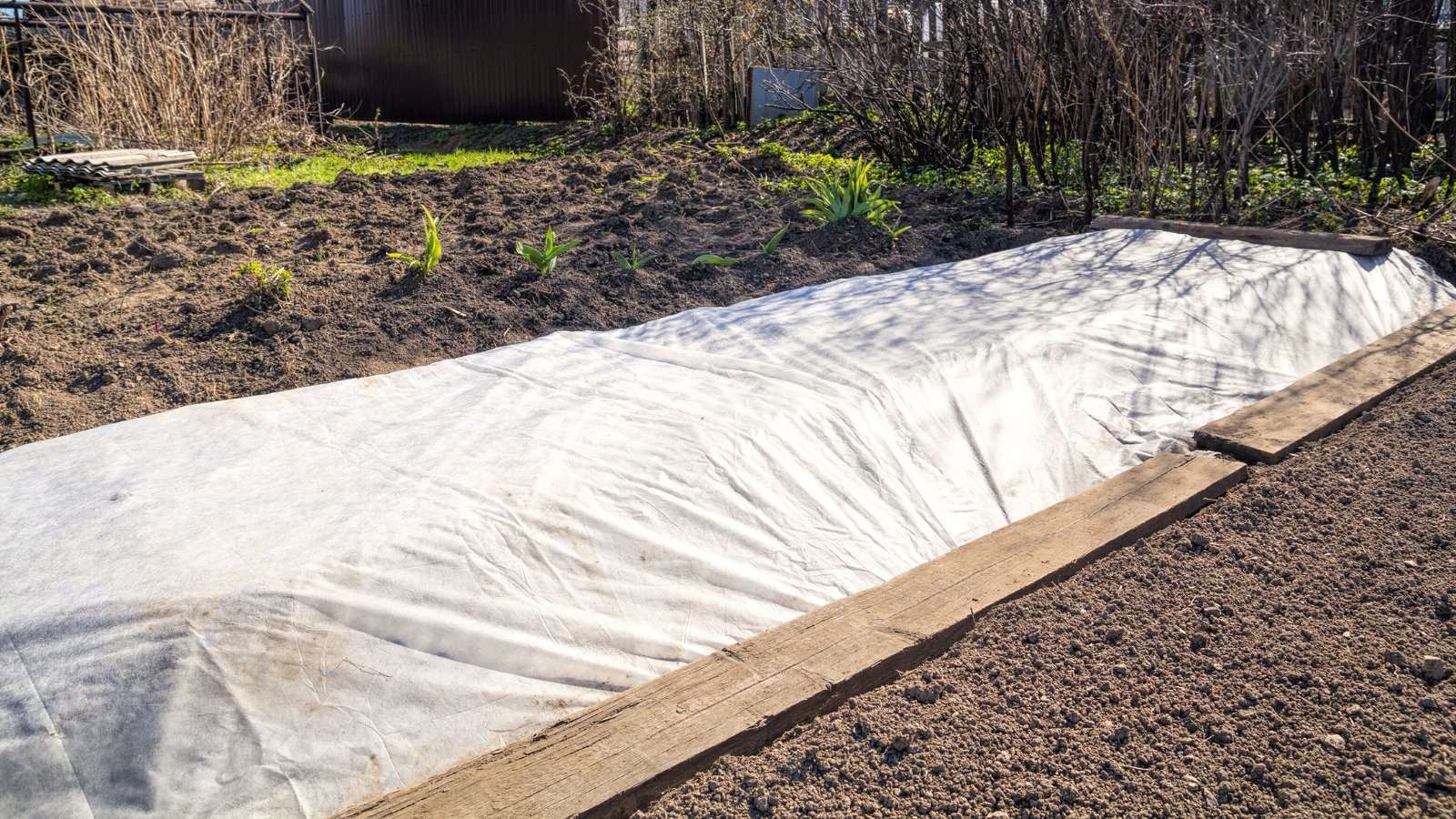
Raised and in-ground beds are ideal plots for growing vegetables and fruiting shrubs. They may have old and haggard heat-loving crops from summer, or they’re full of frost-hardy fall crops. No matter what they contain, they’ll benefit from cloth protection on cold nights.
Apply garden frost cloth to extend the growing season for heat-lovers like beans, corn, and squash. Or, use it to boost the temperature for optimal seed germination. Let spinach, lettuce, and cabbage seeds sprout long after their packets recommend you sow them.
To insulate the beds in the garden, ensure the frost cloth reaches all the way to the ground. Any lapse in coverage can let the heat escape. Bring the edges to the soil, and weigh them down with bricks, stones, or similar heavy objects. Remove the fabric during warm, sunny days to let sunlight reach the perennials.
Protect Containers

Don’t forget your containers! Potted plants are more susceptible to frost damage because their roots sit above the ground. They have some insulative protection from the soil in the container, but less so than plants growing in the ground.
To help marginally hardy potted specimens survive, you’ll need to cover both the tops and the containers below. If you only cover the leaves, the heat will escape from the ground, and the roots will freeze. The cloth works by trapping the heat from the ground.
Protect your container garden by blanketing each one with the cloth. You may use a single cloth for multiple small pots, or many different cloths for large pots. Wrap the material around the leaves, stems, and roots, then weigh down the ends underneath the pots.
Insulate Shrubs

This is where the yard begins to look like a Halloween party. Covering all your shrubs, beds, and containers with white cloth will create the illusion of ghosts! The white figures will stand out in the garden, especially during October.
Shrubs are the most ghost-like. Whether deciduous or evergreen, their many branches poke out in multiple directions like legs and arms. Drape a cloth over them, and watch as your woody perennials turn into phantom-like figures!
The process is similar to the applications above. Simply gather the garden frost cloth, cover all parts of the shrub, and secure the fabric’s edges with heavy objects. Ensure there is no gap in the fabric and that its ends go all the way to the soil. Any gaps will let the precious heat escape.
If your shrub is evergreen, remove the fabric on warm, sunny days with temperatures above freezing. This will allow the plants to photosynthesize as much as possible. The fabric does let some light penetrate, but it doesn’t let all of it pass through. Remove the covering on well-lit days free of frosts or hard freezes.
New Lawn
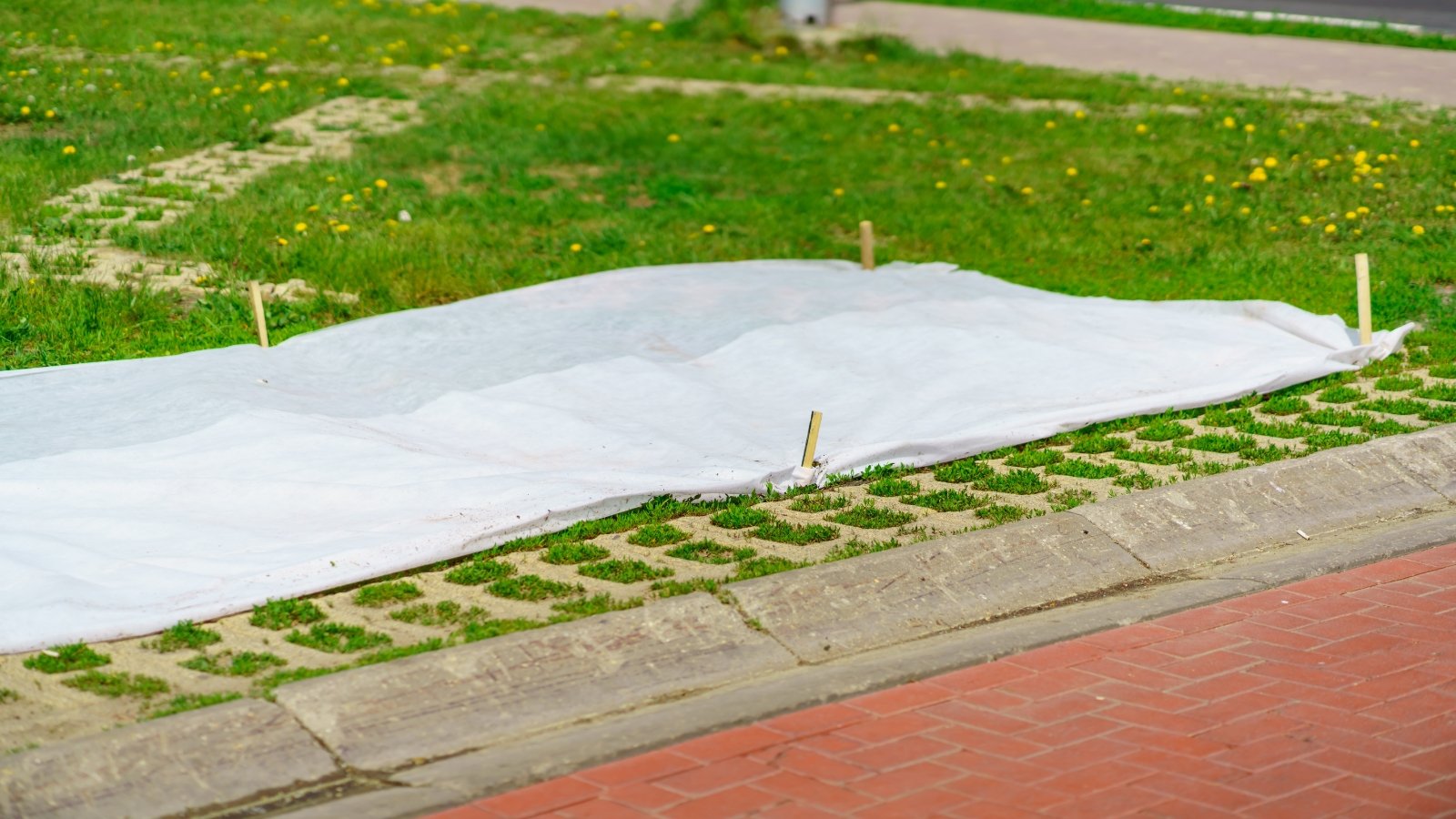
Did you recently overseed a new or existing lawn? Frost cloth in the garden works well to keep the grass seedlings growing strong despite cold weather. Cool-season grasses will especially benefit from the fabric, as they tend to grow in fall, winter, and spring instead of summer.
After seeding the lawn, use sticks or stakes to provide a frame for the cloth. On cold nights, drape the cloth over the frame and secure the ends to the ground. Take care not to let the fabric touch the seedlings, as it may snuff them out before they reach maturity.
Remove the covering during the days to let light reach the seedlings. Once the seedlings reach a mowable height, you may remove the cloth altogether and let the grasses acclimate to the outside weather.
Most warm-season grasses will enter dormancy in fall and winter. If you’re concerned they might not make it through the winter, use the protective cloth to keep them safe on freezing nights. They’ll sprout new growth in late spring and early summer.
Frost Cloth Alternatives
This fabric isn’t the only material that will protect the garden. There are a few options for home gardeners who want to keep their tender perennials safe through the winter. What makes frost-protecting cloth stand out from these other options is its low cost and lightweight nature.
Row Cover
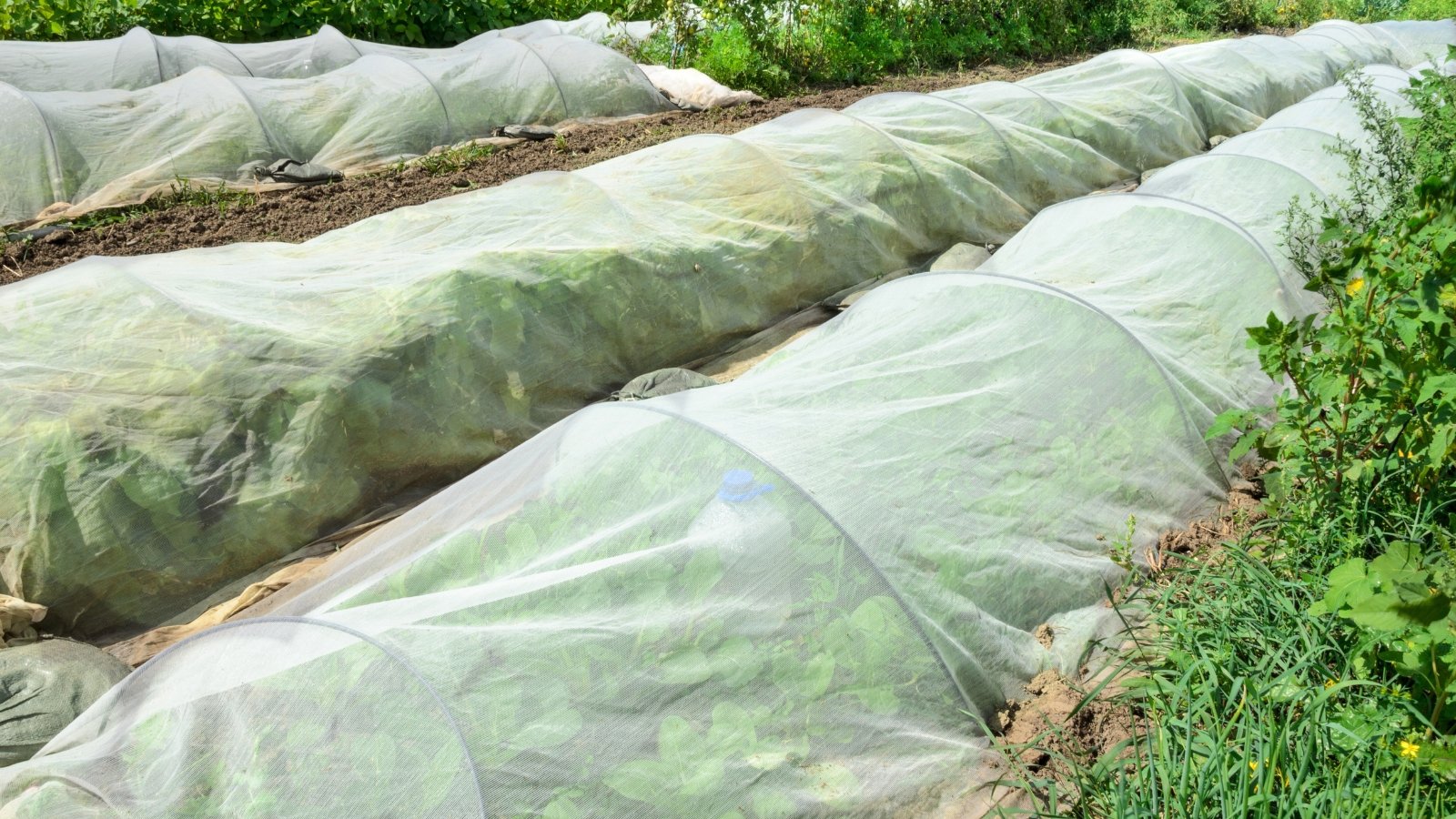
Row covers and frost cloths are identical. They are two different terms for the same material. Row cover is more common in the spring, while frost cloth is common in the fall. You may use either for both purposes, for protecting perennials and preventing pests.
This material also goes by “floating row cover,” as it floats above the beds and wafts in the wind. It floats in the sense that it sits above the crops and ornamental species. Many growers set the fabric on frames that allow it to insulate the tender plants without leaning on them.
Some plants are strong and sturdy, and they tolerate having the cover rest on them. Woody shrubs, small trees, and upright vegetables don’t need a frame, and you may place the fabric directly on top of them. Cover them at night, and uncover them in the morning when the temperature rises above freezing.
Old Bedsheet

The frost-protecting fabric is relatively inexpensive and easy to find at garden centers, home improvement stores, and online. But if you have a tight budget or you can’t find it, use old bedsheets instead! They’ll work similarly to trap heat from the ground and let it sit around the plants’ stems.
Using old sheets is a great way to repurpose old materials without throwing them in the landfill. Store them in a shed outdoors as you would row cover, and pull it out when the nights get cold. Apply old bedsheets in the same way as frost-protecting fabrics. Drape them over the tops and bottoms of the plants, and secure the edges with heavy objects.
The difference between bedsheets and frost fabric is the amount of light each lets through. You must remove the sheets to let light pass in the day. Row cover, however, lets some sunlight in and can stay on the plants during cold days.
If your shrubs are deciduous, you don’t need to uncover them at all. They won’t need sunlight until spring when their buds open into leaves.
Greenhouse Plastic
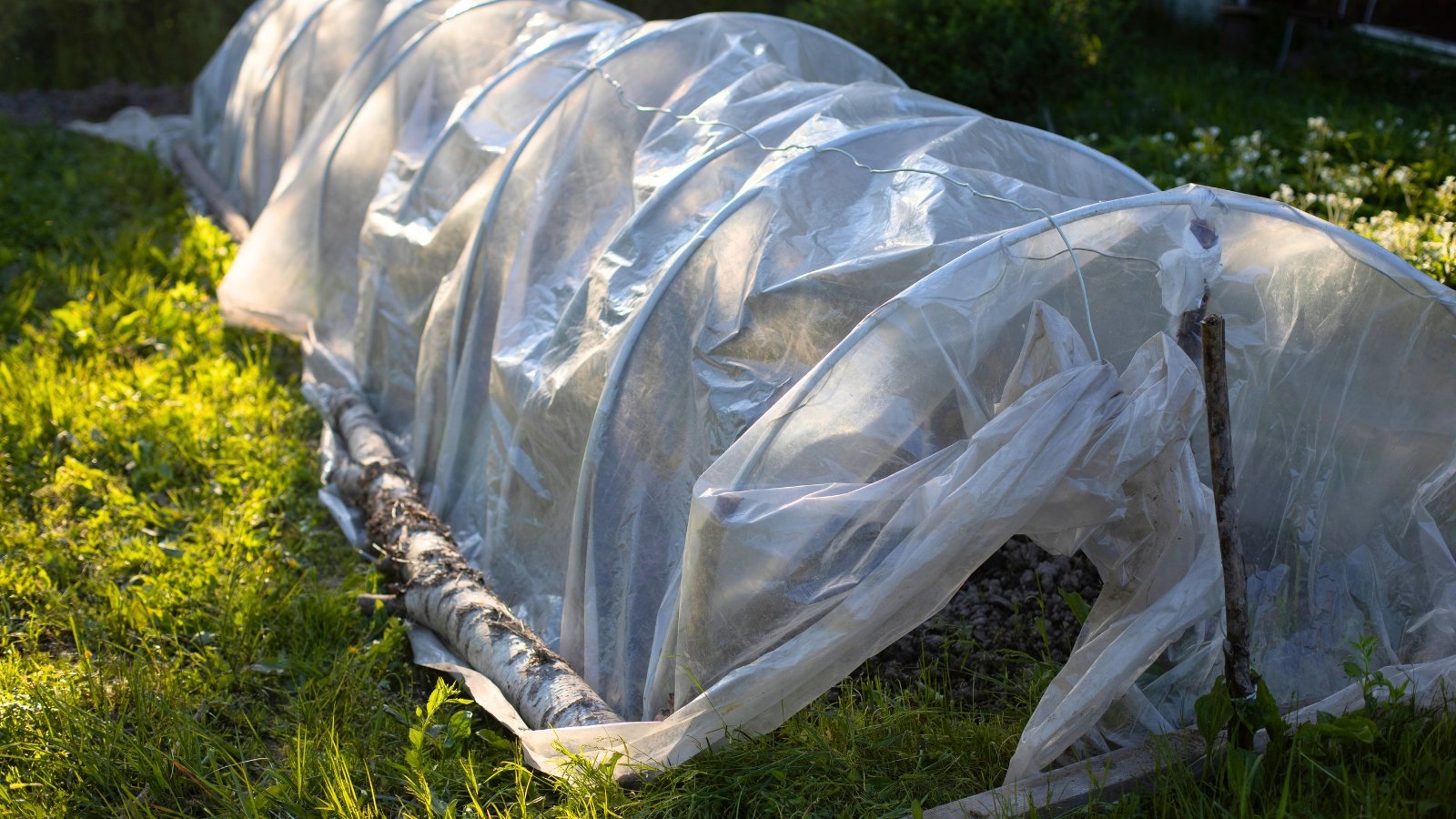
Greenhouse plastic adds more protection than fabric. Because it’s see-through, you can leave it up for frost protection through the winter. It’ll warm the soil and extend your season well past the first frost dates, and well before the final frosts of spring.
Greenhouse plastic is heavy, and it requires a frame or hoops to rest on. Metal hoops are perfect for raised beds, as they turn them into mini-hoophouses with the plastic. Set hoops in the bed, drape the plastic over the hoops, and clamp down the ends to the sides of the bed.
It’s important to open and close the plastic flaps daily to let air flow over your plants. The plastic is less porous than fabric, and you must let air in yourself. Open the flaps when the sun rises and close them in the afternoon before nightfall.
Mulch

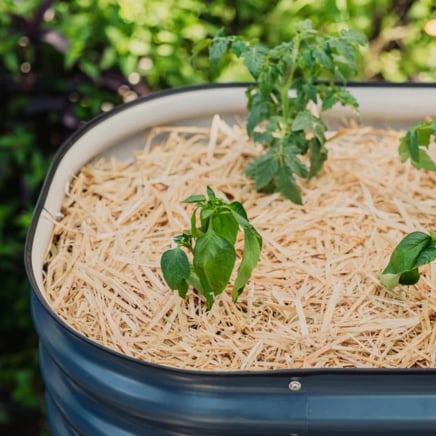
Believe it or not, mulch will protect a plant from frost. It insulates the roots and keeps them warm despite freezing temperatures aboveground. Add mulch around your plants in the fall and spring for year-round protection and insulation.
Use compost, leaf mold, or straw for the vegetable garden. Around woody trees and shrubs, use wood chips or bark nuggets. Wood decays into carbon, a nutrient that woody plants use more than fleshy ones.
Herbaceous plants need lots of nitrogen, which is why compost is the best mulch for the vegetable garden. Make compost yourself, or find it available at garden centers and plant nurseries. All you need to make compost is garden waste, water, effort, and time.
Key Takeaways
- Frost protection is most important for frost-tender vegetables and perennials.
- Some species are frost-hardy, while others are frost-tender. Know the plants in your garden so you can protect the ones that need support through the winter.
- Evergreen species tend to be the most frost-tender, especially when they grow outside their native range.
- Protective garden frost cloth is cheap, reusable, and easy to use. Though it may look like your yard is full of ghosts, it’ll keep your garden safe on the coldest nights.