

How to Flood-Proof Your Garden: 9 Proven Techniques
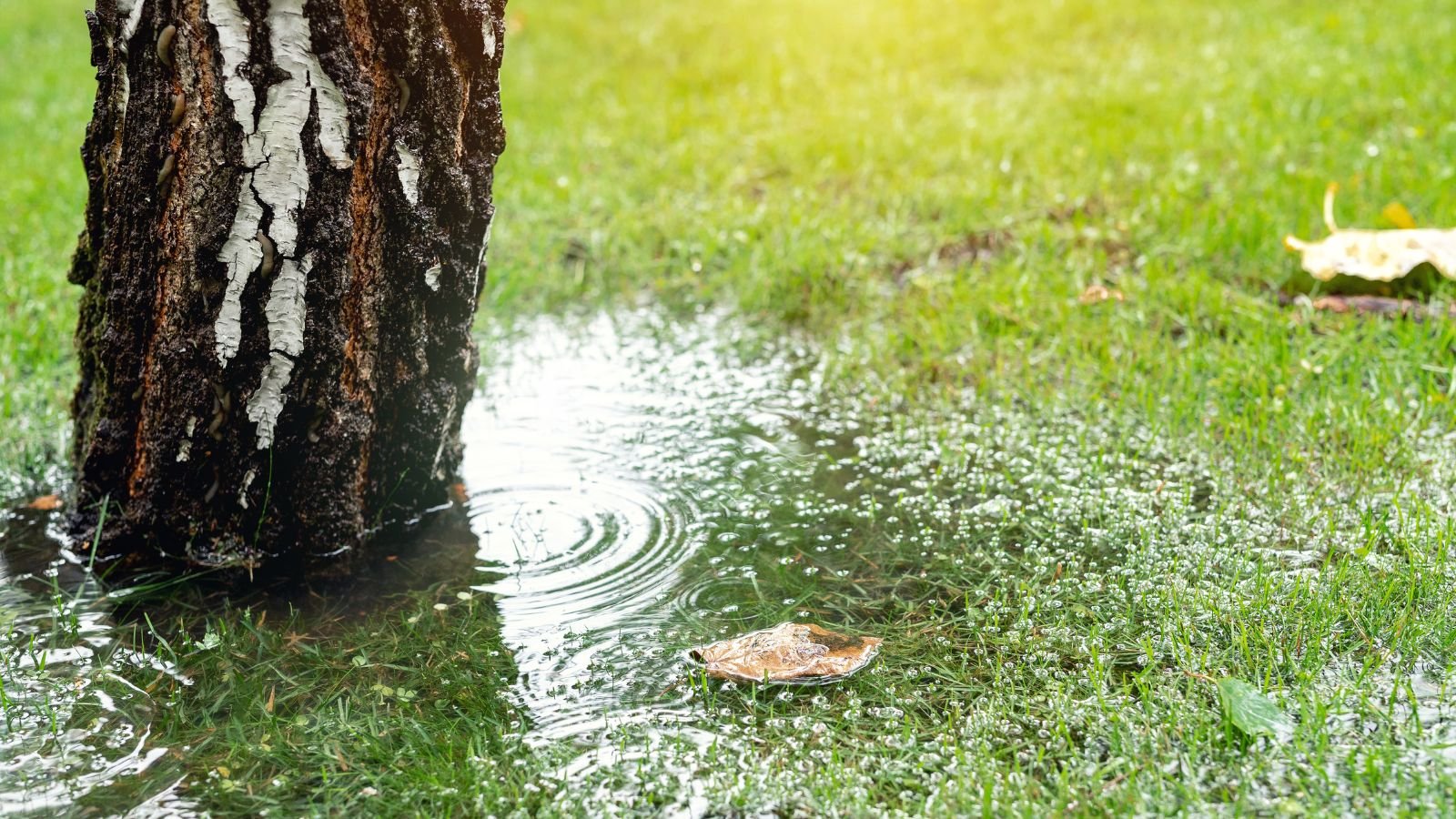
Pooling water, eroded soil, and waterlogged plants all result from a flooded garden. But there are things you can do to have a flood proof garden, even before it’s planted out! Seasoned gardener, Sarah Jay, has tips to help you improve drainage in your growing space.

Contents
When I moved into my current home, I had no idea how much being on a hill would affect my garden. When the first heavy rain came, it was rough to see the pooling all over the garden. I had some drainage issues to attend to! But a few adjustments were all it took to have a flood-proof garden.
Most people aren’t in the same situation I’m in. They have a little pooling here, and some there, rather than a massive incline with tons of water flowing down. Some people do have to deal with worse, though. Regardless, employing any one of these techniques will improve matters, even if it’s just a little.
Don’t be afraid to try some of these techniques yourself. If the effort and the work needed to complete one of these projects are too much, consult an expert. Landscapers and drainage specialists are all over to help you out with the flooding in your garden.

Large Modular Metal Raised Garden Bed Kit
Large Modular Metal Raised Garden Bed Kit – 29” Extra Tall
Locate Flood-Prone Areas
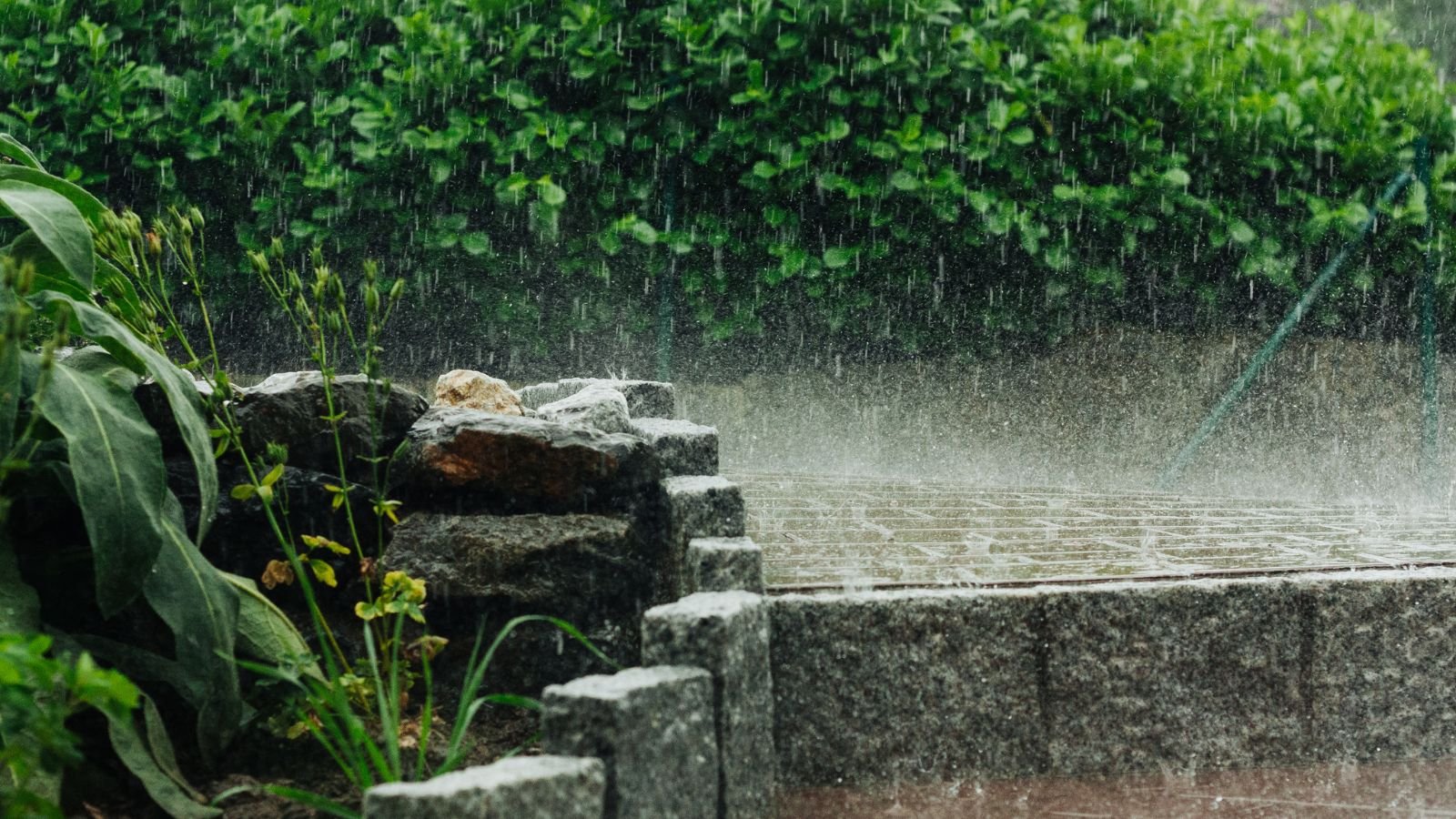
The most obvious step toward a flood-proof garden is first determining where the flooding is taking place. Locate areas where water pools in heavy rain, and where impromptu ponds pop up in the rainier seasons. Find divots in the yard that develop due to water flows.
As you locate these areas, make note of them, and if possible, determine how the water enters the area and leaves it. This will give you a better understanding of how to proceed. If the water flows in a channel-like way, it’s probably best to go with that channel. If it pools, there are other methods for dealing with the issue.
Aerate the Soil

In relatively level gardens where there are pools of water that appear after heavy rains, aerating the soil can work. Often, the best way to have a flood-proof garden or yard is to open up the soil and allow the water to flow through more freely. You can do this with a garden fork or a broadfork, or you can rent a powered aerator from the local hardware store.
Focus on the areas that tend to pool water most easily. But also, if you’re working in a yard where the flooding is consistently bad, a systematic approach is best. Ensure you manage to aerate the entire garden. If necessary, break the area up into a grid and evenly aerate each square.
If you’re dealing with grass, shrubs, and other flood-damaged plants, give them time to recover before pulling them. Their roots soak up some of that water, keeping the area from flooding even more heavily the next time.
Move Sensitive Plants

Say you’ve chosen xeric plants, but your yard continues to flood, and they could die if the flooding continues. The best thing to do is to move them. For smaller plants, pot them up until you find a good place for them to be planted in the ground.
For larger ones, wait for a bit after flooding to determine if they will survive. If they show signs of decline, like prematurely yellowing leaves, fungal growth, or a mushy crown, and they’re small enough to uproot, do so. Check out the roots and look for white, healthy growth. Some plants can recover from root rot, but others, not so much.
For those that can’t handle the flood, remove them. In empty areas, it’s important to replace the plants with something else whenever possible. This prevents even further flooding.
Choose plants that handle occasional flooding. Inland river oats are a great choice for much of North America. Various native lobelias work too. Plants that typically live along streams and rivers are great.
Grow a Rain Garden
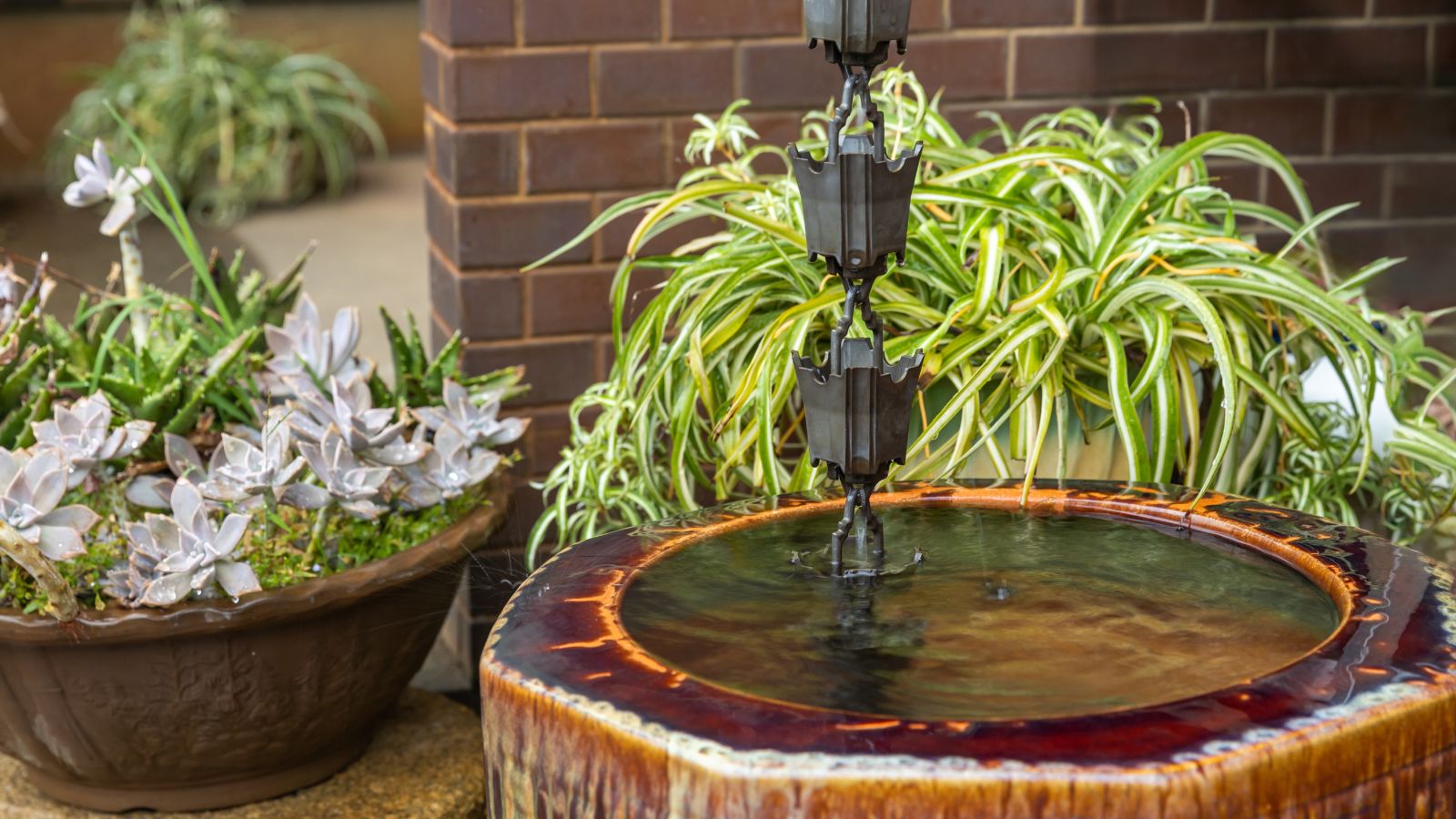
Rain gardens are a fun way to incorporate more plants in your garden and control flooding at the same time. Rain gardens are full of plants that suck up the excess moisture, putting that rainwater back into the ground where it needs to be.
Before you dig, contact your local utility company to mark the utility lines in your yard. Then outline the shape of your garden. Place it at least ten feet from your home, and somewhere that can catch the flowing rainwater, but a place that will dry within a day.
Then use a sod cutter to remove the turf, and dig to your preferred depth. If you’re working on a hill, dig deeply and place a berm on the downslope. The bottom should be level. Fill the bottom with plantable soil, rich with amendments like compost and decayed leaves. Then plant it out.
The plants near the berm will be the driest, so select grasses and forbs that can handle dryness. Those further inside can handle a little more water. If you want the planting to be adapted to your region, choose natives that can subsist on rainfall and in the native soil.
If you don’t have a ton of space, a vertical rain garden is a great option! The result? An area where water is caught in the ground, rather than flowing all over the place, flooding the garden.
Harvest Rainwater

Adding rainwater barrels is a great way to maintain a flood-proof garden. This is exactly what Epic founder, Kevin Espiritu, did on his homestead. In San Diego, rainwater is a scarce resource, and caching the water rather than letting it flow off the property is a great way to save it overall.
You don’t have to go with the over 5000-gallon tank that Kevin chose. Installing just a few 50-gallon barrels at the downspout of your roof drainage is perfect. Before you install, and even before you purchase your barrels, check with your local extension office to determine the rules and regulations concerning rainwater harvesting.
Convert Your Lawn
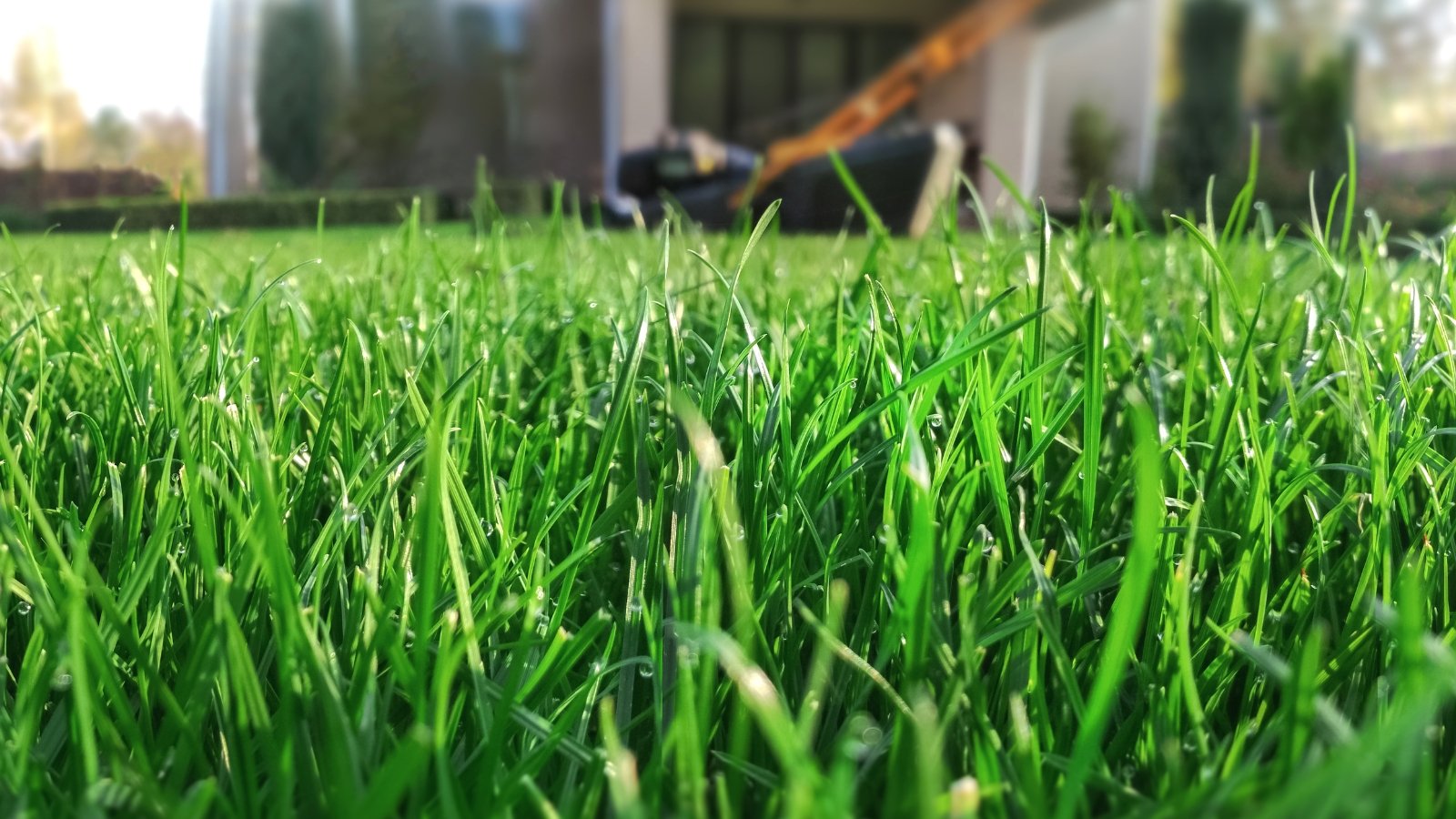
Turf is great where it’s needed, in areas where sports are played and public lawns. But it is not a great option for a flood-proof garden. If you struggle year after year with flooded turf, try converting all or part of your yard to a meadow. This works for flood-prone gardens too.
Use natives to soak up and retain some of the moisture that tends to pool in your turf lawn or flooded garden. A combination of native grasses and forbs, along with native trees, will suck up that water faster than it can pool.
When you decide to convert your lawn, look at your ecoregion to determine the best plants for the job. Select those that naturally occur in local wild areas. If you have consistent flooding, choose plants that can handle wet feet.
Build Raised Beds
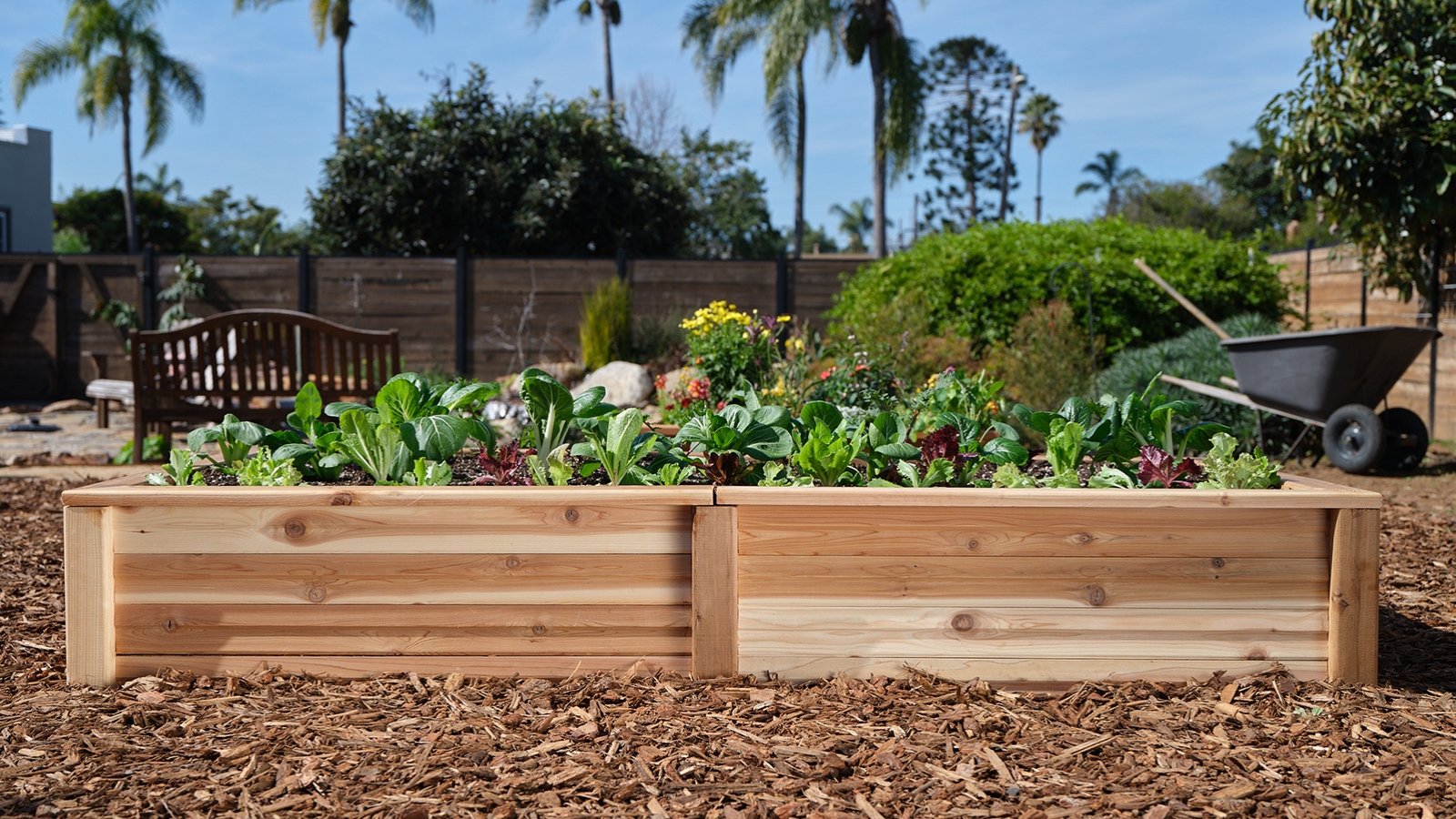
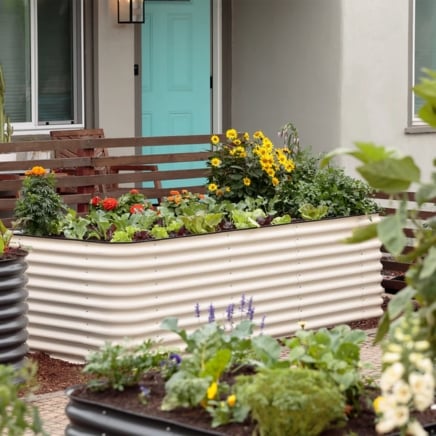
While it’s not best to build raised beds directly on a flood plain, you can use them to grow in a garden that tends to be boggy. This improves drainage and makes it possible to grow those plants that require good drainage to thrive.
If you want a flood-proof garden of raised beds, build them where the water won’t pool around them. Use beds on stilts where you can’t get away from pooling water. Place larger ones with open bases in areas where they are level, and the water that enters them can drain away.
If you’re unsure what to grow, try some mushrooms! They’ll thrive in already damp conditions. You don’t have to stick to only edible plants in these beds. Choose plants that wouldn’t otherwise do well in the soil as it is in the ground.
Avoid Mowing Nearby Streams

If you live along a creek or river, and you want a flood-proof garden, it is essential to have some plants along the border of that waterway. These plants slow flood waters and capture sediments that tend to become more mobile in intense rainstorms. They also filter any nutrients, preventing runoff in ecologically sensitive areas.
When my municipality mows the bounds of the ditches and creeks in my part of Texas, it drives me nuts! Letting those plants grow not only protects our groundwater, but it also keeps the quality of the water safe for everyone – wildlife and humans too.
Keep the plants around the waterway at least 15 feet from the boundary of the creek or river in question.
Create a Dry Creek

Allowing water to flow into your local drainage system isn’t the best way to preserve groundwater, but it is a viable way to have a flood-proof garden. It’s even better if you direct that water into local waterways or beds of plants that like boggier conditions.
To do this, find the areas where water tends to flow and pool, then remove the turf around them. Dig a trench that follows this natural depression, and line it with gravel or rocks of some kind. Then let the water flow through the creek when heavy rains come.


