Plant These Seeds Straight in the Ground in May
While there are many seeds you can direct sow in May, it’s best to prioritize those that need to go in the ground vs sowing indoors. Gardening expert Madison Moulton shares her picks for seeds that skip the indoor fuss and go directly into the garden in May, from fast-maturing radishes to heat-loving melons.

Contents
Some crops don’t perform particularly well when started indoors, whether because of sensitive roots, fast growth, or a preference for settling in right where they’ll stay. May, with its warming soil and (mostly) reliable frost-free nights, is when these seeds belong in the ground.
If you’re in a warmer climate where frost isn’t really a concern, technically any seeds can go straight in the ground. But for this list, I’ve stuck to those that perform best when direct-sown compared to sowing indoors. Just keep in mind that if your garden is already frost-free now, most seeds can go straight in the ground in May.
If you’ve been focused on transplants all spring, this is the month to switch it up. These are the crops worth prioritizing for direct sowing right now.


Beans

Bean seeds are large enough to handle individually, and germination is quick in warm soil. Plus, the plants establish themselves fast once they’re up, great for going in the ground in May. What they don’t tolerate is root disturbance, which is why even the seed packets tend to say “not recommended” for starting indoors. Simply push each seed about an inch deep, spacing them four inches apart for bush types or six inches for climbers.
‘Contender‘ has been a dependable bush bean since 1949, producing heavily in about 50 days and tolerating heat better than most varieties. For pole beans, ‘Blue Lake FM-1K’ is a strong performer with great flavor.
Squash

Squash seeds grow so fast indoors that they tend to outgrow their pots before the weather cooperates. Starting them inside often creates leggy, rootbound seedlings that wilt after transplanting. Direct sowing is the far easier option.
Wait for soil temperatures between 70°F and 85°F (21°C and 29°C), then plant seeds in the ground in May. Thin to the strongest seedling once they’re a few inches tall. Give each plant plenty of room, since crowded plants are magnets for powdery mildew.
Both summer and winter squash can go in now. If you want something with a little more disease resistance than the standard zucchini, ‘Emerald Delight’ holds up well against powdery mildew and mosaic virus. For a winter variety, ‘Honey Boat’ delicata produces sweet, nutty fruit.
Cucumbers

If you struggle to establish cucumber plants from seedling transplants, it’s likely because these seeds perform much better with direct sowing. Cucumbers need warm soil to germinate well, making them perfect seeds to plant in the ground in May in warmer regions.
Plant seeds half an inch deep in groups of two, spaced about 12 inches apart if you’re trellising (and you should trellis if you can, since it saves space and keeps the fruit off the ground). Once the seedlings have their first true leaves, thin each group down to one plant.
‘Marketmore‘ is a reliable slicer that holds its shape even in poor weather conditions, with vines that keep producing as long as you keep picking. If you want something less common, ‘Lemon’ cucumber has been a favorite for decades (with yellow, lemon-like fruit that’s non-bitter and burpless) and is more drought-tolerant than most varieties.
Radishes
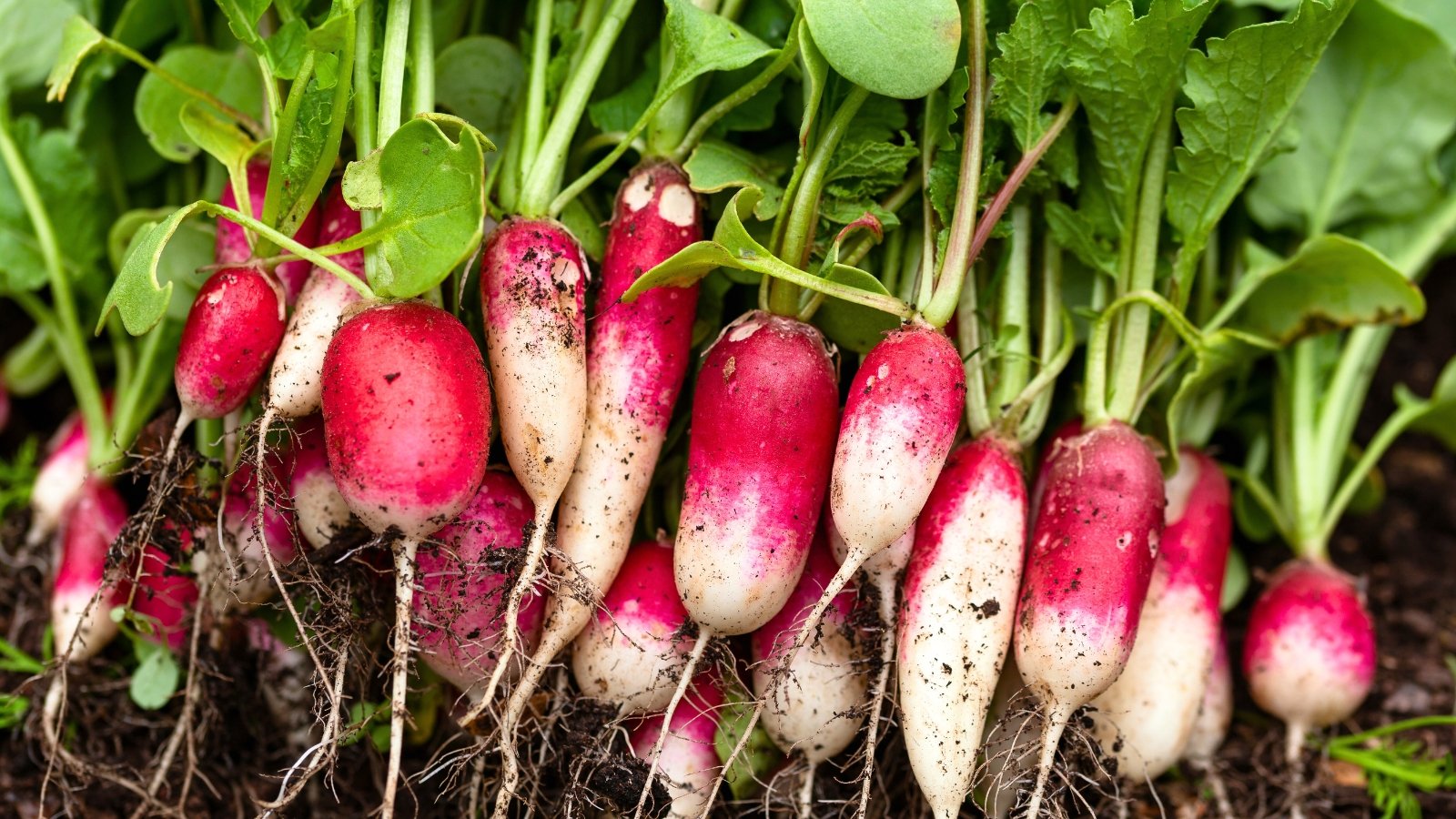
The fastest crop you can grow from seed, spring radishes mature in as few as 24 days. All you need to do is scatter seeds half an inch deep, thin to an inch apart once they sprout, and harvest before they get woody.
As days get longer and hotter, most spring varieties bolt quickly, turning pithy and bitter. Sow them early in the month and don’t delay harvest. If a radish feels spongy when you pull it, it’s past its prime.
‘French Breakfast’ has been a staple in gardens for decades and handles warmth a bit better than some of the more delicate spring types. ‘Cherry Belle’ is another solid choice, a 1949 All-America Selections winner that matures in 24 days with mild flavor and crisp white flesh. For either variety, harvest before they exceed about an inch in diameter.
Corn

For the best performance, corn should always be direct sown. The roots don’t recover well from transplanting, and the plants grow so rapidly in warm soil that there’s no advantage to starting early indoors.
Plant in blocks of at least four rows, with seeds about eight inches apart and an inch deep. Soil temperature should be at least 65°F (18°C) for good germination. In cooler soil, corn seeds tend to rot before they sprout, especially the sweeter varieties.
Zinnias

Zinnias are one of the easiest flowers to direct sow, and May is the ideal time to plant them in the ground if you haven’t already. They need warm soil and full sun, and not much attention beyond that. And if you let them go to seed, they’ll return again and again.
Sow seeds one to two weeks after your last frost date. They start blooming in about 60 days and keep going until frost. The more you cut, the more they branch and produce new flowers, which makes them ideal for anyone who wants bouquets all summer.
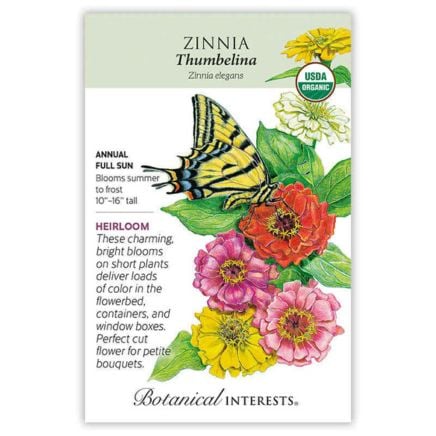
‘Thumbelina’ stays compact at 10 to 16 inches tall but still produces an abundance of cheerful blossoms, which makes it a good fit for containers or the front of a border.
Sunflowers

Sunflowers are one of the most satisfying seeds to plant with kids (or even without them). They’re large enough to handle easily, they germinate in under a week in warm soil, and the growth is fast enough that you can almost watch it happen.
‘Mammoth’ is the classic giant, with a single stalk that can reach 12 feet and one massive flower head (up to 12 inches across) loaded with snackable seeds. For multi-branching varieties that produce more (albeit smaller) blooms for cutting, the ‘Heirloom Beauties‘ blend offers various cultivars in shades of yellow, orange, gold, and red.
Nasturtiums

Nasturtiums are worth growing for the leaves alone, which are peppery and surprisingly good in salads. But the flowers are edible too, and the plants are fairly drought-tolerant once established. They dislike being transplanted, so planting in the ground in May is a good choice.
Nasturtiums flower best in poor soil. Rich, heavily amended beds tend to produce lots of foliage and very few blooms. If your garden soil is naturally lean, nasturtiums will thrive there with no extra effort.
The ‘Jewel Blend‘ stays compact in a mounding habit, while trailing types like the ‘Single Blend’ can sprawl to five or six feet and look particularly good spilling over the edges of containers.
Dill

Most herbs do fine as transplants, but dill is an exception. It has a long taproot that doesn’t appreciate being disturbed. Transplanted dill also tends to bolt almost immediately, going straight to flower before producing much usable foliage.
Scatter seeds on the surface of prepared soil and press them in lightly. Dill seeds need light to germinate, so don’t bury them. They can take 20 to 25 days to sprout. For a steady supply of fresh dill through summer, sow a new batch every two to three weeks.
‘Bouquet‘ is a reliable variety with early, large seed heads, making it a good dual-purpose option if you want both the feathery foliage for cooking and the seeds for pickling. If your main goal is leaf production, ‘Tetra’ is a bushier, late-flowering variety that’s slower to bolt and keeps producing fresh foliage longer into the season.