It’s No Mow May: How to Do it Right
In an effort to better support pollinators, people all over the world start spring with No Mow May. This well-intentioned action gives early spring pollinators some food as other plants just begin to bloom. But by taking a few extra steps, you can make your No Mow May even better. Master Naturalist, Sarah Jay, shows you how.

Contents
For many in North America, May heralds the full swing of spring. Around this time, many perennial bloomers are just beginning to bud. It will be some time before they bloom, and hungry pollinators look hard for good food sources. This is why No Mow May was developed.
It started in the UK in the late 2010s. The idea was to subvert the idea that the first thing you should do in May is treat and mow your lawn, eliminating pollen and nectar sources for helpful insects. In this part of the world (and in colder areas of our continent), May is when spring just begins.
But there are some differences in how things work in the UK and how things work in North America. While the idea of No Mow May is great, there are a few stipulations to consider as we adapt this useful practice to our climates and our local ecosystems. Here’s how you can develop your own no-mow practice that will bolster the plant and animal life in your locality.
White Clover Alternative Lawn Seed Shaker
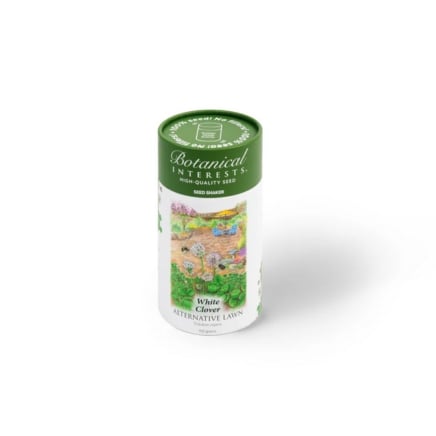
White Clover Alternative Lawn Seed Shaker
EcoEase Microclover and Fescue Mix Alternative Lawn Seed Shaker
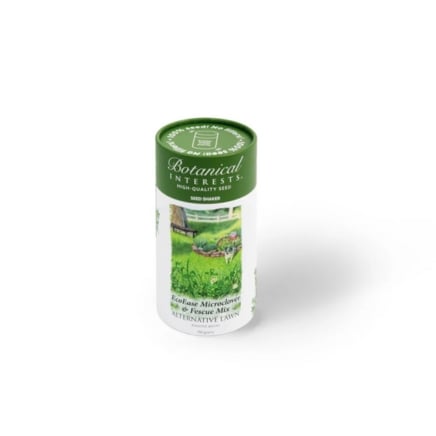
EcoEase Microclover and Fescue Mix Alternative Lawn Seed Shaker
EcoEase Flowering Mix Alternative Lawn Seed Shaker
EcoEase Flowering Mix Alternative Lawn Seed Shaker
Step 1: Focus On Native “Weeds”

In the UK, dandelions, nettles, creeping buttercup, and curly dock are all native. By instituting a No Mow May, people in the UK support native pollinators and insects that look for the flowers of these plants to forage and to have energy for the day.
However, in North America, these are not native plants. I won’t suggest you go around your yard and eliminate all non-native sources of food for insects. Instead, shift your focus toward the “weeds” that are native. These are the greatest supports for the insects local to your specific ecoregion.
If you like the dandelions, keep them! They will feed some pollinators, and even a few native bees, flies, and wasps. However, foster the ones that have evolved with insects here for centuries. Keep your local nightshades, pokeweeds, and yarrow. These bloom early on and give your local pollinators the boost they need to get through the day.
If you’re not sure if you’re dealing with a non-native or native species, use a plant ID app, or check out a list of common native weeds put out by your state’s extension offices. You don’t have to keep these year-round, but make room for them in the scarce parts of the year, and pollinators will thank you by showing up.
Step 2: Adapt to Local Conditions

As we mentioned in the intro, May is typically when spring arrives in the UK. While you may still be waiting for your last frost date in May, not everyone in North America does. This is why it’s important to adapt to your local climate and respond based on that, rather than May.
In zone 8b, in North Texas, we’ve already been in spring for a month and a half. So many turf “weeds” burst into bloom at the end of March, and we’ve had tons and tons of hummingbird moths flying around dawn, feeding on native cranesbill, winecups, and wood sorrel. If we had mowed around that time, we would have eliminated some of their food source.
But at this time, people in Michigan are just beginning to see the first flowers of spring. So, No Mow May could actually be No Mow June there, while here it’s No Mow March, and people in zones 5 and 6 may have a No Mow April. The key is to be observant and see if your yard is producing flowers that feed pollinators. Wait to mow until more plants bloom later in spring.
Step 3: Build a Pocket Prairie
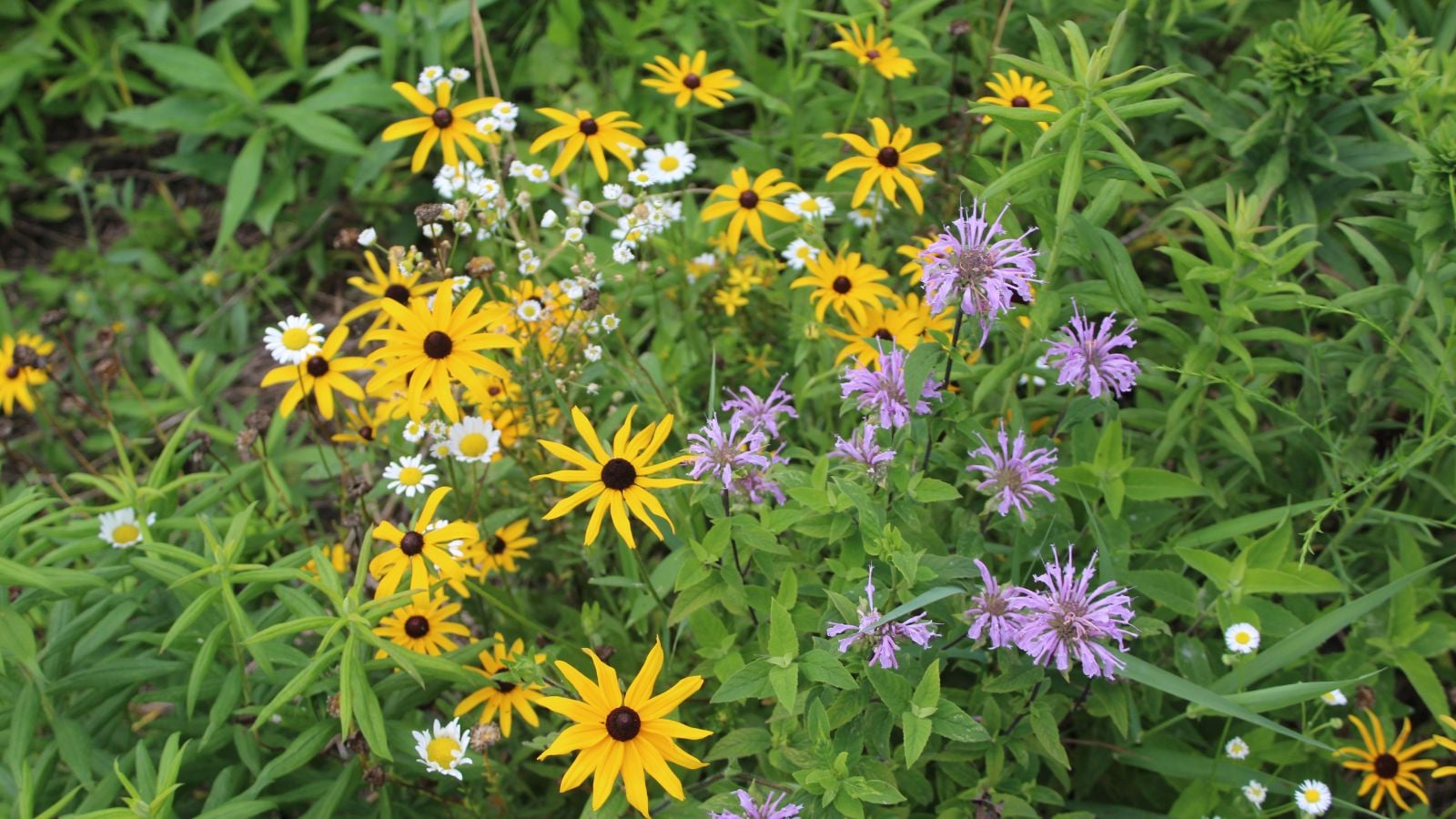
So, this is not technically a No Mow May initiative, but it could save you a lot of time in the future. While people have plenty of valid reasons for keeping turf grass, they could save time and energy by building a small pocket prairie instead of treating and mowing the lawn.
You don’t have to wait for next fall or spring to do this. Simply clear an area of turf grass, and plant it out with spring-blooming natives. It could be as simple as scattering seeds in the fall so they sprout the following spring, or it could be intentionally planted with specific perennials.
Doing this provides not only food to pollinators, but it also provides habitat. Having about 70% native plants and 30% non-native or turf makes a huge difference.
Step 4: Replace Turf Lawns
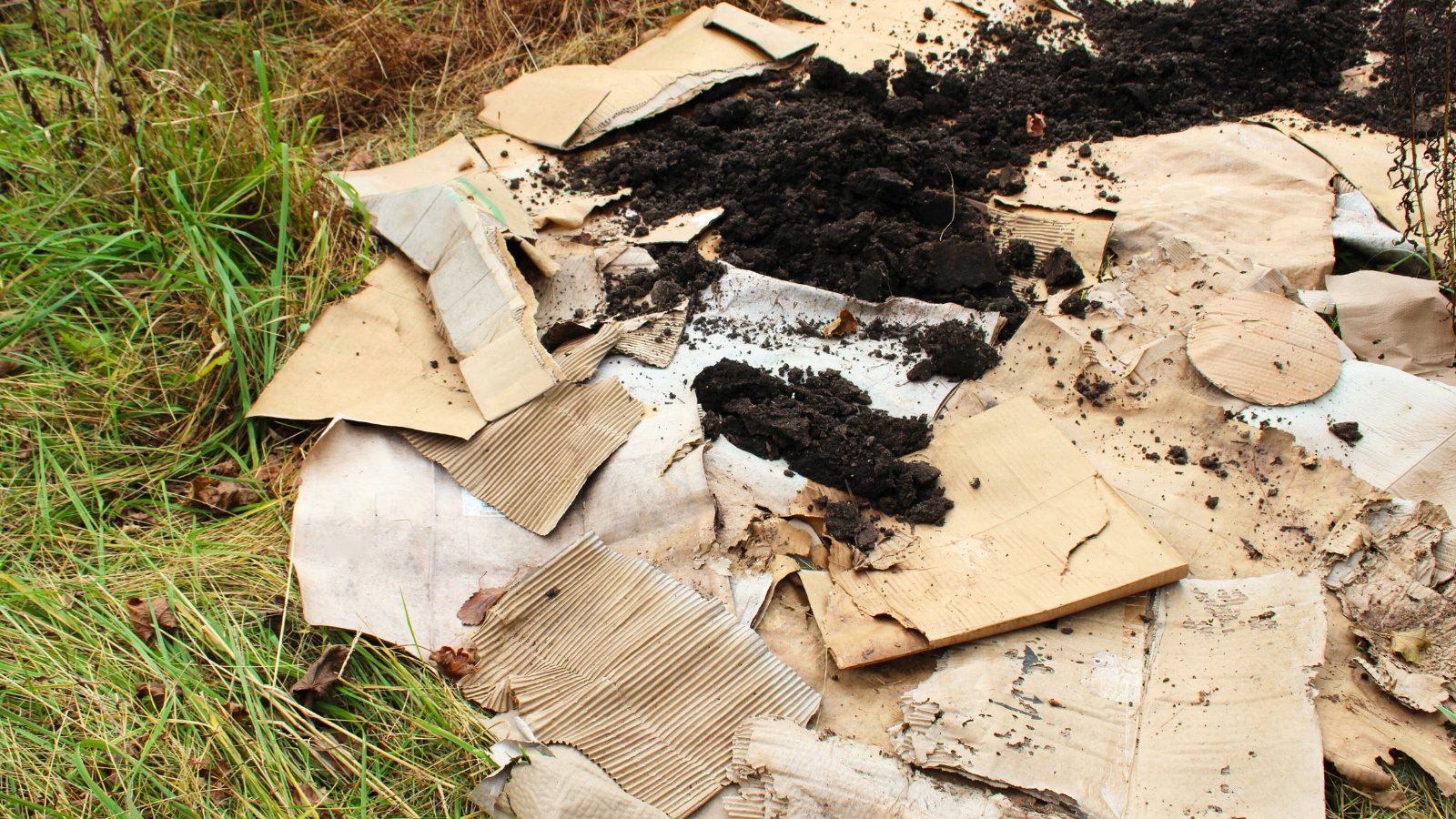
If you are tired of turf grass and you’d like to convert your entire lawn into something that will benefit insects all year long, you can replace all the turf with a native grass or ground cover. This takes much more time than planting a small pocket prairie, but the payoff is worth it.
Smother the entire lawn with cardboard covered with compost or wood mulch. You can also solarize the turf, killing it off under plastic. Another option is to mechanically remove the sod with a manual or electric sod cutter. Once the turf is gone and there’s no threat of it returning, plant out the area with a ground cover native to your region.
Here in Texas, people love to plant frogfruit, also called turkeytangle. There’s a similar plant that is formulated specifically for turf, called kurapia. You can replace your lawn with a native low-growing grass or some kind of creeping cover indigenous to your locality. Whatever you do, avoid invasives that could outcompete local natives.
I won’t mince words here. This is a huge time and energy commitment up front. But it will save you much time, energy, and money down the line. It’s also in line with the intentions set forth by No Mow May proponents.
Step 5: Raise the Cutting Height
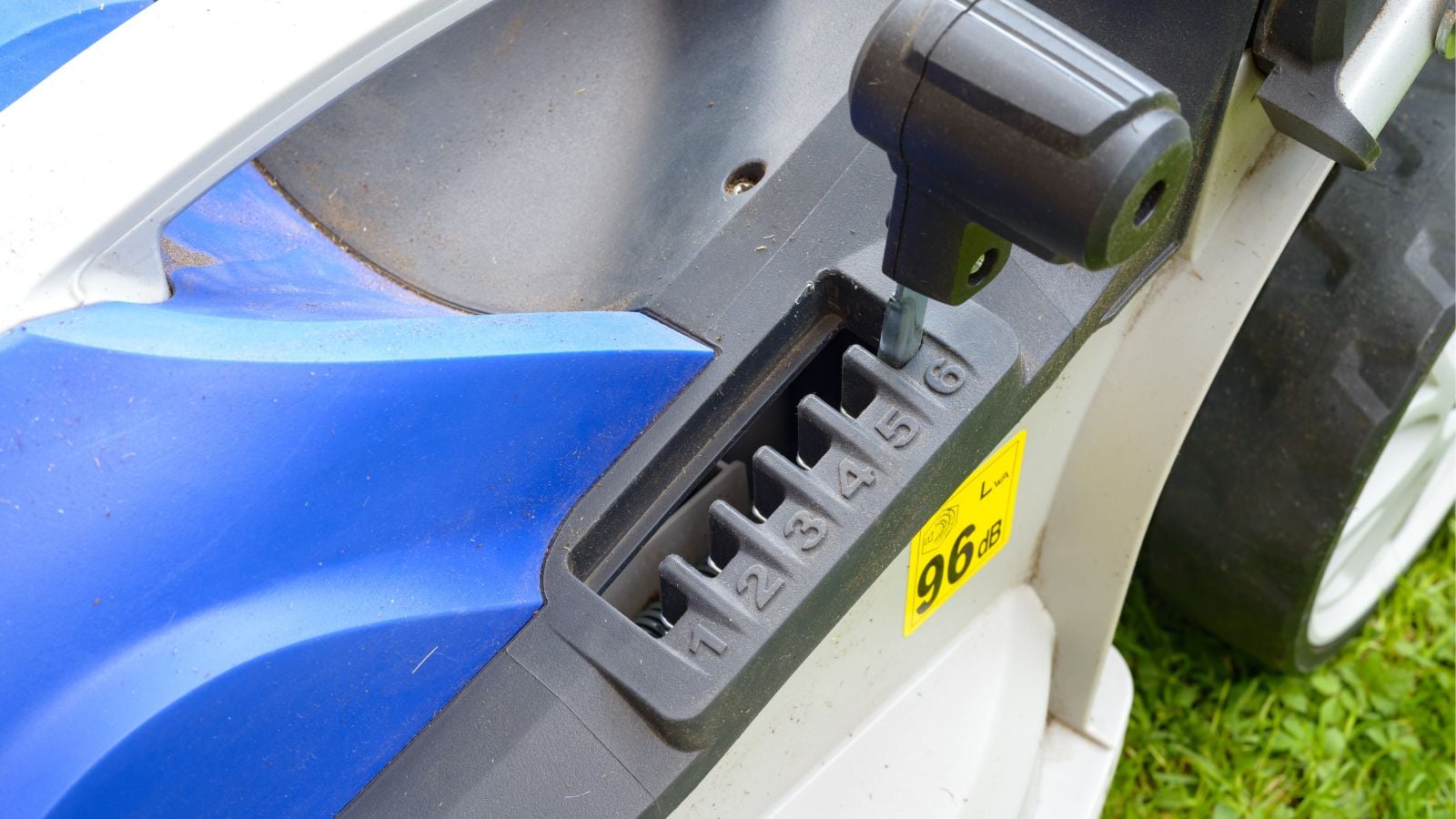
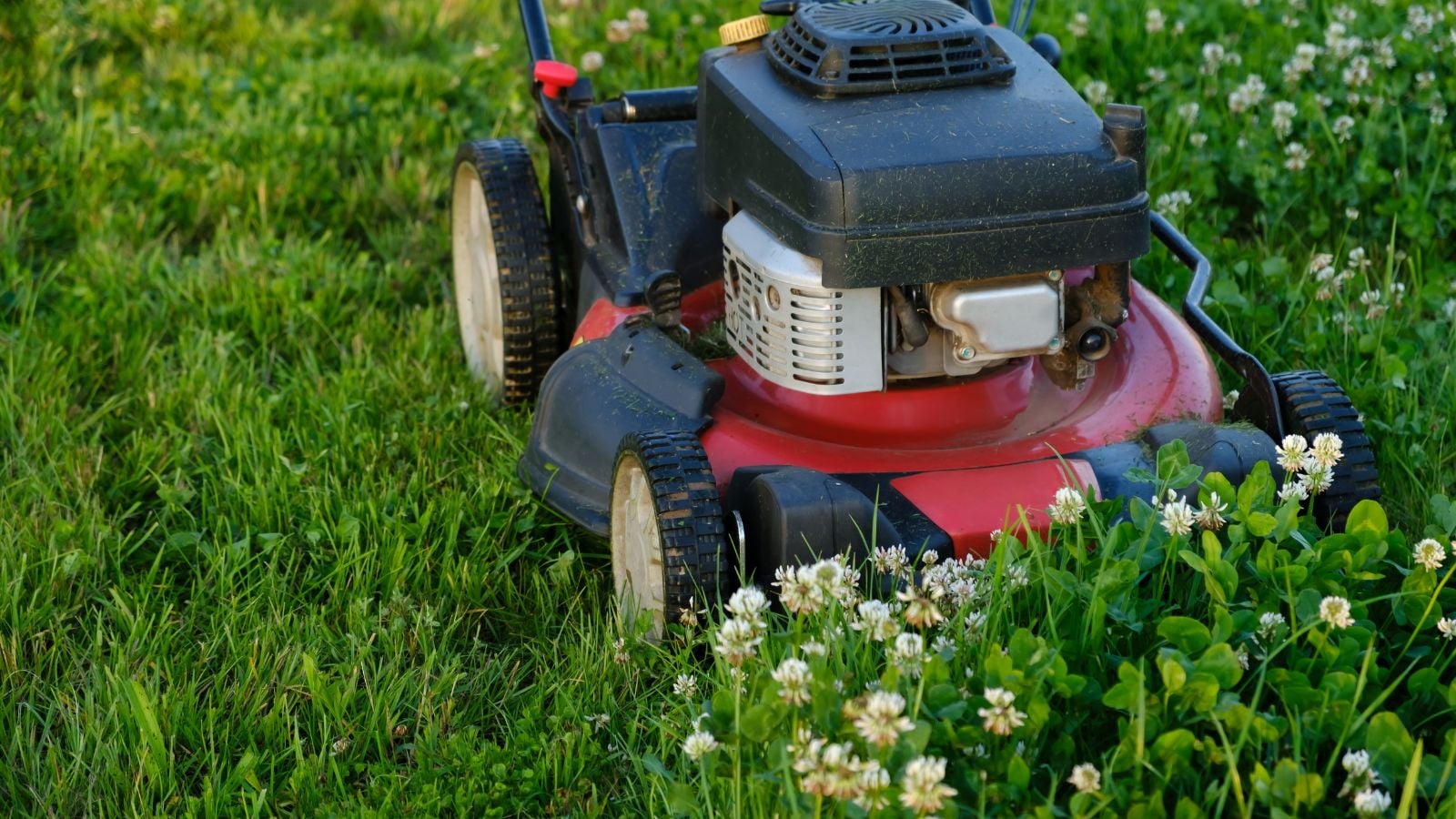
If all of this seems like too much effort for you, that’s totally ok! The best way to practice No Mow May is to raise the cutting height of your lawn mower simply. This prevents the removal of flower heads that feed pollinators. It’s also better for your lawn overall and prevents the diseases and issues that come from cutting too low in the first place.
It may not look as uniform at first, but it saves some of the flower heads that give early bees, butterflies, and wasps some sugar to keep rolling, even though food can be limited.