

Late-Season Vegetable Protection Methods: From Row Covers to Cloches
Protecting the garden from fall frosts allows you to extend your season well into winter. You won’t have to lay the beds to rest, as you’ll have budding cabbages and leafy spinach, among other vegetables, to harvest. Use these late-season protection methods to keep your crops growing through the cold months.

Contents
As summer’s end turns into chilly autumn and winter, your frost-tender vegetables will begin to suffer without protection. Late harvests may rot, and fall crops are at risk of freezing on cold nights. Instead of leaving them to the elements, you can provide insulation from harsh frosts during the cold months.
The multiple options here will work for many gardeners. Regardless of whether you grow vegetables in planters or in the ground, there are late-season vegetable protection methods here that suit a variety of garden setups. Some are quick and easy to employ, while others require work to set up.
The tradeoff is the amount of protection each method provides. Labor-intensive projects, like building a greenhouse, are incredibly rewarding. They insulate tender plants much more than quick fixes, like employing frost cloth.
No matter what late-season vegetable protection you use, your vegetables will appreciate the time and labor you invest in helping them. You’ll have bushels of tender salad greens and baskets full of beets and carrots through October, November, and December!
These are the most useful protection methods for overwintering late-season vegetables. Keep fall crops, like cabbage, kale, and broccoli, safe from pests and frosts. Protect root crops like turnips, parsnips, and beets that are swelling in size. Or, insulate the tender seedlings of winter greens like mâche, mustard, and radicchio.

GardenBox Frost Cover
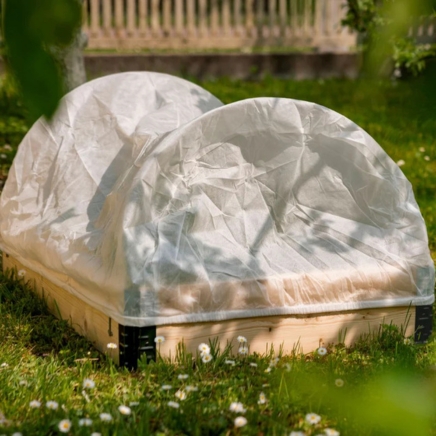
Epic GardenBox Frost Cover
Organic Garden Straw
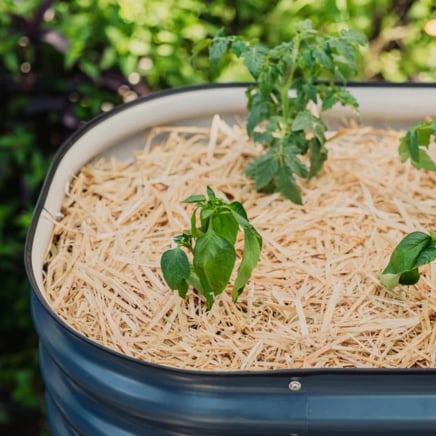
Epic Organic Garden Straw
Row Cover
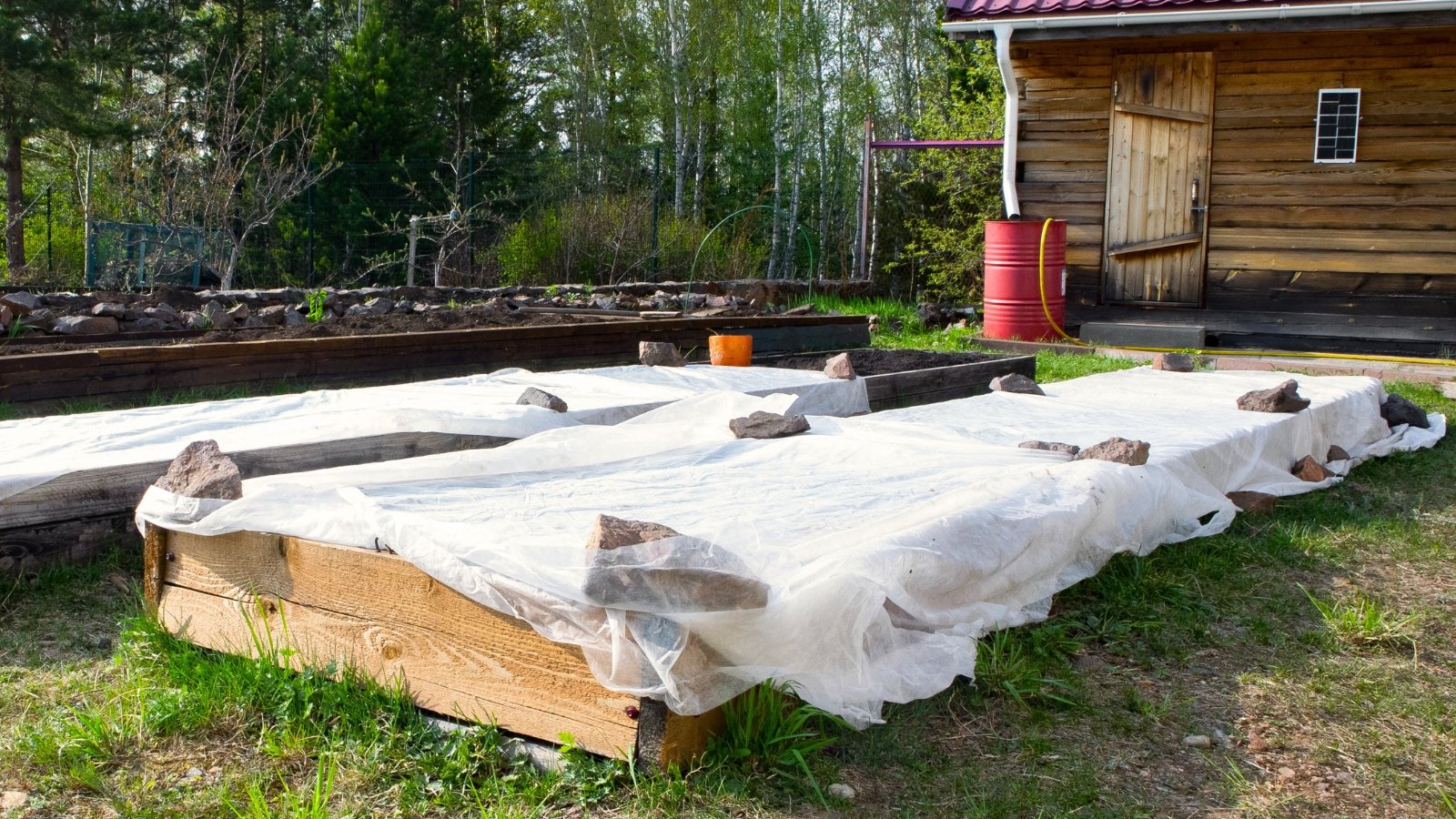
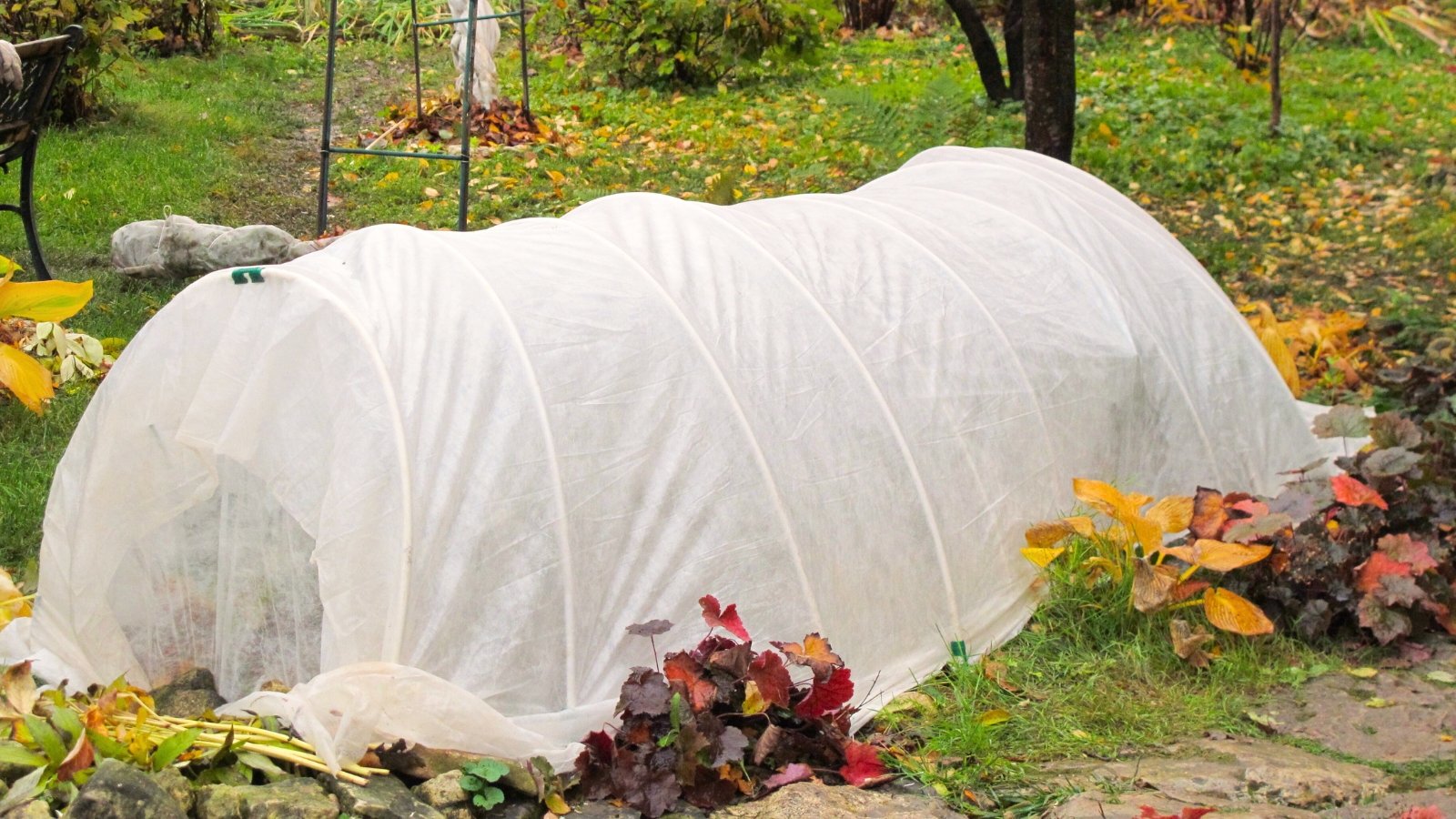
Row cover is a lightweight fabric that consists of polyester fibers. It also goes by the name frost cloth, as it offers protection from both pests and frosts. Its porous nature allows air and moisture to travel through while heat stays trapped below.
To work, the row cover must extend all the way down to the ground. You’ll cover entire beds, container gardens, and plots. Lightly drape the cover on top of the plants, or place it on an existing structure like a hoophouse or a frame.
Row cover protects tender vegetables from frosts and light freezes, but it may not work well for hard freezes. In any case, it’ll provide some insulation from the cold. Combine it with frost-tolerant crops, like mâche and fava beans, and you’ll have growing success well through the winter.
Or, use row cover to extend the growing season at the end of summer. Instead of ripening green tomatoes and peppers indoors, set up row cover and leave them to ripen for a few weeks on the vines.
Cloche
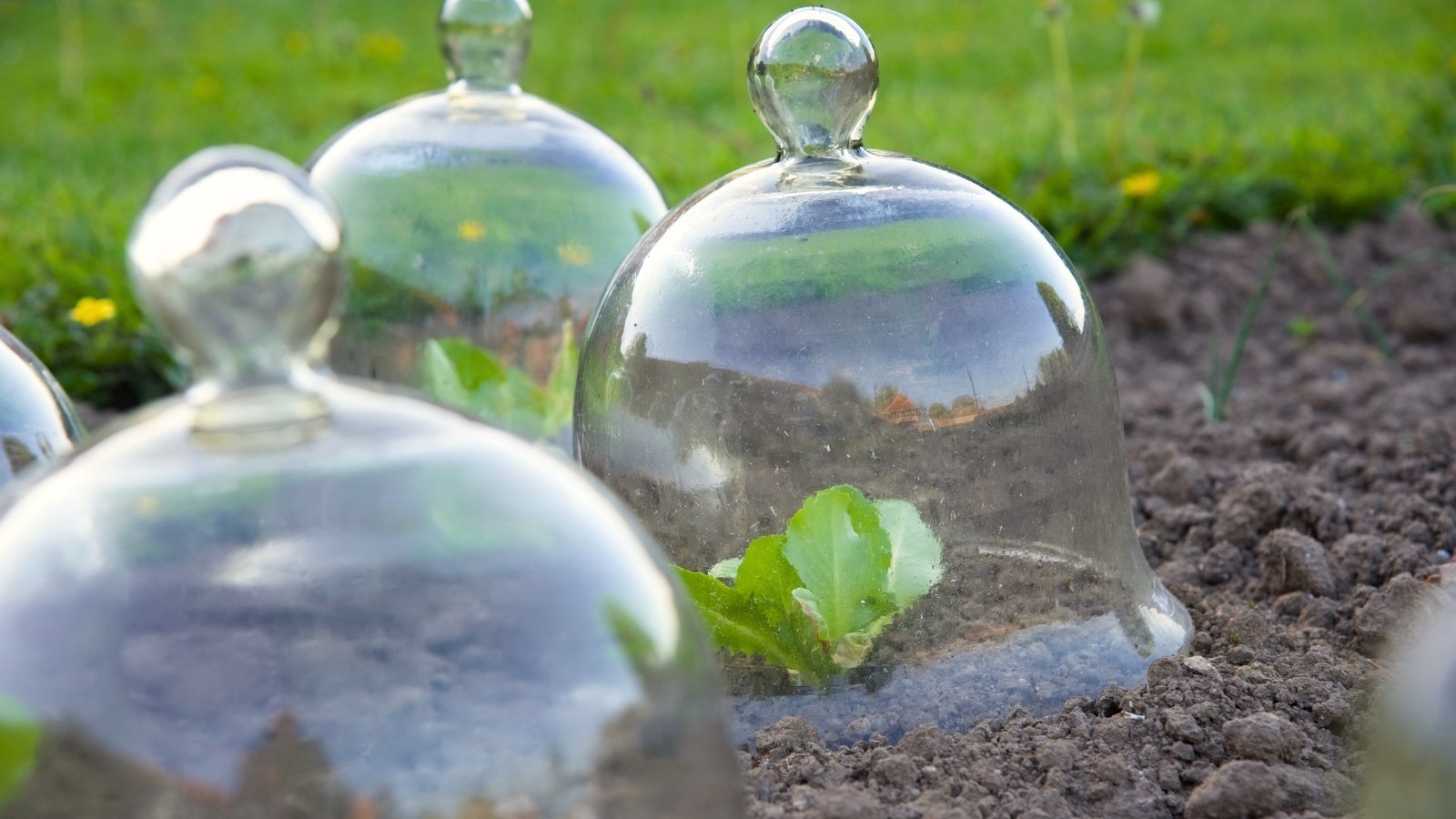
A cloche is a late-season vegetable protection covering that insulates a single plant. Old cloches were made of glass, though new options nowadays consist of wax paper or plastic. Any see-through object will do, from clear plastic lids to old mason jars.
The cloche works similarly to row cover; it traps heat while letting sunlight pass through. It also traps air, unless you use the wax paper cloches that are more porous than glass or plastic. If you use non-porous cloches, remove them once a day for a few minutes to refresh the air inside.
Glass cloches are like mini greenhouses, working to raise the temperature much higher than row covers. Though impractical for large gardens, they’re perfect for keeping a few remaining vegetables alive through the cold months, or for encouraging young seedlings to grow.
Hoophouse
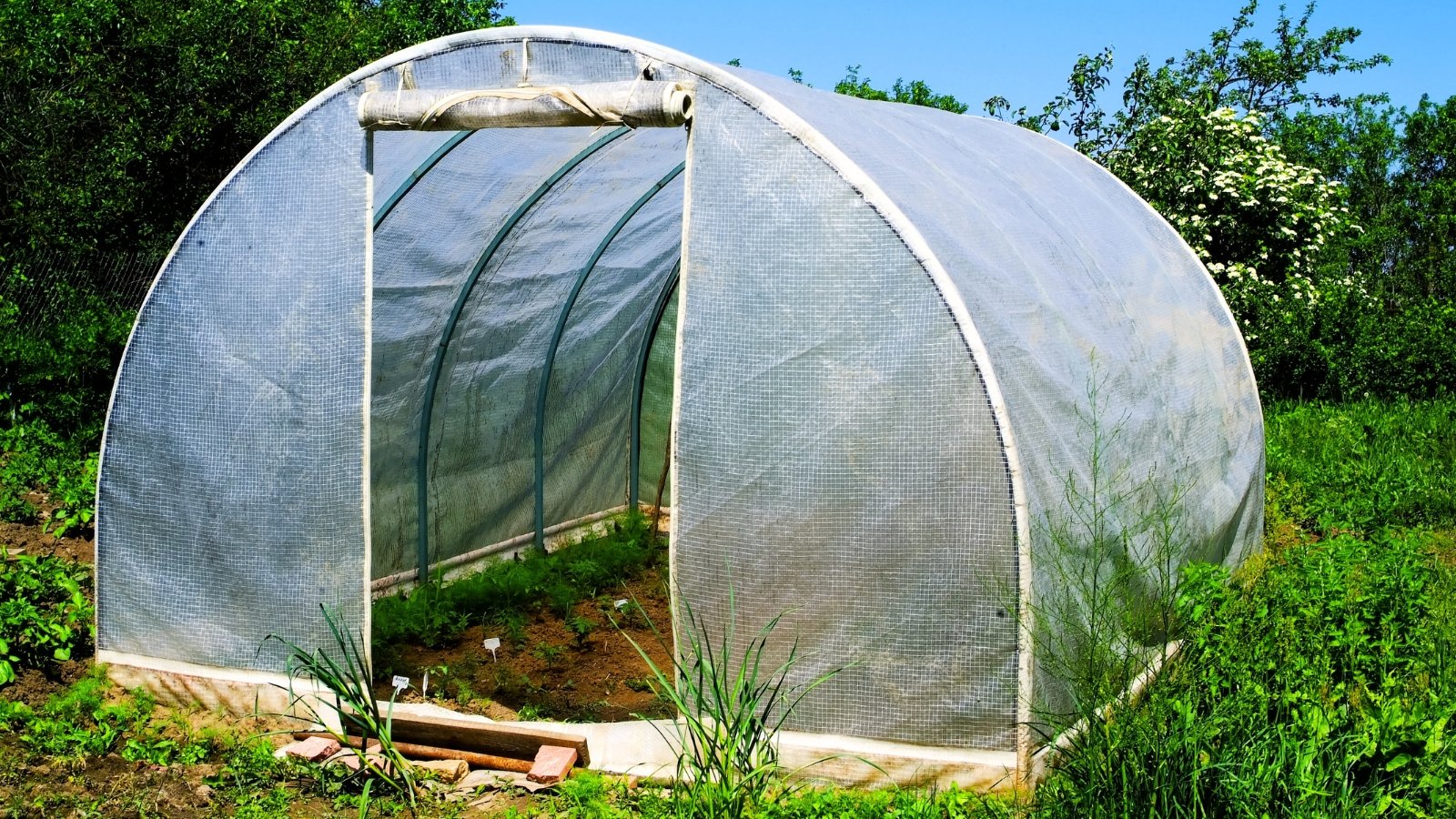
Hoophouses come in a range of shapes and sizes. They can be as large as a giant greenhouse or as small as a raised bed. They consist of UV-resistant greenhouse plastic and metal hoops. The U-shaped metal hoops go into the ground, and the plastic drapes over the frame of the hoops.
These houses provide a similar amount of protection as an unheated greenhouse. Plant growers and farmers use them to extend the late season and to get a head start on spring plantings. Under a hoophouse, grow kohlrabi, beets, and kale while the ground is frozen outside!
It’s easier to set up a hoophouse than a greenhouse. Over time, all you’ll need to do to maintain it is replace the plastic every few years when it becomes old, cloudy, and fragile.
Cold Frame

A cold frame is like a combination of a greenhouse and a raised bed. It sits on the ground with an open base, and it has a covering that protects the plants below it from cold weather, snow, ice, and rain. It’s incredibly efficient, and it’s easy to tuck it into an unused corner of the garden.
Cold frames are perfect for late-season vegetable protection, and they’re also useful for hardening off seedlings from fall through spring. Prepare indoor-started plants for the cold with a transitional period in the cold frame.
You may also build a cold frame on top of an existing raised bed! You’ll need a transparent glass or plastic lid with a hinge, and some tools to secure the lid to the bed.
Unheated Greenhouse

An unheated greenhouse is a more permanent structure than a hoophouse, and it’s perfect for extending the late season. In my area of the Pacific Northwest, a local neighbor has banana and avocado trees growing in his unheated greenhouse in the winter!
How much insulation this style of greenhouse will provide depends on where you garden. Glass panes will radiate more heat than plastic ones, though they’re considerably more expensive. Glass also lasts longer than plastic; it’ll stand for more than 30 years compared to the 10 or 20 years with plastic.
As with glass cloches, it’s important to air out the greenhouse every so often. Use a vent or a door, and let air flow through once daily to prevent fungal diseases on the vegetables inside. Plant tomatoes in regions with mild winters, and grow fall crops through the winter in cold climates.
Heated Greenhouse

A heated greenhouse is the supreme late-season vegetable protection method. A heater allows you to raise or lower the temperature as you wish to grow virtually any vegetable! You may defy the seasons and grow peppers and eggplants with grow lights.
Or, set the greenhouse to the ideal temperature for the crops you wish to grow. Plant a root vegetable, or sow leafy greens successively throughout the winter.
As with an unheated greenhouse, a heated one needs airflow to create the proper growing conditions inside. Use a vent for regular air exchange, or open the door daily and set up a fan to circulate air inside.
Move Under Cover

If you have a porch, patio, or balcony with a protective covering, you may move your potted vegetable crops under the cover. The covering will prevent rain, snow, and ice from reaching your potted plants. As late summer shifts into fall, you’ll extend the growing season for a few days or weeks.
The covering will allow ripening tomatoes, peppers, and eggplants more time to finish. It works well for potted plants, so long as the covering lets sunlight through. Avoid moving heat-loving vegetable crops under shady coverings, as they’ll quickly succumb to the cold without sufficient warmth.
Mulch

Mulch is the best and easiest way to provide instant protection during any season. A fertile mulch, like compost, both insulates and feeds growing vegetable plants throughout the year. Cover their roots with a layer two to three inches thick in the late season.
After a frost freezes the ground, add chopped leaves and straw around the base of each vegetable. Don’t crowd the stems, but leave a gap between the mulch and the plant. Too much mulch near the stems can encourage rot and diseases.
Mulch is an efficient late-season vegetable protection method for any vegetable, no matter if it grows in a pot, planter, or the ground. Use it to insulate vegetable roots from the late season through the rest of the year. In the spring and summer, it’ll work to preserve moisture when temperatures rise and the days lengthen.
Key Takeaways
- No matter which late-season vegetable protection method you choose, the work you do will pay off with fresh harvests in the late season.
- Adding row cover, cloches, and mulch are the easiest methods to use.
- Glass greenhouses are expensive, but incredibly long-lasting and efficient.
- A hoophouse is a compromise between the two. It’s considerably less expensive than a greenhouse, and it works nearly as well.
Frequently Asked Questions
What’s the best protection for the vegetable garden?
The best protection is a heated greenhouse. It’s expensive to build and maintain, but it can maintain any temperature in the winter for year-round harvests.
At what temperature should I begin using protection methods in my vegetable garden?
It depends on the vegetables you’re growing. Persisting summer crops require protection when temperatures drop below 55°F (13°C). Frost-tolerant varieties need protection when temperatures drop well below freezing.
What’s the easiest protection method for the vegetable garden?
Mulch! Add mulch to insulate vegetable roots and keep them growing despite harsh weather.


