How to Plant, Grow, and Care for ‘Frosted Explosion’ Grass
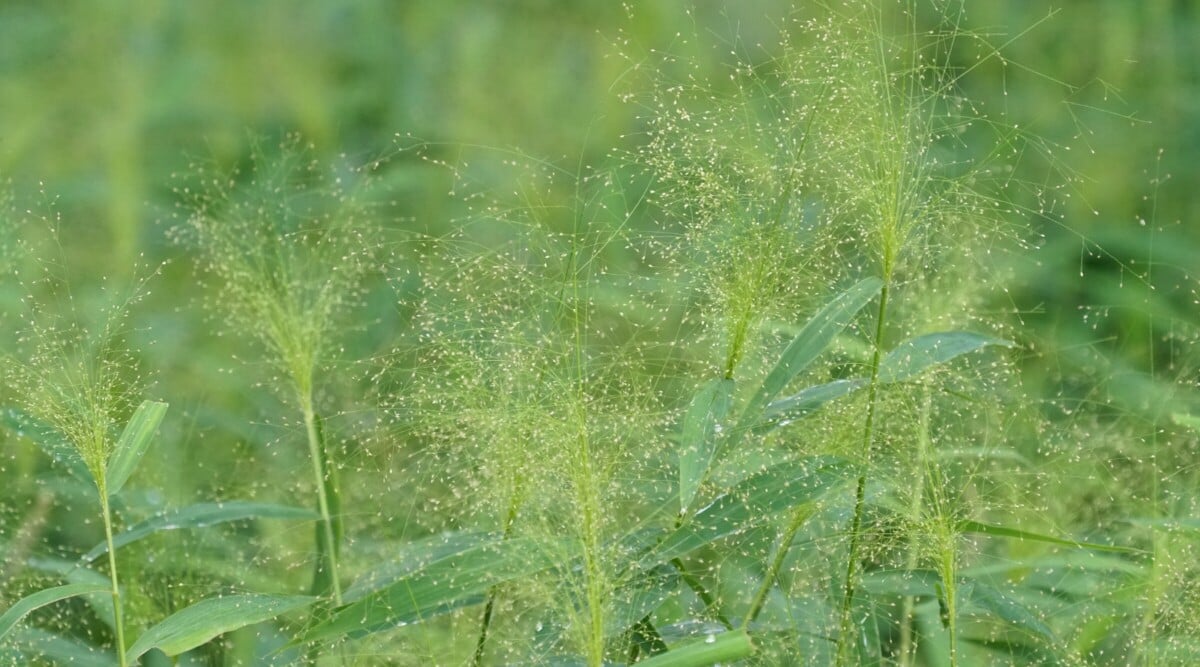
Frosted explosion grass bursts into the warm season garden with feathery plumes that shine in the summer sun. Its fine texture and showy seeds are prized in floral arrangements. Grow frosted explosion grass quickly from seed to enjoy its unique “filler” qualities in the garden bed, planted container, or floral design. Garden professional Katherine Rowe explores the captivating features of Panicum ‘Frosted Explosion’ - an easy-care annual to brighten the garden this summer.

Contents
Panicum elegans ‘Frosted Explosion’ bursts into the garden as an ornamental grass with outstanding glittering, airy tufts. A carefree garden annual, this unique grass brings lovely texture to the garden bed and planted container.
‘Frosted Explosion’ grows easily from seed to highlight a summer bed or cut flower garden. It makes a decorative, long-lasting “filler” specimen from summer through frost in fresh and dried floral arrangements.
Panicum species offer visual interest in the warm season garden as grasses with showy plums, upright forms, and fine-bladed, colorful foliage. Their low-maintenance requirements make them easy-to-grow garden specimens. Seed plumes persist into fall and winter, bringing multi-season appeal and forage for wildlife. Let’s explore how to cultivate this gorgeous grass.
‘Frosted Explosion’ Grass Overview

|
Botanical Name
Panicum elegans ‘Frosted Explosion’
Plant Type
Annual ornamental grass
Family
Poaceae
Genus
Panicum
|
Species
elegans
Exposure
Full sun to part shade
Height
2-3 feet
Watering Requirements
Medium
|
Pests & Diseases
None
Maintenance
Low
Soil Type
Average
Hardiness Zone
2-11 (annual)
|
‘Frosted Explosion’ Grass Seeds

- Fiber optic-like appearance
- Intriguing growth process
- Versatile planting options
- Ideal for floral arrangements
- Great for drying
What is ‘Frosted Explosion’ Grass?
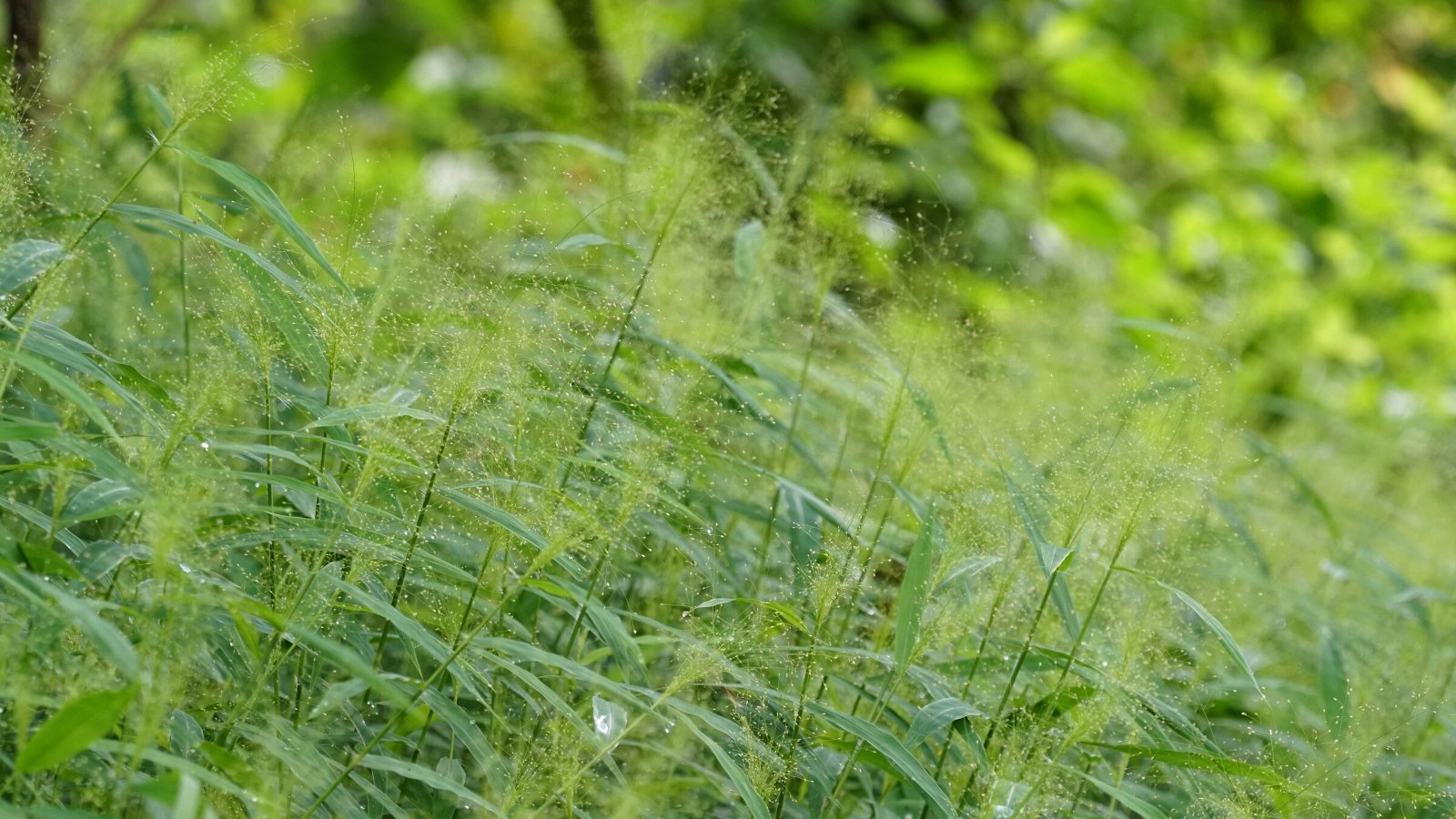
Panicum elegans ‘Frosted Explosion’ is an award-winning ornamental grass prized for its quality as a lasting cut flower and a dried arrangement. It adds lovely textural filler to bouquets and the garden bed.
Graceful in form, the grass contrasts colorful flowering perennials and annuals like salvia, coreopsis, rudbeckia, geranium, and zinnia. It looks striking against bold foliage plants like sedum, bromeliad, and coleus, or it accentuates container arrangements and annual plantings as an airy backdrop.
This Panicum is sometimes classified as P. capillare, P. elegans, and Panicum species. Unlike its native, perennial switchgrass relatives, ‘Frosted Explosion’ is more akin to the widespread annual witch grasses. Common names include switchgrass, witch grass, and panic grass.
Characteristics
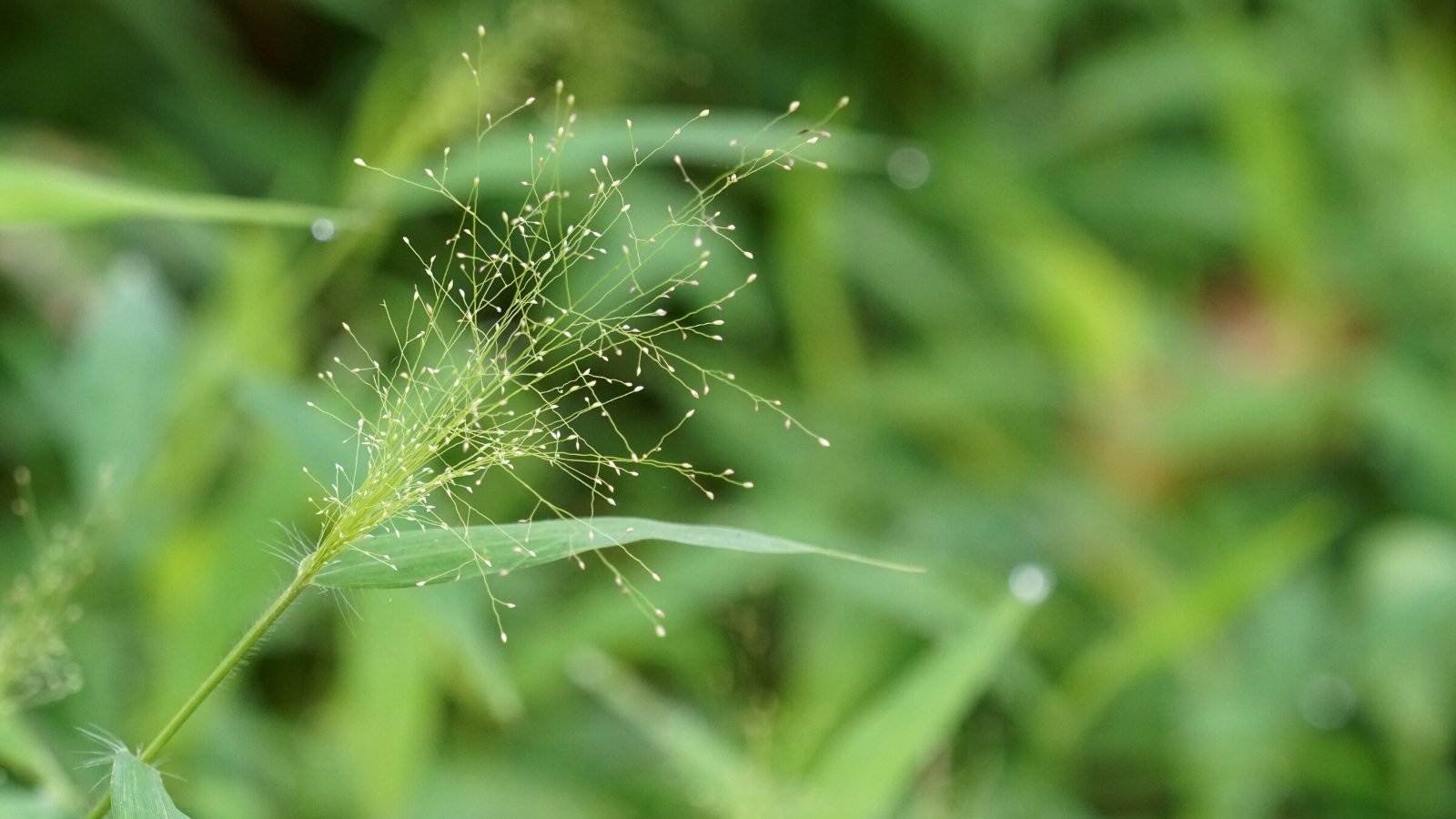
In the summer, this variety bursts into feathery plumes of shimmering seed heads. Bright green, narrow-bladed leaves form a fountain emerging from a tight base. Multiple stems bear bunches of petite white blooms that “explode” into the showy seeds. Stems make strong, stiff, glittering wands.
The airy plumes of seeds glimmer in the summer sun, adding sparkle and texture to the garden. Seeds start out silvery green and creamy, becoming tinged in bronze as they mature.
Plants are annuals, peaking in summer and dying back in cold weather. The remaining seeds provide food for foraging songbirds in the fall and winter.
Native Area
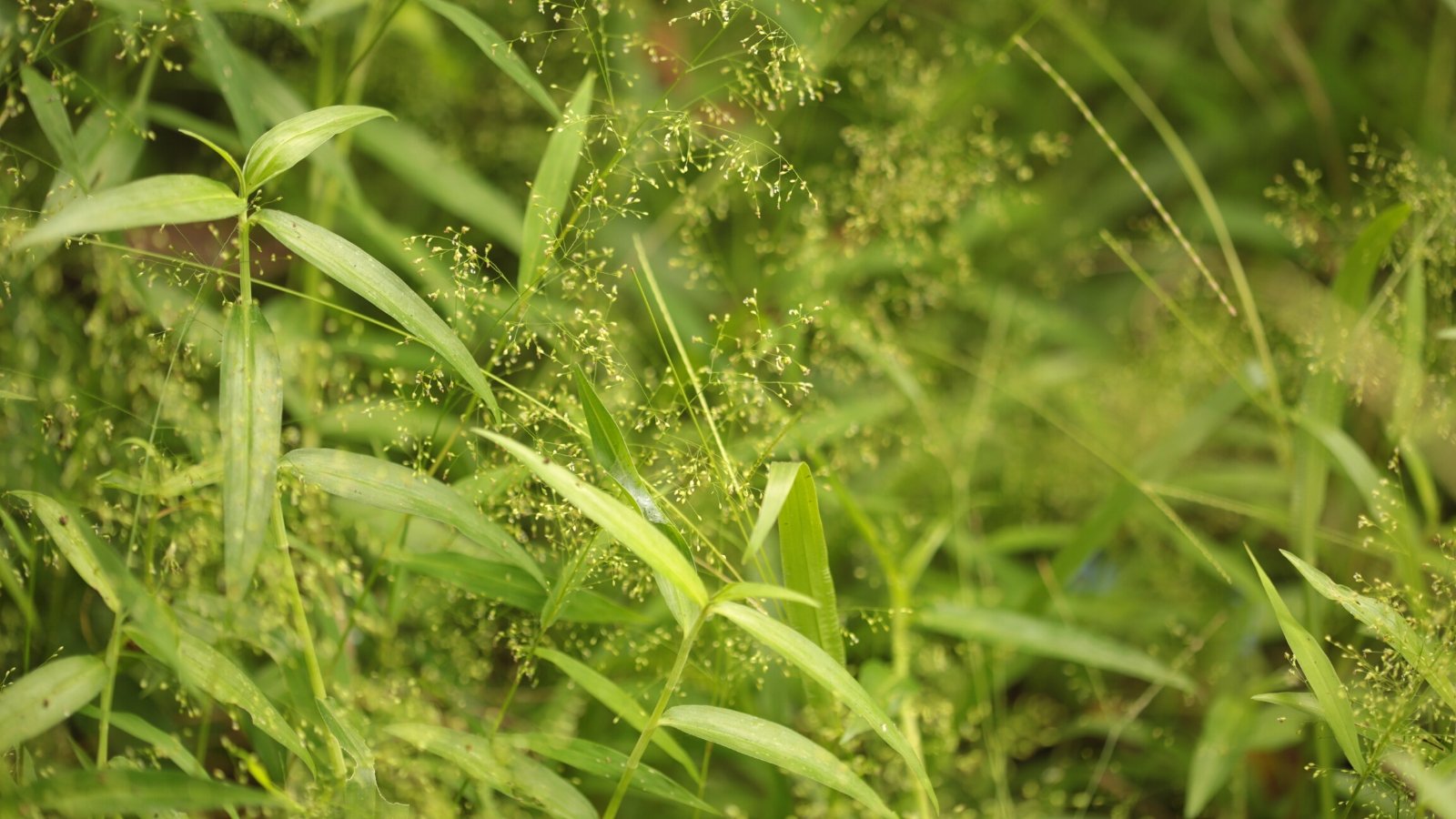
Over 450 species of Panicum exist worldwide, growing in tropical areas, Europe, and the temperate regions of North America. Depending on the species, these grasses can be evergreen or deciduous, perennial or annual.
The genus Panicum is derived from Old Latin meaning “millet,” which was historically used to make bread. Grasses are grown for attractive ornamental value or edible seeds and cattle feed.
Panicum grows wild in a variety of conditions, from upland prairies to brackish marshes. Naturally, they are excellent rain garden plants, withstanding periods of alternating moisture and dryness when established.
Planting
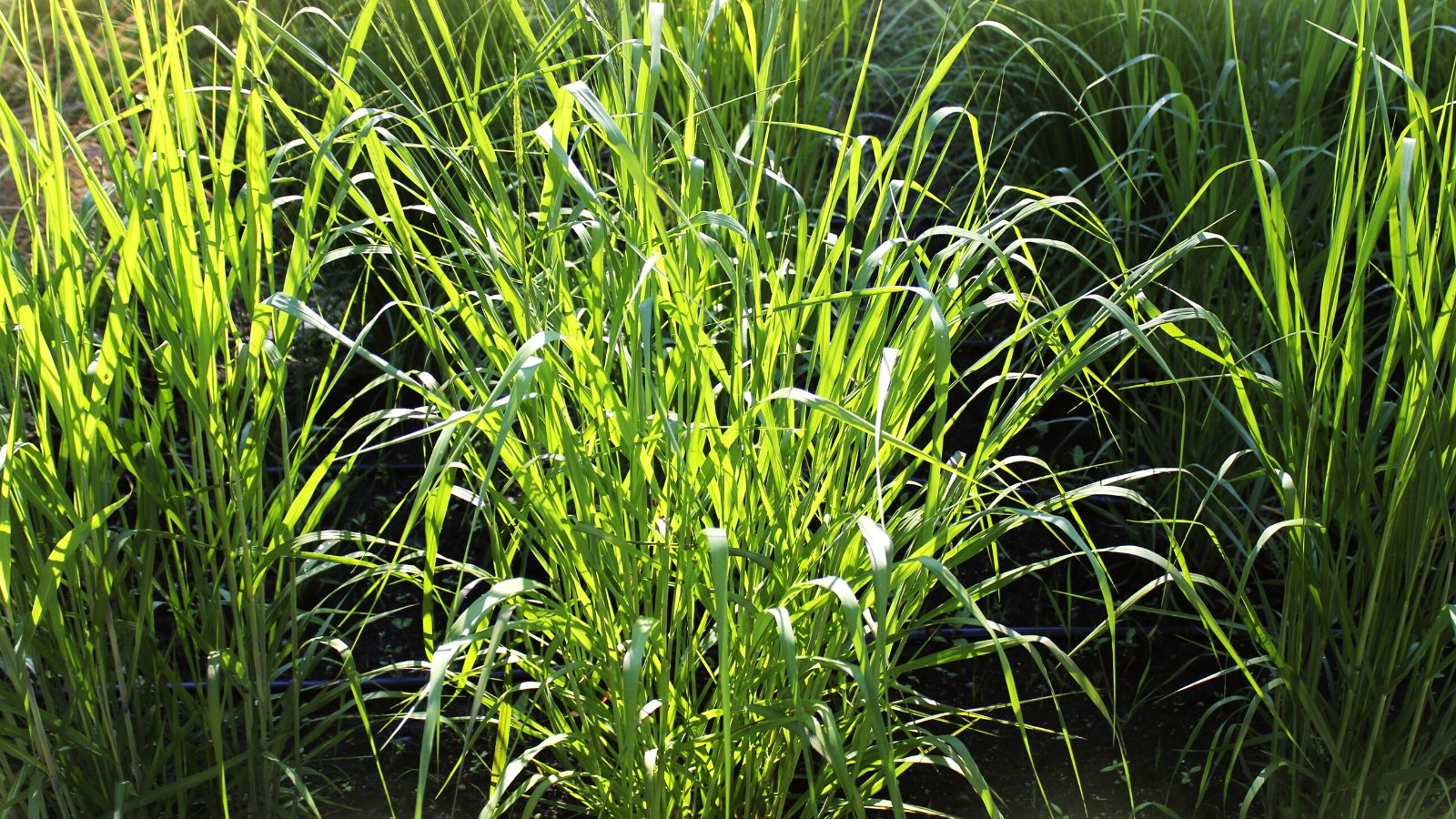
‘Frosted Explosion’ grass thrives outside in pots and containers and in the ground. Plant these grasses in the perennial or annual garden bed to enjoy the “filler” qualities of their foliage and abundant plumes throughout the warm season.
For the home or professional cutting garden, plant the grasses in quantities to enjoy prolific plumes. Harvest twice (or more) as stems regenerate.
Two to three successional plantings are beneficial for prolonged, reliable harvests. Plant in successions three to four weeks apart for summer-long harvests.
Transplanting
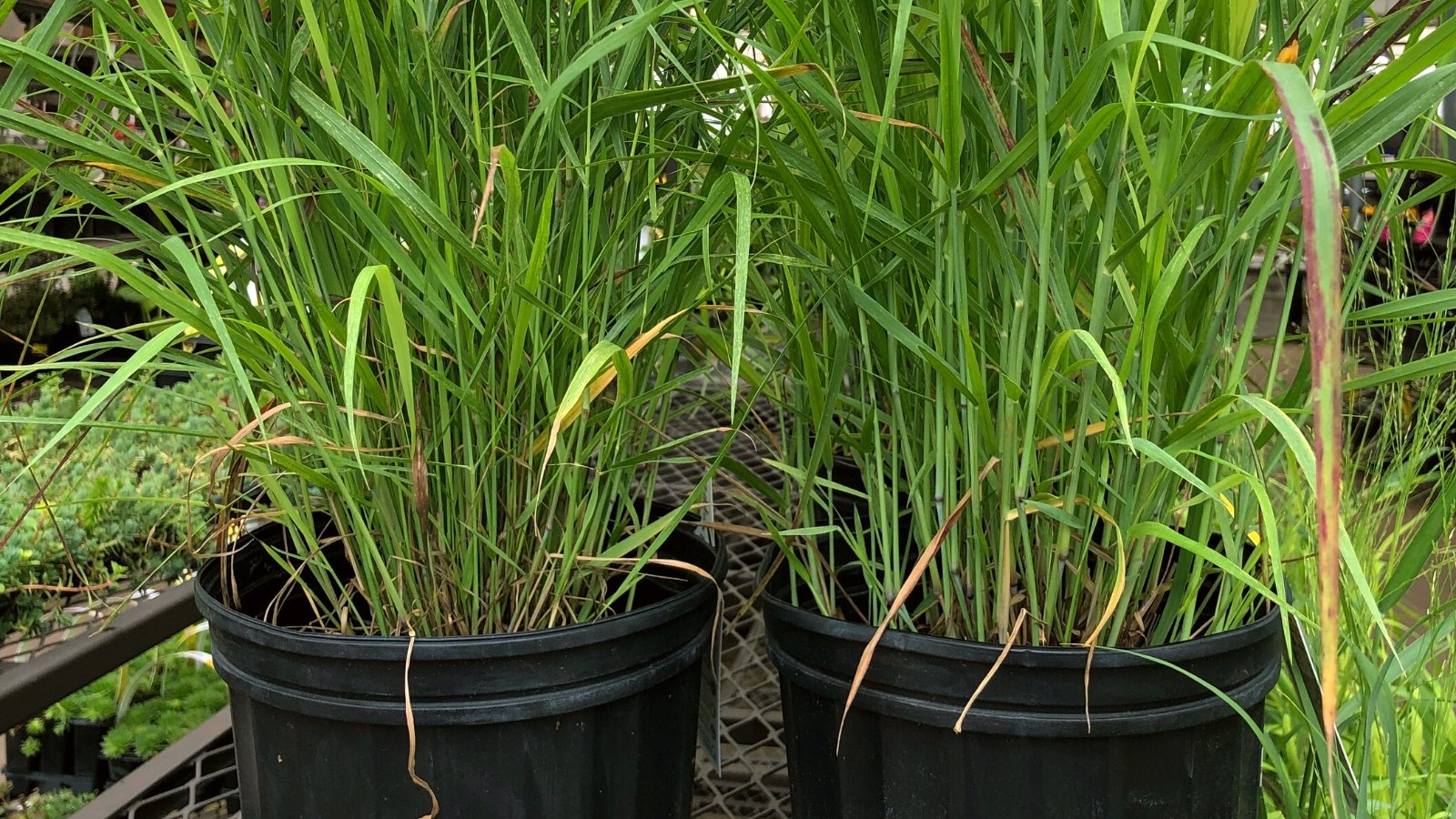
It’s best to plant this ornamental in the garden after the threat of final frost has passed in spring. Space plants 10 to 12 inches apart for best growth and circulation. Growth takes off as temperatures warm.
Growing from Seed
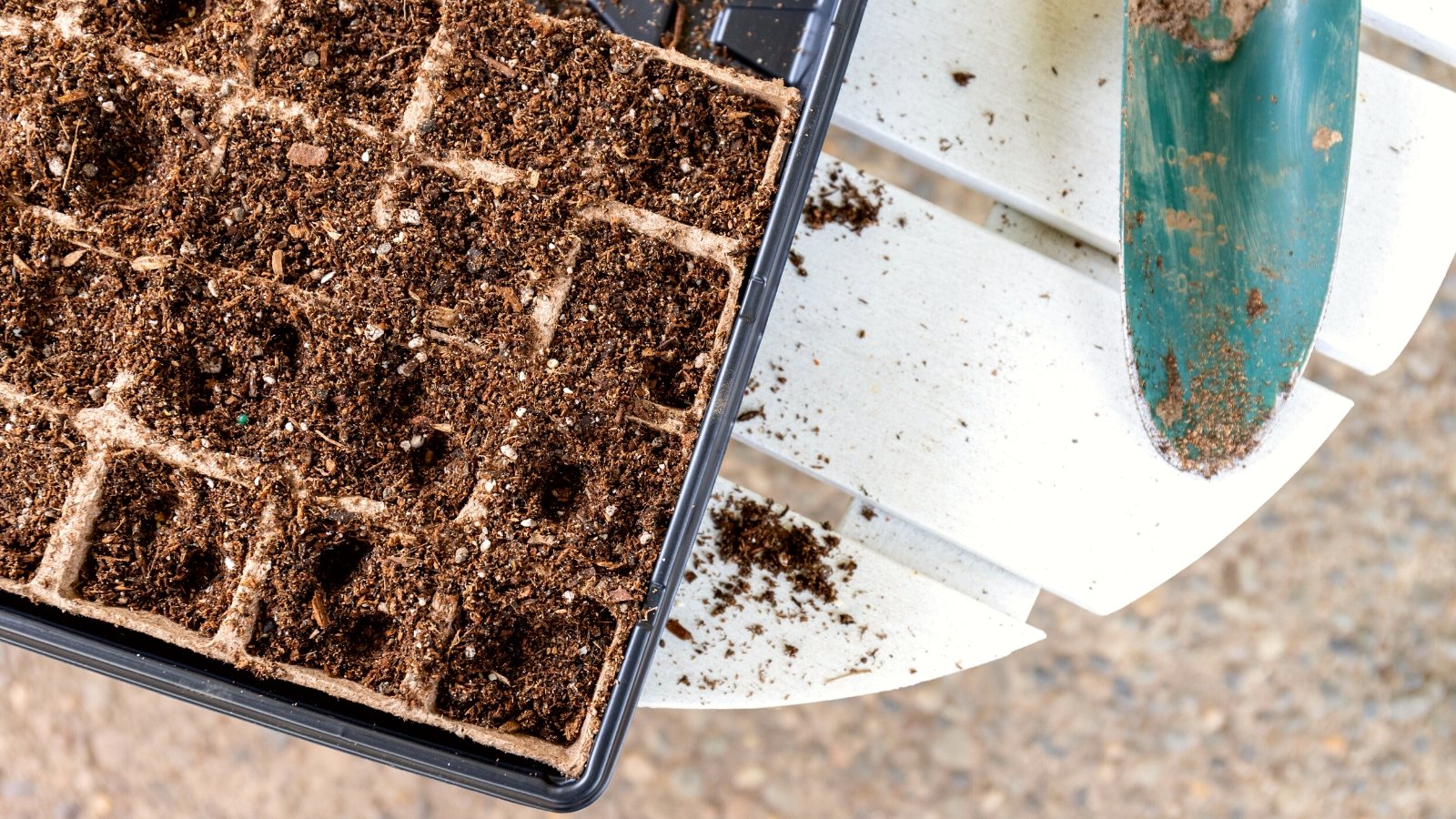
Panicum ‘Frosted Explosion’ grows easily and rapidly from seed. Start seeds indoors 5-6 weeks before your anticipated planting date or final frost date. Seeds germinate quickly, usually within 7-14 days.
Sow seeds on a tray and give a light soil cover of about ⅛ inch. Ideal temperatures for germination are near 60-64°F (16-18°C). Keep the medium consistently moist, and after 5-6 weeks of growth, seedlings are ready for transplanting to their spot in the garden.
To direct sow seeds outdoors, wait until the final spring frost has passed and scatter seeds on the soil surface, covering lightly with soil. The grass seedlings look weedy as they pop up and are difficult to distinguish from weed seedlings until they mature, so take care when weeding (or start seeds indoors).
How to Grow
‘Frosted Explosion’ grass is an elegant, clumping annual with carefree growth requirements. The species often grows in disturbed areas, open fields, and along riverbanks. It tolerates poor soils, including sand and clay, and adapts to cool and warm temperatures until freezing. The grass also withstands some coastal exposure.
Growing this variety in the garden or container requires little oversight when a few vital cultural requirements are met. They’ll thrive in the garden in full sun and in average soils that are evenly moist and well-draining. Once established, the grass tolerates periods of dryness.
Light
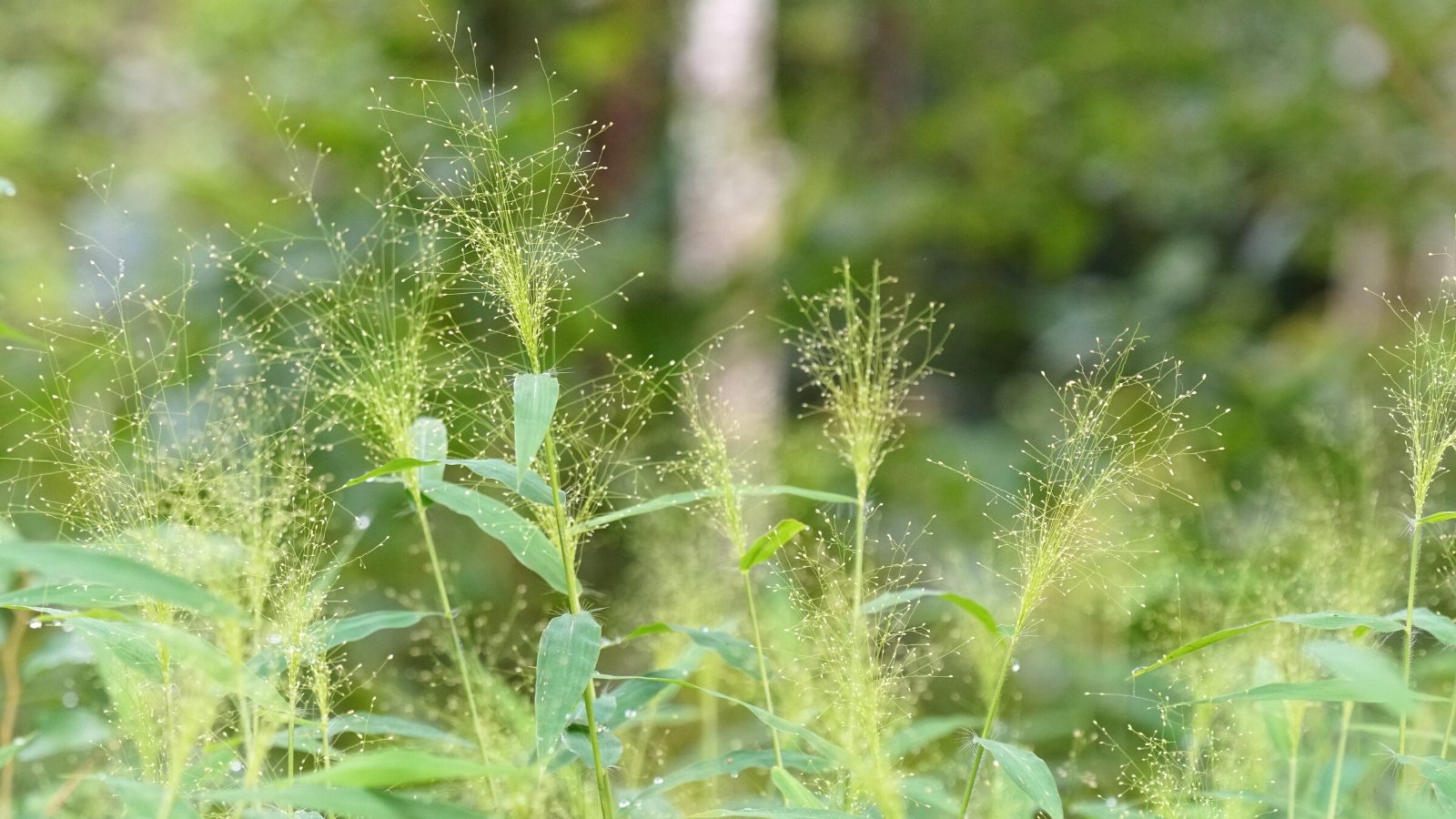
Plant in sunny garden locations (receiving six or more hours of sunlight daily) or those with dappled or filtered light. They do best in full sun, where stems and leaves grow upright and strong.
In too much shade, stems and leaves may droop. Yellow edges along leaf blades and stunted growth indicate low-light conditions.
Water
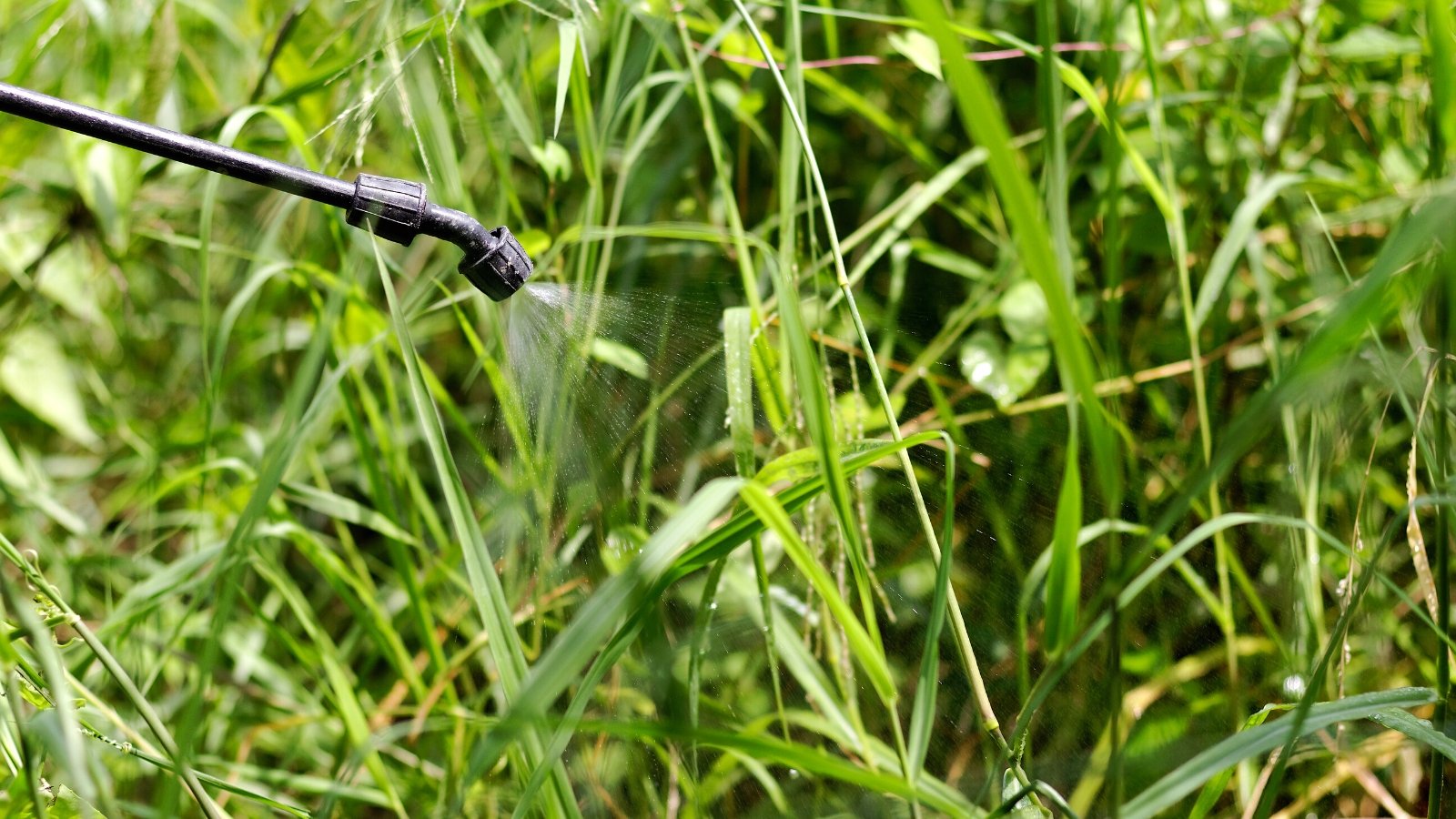
This species grows vigorously with consistent watering and evenly moist soil. Once warm temperatures set in and plants develop established root systems, they are adaptable to drier conditions.
Soil

This ornamental grows easily in average soils with medium moisture. Most Panicum species are adaptable to a variety of soil conditions, including sandy and clay soils. This variety does not require overly rich soils.
In fact, too much organic matter may cause it to flop over. Above all, soils must be well-drained so the roots don’t get waterlogged and become susceptible to rot.
Temperature and Humidity
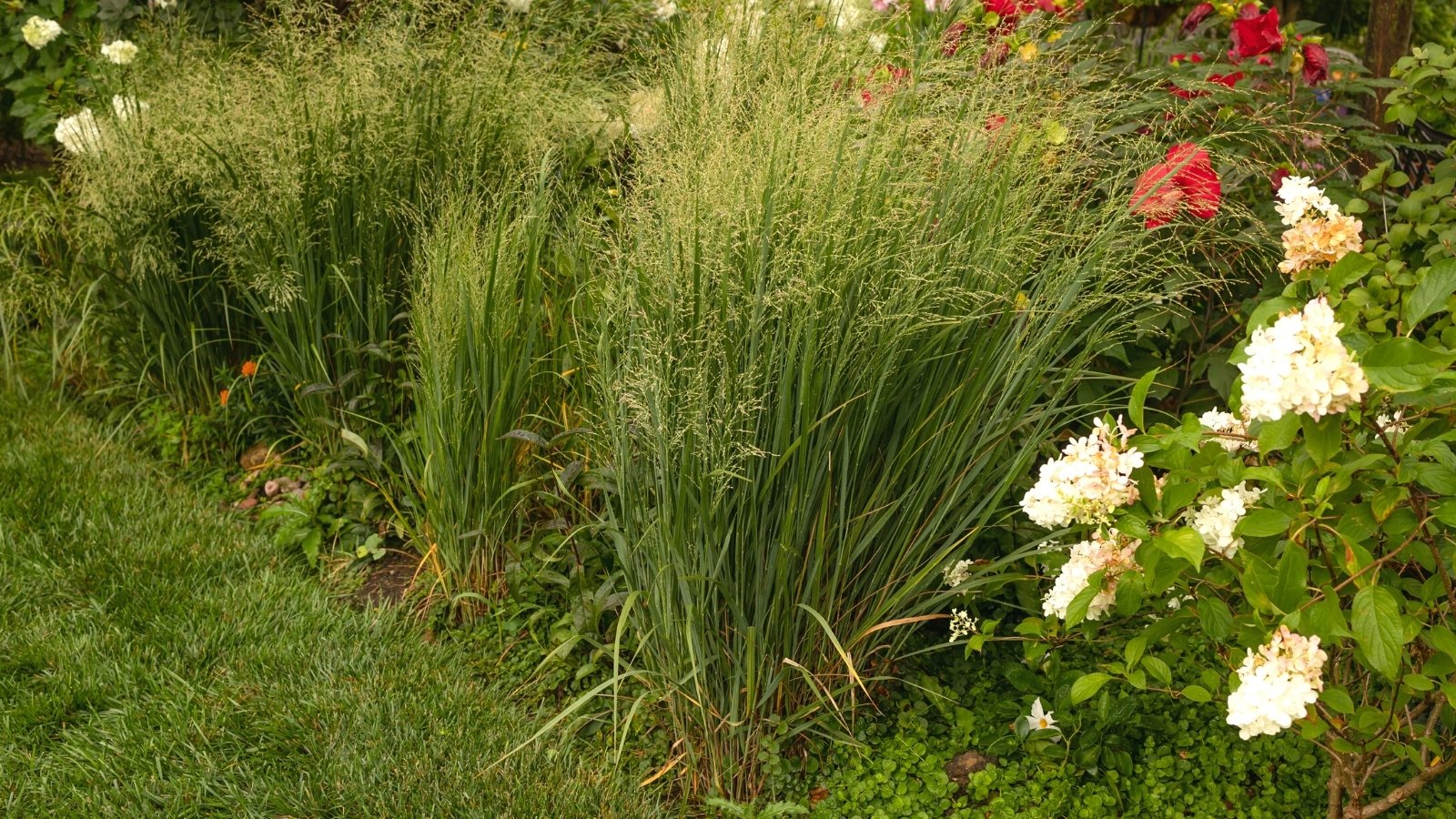
Warm, sunny environments offer the best conditions for ‘Frosted Explosion.’ Luckily, the plants are cold and heat tolerant, so spring-to-summer and summer-to-fall transitions are easy until frost arrives.
Overly hot, humid climates can lead to fungal diseases and reduced plant vigor. Provide plenty of circulation between plants in these conditions for best growth.
Fertilizing

Fertilizer is not required to grow Panicum elegans ‘Frosted Explosion.’ However, plants respond well to a low-grade and slow-release organic fertilizer, such as a 5-5-5, during the active growing months. Additionally, soil amended with compost or leaf mold during planting also boosts nutrients to benefit growth. However, it’s best to err on the minimal side to avoid making soils overly rich in organic matter.
Because it is an annual, this grass does all of its growing in the flush of a single season. Fertilizers may help vigor and health for increased stem and plume production. Follow label instructions for fertilizing ornamental grasses. Avoid overfertilizing, as it can stimulate fungal disease and plant weakness.
Maintenance
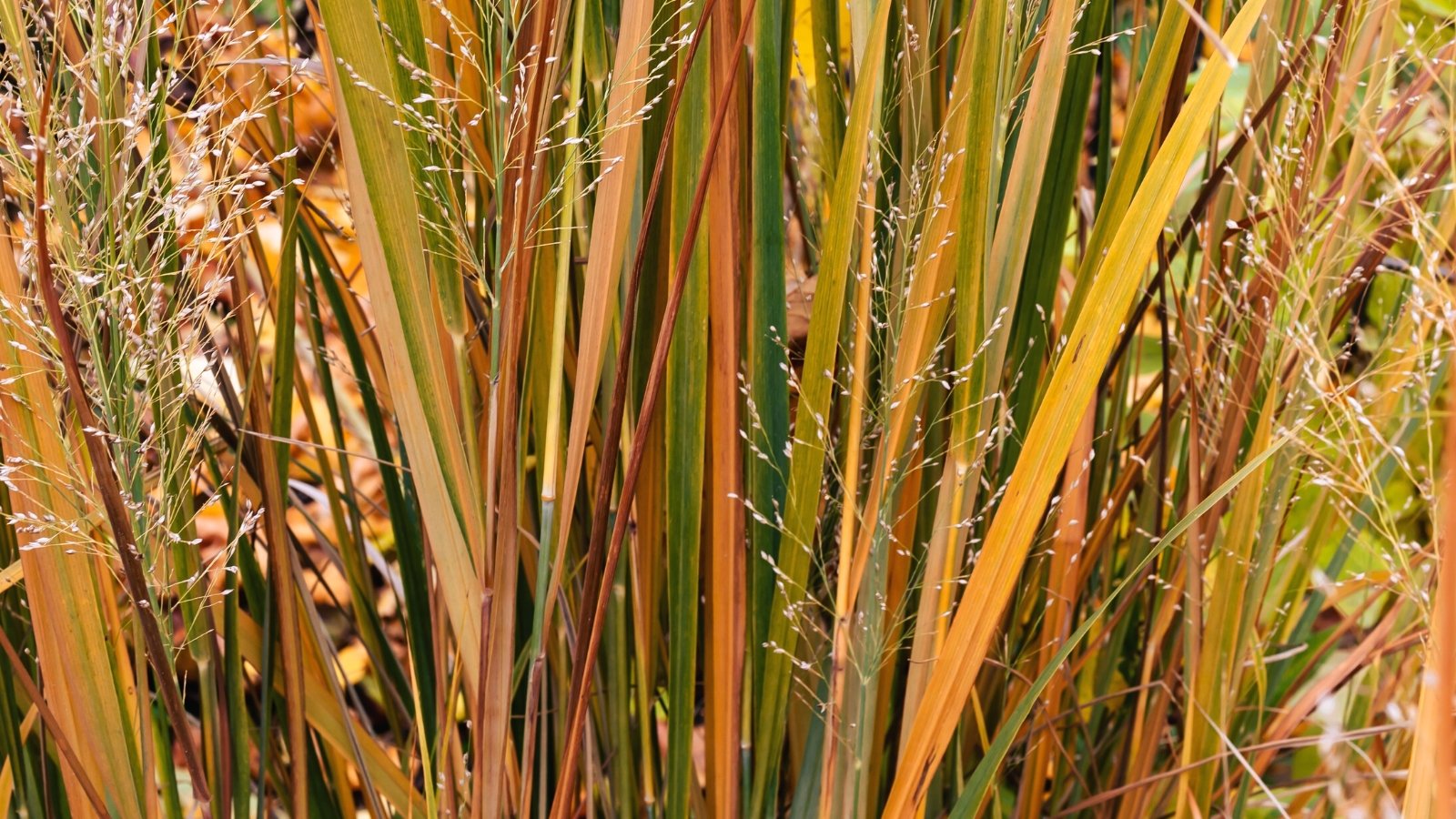
‘Frosted Explosion’ grass grows happily in the garden or pot without much fuss. It needs no cutback or pruning except to enjoy the plumes as cut specimens in fresh or dried floral arrangements.
Although seeds persist through fall and winter, the plants die with freezing temperatures. Leave the remnants in place as cool-season forage for birds. After seeds have dropped or been eaten, or as you prepare the garden for spring, pull or cut back any remaining leafy debris.
Popular Varieties
Within the genus, the species and cultivars are numerous. Many hybrids in cultivation bring seasonal and year-round interest to the landscape through ornamental form, texture, and plumage. Most Panicum ornamental grasses are native to North America and make exceptional, lasting garden additions.
Panicum ‘Prairie Fire’
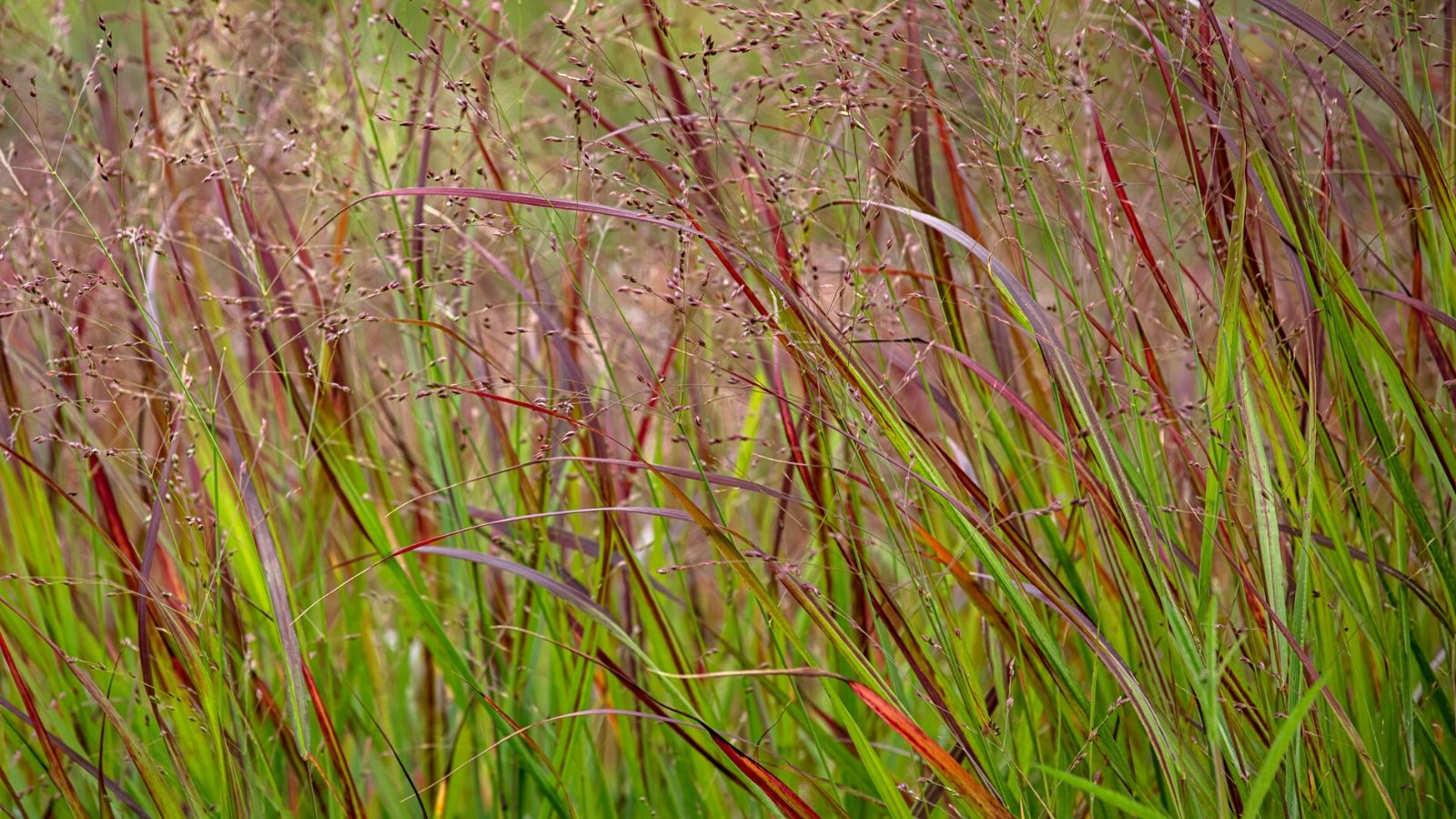
Panicum ‘Prairie Fire’ is a perennial switch grass hybrid with blue-green foliage. Tall and upright leaves turn deep red early in the season, and flower panicles are rose red, turning brown in fall. Seed plumes provide visual interest in winter and are a food source for birds and small mammals.
Panicum virgatum ‘Heavy Metal’

This is a cultivar of the perennial native North American species. Panicum virgatum ‘Heavy Metal’ features dramatic metallic foliage in blue-green that reaches five feet tall. ‘Heavy Metal’ is noted for its structural upright habit, colorful leaves, and midsummer flowers.
Panicum ‘Huron Solstice’
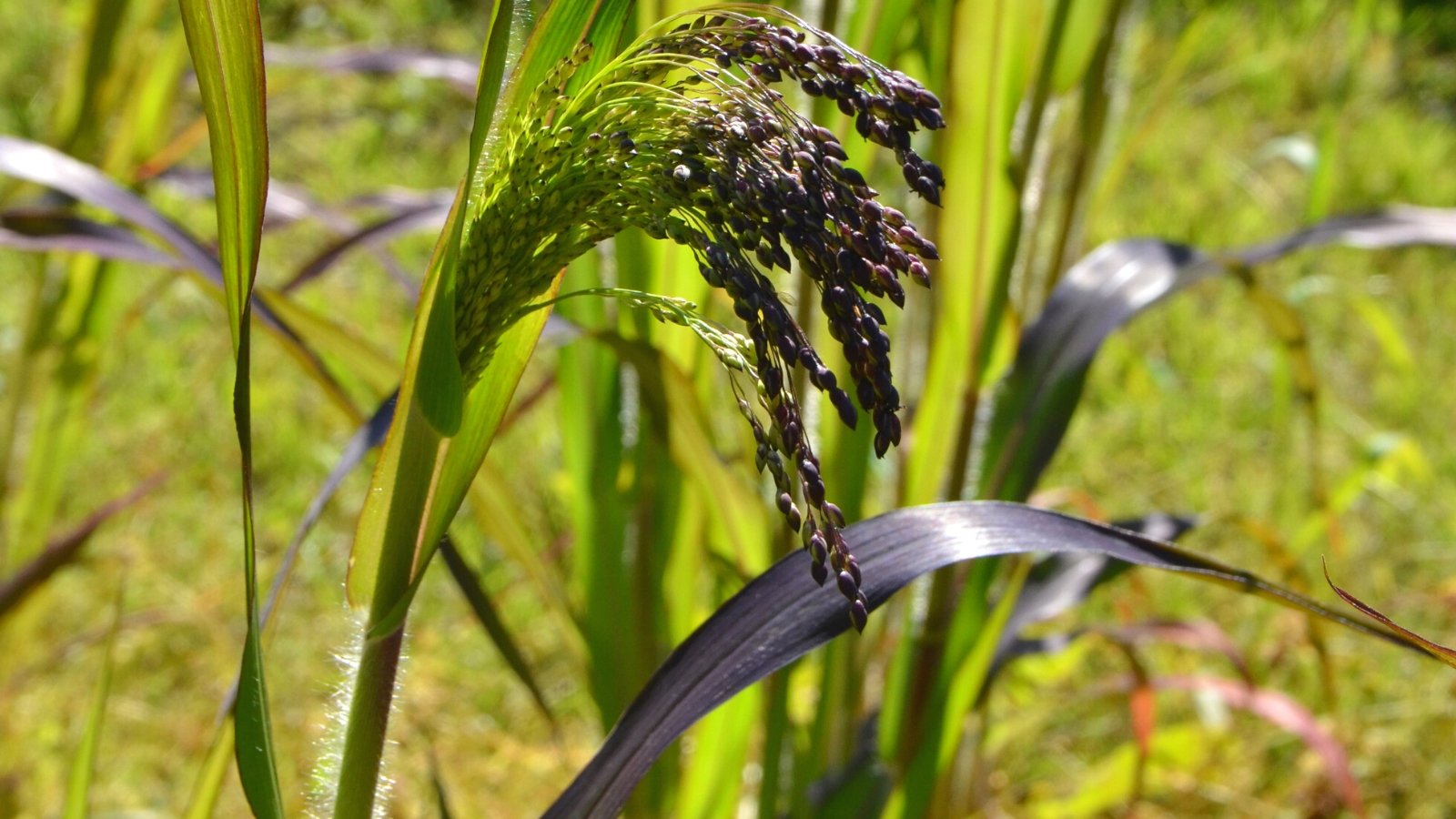
Another hybrid perennial with blue-green foliage, ‘Huron Solstice’ has a unique dark hue. Blades turn wine red in summer, and plumes are purple-red in late summer. Striking color and form are the key features of this upright ornamental grass.
Common Problems
In addition to its glitter in the garden, a benefit of this grass is its few pest and disease problems. While not overly susceptible, garden pests can be an issue, and diseases are mostly related to water and cultural conditions.
Pests
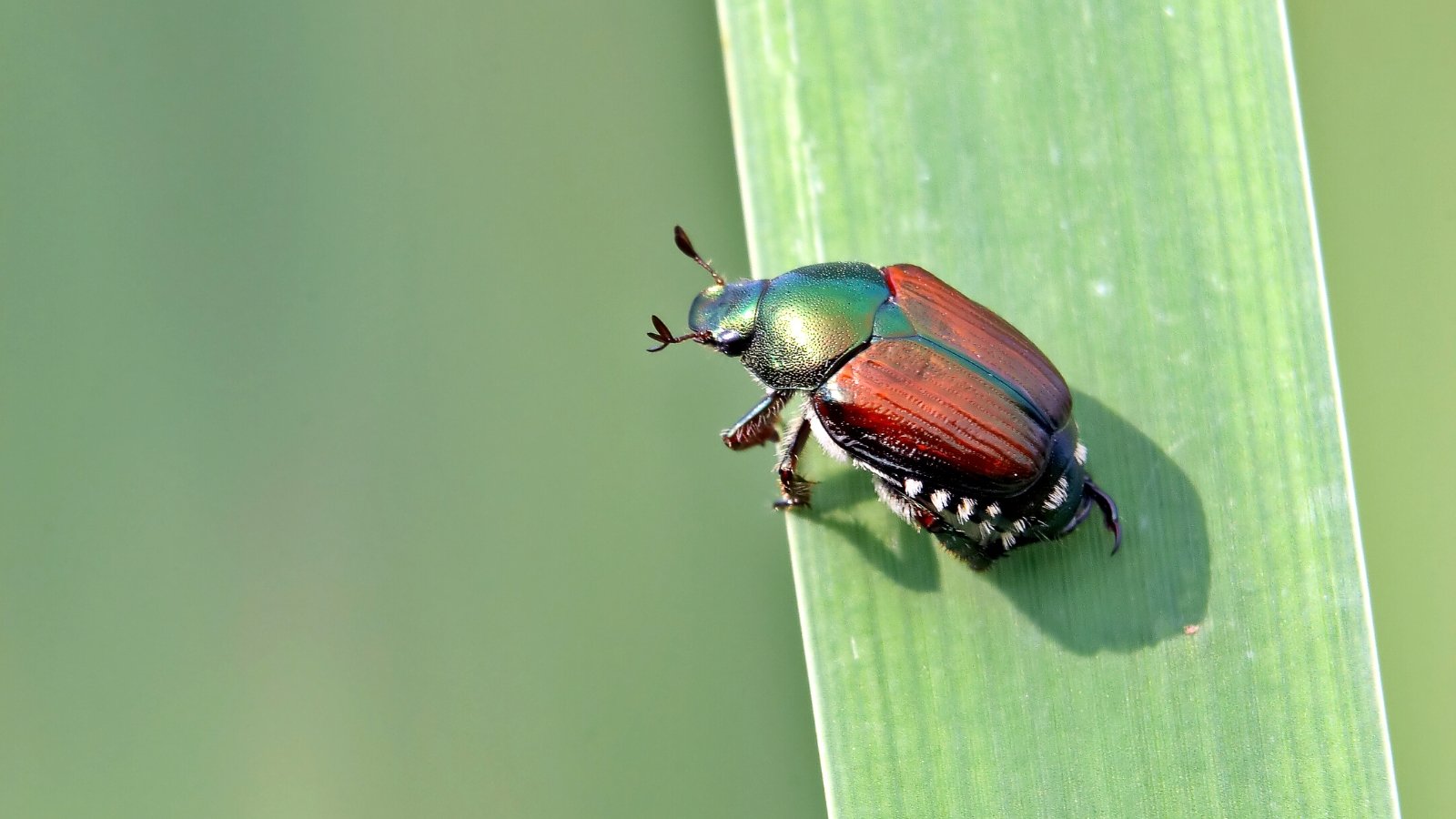
Ornamental grasses are sometimes susceptible to Japanese beetles, thrips, and spider mites. Japanese beetles have been noted on ‘Frosted Explosion’ grass, even with no real damage to the plant.
To treat insect infestations, spray the grass with a hose to displace and deter the pests. Knock Japanese beetles into sudsy water to reduce the population. If needed, apply a horticultural soap to treat the insects. Handpicking them is also an option.
Diseases
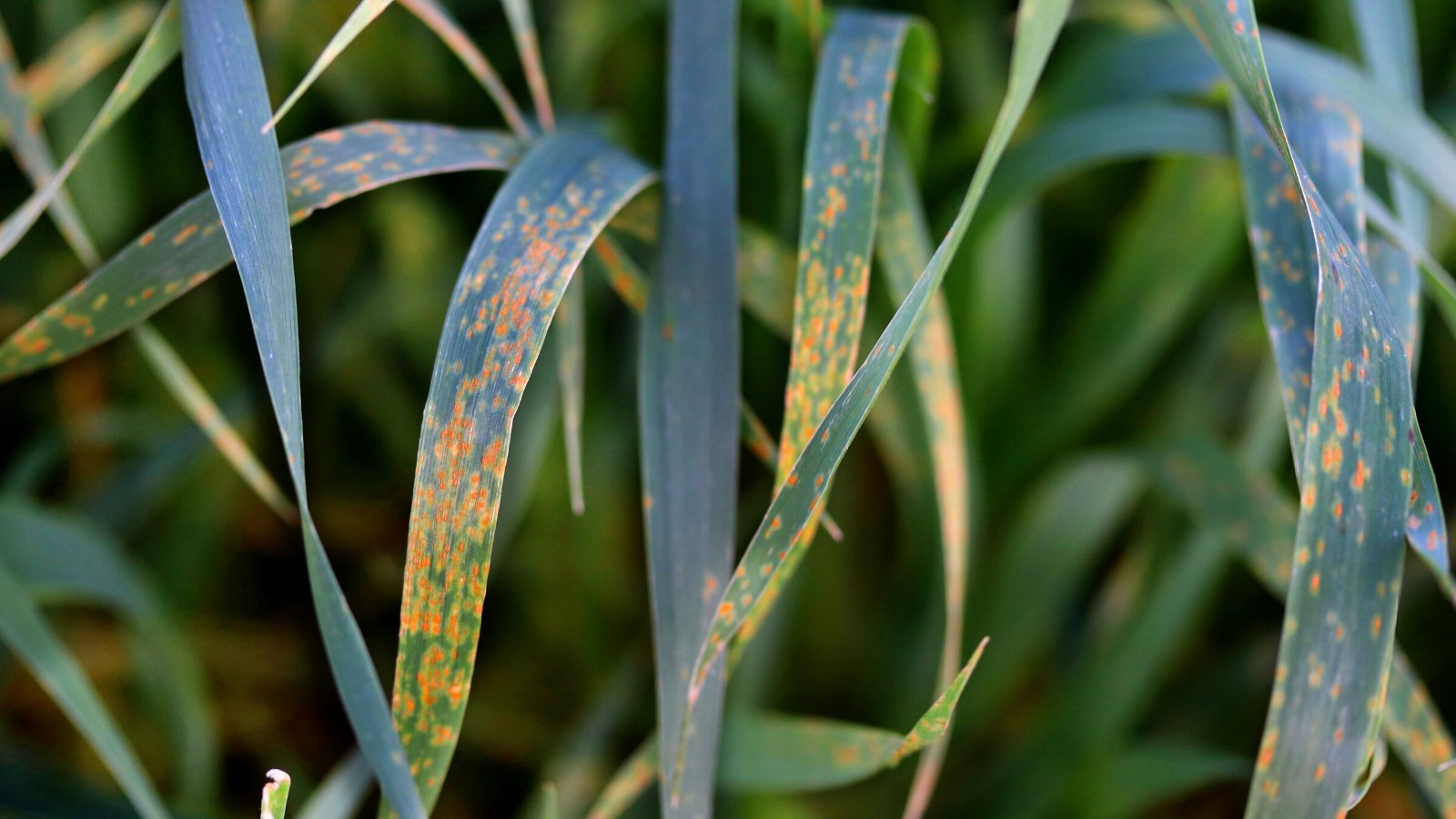
Rust, a common fungal disease, is possible in hot, humid summer climates. Powdery spores may appear on the undersides of yellowing leaves. If rust is spotted, cut off the infected leaves. Unfortunately, rust spreads readily, so make sure to destroy the infected plant parts.
Although there are chemical treatments if rust becomes widespread, the best defense is cultural management. Provide plenty of circulation between plants and reduce overhead watering. If the humidity is too high, you should opt for other ornamental grass species.
Root rot or crown rot occurs in overly wet or improper growing conditions. If overhead irrigation is too much for the grass, switch to surface-level watering to avoid saturating the crown and leaves.
Frequently Asked Questions
Is ‘Frosted Explosion’ grass annual or perennial?
‘Frosted Explosion’ grass is an annual warm-season grass. Easily grow it from seed to add shimmer to the summer garden and floral arrangement.
When do you harvest ‘Frosted Explosion’ grass?
Harvest stems from the time the plume sets seeds, and they begin to open. Continue harvesting through the seeding phases to add sparkle and airy texture to fresh and dried floral arrangements.
Is ‘Frosted Explosion’ grass cut and come again?
The feathery plumes of ‘Frosted Explosion’ grass can be harvested more than once. Cut at the base of the stem to encourage new growth. Single plants yield two to three harvests. Seed two to three successional plantings to increase volume, prolong harvest, and reliability.
Final Thoughts
Ornamental grasses hold numerous benefits for the garden, from aesthetics to erosion control to shelter and forage for wildlife. They bring multi-season visual interest and movement to the landscape and should be considered for mixed perennial beds, border plantings, meadows, and container accents.
Panicum ‘Frosted Explosion’ grows quickly from seed in sunny garden locations. It is tolerant of poor soils as long as they’re well-drained. Still, this grass thrives with consistent moisture until established.
Use this airy ornamental in annual planting arrangements, cut flower gardens, and interspersed among perennials. The abundant plumes and lush green, bladed foliage contrast beautifully with other garden plantings and display shimmery seeds to light up the summer garden.
‘Frosted Explosion’ is a welcome florist addition to the bouquet as a lovely “filler.” For cut flower production, keep plants harvested to encourage new growth and successive flushes.


