Does Your Gardening Zone Even Matter?
Does your gardening zone have a big impact on how you garden? Gardening expert Madison Moulton breaks down what USDA hardiness zones can and can't tell you about your garden, and explains why the number on the map is only the beginning of understanding what will thrive where you live.

Contents
If you’ve spent any time shopping for perennials or browsing seed catalogs, you’ve probably been told to check your zone. It’s one of the first pieces of advice new gardeners get. If you’re new to growing, this sounds like a final answer to whether a plant will survive in your yard.
But your hardiness zone largely tells you one piece of information relating to minimum temperatures. And while it’s a useful metric, it leaves out so much about your actual growing conditions. You might skip a plant that would do well in your garden, or confidently plant something that has no chance. And that’s not because of winter cold, but because of summer heat, rainfall, or the specific patch of ground you put it in.
So does your zone matter? Yes. But it’s not the only thing to consider.
Hardiness Zones
When gardeners say zone, they’re almost always referring to the USDA Plant Hardiness Zone Map. The system divides the United States into zones based on the annual minimum winter temperature. Each zone covers a 10°F range, and each is split into a and b halves at 5°F intervals.
A plant labeled “hardy to zone 7” means it should survive winter temperatures down to about 0°F (-18°C). The zone number doesn’t say anything about how hot your summers get, how much rain falls, what your soil looks like, or how long your growing season runs. It’s purely a cold-tolerance measurement.
The map was last updated in 2023, using weather data from 1991 through 2020. That update shifted about half the country into a warmer zone compared to the previous version. So if you haven’t checked your zone recently, it may have changed.
Other Zone Types

The USDA map gets the most attention, but it’s not the only zoning system out there.
The American Horticultural Society (AHS) developed a Heat Zone Map that works from the opposite end of the thermometer. Instead of measuring winter lows, it tracks the average number of days per year when temperatures climb above 86°F (30°C).
The system uses 12 zones, from zone 1 (fewer than one heat day per year) to zone 12 (more than 210). Some plant labels include both ratings, listed as something like zones 4 to 8, heat 8 to 1. But heat zone information is still far less common on plant tags than hardiness ratings.
Then there’s the Sunset Climate Zone system, which takes an entirely different approach. Instead of focusing on a single temperature metric, it factors in winter lows, summer highs, humidity, rainfall patterns, wind, elevation, and growing season length. The Sunset system is most widely used in the western United States.
Why Zones Are Helpful
Despite their limitations, hardiness zones do serve a purpose. For perennials, shrubs, and trees (anything that needs to survive winter outdoors year after year), knowing your hardiness zone gives you a baseline. It tells you whether a plant can handle the coldest temperatures your area typically throws at it. If you’re in zone 6 and a plant is rated for zones 8 through 11, you know that without serious protection, it probably won’t make it through January.
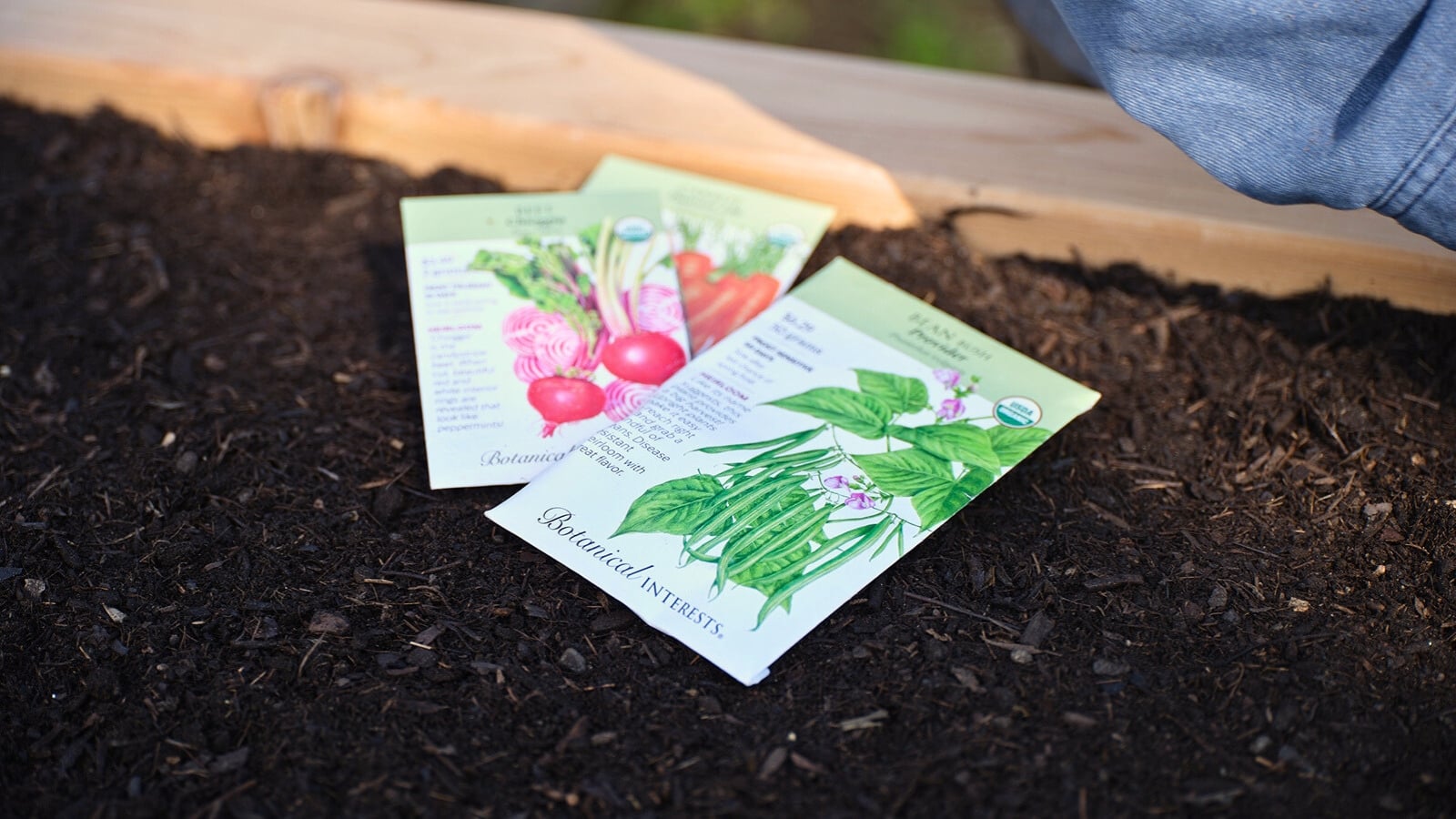
Zones are also the common language of the nursery industry. Plant tags, seed packets, and online descriptions almost universally reference USDA zones. When you’re ordering from a catalog or browsing a website, that zone number is often the quickest way to filter out plants that have no chance in your climate. It saves time and, more importantly, money.
Local nurseries use zones too, though most only stock plants suited to the area anyway. Where zones become especially useful is when you’re shopping at large chain stores that carry the same inventory across multiple regions, or ordering from growers in a different part of the country. In those situations, the zone number is your first line of defense.
What They Don’t Tell You
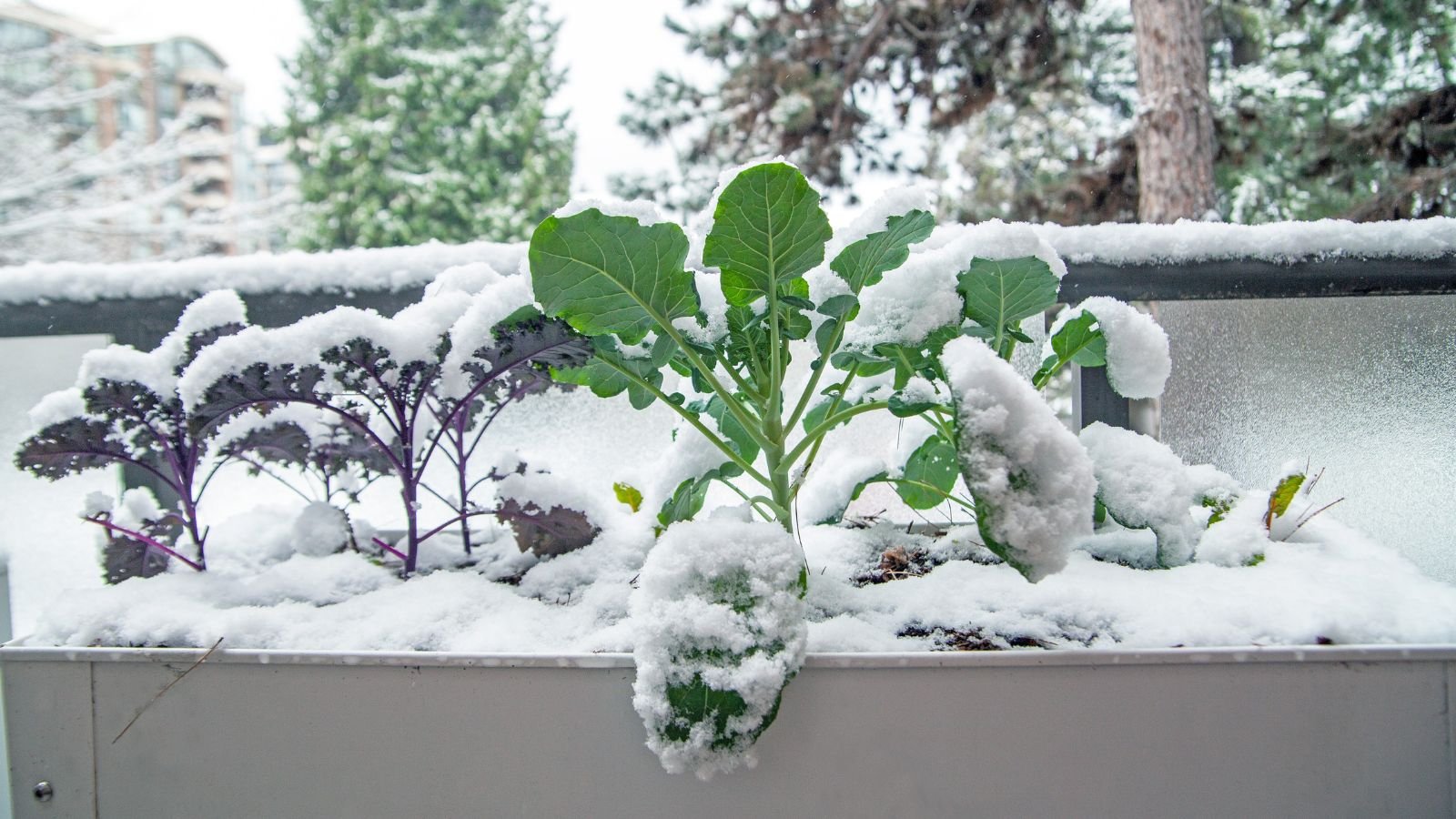
Hardiness zones say nothing about summer heat. For example, a plant rated for zone 5 might survive winter in both Vermont and parts of New Mexico, but those two places could hardly be more different from June through September.
Zones also don’t account for rainfall, humidity, soil type, wind exposure, snow cover, or day length. A zone 7 garden in the Pacific Northwest receives a fundamentally different amount of moisture than a zone 7 garden in Texas. Snow cover varies enormously within the same zone. And the length of your growing season (how many frost-free days you get) can swing by weeks between locations that share a zone number.
For annuals, zones are also less relevant. If you’re growing tomatoes, peppers, or zucchini, what matters more is your specific frost dates, your summer temperatures, and the length of your season. Your winter lows don’t matter as much because you’ll be pulling plants before that time comes. While you can infer other information from your zone number, dealing with the specifics for your region is typically safer.
Other Important Factors
The gardeners who grow things well tend to be the ones who understand their specific conditions, not just their zone number. And there are a number of useful metrics to help with that.
Ecoregion

One concept worth knowing about is ecoregions. Developed by the EPA, ecoregions divide the country into areas of similar ecosystems, factoring in geology, soil, vegetation, climate, land use, and hydrology all at once. There are about 85 Level III ecoregions in the continental United States, each describing a distinct ecological landscape.
An ecoregion gives you a much fuller picture of what naturally grows and thrives in your area. Two gardens in the same USDA zone but different ecoregions will have completely different native plant communities, soil profiles, and moisture conditions. If you’re interested in native plants, pollinator gardens, or working with your landscape rather than against it, understanding your ecoregion is essential.
Ecoregion maps aren’t printed on plant tags, and most garden centers won’t bring them up. But if you look up your area on the EPA’s ecoregion maps, you’ll start to understand why certain plants seem to belong in your landscape while others always feel like they’re fighting to survive.
Microclimate

Even within a single yard, conditions can vary dramatically. That’s where microclimates come in. These are small pockets where temperature, moisture, light, or wind differ from the surrounding area.
A south-facing brick wall absorbs and radiates heat, creating a warmer zone that might let you grow something rated for one zone higher than your official number. A low-lying area at the bottom of a slope collects cold air on still nights, making it several degrees colder than a spot uphill.
Urban gardeners often benefit from the heat island effect. Pavement, buildings, and concrete absorb warmth and raise ambient temperatures, which is why cities frequently sit in a higher zone than the surrounding rural areas. The 2023 USDA map update reflects this, showing urban cores as visibly warmer than their outskirts.
Many gardeners successfully grow plants outside their rated range by choosing the right microclimate within their property. It requires observation, like watching where frost forms first or where water collects, to build your understanding over time.
Positioning

Closely related to microclimates is how and where you position a plant within your garden. The same species can perform completely differently depending on whether it’s planted on the north side of the house or the south, in full afternoon sun or under the dappled shade of a deciduous tree.
A plant that’s borderline hardy in your zone has a better chance if it’s planted against a south- or west-facing wall, out of prevailing winter winds, with good drainage so its roots don’t sit in frozen, waterlogged soil. Conversely, a heat-sensitive plant that should normally do fine might struggle if it’s planted in the hottest, most exposed corner of your yard.
Positioning also includes soil preparation, which can shift conditions considerably. Amending heavy clay improves drainage (critical for plants that rot in wet feet), while adding organic matter to sandy soil helps it hold moisture. These aren’t zone-level concerns, but they often determine whether a plant lives or dies more than the zone number does.
The Verdict
Your gardening zone matters, but it’s one tool. It tells you whether a plant can survive your coldest winter night, and for many plants, that is essential information. But it says nothing about whether that plant will thrive during the other 364 days of the year.
The gardeners who get the best results tend to be the ones who look beyond the number. They learn their frost dates, observe their microclimates, pay attention to soil and moisture, and position plants where conditions suit them best.