

Urban Agriculture: How to Grow Crops in the City
If we all grew a tomato plant or two, we’d all have more homegrown tomatoes to enjoy! Although conditions in cities can be challenging for cultivation, there are ways to grow delicious vegetables and sweet fruits. Learn how to grow crops in the city with these urban agriculture techniques from backyard gardener Jerad Bryant.


Contents
Small spaces are superb if you’re beginning your gardening journey. A large yard presents many challenges, especially if you’re unfamiliar with growing crops. Rather than taking it all on at once, it’s good to start small and learn from mistakes.
Once you master a single raised bed, you can emulate the process in another, and another, and yet another bed. The lessons you learn are priceless, and they’ll follow you for as long as you garden.
If you’re comfortable with gardening, or you’ve done it before in a suburban or rural setting, you may wonder how to emulate your success in the city. Urban agriculture is growing, allowing all gardeners, no matter their location, to grow crops successfully.


How to Grow Crops in the City
Crops need sunlight, water, air, and nutrients to thrive. They pull nutrients from the soil, and they need sunlight and air to photosynthesize. So long as you provide your vegetables with the resources they need, you’ll successfully grow crops using urban agriculture.
Create Vertical Gardens

In the absence of space, grow vertically! Shelves, racks, and wall trellises are great tools for urban agriculture crops. Fruit trees can grow in espalier fashion on a trellis, while small seedlings and herbs can grow in pots on shelves.
Using vertical space is a superb method for seed starting. Seedlings don’t need that much space. As long as they receive sufficient sunlight, you may stack trays on multiple shelves.
Other setups have wooden or fabric pockets that hang off the wall. Restaurants in Southern California often use them for decoration, stuffing each pocket with succulents for decoration or herbs for cooking. Emulate the setup in your home, and plant lettuce, herbs, and small root crops in the pockets full of soil.
Grow in Containers
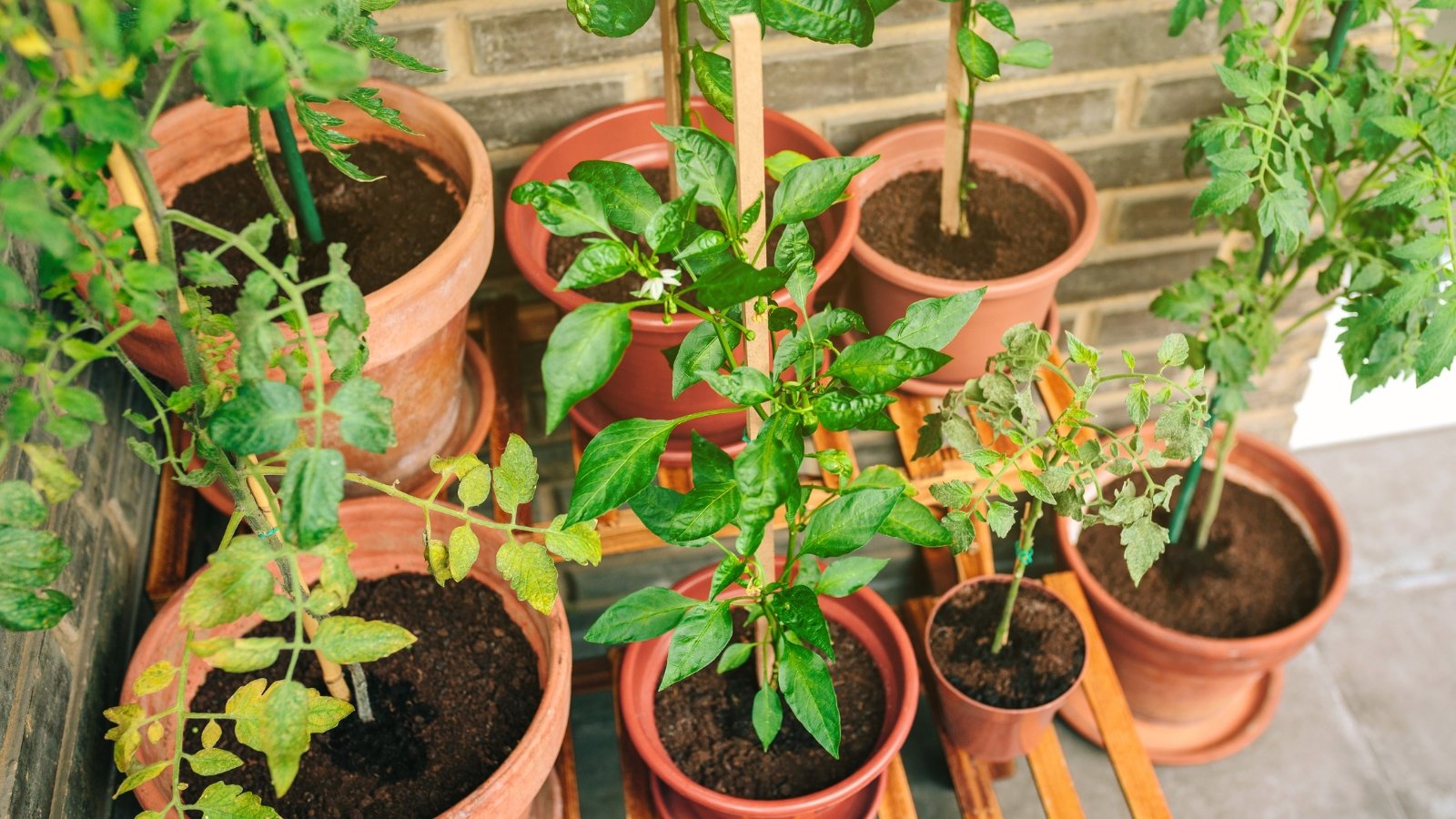
Container gardening is the best way to make use of soilless spaces. Many urban yards are full of concrete, asphalt, or hard clay that’s difficult to grow in. Instead of digging up the concrete, you can grow many crops in containers instead.
Peppers, tomatoes, eggplants, corn, beans, and squash all thrive in containers, so long as the containers are large enough for their roots. Small pots work well for leafy greens and annual herbs. For big crops, choose 10, 15, or 20-gallon pots, and fill them with rich potting soil.
Containers need some work to stay in tip-top shape. Amend the soil annually with compost, or consider refreshing and reworking it during the dormant season. Remove the soil, mix in fresh compost and perlite, and place the soil back in the containers for planting.
Add Raised Beds

Raised beds are a step above containers. They require some work to set up, though they work well for many years after you build them. Use bricks, wood, or metal to build your beds.
Or, consider using a pre-made bed kit. Epic beds are superb metal options, as they last for many seasons and come in a variety of shapes, sizes, and colors. Wooden beds are cheaper to source, though they degrade more quickly than metal ones.
Instead of filling the entire bed with soil, consider using Hugelkultur to fill it. This method uses old wood and garden debris instead of expensive potting soil. Fill the bottom with wooden logs and straw, then pile compost and soil on top. The wood will decay into rich, crumbly humus over time.
Convert Flower Beds

Urban gardens only have so much space. Rather than growing roses and clematis, you may want to grow tomatoes and beans instead. You can remove all your ornamental plants and grow crops instead, or you can mix the two in multi-use beds.
Tomatoes grow well next to gooseberries, as the tomato plants keep fruit pests away. Meanwhile, the woody gooseberry stems provide support for leaning tomato stems. This win-win scenario works well in urban agriculture, as the gooseberries have beautiful flowers and lush leaves throughout the year.
If you want to fully convert your beds, you’ll need to remove the shrubs and perennials to make room for urban agriculture crops. Dig them up and compost the debris, then amend the site with the finished compost or a similar soil amendment before planting.
A few vegetables are pretty enough to grow as ornamentals. The pepper variety ‘Black Pearl’ has black, round chiles and black-purple leaves that stand out in the landscape. Scarlet runner beans have bright red flowers that sprout from climbing vines, and they, too, are perfect for your flower beds. Just be sure to give them a trellis to climb on!
Garden on the Roof

Many urban homes lack any garden space. They may have a balcony for a few pots, or a porch with little space. These situations require some creativity, and roof gardening is one ingenious way to work around them.
Not all roofs can support gardens, but many can. Look to the gardens on New York skyscrapers, or those feeding the people of Hong Kong in the city’s skyline. Cities lack horizontal space, but they’re full of buildings with roofs that are perfect for gardens.
Before adding beds and pots to your roof, check to see how much weight it can support. Also consider how the beds drain. You don’t want excess water pooling on the roof. Add PVC pipes or rain gutters to the site to channel water from the roof to the ground down below.
Use Hydroponics

With hydroponics, you don’t need soil to grow urban agriculture crops. Hydroponic systems use water solutions with nutrients in them to keep vegetables happy and healthy. The water circulates throughout the system, and this keeps the roots moist and well-fed while they grow in the solution.
Hydroponic systems are cumbersome to set up, but they’re easy to run automatically once you build them. You may make a system yourself with the following materials:
- PVC pipes
- Water
- Fertilizer
- pH adjusters
- A growing medium (rockwool, baskets, or foam)
- Water pump
- Air pump
If you’d rather not spend time making a system, there are plenty of pre-made options nowadays for purchase. They’re more expensive than homemade setups, but they’re easy to use right out of the box.
The beauty of hydroponics is that it’s customizable to your space. You may set up a system in a basement with grow lights and cultivate lettuce and cherry tomatoes through the winter. The urban agricultural possibilities are endless!
Make Compost
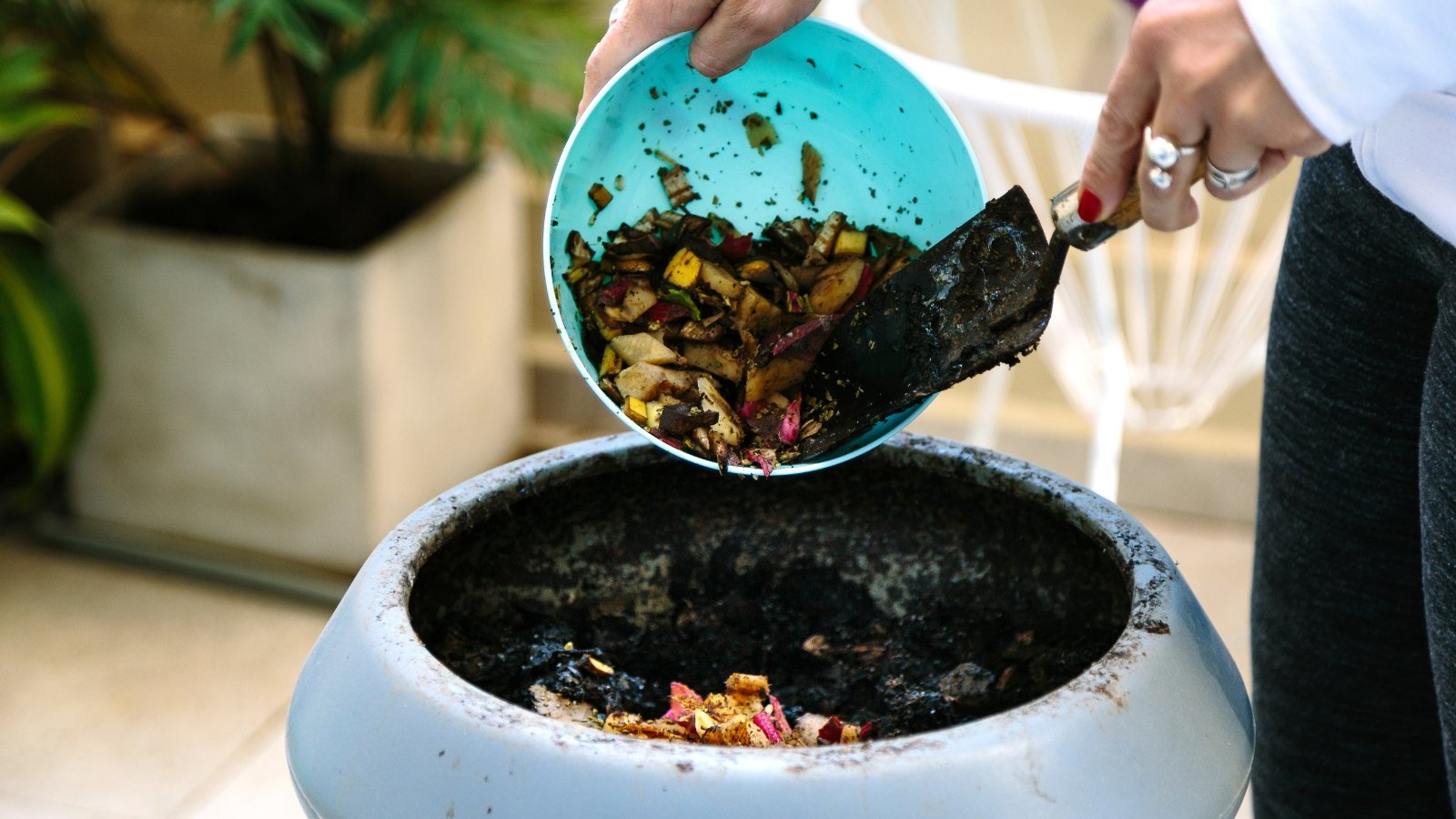
All that extra garden debris has to go somewhere! Composting is a great way to repurpose it and reduce your waste output. Instead of throwing dead leaves, stems, and roots in the trash, compost them to turn them into rich, crumbly humus.
Compost works by fostering beneficial bacteria, fungi, and microbes. Alongside worms and fly larvae, the microbes consume the waste and turn it into nutrients that plants can access. When the pile is done, you may lay the finished compost on the soil to feed and insulate nearby plant roots.
Compost works well in containers and raised beds, too. Simply lay it on the area in a layer two to three inches thick. Water it well, and let the site settle for a week or two before planting directly into the compost.
Urban Growing Challenges
Urban agriculture isn’t all sunshine and roses. It can be extremely challenging! Know what you’re in for, and consider these challenges first before diving into growing crops.
Soil Quality

Many urban soils are dense and hard, as the building process compacts and flattens the ground. The hard, clay-rich dirt is impossible to grow in. You’ll need to amend it continuously with compost. Over time, the dirt will become more alive and crumbly.
Another concern is toxins that are common in cities. Paints, oils, and industrial processes generate heavy metals and toxins that reside in the soil. Some plants may pull these metals into their stems through the roots, which makes them harmful to consume.
A soil test is the best way to know what you’re dealing with. It’ll tell you if there are toxins in the soil, and it’ll inform you of any nutrient deficiencies or surpluses. If toxins are present, consider using raised beds or containers to grow crops above the ground.
Sun Exposure

A city has lots of skyscrapers, tall buildings, and freeways. These structures create shade, and too much shade is a bad thing in the vegetable garden. Most crops need full sun to grow, and a few thrive in partial shade.
Know your yard by watching the sun as it travels during the day. Take note of when it hits your yard, and notice where the sunlight falls and for how long. Most crops need full sun to thrive, with at least six hours of daily direct sunlight.
Key Takeaways
- As with all gardens, knowing your space is key to growing crops in an urban agriculture environment.
- Chart the sun’s path in your yard, and take a soil test to see what’s in the dirt before planting.
- Use raised beds, vertical growing, pots, and hydroponics to work around the challenges of urban agriculture.
- Is your roof strong and empty? Consider making a garden on it!


