How to Grow Shampoo Ginger In Pots and Containers
Shampoo ginger brings the merits of exotic beauty and versatile uses as a sweetly fragrant, refreshing lather and culinary addition. Grow the tropical in pots and containers as a featured specimen and, for lasting enjoyment, to overwinter indoors in cold climates.

Contents
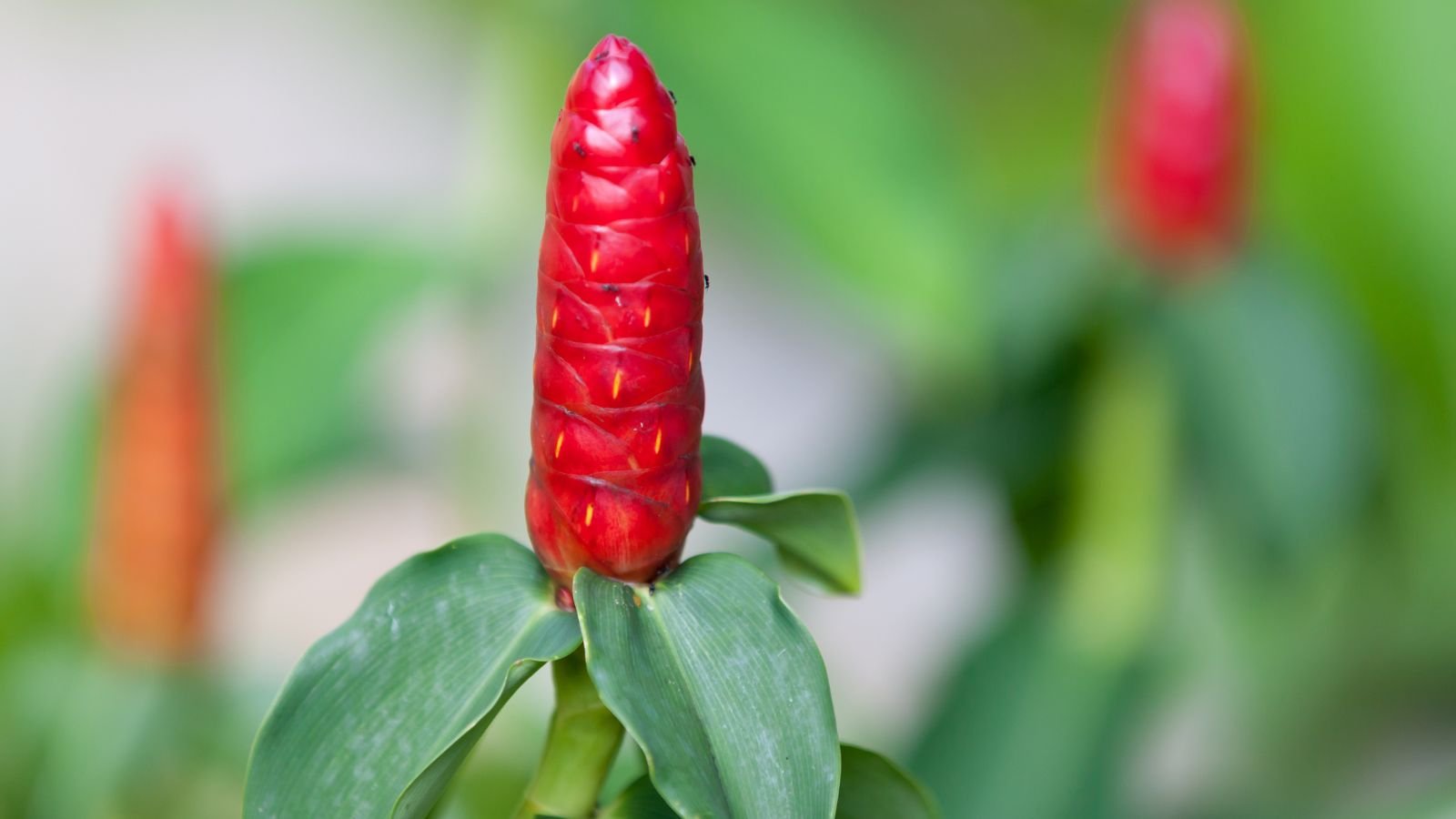
Shampoo ginger evokes the feel of the tropics in our home gardens with pinecone blooms in rich red and lush, leafy stalks. The distinct floral forms bring eye-catching structure in addition to their vibrant hues. Light up the border or highlight pots and containers by incorporating the tropical bloom.
Shampoo ginger (also called awapuhi, wild ginger, and pinecone lily) grows outdoors year-round in the mild climates of USDA zones 8-11. But if you don’t live in the right climate, you can also grow shampoo ginger in containers. This way, you can enjoy it in colder climates by moving it indoors to overwinter.
The Zingiberaceae family includes culinary ginger, among other spices, and ornamental flowering species like beehive, red, and our multifaceted shampoo ginger. Foliage is attractive throughout the warm season, but in the fall, shampoo ginger shines with its pinecone bracts.
With a squeeze, the cones produce a clear gel that makes an all-natural shampoo. Leaves make a flavorful food wrap as a ginger envelope in culinary adventures.
If you want to grow shampoo ginger in containers, follow these steps to get it right.
Growing Shampoo Ginger In Containers
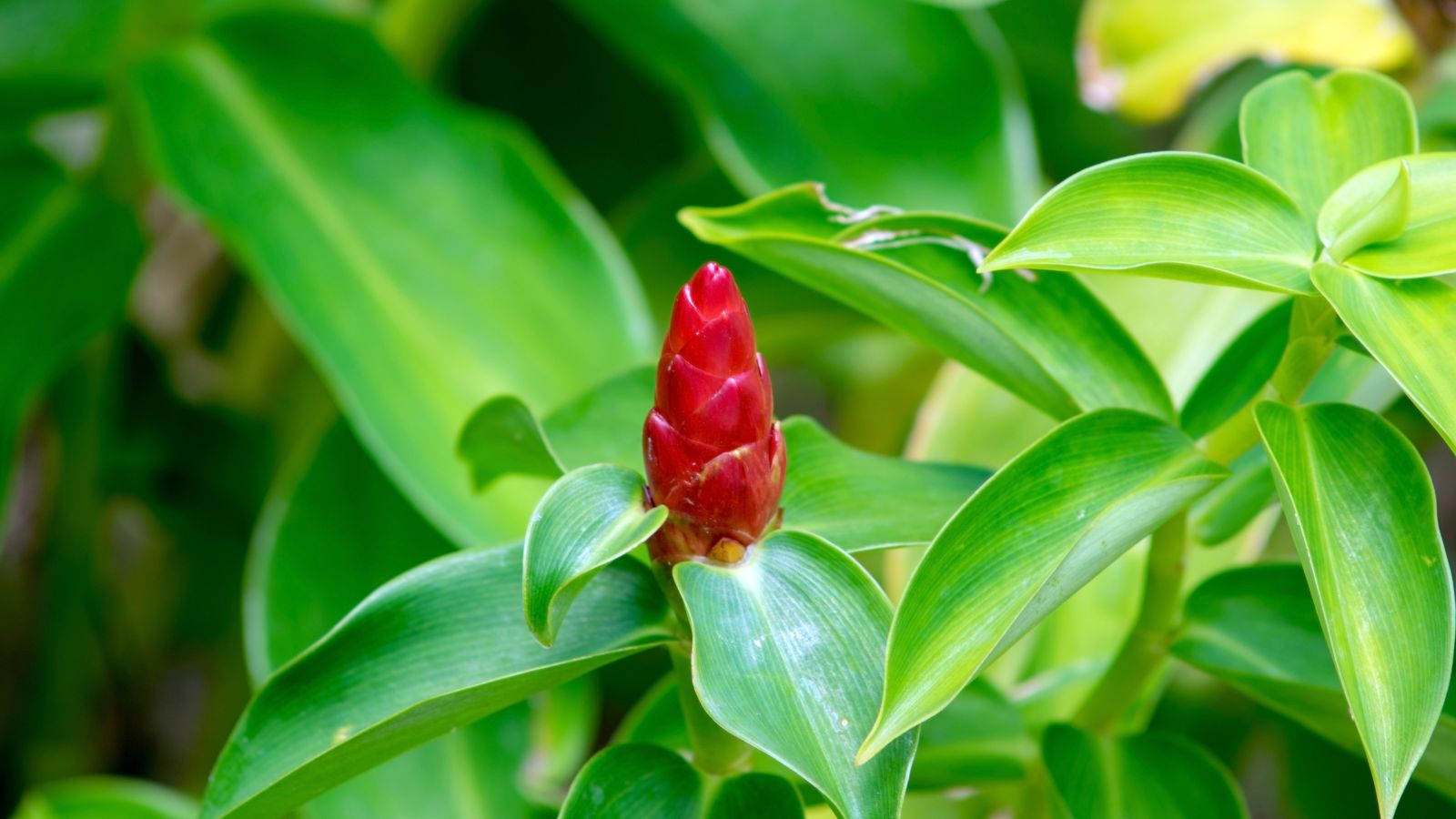
Shampoo ginger is a fun and rewarding potted plant, both in its tropical flair and in the soapy harvest. Its optimal growing conditions are similar to culinary varieties, with lush, broad leaves and roots that readily fill a container.
Zingiber zerumbet is native to India and Southeast Asia, where it grows in moist areas with fertile soils and high humidity near rivers, streams, and waterfalls. It has clumping, reed-like stalks that can reach seven feet tall (but more often three and a half to four feet in pots). Each leaf reaches up to one foot long.
In mid to late summer, the “pincecones” emerge and are three to five inches long. They start out lime green with sweetly fragrant white flowers. After flowering, they mature to deep red and fill with the sweet liquid. Persisting for weeks on the stem, they’re also striking in fresh florals.
Wild ginger can grow indoors all year, though it prefers to spend warm months outdoors for a vigorous growing season. Frost sensitive, they don’t withstand temperatures below 40°F (4°C). Bring them inside or move them to a greenhouse as temperatures drop in the fall. The plants enter winter dormancy to resume active growth in spring.
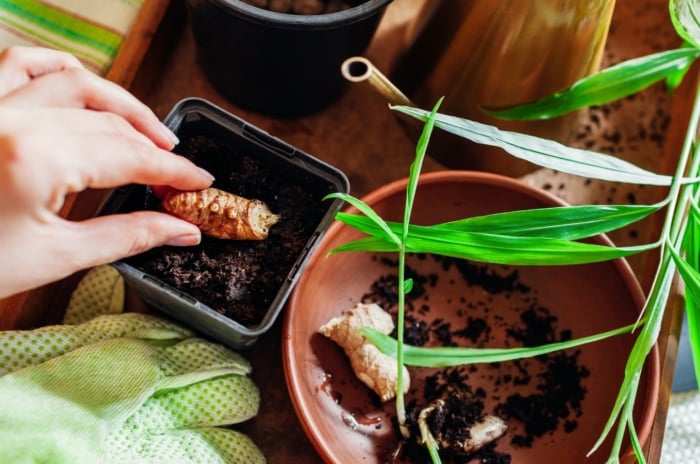
Shampoo ginger spreads by rhizomes, forming sturdy colonies in optimal conditions. Keeping it in a pot helps control the spread and makes a good pass-along plant by dividing rhizomes when repotting.
Choose The Right Pot
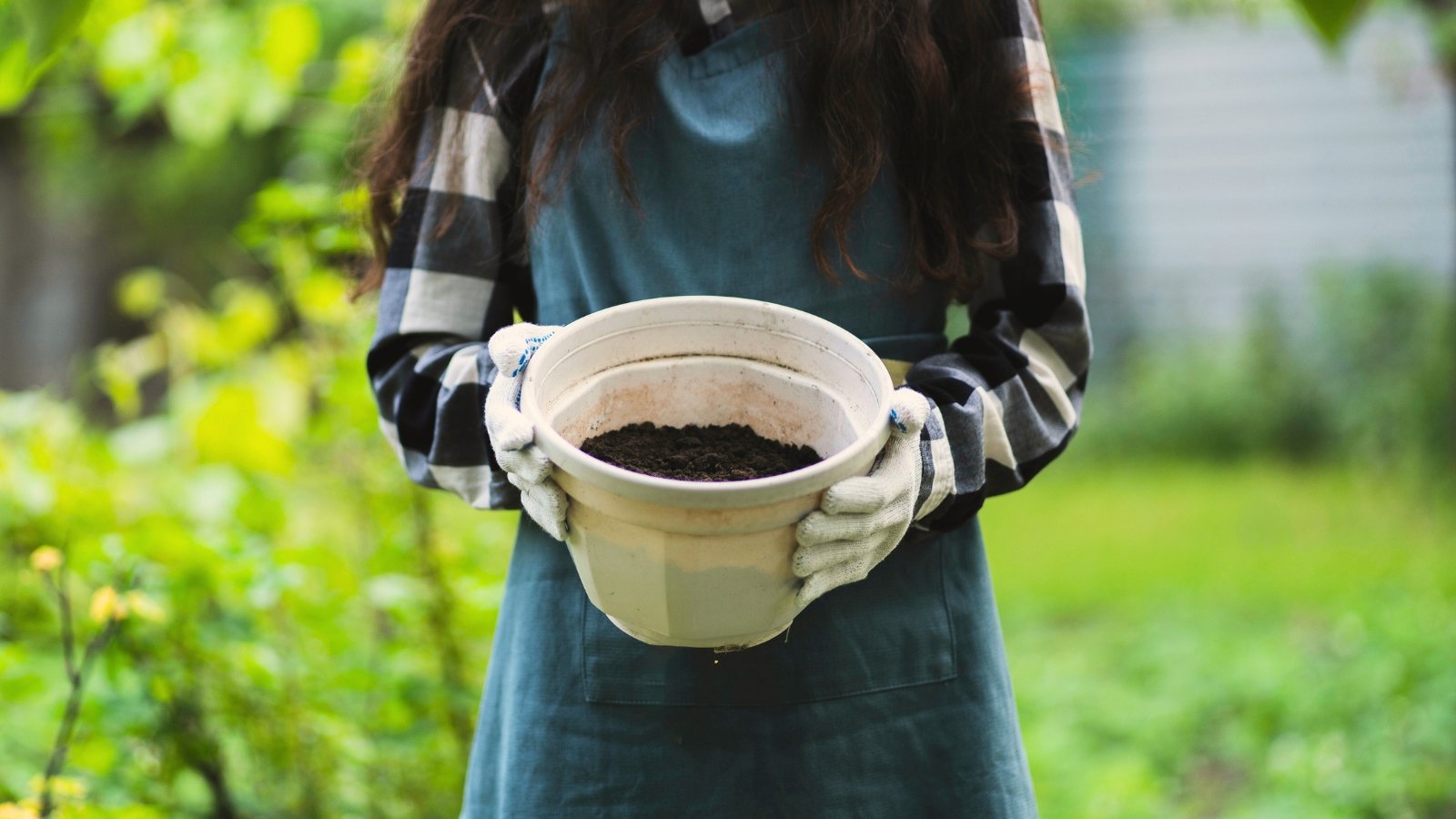
Each clump of shampoo ginger sends up about 9 to 12 of the bladed stalks. Because they spread via rhizomes, opt for a pot with ample diameter (12 to 18 inches) to account for spread.
A depth of 12 or more inches works well to grow shampoo ginger in containers. If you’re starting with a nursery potted specimen, use a pot one to two inches larger than the rootball. If planting a division or pass-along rhizome, start smaller and plan to repot as the specimen develops.
Pots with drainage holes are essential to avoid root problems. The tropicals need regular water that drains freely to prevent overly saturated conditions. Keep a catchment saucer handy to capture runoff.
To fill the container, choose a high-quality potting mix. Soil should be organically rich and well-draining. Tuck the rhizome portion into the soil two to three inches deep with the growth nodes pointing upward. They don’t need much soil coverage for those eyes to produce sprouts and quickly reach the surface.
Aim for Partial Shade

Shampoo ginger grows best in partial shade with four or fewer hours of daily sunlight. Situate pots outdoors where they’ll receive morning sun, dappled light, and afternoon shade protection in hot climates. Indoors, they benefit from bright, indirect light.
A bright window, out of direct sunlight, is a prime situation. Direct sun, especially afternoon rays, can scorch stems and leaves. East-facing windows work well for plenty of morning sun exposure. South or west-facing positions offer the most light, especially on short winter days.
For these, it’s best to place pots slightly away from the window or use a curtain to filter intense rays. If interior lighting is too low to support ginger, grow lights are an option to raise the levels.
Keep Them Warm

Wild ginger relies on warm temperatures to grow and flower. Ideal growing temperatures are in the low to mid-70s (21°C). Move shampoo ginger in containers inside in cool climates when temperatures begin to drop in early fall. If overwintering pots indoors, move them back outside in the spring after the last frost and when temperatures are consistently above 50°F (10°C).
Average room temperatures are usually sufficient for indoor growth. Move pots away from windows in cold winters to maintain a warmer temperature.
In cool conditions, the growth cycle slows, and wild ginger enters dormancy. In the fall, leaves turn yellow and brown and drop. Cooler temperatures and shorter day lengths trigger dormancy.
Increase Humidity

In their native environment, ginger enjoys high humidity. Levels around 50 to 60% are optimal. While this is average in our homes, factors like heat in winter can be drying. To raise the ambient humidity level around the houseplant, place the pot on a tray of gravel or pebbles filled with water.
Group houseplants to create a microclimate that boosts immediate humidity from soil moisture, evaporation, and transpiration. A humidifier, too, raises humidity consistently.
Balance Water Needs

Gingers are moisture-loving and need regular water during the growing season. Aim for evenly moist soils for shampoo ginger in containers. Containers dry out more quickly than in-ground plantings, which have the benefit of surrounding soil mass.
Use tepid or lukewarm water at each session to promote humidity and avoid shocking the roots. Water deeply until it flows through the pot’s drainage holes. Empty saucers shortly after pots have time to drain to avoid excess moisture absorption.
During winter dormancy, the tropicals need only infrequent watering as roots aren’t actively taking up moisture. When the soil surface feels dry to a couple of inches deep, water thoroughly (usually every few weeks or so). Avoid oversaturation and waterlogged conditions, which can cause fungal problems, like rot, for the dormant rhizomes.
Fertilize at the Right Time

Shampoo ginger in containers does best in organically rich soils. A low-grade fertilizer offers supplemental nutrition for the heavy feeders, especially in pots. Fertilize in spring as new growth emerges, holding off in fall and winter.
An organic fertilizer like a 5-5-5 or 1-3-1 (or similar) works well to avoid excess nitrogen and rhizome burn. Slow-release granular feeds last a couple of months, while liquid feeds absorb quickly and require applications every two to three weeks in the active season.
Scout for Pests
Shampoo ginger plants in containers aren’t immune to common sap-feeding pests like spider mites, aphids, and white flies. Pests are more likely in plants stressed by water fluctuations, either in dry situations or overly moist ones.
Aphids
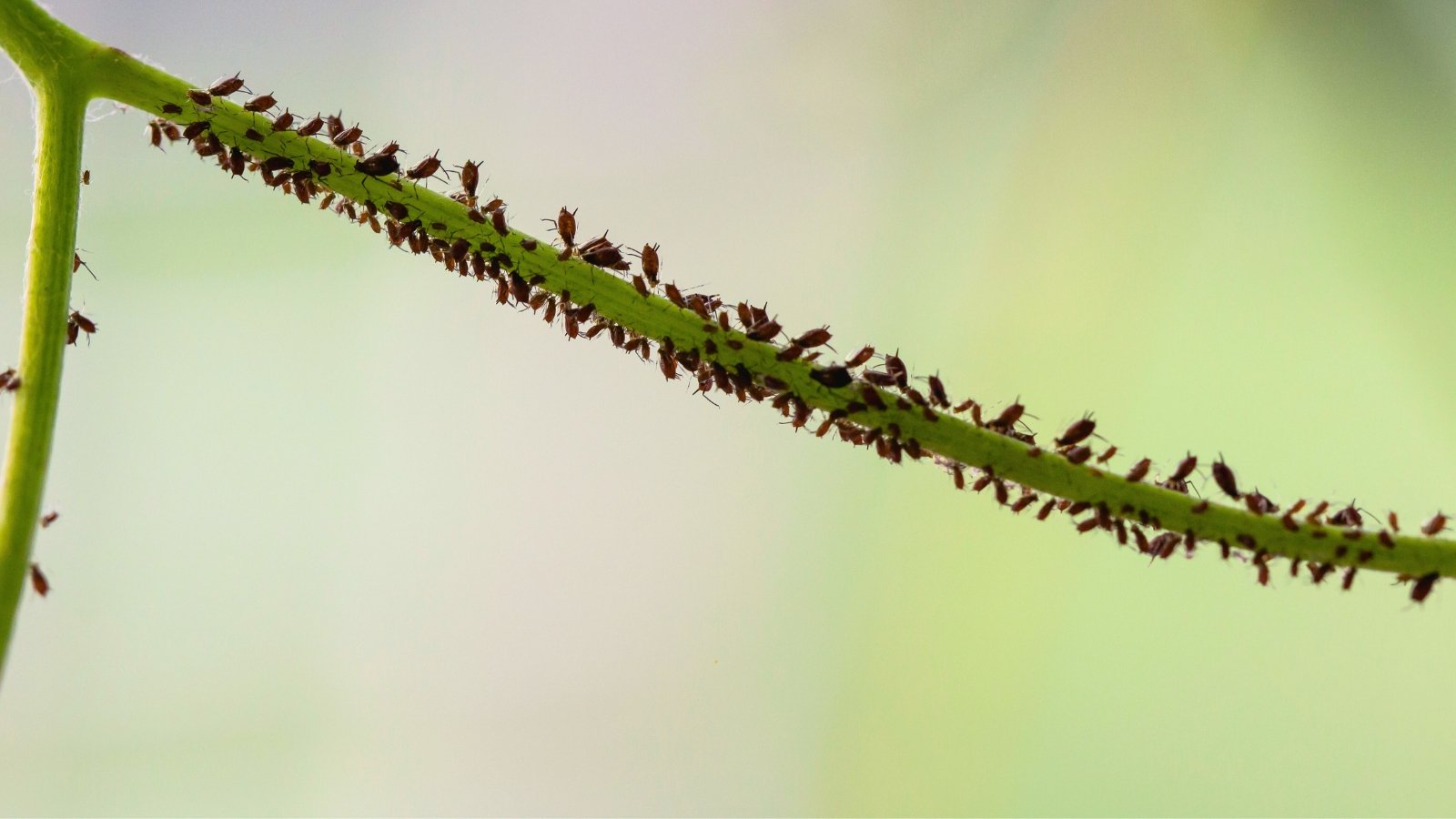
Aphids are prolific reproducers that congregate in numbers underneath leaves and on stems. They have soft, pear-shaped bodies and piercing mouthparts to mine for sap. They may do little damage, but infested plants can show curling leaves, yellowing (the entire surface or in spots), and stunted growth.
Aphids also leave behind a sticky honeydew that leads to unattractive sooty mold. They’re vectors for spreading fungal spores and viruses. Symptoms of virus or fungal diseases like leaf spot, mottling, and distortion may appear after aphids are present.
For early numbers, give the potted specimens a bath under a stream of water. Or, wipe both sides of the leaves with a soapy cloth. Do this as part of ongoing maintenance with recurring aphids. A horticultural soap or oil on both sides of the leaves controls an outbreak.
Spider Mites

Spider mites, like aphids, gather on the undersides of leaves. The tiny insects can be difficult to see, but webbing and light yellowing of leaf surfaces tell of their presence.
For small populations, run plants under a stream of water to displace the pests. Dab them with a Q-tip or cotton swap soaked in isopropyl alcohol for instant reduction. Insecticidal soaps and horticultural oils are effective as more potent treatments.
Whiteflies

Whiteflies also feed on tissues and cause leaves to yellow. You’ll see the white insects fluttering around foliage with disturbance.
Adult female whiteflies lay eggs on leaf undersides, and nymphs hatch to feed on tissues. The adults pierce foliage to feed on sap. They, too, leave behind a honeydew that promotes sooty mold. Whiteflies most often crop up in areas with low air circulation or in dry, warm conditions. They’re prone to indoor growing situations.
Use the same treatment options as for aphids, with horticultural soaps and oils as practical applications.
Bask in the Harvest

In the right situation, ginger grows with few maintenance needs in pots and containers. The lather from cones is ready to harvest when they turn red. Leave them on the stem and give a gentle squeeze over a container to collect the liquid. It will refill in short order, often by the next day.
Or, clip the stem and firmly squeeze all the juice from the bracts for a single yield. Use the sweet, ginger-scented “shampoo” fresh, or freeze it for future use.
Cook leaves to add the gingery flavor to your dishes. Young blooms (in white) are edible raw.