


Contents
One of the most effective and controversial materials to garden with is peat moss. Effective because it works well in tons of situations, and controversial because of how it is sourced. Many gardeners buy it on the regular without even knowing what it is or what it’s doing in their practice.
Peat moss is sometimes maligned among eco-conscious gardeners. While they’re not wrong to question the origin of peat moss sold in stores, the truth is more complicated than one might think. Therefore, the topic deserves examination and discussion.
So we’ve dedicated this piece to this interesting moss, what it is, and how to use it in the garden. We’ll also touch on why it has been looked down upon by gardeners who appreciate an ecologically sound practice. All this will help you as a gardener make the best possible decision about using it or an alternative.
Subscribe to the Epic Gardening Podcast on iTunes or Spotify
Worm Success Bundle
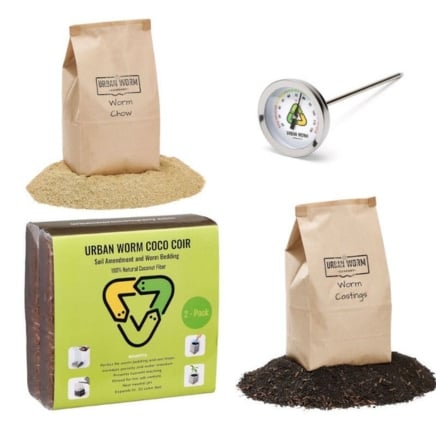
Worm Success Bundle
Urban Worm Coco Coir

Urban Worm Coco Coir
Coco Coir, Castings & Thermometer Bundle
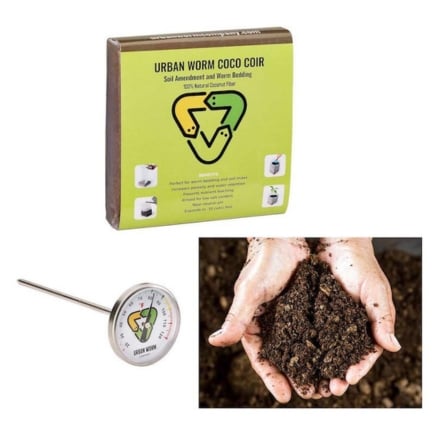
Coco Coir, Castings & Thermometer Bundle
What Is Peat Moss?
A peat definition is in order! How did this material gardeners spring for at the local nursery go from its natural source to a plastic bag? Peat moss comes from sphagnum moss, harvested from peat bogs in the Northern Hemisphere. The moss is then decayed and dried in the peatland, meaning it is allowed to lie exposed to the sun. What results is a dark brown fibrous material that is excellent for gardening.
This moss is an excellent amendment, particularly in sandy soils or in potted plants that have difficulty retaining moisture. We’ll talk more about how to use peat moss later. First up, a few distinctions!
Peat v Sphagnum Peat Moss

The term peat moss most often refers to the lower levels of peat found in a peat bog. Sphagnum peat moss is the plant from which the peat moss we use for gardens is derived, but most of the peat we like to use is the long-decayed form that collects deeper in the bog layers. Over time, it becomes packed down, compressed, and decays into a lovely spongy mass. The lower levels may also contain other decomposed organic material, like other rotted plants.
The top portion of the sphagnum peat moss has its uses, too. While it’s stringier than the deeper decayed moss, it is often used in reptile cages or terrarium use. It is not as decayed, and still resembles the plant it used to be.
Most of the US’s sphagnum moss resources come from Canada or the northern parts of the United States. Sphagnum moss grows specifically in wetlands in tundra areas. There are sphagnum peat bogs in South America as well, but our commercial peat moss comes from the north.
Both have similar applications, but in general, the decayed form of peat moss is much more acidic than the one that still looks plant-like. Typically, the only peat you’ll find at the garden center is the lower, more decomposed material. It takes genuine work to find the dried sphagnum moss; typically, it’s only through pet stores or specialty reptile shops that you’ll find good quantities of it.
How Does Peat Moss Form?

We’ve talked generally about how peat moss is created. Now let’s take a closer look. Sphagnum moss grows freely in peat bogs or wetland areas of cool-climate tundras and conifer forests. A look at the video posted in this article will give you an idea of just how lush this plant is.
Certain areas of these peat bogs are designated specifically for harvesting, most of which is done via a vacuum harvester. It’s not the live moss that’s desired, but the decayed moss that sits below.
Most harvesting occurs between May and September. Before this occurs, all the upland plants must be removed. Black spruce and tamarack trees are removed along with carnivorous plants, shrubs, and herbaceous plants.
Then the top layer of the vast sphagnum patch is removed and relocated to other areas of the bog which have not been disturbed, where it can thrive. The decayed, dried sphagnum moss is allowed to lay in the sun for 2 to 3 days where it dries. It’s then scraped up with the harvester and sucked into a receptacle. Then it’s moved to a factory for processing and packaging.
Some are bagged separately, and some are combined with decayed organic materials to be incorporated into potting soils sold worldwide. Some are made into peat pellets, and some are sold as simply peat moss. Then it hits the shelves, where you’ve likely seen and bought it.
Benefits of Peat Moss
Because peat moss is so widely used in gardening, you may wonder what all the hubbub is about. Here are the main reasons people use peat moss in their gardening practice.
Moisture Retention

Because of the cellular structure of sphagnum moss, peat moss is an excellent resource for water retentive properties. Sphagnum moss has two kinds of cells: those that assist in photosynthesis and those barrel-shaped cells that retain water. Both of these are necessary for thriving peatland, as much of the main source of nutrition for sphagnum is in the water and decayed moss below.
The moss will release the water to maintain the wetland as well. This is why peat moss is such an essential addition to gardeners’ soil. Much of what we do is figure out the best possible ways to carry out good water retention in the garden. Peat moss bogs and in turn peaty soil are the main sources of moisture retention for many. That’s why it’s commonly used in potting soil, and to line wire baskets.
All-Natural Source

Another thing organic gardeners appreciate is all-natural sources. Not only is peat moss organic, but it’s also only one step removed from the plants in the peatlands it comes from. Bog moss is essentially organic matter used in soil mixes, and bulk peat moss is sold on its own too. Peat moss doesn’t have any chemicals in it either. It’s free of fungus, bacteria, harmful chemicals, and weed seeds.
Sterility

Peat moss is not only organic, and has excellent water holding capacity, but it is also completely sterile. As we mentioned in the last section, there are no chemicals used in processing peat moss. Because there are no fungi, bacteria, and weed seeds, this media is clean as a whistle. Peat moss also has antiseptic qualities that originate in polysaccharides which suck harmful bacteria into cell walls. There’s a long and very interesting history of the use of this moss in medicine and as bandages.
Widely Available

Pretty much every store you go to will have some form of peat moss available, whether it be a potting mix, peat moss, or specifically sphagnum peat moss, you’ll have no trouble locating a source. So many growers rely on this plant for soilless mixes, starting seeds, and soil amendment and peat moss has been on the market for a long time. Therefore, it’s reliable.
Doesn’t Compact

Although compost is nutrient-rich, it doesn’t compare to peat moss when it comes to anti-compaction capabilities. Much of this is related to the moisture-retentive properties of peat, which keeps the soil it’s in aerated and light. It’s an excellent amendment for topsoil, which can compact quickly and easily. I know peat in soil would have been a welcome addition to my first raised bed, which I readily filled with the cheapest topsoil I could find, only to plant my crops in what was essentially cement.
Drawbacks of Peat Moss
Now, what are the disadvantages of peat? You may have heard about some of these. You may also find the truth about peat is more complex than you once thought.
Non-Renewable

Let’s start with the environmental concerns. On the whole, peat is a non-renewable resource. The fact that it outperforms other materials in the garden is why it was overharvested for a long time with little thought about how using moss for plants was contributing to ecological decline.
Another one of the environmental concerns is that removing plants in bogs to access sphagnum moss contributes to global warming. The vast majority of plants in peat bogs sequester carbon dioxide. When all the plants are removed, the decomposition process peat goes through releases carbon dioxide into the atmosphere. Top that off with the fossil fuels used to power the harvesters, and you may be able to see where the concerns lie.
One of the best things to happen in the peat world in recent years is efforts toward making peat a renewable resource. Through organizations like the International Peat Society, ethical and ecologically sensitive harvesting has been put into practice. Living plant material is relocated to make extraction more ecological. They have developed initiatives to mitigate the conflicting interests of land protectors, conservationists, and peat producers.
No Nutrients

Peat doesn’t have any nutrient content, unlike compost, animal manures, and other soil mixes. Therefore, it’s only good for consistency and water retention. Peat moss soil is never just peat moss. Mixing peat moss with soil is what creates these blends. If you’re growing plants in peat, you’ll always need some source of nutrients in addition to the moss.
Hydrophobia

While peat is very moisture retentive, the fibrous material is also hydrophobic when it dries out. Therefore, it takes a significant amount of water to re-activate the retention it provides when slightly moist. Peat soil that has dried out may require some kind of surfactant, or wetting agent to break the tension and allow it to absorb water again.
Acidity

The base-level peat moss pH is 5.5 (sometimes even more acidic at 4.0) at least at the start of its use. While this may not seem like a problem for people who love to grow acid-loving plants, the low pH of acidic soil may be an issue for plants that need alkaline or neutral soil. Using peat may initially make your soil pH low, but studies have shown it will neutralize within a day or so.
Therefore, if you’re using peat to plant live crops, know it will take some time for the acidic soil to balance out and neutralize in your garden.
Peat Moss Alternatives

What can I use instead of peat moss? There are several choices! One of the most commonly used alternatives is coconut coir, a material made of coconut fiber that is extracted from broken-down coconut shells. Coconut coir can have a high salinity content, though, making it necessary to water more. Other materials like worm castings serve a similar function, adding water retentive properties to the soil which helps gardeners grow plants.
Compost is a great alternative as well. Not only is compost water-retentive, but it’s also full of macro and micro nutrients needed to keep every plant healthy. Rice hulls are the byproduct of hulled rice that you buy in the store. They provide aeration and lightening. Pine bark also provides some nutrition and helps retain moisture. Finally, pine needles add acid content to the soil as they break down, making them great for acid-lovers.
How To Use Peat Moss
So, what is peat moss good for? And what is peat moss used for? Let’s talk about it! While alternatives exist, it’s hard to outperform the old standby.
Peat Moss for Seed-Starting and Soil-Less Mixes

When it comes to the uses of peat moss, seed-starting is one of the places where it shines. Mix peat with perlite and vermiculite and you have a great seed starting mix that is also soil-less. This mixture provides seeds with the right amount of drainage and aeration that will help plant roots grow strong and healthy. Add a little compost to feed plant roots some nutrients too!
Another one of the best peat moss uses is in soilless potting mixes. These are great for plants that don’t need a lot of nutrition to grow but do require air circulation and drainage. Most soils (even peat soils) host bugs, fungus, or bacteria. That’s why a soil-less mix is one of the best uses for peat moss.
Peat Moss For Lawns

When should I use peat moss on my lawn? Peat moss uses can include lawn as well as garden. The timing is key, though. It’s best to use this material when you are planting sod, rather than using it while your lawn is growing. That’s because of the acidity spike it can create in the existing soil.
This acidity can make lawn work harder because it kills off beneficial microbes and earthworms. So apply a layer of moss to the ground before planting your sod, and you’ll have an extra layer of water to help it root in.
Amending Soil with Peat Moss

Can you mix peat moss with soil? Absolutely. Just like compost, it’s a great addition to garden soil, as well as most kinds of soil. Soil amendments with these materials provide water retention and aeration that can help house plants grow more easily.
Adding it to sandy soil lightens it, just as coco coir would. So if you see peat moss on sale when you are looking for a soil amendment, consider it.
Frequently Asked Questions
Is peat moss good for all plants?
It provides an initial spike of acidity to some that may make coco coir preferable. It’s a great soil amendment, though!
What is the difference between peat moss and compost?
It doesn’t have any nutrition, and doesn’t compact as much as compost does. If you need a soil amendment that has macronutrients and micronutrients, go for compost. For aeration and lightening, go for peats.
Why is peat moss being banned?
While it is banned for home gardener use in the UK starting in 2024, it’s still available on its own or as a soil amendment in the US.
What plants grow well in peat?
With enough additions, most plants will do just fine. Soil heavy with these materials grows acidic lovers best. Think blueberries, hydrangeas, and nasturtiums.
Is peat moss toxic to humans?
Untreated moss may contain fungi that can cause illness. Most of those you find in stores are well-treated. This is not a concern for most gardeners.
Do tomatoes like peat moss?
It’s great as a soil amendment for tomatoes because it helps retain consistent moisture levels needed for plump, delicious fruit.
Can you use too much peat moss?
Definitely. You want to balance your usage with other materials. Not only will this help you grow healthier plants, but it will also help limit the overconsumption of the material overall.


