11 Microgreens Seeds You Can Start in November
Grow an indoor garden with microgreens! These miniature seedlings are easy to cultivate and delicious to enjoy. Set a pot on a windowsill, or prepare a large grow-site with plant lights. No matter what you do, these 11 microgreens are perfect to start in November.

Contents
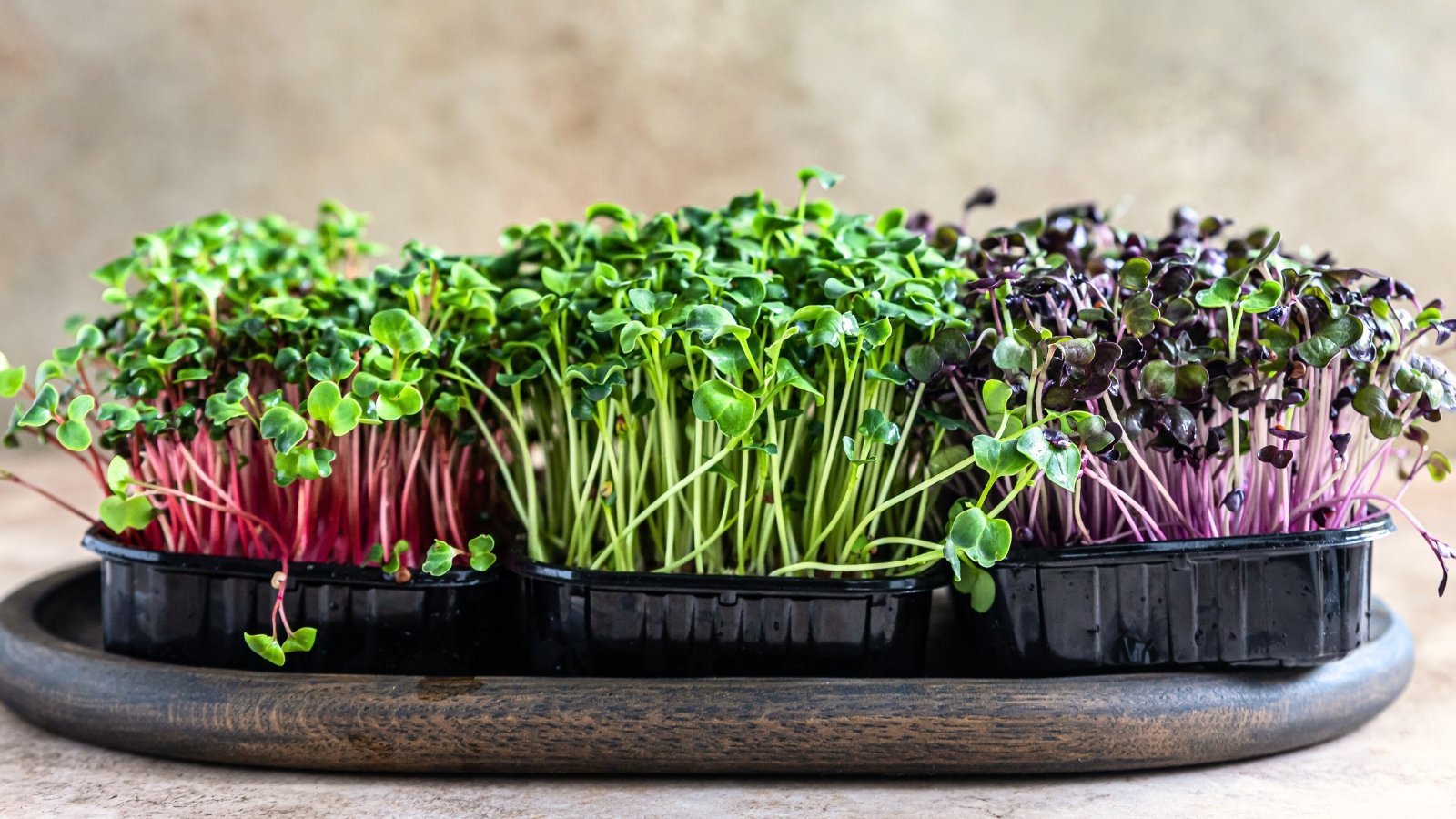
Many plants can be microgreens, from herbs to vegetables. A microgreen, put simply, is a young seedling that’s edible whole. The plant grows an inch or two tall, and you snip it to harvest. Microgreens are fresh and tasty, and they are great on sandwiches, soups, and as a crunchy topping on prepared meals.
Not only are they tasty, but microgreens are incredibly easy to grow. They don’t need a lot of space, and they require little light to thrive.
When the weather grows cold outdoors, bring the garden inside with potted microgreens. Set up a pot with grow lights, and plant these microgreens seeds this November.
Basil
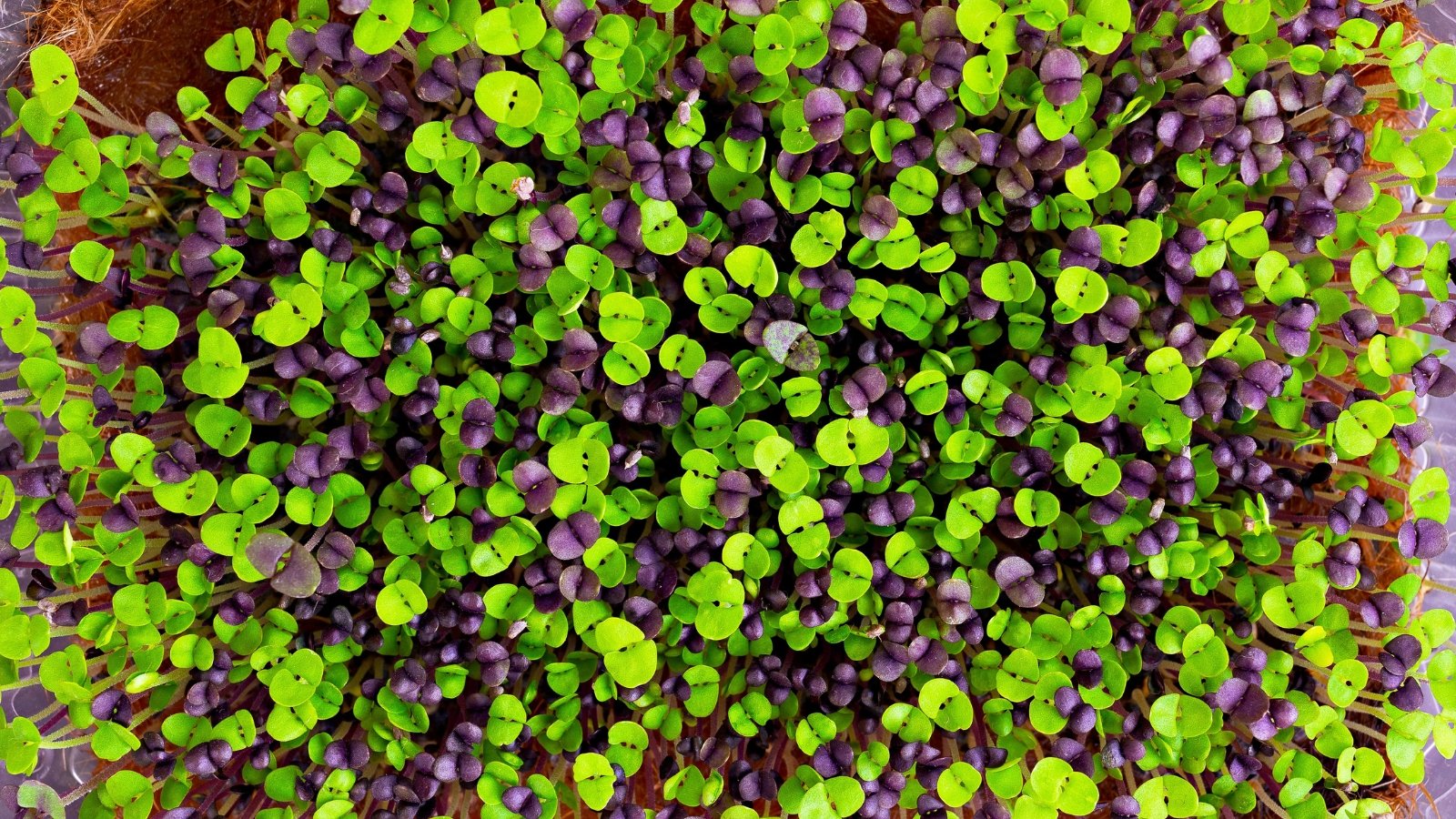
If you forgot to take basil cuttings at the end of summer, try growing basil microgreens seeds in November! Fill an entire pot with seeds and nurture them until they sprout two true leaves. The true leaves are the leaves that appear after the seed leaves, which emerge first.
Basil goes great on pizzas, pastas, or as an ingredient in pesto. The young plants are pungent and spicy, though they’re milder than fully grown basil. Use more of them than you would the normal-sized basil leaves.
Beet
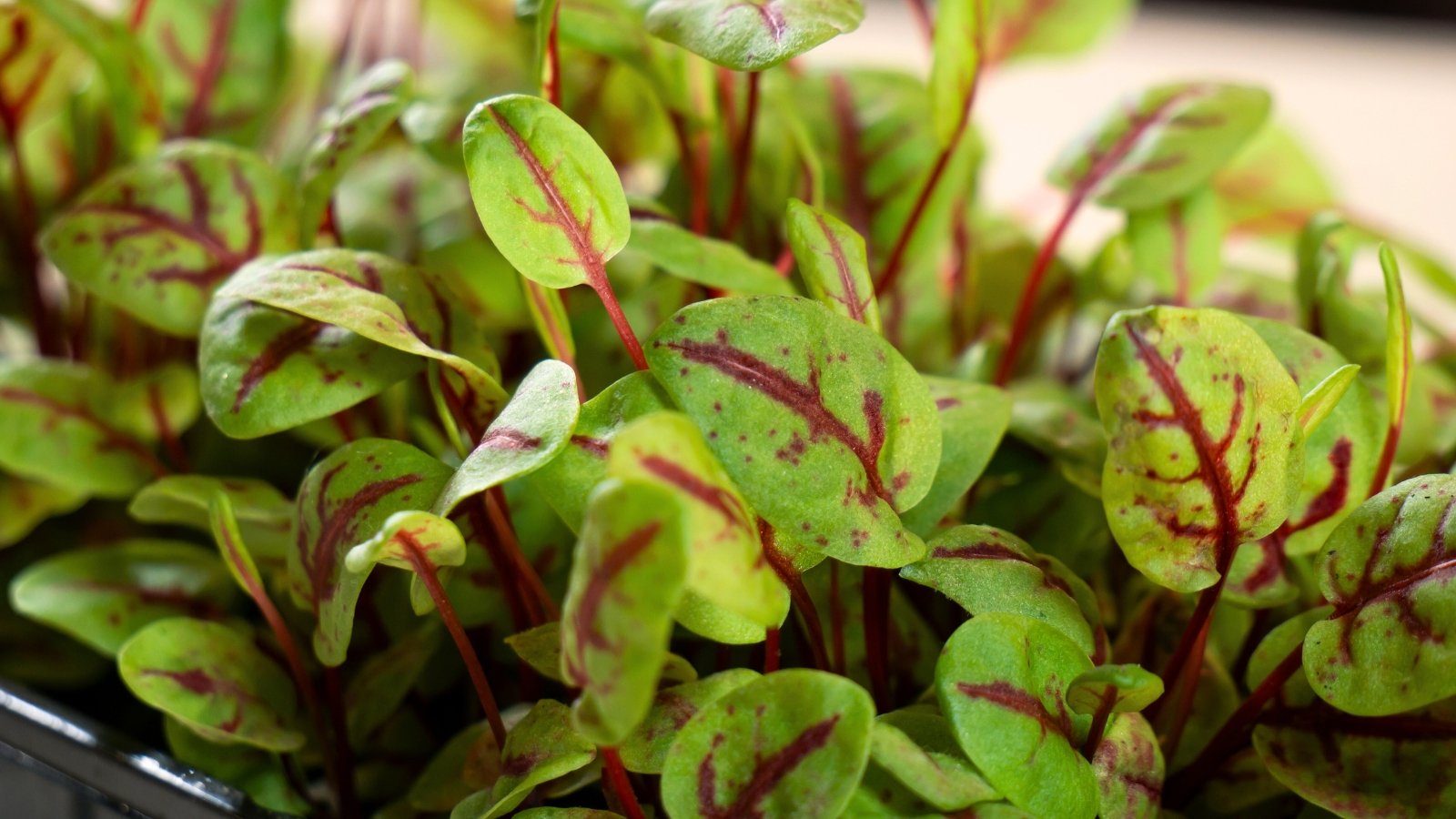
Beets are flavorful and colorful, and so too are their microgreens. Both Swiss chard and beet seeds work well for growing edible seedlings. Simply stuff a container full of seeds, and keep it moist until sprouts appear.
If you’d rather not buy beet seeds all the time to grow microgreens, let a few of your beets flower in the garden. Don’t harvest them, and let them overwinter. They’ll grow a tall stalk with flowers, and the pollinated flowers will form hundreds of seeds.
Broccoli
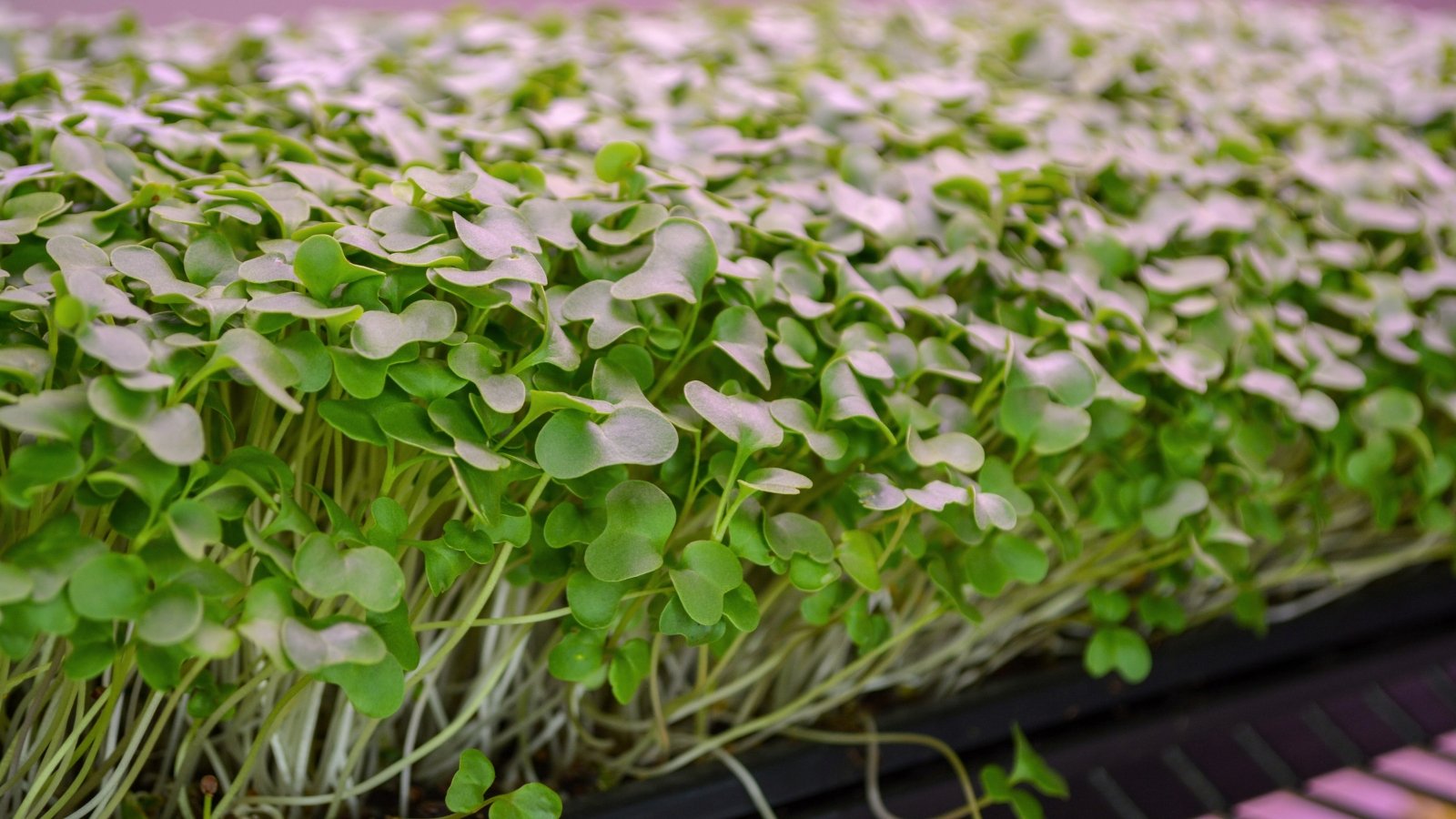
Broccoli microgreens are flavorful but mild, working well in a wide array of meals. They’re hard to pin down. You’ll have to try them first to see how they taste, then decide how to use them in your dishes.
I like to spread broccoli microgreens on salads, and I enjoy them on the side with a soft-boiled egg in the morning. Their crunchy texture makes them perfect for adding dimension to a bland meal. Flavor and enrich a dish with your broccoli seedlings.
Cabbage
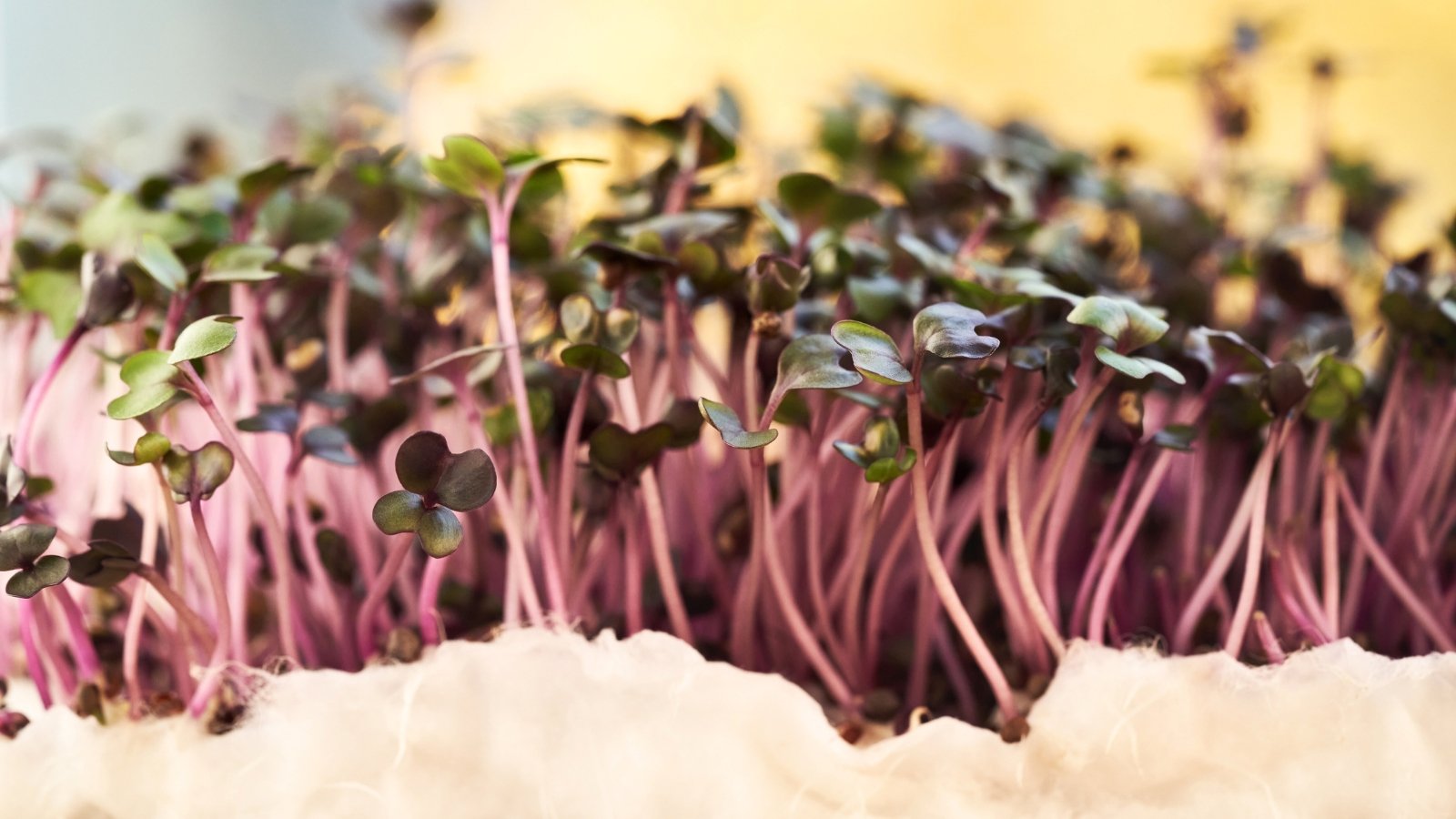
Cabbage microgreens are similar to broccoli, as they’re close relatives in the same plant family. Where cabbage outshines broccoli is with its color. You may use red-colored cabbage seeds, like those from the variety ‘Red Acre,’ to grow purple-red seedlings.
Cabbage prefers cool temperatures to thrive, but the seedlings are less picky. You can sow the microgreens seeds indoors in November and harvest them after they sprout true leaves. Let them reach an inch or two tall, then snip them with scissors over your plate.
Chicory
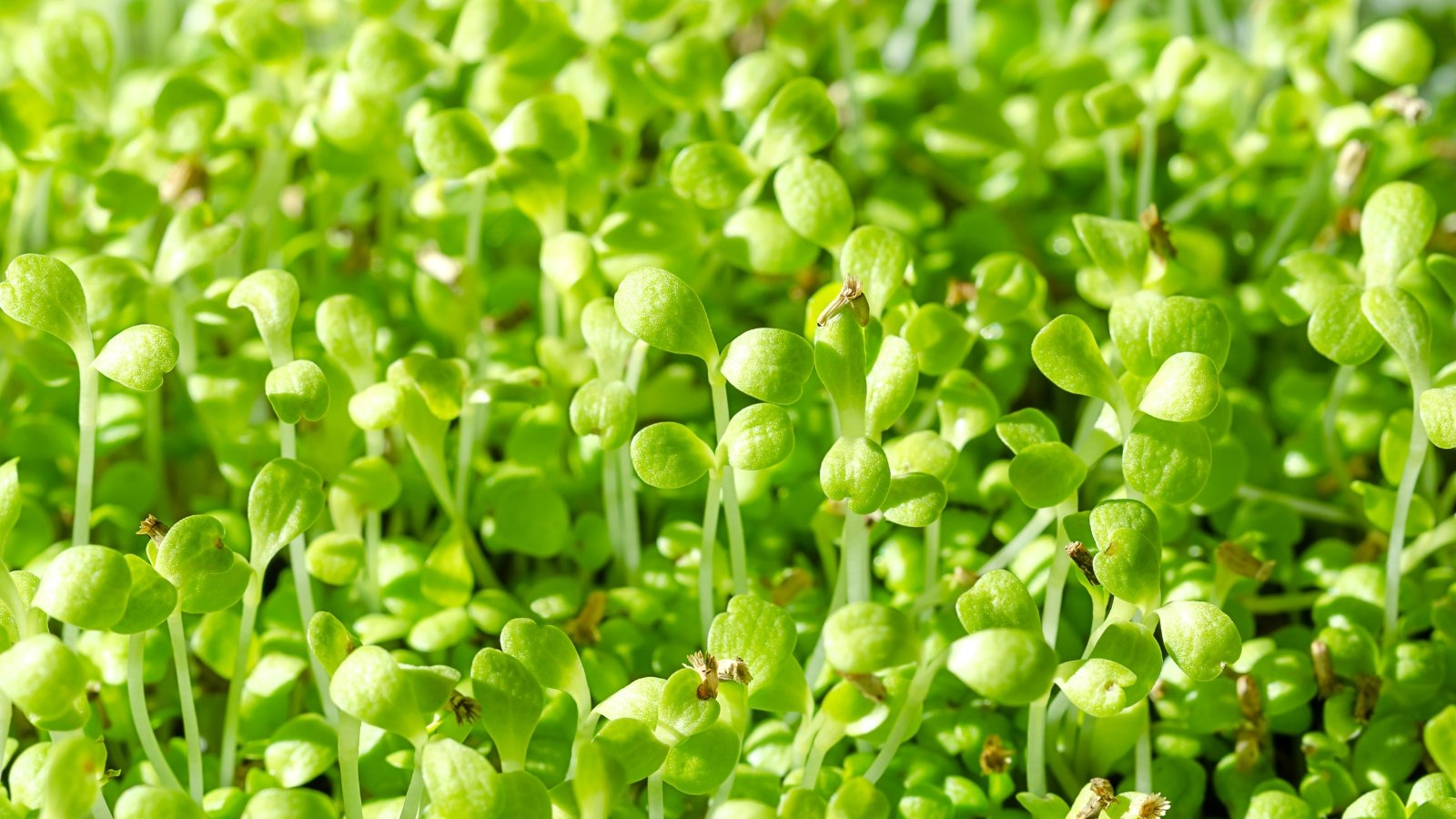
Chicory leaves are slightly bitter, making them a choice addition to salads with sweet leaves. Mix them with spinach and lettuce to add depth and flavor to a bland salad. Or, pop them in your sandwich as fresh leafy greens.
Chicory seedlings are incredibly easy to grow. Sow the seeds thickly in pots, and repeat sowings after you harvest. Seedlings don’t regrow, so you’ll need to plant fresh ones every time you harvest the old ones.
If you prefer tender, less bitter greens, you may not enjoy the rich flavor of chicory. Try it first to see if you’ll like it. I don’t like it on its own, but I do enjoy it in a mix with other greens.
Cilantro
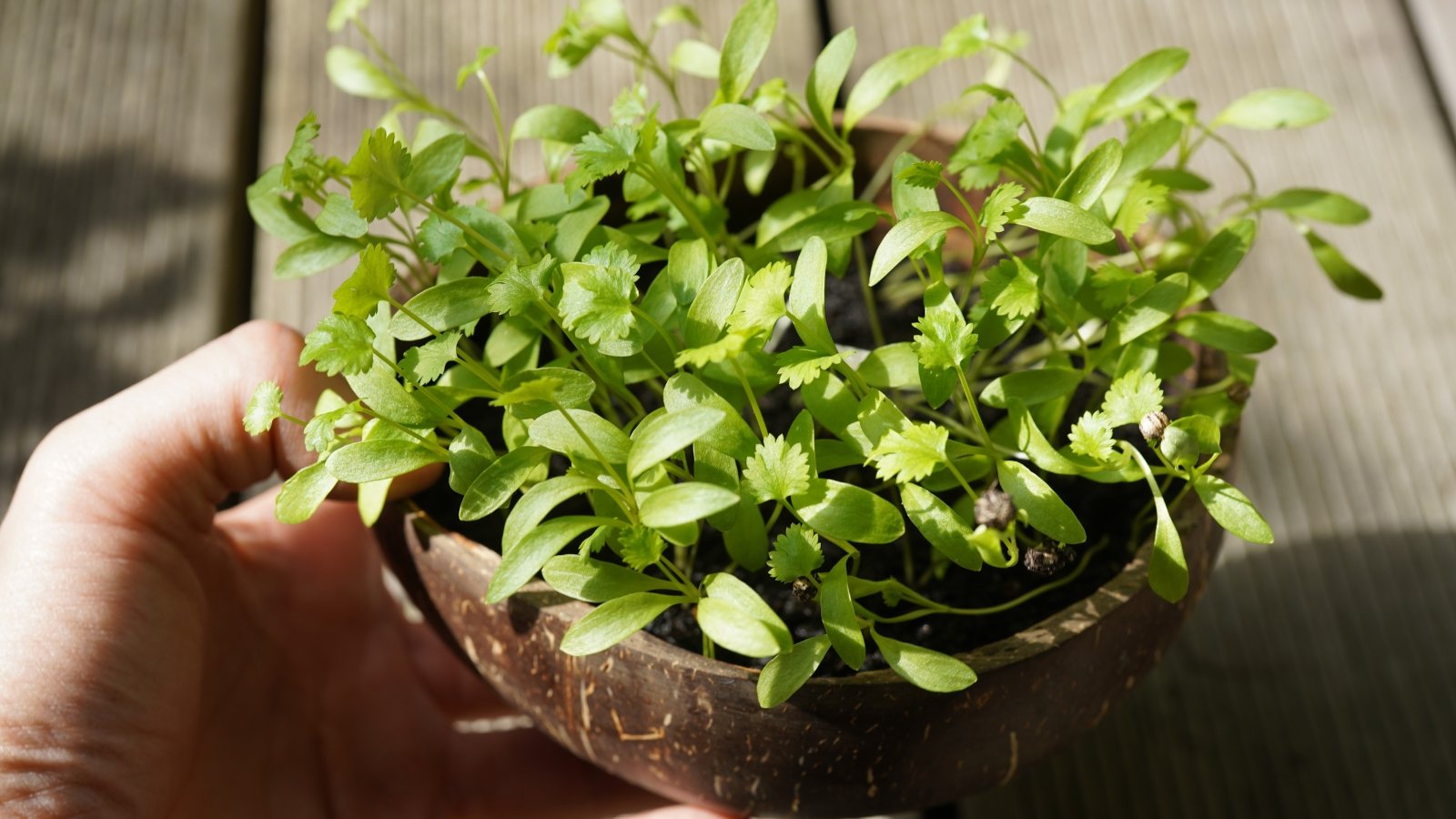
As with basil, cilantro microgreens are herbal and flavorful, but less so than their full-grown counterparts. They’re ideal for taco night, to enrich beans, or for making sofrito marinade. If you struggle growing cilantro outdoors, try planting microgreens seeds in pots this November.
Cilantro is quick to flower and produce seeds. Make sure you harvest the microgreens before they bolt. Otherwise, they’ll grow bitter and poor-tasting.
Cilantro is easy to collect seeds from. Simply let a few plants mature outdoors, then collect their seeds from the stalks before November.
Cress
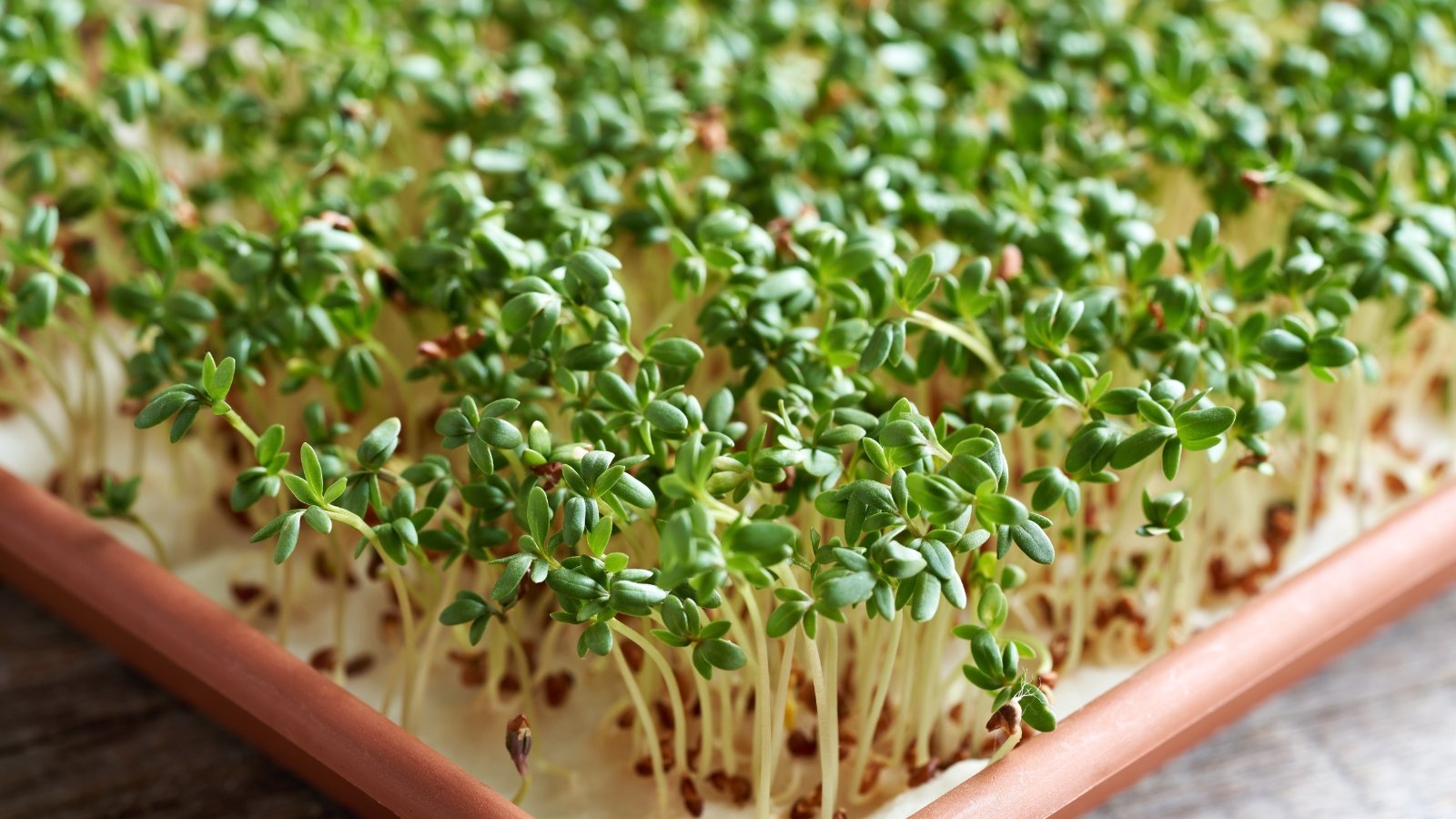
Cress is spicy, pungent, and crunchy. It’s the perfect microgreen! If you’re looking for a strong taste that stands out on your plate, try sprouting cress seeds in a pot indoors.
For best results, keep your pots near a bright windowsill or under grow lights. Bright light is necessary for healthy growth, and seedlings will grow their best when they have sufficient light. Don’t banish them to that dark corner where you may forget they exist.
Kohlrabi
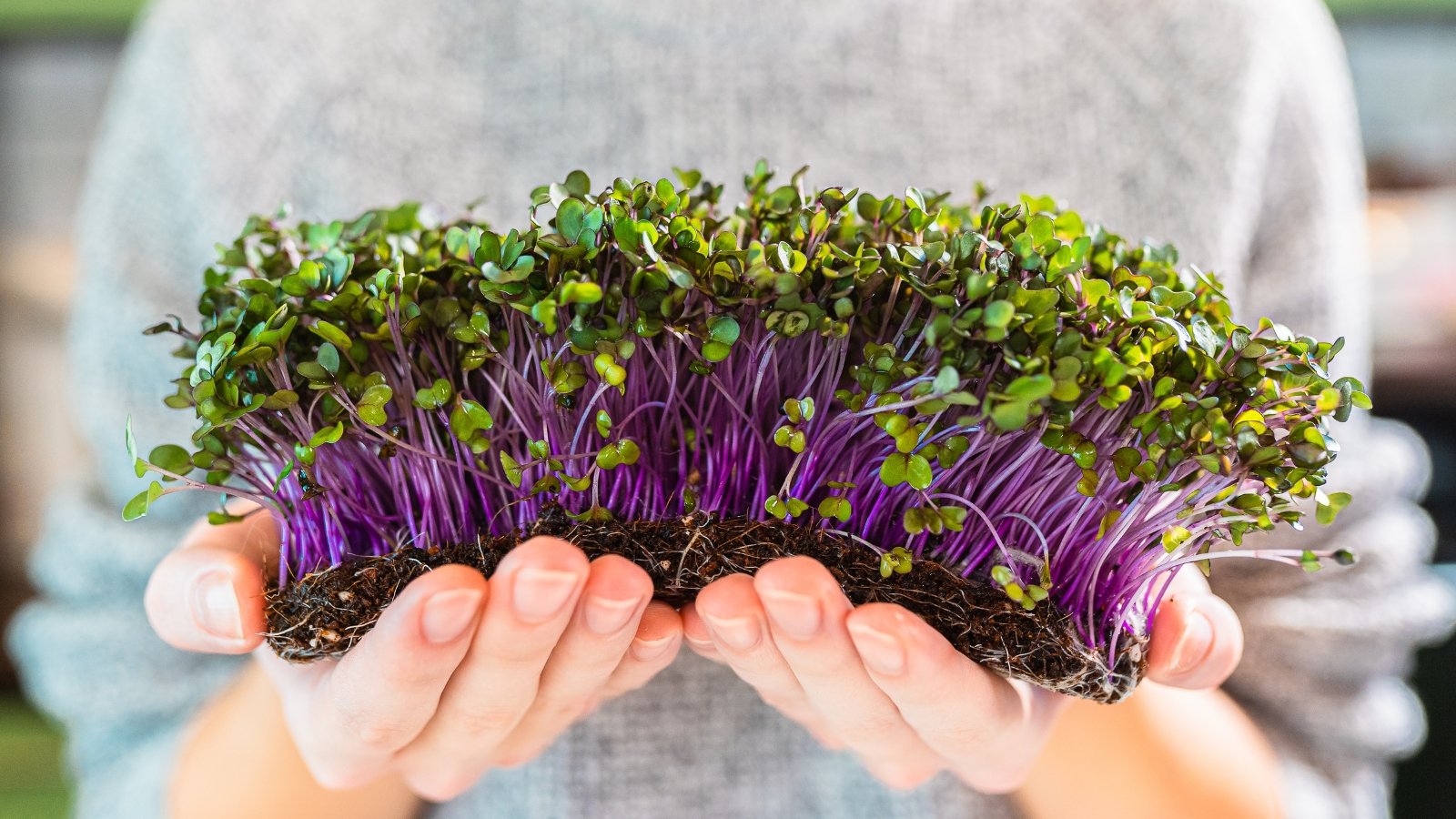
Kohlrabi is as tasty as it is weird-looking. It’s a cabbage relative that produces a swollen stem above the ground. It’s not technically a root vegetable despite its resemblance to one. What it is is tasty, easy-growing, and perfect as a microgreen.
If you’d like a variety of flavors, consider mixing kohlrabi seeds with mustard, beets, and chicory. Or, pick your own custom mix that you’d like to grow! The possibilities are endless, and many mixes work well together.
Mustard
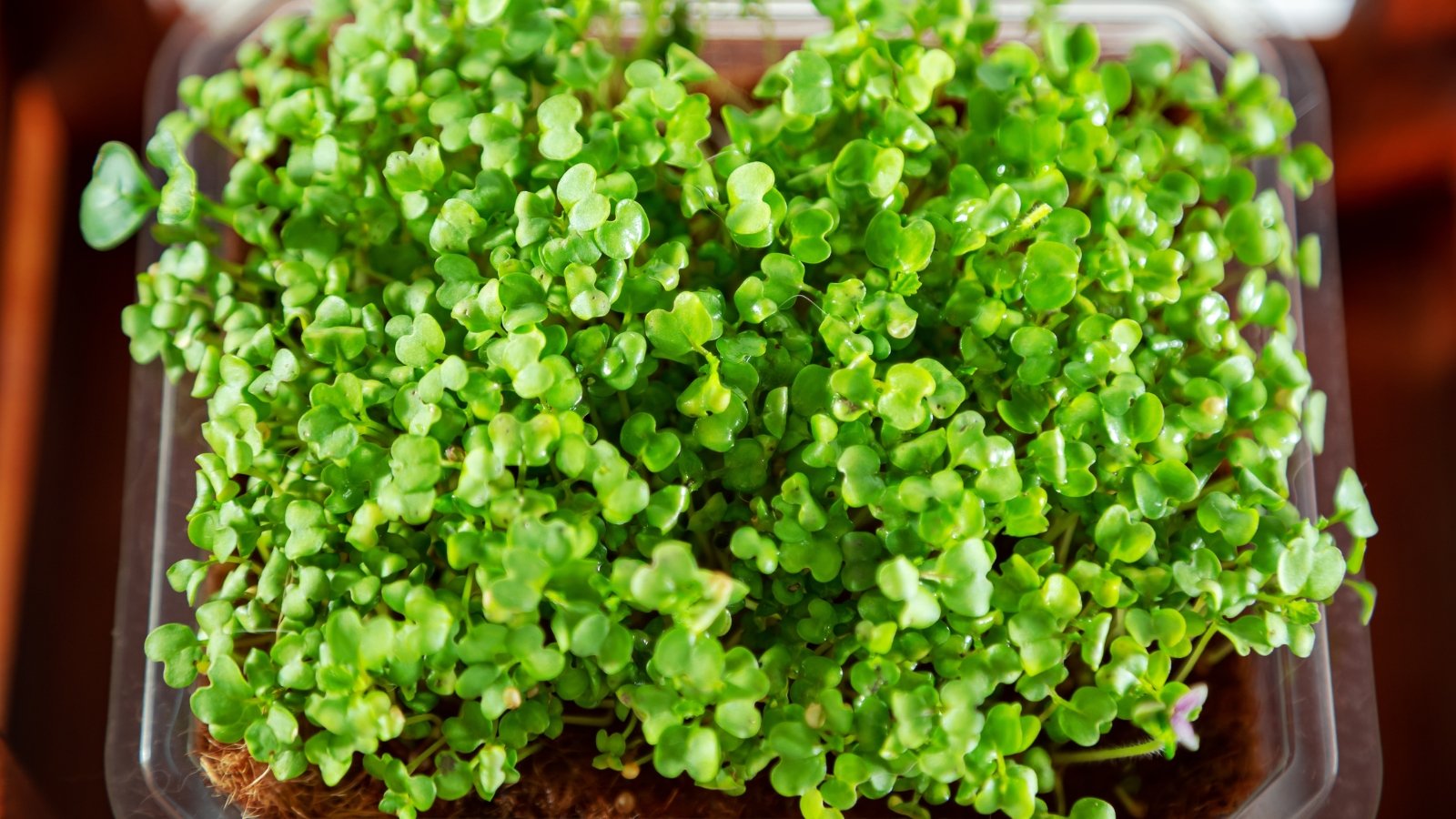
Mustard, like cress, is spicy and pungent. It blends well with other greens, and it’s easy to collect seeds from in the garden. Let a mustard plant or two flower and produce seeds, then collect the seeds into a paper bag.
Plant mustard microgreens seeds in November with milder seedlings to mellow it out. Sow broccoli and cabbage seeds, or plant kohlrabi and chicory with the mustard. Or, you don’t have to let the seedlings grow true leaves. You can harvest them when their first leaves sprout for a milder flavor.
Radish
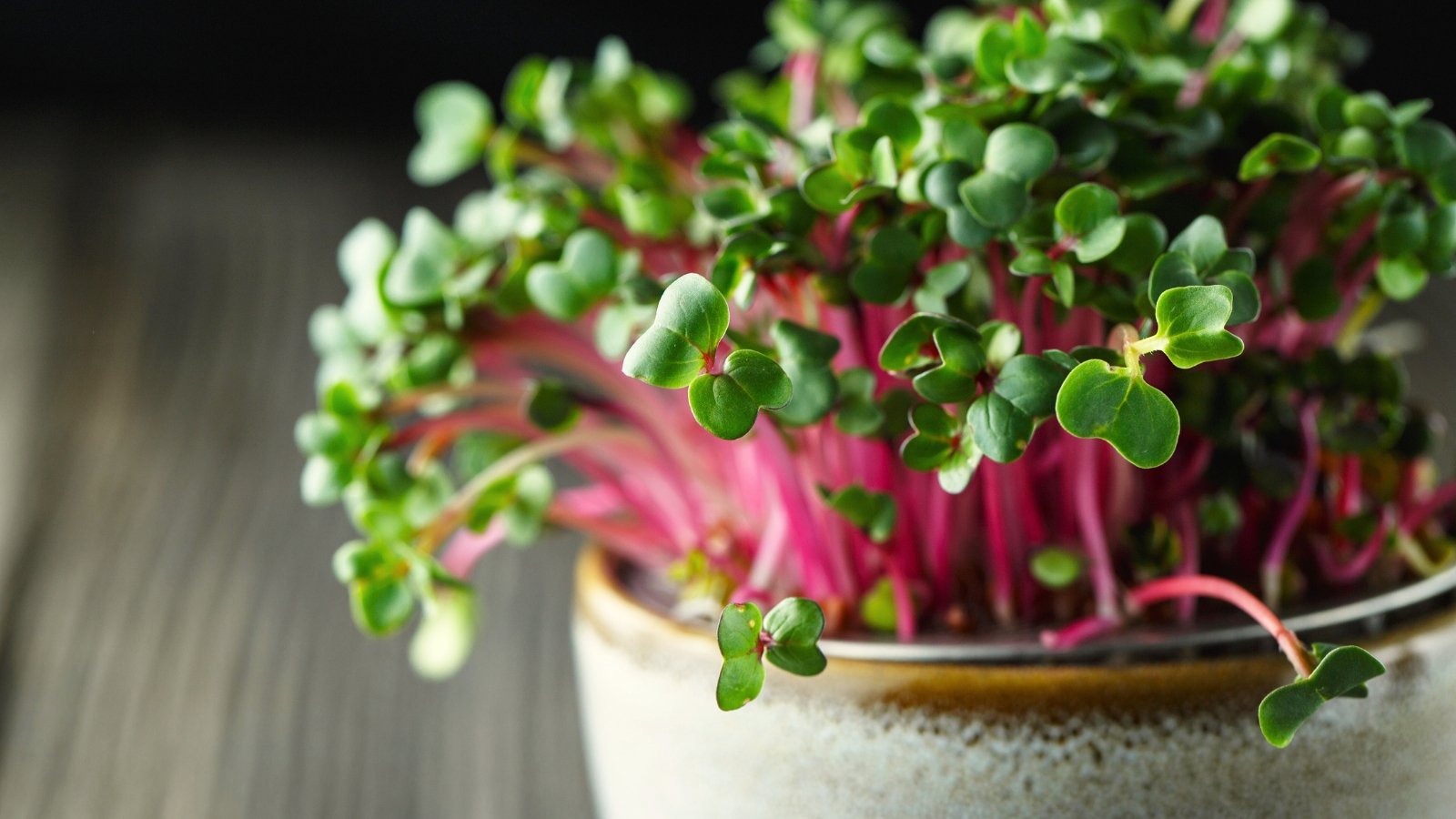
Radish microgreens, like mustard and cress, are spicy and pungent. They’re perfect for adding spiciness and strong flavor to prepared meals. They’re fresh, and they work well in mixes with milder seedlings.
Young radish seedlings won’t have the intense, red color that full-grown radishes do. You may not be able to pick them out from the rest. Don’t worry, as they’ll still have the strong flavor you’re expecting.
Sunflower
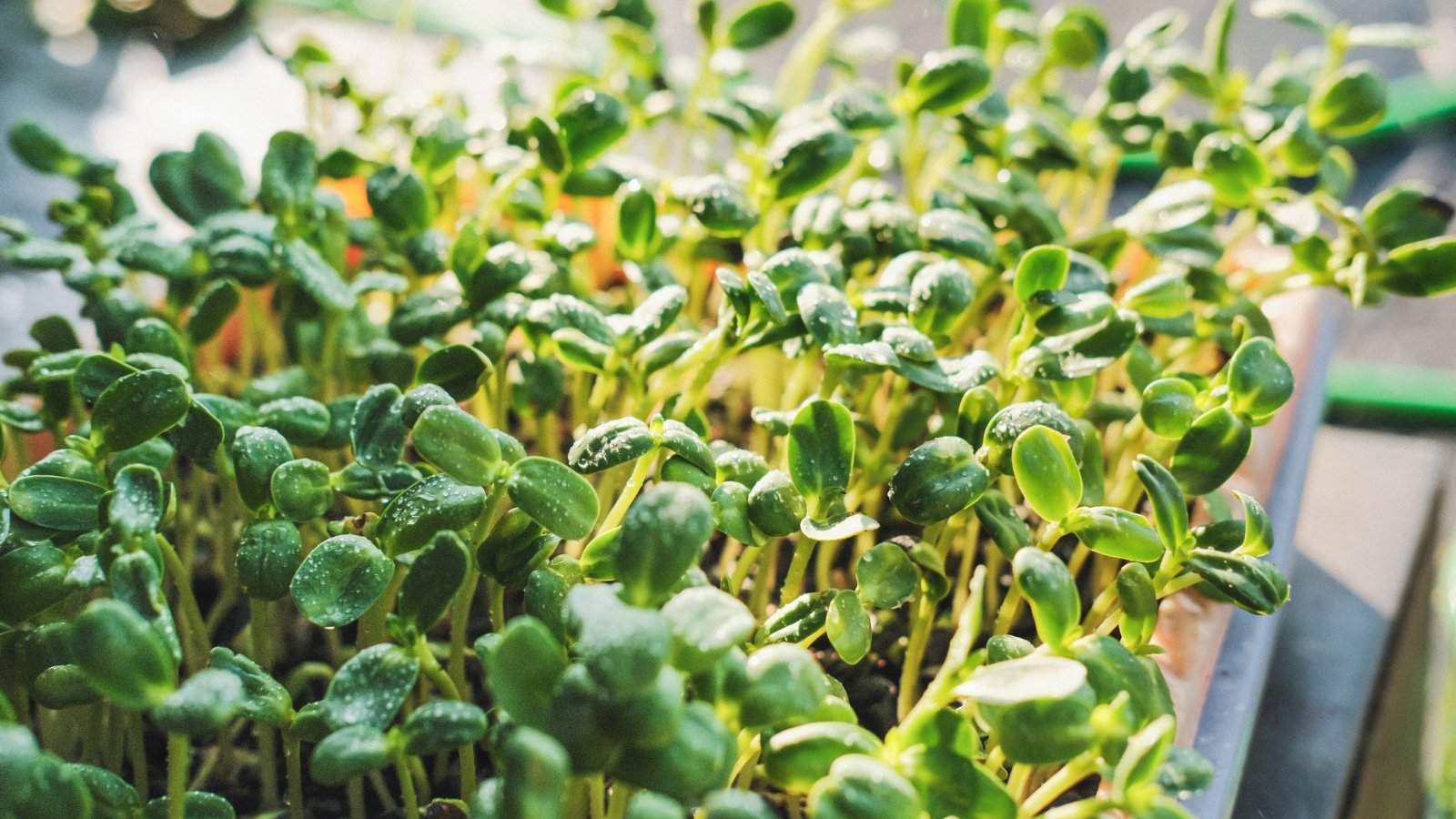
Sunflower microgreens are unique! Most gardeners enjoy the seeds, but did you know that the young seedlings are edible? They have a strong flavor unlike any other microgreen. They’re also thick and crunchy, adding both taste and texture to your meals.
Harvest sunflower greens when they’re a bit older, after their true leaves appear. They’ll taste nutty and bold, working equally well in either sandwiches or soups, or on charcuterie boards with cheese and crackers.