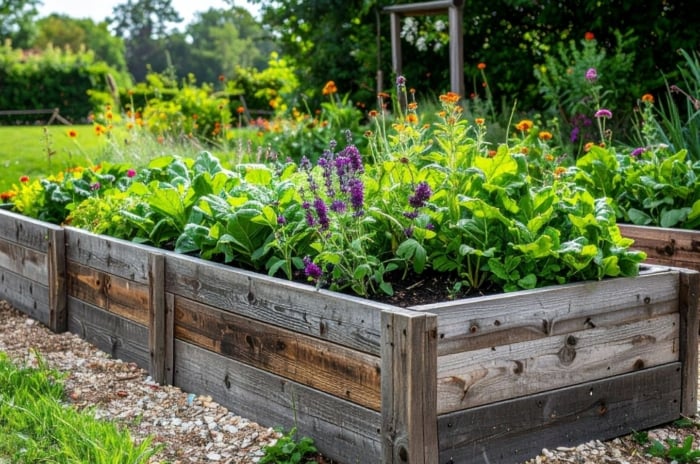
Do Metal Raised Garden Beds Get Too Hot?
Thinking about getting metal raised garden beds, but aren't sure if they are too hot or not? Depending on the type of bed you use, metal can be a great option for raised beds. In this article, gardening expert and cut flower farm owner Taylor Sievers looks at the science behind using metal when creating raised garden beds.

Contents
Have you been eager to try raised bed gardening, but you’re worried your raised beds might get too hot?
This is a common question, and honestly, it was something I was worried about myself when we decided to make raised beds up by our house.
Don’t worry! Raised beds are naturally warmer because they’re more exposed to the sun than the soil in the ground. However, raised garden beds will not get too hot for your plants.
Read on to learn more about metal raised beds and heat, including my top tips for raised bed gardening success!
Epic GardenBox Greenhouse
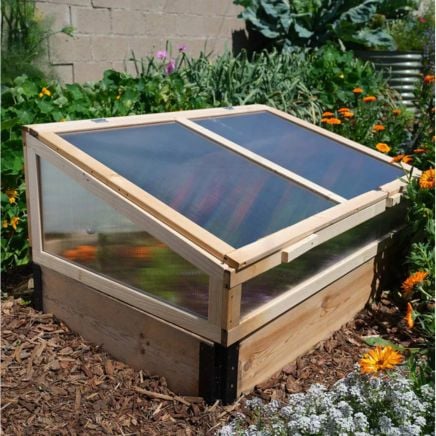
Epic GardenBox Greenhouse
Looking to stretch out your growing season? Our Epic GardenBox Greenhouse is here to help with that. This small, portable cold frame warms the soil by trapping in heat from the sun, protecting your plants from wind & frost—making whatever you’re growing a lot happier. And, its compact design is a super space saver compared to typical greenhouses.
Buy at Epic Gardening Shop
Benefits of Raised Beds

Planting your garden in raised beds is a great option if you:
- Have a small backyard (or mostly paved backyard)
- Have high weed pressure
- Have naturally soggy soil
- Have trouble bending over or kneeling
- Want an aesthetically pleasing garden
Raised bed gardening has many benefits, like increased drainage and faster warming of the soil in the spring. You’ll also spend less time battling dreaded garden weeds.
Some raised beds are built so that they’re elevated. I’ve seen some as tall as hip high or taller. Metal Garden Beds come in many sizes, including the tall option, which is 30 inches high. Elevated garden space can be a blessing for those of us with back pain!
Not only are raised beds functional, but they’re also very pleasing to the eye. Plants stay contained within their bed in neat little circles, squares, or rectangles. For the one who loves a tidy garden, raised beds are probably for you!
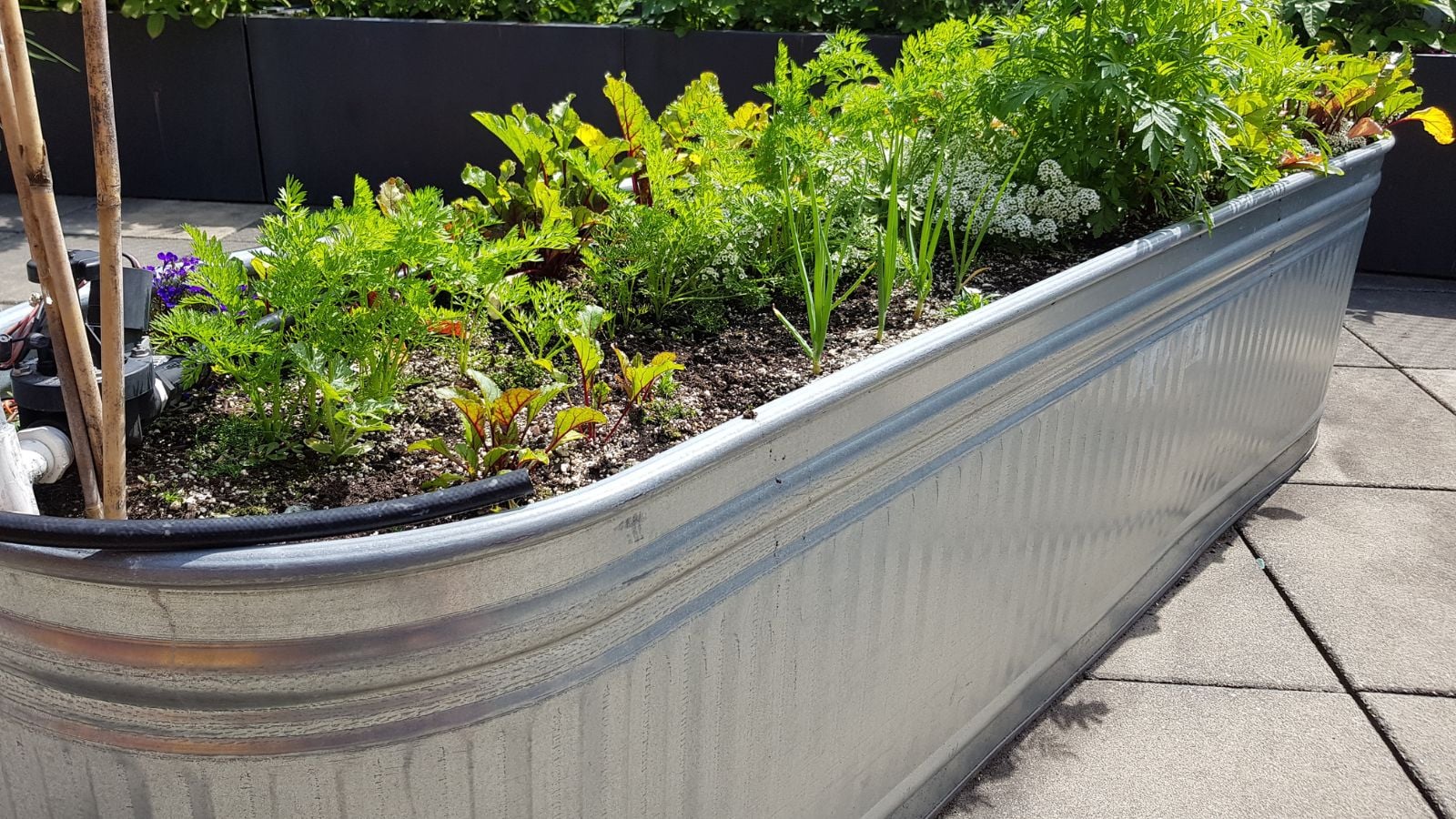
Do Raised Metal Beds Get Too Hot?

My first question when I decided to install my metal raised beds near my house was: will my metal raised beds get too hot?
The short answer is: NO.
While I don’t live in the deep South, where temperatures can skyrocket, I do live in the Midwest, where temperatures can easily reach over 100°F (38°C) during the summer months.
I have toddlers, and I knew that with these beds being up by the house, the kids would likely be touching the sides of the beds, whether it was to dig in the dirt or pluck up a carrot.
I have three different types of raised beds on my farm: wood, cinder block, and metal.
While the wooden raised beds do not feel as warm as the cinder block or metal beds, I have had no problem with my metal raised beds and heat, and I actually prefer them.
The only thing I’ve noticed is that the outer edges of the bed may be slightly warmer than the interior soil of the bed. But the great thing is, soil has an enormous capacity to absorb heat, and my plants do just fine. In fact, they THRIVE.
On a hot day, the metal sides can be warm to the touch. But this is no different than my cinder block raised bed. Our metal beds have never burned me or the kids.
Tips for Raised Bed Success
If you want to take a deep dive into raised bed gardening, there are a few things you’ll want to think about. Choosing the right plants, using the right soil, and properly watering your beds are important.
Tip #1: Pick The Right Plants
So, we know that raised beds are elevated. This increases drainage. It also allows them to warm up faster since they’re more exposed to the sun. While the heat from metal raised beds isn’t too hot, it is something to consider.
This means you need to choose plants that will thrive in a warm, well-draining environment if you live in a warmer climate.
Plants That Love Heat and Sunshine

You’ll want to select plants that love heat. Summer flowering plants like zinnias, celosia, cockscomb, dahlias, lantana, vinca, marigolds, sweet potato vine, geraniums, and canna lilies are great options for raised beds in the landscaping.
If you’re looking for vegetables or herbs to add to your raised beds, try planting tomatoes, peppers, lavender, thyme, oregano, basil, and more.
Think of raised beds as giant containers or patio pots. If you’d plant it in a pot in full sun, then you’re likely going to have success planting in a raised bed.
Root Crop Plants
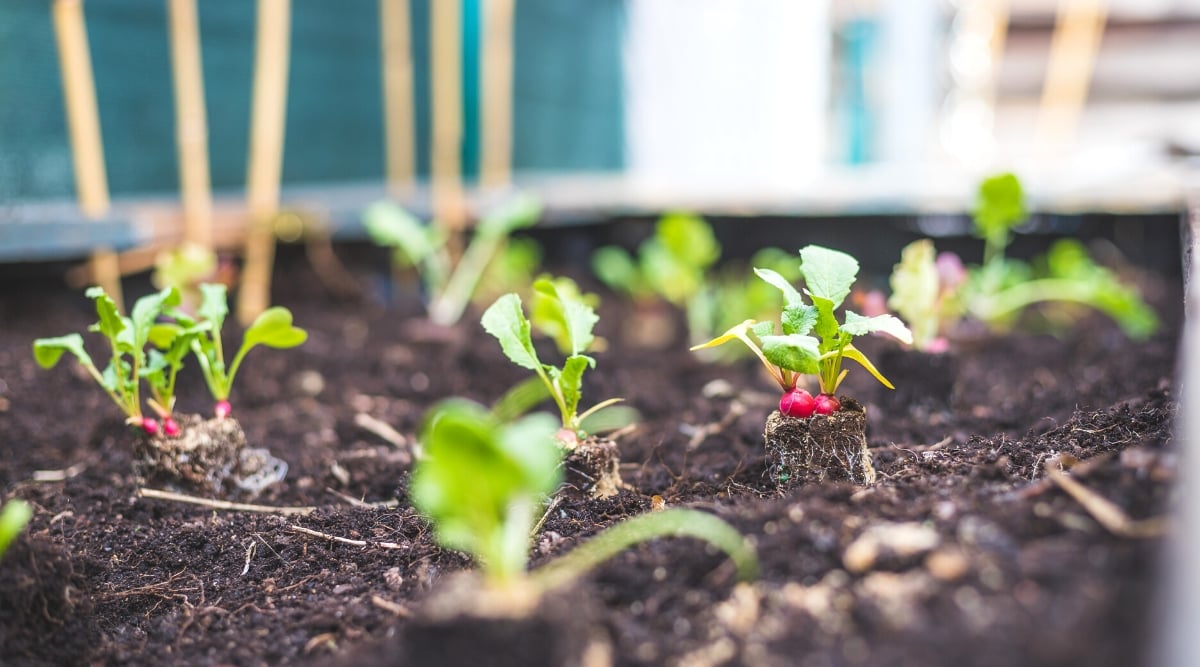
Root crops thrive in raised beds because the soil is often loose and fertile.
I have struggled in the past to grow carrots and potatoes in my heavy clay soil. But by planting root crops like potatoes, sweet potatoes, carrots, turnips, radishes, and beets in raised beds, you don’t have to worry about your sticky soils compressing the roots into odd shapes or restricting growth altogether.
No more forked carrots and itty bitty potatoes for me!
Plants That Need Good Drainage

Some plants despise the idea of waterlogged soil. As a cut flower grower, I have seen dahlias, anemones, ranunculus, and tulips simply rot in my soil. It can be so disappointing when those expensive bulbs, tubers, and corms wither away into nothing.
Planting flowers that grow from tubers or bulbs in raised beds is a great way to mitigate loss by rotting because they drain well.
Cool Season Plants

Other plants that are great for raised beds are the cool-season flowers and vegetables that may need a jumpstart in early spring.
As mentioned before, raised beds are elevated, so the soil temperature is naturally warmer than the ground temperatures due to more exposure to the sun.
If you plant cool-season crops like broccoli, lettuce, spinach, edible mustards, Brussels sprouts, and so on, you can reap harvests as early as late winter. If you want to plant a fall garden, you could possibly harvest greens well into the winter too.
Some people have even had success growing all throughout the winter in raised beds by adding frost cloth over the top of their raised beds. Hello, homegrown spinach at Christmas!
Tip #2: Pick the Right Soil

There are many thoughts out there about what type of soil to use for your raised bed.
I’ll be the first to admit that when I made my very first raised bed, all I did was use a general potting mix (with no fertilizer added) mixed with coconut coir. The result? My plants grew, but… they were meh, to say the least.
You see, peat and coconut coir do not inherently have much fertility or nutrients in them. That’s why when you buy a bag of potting mix at the store, there’s usually fertilizer added.
I’ve since changed my course. We buy compost in bulk from a local supplier and fill all of our raised beds with only compost. Since we’ve switched, our plants have been thriving! Now we use some of our own composted chicken manure too.
Compost
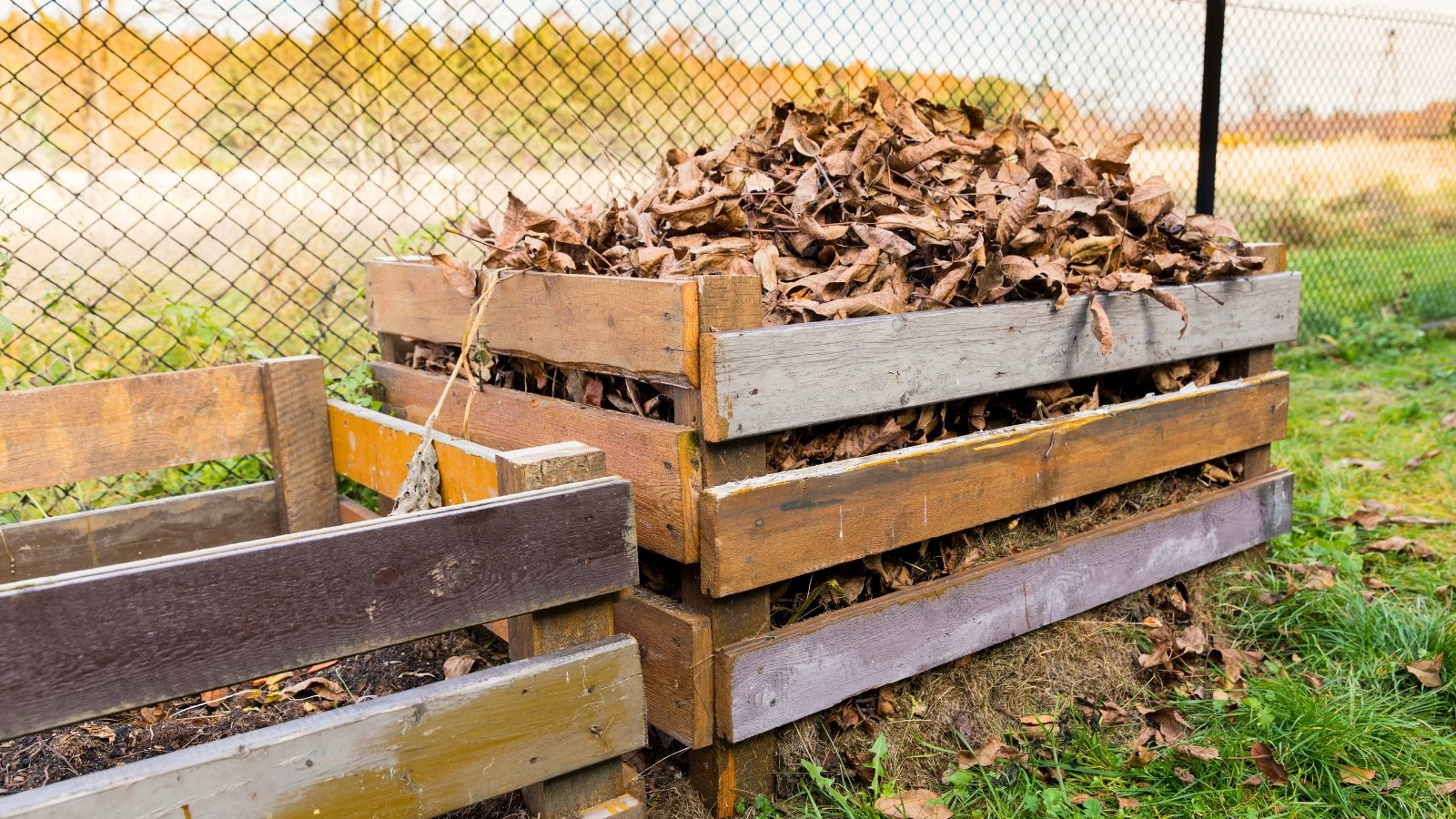
Compost is made from decomposed plants and organisms and is used naturally as an amendment to the soil. Make sure that you acquire your compost from a reputable source, though.
The main thing is you want your compost to be “finished” breaking down. This means that the compost won’t burn your plants, and you won’t have a billion weed seedlings popping up either (a few weeds are normal; remember, compost isn’t sterile).
Some people like to mix in a little bit of their own soil, at least in the bottom of the bed. Soil naturally has nutrients that are important for plant growth.
If you want to purchase pre-mixed soil for your raised garden bed and save yourself some research, there are many options out there for purchase too.
Other Amendments

There are other amendments you can add to your raised bed. You can add chopped leaves, grass clippings, straw, and even a little bit of peat and coir. There’s no one correct way to fill your raised beds.
The number one thing is to not use just the regular soil from your yard on top of the raised bed. Yikes! You’ll probably have a weedy mess. Also, because you’ve disturbed the soil structure by digging, it will likely settle into a hard, compact clod. I’ve seen this happen, and it’s not pretty.
If you have a tall raised bed, like the Tall 6-in-1 Metal Raised Garden Bed (which is 30 inches tall), you may need to use fillers at the bottom so you’re not having to use so much raised bed garden soil. Fillers can include logs, unfinished compost, your natural garden soil, leaves, and grass clippings at the bottom.
Tip #3: Water as Needed

Just like your patio pots, you’ll have to water your raised beds more than your regular garden in the ground.
Raised bed soil naturally has increased drainage and warmth, so don’t forget to check the moisture of your beds, especially in the dry parts of the summer.
I like to hand water my beds since they’re close to the house. They’re also not too large, so they’re easy to water by hand.
But if you have large raised beds or you want to simplify your life, you can use different forms of irrigation, like soaker hoses and drip tape, to water your plants. Simply install your system and turn on the spigot. You can even set up a timer for total automation!