How to Design and Plant a Meditation Garden
A meditation garden doesn't require a large space or a big budget. Gardening expert Madison Moulton explains how to design a simple, sensory-rich outdoor space that invites stillness and rewards regular use.


Contents
A meditation garden is less about the plants and more about the feeling the space creates. It doesn’t have to be elaborate, large, or expensive, but it does require some specific planning to make the space as calming as possible.
The best meditation gardens tend to be simple. They engage the senses without overwhelming them, offer enough privacy to let you relax, and require minimal maintenance so the space stays calming rather than becoming another chore.
Whether you’re working with a full backyard or a quiet corner of a patio, the principles are the same. Here is a step-by-step guide to design and plant a meditation garden.
Find the Right Spot
Start by spending time in your outdoor space at different times of day. Notice where the light falls, where it’s quiet, and where you naturally feel most at ease. A spot with morning sun and afternoon shade tends to be comfortable for the longest stretch of the day, but think about your preferences first.
Privacy is important. You don’t need total seclusion, but a sense of enclosure helps the mind settle. A corner against a fence, a space beneath a tree, or a nook between existing plantings all work. If your yard is open and exposed, you can create an enclosure with plants, a simple screen, or a pergola.
Avoid spots directly next to a noisy road, an air conditioning unit, or a neighbor’s frequently used patio. Sound carries, and the whole point of this space is to hear less of the outside world, not more. If some noise is unavoidable, a water feature or dense planting can help mask it.
Create Enclosure

A meditation garden feels more restful when it has defined edges. This involves using plants, structures, or changes in ground material to show that this space is separate from the rest of the yard.
Tall ornamental grasses or a row of evergreen shrubs (like boxwood or arborvitae) create living screens that provide privacy without feeling like a fortress. They also move in the breeze, which adds a layer of sound and visual texture. Climbing plants on a trellis or pergola (clematis, jasmine, or honeysuckle) offer overhead enclosure and fragrance at the same time.
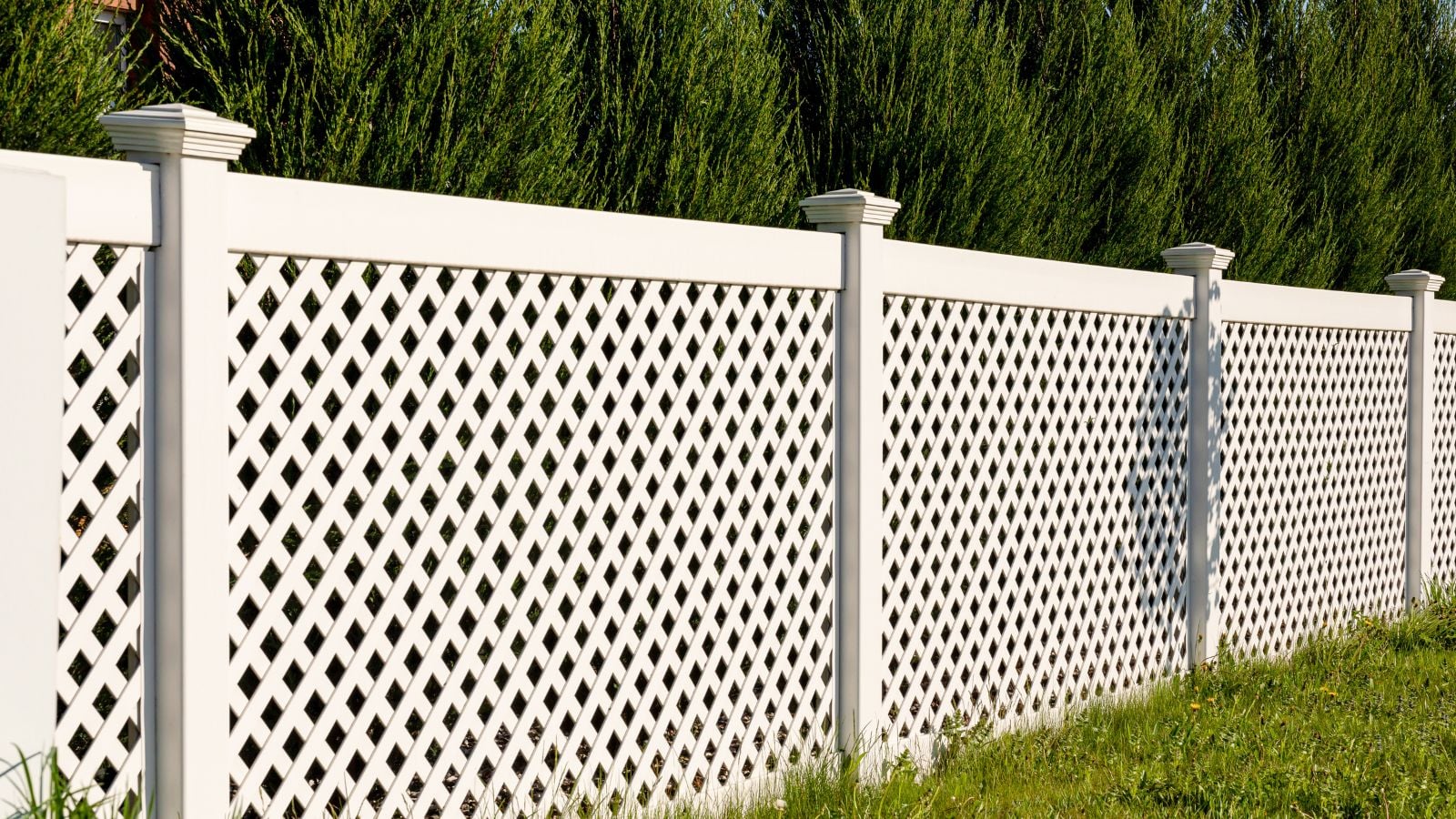
For something more immediate, a simple lattice screen or a section of fence softened with climbing plants can define the space while you wait for a hedge to fill in. The goal is to create enough separation that you feel like you’ve stepped into a different part of the garden.
Plant for the Senses
The plants in a meditation garden should engage more than just your eyes. Scent, texture, sound, and even seasonal change all contribute to the experience.
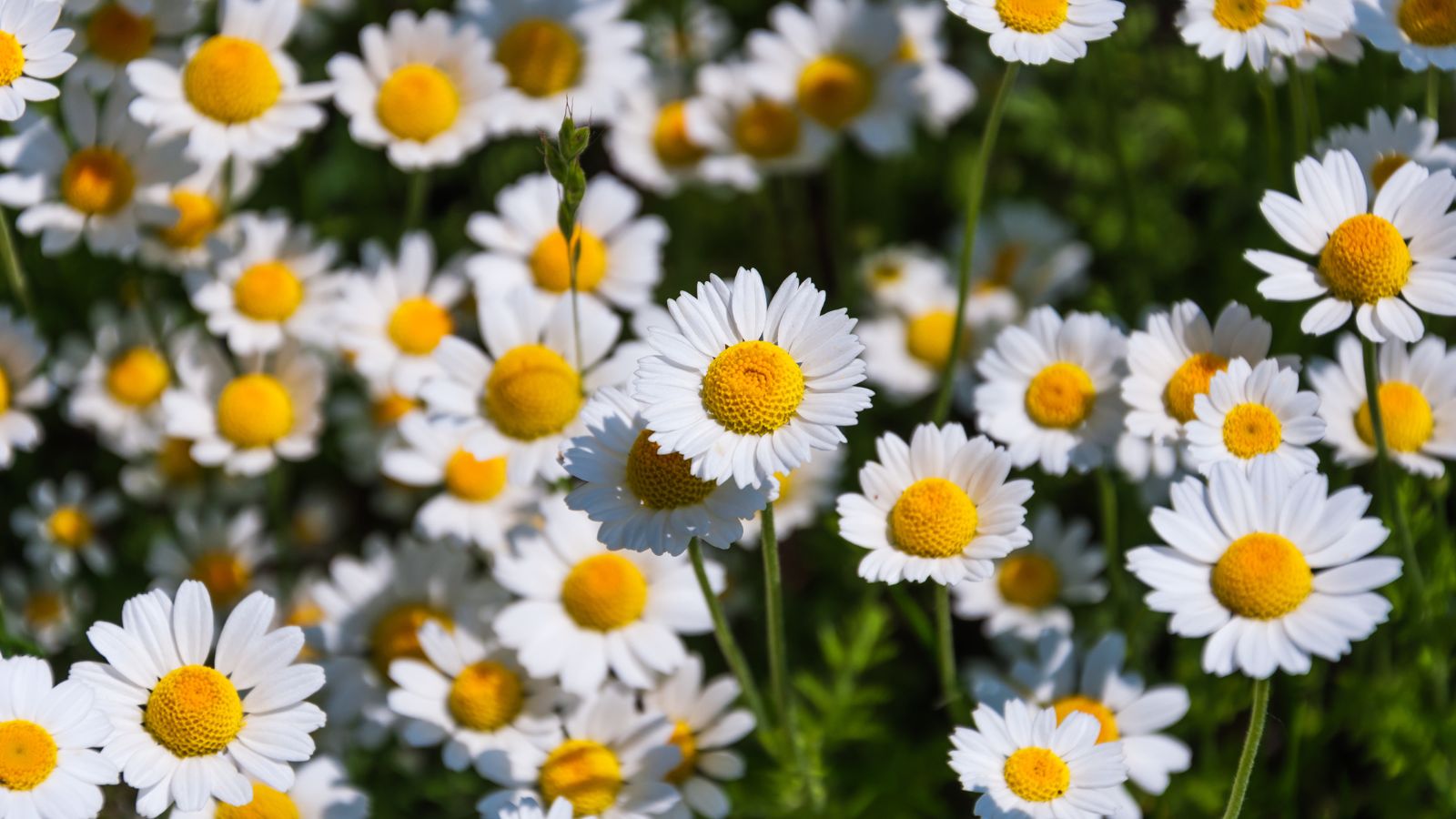
Fragrance is probably the most powerful element. Lavender, rosemary, jasmine, and gardenia all release calming scents, and positioning them near seating means you’ll catch the fragrance without having to lean in. Plants that release scent when brushed against (like thyme or chamomile planted along a path edge) add an interactive element that grounds you in the moment.
Texture is important too. Lamb’s ear has soft, velvety leaves. Ornamental grasses catch and filter light. Ferns bring a fine, layered quality that feels restful. Mosses and low ground covers like creeping thyme create a living carpet that invites barefoot contact.
For sound, choose plants that move, like grasses that rustle in the wind. I also love the addition of wind chimes, as long as your garden isn’t too windy.
Keep the Palette Simple
A garden bursting with bright reds, oranges, and yellows is energizing. That can be nice, but it is the opposite of what you want in a space designed for calm.
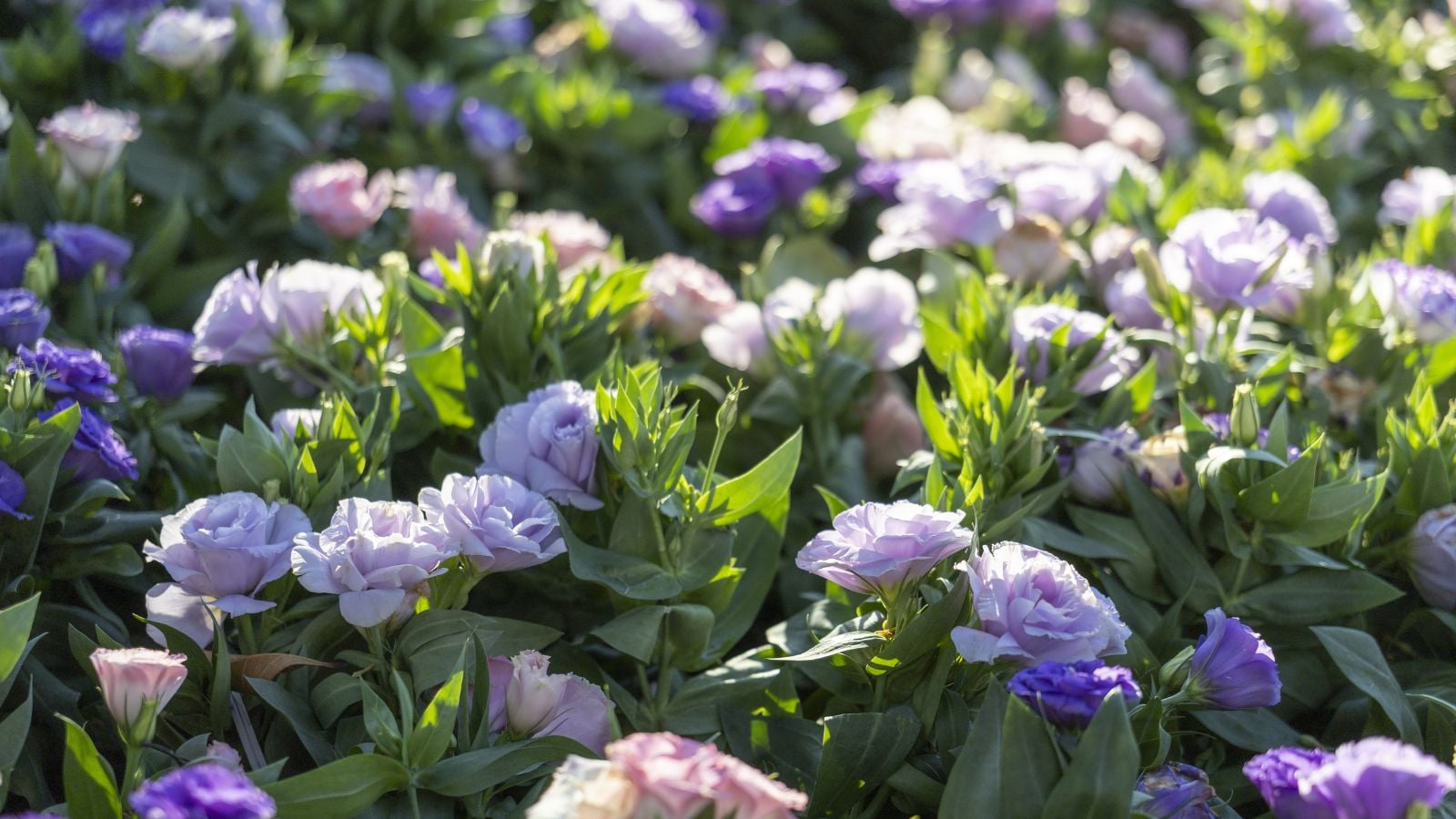
Stick to greens, whites, soft blues, and muted purples as the dominant palette. These colors tend to feel restful rather than stimulating. White flowers (gardenias, jasmine, white hydrangeas) glow in low light and extend the usability of the space into the evening. Silvery foliage (artemisia, dusty miller, lamb’s ear) catches light in a way that adds interest without intensity.
If you want some warmer color, use it sparingly as an accent rather than a theme. A single pot of soft pink flowers or a small drift of pale yellow at the edge of the planting is enough to add warmth without shifting the energy of the space.
Add a Focal Point
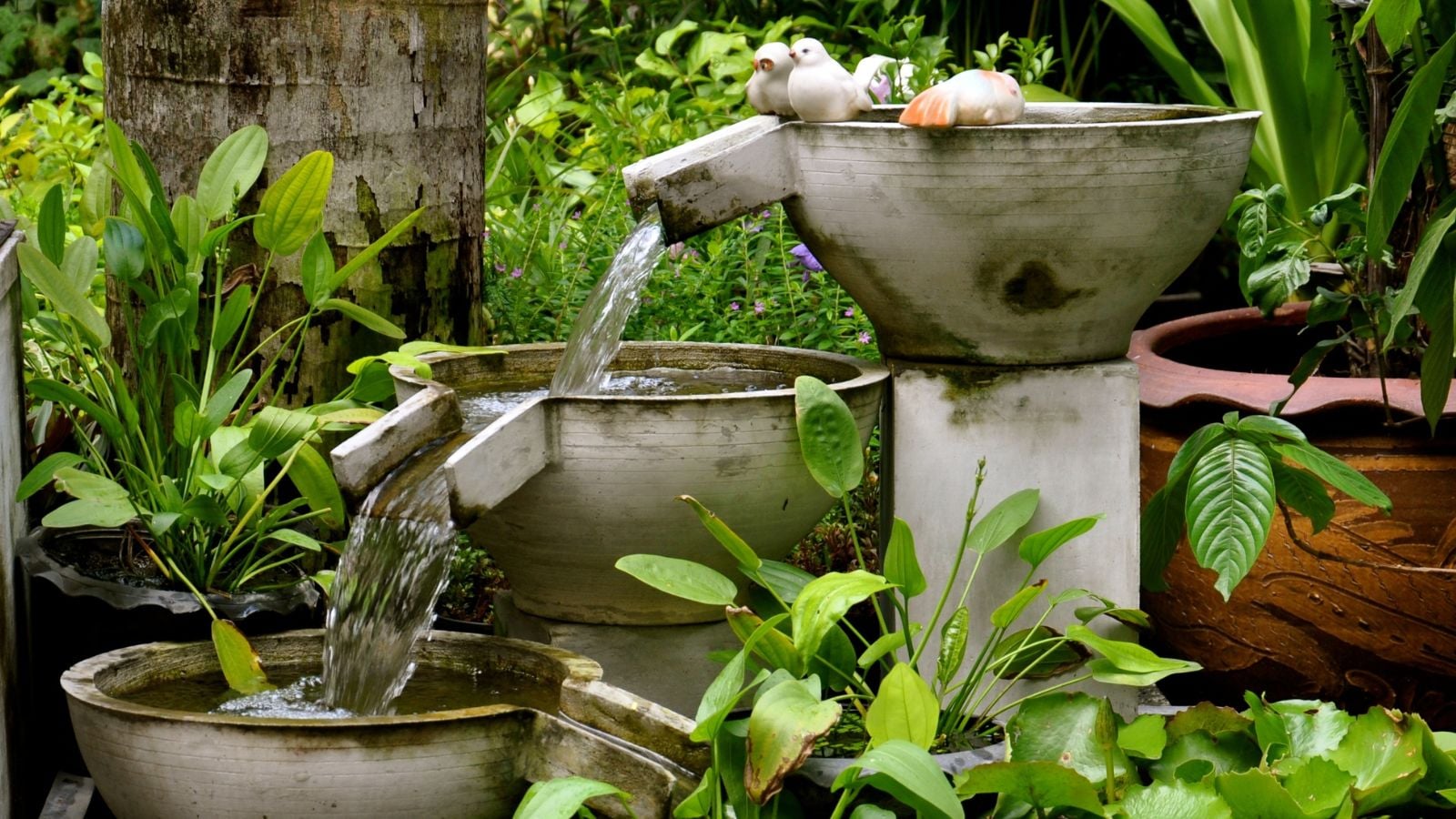
A meditation garden benefits from having somewhere for the eye to rest. Without a focal point, your gaze wanders, and the mind tends to follow.
A small water feature is one of the most effective options. The sound of moving water masks background noise and gives the mind something to settle on without requiring active thought. A tabletop fountain works in a space where a full pond wouldn’t be practical. If water isn’t an option, a single well-placed stone, a sculpture, or a beautifully shaped tree can serve the same purpose.
Include Comfortable Seating

Place a wooden bench, a flat stone large enough to sit on, or a dedicated chair that stays in the space. Position seating to face your focal point or your best view, and make sure there’s some shade overhead for warmer days.
If you meditate on the ground, a flat, level surface is helpful. Keeping a weather-resistant cushion or mat stored nearby makes it easy to sit down without preparation.
Keep Maintenance Low

A meditation garden that requires constant upkeep defeats its own purpose. Choose plants that are well adapted to your climate, don’t need frequent pruning, and won’t take over the space if you step away for a few weeks.
Native plants and drought-tolerant perennials are good foundations because they tend to need less watering, less fertilizing, and less intervention than high-maintenance ornamentals. Mulch open soil to suppress weeds and reduce the time you spend on maintenance.
The maintenance itself can be meditative if you approach it that way. Slow weeding, gentle pruning, or watering by hand are tasks that bring you into the space regularly and keep you connected to it. But the garden should invite that kind of care rather than demanding it.