May Seed-Starting: What to Plant Now
Whether you’re continuing your seed sowing from April or only starting in now, there is something for everyone to plant in May. Gardening expert Madison Moulton covers which seeds are worth starting, including heat-loving crops that are finally safe to sow and fast-finishing vegetables that still have plenty of time to produce.

Contents
If you haven’t started seeds yet this spring, May can feel like you’ve already missed the boat. But most heat-loving crops don’t want to go into the ground until the soil is warm anyway, which means May is a pretty good time. And for gardeners in the coldest zones where it’s still chilly, it’s prime time for indoor sowing.
These are the seeds worth starting in May, whether you’ve begun sowing already or not. Some crops (beans, squash, cucumbers) do just as well or better sown directly now, depending on your climate. Just pick the right varieties and don’t push them out too early.
As always, the right varieties to sow will depend on your zone. Check the specific requirements on the seed packets to make sure you don’t get your seeds in the ground too early or too late.


Bush Beans

Beans germinate quickly in warm soil (usually within a week) and most bush varieties start producing in under two months. There’s no real advantage to starting them indoors because bean seedlings don’t transplant well, and the seeds are large enough that direct sowing is simple. Although they like mild temperatures, their short season means you can still grow pretty reliably in May.
Wait until your soil has warmed to about 60°F (16°C) before planting. Cold, wet soil tends to rot bean seeds before they sprout. Push each seed about an inch deep, spaced four inches apart, and you should see them break the surface within a week.
Cucumbers
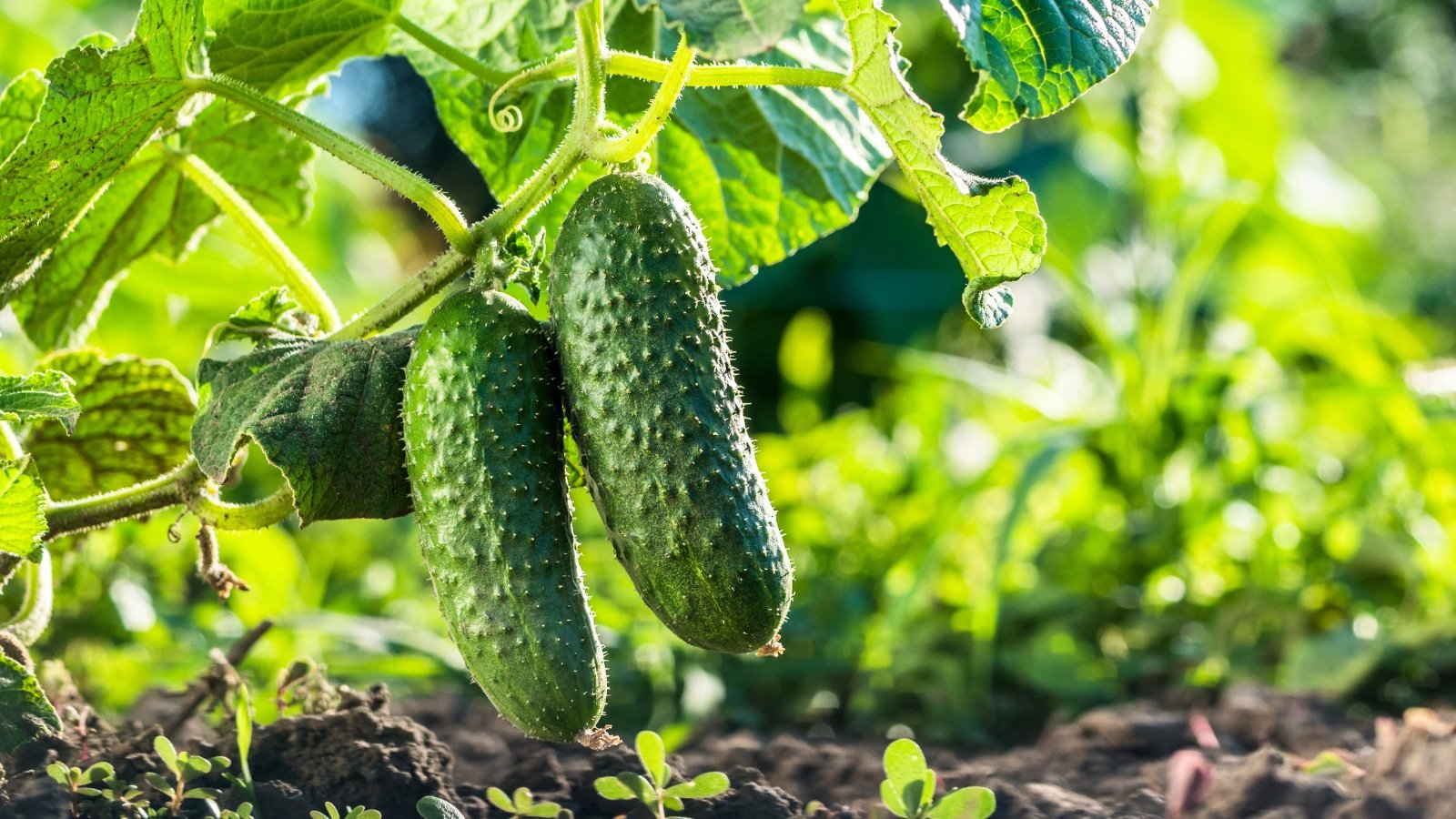
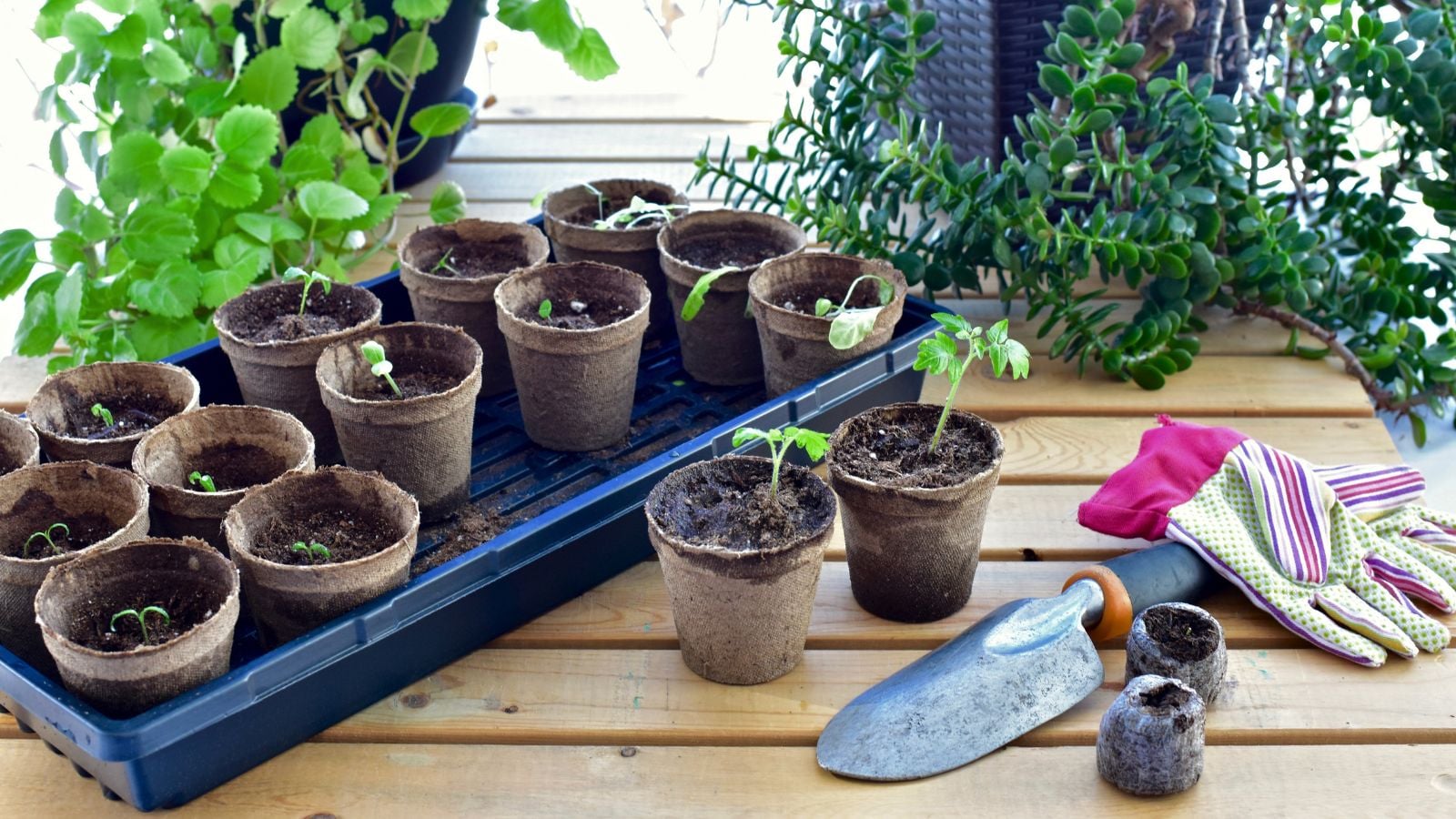
Sowing cucumbers indoors in biodegradable pots about three weeks before your last frost date gives you a head start without the transplant damage (if you haven’t passed your last frost date yet). But direct sowing into warm soil works just as well, and May is a great time. Plant seeds about half an inch deep (two per spot), and thin to the strongest seedling once they’re a few inches tall.
Keep in mind that cucumbers are heavy feeders and need plenty of water once they start vining. Also don’t forget to place your supports at planting time to avoid any root damage later on.
Summer Squash

These plants are prolific, and they grow fast enough that a May sowing still gives you plenty of time to harvest.
Direct sow summer squash seeds once the soil is consistently above 65°F (18°C). Plant them about an inch deep spaced three feet apart, dropping two seeds per spot and thinning to one. Germination should take less than a week in warm soil.
Starting indoors is possible but usually unnecessary since the seeds catch up quickly when sown directly, and squash seedlings don’t love being moved. Once they’re in, a single plant can easily spread three feet across. Plan accordingly, or the vines will plan for you.
Basil

May is the ideal time to start basil from seed, whether indoors or directly outside (once nighttime temperatures stay above 50°F). Basil is extremely cold-sensitive, and even a few nights in the low 40s can stunt young plants or kill them outright.
For direct sowing, press seeds lightly into the soil surface and keep them moist. If you’re starting indoors, sow seeds in trays under grow lights and transplant outdoors once the weather has warmed. Harden them off gradually over a week, since basil that goes from a warm indoor setup to full outdoor sun tends to wilt before recovering.
‘Italian Genovese‘ is the classic variety for cooking, and it’s hard to argue with the flavor. Thai basil holds up better in heat and adds a sharper, anise-like edge to dishes. Or you can go for a pop of color with ‘Purple Petra’.
Sunflowers
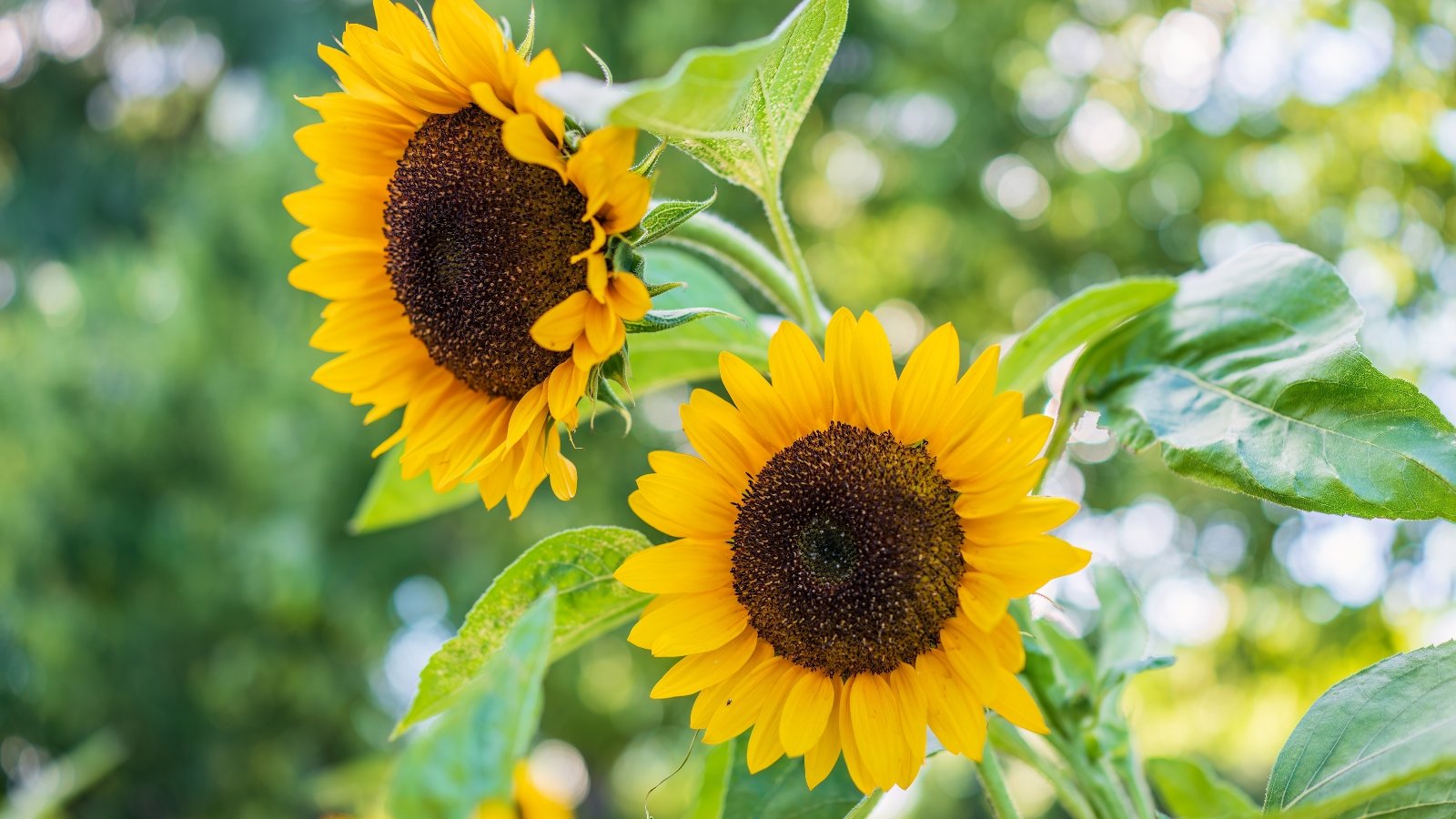
Most sunflower varieties go from seed to bloom in about 70 days, which means a May sowing puts you right on track for midsummer flowers. The seeds are large and germination is fast, so direct sowing is the obvious approach here.
Plant seeds about an inch deep and six inches apart (wider for branching varieties), and thin to final spacing once the seedlings are a few inches tall. Sunflowers develop a long taproot early, so transplanting tends to set them back. Put them where you want them from the start.
Tall varieties like ‘Mammoth‘ or ‘Mongolian Giant’ need a spot with some wind protection. A six-foot sunflower in full bloom catches a lot of wind, and a snapped stem is a disappointing way to lose a plant you’ve been watching all season.
Corn
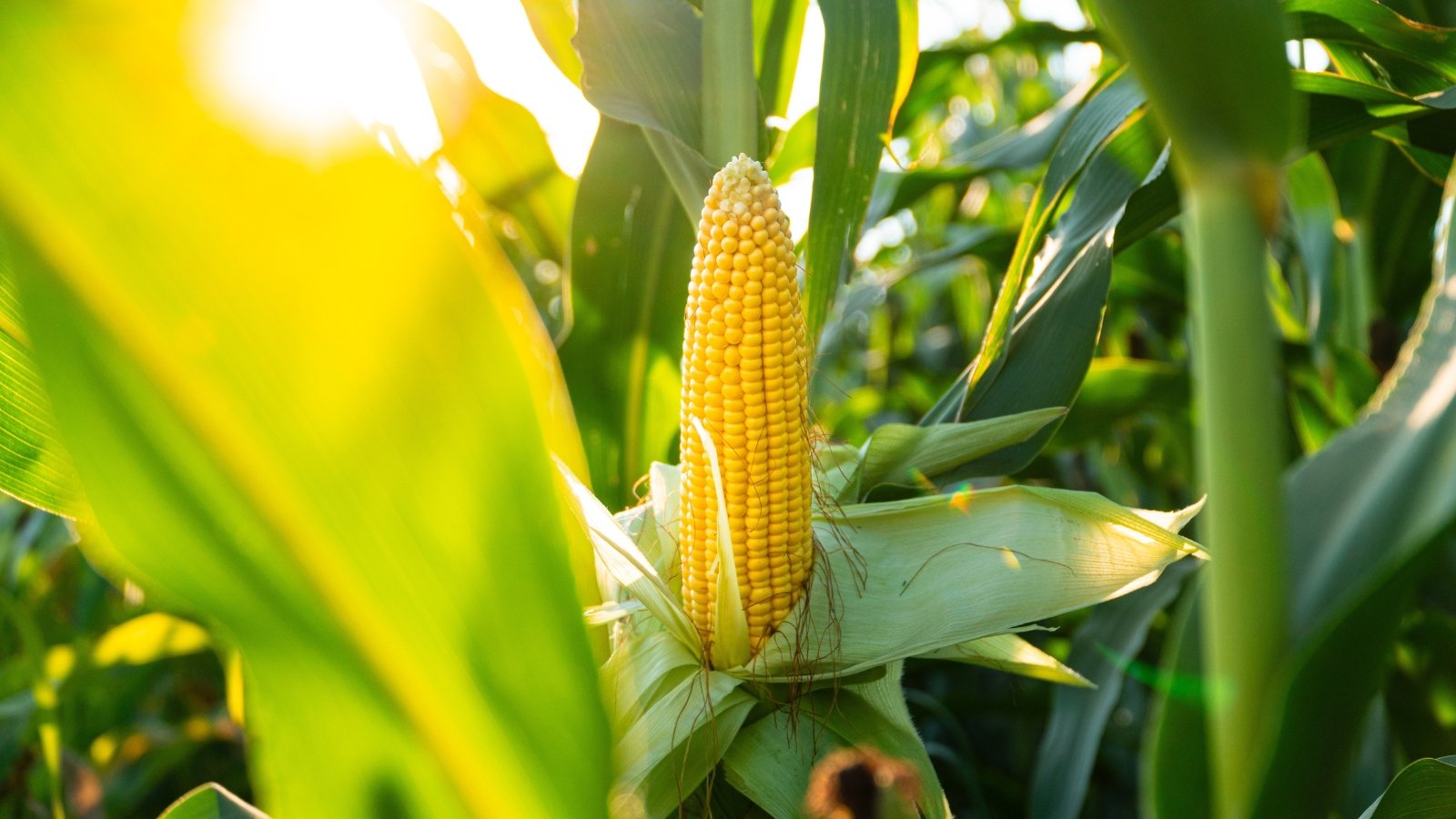
Corn needs warm soil and a long stretch of consistent heat to produce well, which makes May a practical sowing window in several regions. Soil temperature should be at least 60°F (16°C), and warmer is better.
The most important thing with corn is planting enough of it. Corn is wind-pollinated, so a single row won’t pollinate well and you’ll end up with half-filled ears. Plant in blocks of at least four rows, with seeds spaced about eight inches apart and rows about two feet apart.
For shorter growing seasons (under 90 frost-free days), an early-maturing variety can produce ears in about 65 days, which takes some of the pressure off.
Melons
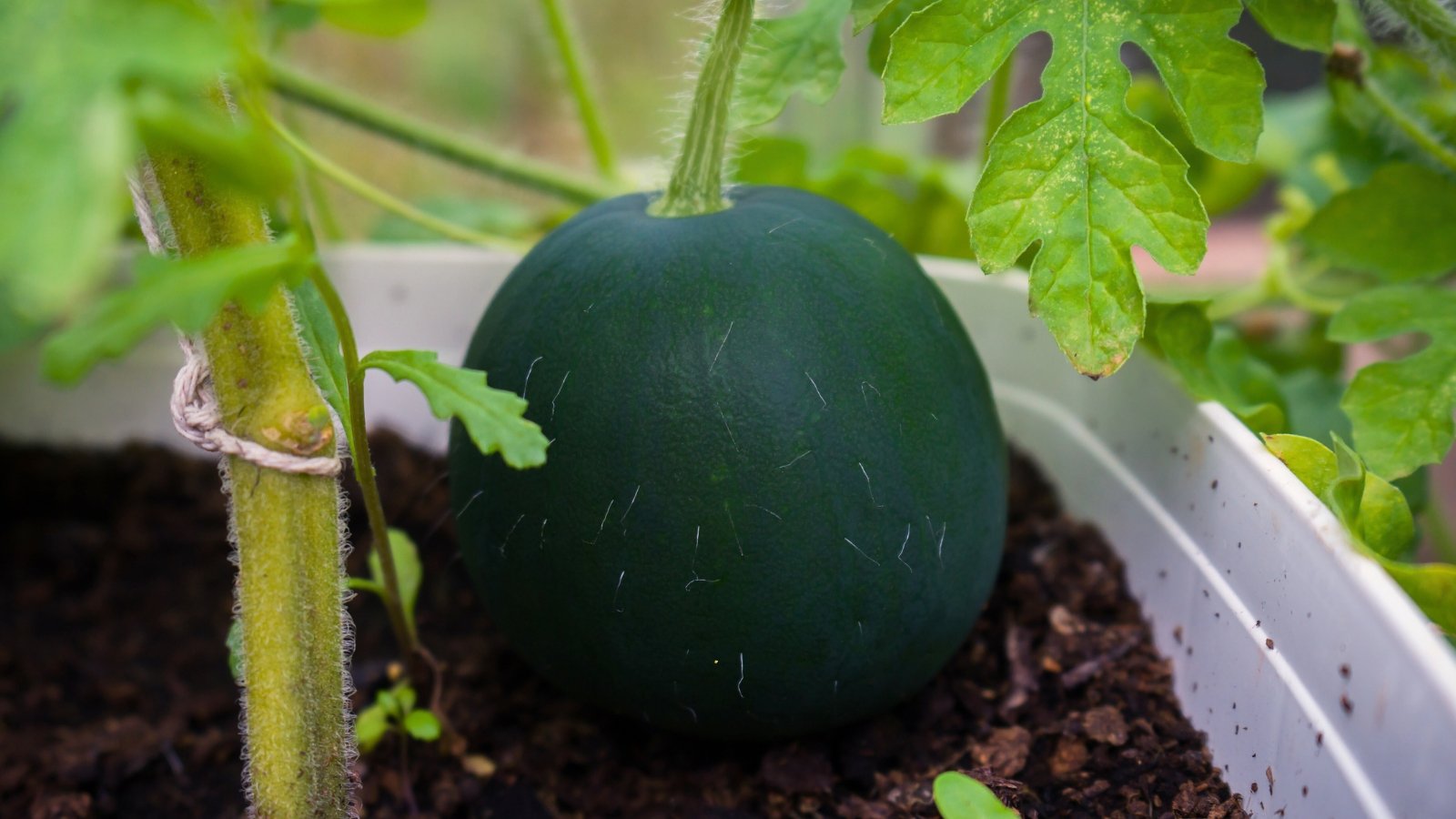
Melons need very warm soil (at least 70°F for reliable germination) and won’t ripen without a long, hot growing season. Starting seeds early in May gives them a head start without pushing too early.
If you’re growing indoors (best for zones 3 to 5), use biodegradable pots to avoid disturbing the roots at transplant time. Sow two seeds per pot, about half an inch deep, and keep them somewhere warm (a heat mat helps if your house runs cool). Once the seedlings have two true leaves and nights are staying above 55°F (13°C), harden them off and plant them out. Otherwise, direct sow now.
‘Sugar Baby’ is a compact watermelon worth trying if you don’t have acres to spare. ‘Hale’s Best‘ cantaloupe tends to ripen earlier than most and handles variable weather reasonably well.
Flowers for Cutting Gardens

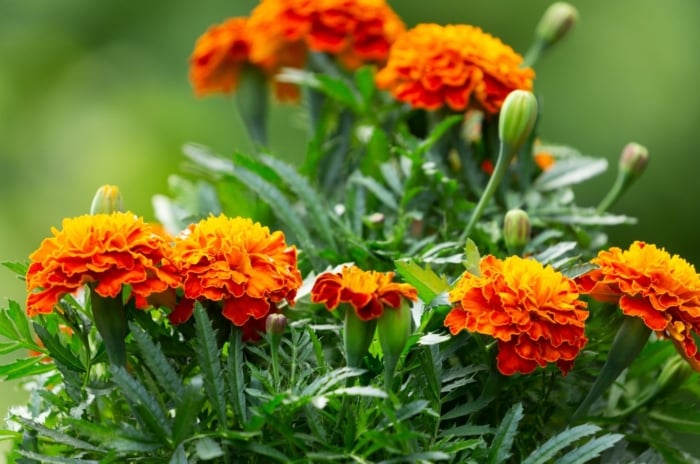
May is the prime window for direct-sowing warm-season annual flowers. Zinnias, marigolds, cosmos, and celosia all germinate quickly in warm soil. Zinnias in particular tend to perform better when direct-sown, developing stronger root systems and sturdier stems without the transplant setback.
Scatter or row-sow seeds into prepared beds, cover lightly, and keep the soil moist until germination (usually about a week for most of these). For cut-flower growers, these are the backbone of a summer garden. Zinnias and cosmos bloom all season and come back stronger after cutting. ‘Benary’s Giant’ is a favorite for its long, sturdy stems and the range of colors it produces.