17 Giant Vegetable Varieties that Produce a Huge Yield
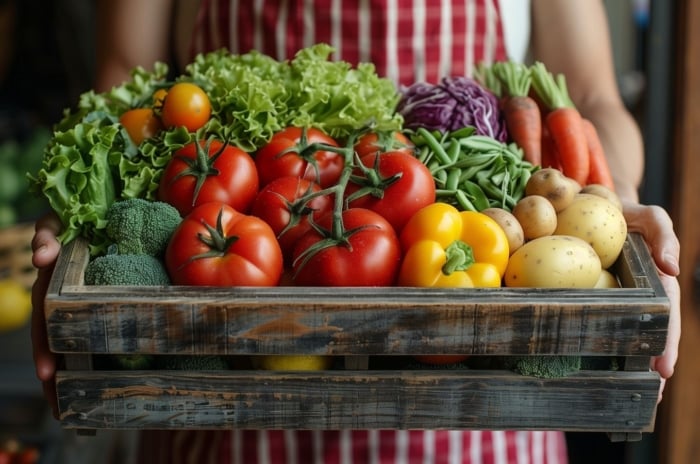
Giant vegetables expand larger than your head! Beets, gourds, and pumpkins are common giant veggies, though there is a plethora of types to choose from. Select one from these 17 choice varieties recommended by seasoned grower Jerad Bryant.

Contents
Giant vegetable competitions have been around for decades! Growers are constantly pushing the boundaries of traditional growing methods. With the right seeds and know-how, you too can cultivate giant veggies in your garden.
It all starts with the seeds of giant vegetable varieties. Find the right variety of seeds, plant them on time, and give the resulting seedlings the best care possible. In a few months, you’ll have multiple giant veggies to pick from vines, stems, and bushes.
All of these varieties have giant vegetables, and some have huge yields with multiple harvests. Select a few for a wealth of produce, or try one specific type to get better at cultivating gigantic crops.
Orient Wonder Pole Yard Long Bean
Orient Wonder Pole Yard Long Bean Seeds


Bean ‘Orient Wonder’

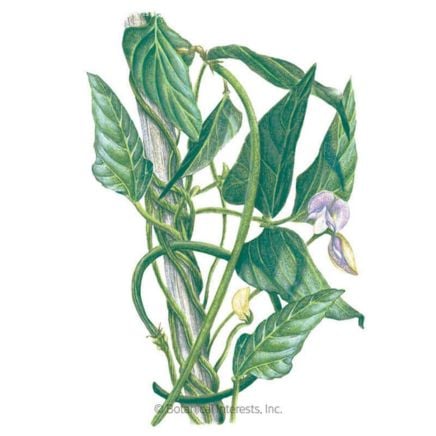
Beans are the magical fruit! If you know the nursery rhyme, you know the value of these leguminous crops. Yardlong pole beans, like ‘Orient Wonder,’ reach epic proportions. These giant vegetable varieties use their climbing tendrils to reach new heights.
‘Orient Wonder’ bean pods typically reach between 12 and 18 inches long, though they can extend up to 30 inches! The bean pods taste best when they’re young and tender. Let them grow full size to harvest dry beans for cooking.
Bean ‘Kentucky Wonder’

‘Kentucky Wonder’ is another pole bean with large pods and tall tendrils. The bean pods stay under nine inches long, though the plants produce bushels of them throughout the growing season. This variety excels in the American South, producing well despite hot temperatures.
Pole beans need support to produce giant vegetables. Stake them with sticks, trellises, or arbors to ensure they stay standing. They’ll naturally climb supports as they mature.
Beet ‘Mammoth Red Mangel’
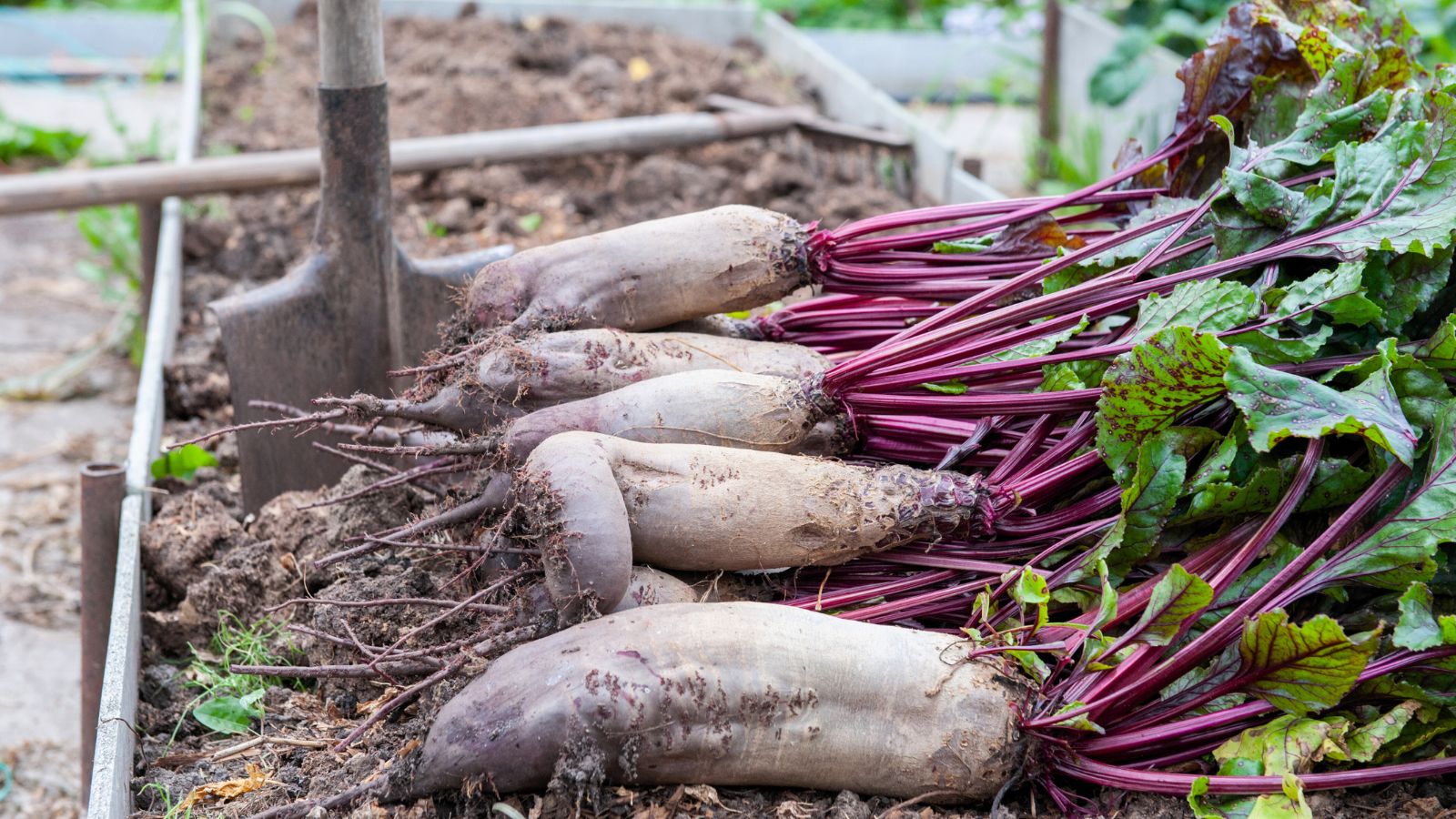
Giant beets are crazy big! ‘Mammoth Red Mangel’ is one of the largest you can grow at home. It forms a humongous root that swells up to six feet long, and it may weigh over 40 pounds!
Though it looks cool, it won’t taste great. The beet grows woody and fibrous as it swells. It’s best for growing for competitions or to harvest the greens on top.
If you’d like to try eating the root, harvest one of the plants early and let the rest grow huge. It’ll taste rich and earthy when young.
Cabbage ‘Sapporo Giant #4’
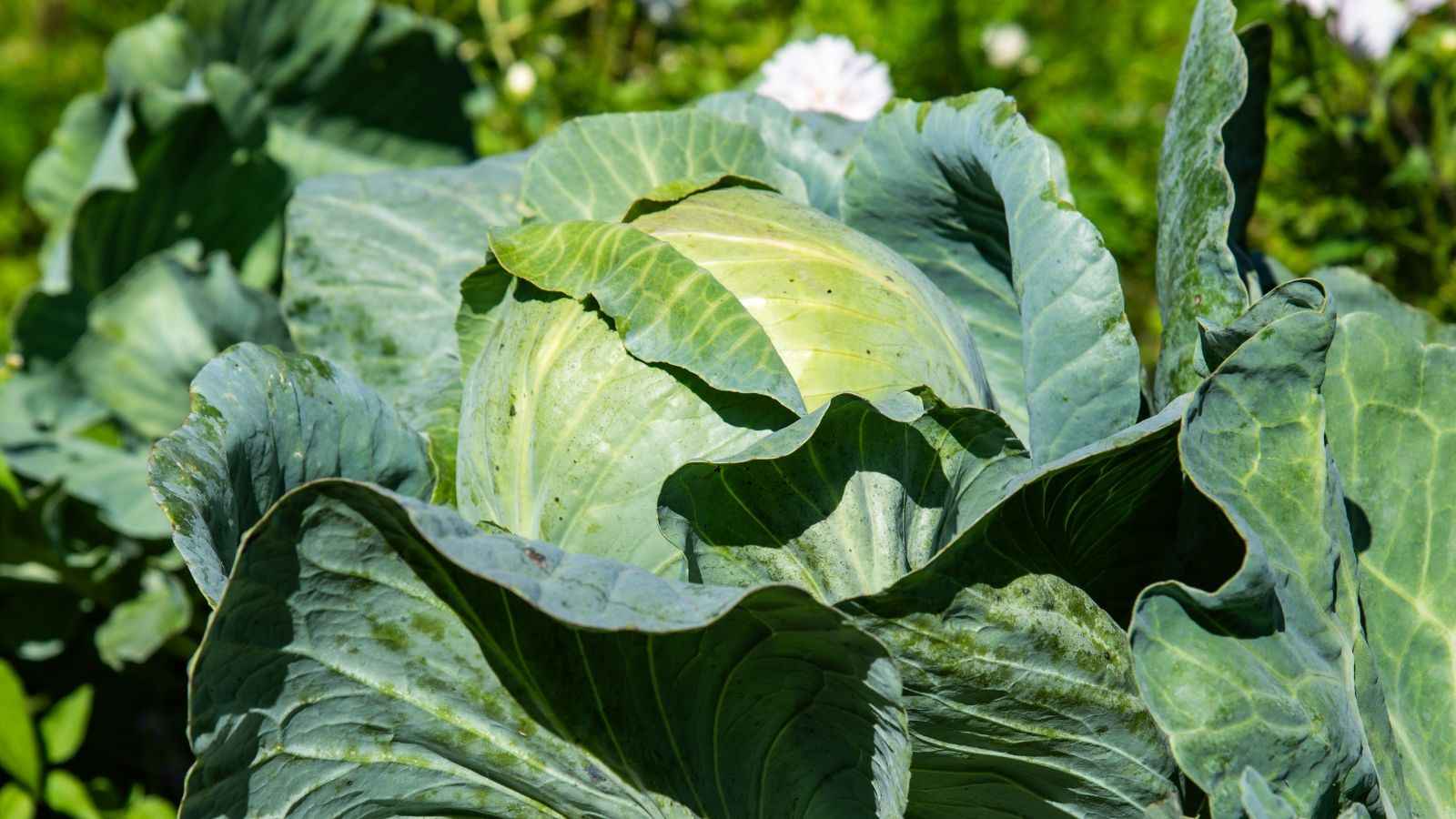
Giant cabbages are exceptional for growers in cold regions, as these giant vegetable varieties need cool, mild weather to mature properly. They do well in spring or fall in cold regions, and during winter in areas without frost.
‘Sapporo Giant #4’ is the giant vegetable variety to try if you want a big cabbage head. Its bright green leaves condense into a tight, round ball that may reach over 40 pounds in weight.
Use the strappy leaves for wraps and sandwiches, and use the huge head for sauerkraut, roasts, or sauces. The flavor is sweet, and the delicate crunch makes eating this cabbage a treat.
Carrot ‘Manpukuji’
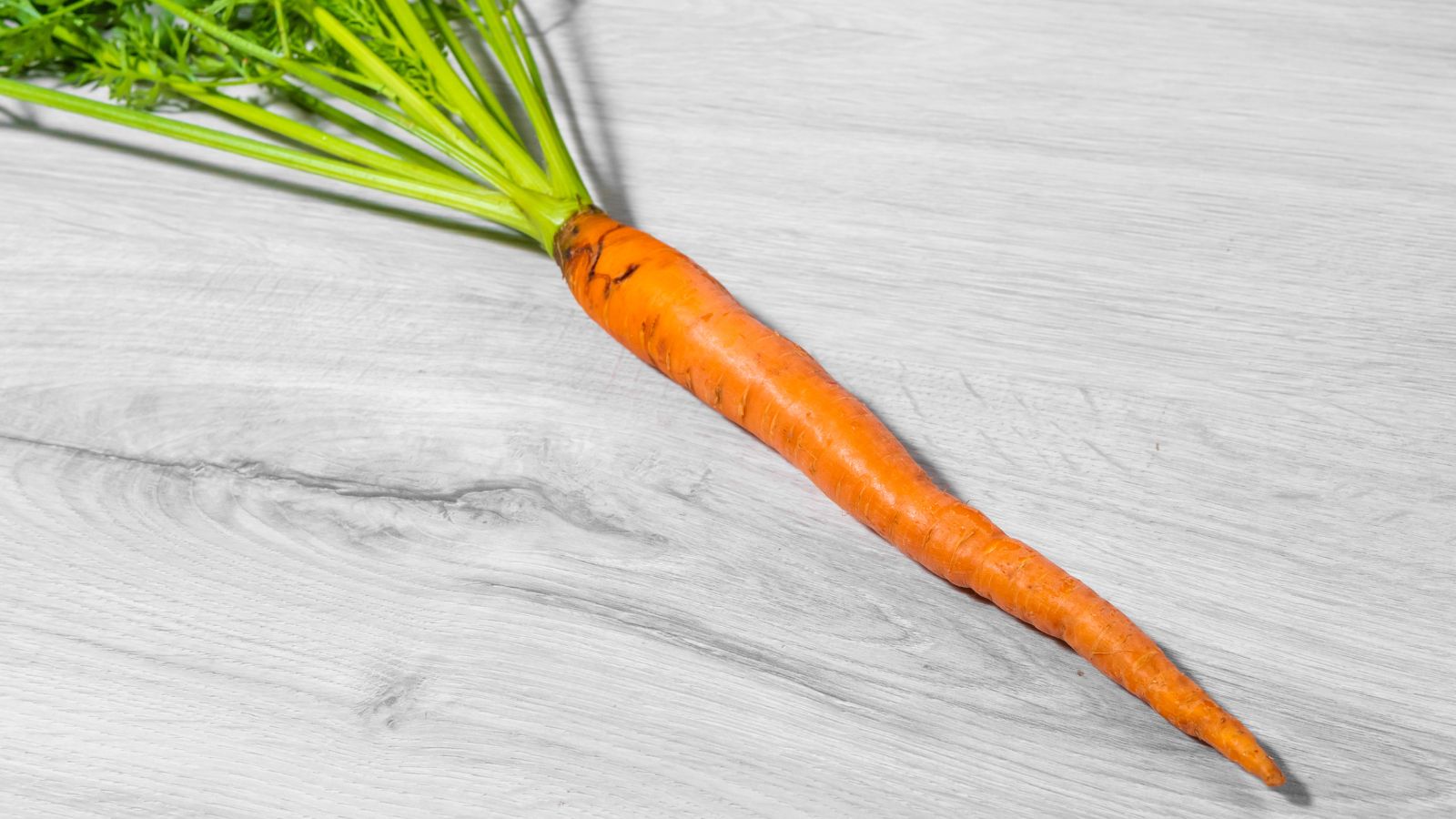
Yes, carrots grow gigantic, too. ‘Manpukuji’ is a Japanese variety that extends its roots between two and six feet long. The perky, orange roots are delicious, and their significant yield lends well to carrot-forward dishes in the kitchen.
For these giant vegetable varieties to reach six feet, they need loose soil and cool weather. Plant them in spring or fall, and ensure their soil is soft and pliable so the roots can extend deep below ground.
Corn ‘Wade’s Giant Indian Flint’
Corn is huge on its own. Most varieties have significant yields, with between one and two ears per stalk. A large plot can give you well over a hundred ears of corn.
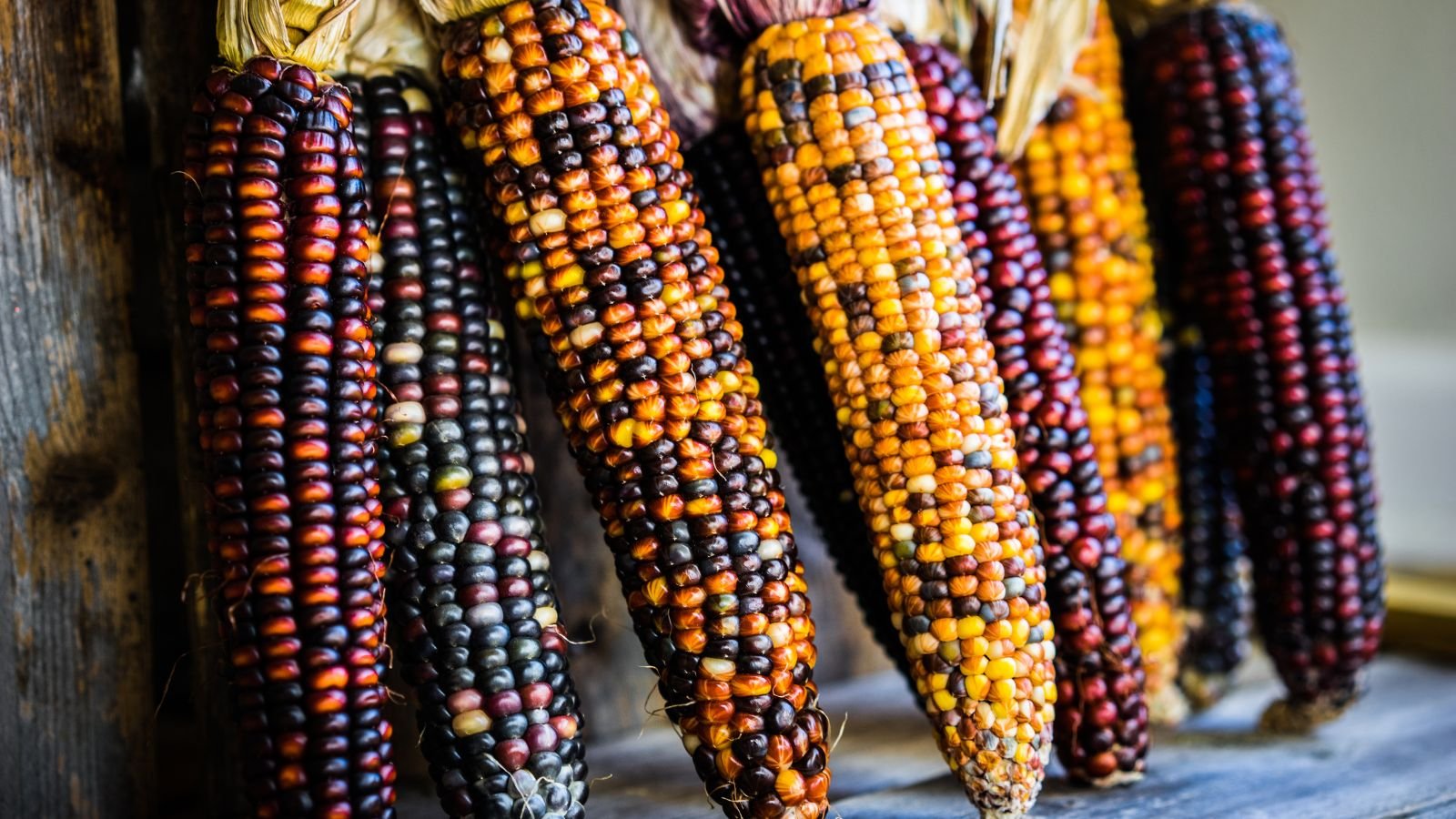
‘Wade’s Giant Indian Flint’ is a superb giant corn variety with long ears, colorful kernels, and tall stalks. Its kernels work well ground for cornmeal, polenta, or masa.
The long, colorful ears are beautiful as decorations for Halloween and Thanksgiving. After snipping them off the plants, remove their husks and let them dry before putting them on display.
Elephant Garlic
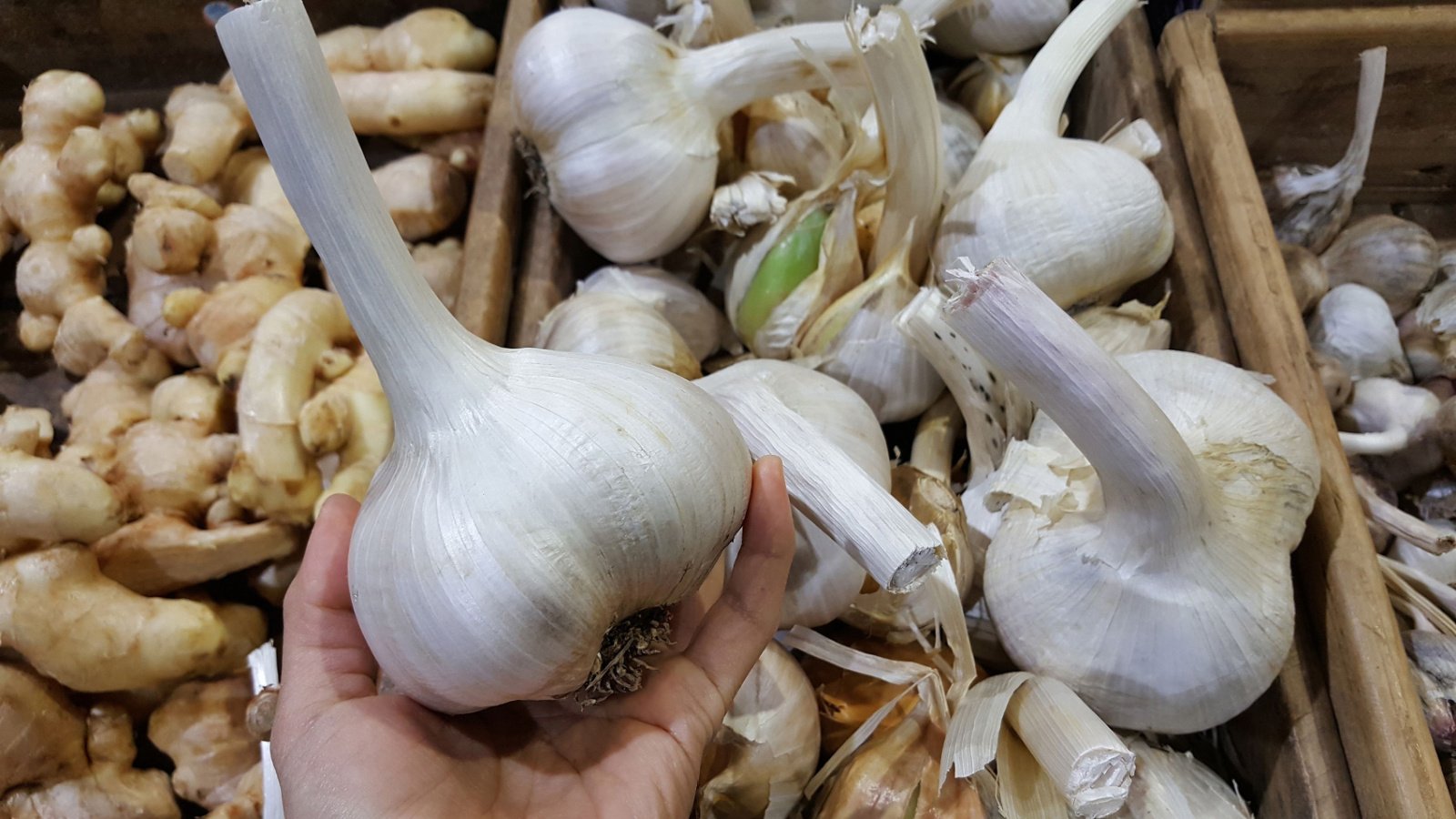
Elephant garlic isn’t actually garlic; it’s a huge leek! It forms strappy, green leaves and white bulbs below ground, similarly to garlic. It tastes mildly like garlic, and you’ll need to use more of it for the same amount of flavor in the kitchen.
For all growing purposes, treat and cultivate elephant garlic like normal garlic. Plant it in the fall, let it overwinter, and harvest the plants in midsummer when their lower leaves turn yellow.
Gourd ‘Giant Bello’
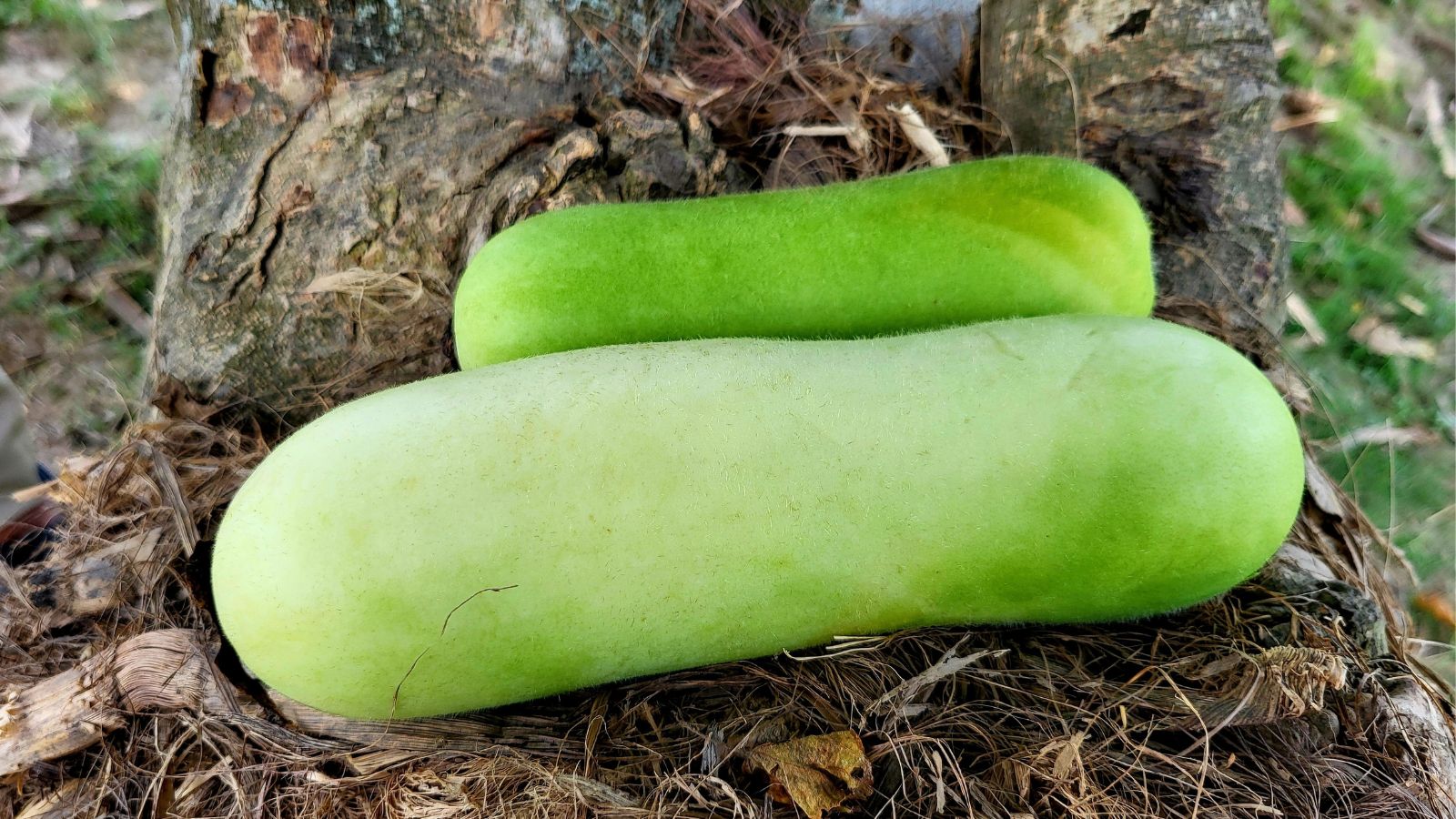
Not all gourds are edible, but ‘Giant Bello’ is. This gourd hails from Ghana, where growers love it for its meaty texture and rich flavor. The huge gourds keep well, and they’re one of the best giant vegetable varieties for cooking.
This gourd needs warm temperatures, ample sunlight, and regular moisture to grow big. Consider mulching the soil around its roots to keep them well-fed and moist.
Mustard ‘Red Giant’

Greens are some of the best giant vegetable varieties for home gardens. They’re perfect for fresh eating, and they typically need less time than other vegetable types to reach maturity. ‘Red Giant’ mustard is no exception.
This mustard sprouts spicy, red-tinged leaves that work well in salads, wraps, and sandwiches. They also ferment and cook well in prepared dishes, like kimchi and pickled greens.
Pick the large red leaves individually as you need them, or let the heads mature and harvest them whole. Mustard grows best in cool weather, though this variety is bolt-resistant and works well throughout the growing season.
Pumpkin ‘Atlantic Giant’
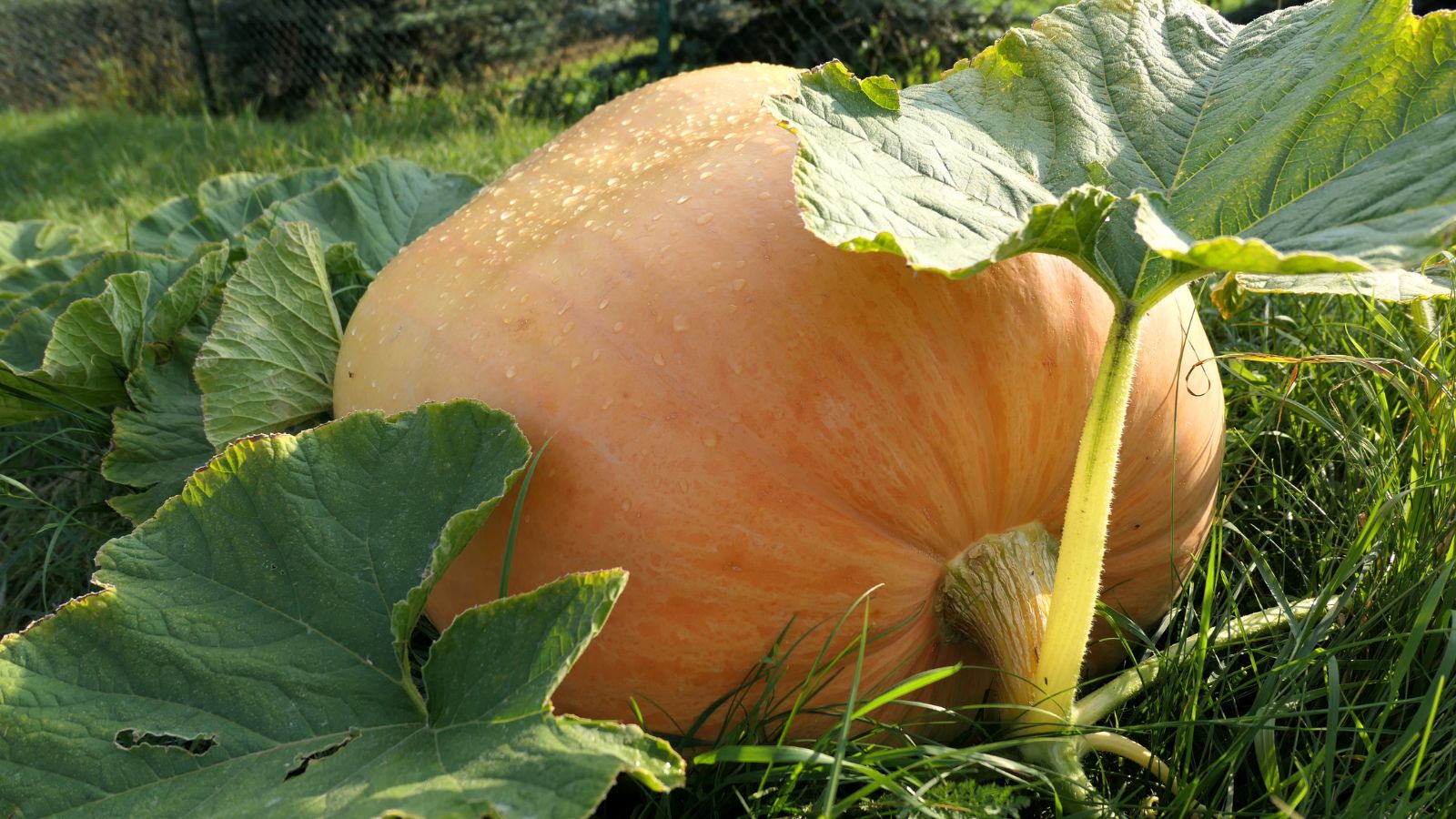
‘Atlantic Giant’ reaches incredible proportions—Glenn Knight, a grower in Florida, grew a pumpkin of this variety that reached 622 pounds! You can, too, with the right care and maintenance.
For a pumpkin to grow large, it must be the only one on the vine. You won’t get a big yield, but you will have a huge pumpkin. Prune off all flowers and pumpkins except for one, and put cardboard under the swollen vegetable to ensure it doesn’t rot on the bottom.
Pumpkin ‘Big Max’
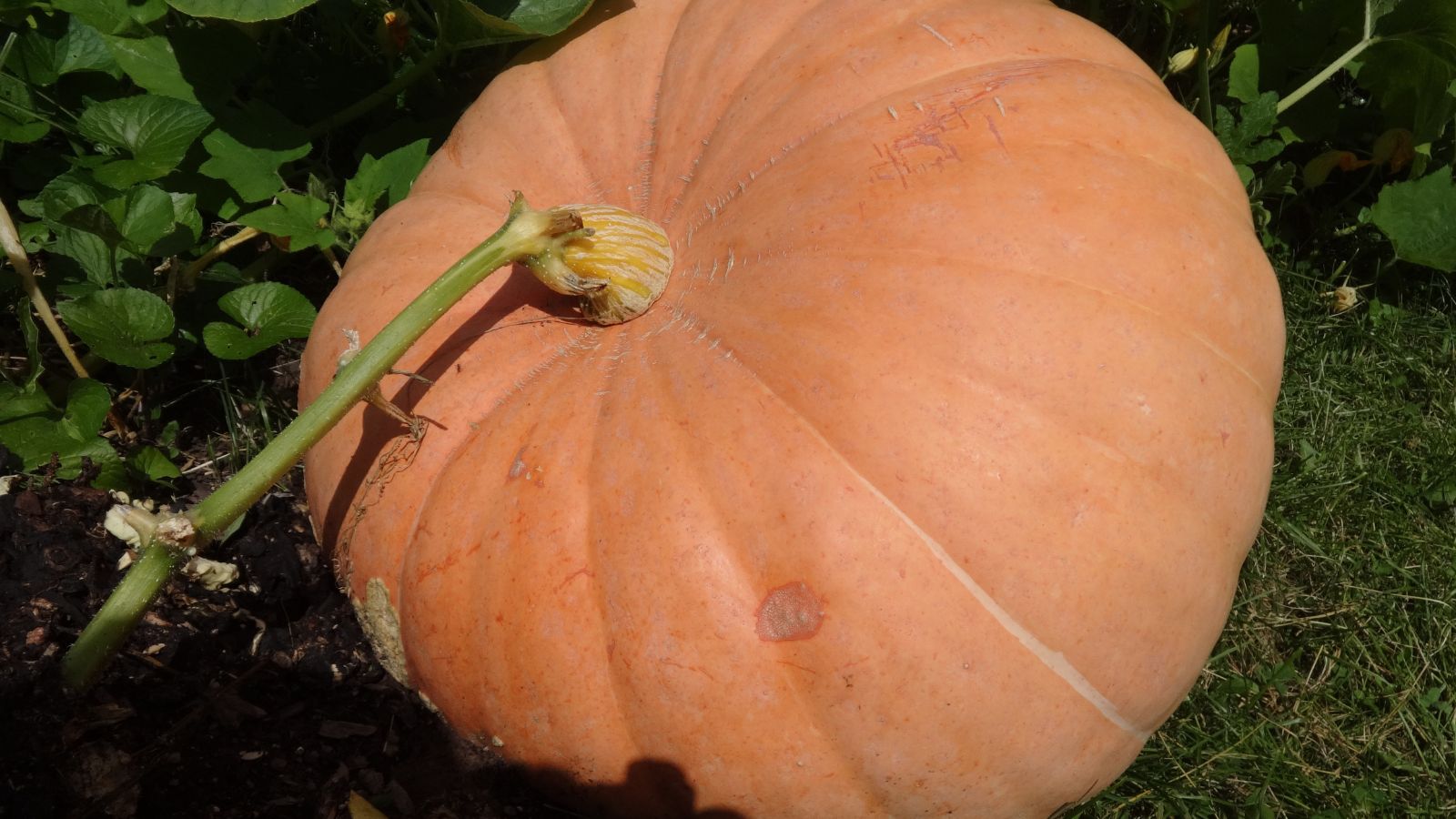
‘Big Max’ is another exceptional variety for growing humongous pumpkins. Treat this vine the same by cutting off all pumpkins except for one. Fertilize regularly, and ensure the soil stays moist throughout the growing period.
With deep ridges and bright orange skin, ‘Big Max’ is as beautiful as it is delicious. Use it as decor in the fall, or harvest the yield and cook it in pies, casseroles, and roasted dishes.
Radish ‘German Giant’
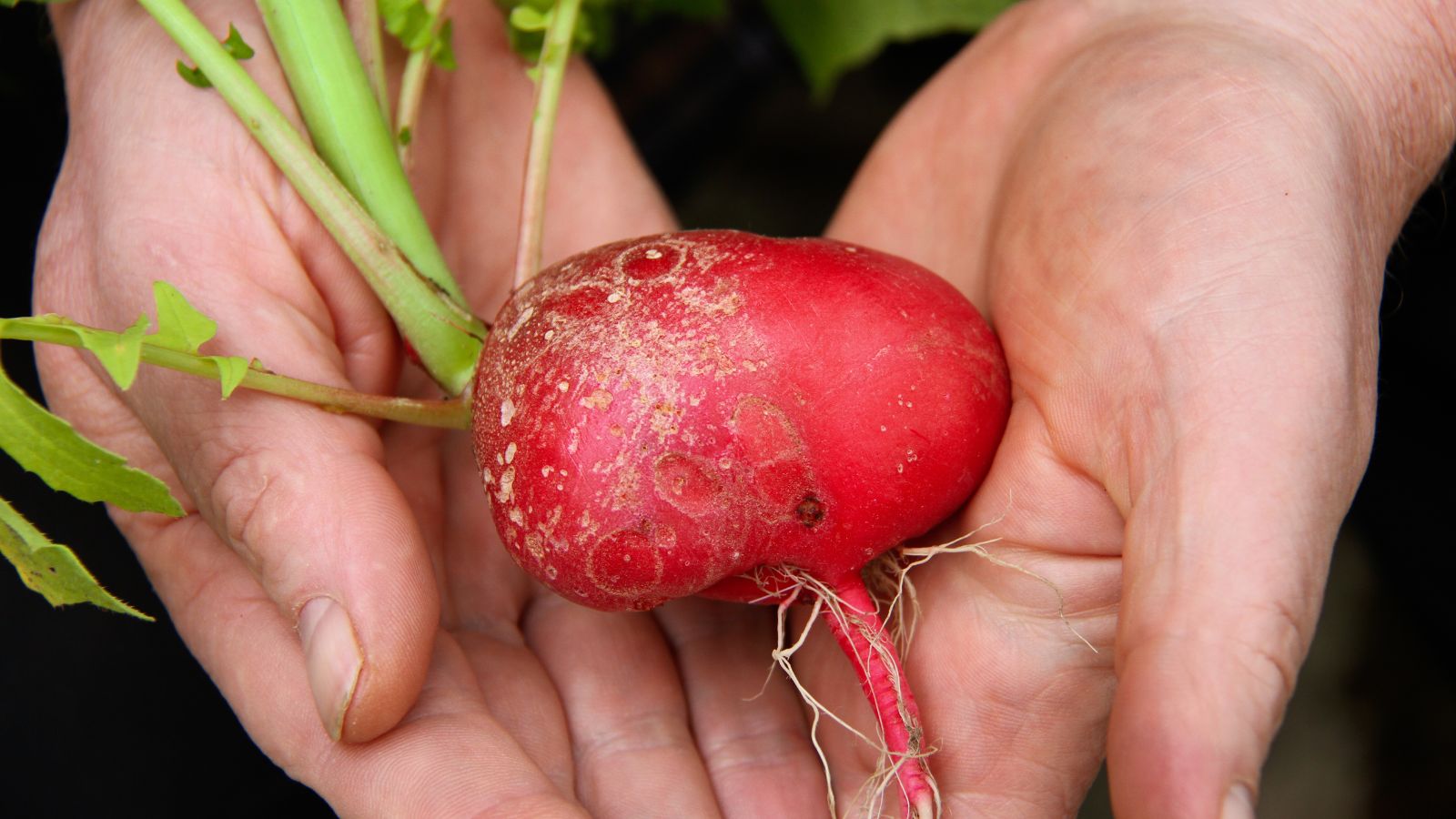
Spicy, pungent radishes also reach epic sizes. A packet of seeds yields a surprising amount of roots for fresh eating. ‘German Giant’ is an old heirloom favorite with red skin, creamy white flesh, and pungent spice.
Most growers harvest the radishes when they’re small and round, though you may let this type reach as big as a tennis ball! Eat the radishes fresh in salads, or slice and pickle them for a tangy treat.
Radish ‘Sakurajima Giant’

If ‘German Giant’ is big, then ‘Sakurajima Giant’ is humongous! This radish swells to 15 pounds, though it may reach up to 100 pounds. It’s a Daikon type with a complex flavor that some growers prefer over spring radishes.
For the biggest roots, plant seeds in late summer for an early winter harvest. As a single radish produces a sizable yield, you may need to pickle or ferment it to preserve the crop for future eating.
Spinach ‘Giant Noble’
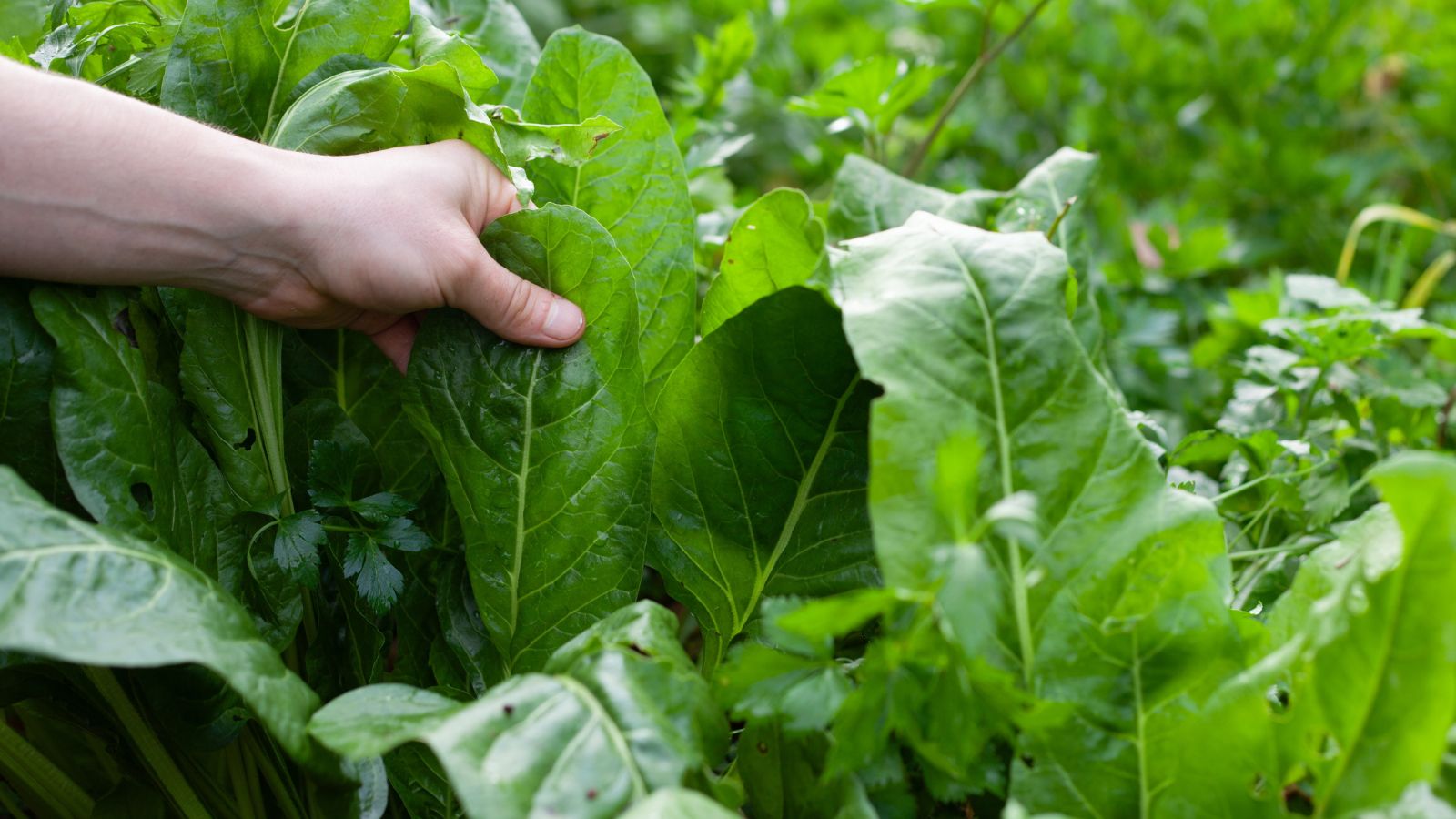
Like big mustards, big spinach is tender and delicious! Multiple giant vegetable varieties offer lush leaves, though ‘Giant Noble’ is one of the best heirloom types for the home garden. Its wide, green leaves are tasty and hardy; they grow well in cold weather.
Most spinach offers big leaves or good flavor, not both. This variety is the exception! Not only is it large and delectable, it’s also easy to grow in containers and raised beds.
Sunflower ‘Mongolian Giant’

‘Mongolian Giant’ is one of the biggest sunflowers available. Though it’s not commonly thought of as a vegetable, it grows edible seeds that are tasty during the winter. Pick them, roast them, and salt them for endless eating.
This sunflower reaches high in the sky, and its head grows surprisingly large. The sunflower may reach up to 18 inches wide, and its stem extends between 12 and 14 feet tall. Plant a row for a living fence in the summer, or scatter them throughout the yard for showstopping blooms.
Tomato ‘Beefsteak’
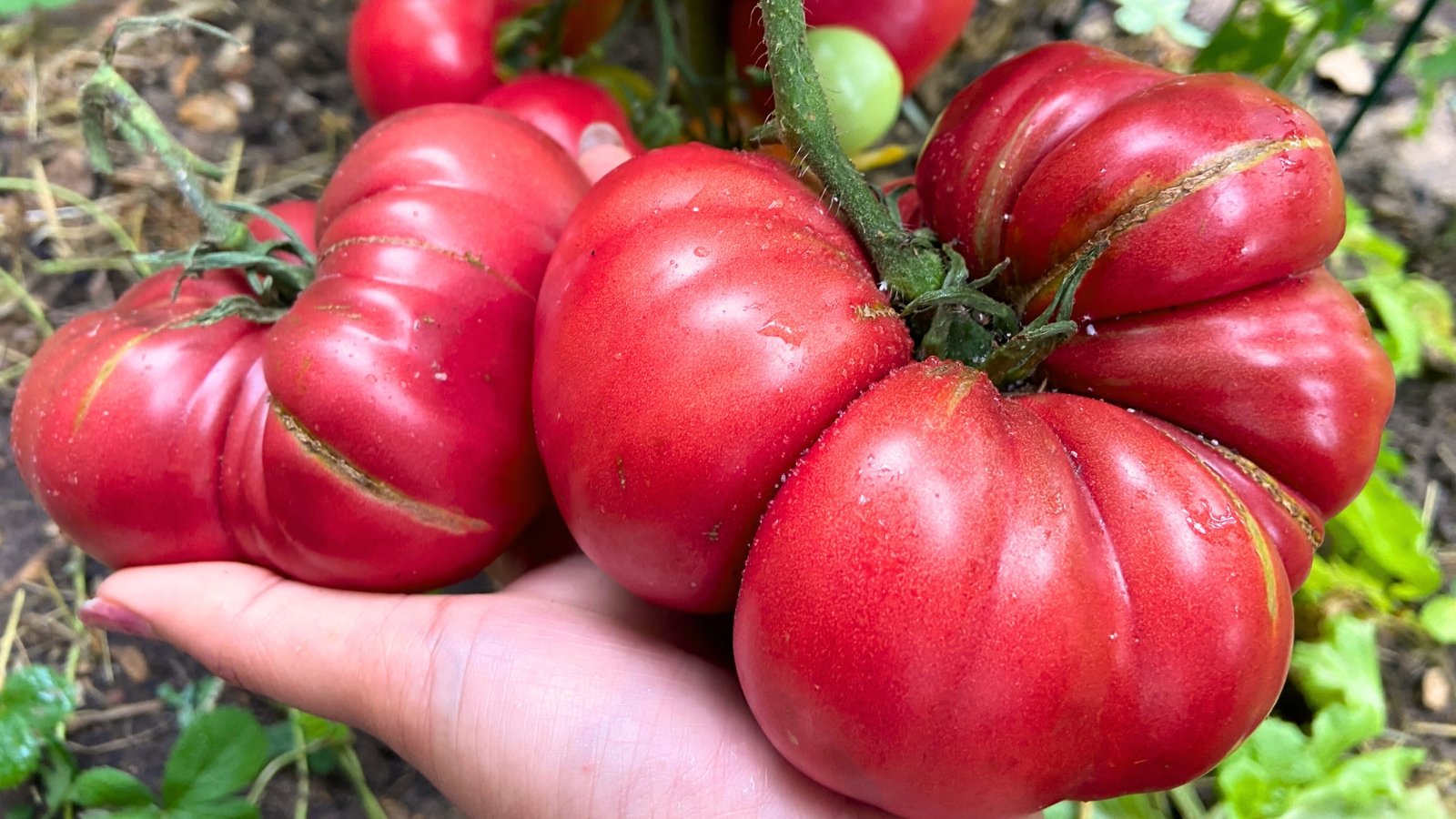
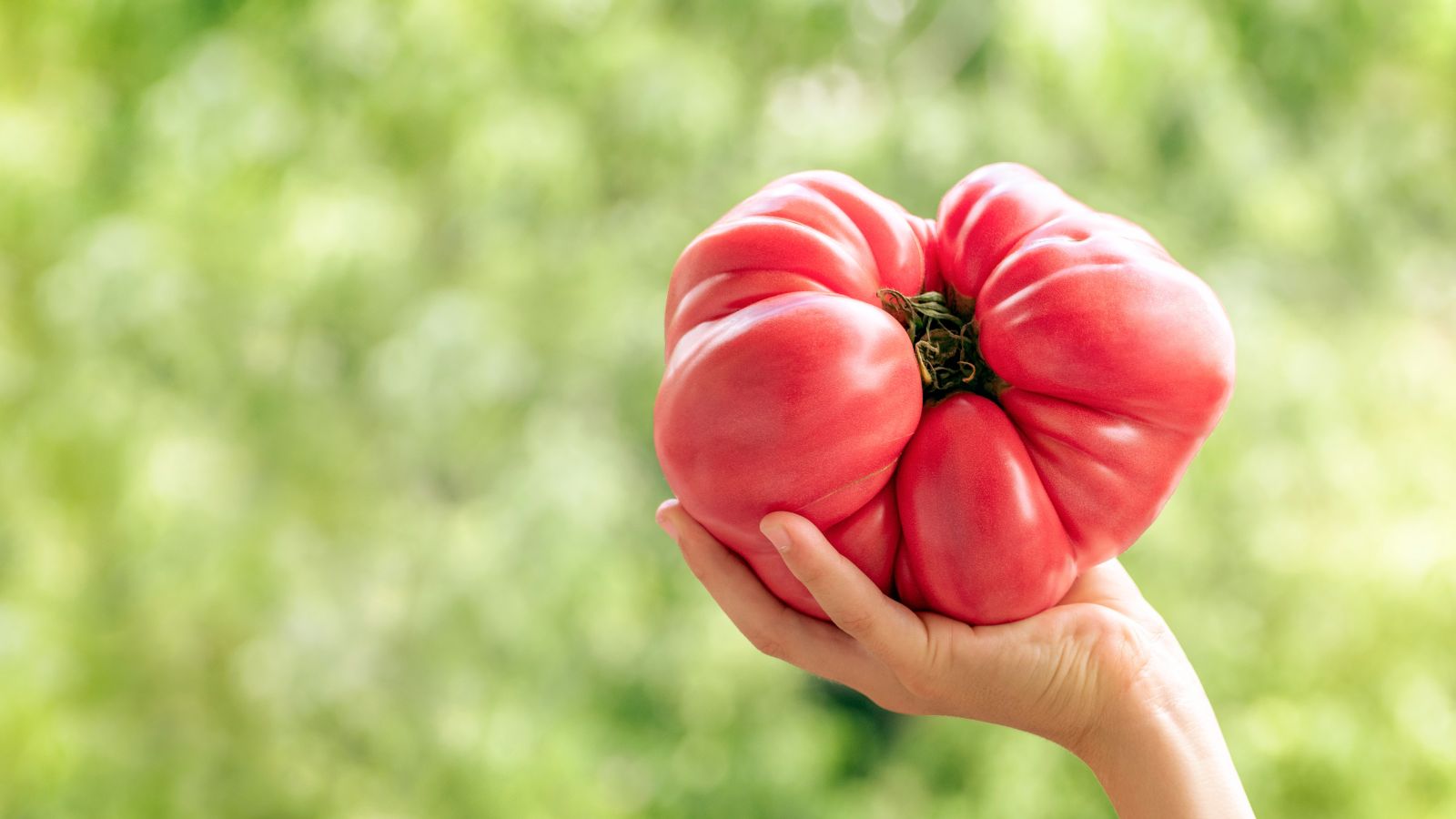
Heirloom tomatoes are the best kinds for huge yields. They grow imperfect, ridged, and colorful fruits with immense flavor. Unlike most round tomatoes, ‘Beefsteak’ fruits reach between a pound and two pounds in weight.
A pole tomato, this type needs support to stay upright. Tie the stems to stakes, or train them on trellises so they grow tall rather than wide.
Slice ‘Beefsteak’ tomatoes and eat them fresh with salt and pepper to enjoy their raw flavor. This variety has a wide range of uses; you can can it, slice it, or cook it into a sauce.
Tomato ‘Brandywine’

‘Brandywine’ is another heirloom tomato with fruits of great size, with immense flavor and juicy interiors. The fruits tend to stay around a pound, though they can swell to two pounds. They lack the intense ridges of ‘Beefsteak’ tomatoes, and they’re more round in shape.
Yellow and red varieties of ‘Brandywine’ exist to choose from. Opt for the red variety for a classic tomato flavor, and choose the yellow type for a sweet-tart flavor that’s delicious fresh and cooked.