

7 Bromeliad After-Bloom Care Tips
Bromeliads are some of the showiest plants in the world! With a wide range of species, bromeliads come in all shapes and sizes. Each species has unique growing habits and flowering periods. Join seasoned grower Jerad Bryant to learn how to care for yours and ensure they continue thriving post-bloom.


Contents
The term “bromeliad” refers to many species of South American epiphytes and terrestrial plants, such as Dyckia, Neoregelia, and Tillandsia. These rosette-forming plants grow long, strappy leaves and central flowering spikes. Though their blooms are often showy, their leaves are equally, if not more, showy!
How you care for your bromeliads after the blooming period depends on their growth habits. Some produce pups post-bloom, which are small offshoots of the main plant. Others, like Dyckia species, continue growing after they flower from their main rosette.


7 After-Bloom Care Tips
No matter which type of bromeliad you have, these seven care tips will help you cater to its needs. A new care process begins as the flowering period ends. As one door closes, another one opens!
Remove Spent Blooms

The first thing to do is to remove the spent blooms from your bromeliad. Rather than letting them stick around to form seeds, you’ll want to remove them so the plant can refocus its energy on pup production. Pups are like mini offshoots of the main plant that sprout from its base.
To remove the blooms, cut them off as low as possible. Some form inside the center of the stem and are difficult to remove, like those of the Neoregelia species. If the blooms are impossible to remove without harming the leaves, leave them be until they fade completely. After fading, new pups will begin sprouting from the plants’ bases.
Other flowers are easy to remove, like those of the Wallisia and Tillandsia genera. Snip their blooms off as low as possible, and be careful not to damage emerging offshoots in the process.
Watch for Pups

The most important aspect of after-bloom bromeliad care is managing the pups! These propagules allow you to continue caring for your favorite bromeliads, even though the main mother plant may be dying. Many bromeliads die after flowering, putting energy into new offshoots that will bloom in the following years.
Watch for these pups as the blooms open up. They may appear early, when the flowers open, or later, as they wither. A watchful eye is key in spotting the offshoots before they grow too large for transplanting or repotting.
Some types, like Dyckia species, don’t die back after flowering. Instead of tending to their offshoots, you’ll continue caring for them as you normally would. New flowers will appear from the main plant and the offshoots in future years, creating a lovely spectacle indoors or outdoors in a tropical garden.
Pot Up Pups

You have two options when it comes to pup care: pot them up in separate containers or leave them be! Potting up is best if you’d like additional plants, while leaving the specimens be is better if you want to care for the bromeliad in its current container.
Start the potting-up process by dividing your bromeliads. Wait for the pups to reach one-third the size of the main plant, then separate them with pruners, a sharp knife, or a scalpel. They may have some roots beginning to form, though they’ll still transplant well if they lack roots.
After separating the pups, keeping them happy and healthy while they adapt to new pots is crucial for their survival! Keep their soil on the dry side, give them extra humidity, and place them in a slightly shadier site than they were in. New roots will form after a few days, after which you can begin watering the soil and moving the bromeliads towards bright light.
Or, Leave Them Be!
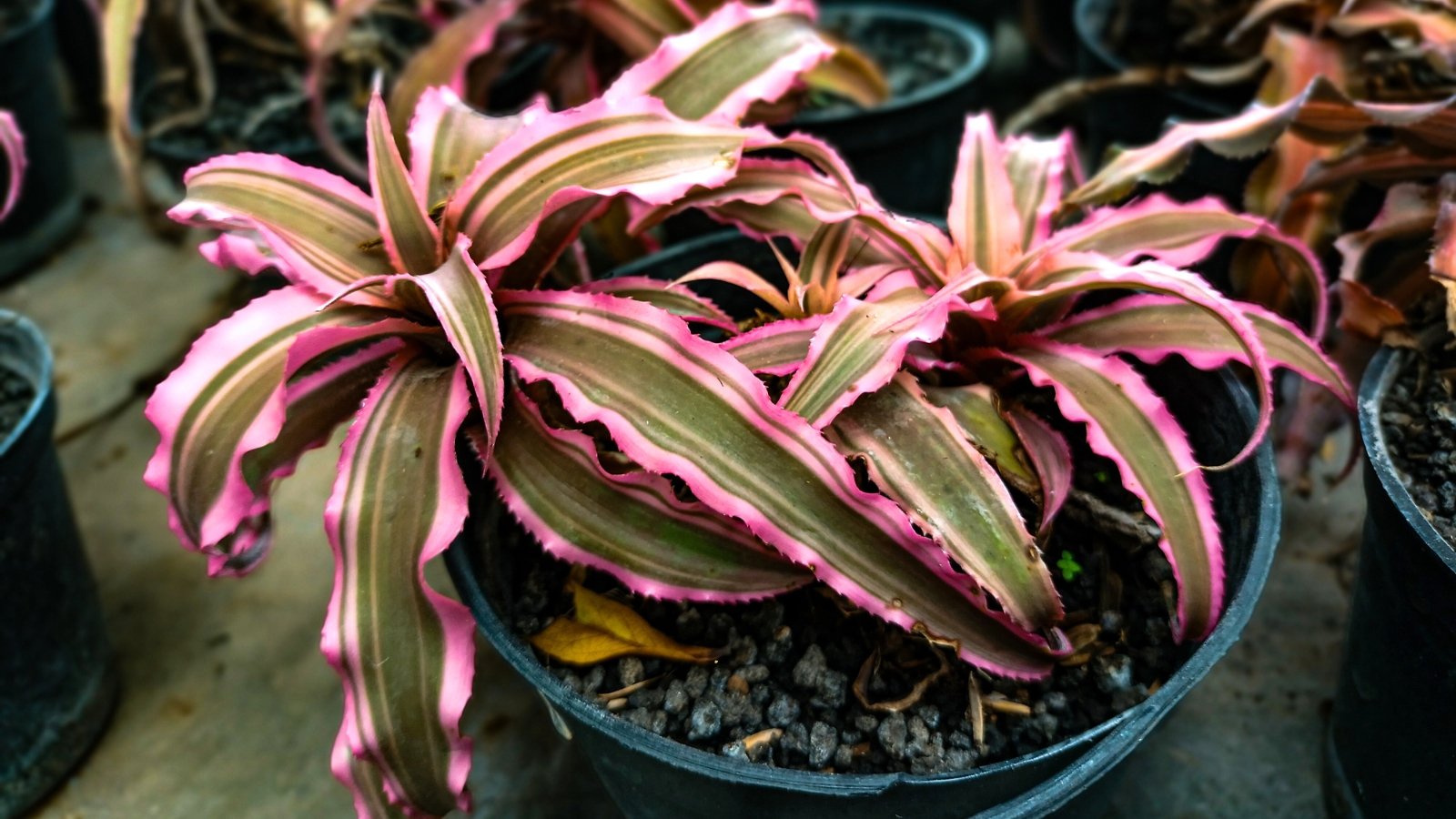
Rather than spending time dividing, potting up, and caring for bromeliad pups after blooming is done, leave them be! They’ll continue growing in the same container, sprouting new roots into the potting medium. Caring for them post-bloom will help them replace the mother plant.
As the new rosettes elongate and mature, the central one will wither and die. Remove its dead parts with pruners or snips, taking care not to damage the new plants.
Maintain high humidity and a relatively dry soil culture while this process occurs to discourage rots and pathogens. If the soil is too soggy, the central plant may rot before it can grow new propagules. Like orchids, bromeliads gather moisture and nutrients from the air, and humidity encourages them to thrive.
Fill Up Tank Types

Some bromeliad species have tanks, or reservoirs, where they capture water from rain or irrigation. The reservoirs must have water at all times for proper growing success. They’ll grow slowly without stored water, and the lower leaves will wither.
The type of water is important, as some types can harm your bromeliads. Avoid softened, salty, or alkaline water to prevent damage to your tender specimens. You can use tap water, though it may leave spots on the leaves. Distilled water is the safest bet.
Because bromeliads take in moisture and nutrients from the air like orchids, they require infrequent watering during the growing season. Maintain a moist, but not soggy, culture.
Fertilize with Small Doses

Instead of a few big doses of fertilizer during or after blooming, bromeliads benefit from many small ones throughout the year. They thrive with a regular source of nutrients, as this mimics the conditions in their native habitats. Instead of using the recommendations on the fertilizer package, you’ll dilute its strength to an eighth or a quarter.
To do this, find out how big the normal dose is. Divide that amount by 4 or 8 to find the quarter and eighth dosage rates, respectively. Here’s an example:
- Normal Dose: 1 Cup
- ¼ Dose: ¼ Cup
- ⅛ Dose: ⅛ Cup
Add this small dose to the irrigation water each time you use it during the growing season. Coat bromeliad leaves, tanks, and roots. Avoid overfertilizing, and watch for negative symptoms like a lack of color, yellowing, and lanky plants.
Continue Proper Care

Temperature, humidity, and light exposures are all important aspects of bromeliad health post-bloom. These species require warm temperatures year-round; they’ll thrive outdoors in mild climates without winter frosts, and indoors in cold ones with frigid winter temperatures. Most bromeliads thrive outdoors in USDA hardiness zones 10 and above.
Alongside temperature, humidity is also key to the success of your tropical beauties. Maintain a high humidity, at least 50% or above, to keep the leaves perky, colorful, and vibrant. High humidity also encourages ample rooting in pups, creating strong propagules after the flowering period.
Most bromeliads thrive with bright, indirect light indoors and partial or dappled shade outdoors. They need bright light for most of the day, but too much direct sunlight can cause scorching and burning. If your indoor rooms are dark, consider using grow lights to keep your plants well-lit.
Key Takeaways
- After-bloom care is important for the future state of your bromeliads.
- Watch for pups near the soil, and pot them up or leave them be.
- Some bromeliads don’t die back after flowering, while others do.
- Provide high humidity and extra shade for rooting pups.
- Maintain warm temperatures year-round for bromeliad growing success.
Frequently Asked Questions
How do you get bromeliads to rebloom?
Some species rebloom from pups, while others form flowers from the same rosette at the same time each year. Care for your plants over the seasons, and encourage them to rebloom the next year with proper care and maintenance.
Do bromeliads only flower once?
Sort-of! Some bromeliads bloom and wither, putting their energy towards growing new offshoots. Others flower during distinct seasons. Most bromeliads are perennial and will rebloom annually during their flowering season.
Do you cut off the old bloom of a bromeliad?
Yes! Cutting off the spent bloom redirects energy towards new bromeliad pups. Some species, like the tank types, form flowers inside their rosette that are hard to remove. Only snip off the blooms if you can do so easily without harming leaves and shoots.


