26 Types Of Beet You Need To Grow
What types of beet do you like - red ones? No-stain golden ones? Leaf beets? Here are some of our all-time favorites to pick for your garden!

Contents
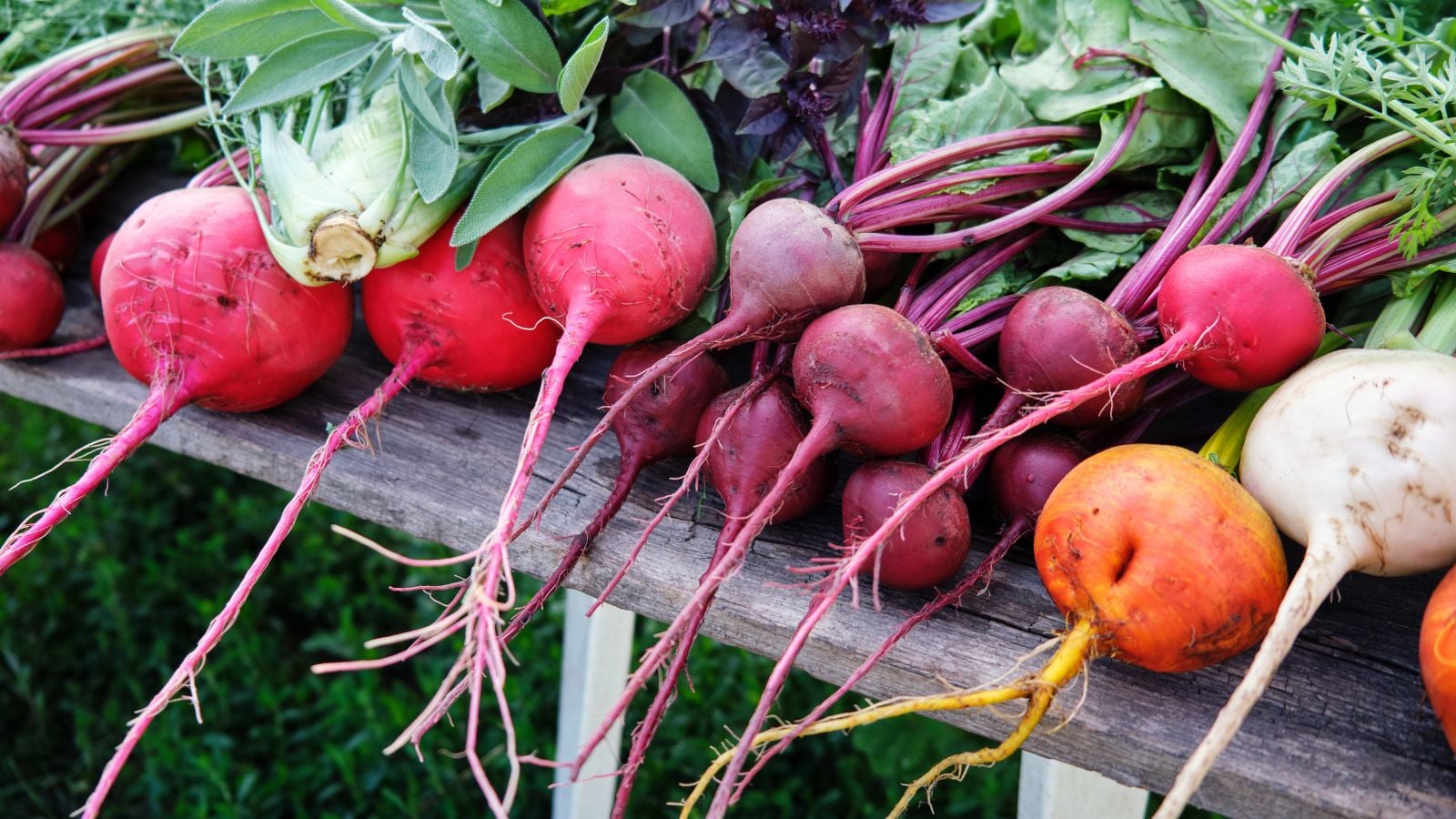
There are so many types of beet! The mighty beet is a superfood root vegetable that has very few middle-of-the-road fans. You usually find people declaring that they either love it or hate it. If you’re in the “love it” category, you may want to plant beets in your garden, but what variety should you choose? Well, there are many beet varieties to grow depending on what your beet-growing goals are.
Some varieties focus production on large bulbs, while others offer both an edible root and delicious greens that you can harvest and cook as well. In fact, Swiss chard (Beta vulgaris L var. cicla) is a type of beet that does not produce an edible root and only produces edible leafy greens.
There are many different types of beets to choose from, so for this reason, we’ll focus on the edible root-producing varieties. Even so, this is not an exhaustive list! This herbaceous vegetable is known for being cold-tolerant, which makes it a great choice for early spring gardens when the weather can still be cool and unpredictable.
Fresh beets have a sweet flavor unlike the varieties found on grocery store shelves that have been sitting in storage. You can eat them raw, cooked, pickled, fermented, canned, or otherwise preserved or prepared. Not to mention the bonus crop of greens, which are delicious sauteed or cooked in stir-fries. Read on to pick the perfect beet!


Babybeet

This mini variety is perfect for short-season growers. They produce small, round roots harvested young, about radish-sized. They produce baby greens that are equally tender. Since these baby beets take up less space, it’s also an ideal choice for small-space gardeners.
Boro
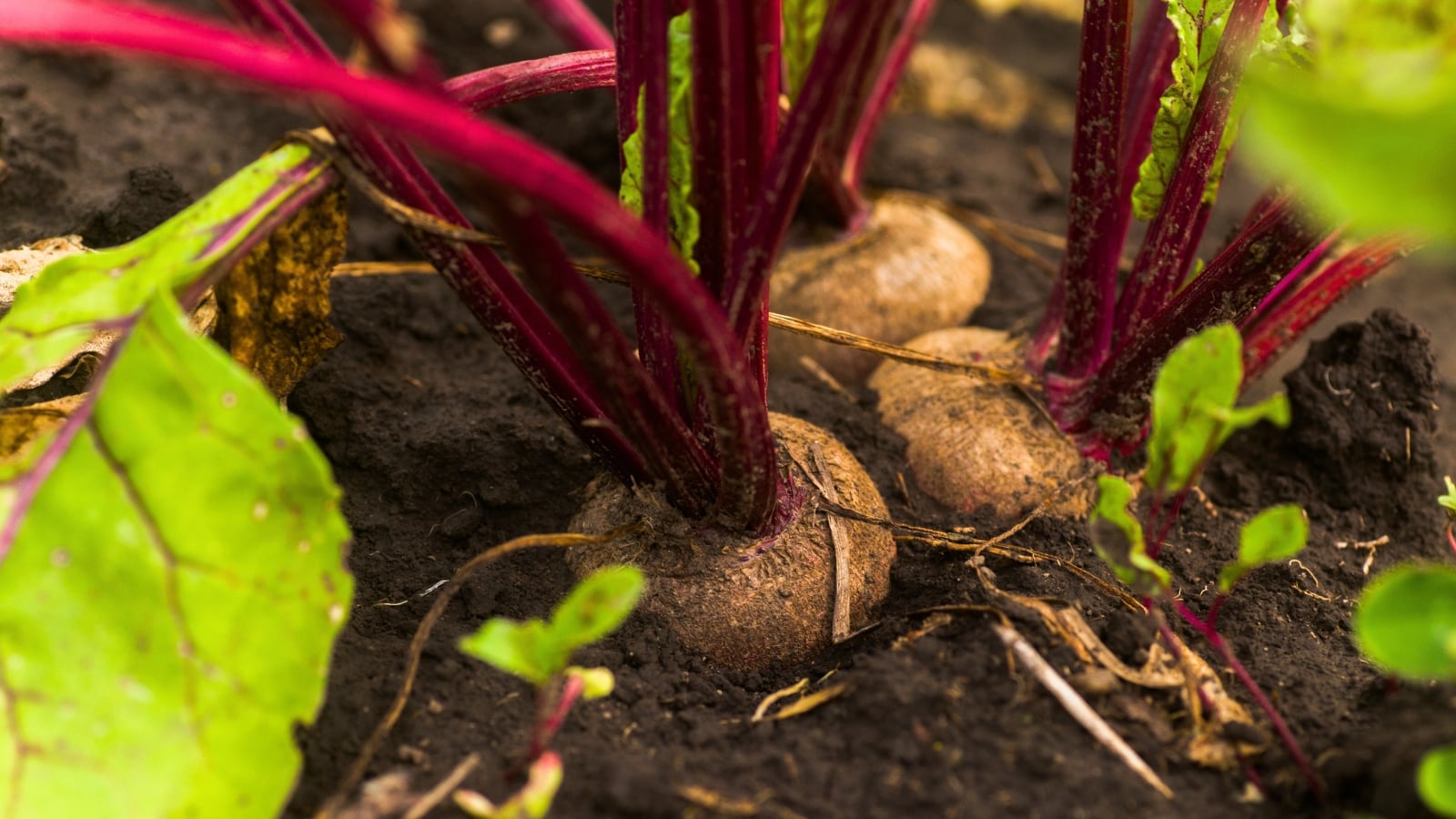
This is a fast-maturing variety with strong tops. In addition to delicious roots, they also produce dark green tops that are perfect for throwing into soups, stews, or a saute. They have dark red, smooth skin.
Bull’s Blood
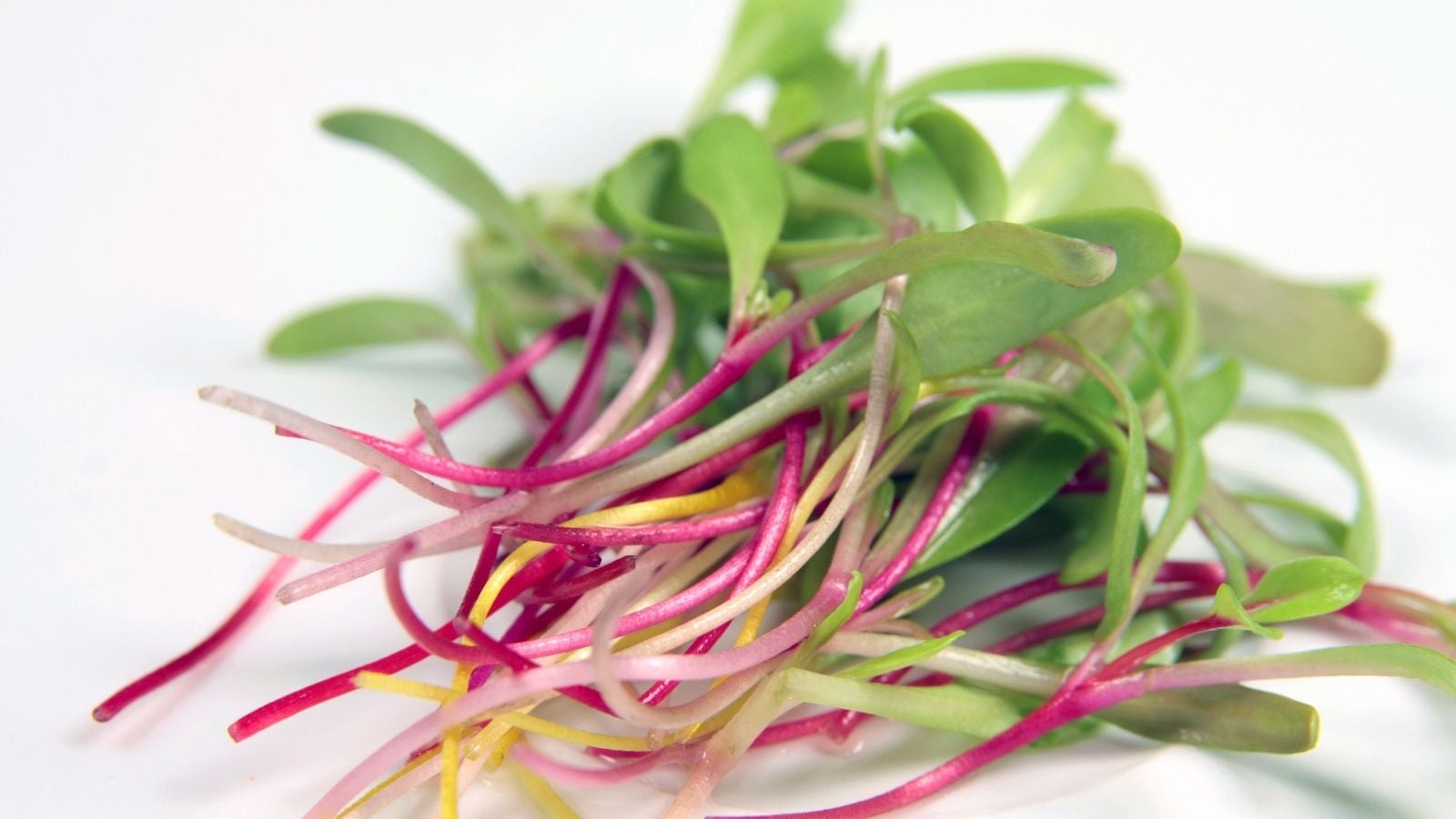
These beets produce a deep red root that travels up the stems and turns into deep purple leaves. ‘Bull’s Blood’ is a great multipurpose beet that you can leave to fully mature in 50 days, grow as beet microgreens, and everything in between. If you’re looking for versatile vegetables to add to your garden, don’t pass this one up.
Cylindra
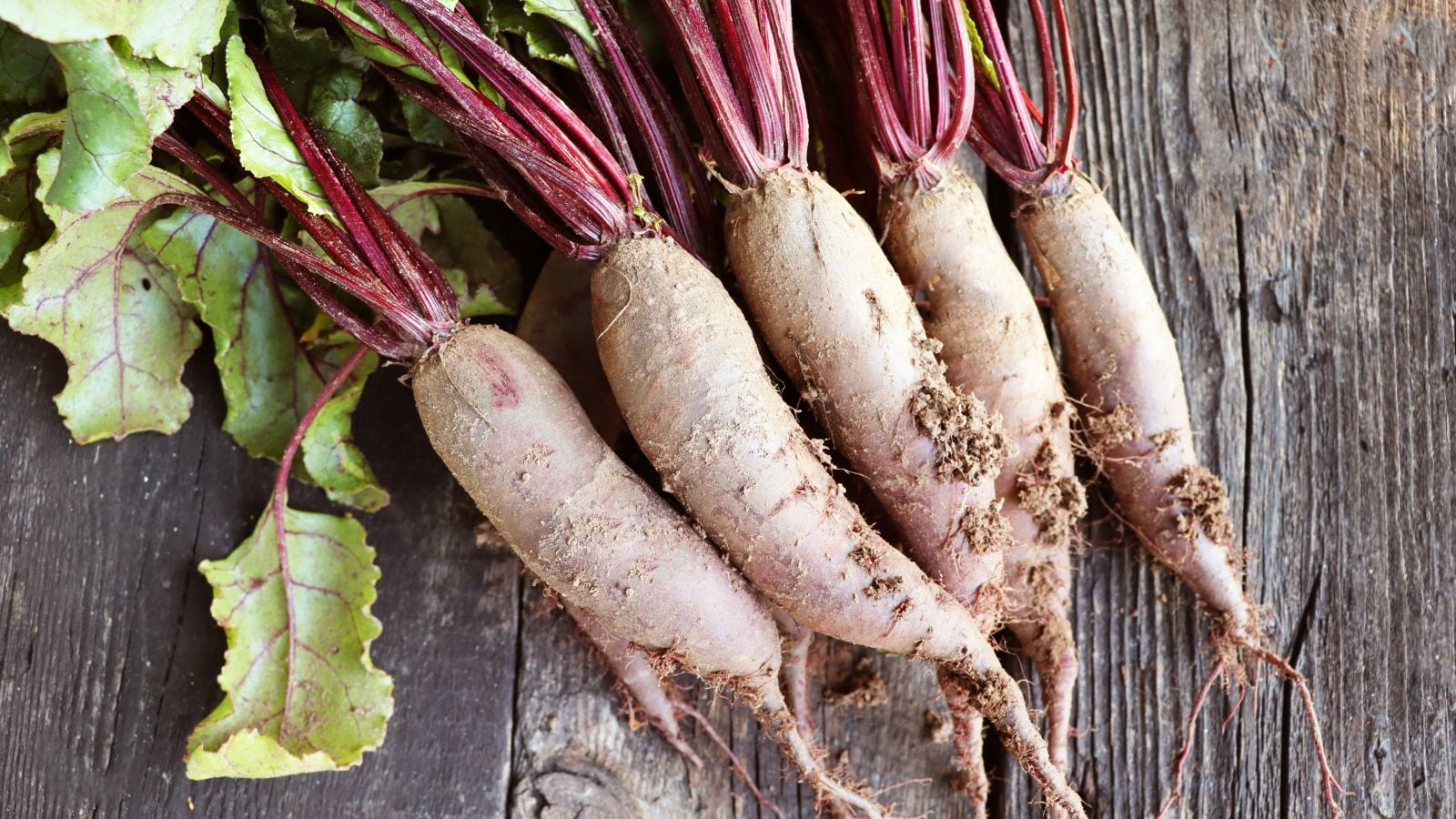
As its name would suggest, these red beets have a cylindrical growing habit. Their shape makes them the best choice for canning and pickling since it is easy to get nice uniform slices without much waste. The ‘Cylindra’ beet on average grows to be five inches long and two inches wide. ‘Cylindra’ is also known as Butter Slicer due to its perfect size for slicing.
Detroit Dark Red
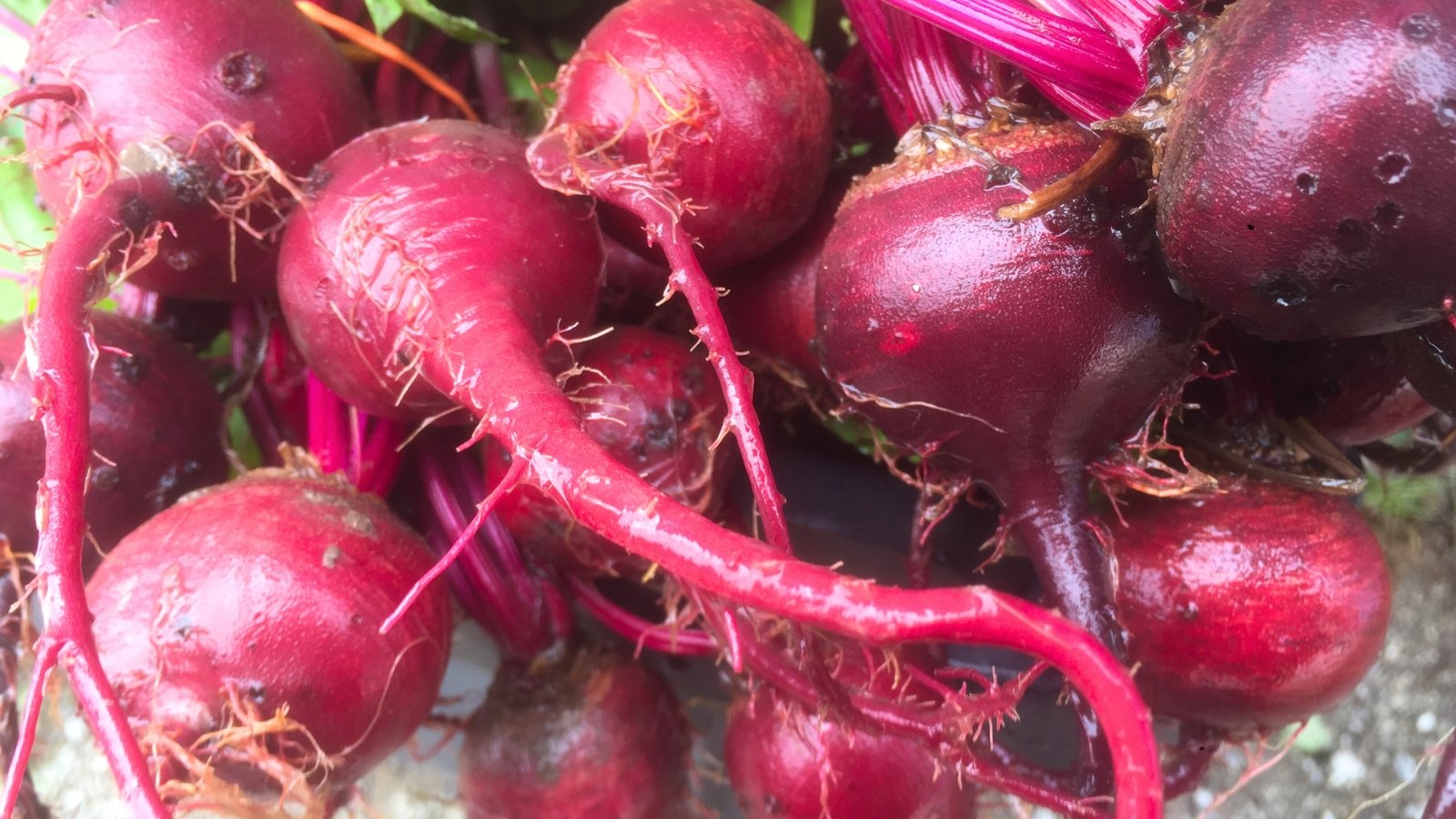
The ‘Detroit Dark Red’ variety produces deep red roots that are most like the beet varieties found in grocery stores. This is a classic among beet cultivars and an excellent beginning beet to add to any vegetable garden. Their flesh has a succulent texture infused with a deep, sweet flavor.
Early Wonder
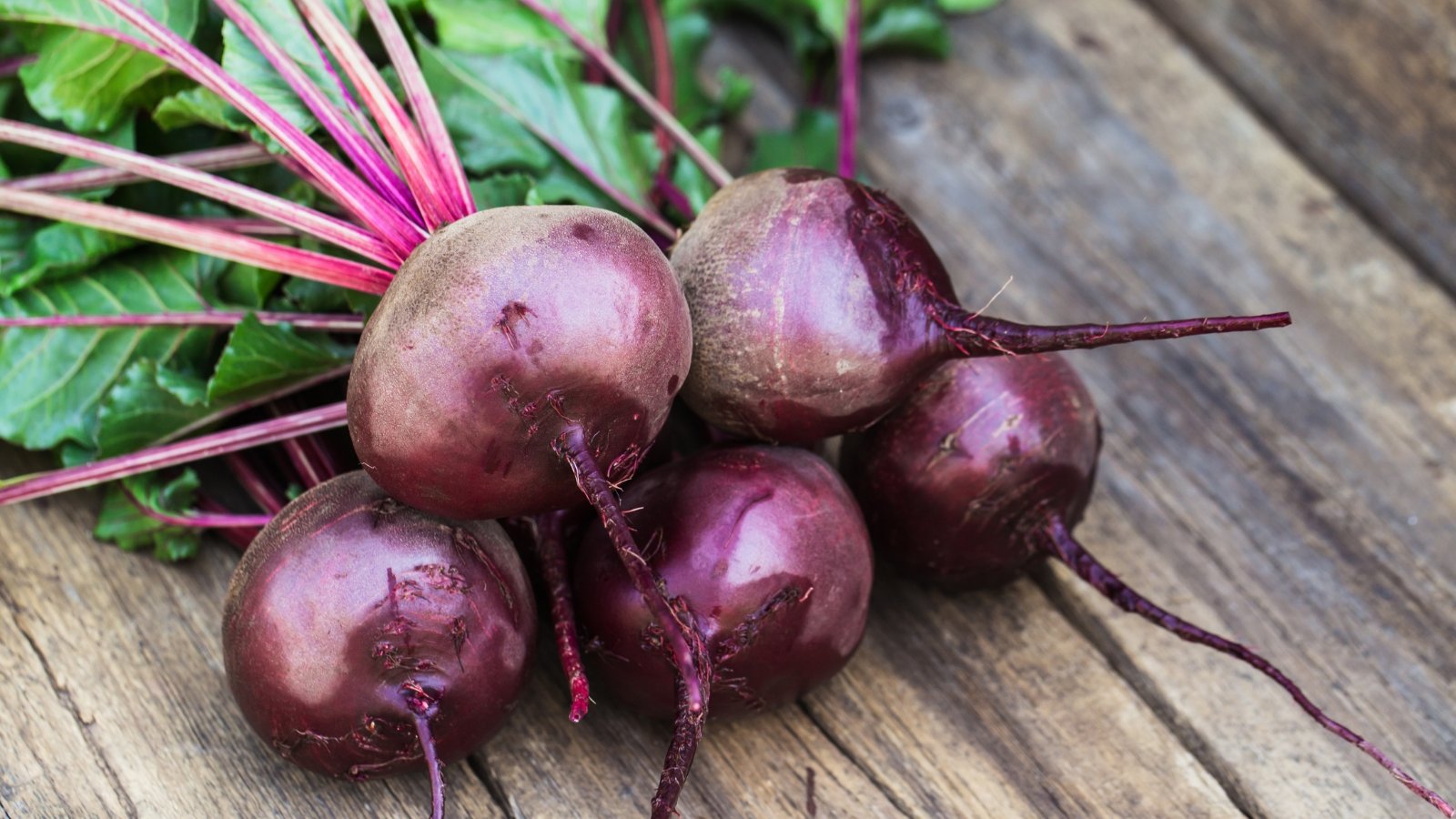
If you’re looking for a beet that is ready for harvest in 40 days or less, look no further than ‘Early Wonder’! Their quick growing time makes them an excellent choice for areas with a short growing season. Additionally, they do well in early spring with their ability to germinate and grow in cool soils. These are also known as ‘Nuttings Gem’ or ‘Boston Crosby’.
Formanova
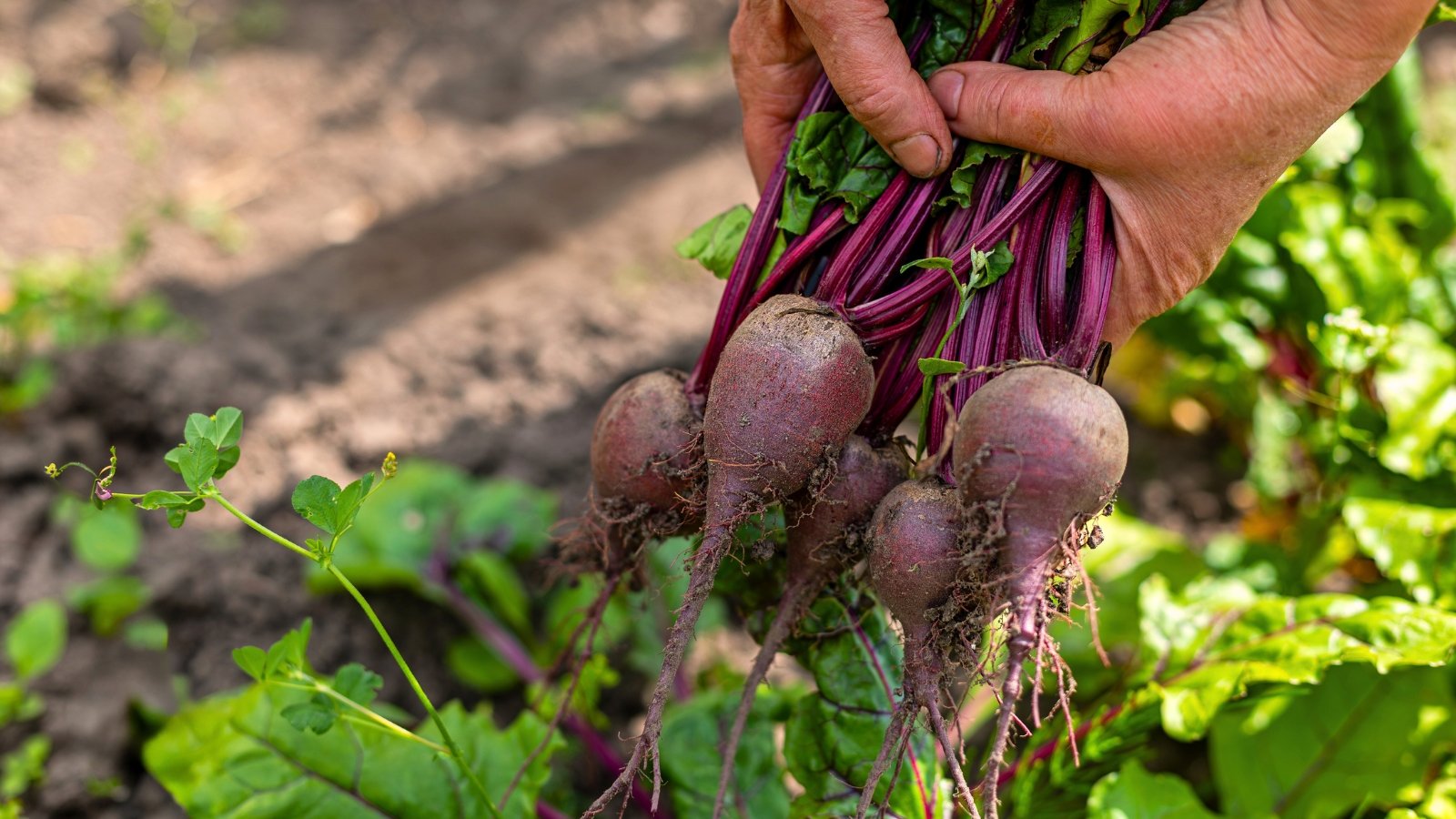
This variety is similar to ‘Cylindra’ with its cylindrical or carrot-like shape. Just like ‘Cylindra’, this makes them perfect for slicing, canning, and pickling. ‘Formanova’ beet is an heirloom cultivar originating from Denmark.
Lutz Green Leaf

This heirloom cultivar was developed before the days of refrigeration and is known for its long-lasting storage capabilities. For this reason, it’s also known as ‘Winter Keeper’. They can grow quite large, around six inches in diameter, and are ready for harvest in about 76 days.
Merlin

These specific types of beet have remarkably smooth dark red skin, so smooth that it almost appears shiny. They have bright red stems that lead to dark green leaves. They produce three to four inch round baby-beet-sized roots with a high sugar content.
Moneta

This is a hybrid monogerm variety with dark red round roots. Beets are naturally a multigerm seed variety, meaning that each seed contains the embryo for several (usually two to three) plants. This generally results in the need to thin beet seedlings or choose to grow them in clumps. With this variety, no thinning is required, and each seed produces one beet seedling.
Moulin Rouge

These types of beet produce deep reddish-purple roots with a classic beet flavor. This is another monogerm variety that bypasses the potential need for thinning. These roots are best when harvested at a one-inch diameter.
Red Ace

‘Red Ace’ is a reliable, adaptable, and fast-maturing beet with strong tops. Unlike other types of beets, it’s sweet and tender even when older. It has medium-tall, red-veined leaves for bunching.
Robin
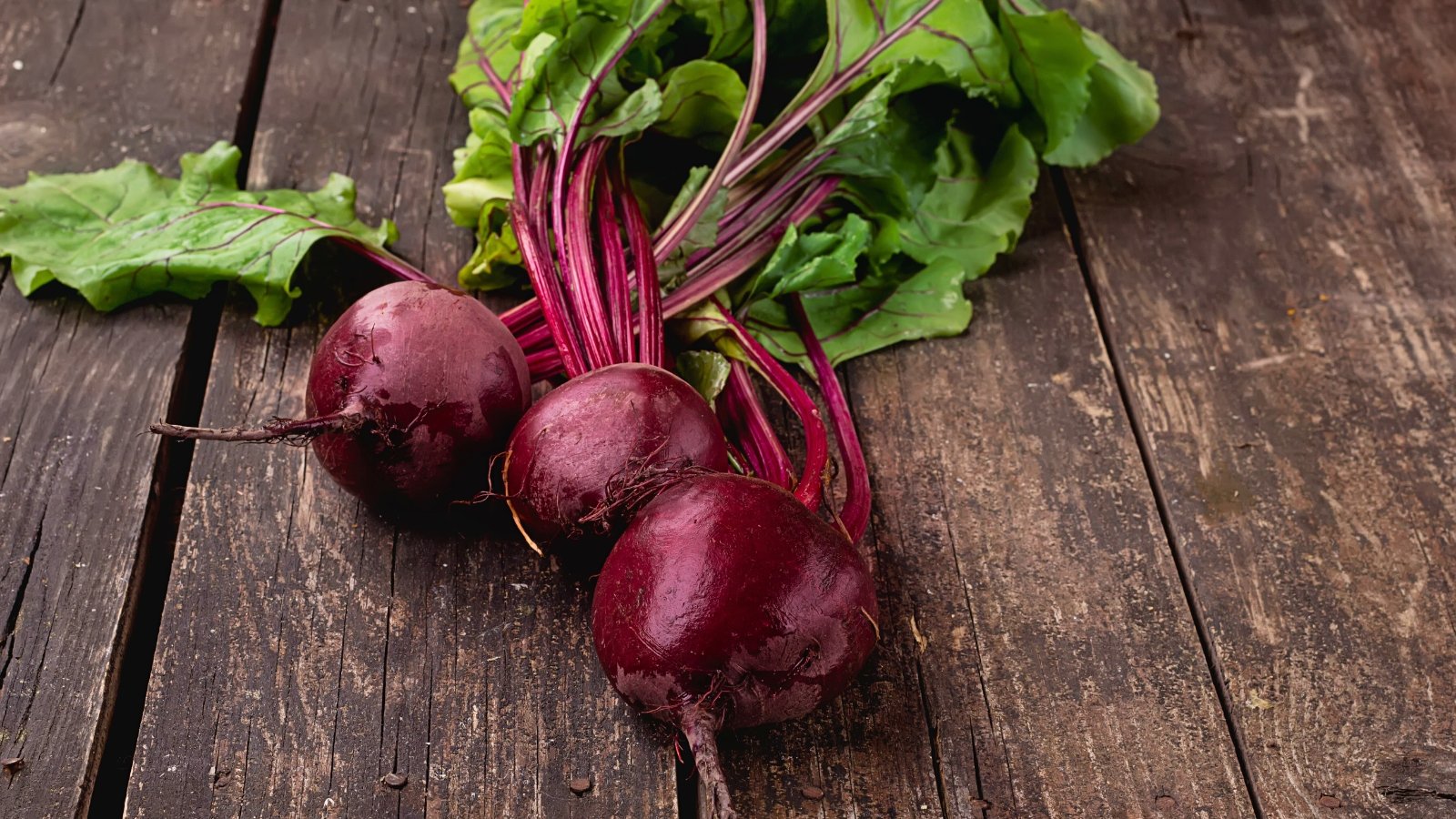
This hybrid was developed specifically for harvesting at the baby beet stage. They produce short, upright green tops. If you’re looking for an abundance of greens, then look elsewhere. If small, tender baby beets are your goal, this is the variety for your vegetable garden.
Ruby Queen
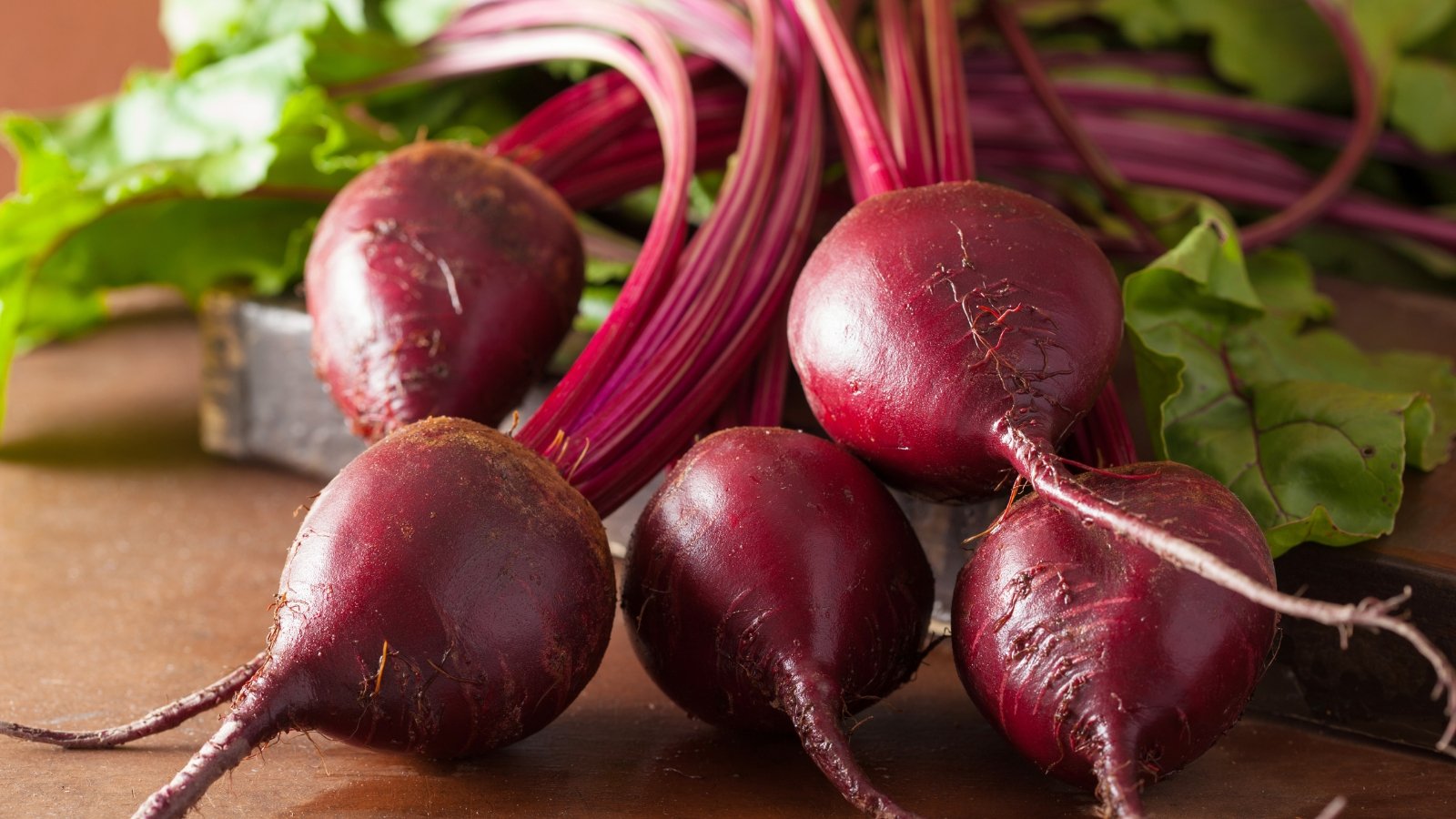
These types of beet are excellent dual-use beets that produce tasty greens and uniform bulbs with a mild flavor. You can sow ‘Ruby Queen’ seeds thickly and then harvest them as baby greens during the thinning process. Allow the remaining seedlings to grow to full maturity. These deep red beets also have deep pink inner rings.
Subeto
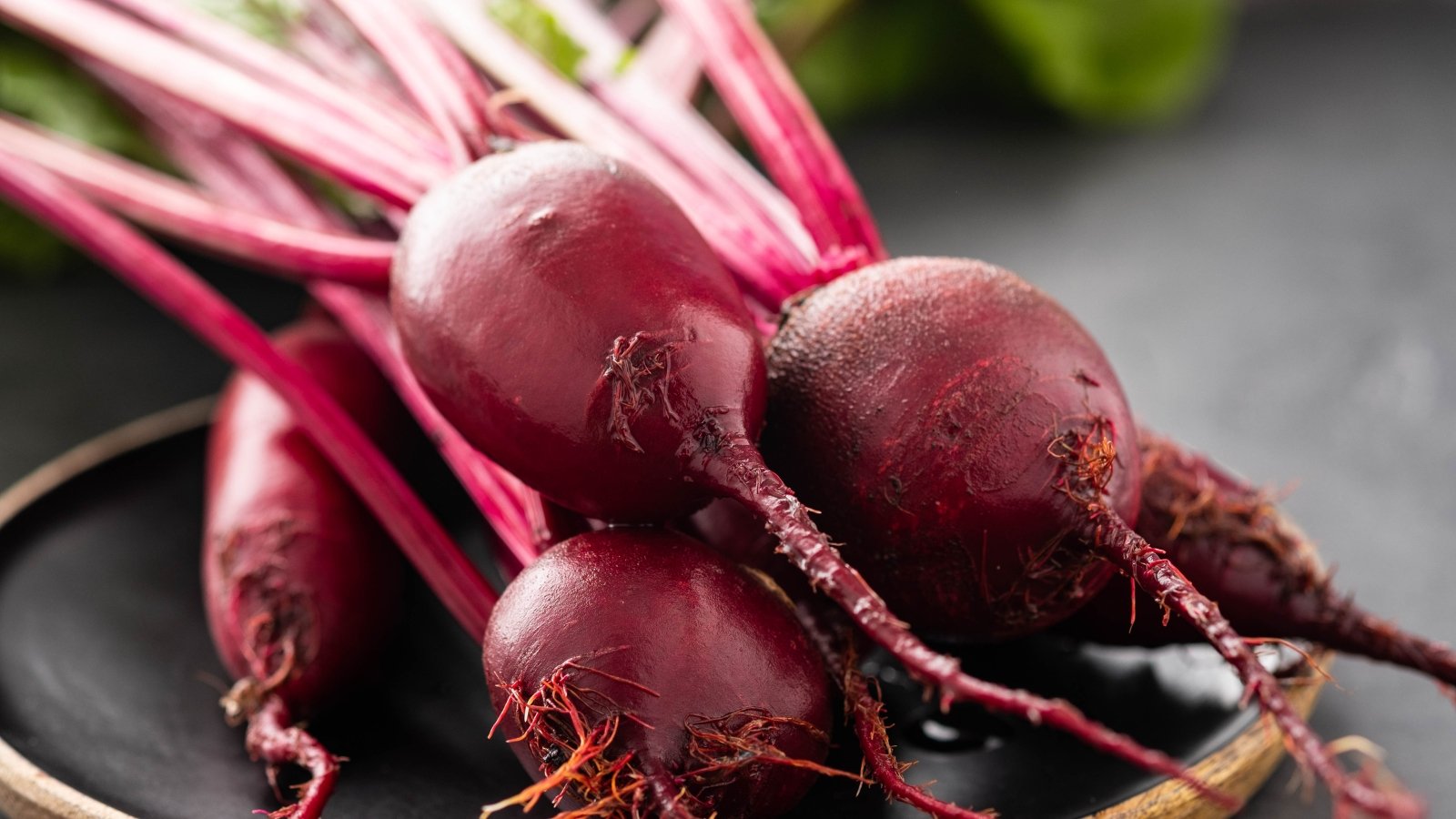
These are a very early, round, dark red beet used in commercial production. It has a consistent size, shape, and flavor. These are similar to ‘Boro’ but with smaller tops. They’re also highly vigorous and productive.
Warrior

‘Warrior’ beets are tender and sweet, with a deep rich red interior and exterior. They’re a hybrid variety that’s relatively new to the vegetable market. The leaf stems are deep fuchsia, and the leaves are a lovely green. Growers cultivate them mostly for their roots, which mature in just under 60 days.
Zeppo

This variety has perfect flavor when harvested at any size. The fresh beets have smooth skin, a round shape, and minimal root hairs. These types of beets are fast-growing and early-maturing.
Boldor

This golden variety is consistently delicious. They have deep yellow-orange rounded roots crowned with yellow stems and light green tops. They’re sweet when juiced or shredded into salads, and they’re also delicious roasted.
Golden Boy

This beet produces stunning golden-orange flesh with bright green leaves. They have a mild flavor and are a good option for those who aren’t fans of the traditionally earthy flavor of red beets. It produces solid stems and tasty greens that hold up well when cooked.
Golden Detroit

This heirloom cultivar has been said to be one of the best beet varieties to grow for yield and flavor. It has smooth orange skin with a golden interior. It is sweet with a more mild flavor than the ‘Detroit Dark Red’. The greens are also delicious when cooked in stir-fries.
Mangold

Also known as Mangelwurzel, mangel beet, field beet, fodder beet, or root of scarcity, the mangold beet was developed in 18th-century Germany as a fodder crop for livestock. These types of beet are useful if you’re growing beets as a cover crop to help aerate soils, but they’re also tasty in their own right. They boast a hearty flavor with tender green leaves.
Touchstone Gold

These types of beets have deep orange skin and bright yellow flesh. They retain their color when cooked. The benefit of choosing this variety over other classic red varieties is that you won’t have to deal with stained red hands, cutting boards, and potentially clothes!
Burpee’s Golden

This heirloom variety was developed by the Burpee Seed Company in the 1940s. It boasts a sweeter and milder flavor and offers an early harvest. This variety will reach maturity in 55 days, quicker than the ‘Touchstone Gold’.
Chioggia

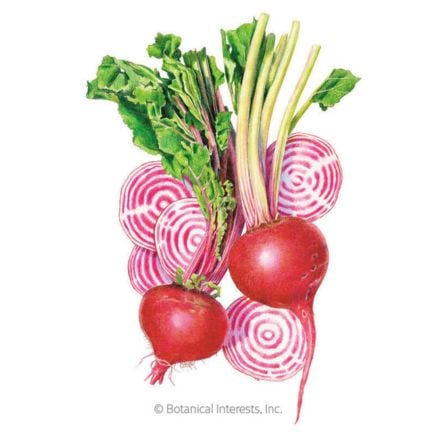
If you’re interested in an heirloom variety, give ‘Chioggia’ beets a try! A personal favorite, it is also sometimes referred to as Bull’s Eye beet or Candy Cane beet because of its red and white striped interior.
The ‘Chioggia’ beet has pale red skin topped by pale stems and light green leaves. You can harvest the crispy greens in about 50 days. Leave about ⅔ of the greens in place to help the beetroot continue to mature.
This Italian heirloom has a sweet and mild taste. Its mild flavor makes it a winner, even for those who claim not to like the taste of beets. Aside from the taste, the interior color is stunning, and when sliced thin on a mandoline, they can add a sophisticated touch to your salads. However, the stripes will fade with cooking.
Avalanche

As its name would suggest, these beets have creamy white roots with interiors that are white as snow! They have the sweet flavor of classic red beets but without the bitter earthy flavor. ‘Avalanche’ beets are perfect for eating raw in your summer salads.
White Detroit

This variety is similar to ‘Detroit Dark Red’ and ‘Golden Detroit’ beets, except they’re white! They’re perfect for eating fresh, preserved, or roasted. They also have a milder, sweeter flavor than their counterpart dark red variety.
Frequently Asked Questions
What is the most common type of beet?
Classic, deep red beets are the most common type and probably the type that you’re most likely to find at the local grocery store.
What are white beets called?
White varieties are also known as sugar beets or albino beets. As its name would suggest, sugar beet is used to produce refined sugar as an alternative to cane sugar.
What is the difference between beet and beetroot?
There is no difference, but the term “beetroot” is a UK term for the root vegetable, differentiating the root from the beet greens. The greens are also edible.
Which beets have the best greens?
Early wonder is a great variety for gardeners who would like an abundant harvest of beet greens. It is ready for harvest sooner than other varieties and provides the opportunity to harvest beet greens sooner.