

Spreader Sticker: What Is It and Should You Use It?
What's a spreader sticker, and is it really necessary in the garden? We explain this less-popular garden product and whether it's useful.

Contents
Spreader-sticker is a somewhat dividing topic among gardeners. Or, maybe not, since it’s more commonly used in the southeastern part of the US and can be hard to find in stores elsewhere. There are those who have heard of it as an effective addition to control pests, disease, and weeds. Some are adamantly against using it, while others promise it’ll work miracles in the garden!
Spreader-sticker is an adjuvant included in a chemical control, such as pesticide, for spreading more evenly on a plant surface. You mix it in to help a chemical control or fertilizer last longer. Since they extend the life of a product, they can help you save time and money. But long-lasting chemicals pose problems to pollinators and even to a plant itself.
So, what’s a gardener to do? Are spray adjuvants that bad, or are they okay to use on a plant surface? Let’s dive into the debate and look at how spreader-stickers are used, and you can decide for yourself if you want to welcome them into your garden.
Epic GardenBox Bird Net
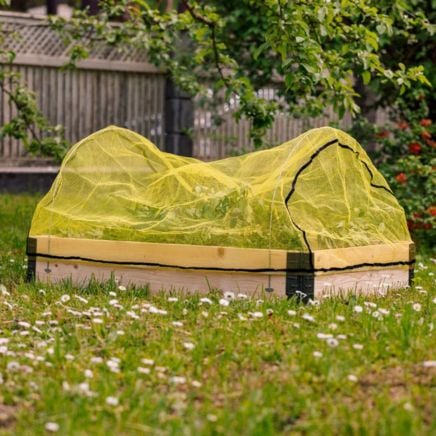
While feeding the birds can be fun, you really don’t want them eating out of your garden. Birds are persistent and have that advantage of being able to approach from any angle—including above. Our Epic GardenBox Bird Net safely and easily blocks larger insects/pests and birds without harming them (or your plants).
Buy at Epic Gardening ShopWhat is Spreader-Sticker?

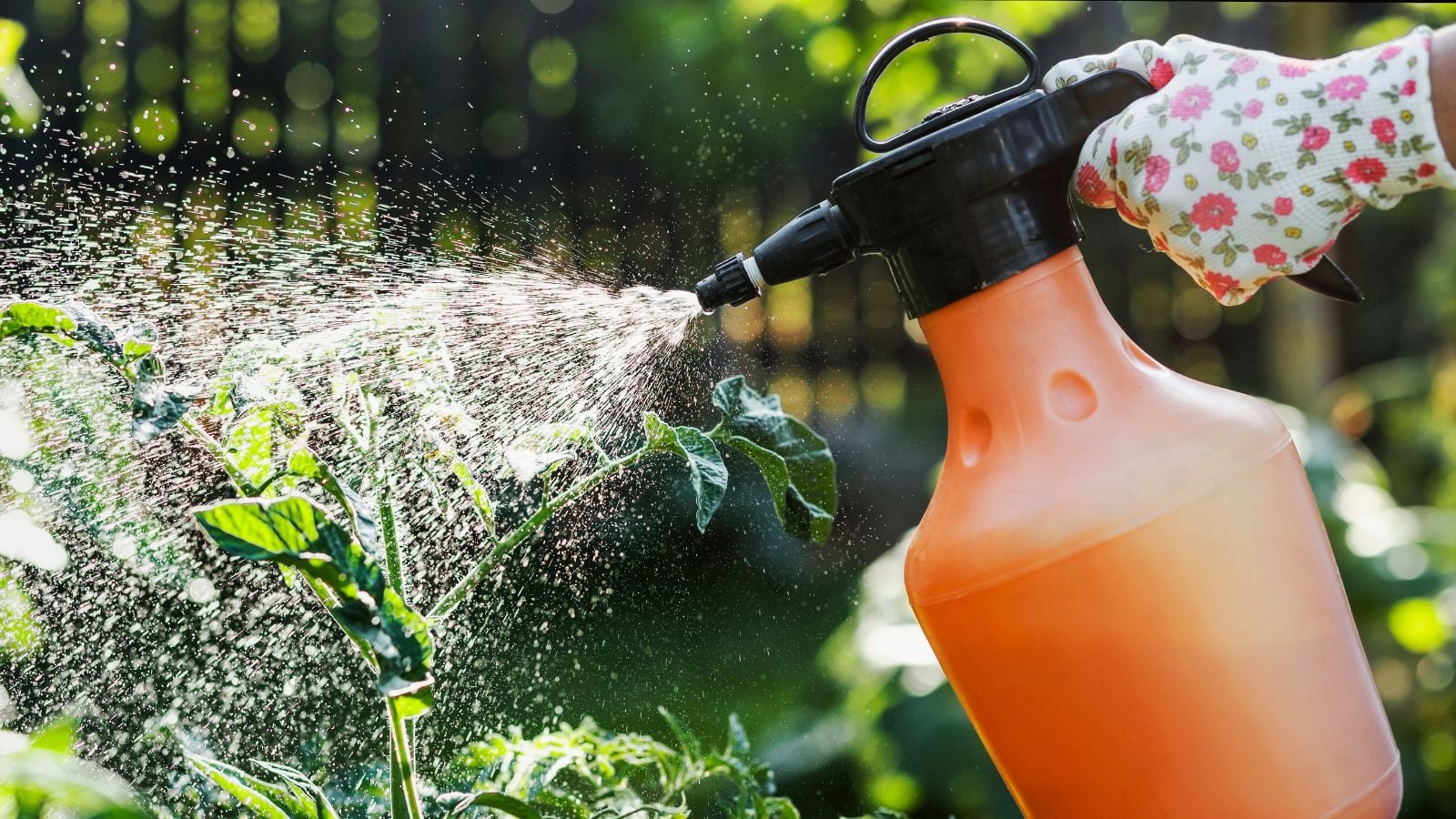
A spreader-sticker is an additive that boosts the performance of a chemical control or fertilizer. It helps pesticides spread onto plants more easily and stick to them longer. If a pesticide beads up on leaves or dries too quickly, a spreader-sticker prevents that and your control will stay wet on your lawn or garden. It does this by decreasing the surface tension, which in turn increases absorption. Leaves will absorb liquids on contact rather than repel them.
Manufacturers developed spreader-stickers primarily for disease and pest control purposes. Since they make chemicals stick to plants longer, you don’t have to apply them as often, which saves time and money. This will likely make a bigger difference to a farmer who needs to treat several acres than it will for a home gardener with a few beds of crops.
Many spreader-stickers are made from oils, surfactants, or other silicone-based products. More natural options are made from emulsified soybean oil. However, if you happen to search for one, you likely won’t find any certified organic options.
How is Spreader-Sticker Used?

Spreader-sticker is meant to be mixed with something else and is never applied to a plant in a spray by itself. You mix the spreader-sticker into a liquid product and then apply the mixture directly to plants. A spreader-sticker is usually used when you need better contact adhesion to make chemicals more effective.
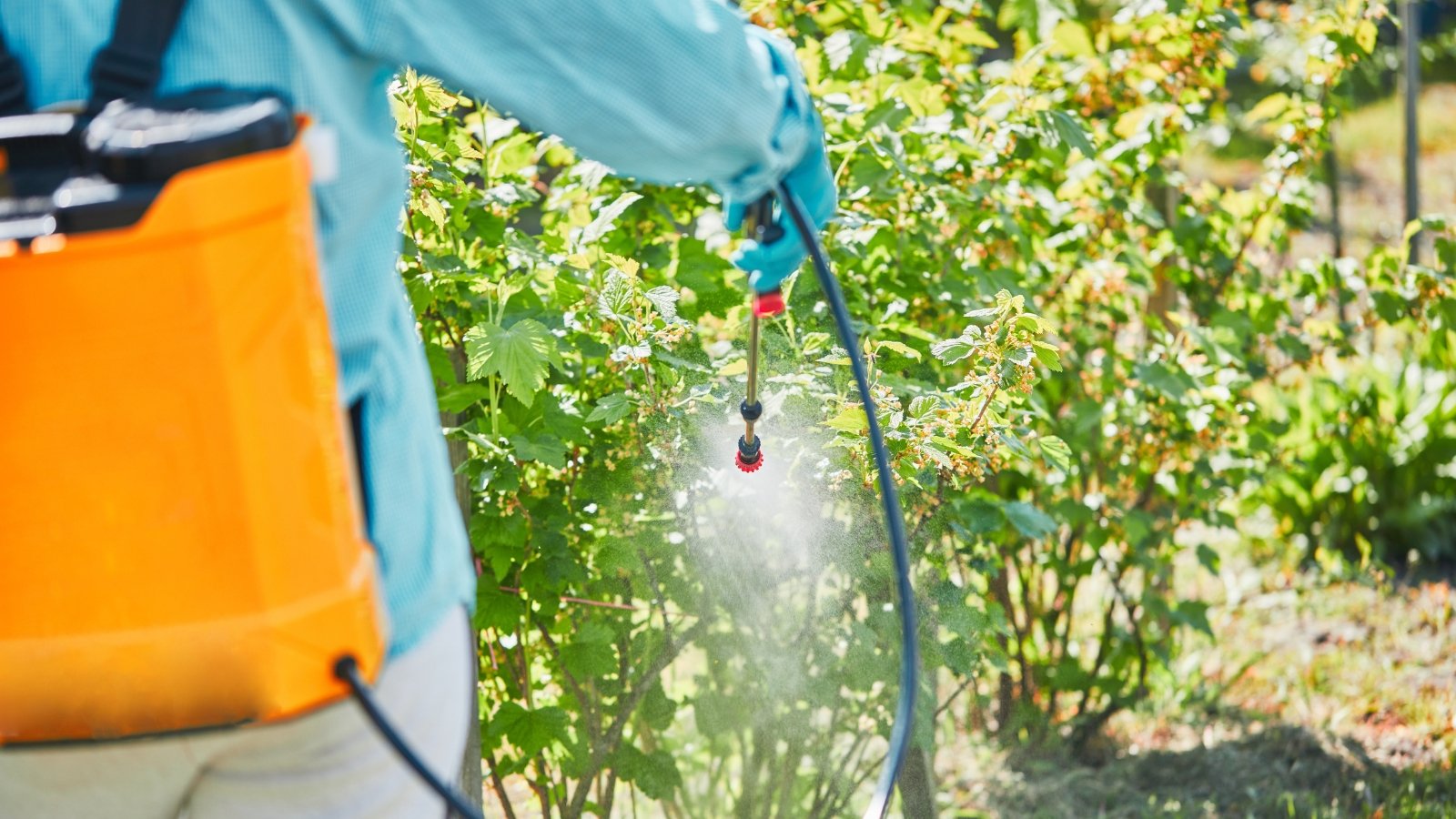
Growers often apply a spreader-sticker to every surface of a plant. Complete coverage is important for pest control of aphids, grubs, and other insects that can live on stems and the undersides of leaves. Herbicides will be more effective if you coat the entire weed since contact with the plant is necessary to kill it.
You can also spray products with a spreader-sticker on a lawn to make sure you get all the weed material or insects hiding in the blades of grass. Depending on the product you use, you’ll likely need full coverage to make sure it sticks to the entire plant and works as intended.
You can mix spreader-sticker into herbicide, fungicide, insecticide, and fertilizer. However, they aren’t always mixed into fertilizers since fertilizers are often applied to the soil rather than the foliage. Still, it’s not unheard of for fertilizer to have an adjuvant such as a spreader-sticker in it.
Many products already have an adjuvant mixed in, which is a big reason why a spreader-sticker can be difficult to come by. Most product packaging will tell you if it already has a spreader-sticker included and will warn you against adding more.
The Positives of Spreader-Stickers
Some gardeners are against using spreader-stickers, but there are a few good reasons why others like to use them. For starters, they can save you money. If you buy a product that doesn’t have an adjuvant in it already, you can make the product last much longer by mixing it yourself.
The product will stick to plant leaves longer, and you won’t have to apply it as often. It should be noted that while a spreader sticker promises to improve adhesion, there’s some debate among gardeners about whether or not it’s actually as useful as it purports to be. If you’re interested, it may be a question you have to answer for yourself!
Adjuvants can stick around longer when they get wet, so using them during a rainy season can help them stick to your plant leaves. If water hits the plant after you apply the chemical, you won’t have to reapply after it dries. Rain can be an annoying factor when you’re trying to apply pesticides or chemicals for weed control to your yard, so this is a bonus.
If you don’t have the time to treat your plants frequently, spreader-stickers might be a time-saving solution worth looking into since they can stay effective after rain or even longer during a dry spell.
The Negatives of Spreader-Stickers
As with most products you use in the garden, too much of a good thing can turn into a bad thing. Spreader-stickers certainly have their downsides that you need to consider before you start using them to weed your garden.
Pollinator Impact
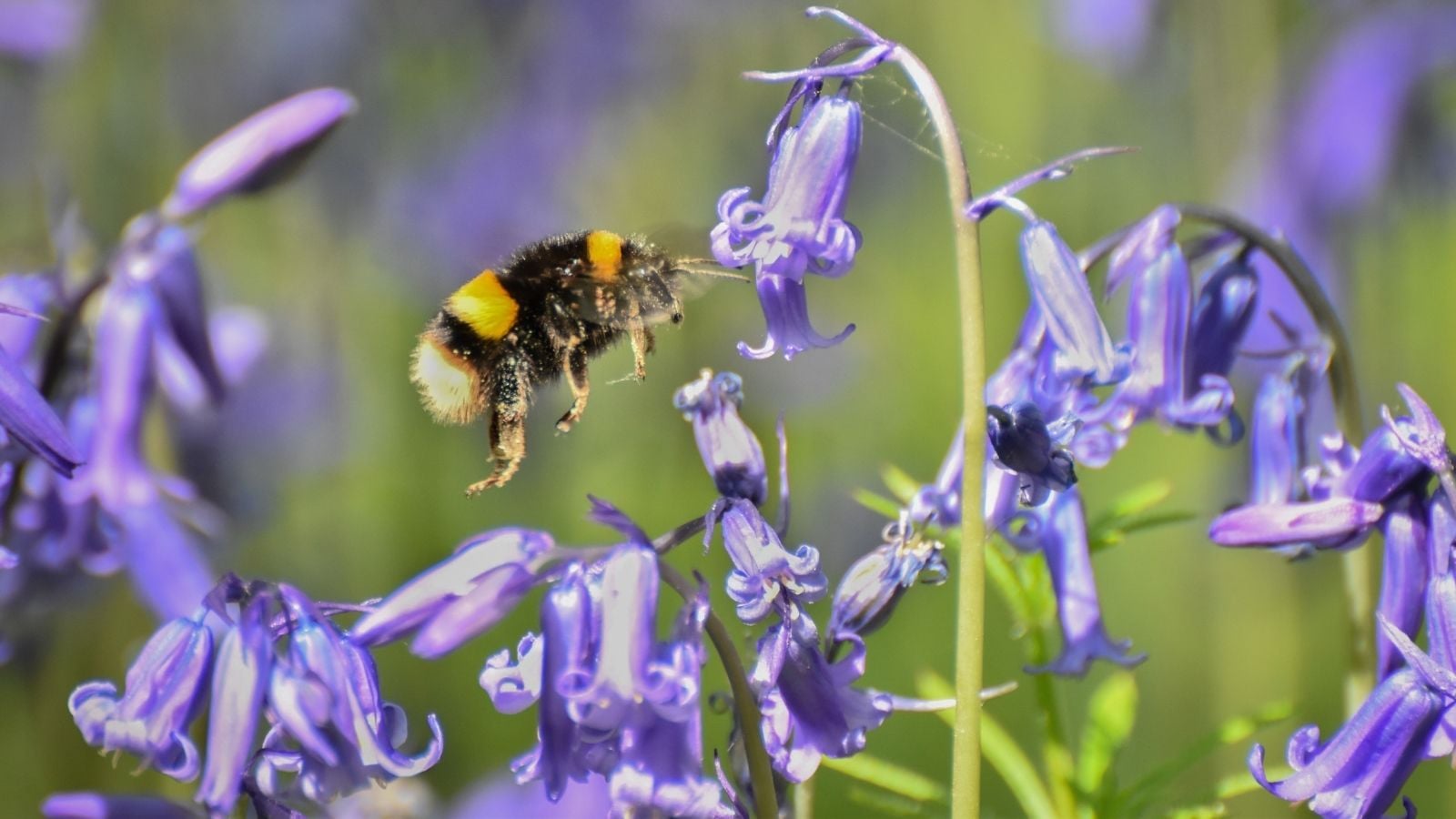
Perhaps the biggest reason some people are against spreader-stickers is because of the increased risk to pollinators. Spreader-stickers are a wetting agent, which means they keep pesticides and fungicides wetter for longer.
Most pesticides are dangerous to pollinators until they’re dry, so if you use a spreader-sticker with them, you’re prolonging the “danger zone” and risking making every treated weed and your plant leaves toxic to bees, butterflies, and other pollinators that may land on them. You can mitigate the risk by applying the chemicals when the pollinators aren’t active, but the product will stay wetter longer than usual.
A similar issue is that some products can leach into nearby water sources and may be listed as toxic to fish or other animals in large quantities. Read the spreader-sticker’s label before using it to determine if it will be safe for the wildlife (or pets) in the areas you plan to use them. Especially if you live near major waterways, you may want to search for another answer.
It’s important to read the label of the chemical you want to add spreader-sticker to before you mix. If fungicides, pesticides, or weed killers already have spray adjuvants in them, higher chances for growth problems exist. If you notice any burning or dying after using a product you mixed a spreader-sticker into, check the product label.
Effectiveness
The effectiveness of spreader-sticker spray is sometimes considered questionable. Some gardeners swear by them, while others don’t see a difference in the effectiveness of a pesticide or fungicide when they use them.
Similarly, several factors may change their effectiveness. Application should be evenly distributed and the plant or weed should be fully covered. Rain, spraying with water immediately after application, and even the brand of the adjuvant can change the success of a sticker. No two gardens are quite the same, so what works for one person may not work for another.
Factors That Lower the Effectiveness of Spray Adjuvants

If you mix a sticker in high volume with a particular herbicide, fungicide, or pesticide, it could remove the ability of that chemical to carry out the control you’re using it for. You don’t want to spend a ton of time applying a spray treatment only to find that the effort was wasted.
Often the label of the treatment you’re spraying will have information about specific sticker spray to use. If the label has faded due to contact with water or sunlight, you can easily find one online. Many companies know that certain chemical combinations will eliminate the efficacy of a treatment or control.
While rain can be a good thing when it comes to using a spreader-sticker in your chemical control or treatment, certain stickers contain latex that is water-soluble until it dries and the chemical spray adheres to a plant or your lawn. Contact with water will actually wash these off a leaf rather than help them adhere.
Lack of sunlight can also affect how well a spray of chemical-sticker mix remains on a plant. If your sticker is a terpene-based chemical, you may have to carry out multiple applications for the chemical to exhibit the highest performance. Finally, how you store them will sometimes preserve or limit their strength. Remember to read the label, or consult the manufacturer’s website for details.
Should You Use Spreader-Stickers?
We’ve talked about how spreader-stickers are used and their pros and cons, so the question remains: should you use applications for better chemical adhesion? It can be difficult to decide, especially when it seems like every gardener says something different about them!
Every gardener should do what they think is best for their garden. While most people do, here are a few things to consider.
Environmental Concerns
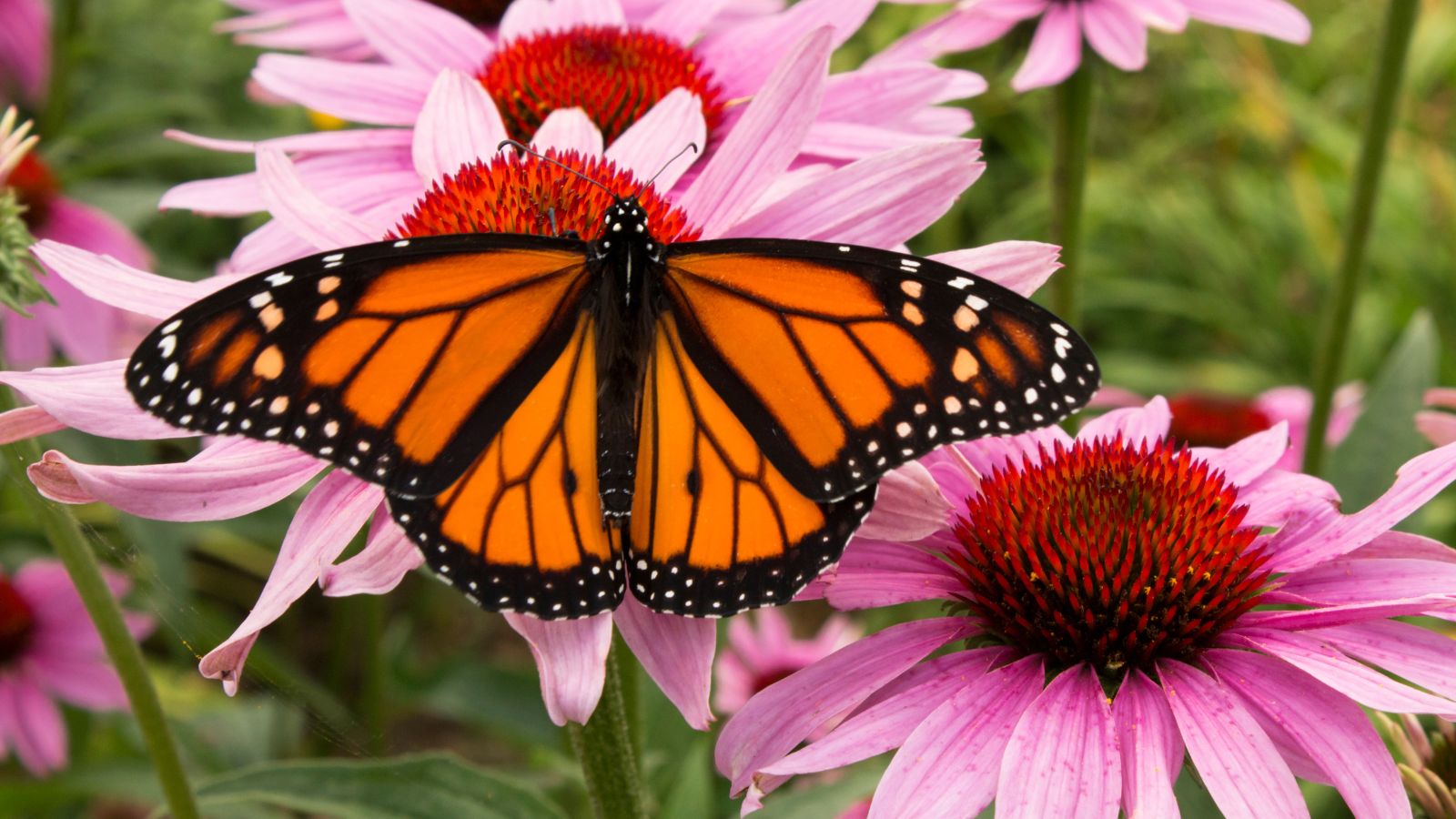
As mentioned in the list of cons, chemical spreader-stickers aren’t totally safe for pollinators and other wildlife. Consider all the ways your spreader-sticker usage may affect the ecology around you. If you have concerns about using it to control pests, disease, or weeds, then it may not be the right product for you.
Time and Money

Time and money are both luxuries we can’t always afford. Spreader-stickers have the reputation of being a cheap and convenient way to accomplish more in the garden. It’s true that spreader-stickers increase the effectiveness, absorption, translocation, and sticking of herbicides, pesticides, and fungicides. However, if pest control measures like these come into conflict with the health of your garden, it may not be a worthy solution.
Availability

Some parts of the US don’t use spreader-stickers, so they may not be readily available to you. Shipping costs might affect affordability, so you may need to research if you can buy spreader-stickers locally or if you’ll have to shop online. What’s more is that certain stickers are illegal in varying states. You may not be able to locate a sticker to mix with fungicide because distribution of that sticker is not allowed in your state.
Remember that many products already have spreader-stickers in them, so they may not even be necessary. Know ahead of time which product you want to use so you don’t end up wasting time and money on an adjuvant you don’t need.
Avoid DIY Spreader-Stickers

Some people want to use spreader-stickers but don’t necessarily want to pay the price. The internet offers many questionable gardening “hacks” that happen to do more harm than good, and spreader-stickers are one of them!
Avoid using castile soap or dish soap as an adjuvant. You may hear that adding dish soap to organics such as neem oil or spinosad will help improve absorption, but that’s not the case.
Soaps contain an array of chemicals that may negatively react with the chemicals in the product you’re using (whether it’s natural like neem oil or synthetic like pesticide) and can burn or damage your plants. DIY alternatives can do just as much damage as a proper spreader-sticker might, so it’s best to avoid them altogether.
Frequently Asked Questions
What does a spreader sticker do?
A spreader-sticker allows pesticides and other chemicals to stick better and not wash away in the rain.
Is spreader sticker the same as surfactant?
Spreader-sticker is a type of surfactant called a wetting agent that makes chemicals stay wetter longer.
Is soap a spreader sticker?
Soap is not a spreader-sticker. Many people say you can use it as one, but it can hurt your plants, so it’s not a good idea to use it.
How do you mix a spreader sticker?
The ratio will depend on the specific product, but most spreader-stickers require 1-2 teaspoons per 1 gallon of pesticide (or other product).


