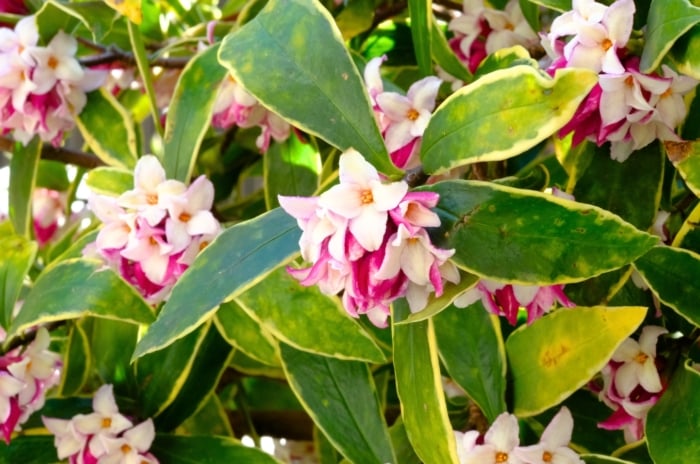
15 Gorgeous Trees to Plant in Fall: Selection and Planting Techniques
Fall is the season for planting! That’s right, it is fall and not spring. Fall-planted trees grow more roots than spring-planted ones, and they perform better during the growing season. Pick from one of these 15 gorgeous trees from longtime landscaper Jerad Bryant.

Contents
I was the tree guy at the wholesale nursery I worked at in Oregon. During that time, I staked them, cared for them, and pruned them selectively. The saplings were my babies, and I wanted them in the best conditions possible for our clients.
Before caring for trees at the nursery, I worked as a landscaper. I planted trees alongside a team, and we cared for landscapes with attention to detail. Having seen hundreds of gardens, I know that a well-placed tree can do wonders for the yard!
Fruit, flowering, and shade trees offer unique characteristics that make them perfect for all types of gardens. Which is right for your garden depends on what you’re looking for. Add shade, beauty, and edible crops with these trees for fall planting.

Selection and Planting
Pre-planning goes a long way when planting trees in the fall. It starts with choosing the right site and the best tree. Some gardens may tolerate two or more saplings, and now is a great time to fill the yard with trees. Use the fall season to your advantage with a pre-winter planting.
Choose the Right Tree
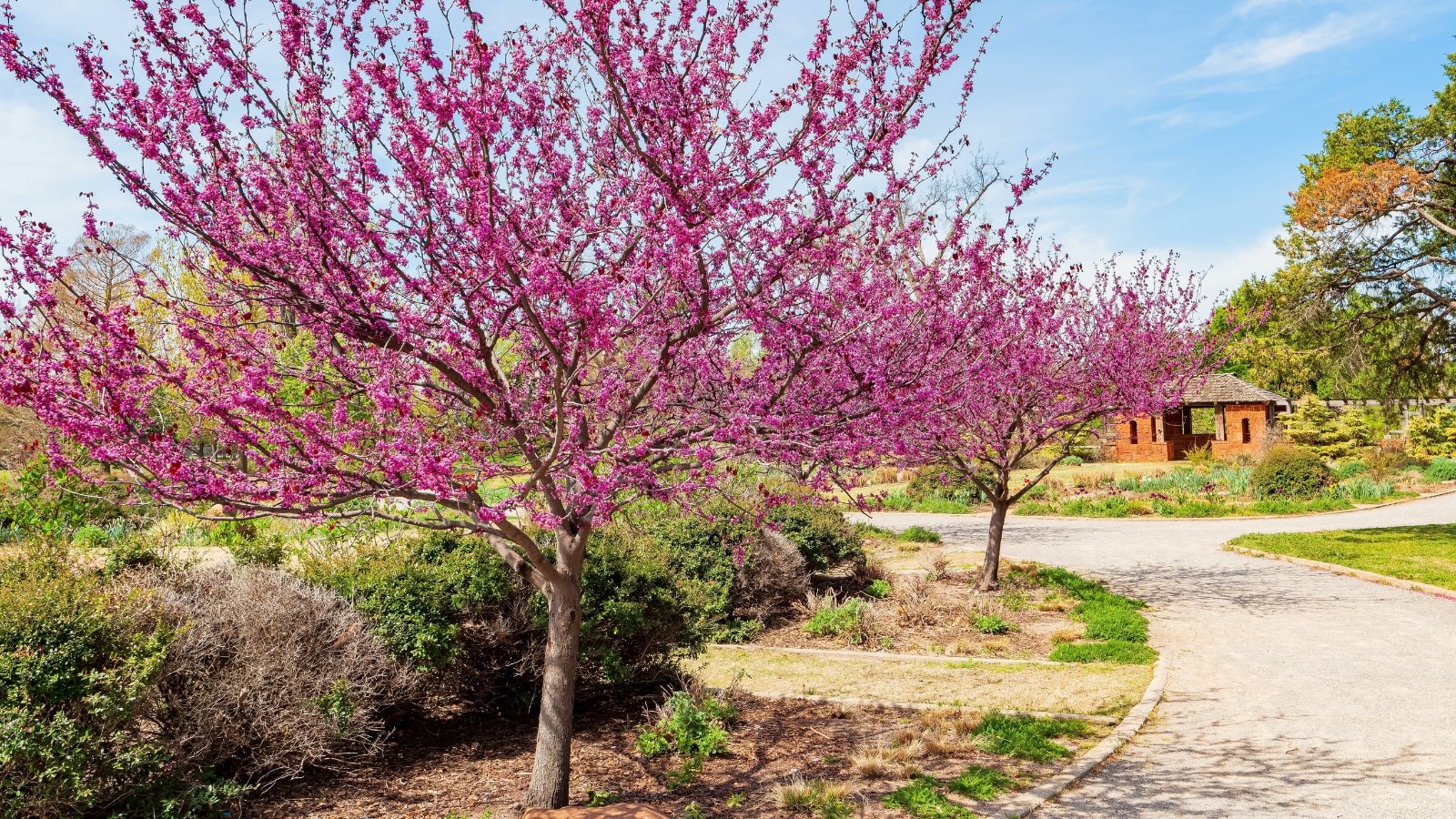
Before you select your trees for fall planting, start with your yard. How big is it, and what types of soil does it have? Most landscape trees fare well with garden loam, though some tolerate sandy or clay-rich soils. Also, consider the light levels. Is it sunny all day, or is there shade from other trees?
The right tree depends on what you’re looking for. Flowering trees often offer both shade and gorgeous flowers, though they tend to be deciduous and lose their shade-giving leaves in the fall. Shade trees are deciduous or evergreen, and they offer dense shade from their thick canopy.
Fruit trees offer fruit, shade, and ornamental blooms! If you’re looking to start a home orchard, fruit trees are ideal for fall planting. They offer dwarf and semi-dwarf varieties that fit into gardens of all shapes and sizes.
Prepare the Site
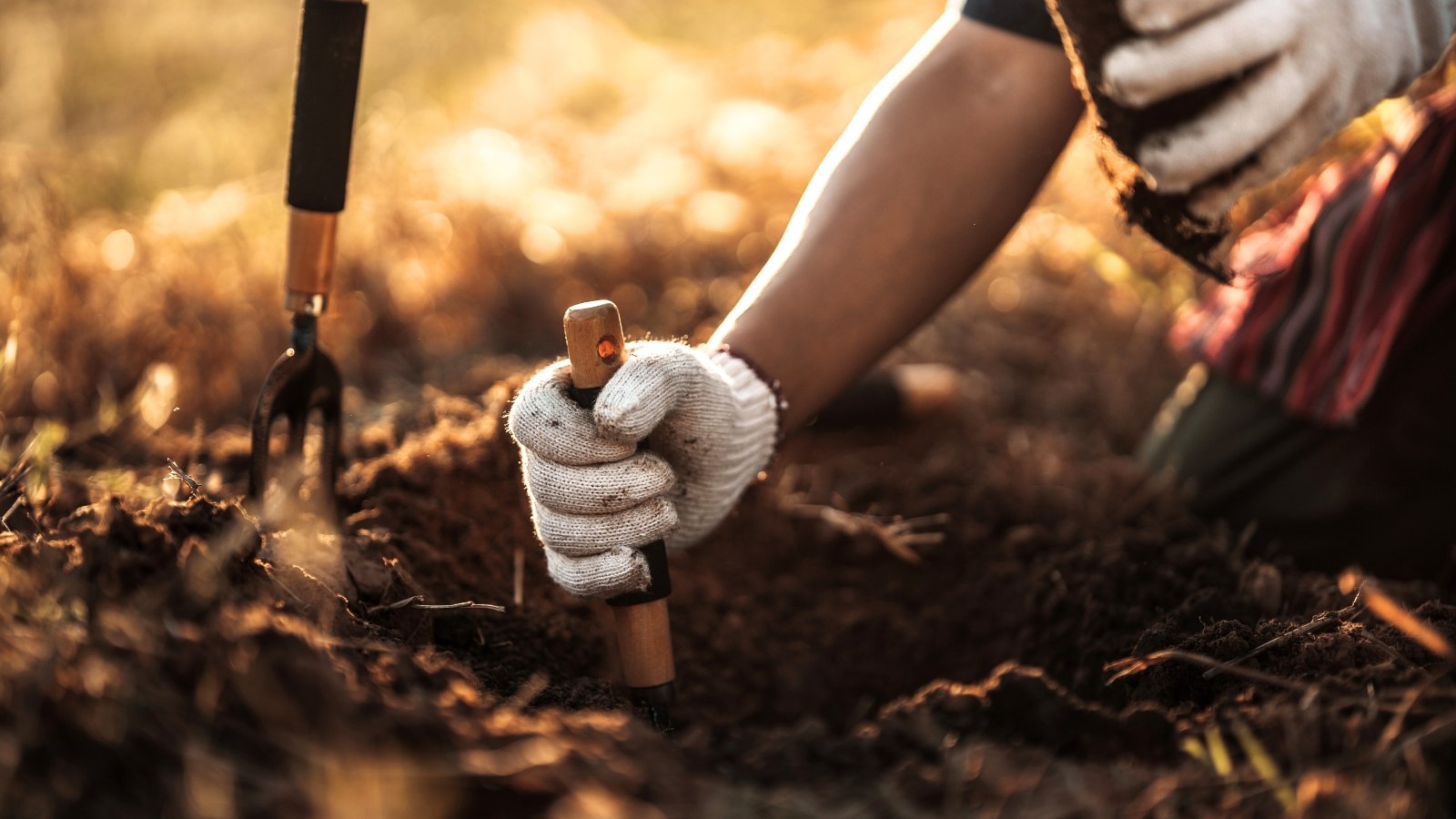
After the selection process is complete, it’s time to prepare the area for planting. Choose a sapling with a small rootball for easy transplanting. Or, go for a big specimen that requires some extra work but delivers instant beauty.
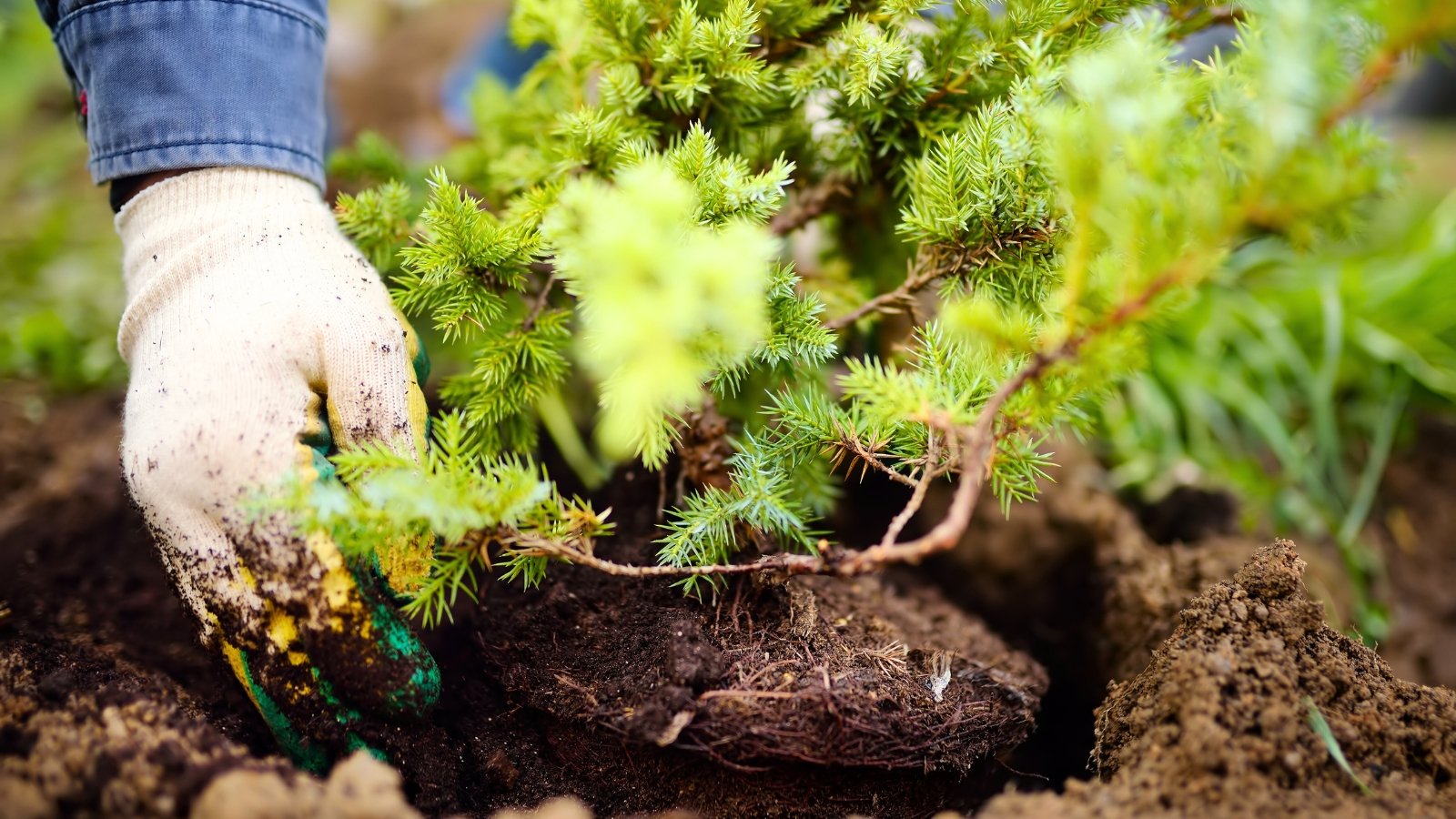
You’ll need to dig a hole as deep and twice as wide as the tree’s rootball. Use the size of the container to determine how deep and wide to plant. If you’re selecting B&B or bare-root material, use their roots to judge how big the hole should be.
Don’t amend the hole with compost. This is a common planting malpractice that may discourage roots from growing outside of the hole. Use the garden’s native soil, and wait to add compost until after planting.
Some young saplings require staking. Add stakes now so you can dig them deep into the ground and anchor them in the soil.
Transplant
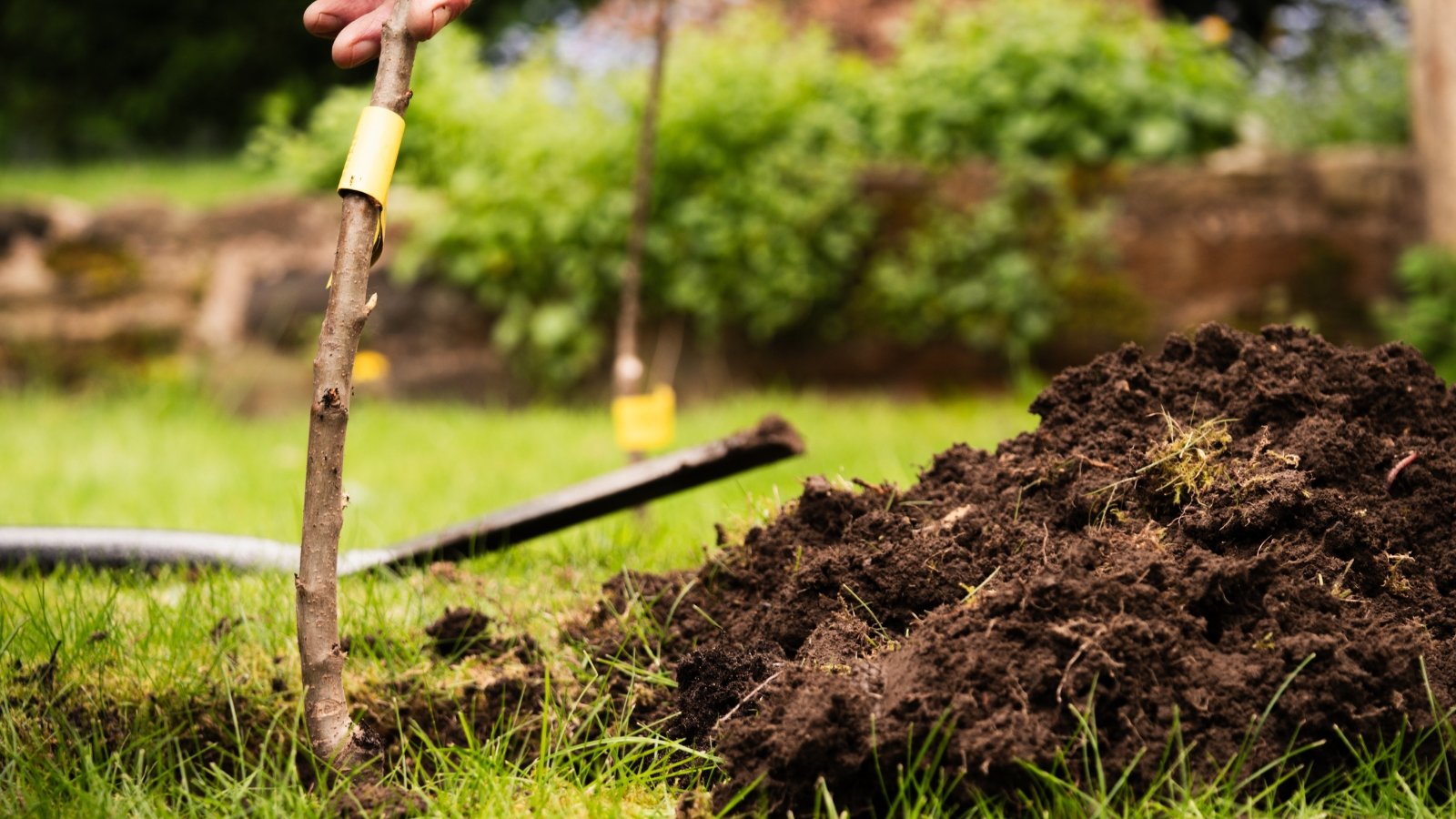
Remove your tree’s roots from the container, then set them inside the planting hole. Backfill soil while holding the tree to keep it upright. Once the soil reaches the top, water the hole well and watch to see if the soil sinks.
If the soil sinks, add more on top of the hole to make it even with the surrounding earth. Be sure not to bury the trunk under soil, and not to raise the roots above the soil line. Place the young tree so it’s level, with roots below ground and the trunk above ground.
Winter Care
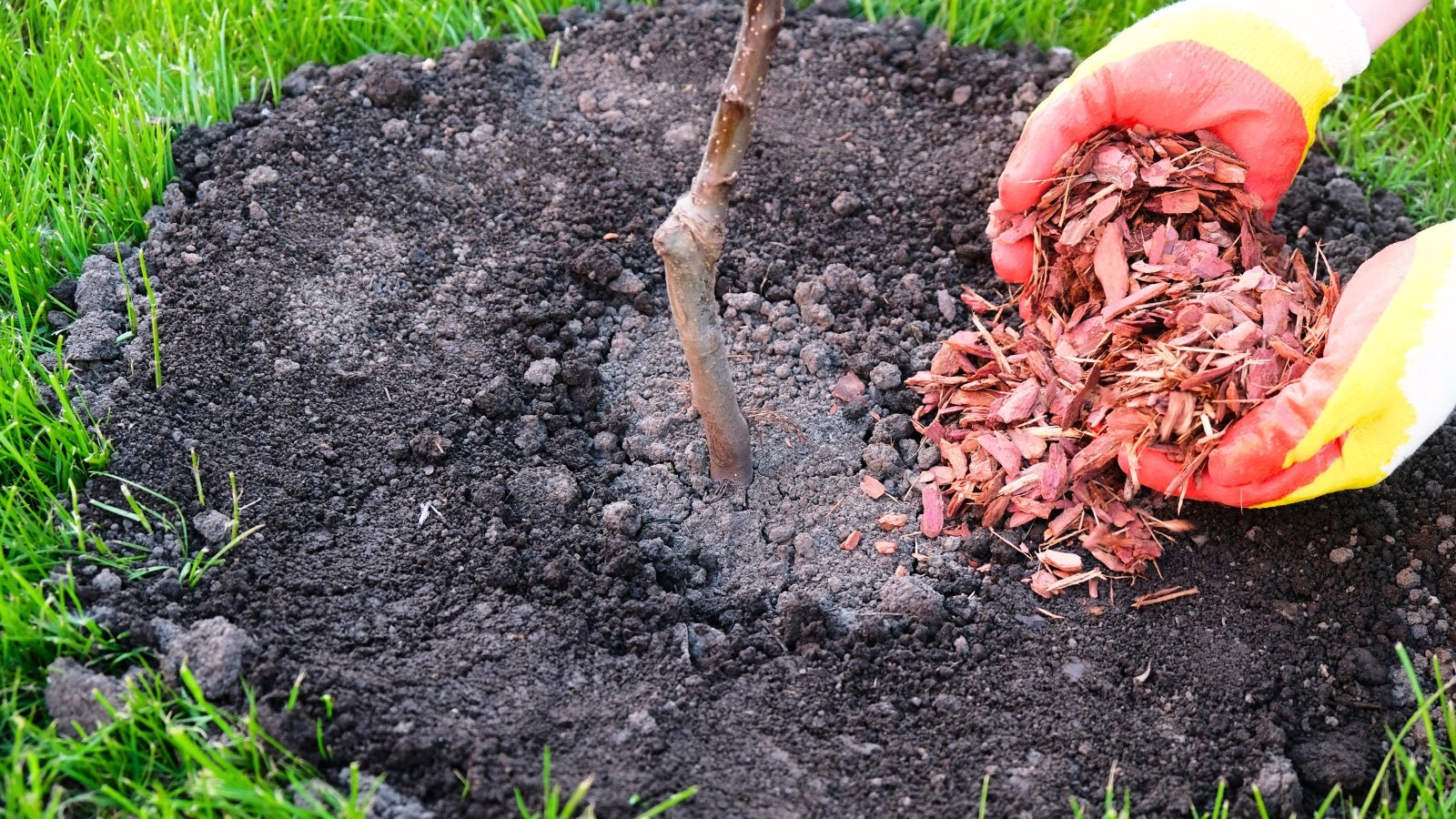
Add mulch after planting to keep the trees warm and insulated throughout the fall and winter seasons. This will encourage rapid root growth that anchors your freshly transplanted sapling to the soil. Organic mulch is ideal, as it both feeds and insulates the earth.
One of the best organic mulches is compost. Make it yourself at home out of food scraps, fallen leaves, and garden clippings. Other mulches, such as wood chips, straw, and fallen leaves, work instead of compost.
Fruit Trees
Add delicious fruit and gorgeous blooms to the fall garden and plant a fruit tree. These fruiting species grow well in home gardens, as there are big or small varieties for yards of all sizes. Some species require you to plant two trees for efficient pollination and fruit set.
Apple
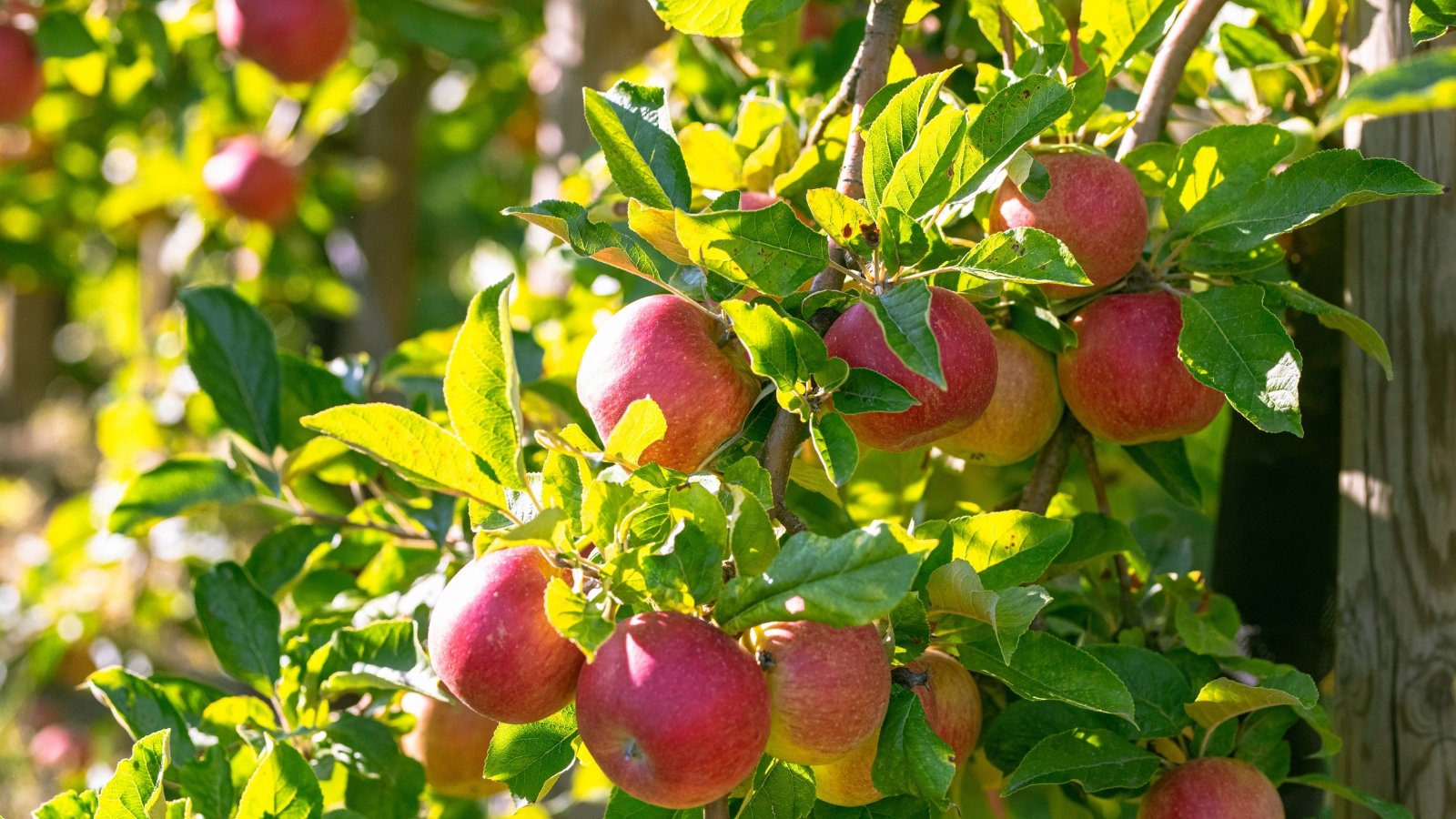
Apples grow best in temperate gardens across the U.S. that have cold temperatures during winter. Most apples require you to plant another tree for efficient pollination.
A select few apples are self-pollinating, like ‘Granny Smith’ and ‘Anna.’ ‘Anna’ works well in warm states with few cold hours in winter, like Florida and Southern California. Choose these if you only have space for a single tree.
Otherwise, select two apple cultivars that pollinate each other. Try a classic combination of ‘Fuji’ and ‘Honeycrisp’ for red and yellow apples with incredible flavors and textures.
Pear
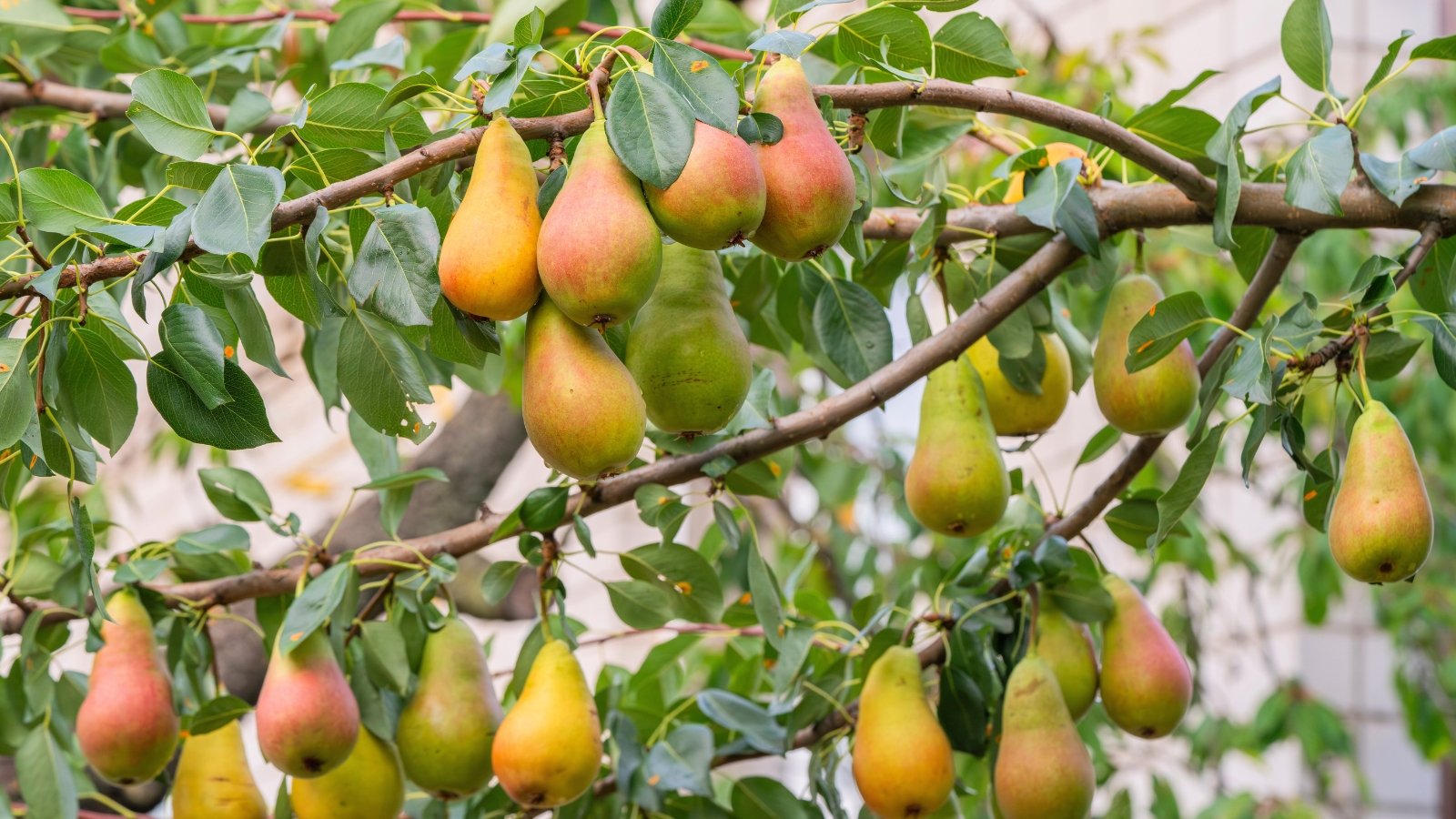
Pears, like apples, are superb for the yard. They come in standard, dwarf, or semi-dwarf sizes, and there are a few self-pollinating varieties. Most pears require you to plant two compatible varieties for efficient pollination and fruit set.
Pears tend to grow tall and upright, and they’re less sprawling than apple trees. Give them a site with plenty of room and let them grow tall if you don’t need the fruit. If you want to harvest pears, plan to prune them and keep them at a reasonable height.
Plum
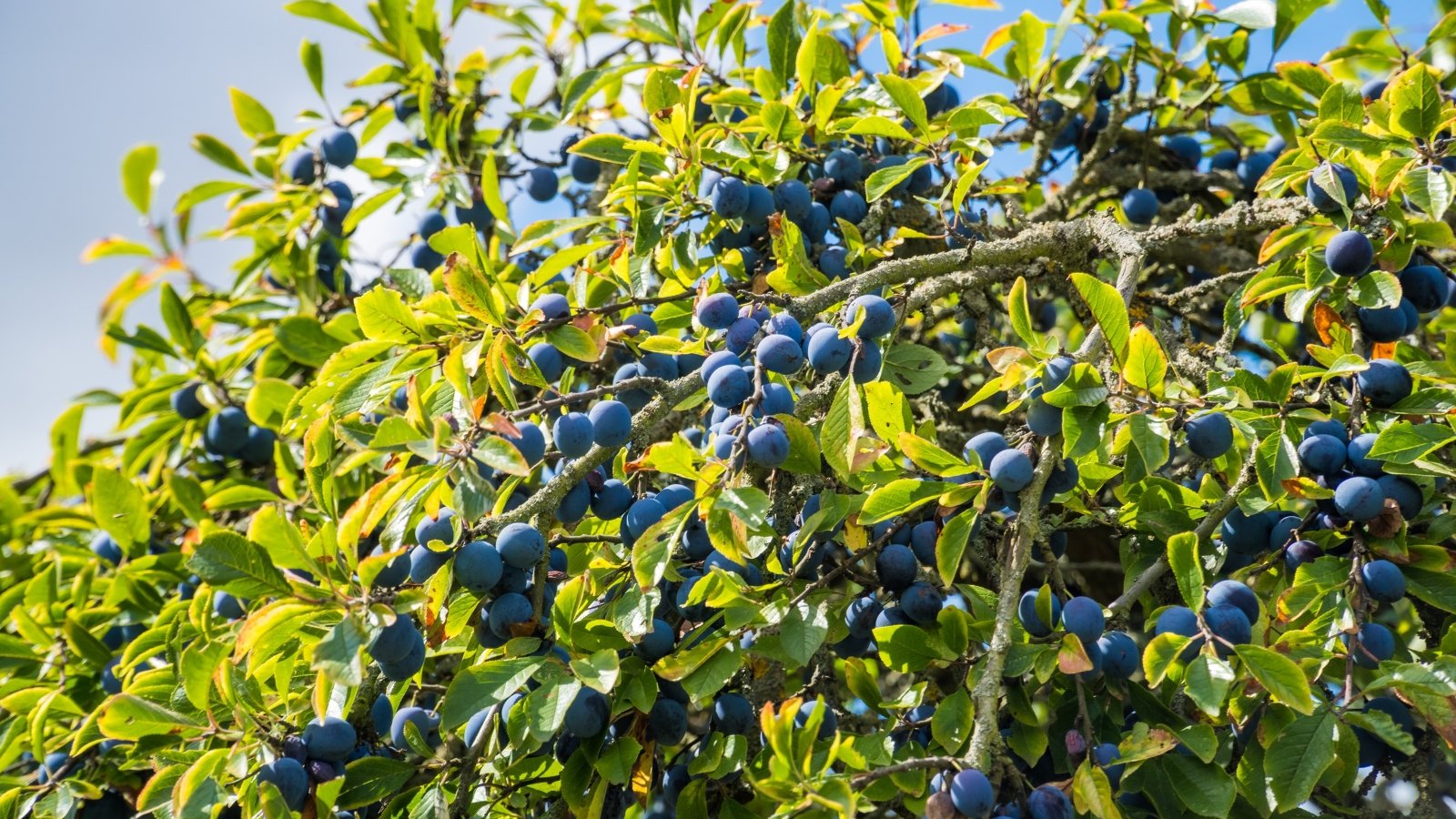
What’s not to love about a plum? They’re soft, sweet, and juicy. A ripe plum can make your summer sorrows drift away. Simply pick it, eat it, and throw the seed in the yard.
A home-grown plum doesn’t compare in flavor to store-bought ones. You’ll need to grow one yourself to see the difference.
Plums are also self-unfruitful, and they require two trees for efficient pollination. Select two plums and plant them near each other.
Cherry
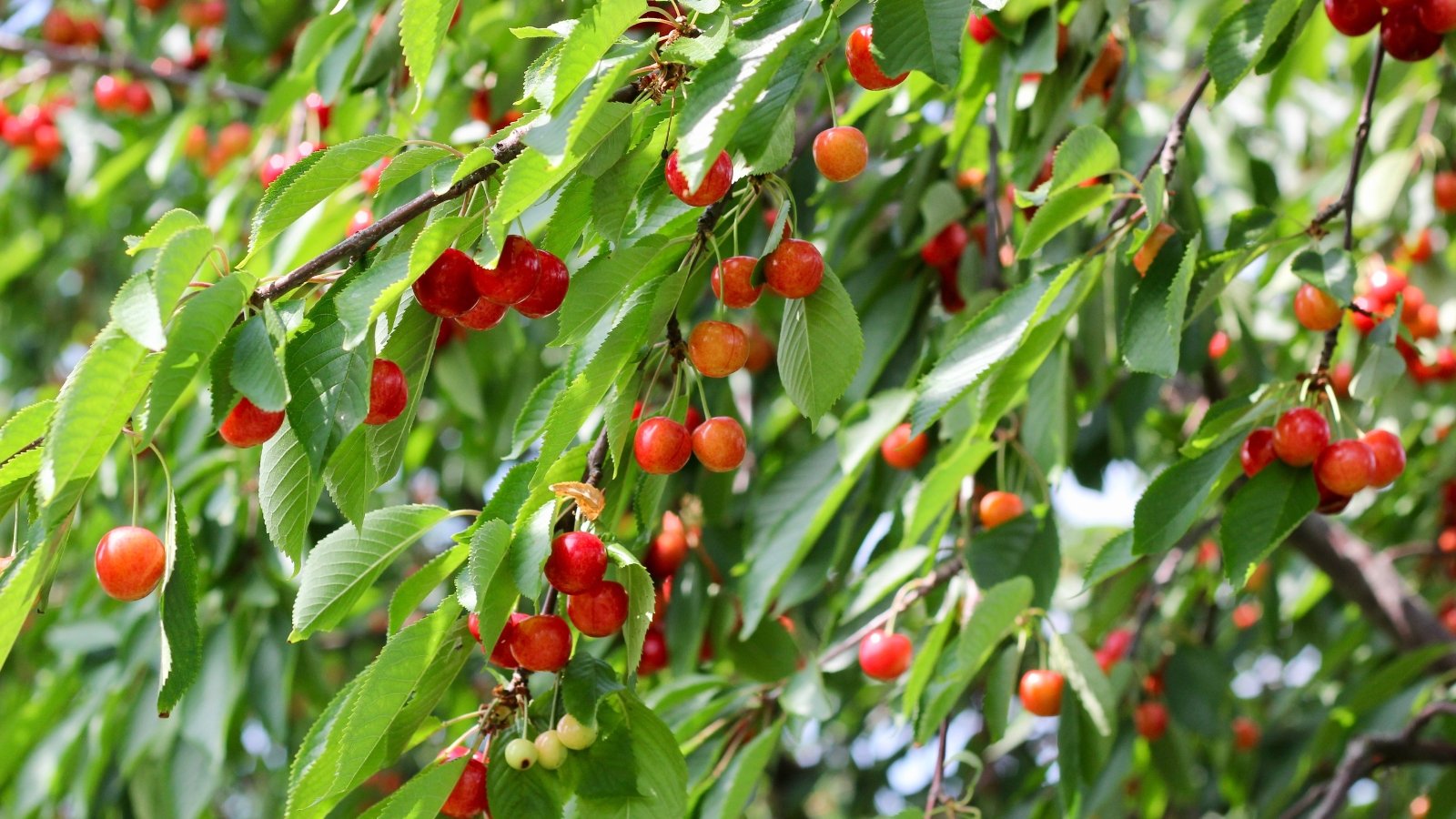
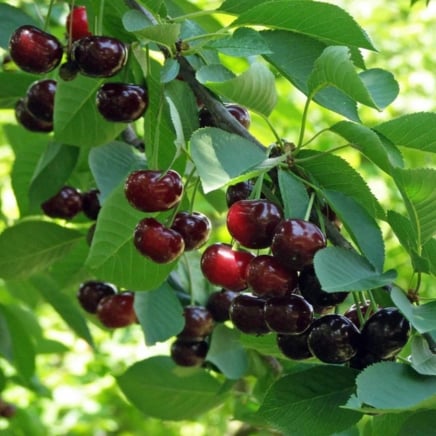
Cherries, whether tart or sweet, are prolific growers and ideal trees for fall planting. A single tree can grow hundreds of cherries for you to enjoy. Which type is best for you depends on your taste and cooking preferences.
Sweet cherries are best for fresh eating, while tart cherries work well in jams, jellies, preserves, and pies. Tart cherries are self-pollinating, while sweet cherries require you to plant two trees next to each other for good fruit set.
Fig
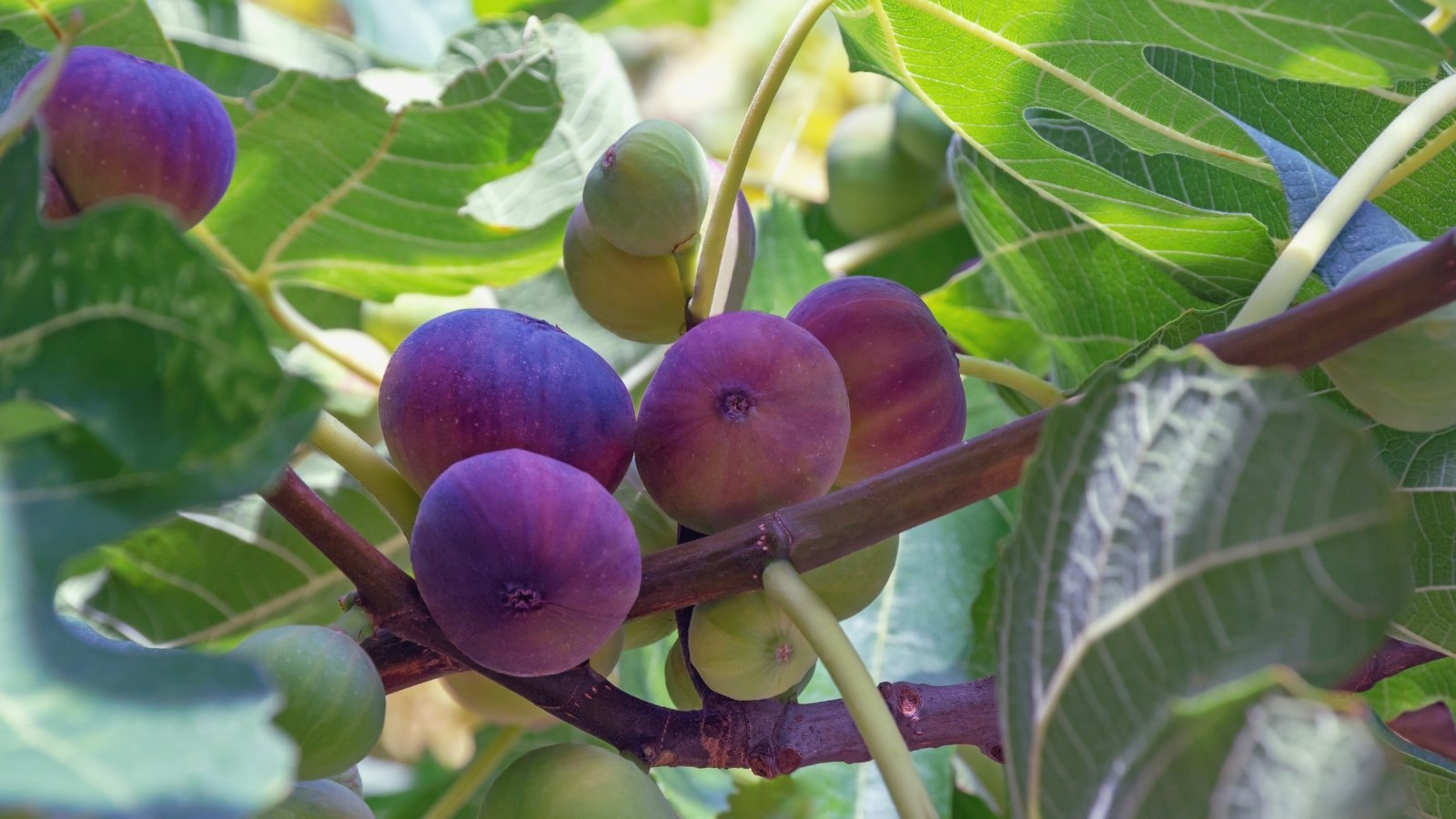
Fill the yard with gorgeous, delicious figs! These deciduous trees tolerate a beating during the winter, and planting them in the fall gives them a head start on the growing season.
Many types of figs exist, and they all tolerate harsh pruning like the other fruiting trees. Keep them small but mighty for maximum fruit production. Most fruiting figs are self-pollinating.
Flowering Trees
Why not add some gorgeous blooms to the landscape? You’re not the only one who will enjoy them, as any neighbors and visiting friends will love to see a blooming tree. The following options are deciduous, and some have flowers on naked branches in spring for a stunning ornamental effect.
Flowering Cherry
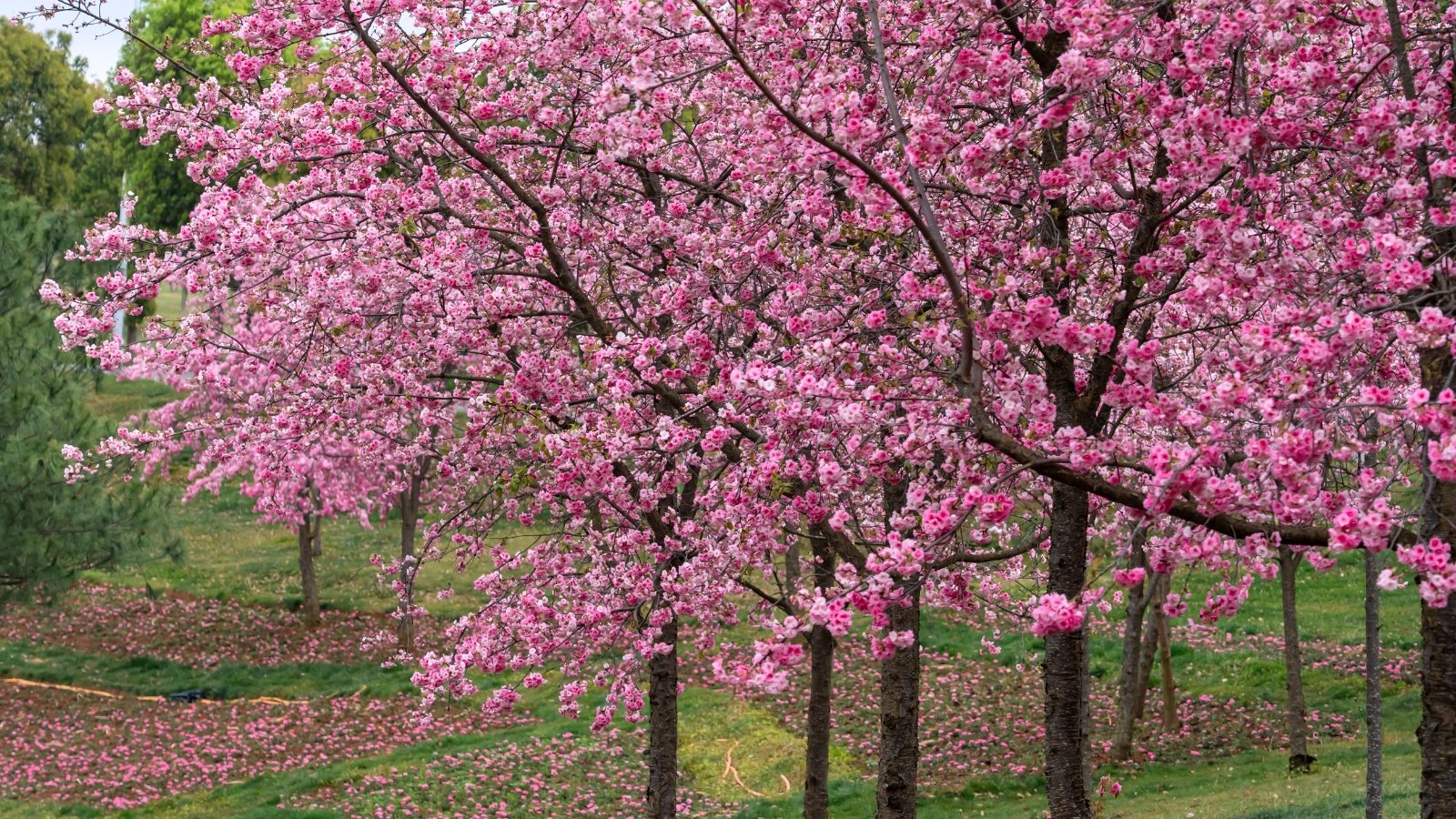
Flowering cherries are some of my favorite flowering trees. Their blooms open in early spring before the leaves grow, creating a lush and colorful effect in the landscape.
A favorite flowering cherry is ‘Kanzan.’ It features pink blooms with multiple rows of petals. They look like pink puffballs.
Other options have white, red, or pink blooms with a single or multiple rows of petals. Most have bronzey-brown leaves at first, and they turn green over the course of the growing season.
Redbud
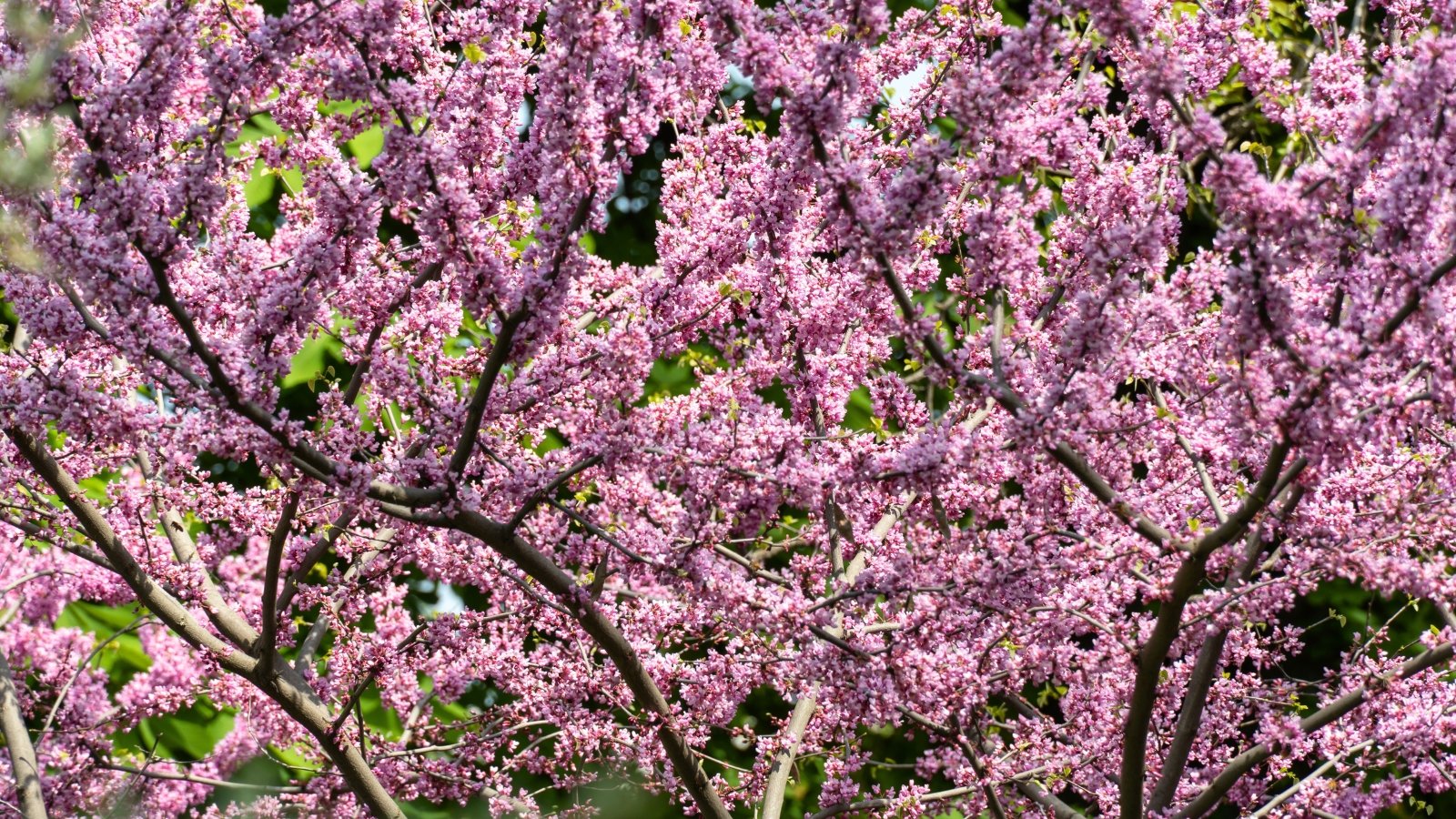
Some redbuds are native to the U.S., making them exceptional trees for fall planting. Their blooms feed pollinating honeybees, bumblebees, and sweat bees. They’re perfect for a pollinator garden where you want to lure wildlife into the area.
Choose from two main redbuds in the U.S. Try the eastern redbud, Cercis canadensis, in the eastern states, and the western species, C. occidentalis, in the West.
Tuliptree

Tuliptrees are ginormous specimens! They reach impressive heights of over 100 feet tall. Late in the growing season, tulip-like orange and yellow flowers emerge all over their branches.
Though tuliptrees are native to the northern and eastern states, they thrive outside of their range in USDA hardiness zones 4 through 9. Planting these trees in fall ensures their roots will grow thick and strong by spring.
Crape Myrtle
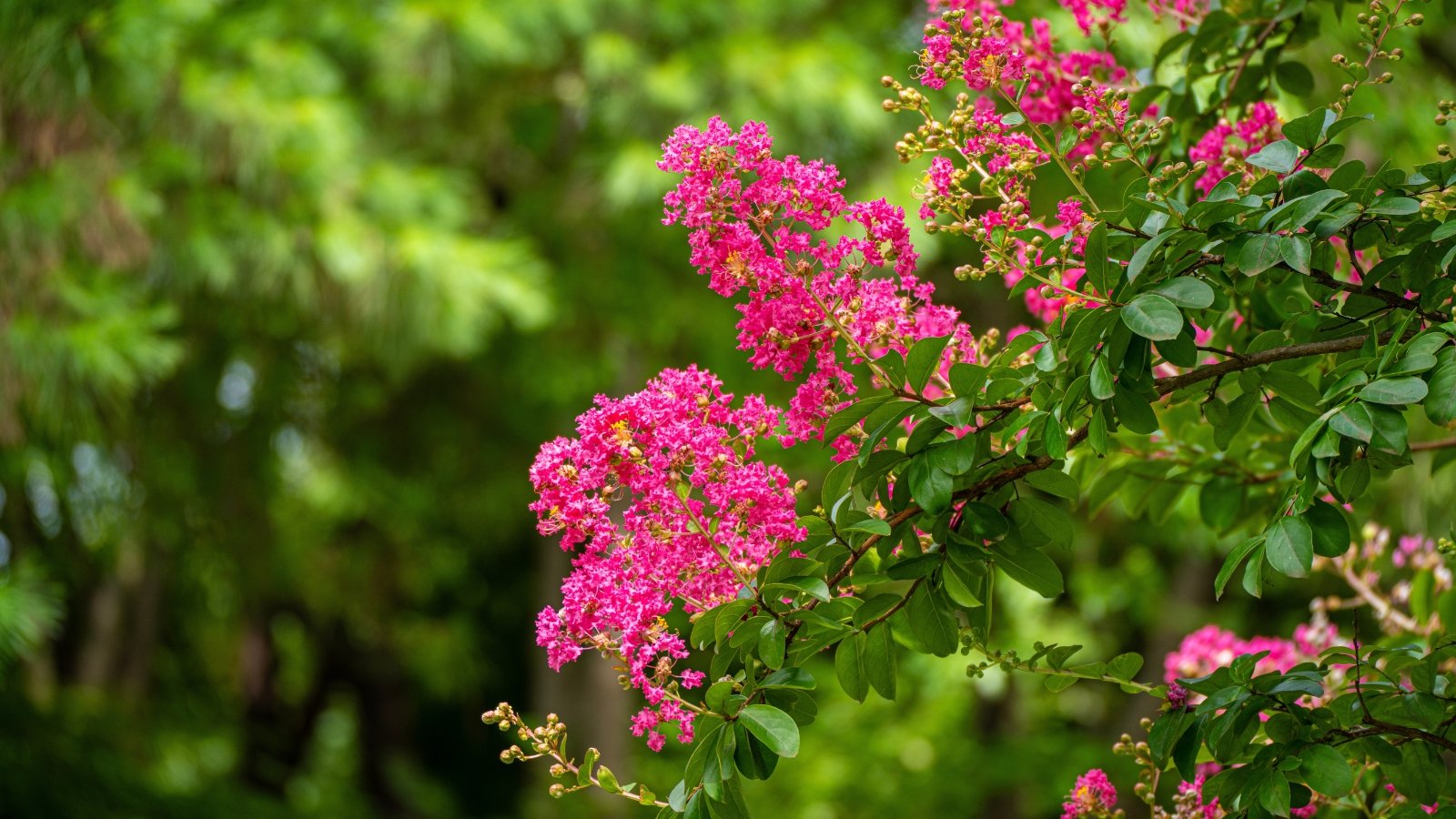
Crape myrtles aren’t native to the U.S., but they perform well in mild-winter climates. They feature long sprays of frilly blooms that shine in the late summer garden.
Crape myrtle flowers come in many colors; find ones with pink, white, red, purple, and red-black blooms. Some varieties have purple-black leaves instead of green ones, and they look incredible against dark red flowers. Go for any cultivar in the Dynamite® series for gorgeous results.
Magnolia
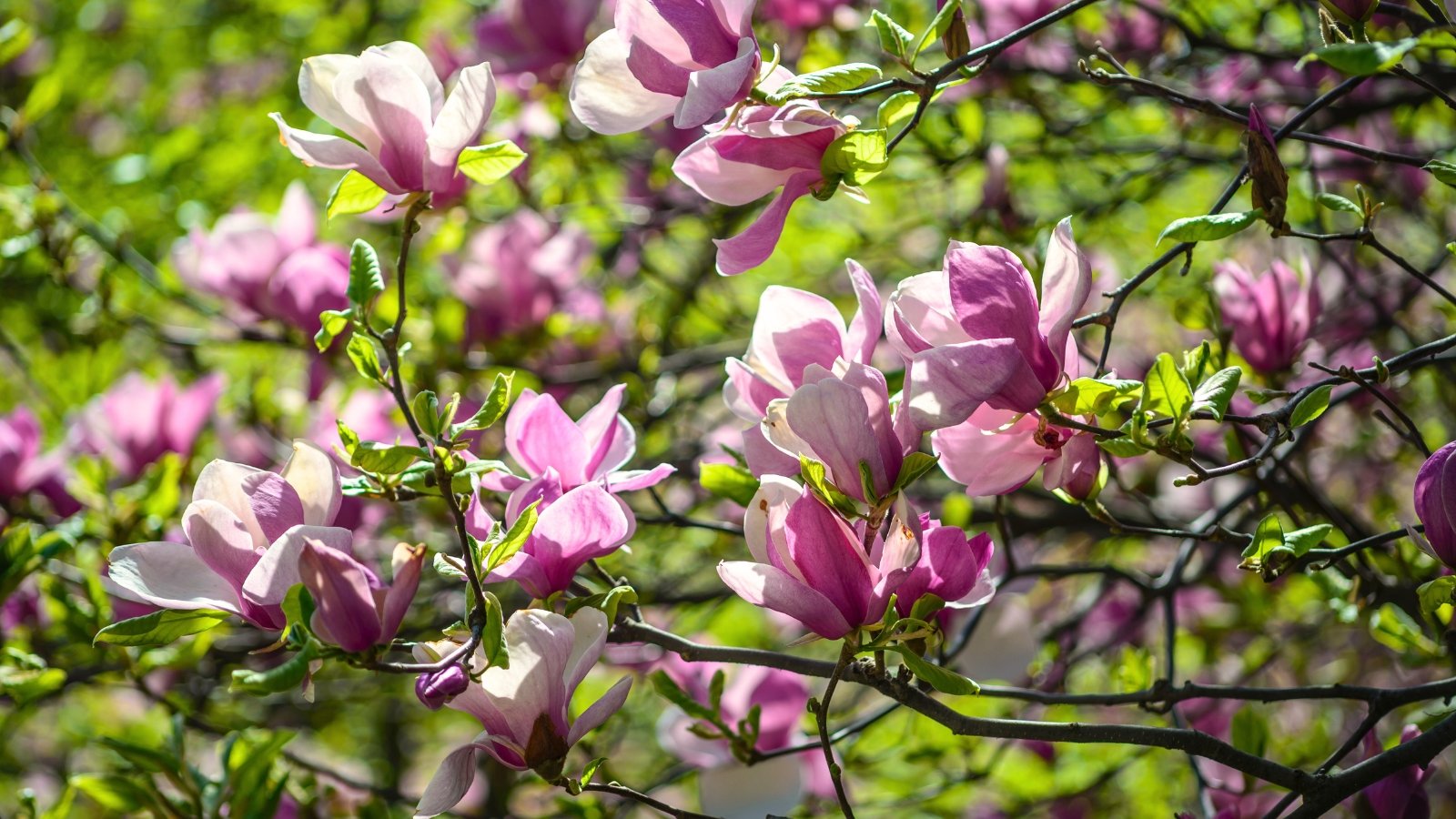
Magnolias are evergreen or deciduous, and many are exceptionally cold-hardy. Because they tend to bloom in early spring, these trees benefit most from a fall planting. They’ll bloom in full after growing in the yard through the cold months.
Try a magnolia that’s native in the states, like the sweetbay or southern magnolias. They’re both evergreen, and they feature white, fragrant blooms throughout the year.
Deciduous magnolias have blooms more gorgeous than the evergreen types. They open on naked branches like those of flowering cherries.
Shade Trees
Rounding out this list of trees for fall planting are the shade trees. These specimens offer dense shade and provide much-needed relief from the hot summer sun. They tolerate lots of sunlight, making them ideal for yards with full sun.
Maple
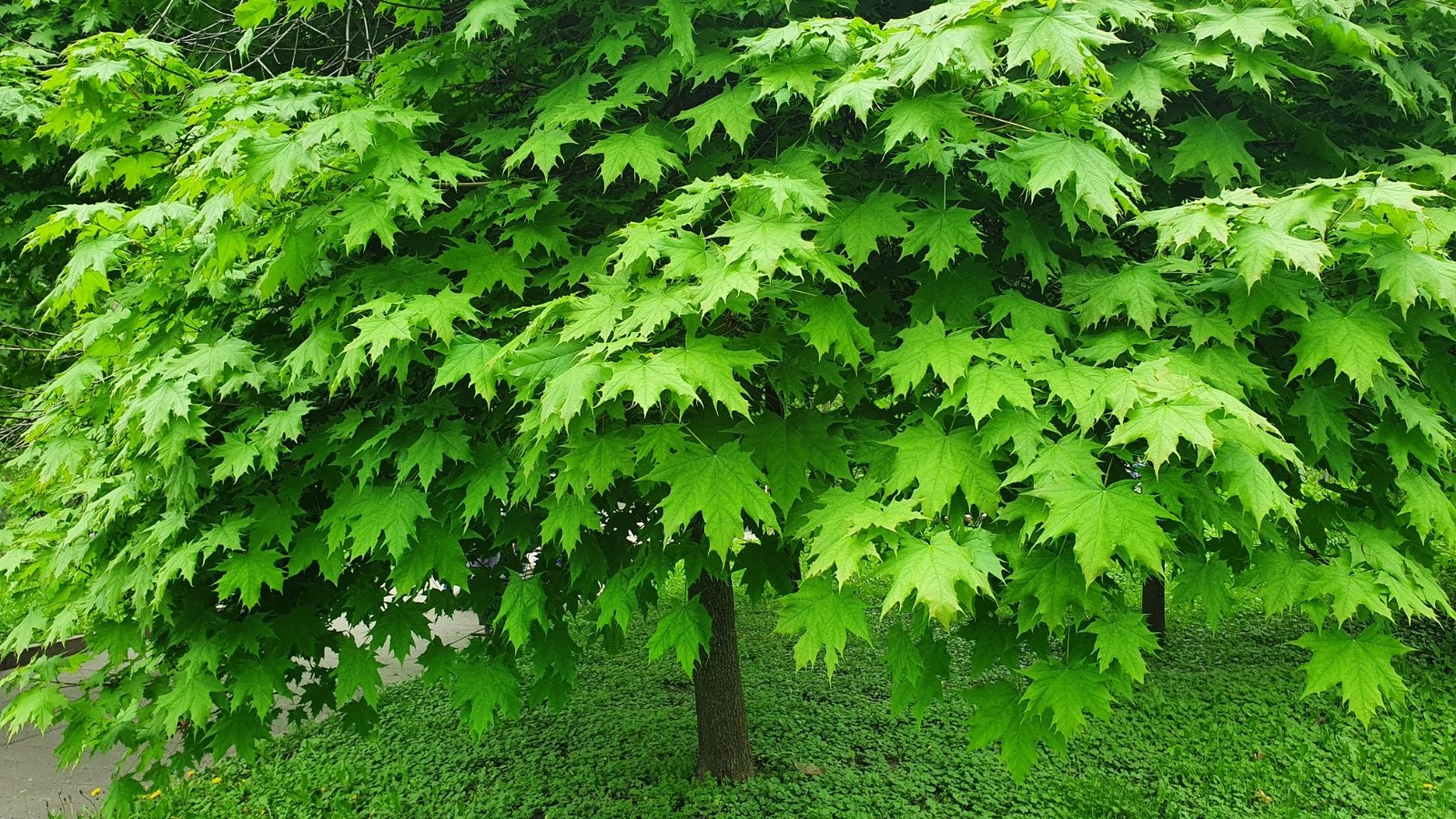
Many maples are native to the U.S., like the bigleaf maple in the Pacific Northwest or the silver maple in the eastern states. They’re often sprawling, large trees that reach well over 50 feet in maturity.
Find a maple that grows wild in your region, or select a well-behaved garden cultivar. ‘Crimson Sentry’ is a favorite that grows upright and narrow, and it features purple leaves during the growing season. ‘Armstrong’ is a green-leaved variety that’s also columnar.
Oak
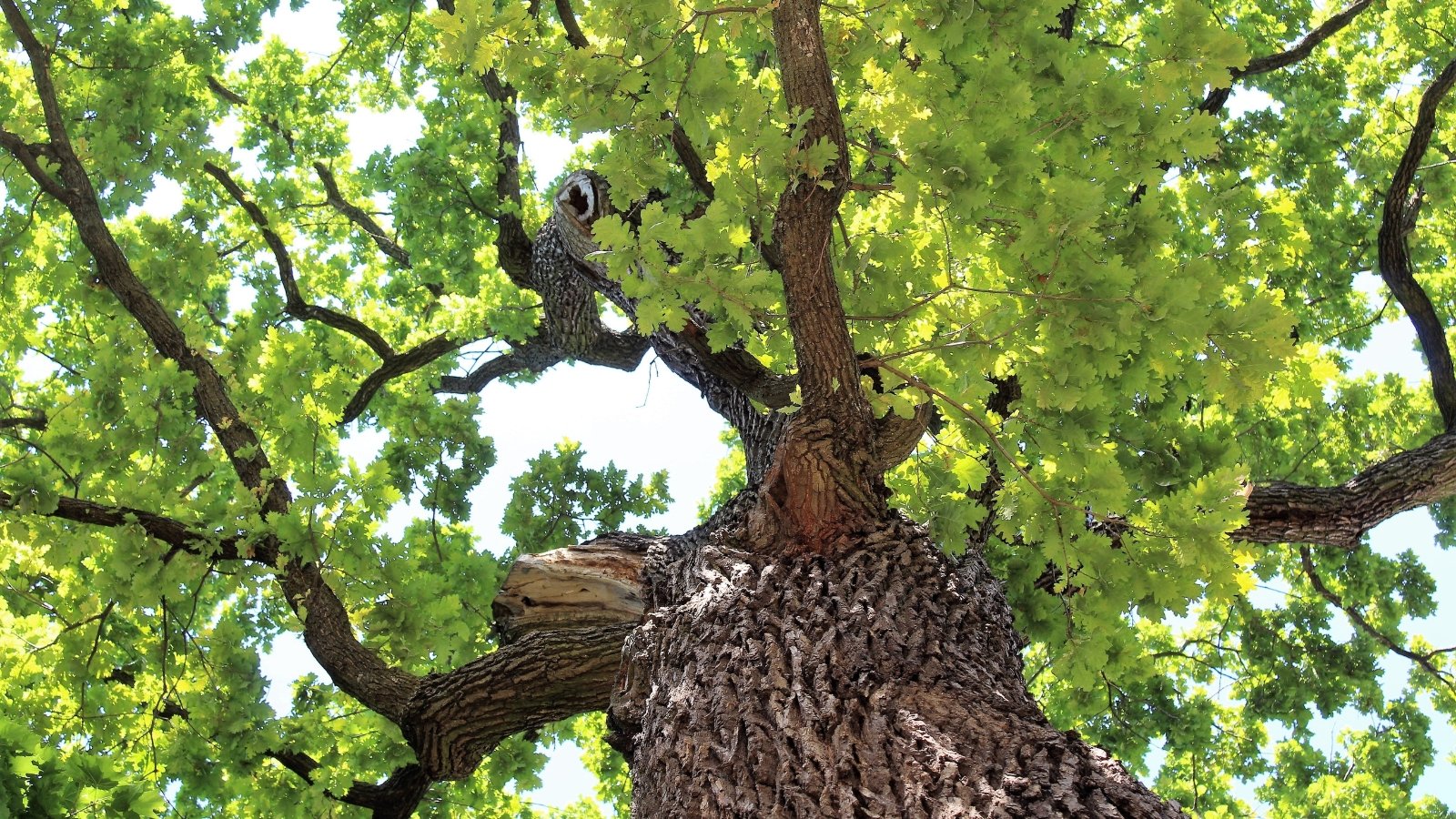
Oak trees, like maples, grow wild across North America. They’re hardy specimens that tolerate freezes, droughts, and poor soils. Oaks fill the hills of California with growth, turning bare hills and meadows into oak savannahs that host wildlife.
When you plant an oak tree in your yard, you’re choosing to help the local wildlife. Squirrels, birds, and small mammals eat the acorns. Birds of all kinds nest in the branches, from birds of prey like owls to songbirds like sparrows.
Quaking Aspen
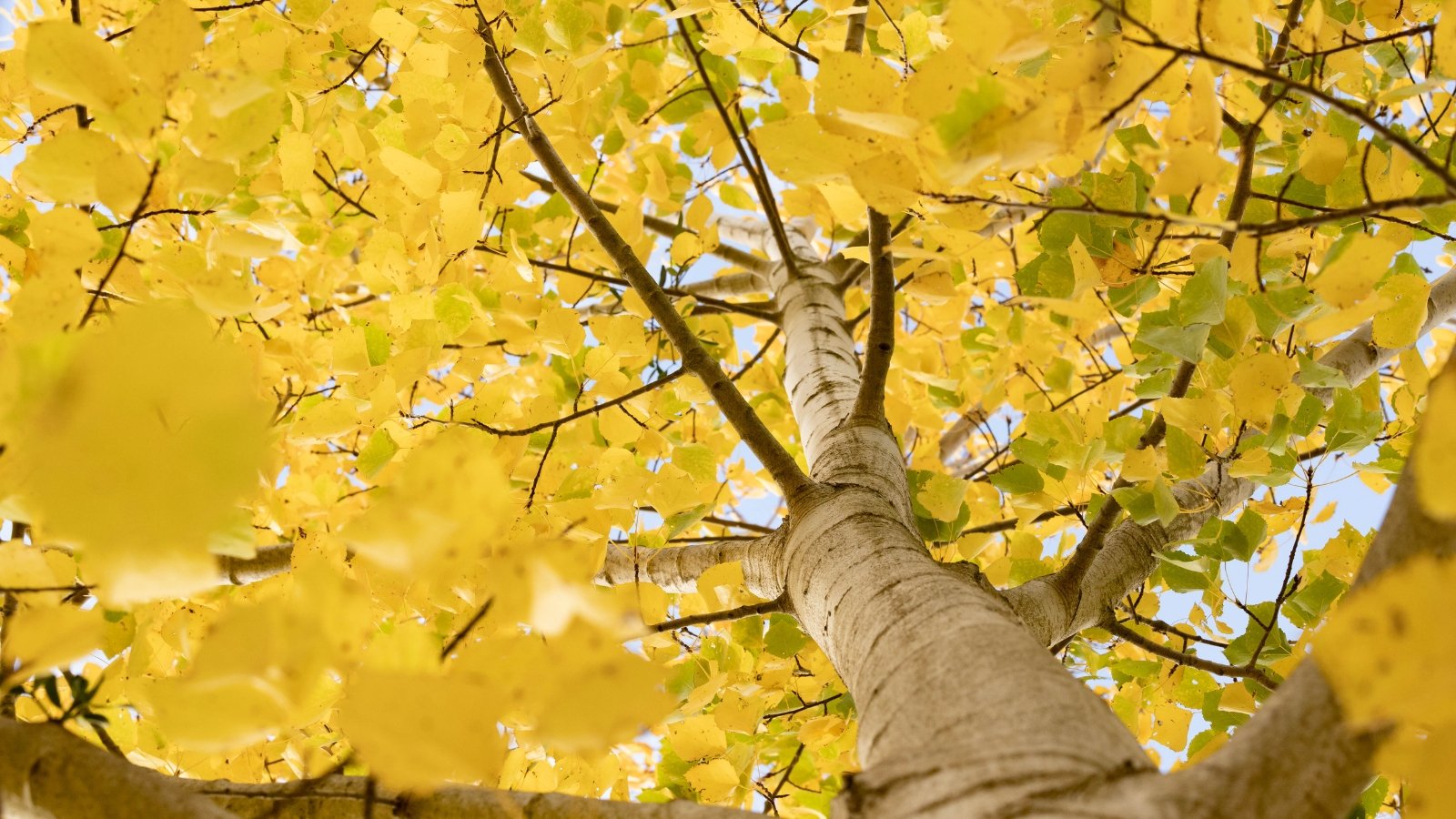
Quaking aspens are special trees. They rarely sprout from seeds. Instead, they use their roots to sprout new trunks from below ground. They’ll form giant supercolonies across many forests.
In the backyard, they’ll behave much better than in the wild. Simply cut any sprouts to limit the aspens’ growth.
These aspens have gorgeous fall color in their leaves. The green, papery foliage turns orange, yellow, and red in autumn.
Find quaking aspens available as single trunks or clumps. Clumps have multiple trunks growing near each other in the same pot. A single trunk specimen is great for a formal design, while clumps are more wild-looking.
Douglas Fir
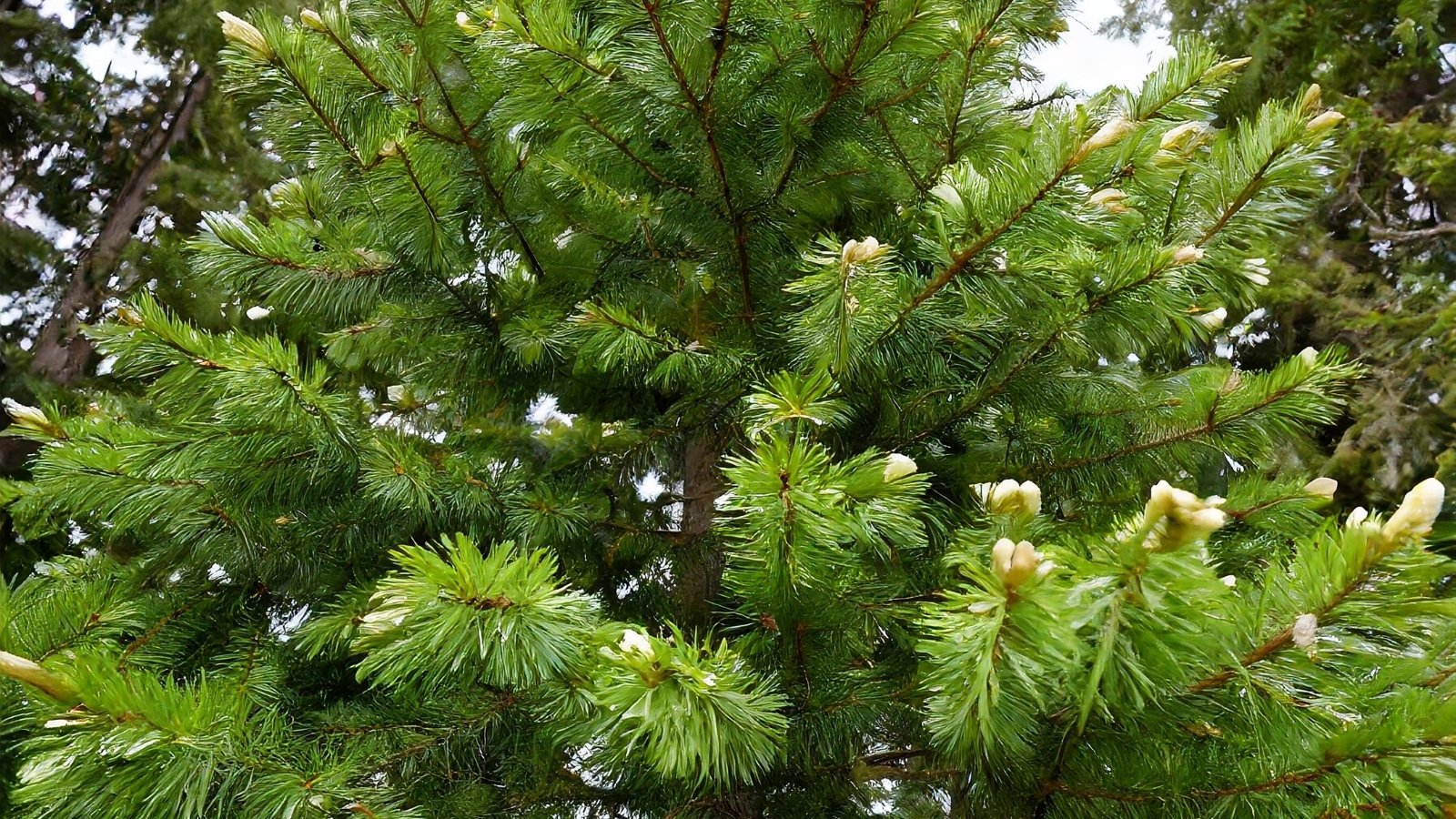
Evergreen trees for fall planting offer shade no matter the time of year. Though you likely won’t need shade during the chilly days of winter, you’ll find evergreen trees offer protection from snow and rain in the cool seasons.
Douglas firs are giant evergreen trees that are native to the western states. Lumber companies typically use them, and you’ll find commercial plantings full of them throughout Oregon and Washington.
Juniper
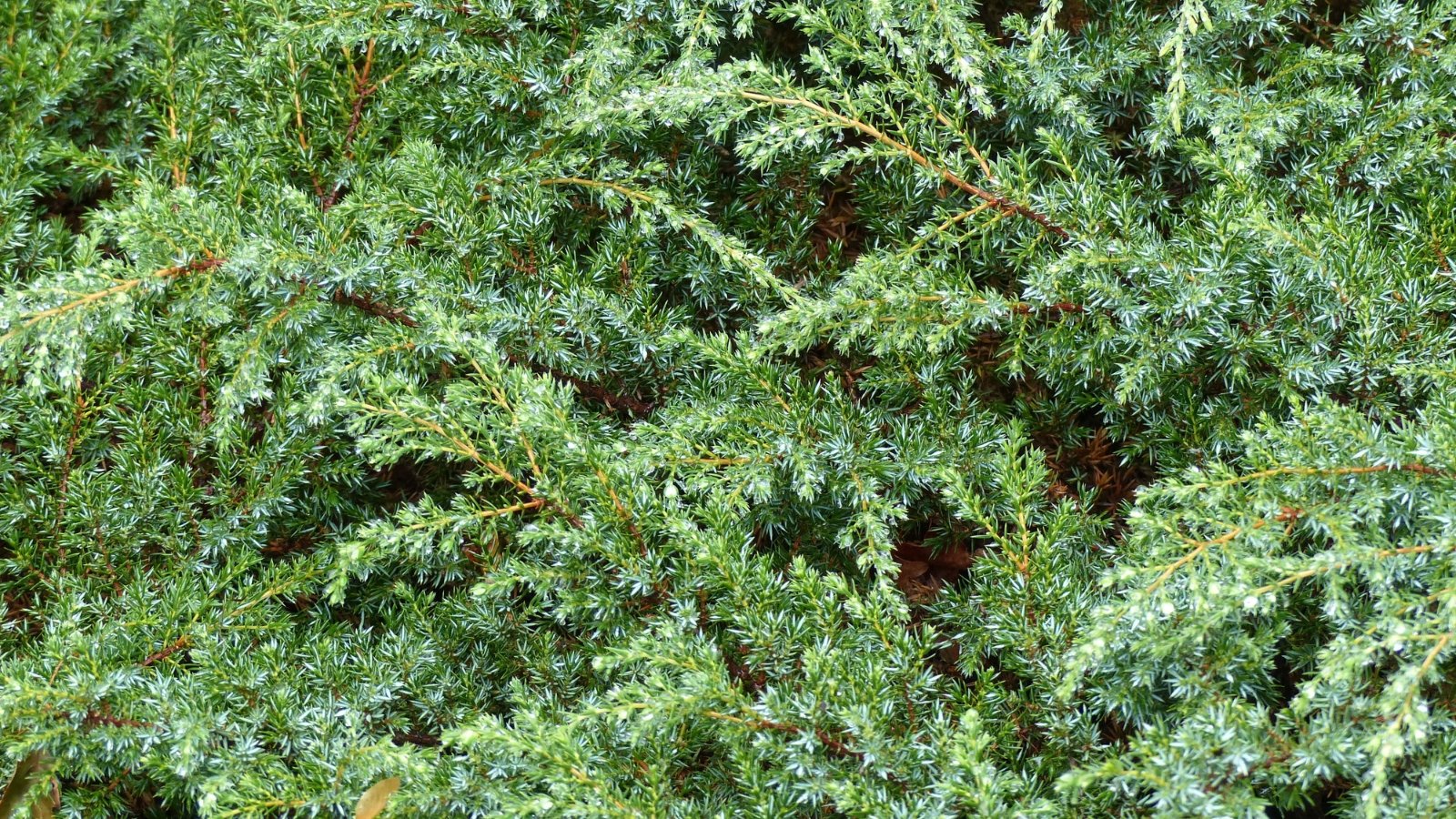
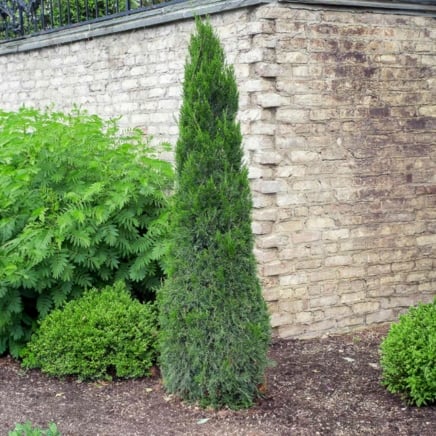
Junipers are evergreen, too, and they’re extremely hardy and tough. Most species are drought-tolerant, and many junipers are native to North America.
Use junipers to fill empty spaces with lush, green growth. They dislike soggy or fertile soils, and they do best in areas with good drainage. Opt for a species that grows wild in your region, or choose a nicely-behaved garden cultivar.