

Organic vs. Synthetic Mulch: Which is Best For Your Yard?
Not all mulches are created equal! Some work better than others for specific yard projects. Which type to use, organic or synthetic, depends on your growing goals and your garden’s setup. Learn which is best for your yard alongside backyard gardener Jerad Bryant.

Contents
I’m a big proponent of mulch. This garden amendment turns gardens with poor soils and low yields into productive ones full of lush growth. It’s an essential component in a healthy ecosystem.
When shopping for mulches, you’ll find two main types: synthetic and organic mulch. Both have their own use cases in the yard. Most home gardeners choose organic types, as they decay readily and improve the soil. Synthetic types are good for landscaping projects and work well in large-scale plantings.
No matter which type you choose, you’ll want to know how to apply the mulch properly. We’ll cover best practices, what not to do, and the best types of organic or synthetic mulch you can use. Let’s dig in!


Organic Vs. Synthetic Mulch
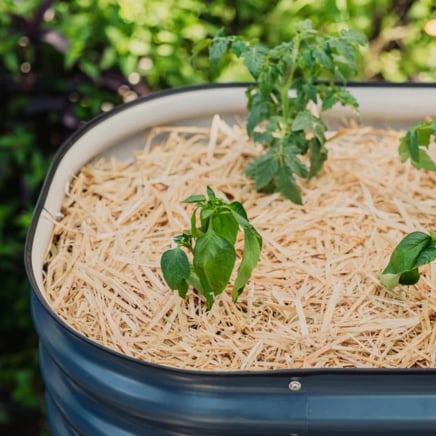
Organic mulch is the best option for most purposes. It improves the soil, and it readily breaks down into nutrient-rich humus. It has many uses, from protecting roots during the winter to preventing water loss. It also feeds the earth with nutrients, microbes, and soil-building organisms.
Synthetic mulch consists of materials that don’t decompose, like plastic. Plastic sheets and rubber pellets work to prevent weeds from sprouting, though they aren’t suitable for staying in the environment. They break into smaller pieces that don’t decay and are difficult to remove.
Mulch According to Uses
Which mulch is best depends on what you need it for. Use organic types for soil building, and apply synthetic types temporarily to snuff out vegetation. Avoid using synthetic mulches for long periods, and remove them before they break into millions of pieces.
Amend Garden Beds
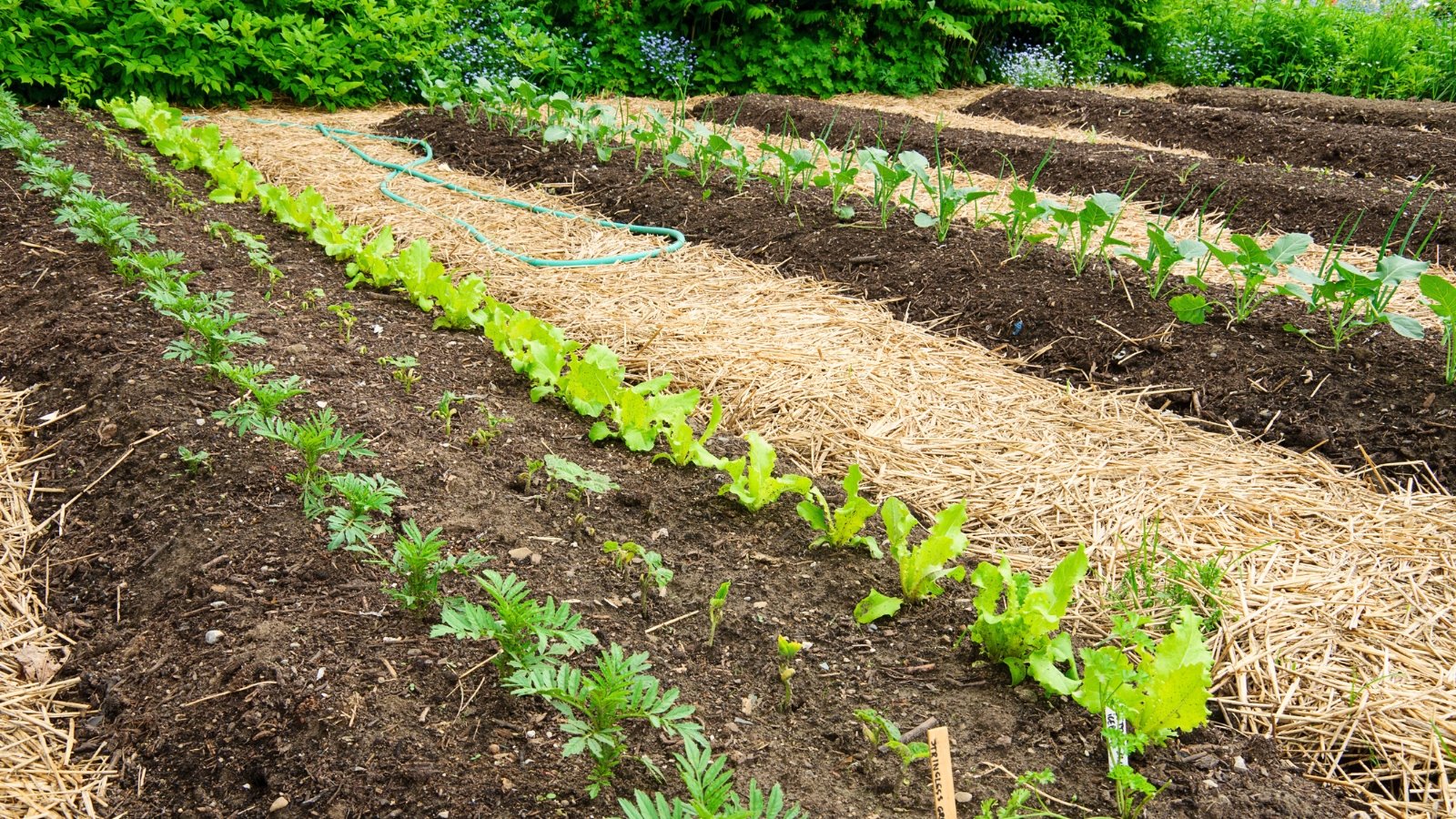
Garden beds benefit most from an organic mulch. Amendments like compost, leaf mold, straw, and fallen leaves are ideal for protecting, feeding, and insulating the soil. Trees, shrubs, perennials, and annuals all appreciate growing in organic mulch that’s nutrient-rich and porous.
Materials like compost release nitrogen and carbon, among other nutrients, as they decompose. Plant roots access these nutrients during the growing season. If you apply a synthetic mulch, these nutrients will be absent unless you add fertilizer.
Organic mulches also help because of the way water moves through them. Plastic sheets block and trap water flow. Notably different, organic types allow water and air to pass through them, which helps plant roots breathe and drink water during the growing season.
When amending beds with plants, apply a layer of organic mulch two to three inches thick. Avoid piling it near the stems and trunks, as it’ll invite pests and diseases to the wood. Leave a slight gap between the mulch layer and your plants’ stems.
Winter Protection
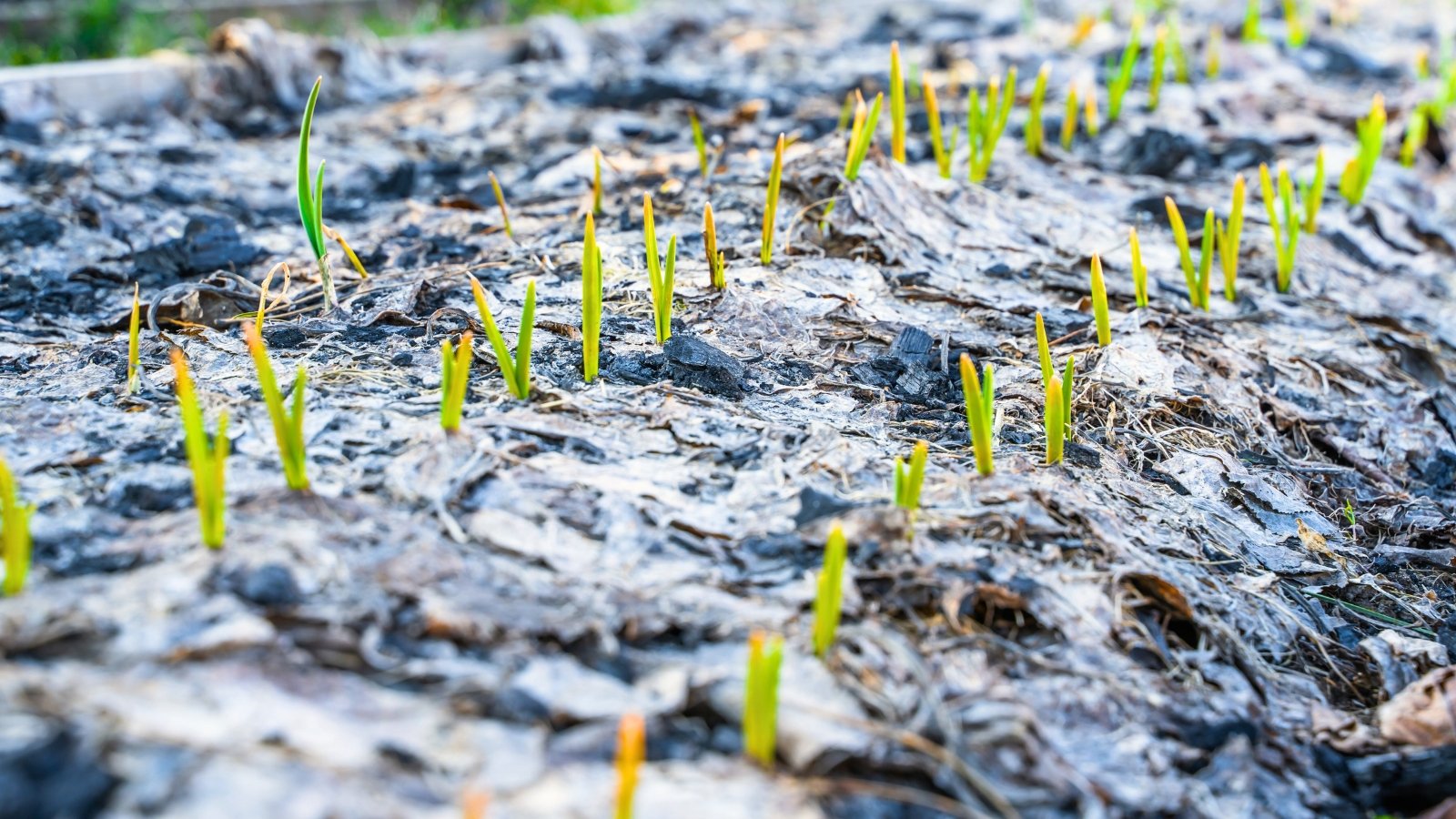
Let’s look to local forests as examples of the importance of mulch. When deciduous trees lose their leaves, they fall to the ground and form a thick layer of natural mulch. Decaying leaves add carbon to the soil, and tree roots use this carbon to grow more wood.
The thick leaf litter layer protects the sensitive roots beneath it. They stay warm when frosts and freezes occur, and so do the animals that hide in the leaves. Bugs use the leafy covering for shelter, and birds scour the leaves to find these tasty critters.
As you can see, an organic type would work better than a synthetic one in this situation. A plastic sheet offers some insulation, but it doesn’t work as well as a thick layer of compost, leaves, straw, or wood chips. Use organic types for winter protection.
Occultation
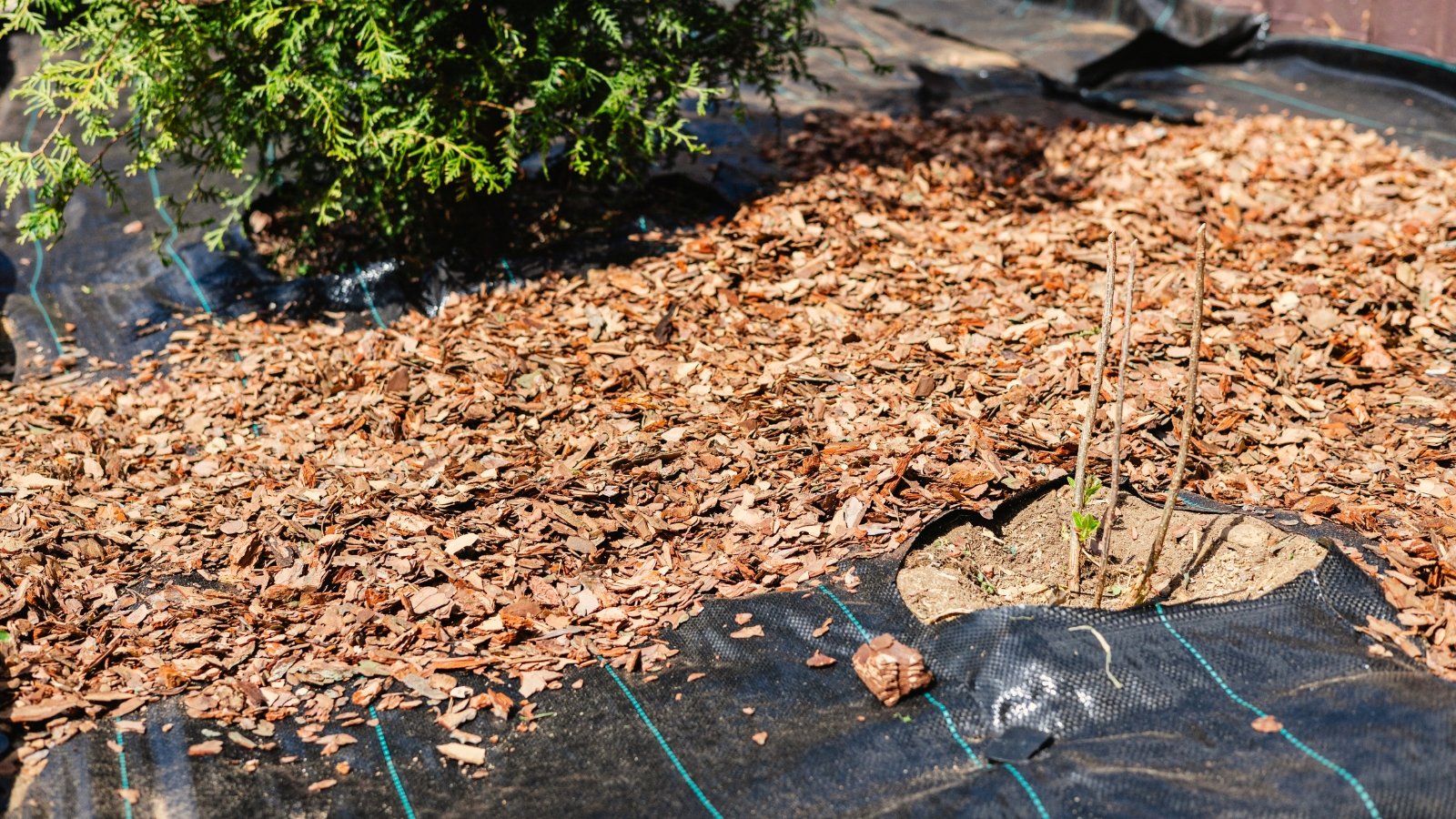
Occultation is a fancy term that refers to the process of snuffing out vegetation with an opaque synthetic mulch. Black plastic sheets are the typical tools of the trade for this purpose, though you may use old rugs or carpets instead.
Note that occultation is a temporary procedure. It’s best to avoid leaving plastic sheets in the environment. A common landscaping practice is to lay down plastic and pile wood chips or gravel on top of it.
Though this looks good for a while, it leads to weeds sprouting in the mulch. The plastic breaks into tiny pieces underneath while the weeds grow, and the plastic is extremely difficult to remove. Meanwhile, worms, bugs, and plant roots suffer because the plastic restricts movement in the soil.
For effective occultation, simply lay an opaque sheet on top of the dirt where vegetation grows. Do so during the warm months when sunlight is abundant, and weigh down the sheet’s edges with rocks or bricks. The heat, lack of light, and restricted airflow will kill the plants beneath the plastic in a month or two, after which it’s okay to remove the synthetic mulch.
Solarization
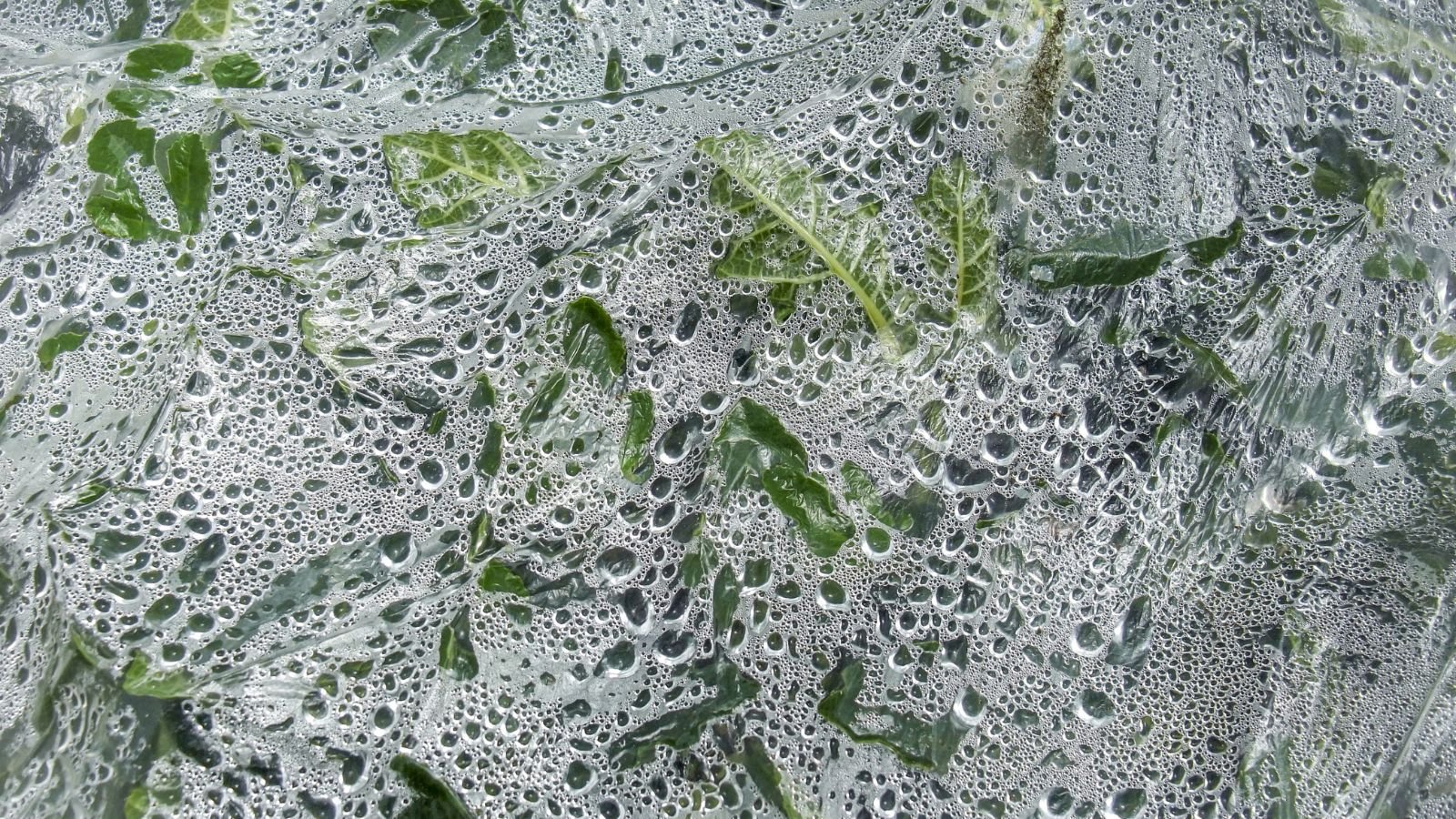
Solarization is similar to occultation, except that it relies on clear synthetic mulch instead of opaque types. The clear layer amplifies the sun, causing it to zap the plants and weed seeds beneath. When you remove the mulch, the ground will be ready for planting and free of weeds.
Greenhouse plastic works well, as does any type of clear, UV-resistant plastic. Copy the process above by laying the sheet over the area. Weigh down its edges with heavy objects, and leave it in place until the plants die underneath.
This method works best during the warm months when sunlight is abundant. Heat and light are necessary to kill the vegetation growing under the synthetic layer.
Snuff Out Vegetation
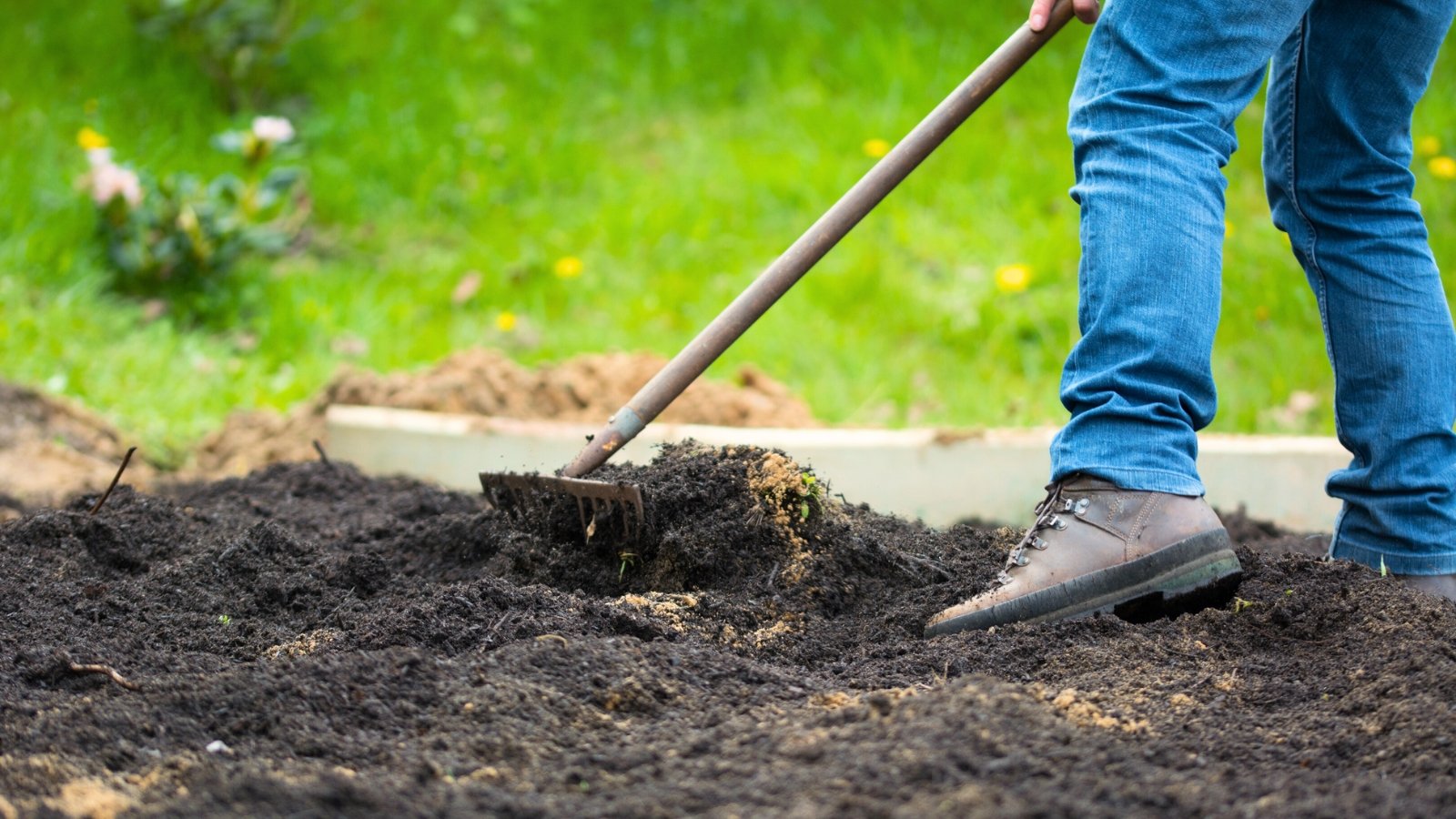
Though solarization and occultation work well for removing vegetation, you may use an organic mulch instead of synthetic plastic sheets for the process. A thick layer of organic mulch, like compost, prevents weeds from growing.
Instead of adding a layer two to three inches thick, simply add more mulch to make it four to five inches thick. The plants will struggle to poke through, and new weed seedlings will struggle to take root.
If weeds do grow in the compost, pull them and drop them on top of the layer. The unruly plants consist of organic matter, and they decompose readily into nutrients for future crops.
Large Plantings

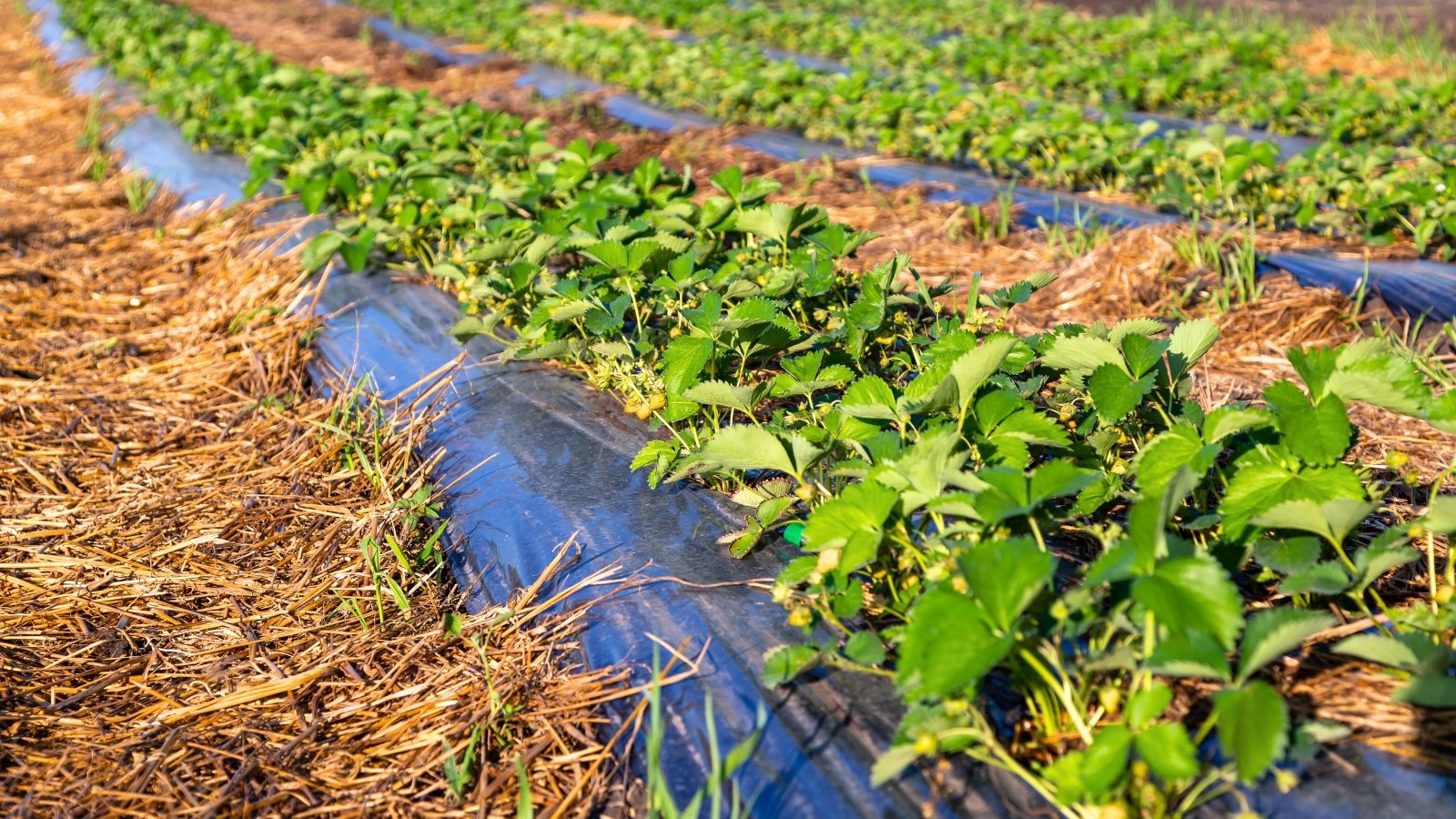
Commercial growers often use plastic sheets to insulate and protect the soil during the summer. You’ll see them throughout the San Joaquin Valley in California, where growers produce strawberries among other crops. The sheets cover entire fields, and they have round cutouts where growers plant the strawberries in the soil underneath.
If you’re growing strawberries or similar crops on acres of land, you might consider using synthetic sheets. The sheets trap water in the dirt, and they let the plants thrive under the summer’s sunshine. The downside is how long they last; you’ll have to replace the sheets once or twice a year before they break apart.
This continuous use of plastic stresses the environment. It can lead to microplastics leaching into the soil, and the plastic creation process contributes to greenhouse gases in the atmosphere. Consider implementing an organic mulch process to heal both your yard and the environment.
Compost is the best way to do this. You can recycle old debris, like plant trimmings, kitchen scraps, and lawn clippings, into a humus-rich soil amendment. You’ll save waste from the landfill, and you’ll boost the soil in your yard.
Key Takeaways
- An organic type is generally better than a synthetic mulch. Organic types break down into soil particles, while synthetic types do not.
- Use a synthetic mulch to kill weeds and invasive plants through occultation or solarization.
- Avoid rubber pellets! They’re difficult to remove, and they hinder plant growth by getting too hot in the summer.
- There are many organic types to choose from. Try compost, leaf mold, fallen leaves, straw, coco coir, or straw.


