How to Plant, Grow, and Care for Nikau Palm Trees
The Nikau palm is an ideal choice for tropical-inspired gardens, but this New Zealand native has specific needs that differ from typical palms. Gardening expert Madison Moulton explains how to grow healthy and happy Nikau palms.

Contents
Most gardeners assume all palms need blazing heat and desert conditions to look their best. That’s the kind of climates they’re associated with after all. But the Nikau palm tree is not your regular palm.
Contrary to what its appearance may make you believe, this New Zealand native actually prefers cooler temperatures than most palms, which opens up possibilities for gardeners in climates where other palms would struggle.
But just because it’s more cold-tolerant, doesn’t mean it’s easier to grow. Nikau palms have their own set of requirements that can trip up even experienced gardeners. The secret is understanding that this palm evolved in a completely different world than your typical tropical palm. Match those conditions, and Nikau palms can thrive for decades.
Nikau Palm Overview

|
Plant Type
Perennial
Family
Arecaceae
Genus
Rhopalostylis
Species
sapida
|
Native Area
New Zealand
Exposure
Partial sun
Height
30–50′
Watering Requirements
Moderate to high
|
Pests & Diseases
Scale insects, mealybugs, root rot
Maintenance
Low
Soil Type
Moist, well-draining, humus-rich
Hardiness Zone
9–11
|
What Is It?
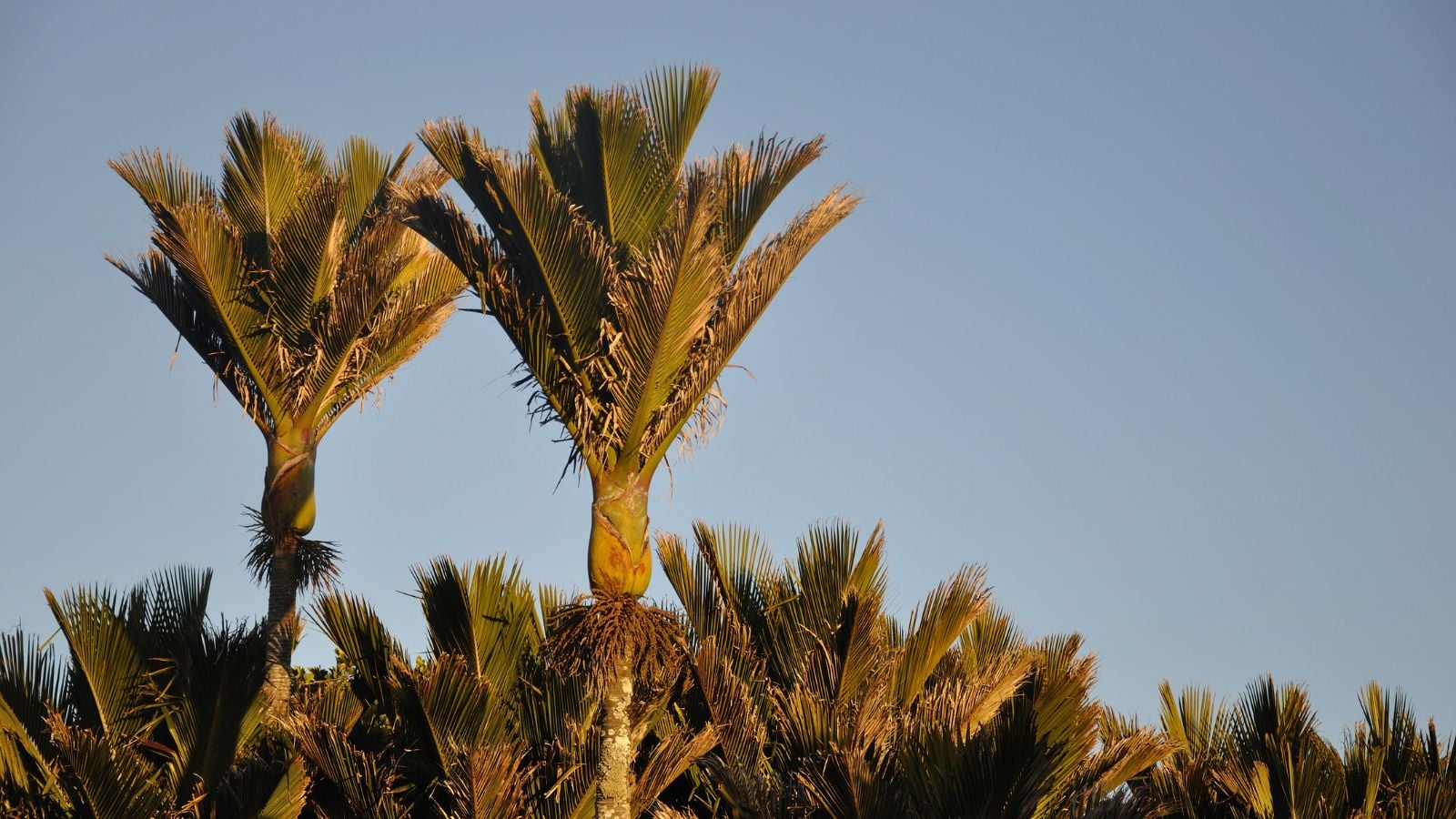
The Nikau palm tree is New Zealand’s only native palm, with the scientific name Rhopalostylis sapida. The name comes from Māori language, adding another clue to its native origins. It has a distinctive bulbous trunk base that tapers upward, topped with a crown of fronds that are a great sculptural and textural element in any garden.
These palms are famously slow growers that can take decades to reach their full potential. In their native habitat, they eventually hit up to 50 feet tall, though container plants stay much more manageable.
The fronds emerge from a smooth, green crown shaft that extends from the trunk. New fronds unfurl regularly throughout the growing season, but the overall growth rate stays painfully slow compared to other palms.
Characteristics
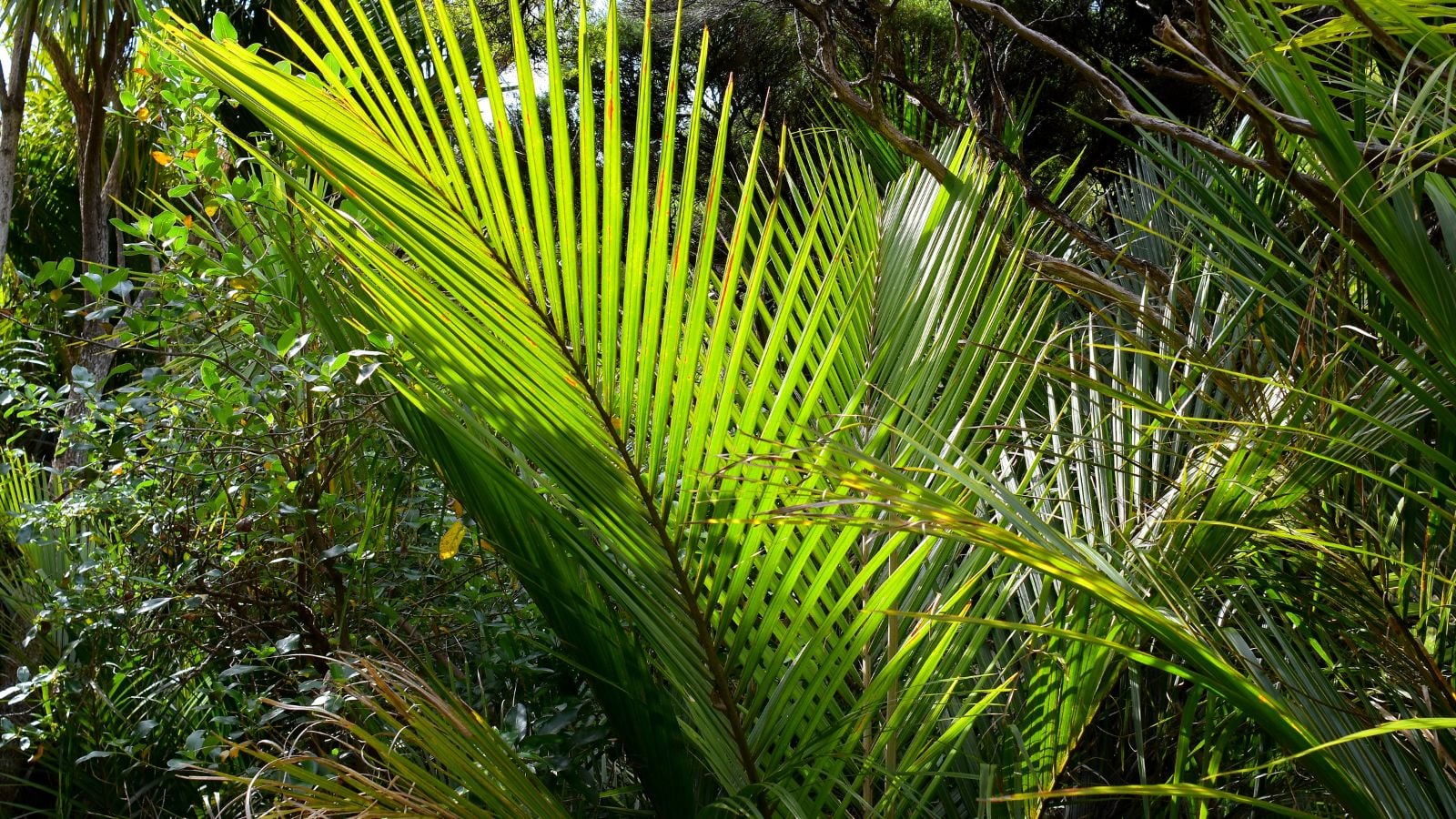
The fronds are feather-like with leaflets arranged along both sides of the central stem. Each frond can stretch six to ten feet long on mature plants, and the leaflets have a distinctive arching habit that gives the palm a graceful look.
Mature Nikau palm trees produce small flowers followed by bright red berries, though you won’t see this unless you’re growing palms that are several decades old. Most home gardeners never get to witness the flowering stage.
The growth rate is slow, with a couple of new fronds per year in the right conditions. This means patience is absolutely essential, but it also means the palm won’t quickly outgrow its space like faster-growing species might.
Native Area
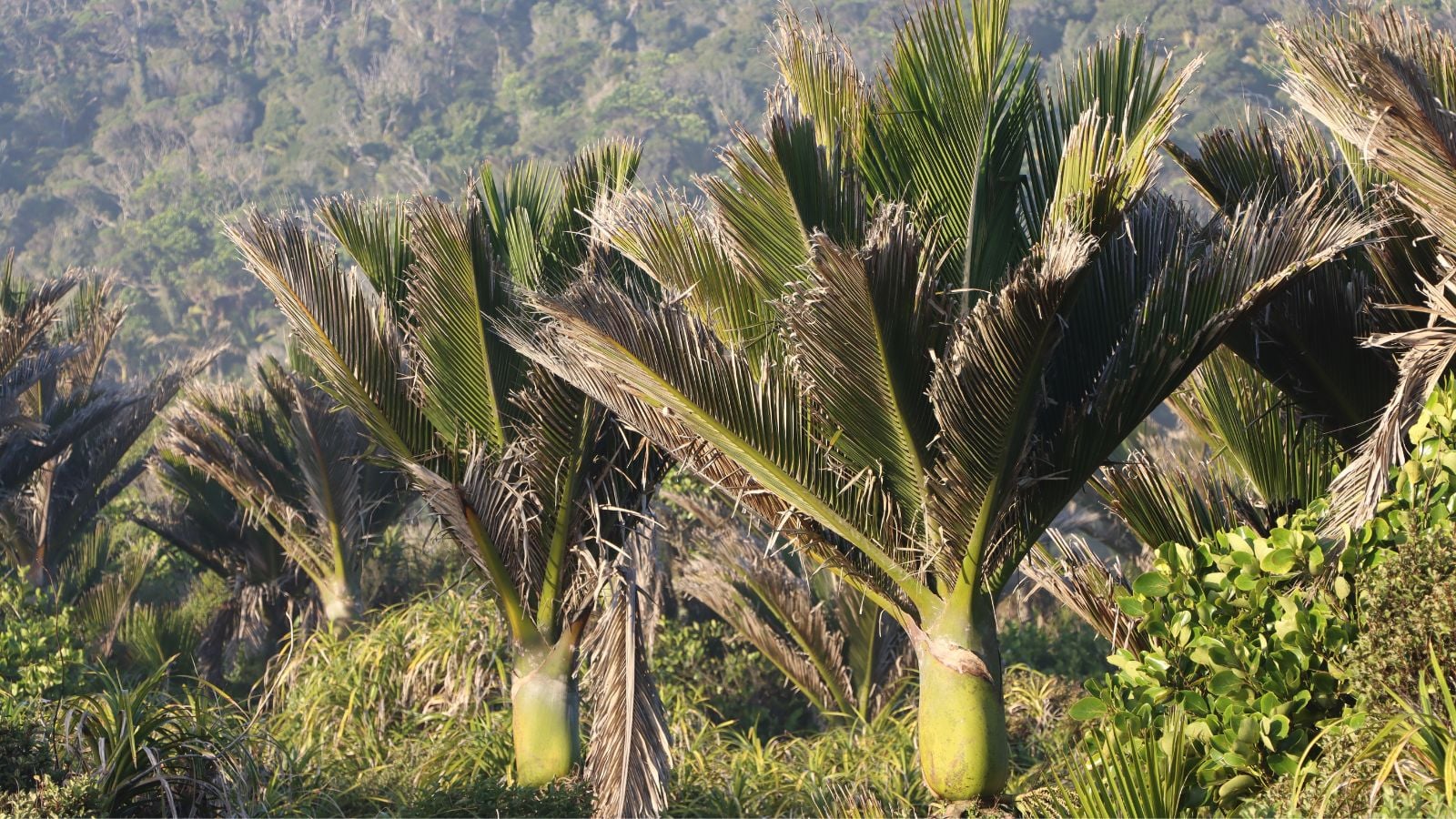
Nikau palm trees are found naturally throughout New Zealand’s coastal and lowland forests on both islands. In the wild, they grow from sea level up to about 1,500 feet elevation, usually in areas with high humidity and protection from strong winds.
New Zealand’s temperate climate is what shapes how these palms grow. They’re used to cool, moist conditions year-round rather than the scorching heat that many tropical palms handle. Winter temperatures in their native range rarely drop below freezing, but they’re much cooler than what most palms prefer.
The natural habitat is typically forest understory or forest edges where they get bright light but not full sun all day. This preference for filtered light carries over to cultivation and influences where you should position them in your garden.
Planting
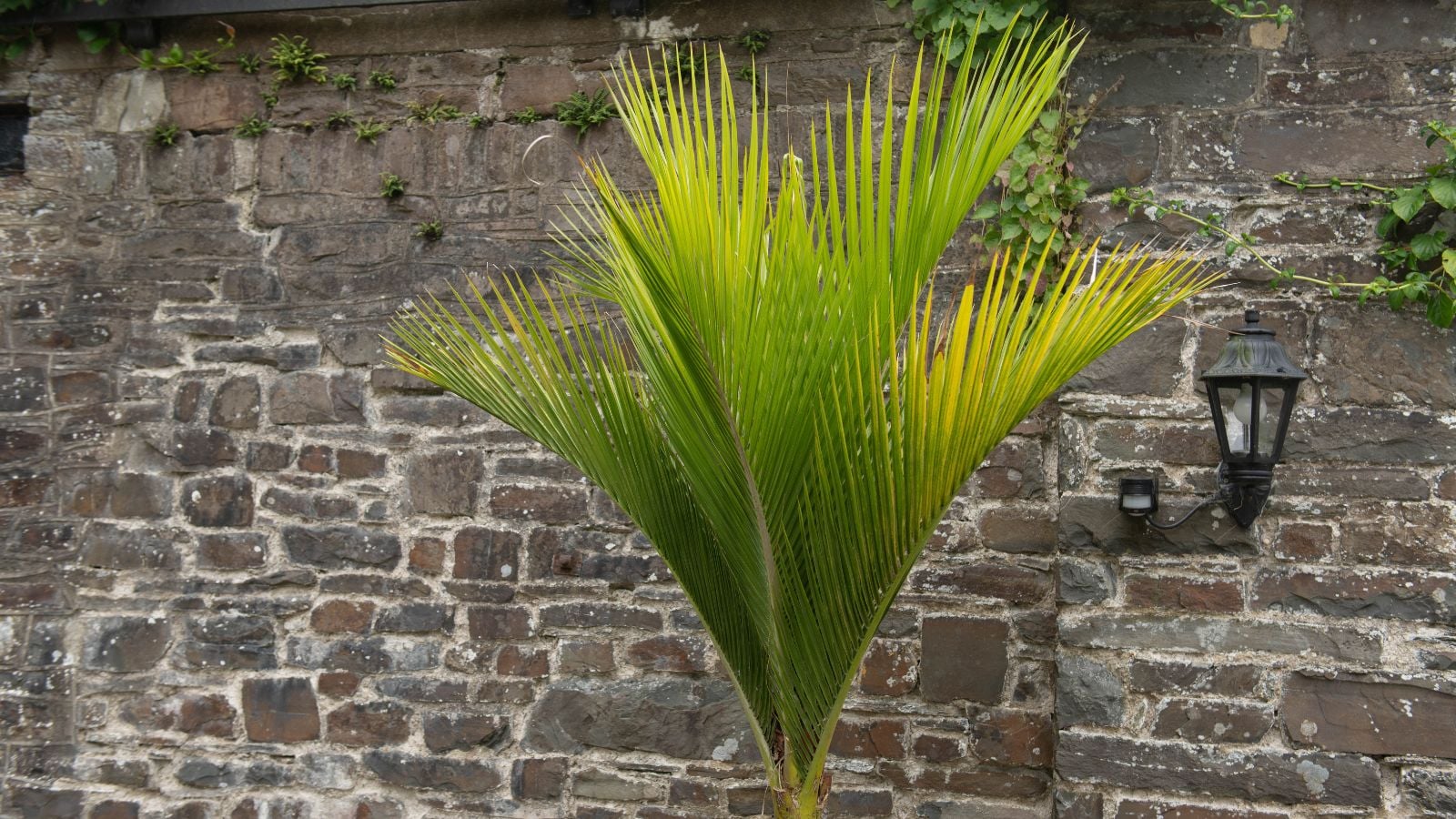
Nikau palm trees are great choices for containers, but you can also plant them in the ground if you have the space. Spring planting gives them the full growing season to settle in before winter arrives. Fall planting can work in mild climates, but spring gives you the best shot at success.
Choose your location carefully because these palms hate being moved once they’re established. They prefer spots with morning sun and afternoon shade, protected from strong winds. The base should be slightly elevated to ensure good drainage.
Don’t plant too deeply. The top of the root ball should be level with or slightly above the surrounding soil. Backfill with existing soil to allow the tree to adapt to local conditions. Water thoroughly after planting and apply around 3 inches of organic mulch around the base.
To plant in containers, choose a large pot suitable for trees for maximum room for root and trunk growth. Use a high-quality potting mix and follow the same steps as you would when planting in the ground.
How to Grow
Growing healthy Nikau palm trees means recreating their native New Zealand conditions as closely as possible. This usually means providing more moisture and humidity than typical palms need, along with protection from intense heat and strong winds.
Light
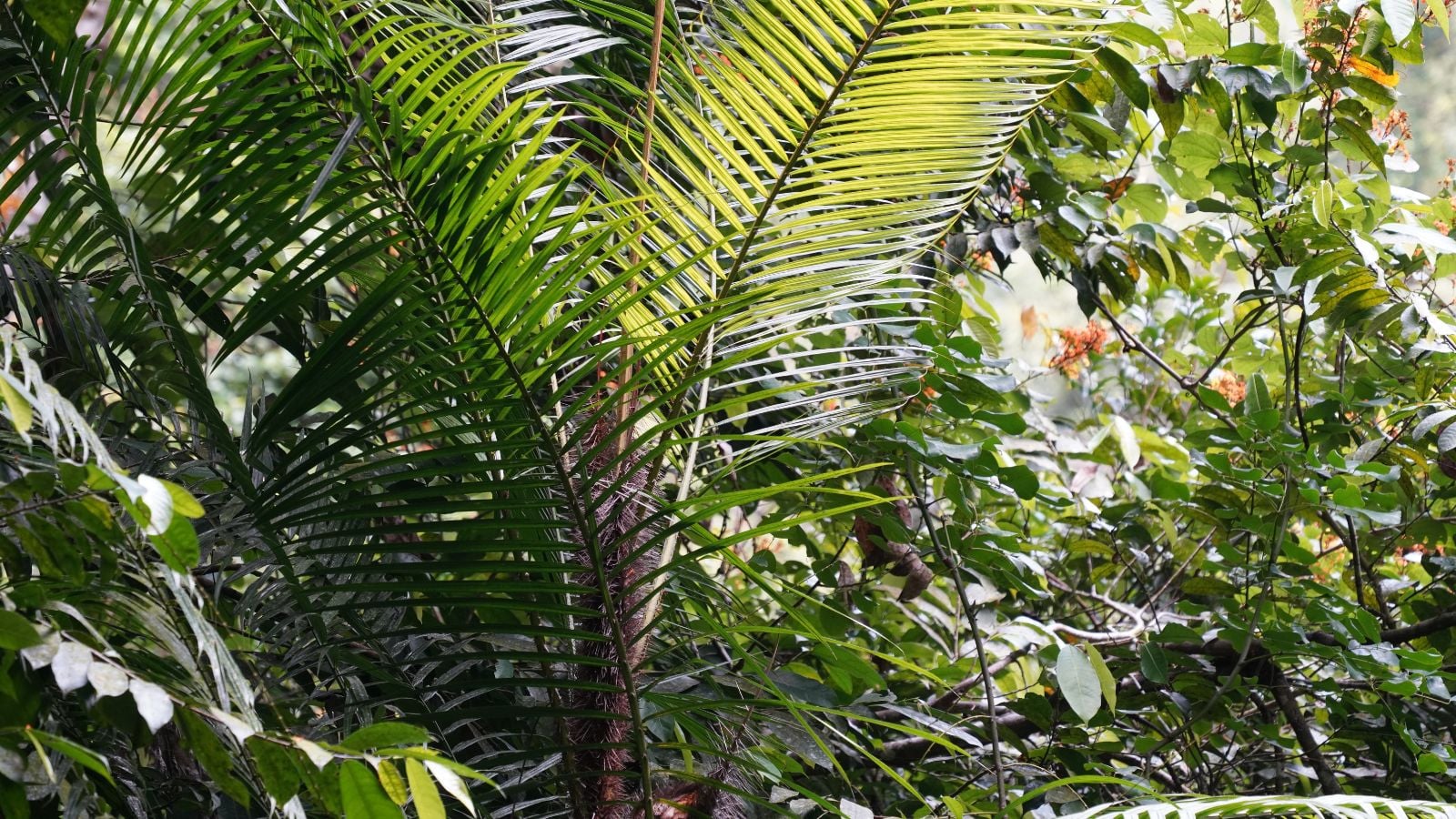
Nikau palms prefer bright, filtered light rather than strong sun all day. In their native habitat, they often grow under forest canopies where they get dappled sunlight. Too much direct sun scorches the fronds, while too little light leads to weak, spindly growth.
Morning sun with afternoon shade works well in most climates. East-facing locations often provide ideal conditions, giving the palm good light without the brutal afternoon heat that can stress the fronds.
In really hot climates, you might need to provide more shade during the hottest part of summer. Shade cloth or positioning near larger trees can help protect the palm from excessive heat while still providing adequate light for growth.
Water

Consistent moisture is important, but good drainage is equally crucial. The soil should stay evenly moist but never waterlogged. These palms are used to New Zealand’s high rainfall and don’t handle drought well at all.
Water deeply when the top inch of soil feels dry, making sure water penetrates the soil. Shallow watering encourages surface roots that are more susceptible to heat and drought stress.
During winter, cut back on watering frequency but don’t let the soil dry out completely. The palm’s growth slows in cooler weather, so it needs less water, but the roots still need consistent moisture. Humidity is also important, especially in drier climates. If you live in a particularly dry area, regular watering becomes more important.
Soil
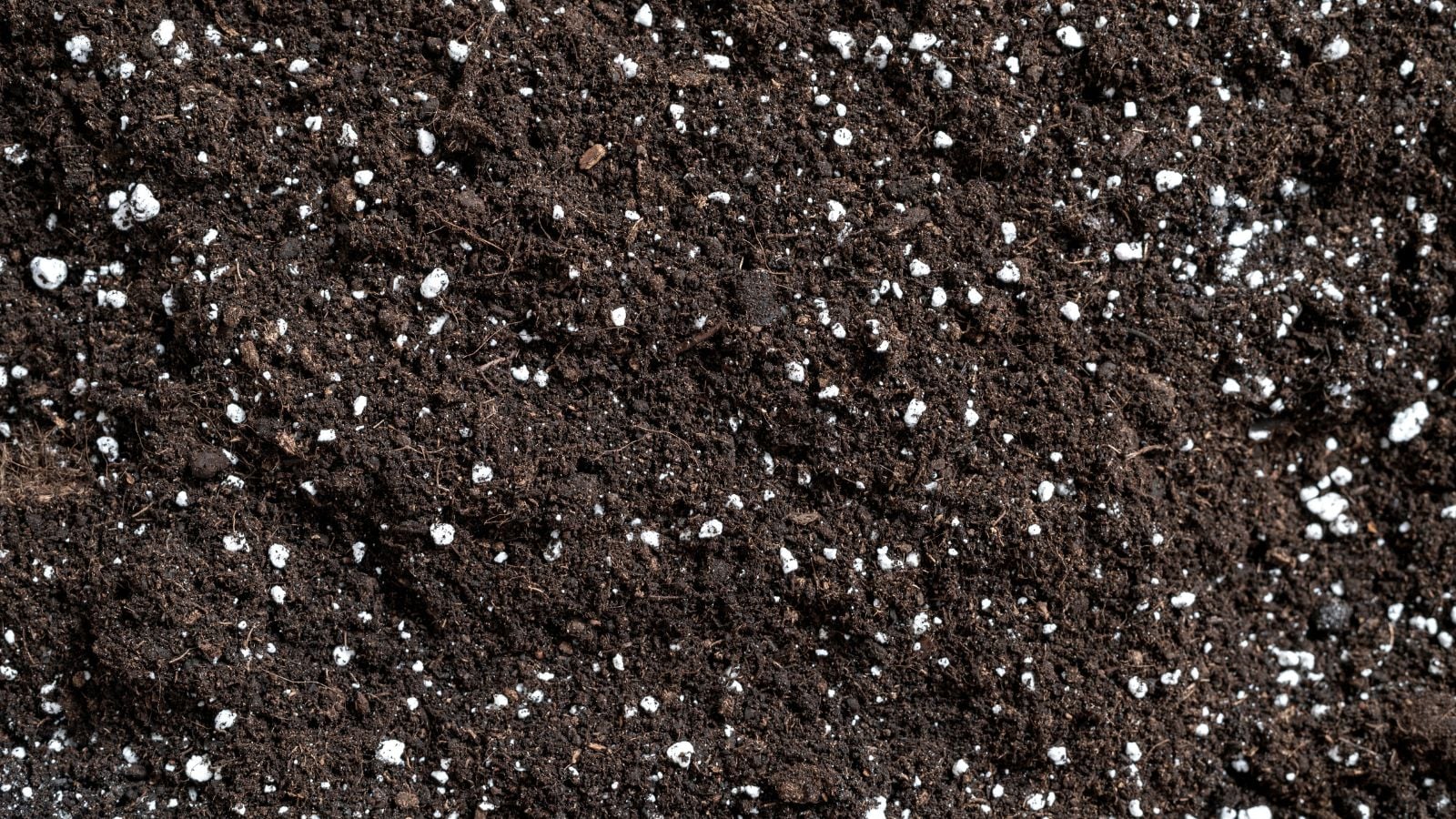
Nikau palm trees love moisture, but like all plants, they’re prone to root rot in waterlogged conditions. Heavy clay soils need amendment with organic matter to improve drainage before planting. The soil should be rich in organic matter but not overly fertile.
Container-grown palms need particularly good drainage. Use a mix of quality potting soil with added perlite to ensure water doesn’t sit around the roots. Make sure containers have adequate drainage holes too, and raise the pot slightly to allow excess moisture to drain.
Temperature and Humidity
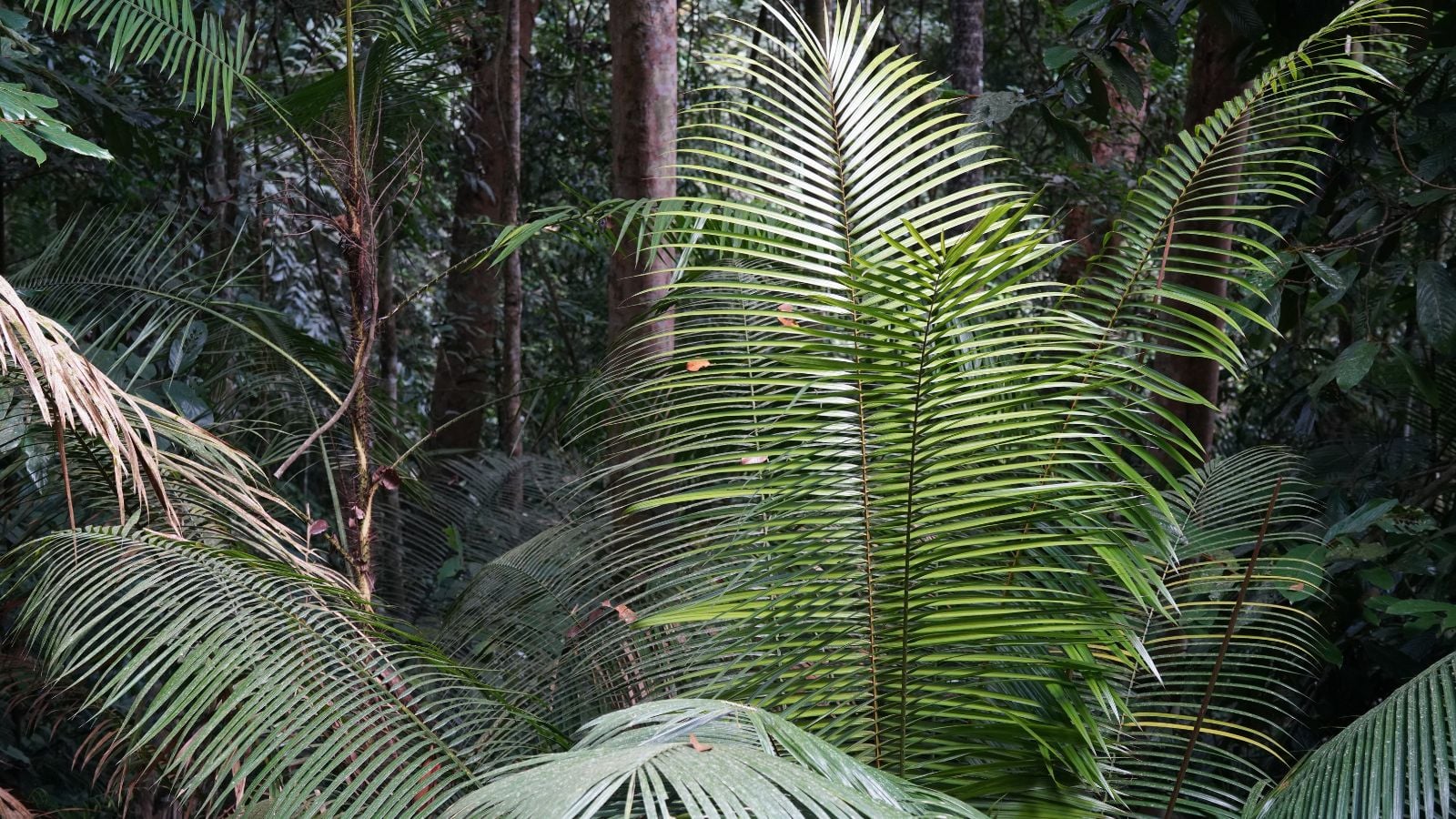
These palms handle cooler temperatures better than most palms, surviving brief dips to around 20°F (-7°C) once established. However, they’re happiest in temperatures between 60-80°F (16-27°C) and can struggle in areas with extreme heat.
High humidity is crucial for healthy growth. These palms evolved in New Zealand’s naturally humid environment and can develop brown leaf tips or other problems in dry air. Aim for humidity levels above 50% if possible.
Fertilizing
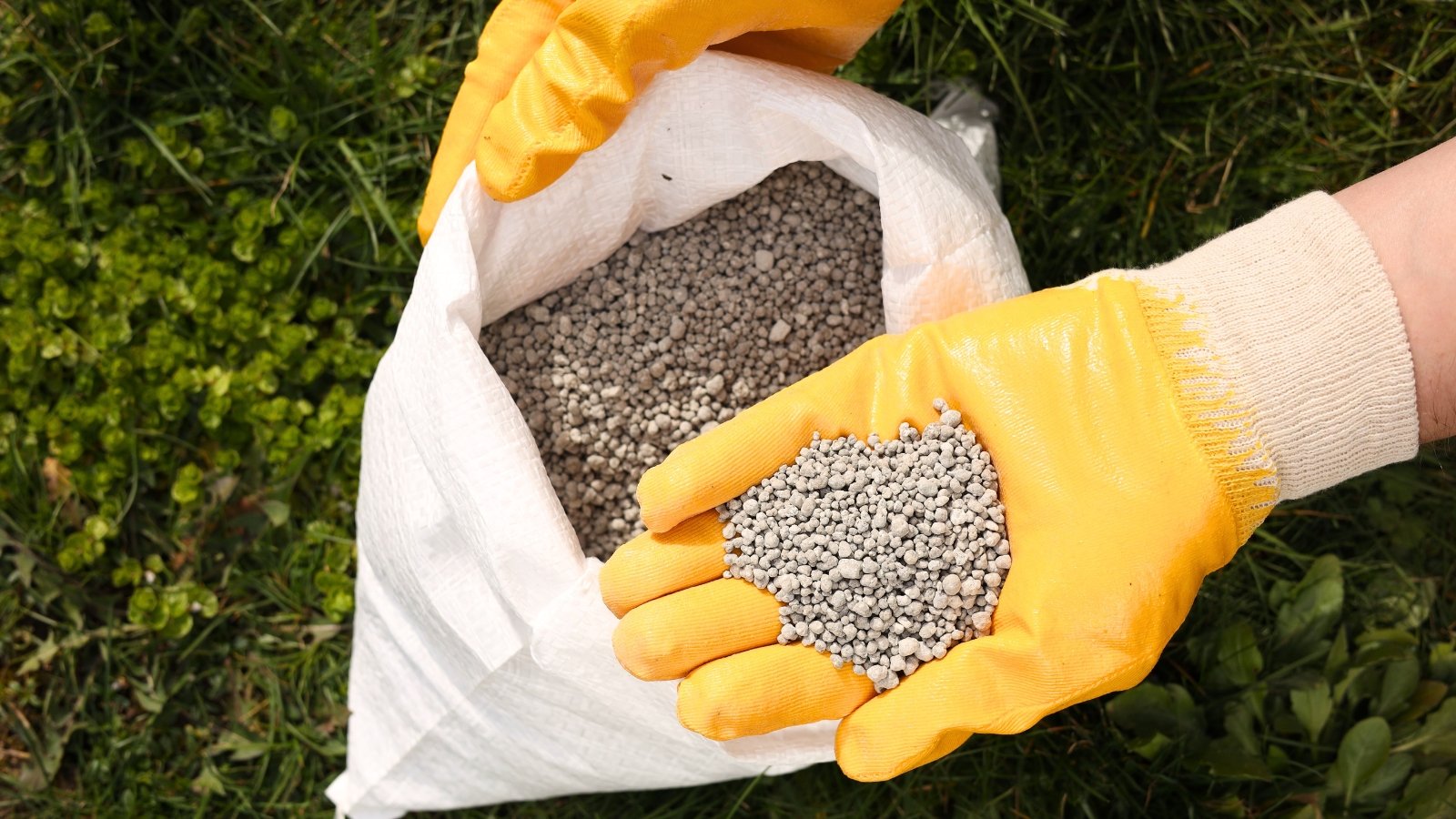
Nikau palm trees don’t need heavy feeding. They can benefit from light fertilization during the growing season if you’re growing in pots to combat lost soil nutrients due to watering. Use a fertilizer applied at half strength once every few months from spring through early fall.
Avoid fertilizers very high in phosphorus. Look for fertilizers specifically formulated for palms that typically have lower phosphorus and higher potassium.
Maintenance

Regular maintenance is not difficult, but does prevent growing problems down the line. You can remove brown or damaged fronds by cutting them close to the trunk to tidy them up, but this is not usually necessary. Only remove fronds that are completely brown, as yellowing fronds are still providing nutrients to the plant.
Never cut the growing tip or remove green fronds, as this can seriously damage or kill the palm. Palms can’t regrow from cut branches, so they depend on their single growing point.
If you’re keeping yours indoors, clean the fronds occasionally with a damp cloth to remove dust and improve their appearance. The same goes for potted plants under covered patios where rain doesn’t wash over the leaves.
Propagation
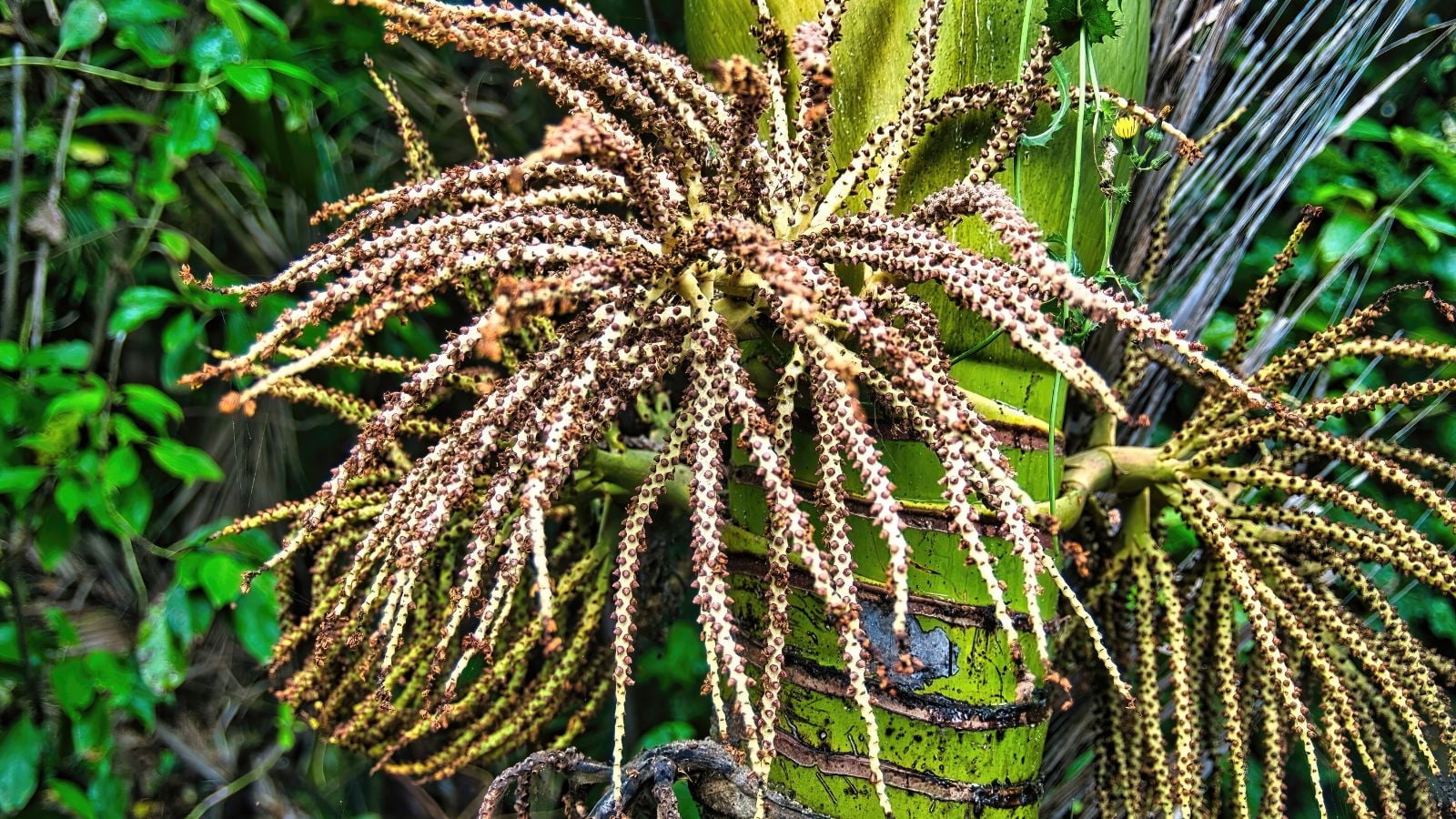
Nikau palm trees are typically propagated from seed. Fresh seeds have the best germination rates, but even then, it can take several months for seedlings to emerge. You’ll also need a palm mature enough to produce the seeds.
Seeds need consistent warmth and moisture to germinate. You can follow your regular seed starting process or germinate them in a plastic bag with a damp paper towel, similar to germinating mango seeds. Germination temperatures around 75°F (24°C) work best.
Be patient. Some seeds may take 6 months or more to germinate. Once seedlings emerge, they grow very slowly and need protection from direct sun and wind for their first few years.
Common Problems
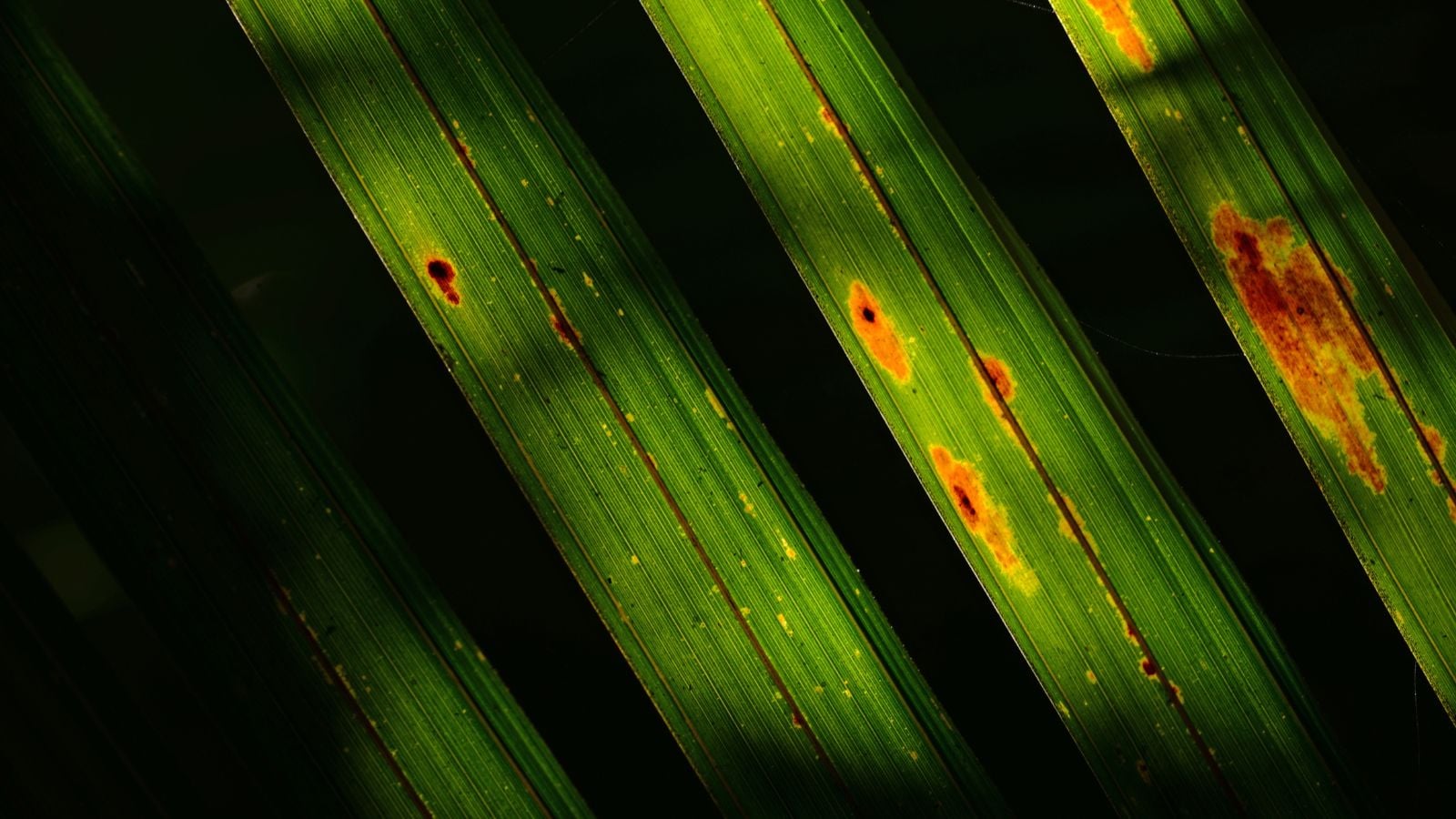
Brown leaf tips are probably the most common issue with Nikau palm trees. This usually means low humidity, inconsistent watering, or exposure to hot, dry air. Increasing humidity and maintaining consistent soil moisture usually helps.
Root rot can occur in poorly draining soil or from overwatering. Signs include yellowing fronds, soft spots on the trunk, and a general decline in plant health. Improving drainage and reducing watering frequency can help, but severely affected plants may not recover.
Scale insects occasionally attack Nikau palms, appearing as small brown bumps on the fronds. Wipe them off with rubbing alcohol or use insecticidal soap for heavier infestations. Regular inspection helps catch problems early.
Cold damage can occur if temperatures drop suddenly or stay below freezing for extended periods. Protect outdoor palms with frost cloth during cold snaps, and bring container plants indoors in areas with harsh winters.