

How to Harvest Lettuce by Type
Do you know how to harvest lettuce you've grown? Different types of lettuce require slightly different harvesting techniques. Whether it's head or leaf lettuce, we have tips to walk you through harvest time!

Contents
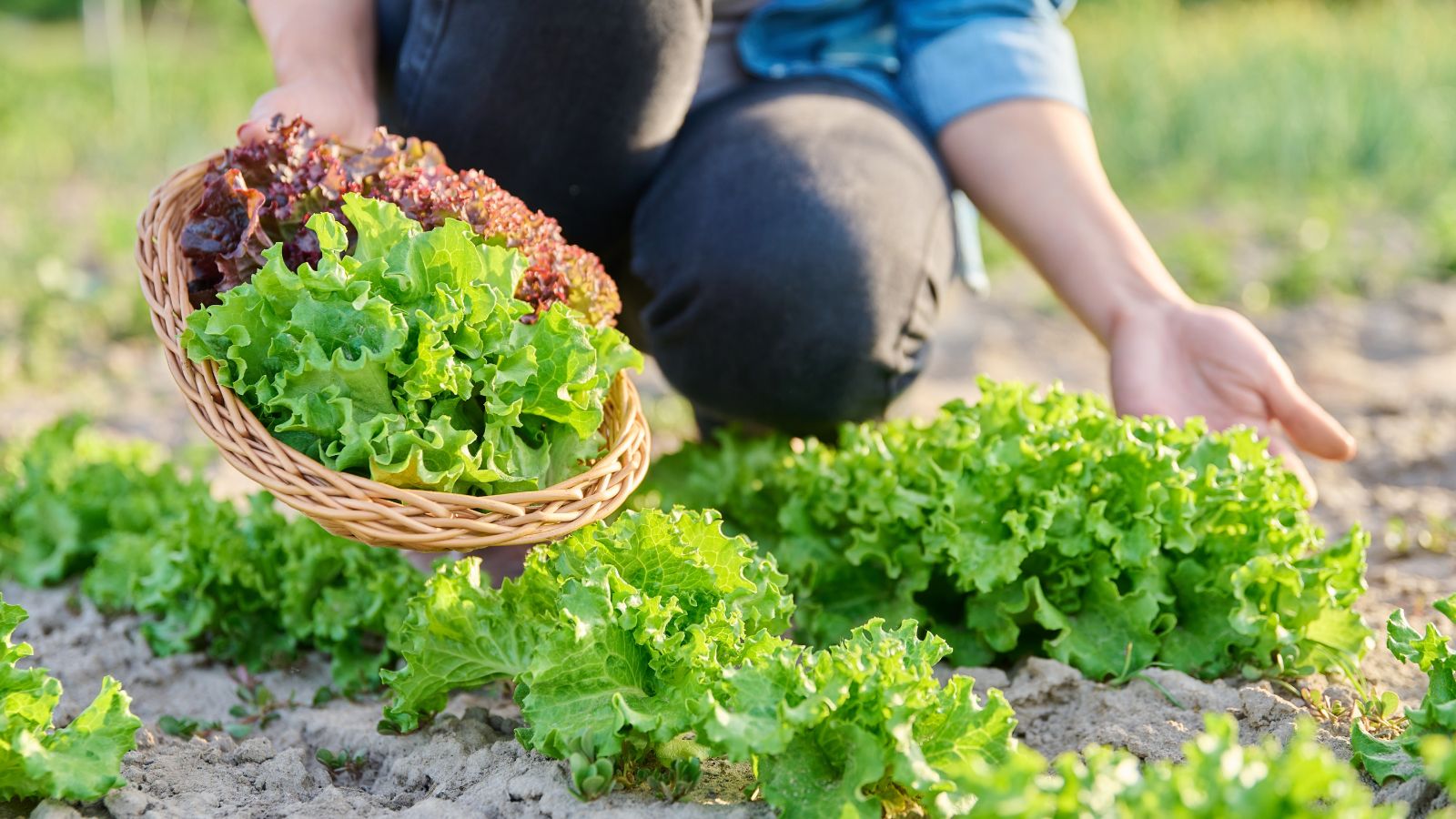
Lettuce is a cool-season crop that allows you to harvest individual leaves or cut entire heads, depending on the variety. You can even harvest lettuce as a microgreen. With so many types available, it is easy for gardeners to feel overwhelmed.
This guide covers how to harvest lettuce greens correctly and offers tips for storing your harvest to keep it fresh. If you want to learn how to grow lettuce, there is a detailed article available that explains how green lettuce develops and shares practical gardening advice.
Growing your own lettuce is a rewarding way to start or finish the growing season. Lettuce can be planted directly in the ground, grown in raised beds, or cultivated in small spaces such as containers. To extend the harvest window, consider using shade cover as plants mature. This helps reduce heat stress and slows bolting.
When harvesting lettuce, always use clean, sanitized tools. Scissors, garden shears, small knives, or grass shears all work well, along with a basket or container to collect your harvest. For storage, have paper towels and a plastic storage bag ready to help manage moisture and keep leaves fresh.
Next, explore the different lettuce types, including microgreens, cos, looseleaf, crisphead, butterhead, and stem lettuce.

When to Harvest Lettuce
Seed packets provide an estimated timeline for when lettuce is ready to harvest. Use the recommended dates as a guideline alongside visual observation.
Young baby salad greens can usually be harvested by the end of the first month after planting. These greens are tender, nutritious, and only a few inches tall. They develop after the microgreen stage and are ideal for fresh salads.
Leaf lettuce and compact head varieties typically mature six to 10 weeks after sowing. Harvest leaf lettuce when it reaches about four inches tall. For compact heads, the outer leaves can be picked individually throughout the growing season before harvesting the entire head. These outer leaves are often ready when they reach four inches.
When the whole plant reaches about six inches tall, it can be harvested using a cut-and-come-again method every couple of weeks. Leave the crown intact to encourage regrowth, and provide consistent watering to support additional harvests.
For lettuce types such as romaine, crisphead, and butterhead, wait until leaves reach around eight inches. Gently squeeze the head to check for firmness. The leaves should feel compact and plump.
Most lettuce varieties prefer cool weather and struggle in heat. When daytime temperatures rise above 80°F (27°C), lettuce will begin to bolt and produce a flower stalk. Harvest immediately if this happens. The leaves may become bitter, but small amounts can still be mixed into salads. Alternatively, allow the plant to go to seed and self-sow in the garden.
Harvesting Lettuce By Type
There are many types of lettuce you may be growing, such as ‘Black Seeded Simpson’, which is valued for its loose green leaves, or heading types like romaine that add crunch and texture to salads. Some varieties respond well to strategic leaf trimming or harvesting just above the crown, allowing the plant to continue growing and producing new leaves.
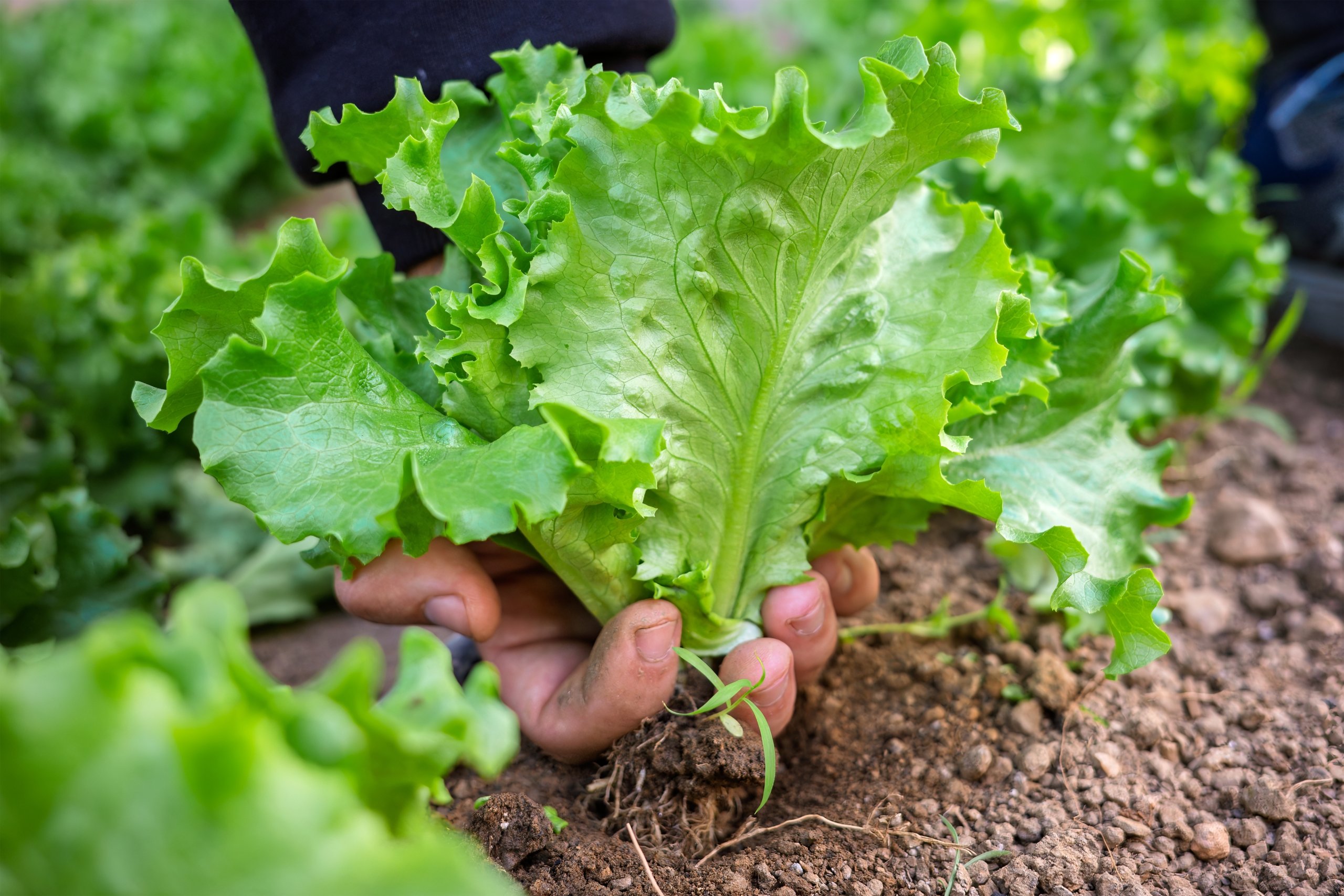
Another harvesting method is to remove the entire plant by digging it up from the soil, which is often preferred for head-forming lettuce types.
Lettuce Microgreens
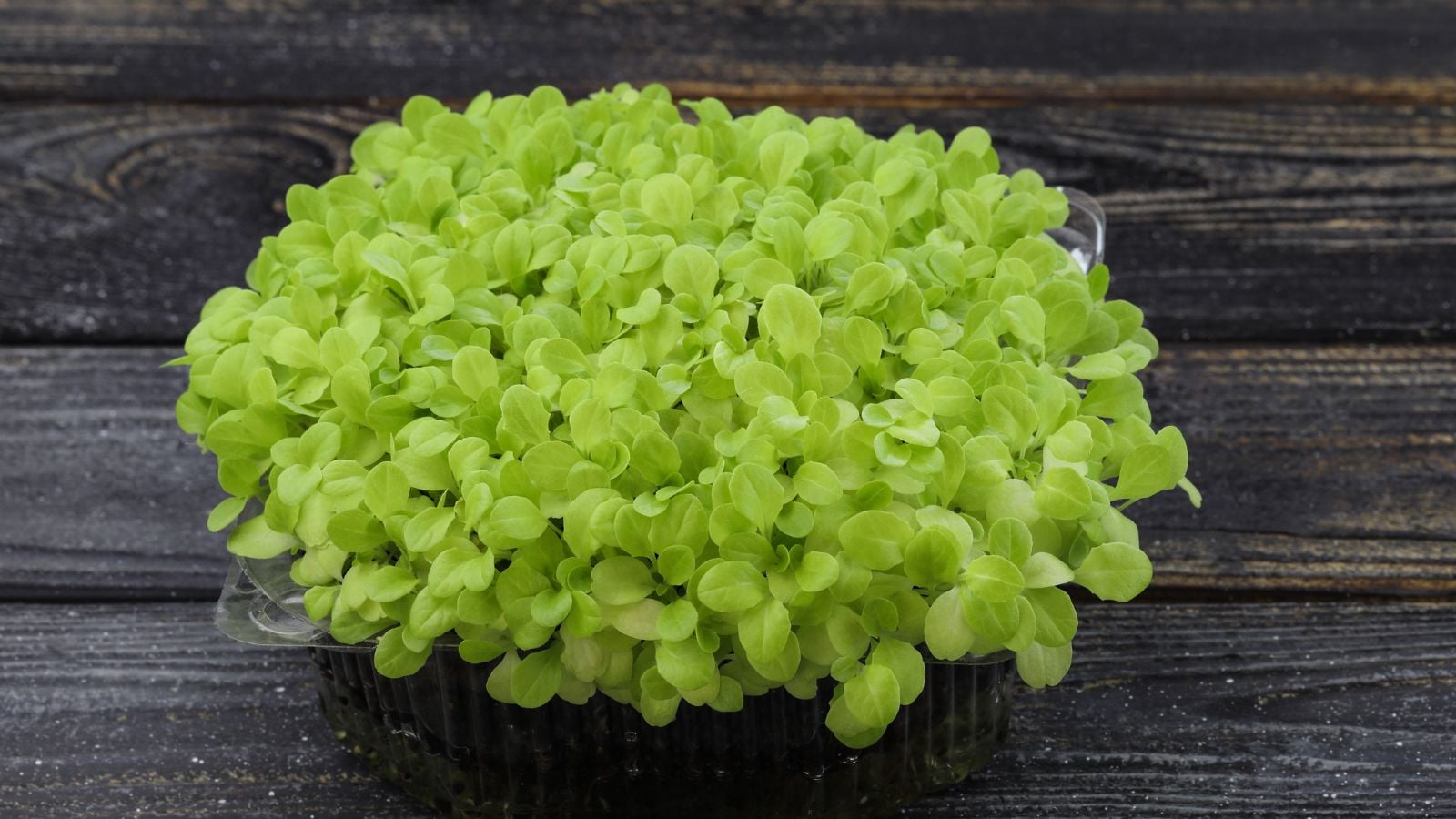
Harvesting microgreens is very easy. They are usually ready 10 to 15 days after planting, once the first true leaves have emerged. If you prefer to gauge by height, harvest microgreens when they are two to three inches tall. It can be fun to explore how flavor changes at different heights.
Use a pair of scissors or grass shears and cut the entire plant about half an inch above the soil line. There are many additional gardening tips available for growing microgreens, including lettuce microgreens, if you are looking for more inspiration.
Cos Lettuce

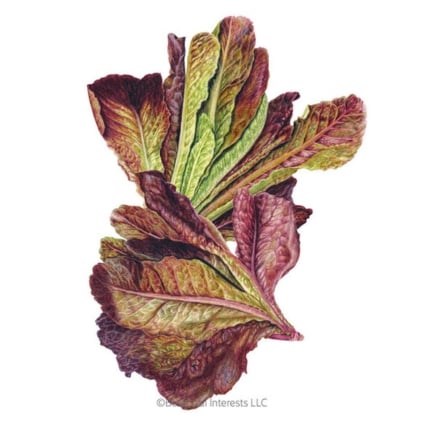
Cos, or romaine, lettuce is prized for its crisp texture and satisfying crunch. As the plant develops, the outer leaves can be harvested first. Cut leaves one to two inches above the soil line. Harvesting these young leaves allows more time for the lettuce to mature so the entire plant can be harvested later.
Romaine lettuce typically takes 55 to 70 days to grow from seed to maturity. Check the plant itself to determine when it is ready. Romaine is ready to harvest when the leaves are six to eight inches tall, the ribs are firm and juicy, and the leaves have formed a tightly compacted head. Gently squeeze the head to test firmness. Young heads will feel soft, while overripe heads may feel overly hard.
To harvest, cut the plant about one inch above the soil line, leaving the crown intact for a possible second harvest. If the plant is nearing the end of its growing cycle, you can dig up the entire plant to harvest the full head.
Loose Leaf Lettuce
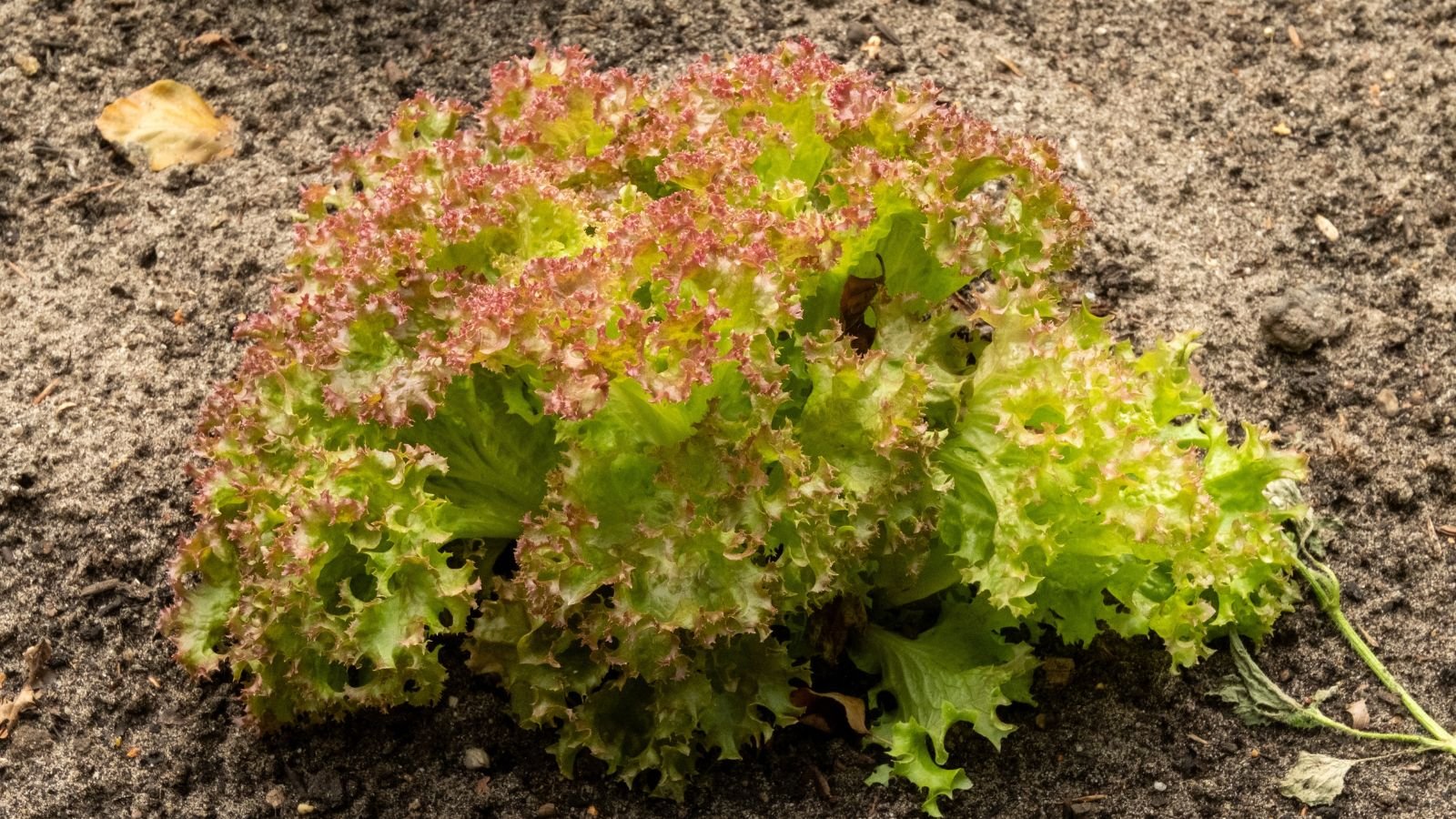
Leaf lettuce varieties have a wide harvest window. Young baby lettuce leaves can be harvested about 25 days after planting, while full maturity is usually reached in 50 to 60 days. Be sure to harvest before the plants bolt, as bolting negatively affects flavor and texture.
Loose-leaf lettuce is especially well-suited to repeated harvesting, allowing for multiple harvests throughout the season. Once leaves reach about four inches tall, you can cut the entire plant one to two inches above the soil line. Leaving the crown intact encourages new leaves to sprout from the base, which can be ready for another harvest in 10 to 15 days.
For a continuous supply, sow seeds in succession and stagger plantings. Resowing is recommended if you prefer the mild flavor of young baby greens.
Another harvesting method is to selectively trim the outer leaves while allowing the inner leaves to continue growing. You can begin harvesting from these plants once they reach about four inches tall by snipping leaves just above the soil line. This approach extends the harvest period while maintaining plant productivity.
Crisphead Lettuce

Crisphead, or iceberg, lettuce is especially enjoyable when grown at home for fresh salads. While it can be harvested using a cut-and-come-again approach, this method rarely produces a full head. This type of lettuce is better suited to a single harvest. The harvest window typically falls between 50 and 75 days after planting.
Iceberg lettuce is ready to harvest once the head has formed, the center feels firm with tightly compacted leaves, and before the outer leaves begin to brown. Harvest before the head starts to open or a seed stalk forms. If you notice signs of bolting, which is common in hot weather, harvest immediately.
The easiest way to harvest iceberg lettuce is to dig up the entire plant and then trim off the stalk. Crisphead lettuce has a thick stem, which can make in-ground harvesting difficult. If you choose to harvest without digging it up, lift the head gently and cut the stem just below the leaves, taking care not to damage the lettuce.
Butterhead Lettuce

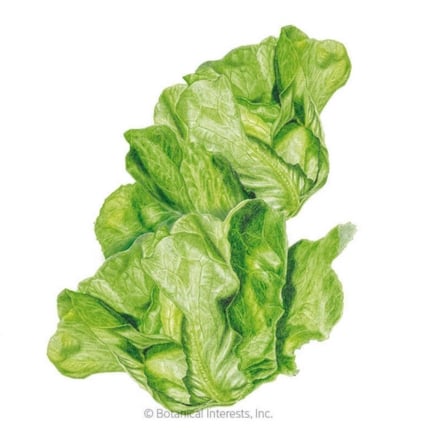
Butterhead lettuce is a tender, flavorful salad green. It is ready to harvest as early as 45 days after seeding, with the final harvest occurring no later than 75 days after sowing. This lettuce has its best flavor before it reaches full maturity. Baby butterhead lettuce can be harvested early in the season. You can regularly trim young leaves, use a cut-and-come-again approach, or thin the bed by removing some young plants.
Whole heads are ready to harvest when they begin to feel firm and the leaves reach eight to 15 inches in size. There are a few ways to harvest full heads, including cutting the stalk just below the head or digging up the plant and trimming off the stalk. If you leave the base or stalk intact after harvesting, the plant may regrow and produce additional leafy growth.
Stem Lettuce
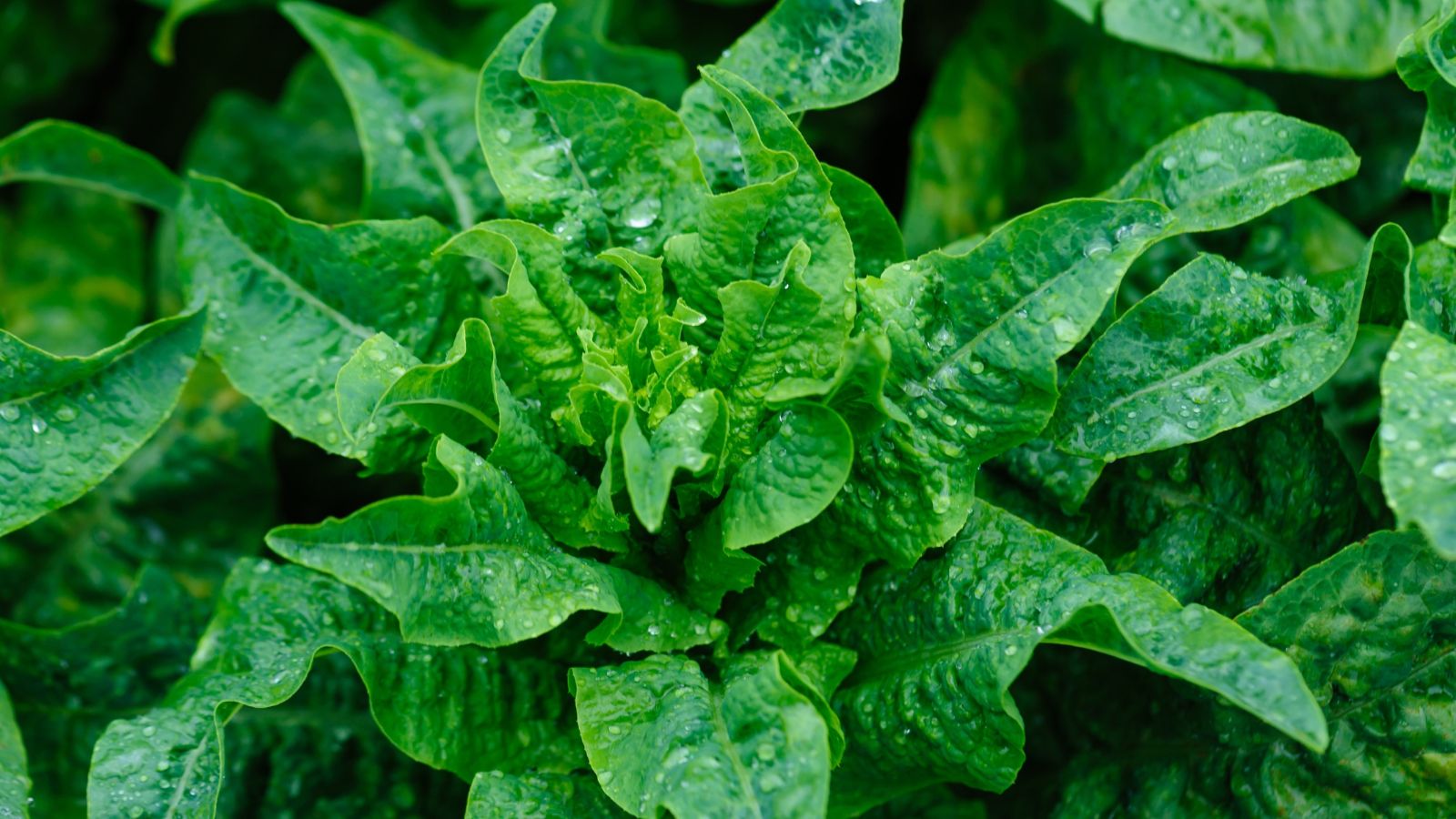
Stem, or celtuce, lettuce differs from other lettuce types because it is grown primarily for its thick, edible stem. The leaves can be harvested throughout the growing season, although their flavor may become bitter as the plant matures. Celtuce lettuce is ready to harvest when the stalk reaches about one inch in diameter and is 8 to 14 inches tall. Cut the stalk at the base of the plant, just above the soil line.
Alternatively, you can remove the entire plant by digging it up and trimming off the base and roots. Before storing, remove the leaves from the stem, as they do not keep well once the plant has matured.
How To Store Fresh Lettuce
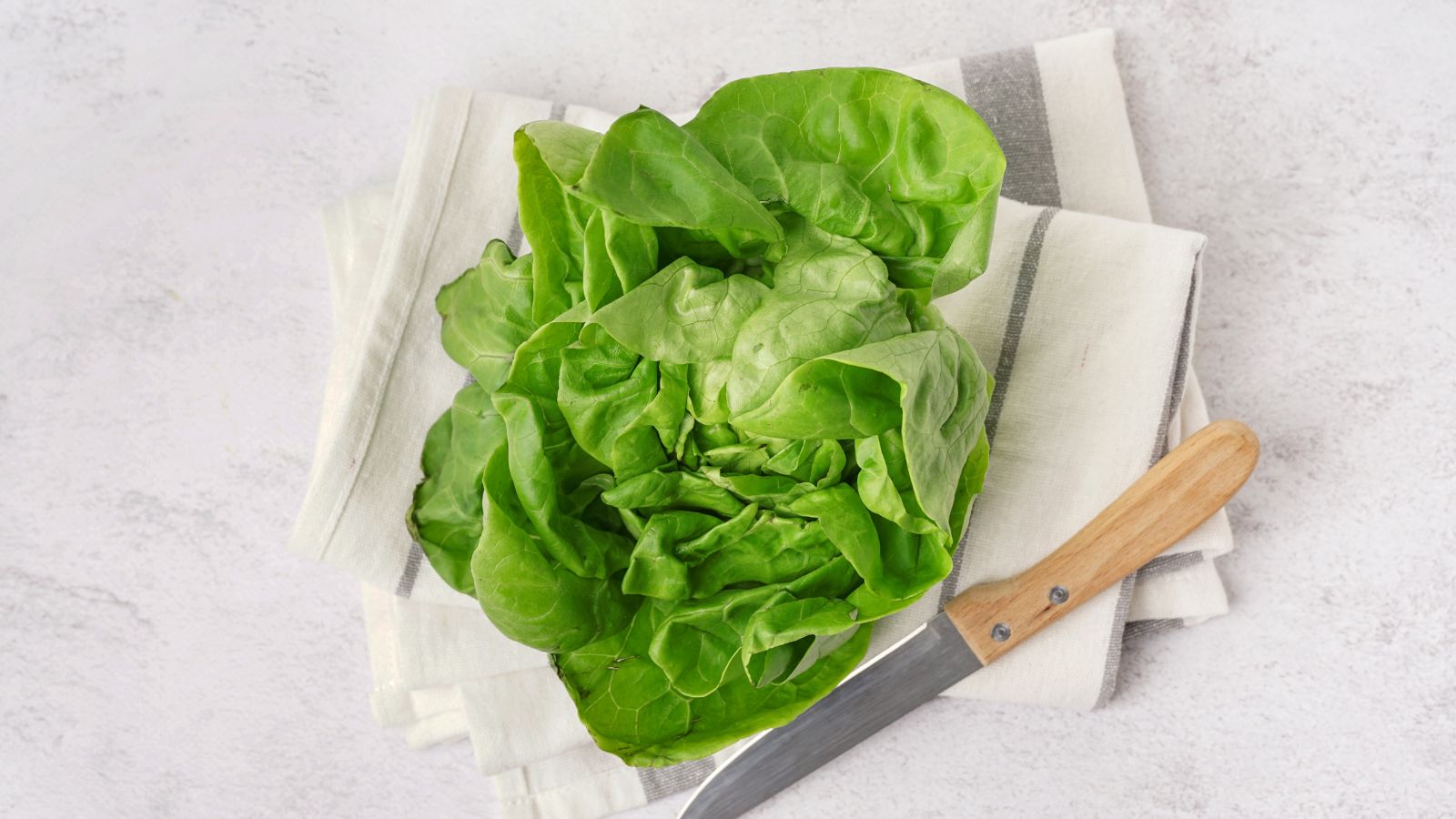
First, a few tips on properly storing lettuce. Placement in the fridge is key, and most people store lettuce in the crisper drawer. Avoid placing it toward the back of the fridge, where it may accidentally freeze. If lettuce is stored next to apples, bananas, or pears, these fruits can speed up decomposition and cause the harvest to wilt more quickly. Wilted lettuce can be refreshed by placing it in an ice bath for 15 minutes before eating.
Tender greens such as microgreens, loose-leaf lettuce, and trimmed lettuce leaves wilt quickly and are best eaten within three days of harvesting. Wash off any dirt or debris, then allow the leaves to dry on a dish towel or pat them dry. Store them in the refrigerator in a plastic bag or container with dry paper towels. Brown coffee filters work well for absorbing excess moisture and preventing sogginess. To extend shelf life, check the paper towels regularly and replace them when they become damp.
Head lettuce, such as cos, iceberg, and butterhead, can be stored unwashed in the refrigerator for one to two weeks. Remove any damaged or dirty outer leaves first. Wrap the head in paper towels or a dish towel and place it in a plastic storage bag or bin. As with loose leaves, replacing the paper towels when they become wet will help extend freshness. Wash the lettuce thoroughly just before use.
For stem lettuce, remove the leaves from the stem before storing. Wash and dry the stem, then store it in a plastic bag in the refrigerator. While best used fresh, it can last one to two weeks when properly stored.
Frequently Asked Questions
Will lettuce regrow after cutting?
Not all lettuce varieties will regrow after cutting such as crisphead lettuce or stem lettuce. Butterhead, romaine, and loose-leaf lettuce are more suited for cut-and-come-again harvesting.
How many times can you harvest lettuce?
For cut-and-come-again lettuce varieties, you can get 2-3 harvests in a good season. If you harvest the outer leaves, this can be a continual harvest!


