7 Hardest Vegetables to Grow from Seed
While they’re delicious, it’s not always worth growing the hardest vegetables. Seed easier veggies you want to enjoy instead, and grow the hard ones from cuttings, plugs, or tubers. Experienced gardener Sarah Jay examines why these seven vegetables are so challenging to grow and how to harvest them without starting from seed.

Contents
When I started gardening, I saw growing anything I wanted as a challenge and a learning experience. I decided it would be a good idea to attempt to cultivate the hardest vegetables. Seed was less expensive than purchasing plants or seed tubers after all.
But after failed attempts and lessons learned, I realized I was wasting space in my garden trying and failing to grow veggies that took a long time, or didn’t thrive within the limits of my local climate. Now I devote space in my garden to plants I know will succeed, and keep more experimental plants in containers where possible.
All this is not to discourage you from trying. Moreso, it’s meant to inform you that you don’t always have to start veggies from seed. Some can be grown from plugs or tubers. Others simply need several plants for you to glean a good harvest. Some need tons of tending while they’re maturing. If you’re up for the challenge, it could be worth the effort you have to put in.


Asparagus

|
botanical name Asparagus officinalis |
|---|---|

|
sun requirements Full sun |

|
height 3-5’ |

|
hardiness zones 2-9 |
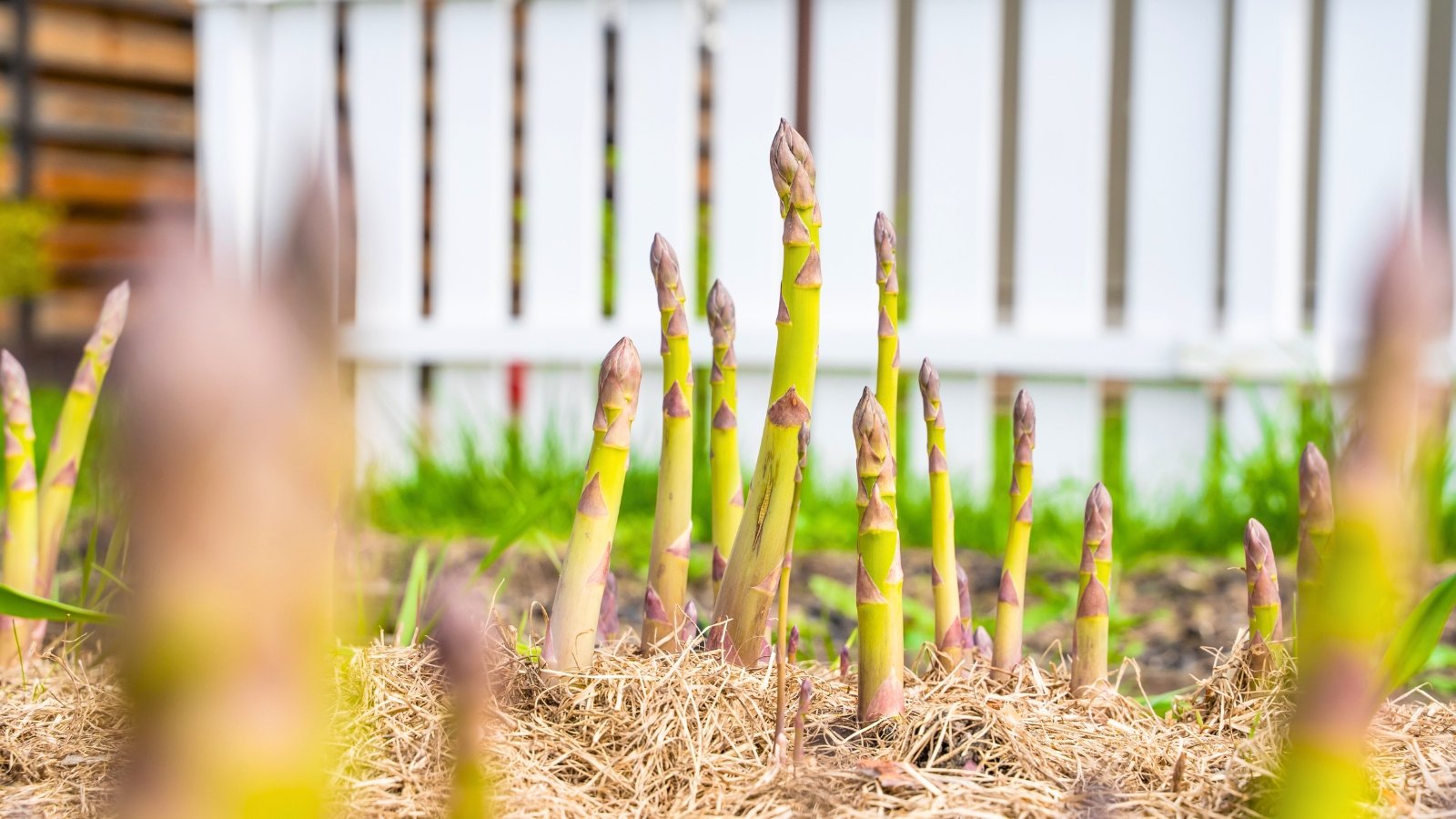
While you can grow asparagus from seed, it takes a long time to do it. Seed-sown plants can’t be harvested for at least a few years, and up to five. There’s the question of male and female plants as well, since asparagus is dioecious. Female plants produce better spears, but there’s no way to tell which you have until your plant matures.
Instead of growing asparagus from seed, purchase crowns that have been selected from already productive plants. These are cultivated specifically for home gardeners and farmers who want to produce a crop within a year or so.
To grow asparagus, you need a dedicated bed where this perennial can grow year after year. If you do decide to grow from seed, keep the area clear, mulched, and free of weeds as your seeds are germinating.
Potatoes

|
|
botanical name Solanum tuberosum |
|---|---|
|
|
sun requirements Full sun |
|
|
height 1-2’ |
|
|
hardiness zones 2-11 |
While they aren’t the hardest vegetables to grow from seed, potatoes need much more time and effort to start that way. The seeds themselves are tiny and difficult to see, making them hard to sow. Once you’re able to get them going, it takes multiple months to yield a harvest.
The other difficulty comes from where you sow them. Potatoes do best when sown directly, and not many climates have the kind of temperature and moisture needed to support seedlings without inviting in pests at the same time. You can sow them indoors, but you have to be extra careful in the transplant process.
Most often, potatoes are grown from tubers and sections of tubers with eyes on them. This is a much faster and easier way to glean tons of tasty potatoes. Still, try growing them from seed if you have time to care for them each step of the way.
Celery

|
|
botanical name Apium graveolens |
|---|---|
|
|
sun requirements Full sun |
|
|
height 1-3’ |
|
|
hardiness zones 3-6 |
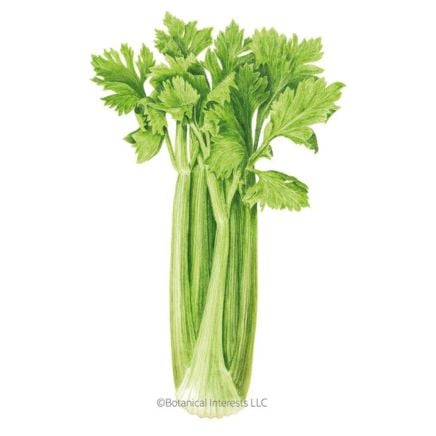
It is by no means impossible to grow celery from seed. However, it takes such a long time, and seedlings are sensitive to shifts in climate. Sow a celery seed indoors, and you may have to wait up to one month for it to sprout. Seedlings are also sensitive to root disturbances, so extra care should be taken when transplanting them. Sow them in biodegradable pots.
If you plant your celery in the garden, and a snap freeze takes hold, subsequent warm weather promotes bolting, which ruins the flavor of the stalks you took so much time to cultivate. In the same vein, celery sucks up water and salt, which can result in a salty-tasting harvest.
Of course, we sell celery seeds, so we know it can be done. It just takes a lot of effort that you could devote to other, more desirable plants.
Cauliflower
|
|
botanical name Brassica oleracea var. botrytis |
|---|---|
|
|
sun requirements Full sun |
|
|
height 1-4’ |
|
|
hardiness zones 2-11 |
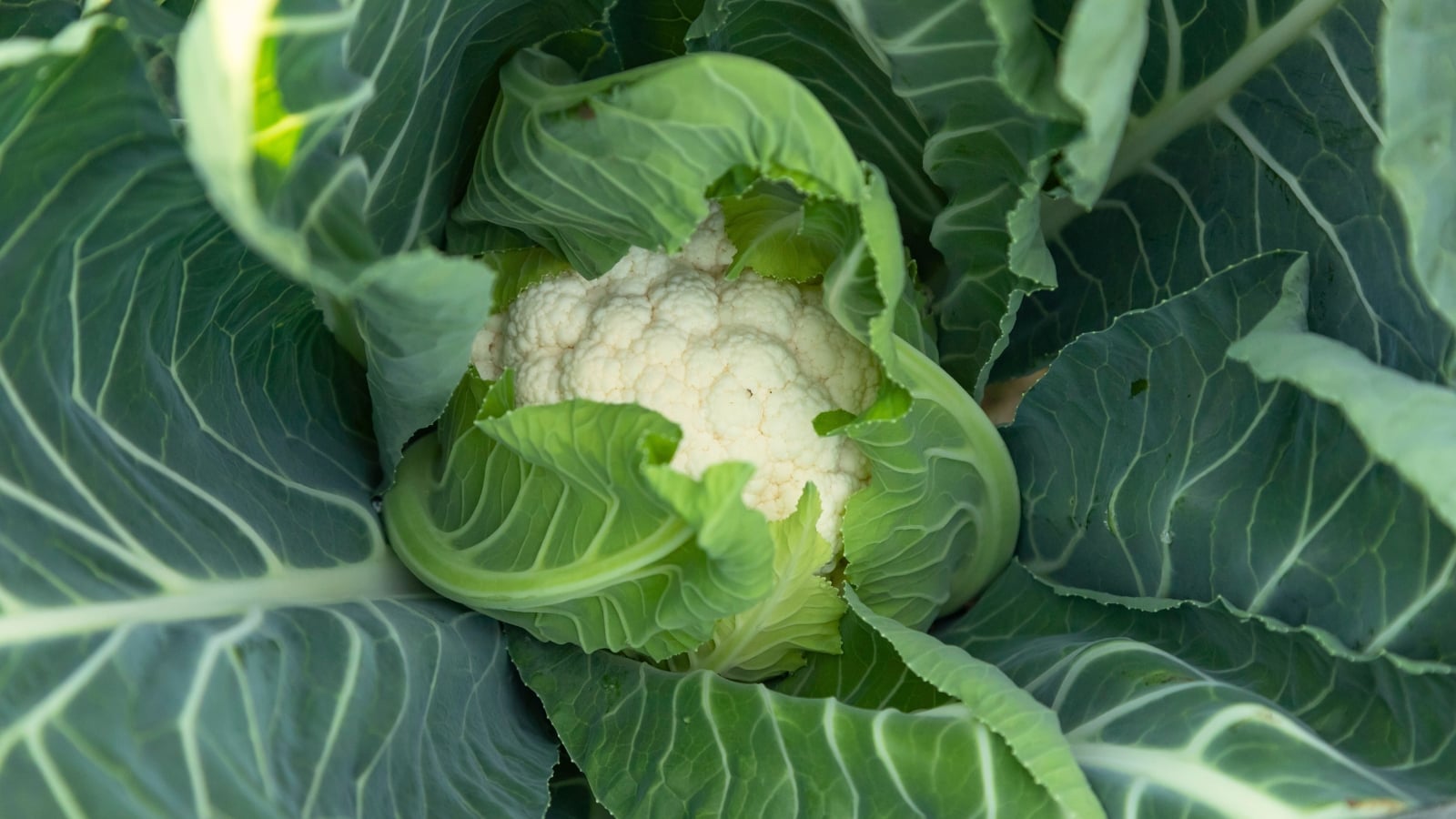
Just like celery, cauliflower is a crop highly sensitive to changes. Timing your cauliflower sowing is so important that even being slightly off can limit your ability to glean lots of lovely heads. Space is another issue. If you want to grow more than one head, you’ll need multiple two to three-foot-wide areas.
Cauliflower plants need the most temperate of temperate weather – around 60°F (16°C). Most people are hard-pressed to have a sustained time in spring or fall where this is the norm. The easier way to grow cauliflower is to buy starts from your local nursery and pop them in the ground at the right time.
Again, it’s not impossible, but cauliflower is one of the hardest vegetables to grow from seed.
Artichoke

|
|
botanical name Cynara cardunculus (Scolymus Group) |
|---|---|
|
|
sun requirements Full sun |
|
|
height 3-5’ |
|
|
hardiness zones 7-10 |
Growing artichokes is difficult, largely because once you get the seeds to sprout, you have to trick the plants into forming the delicious globes you’ll harvest. Give the seeds a heat mat to keep the germination temperatures at 70°F (21°C). Then place your starts out in the cold for a few weeks.
For many people in various regions, this requires specific timing that is hard to nail down. Perennial varieties don’t even flower in their first year. If you manage to be on time, prepare to grow a plant that can take up to five feet in diameter. This, and the climate issue, is why direct sowing your artichoke seeds is best.
Your best bet here is to choose an artichoke variety that is annual rather than perennial. You will still have to trick the plants to induce flowering that develops into delicious globes. But you’ll get flowering in the first year, rather than having to wait for subsequent years.
Bell Peppers

|
|
botanical name Capsicum annuum (Grossum Group) |
|---|---|
|
|
sun requirements Full sun |
|
|
height 6”-5’ |
|
|
hardiness zones 2-11 |
On this list, bell peppers are most likely the easiest of the hardest vegetables to grow from seed. But peppers take a long time to germinate, and one plant only produces a few peppers. If you like to use bell peppers in lots of different dishes, or you’re growing them to sell, they can take up space without providing much.
It would be much easier to grow a pepper that produces more, and continuously. Plenty of sweet peppers offer the same spice level and flavor that bell peppers do. If you are growing to glean a ton of delicious bells, succession sow your crop every two weeks to get enough for cooking.
Large Pumpkins
|
|
botanical name Cucurbita maxima |
|---|---|
|
|
sun requirements Full sun |
|
|
height Varies |
|
|
hardiness zones 2-11 |
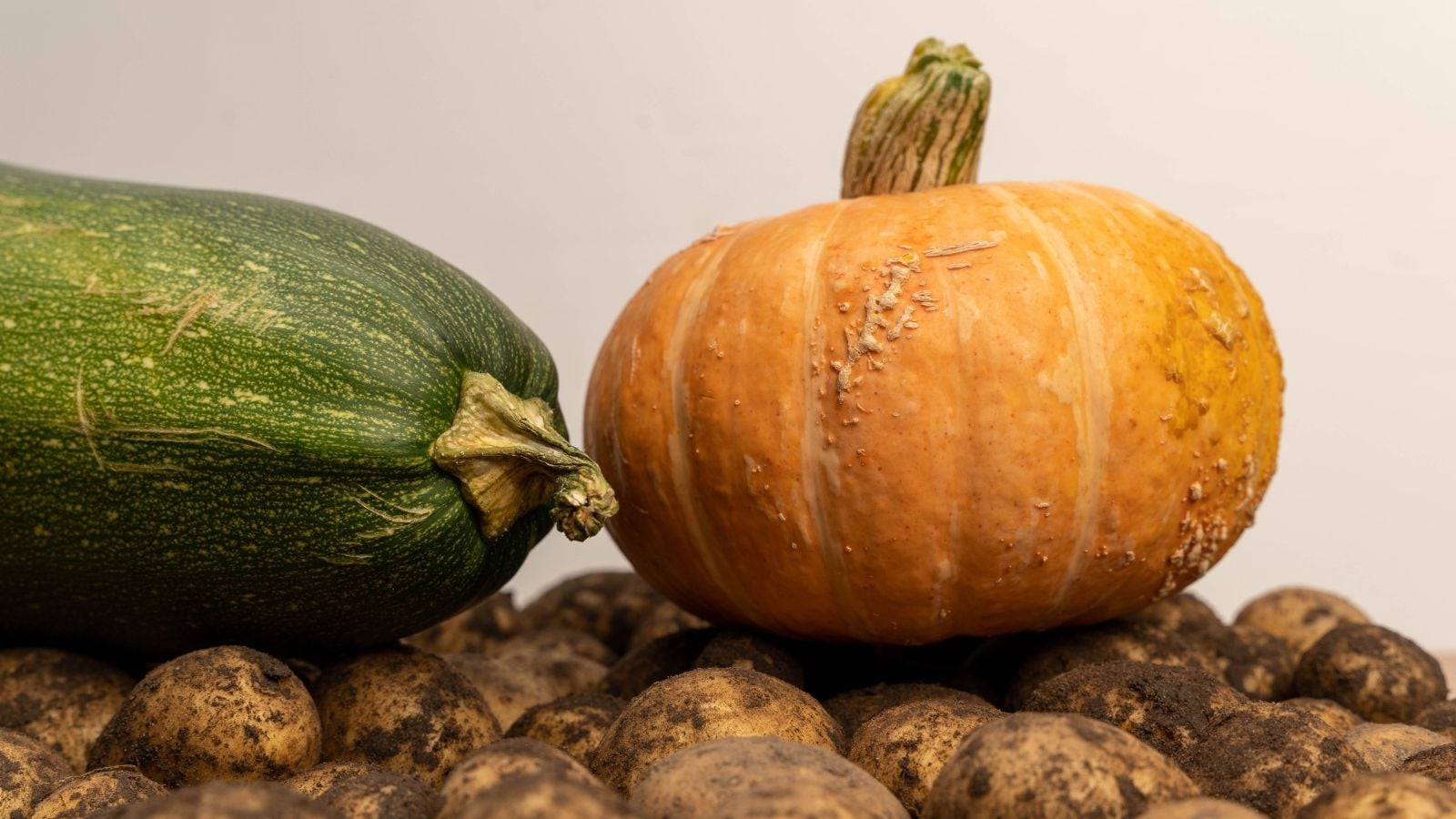
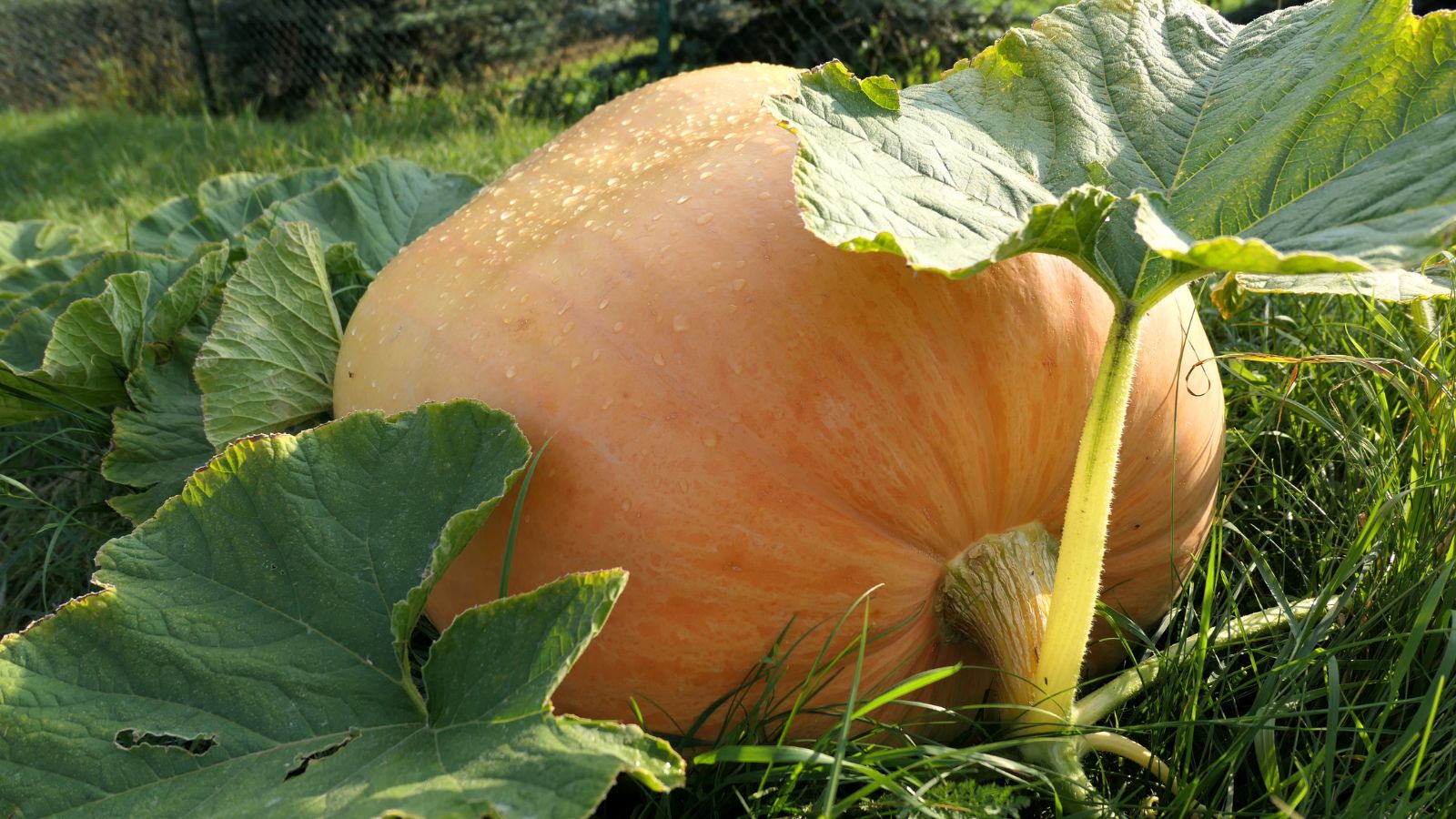
Sprouting a pumpkin seed is a cinch! But fostering a pumpkin from the tiny seedling that emerges to a giant gourd is difficult. These large pumpkins take four months to grow. That means you have to get your seeds sown directly at just the right time to avoid vegetative growth during frost.
Once they grow, they need time to cure in the field before they can be displayed or stored. If you live in an area with a mild fall, you may also have to contend with pests like the squash vine borer, which can devastate your vines before pumpkins manage to mature.
If you want to grow pumpkins and you know your season is short, opt for a smaller variety instead. It will take up much less space and ensure you are successful.