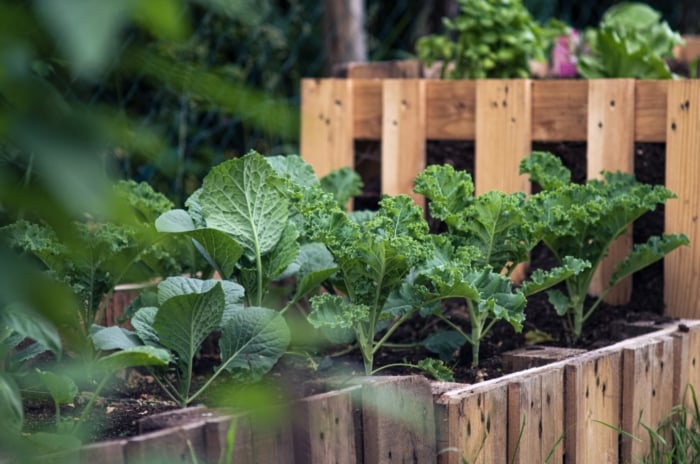
How to Plant, Grow, and Care for Cabbage
Love fresh cabbage? So do we. Growing cabbage isn't difficult and supplies you with big heads of nutrition-dense produce. In this guide, horticultural expert Lorin Nielsen will show you how to get it right!


Contents
Cabbage is one of those old-school crops that is easy to grow. It is cold-tolerant, highly nutritious, and simple to cook into a wide range of dishes. Growing cabbage in your garden is a great way to learn how to grow food, as it is approachable for beginners while still offering interest for more experienced gardeners. The large, impressive heads are also visually striking and fill garden beds beautifully.
Thanks to its long history of cultivation, cabbage varieties have been adapted to grow year-round in a wide range of climates. Cabbage was a staple crop for peasants in Northern Europe, where its cold tolerance and excellent storage ability made it a reliable safety net for rural farmers.
Cabbage is rich in vitamin C, calcium, and beneficial phytochemicals. Purple varieties in particular are high in anthocyanins, a compound found in purple produce such as blueberries and beets, which has been linked to cancer-fighting properties. In addition to its nutritional value, cabbage offers another advantage in the garden, as some varieties can produce new growth after harvesting.


Quick Care Guide

|
Scientific Name
Brassica oleracea var. capitata
Days to Harvest
60-110 days depending on weather and variety
Light
Full sun to partial shade
Water
Consistent watering, about 1” weekly
|
Soil
Sandy or loamy soil with lots of organic matter
Fertilizer
Fertilize 2 weeks after transplanting and again a month later
Pests
Aphids, cabbage loopers, cabbage worms, flea beetles, cabbage maggots, cutworms, birds
Diseases
Clubroot, black leg, black rot, alternaria, pythium, wirestem, downy mildew, fusarium yellows
|
All About Cabbage

The cabbage was domesticated into its current form in Germany, and wild cabbage can still be found growing in Western Europe. Brassica oleracea var. capitata is closely related to other brassicas such as kale, broccoli, and cauliflower. These plants all belong to the same species but are classified as different varieties.
Cabbage heads resemble large, compact lettuce heads. The outer leaves fold back in a similar way but are thicker and more corrugated. Depending on your preferences, growing conditions, and climate, you will want to choose cabbage varieties that are best suited to your garden.
Cabbage varieties are commonly grouped by time to maturity. Early maturing green cabbage varieties take about 60 to 80 days to harvest, mid-season varieties mature in 80 to 90 days, and late varieties take 90 to 110 days. Depending on your region, you can grow one type or stagger several types for a more consistent harvest.
Notable varieties include green savoy cultivars such as ‘Melissa’ and ‘Best-of-all’. There are also both red and green ball cabbage varieties. Green ball types range from early-season options like ‘Earliana’ to heirloom favorites such as ‘Brunswick’. For red or purple cabbage cultivars, consider ‘Red Acre’.
Ball head cabbages should not be confused with napa cabbage, also known as Chinese cabbage. Napa cabbage is a different species with distinct growing habits. While they share some similarities, the differences are significant enough that they are best covered separately.
Planting

Cabbage is a cool-weather vegetable and will bolt if temperatures become too warm.
In regions with consistently cool weather, start cabbage seeds indoors about four to six weeks before the last frost, then transplant them outdoors once the danger of frost has passed. In warmer climates, begin cabbage in late summer so you can harvest before winter cold sets in. If winters are mild, cabbage can often be grown throughout the entire season.
Once seedlings have four to five true leaves, they are ready to be planted out. Choosing the right location is important. Cabbage grows best in full sun, but in warm climates, too much direct sunlight can lead to bitter-flavored heads. Aim for a spot that receives full sun with some light shade during unexpected heatwaves so plants have enough light without stress.
Cabbage can also be grown in containers, although these plants can become quite large. Choose containers that can support substantial foliage and a deep taproot. Five to ten-gallon grow bags work well for growing cabbage. Raised beds are another good option, as long as plants are given enough room to mature. Spacing cabbage 20 to 24 inches apart is ideal in most gardens.
When planting cabbage in the ground, space rows 24 to 36 inches apart, with 20 to 24 inches between individual plants. In suitable climates, you can stagger plantings by starting a new batch every one to two weeks. Just be sure there is enough time for heads to mature and be harvested before warm weather returns.
How to Grow
Cabbages do best when you anticipate their needs. But what are those needs? Let’s explore them in more depth.
Light
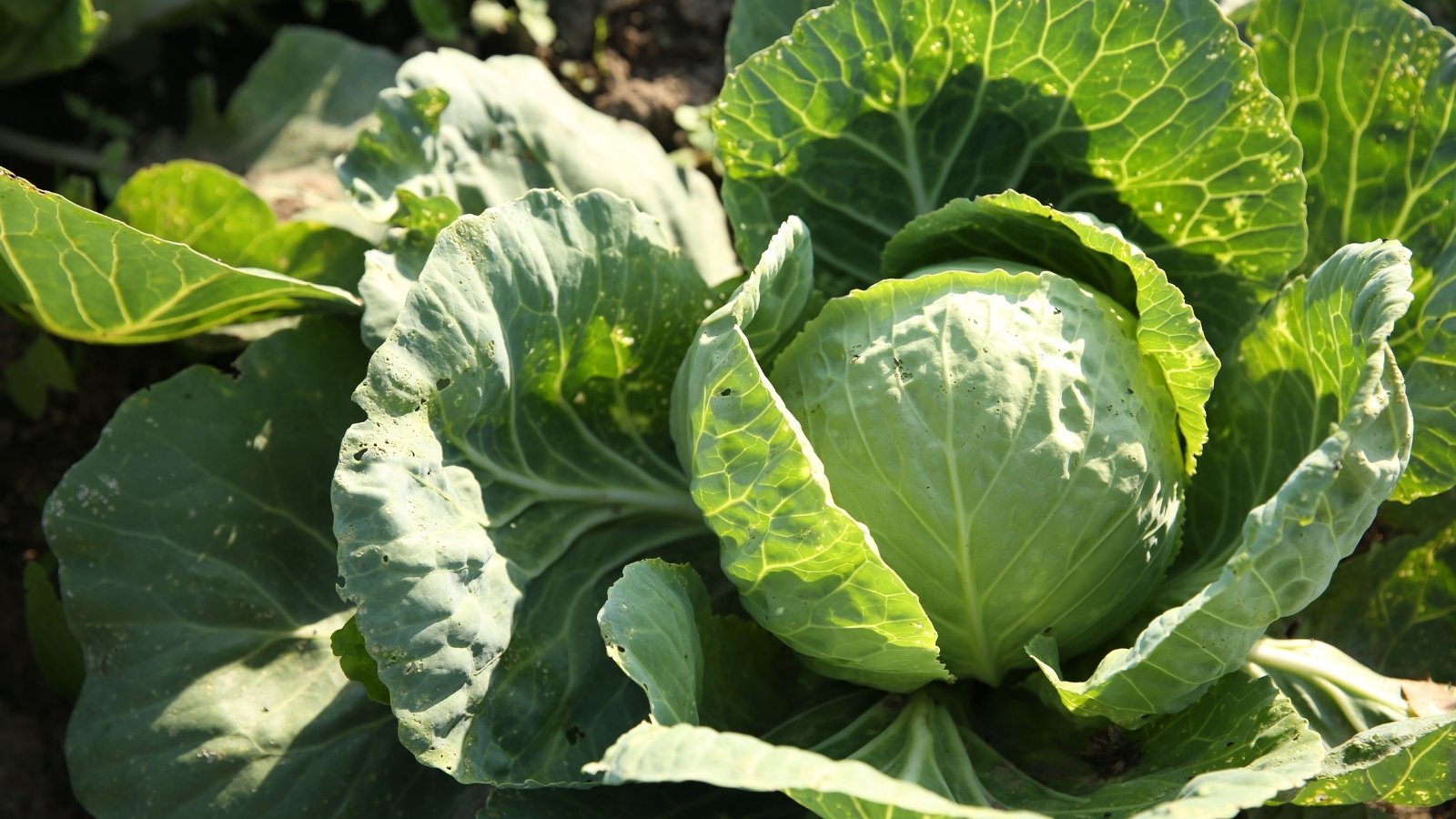
Grow cabbage during the cooler months of the year, when there are shorter days and milder temperatures. They like to receive full sun but can turn bitter if exposed to too much heat. Aim for six to eight hours of sunlight per day. Able to grow virtually everywhere, you can plant cabbage in USDA zones across most regions.
Water

To grow cabbage well, you will need the soil to stay consistently moist. Growing cabbage requires about one inch of water per week, although you can water less if you are receiving regular rainfall.
Try to water your cabbage at the base using a soaker hose and avoid wetting the leaves. Watering in the morning is a good strategy if you need to use a hose, as it allows any stray droplets to dry before the sun becomes intense.
Too much water can cause cabbage heads to split, while too little water can result in thick, tough leaves. Finding the right watering rhythm takes a bit of practice when growing cabbage, but consistent moisture is key to healthy plants.
Soil

A heavy feeder, cabbage grows best in well-drained soil that is rich in organic matter. The soil should hold moisture well but not pool or turn muddy. Loamy or sandy soils provide a good base, as long as you work in at least two inches of compost, aged horse manure, or cow manure before planting.
Try to keep the soil pH between 6.0 and 7.0. If you are unsure of your soil’s pH, use a soil test kit to get a reliable estimate, or opt for professional soil testing.
Top dress around your plants with additional compost as needed. You can also apply mulch to the soil surface to help retain moisture and support steady growth.
Temperature and Humidity

Ideal temperatures are between 55 to 65°F (13 to 18°C), but cabbage can tolerate temperatures down to 20°F (-7°C). When the weather dips below this level, use a cold frame or frost blanket for protection. Likewise, if warmer weather threatens, provide some protection with shade cloth to prevent heat stress.
Fertilizing

As mentioned before, cabbage plants are heavy feeders. While they benefit from adequate potassium and phosphorus for healthy root growth, they are primarily grown for their foliage and therefore require plenty of nitrogen.
When growing cabbage, begin fertilizing about two weeks after transplanting with a balanced fertilizer such as a 10-10-10 formula. Either liquid or slow-release fertilizers can be used, although slow-release options are often preferred.
About one month after the initial feeding, apply a nitrogen-rich fertilizer. Alfalfa meal or blood meal work well when lightly scratched into the soil around each plant. Combined with compost and the earlier feeding, this should provide enough nutrition to support strong head development.
Pruning
Pruning isn’t strictly necessary when you grow cabbage. You can remove outer leaves that have been damaged by pests, but try to maintain enough to keep the cabbage head protected.
Propagation

Since it is a single-season plant for most gardeners, cabbage is best propagated from seed. Unless it bolts due to excessive heat, a cabbage plant typically goes to seed in its second year, which means most people never see viable seed produced in the garden.
Start cabbage seeds indoors four to six weeks before the last frost. If you are growing cabbage for a fall harvest, plant seeds four to six weeks before your planned transplant date. Cabbage can also be direct sown, but seedlings will need to be thinned to one plant every 20 to 24 inches as they mature.
Harvesting

To tell if your cabbage is ready to pick, gently squeeze the head. If it feels firm throughout, it is ready to harvest. If it has some give, the head is not fully formed yet. Fully formed heads can remain on the plant for short periods, so if you have more cabbage than you can use, you can wait a week or two as long as the weather stays cool.
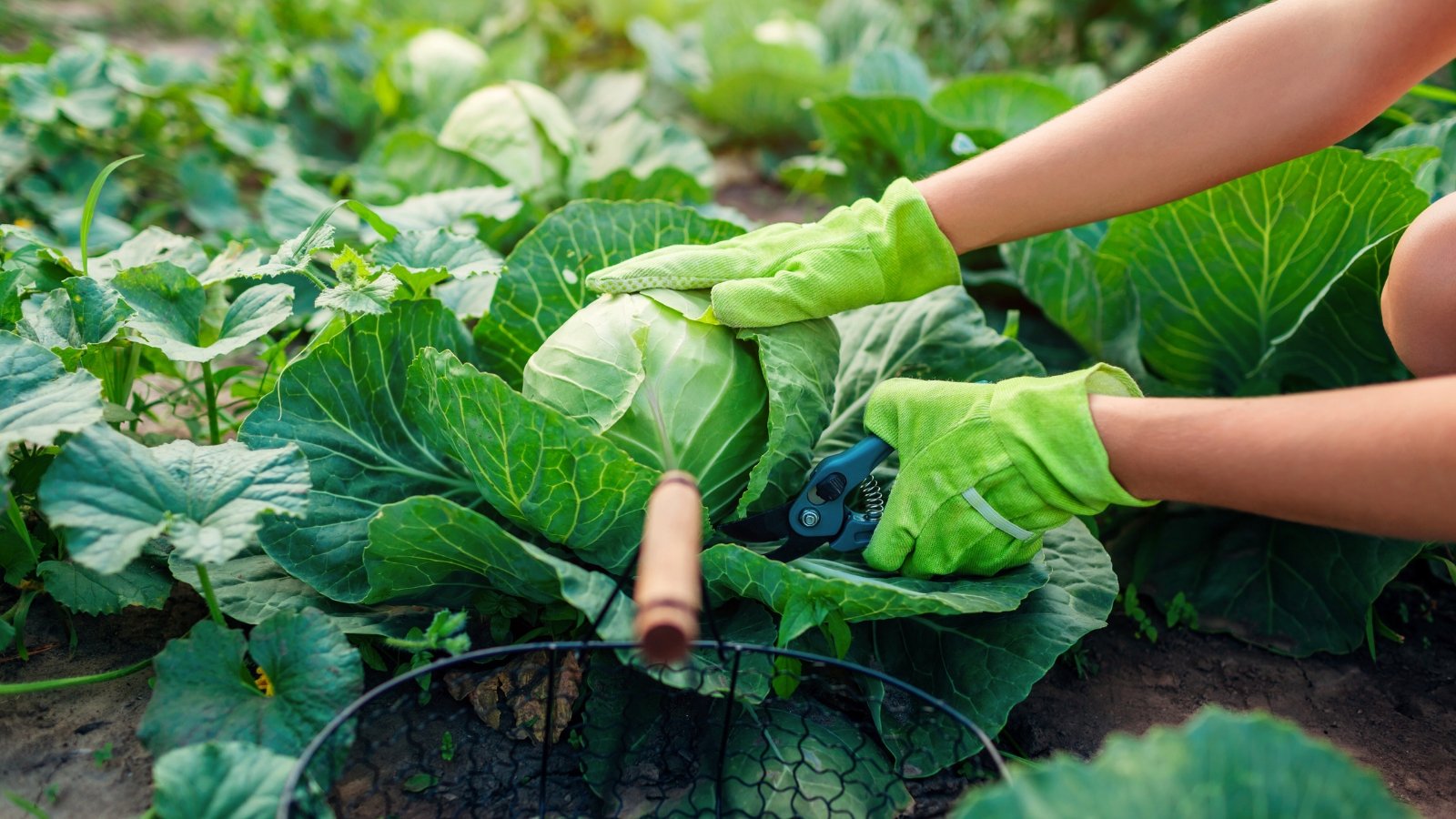
To harvest cabbage, use a knife to cut the head from the stem just above the first set of outer leaves. If you make clean cuts and avoid damaging the main stem, the plant may produce smaller secondary heads over time.
Once the plant has finished producing, cut it off at soil level and allow the roots to decompose in place, adding organic matter back into the bed. If the plant has experienced pest problems such as root maggots, remove the roots as well to eliminate pests hiding in the tissue. Do not compost plants affected by pests or disease.
Storing

To store cabbage in the refrigerator or a root cellar, strip away any loose outer leaves and trim the stem short. Wrap the dry, unwashed head in paper towels and place it in a plastic bag with a few holes poked in it. Store the cabbage in the crisper drawer of your refrigerator. Use within a few weeks, checking occasionally to make sure it has not begun to wilt.
For longer-term storage, cabbage can be frozen. Remove any yellowed or wilted outer leaves and cut the head into quarters, leaving the stem intact. Blanch each quarter for ninety seconds in boiling water, then transfer immediately to an ice bath to stop the cooking process.
After blanching, allow the cabbage to drain in a colander with the cut sides facing down for at least one hour. Pat the pieces dry, place them on a baking sheet to freeze, and then transfer to a freezer bag for storage.
Cabbage can also be dehydrated for later use in soups or stews. Fermenting cabbage to make sauerkraut is another popular and effective storage method.
Troubleshooting
While cabbage plants are a historically staple crop, you may encounter some problems, pests, and diseases that need intervention to correct. Let’s discuss some of the most common issues.
Growing Problems
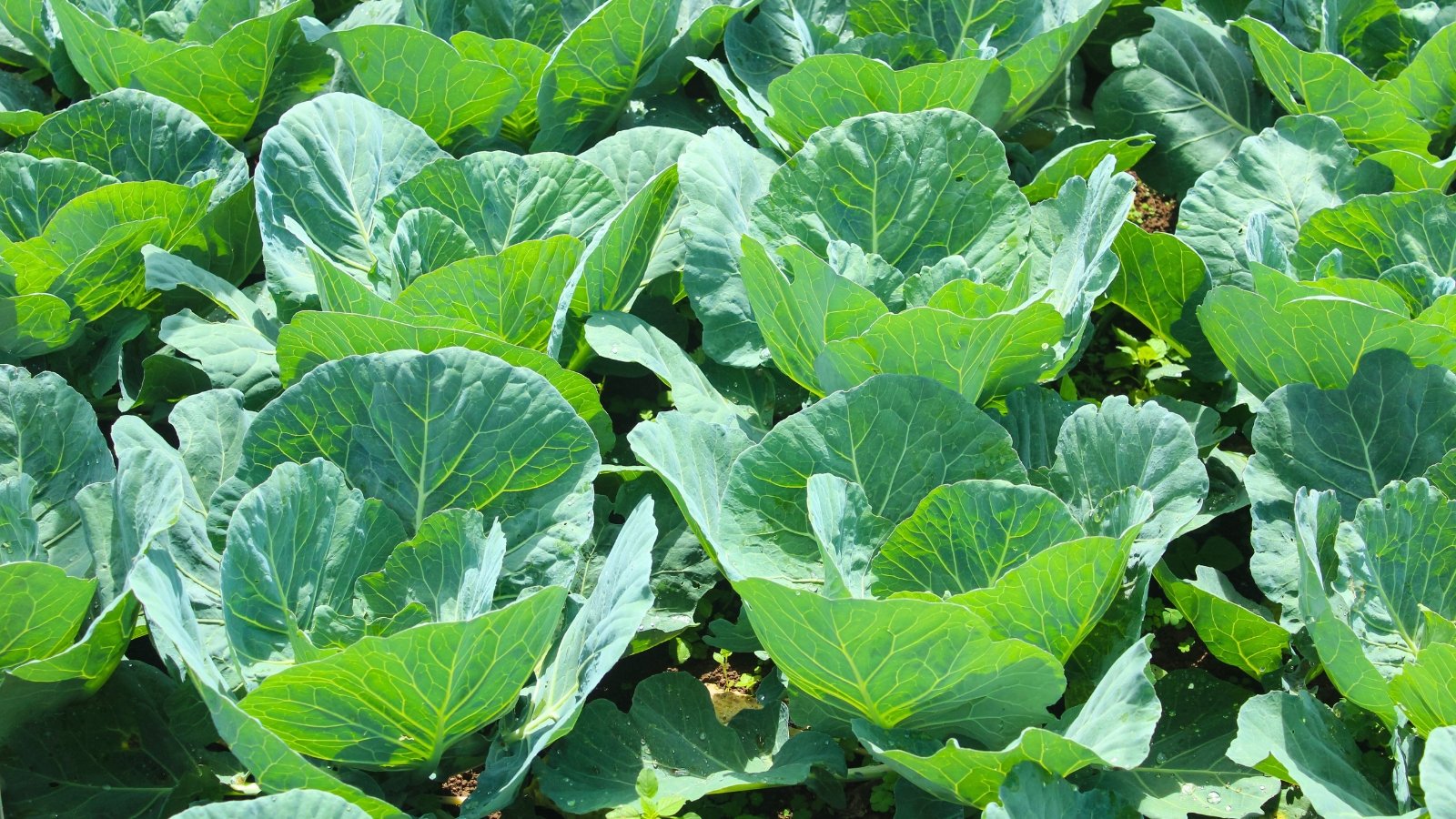
While growing cabbage, if you find that plants are not forming heads properly, there are a few potential causes. Damage to the main stem from pests can interfere with head development. Inconsistent watering is another common issue. Conditions that are either too cold or too hot can also prevent proper head formation. Make sure the main stem is intact and that plants are receiving consistent moisture at appropriate temperatures.
If cabbage heads begin to crack, this is usually caused by a sudden increase in water after a prolonged dry period. When a head has already started forming, a surge of moisture can force rapid expansion before the leaves have time to adjust. Maintaining even soil moisture throughout the growing season helps prevent this problem.
Like most brassicas, cabbage is susceptible to nutrient deficiencies that can affect plant health. A boron deficiency, in particular, can cause breakdown and decay in the pithy center of cabbage stems. To avoid this issue, use a fertilizer that includes micronutrients in addition to the primary NPK nutrients.
Cabbage Pests
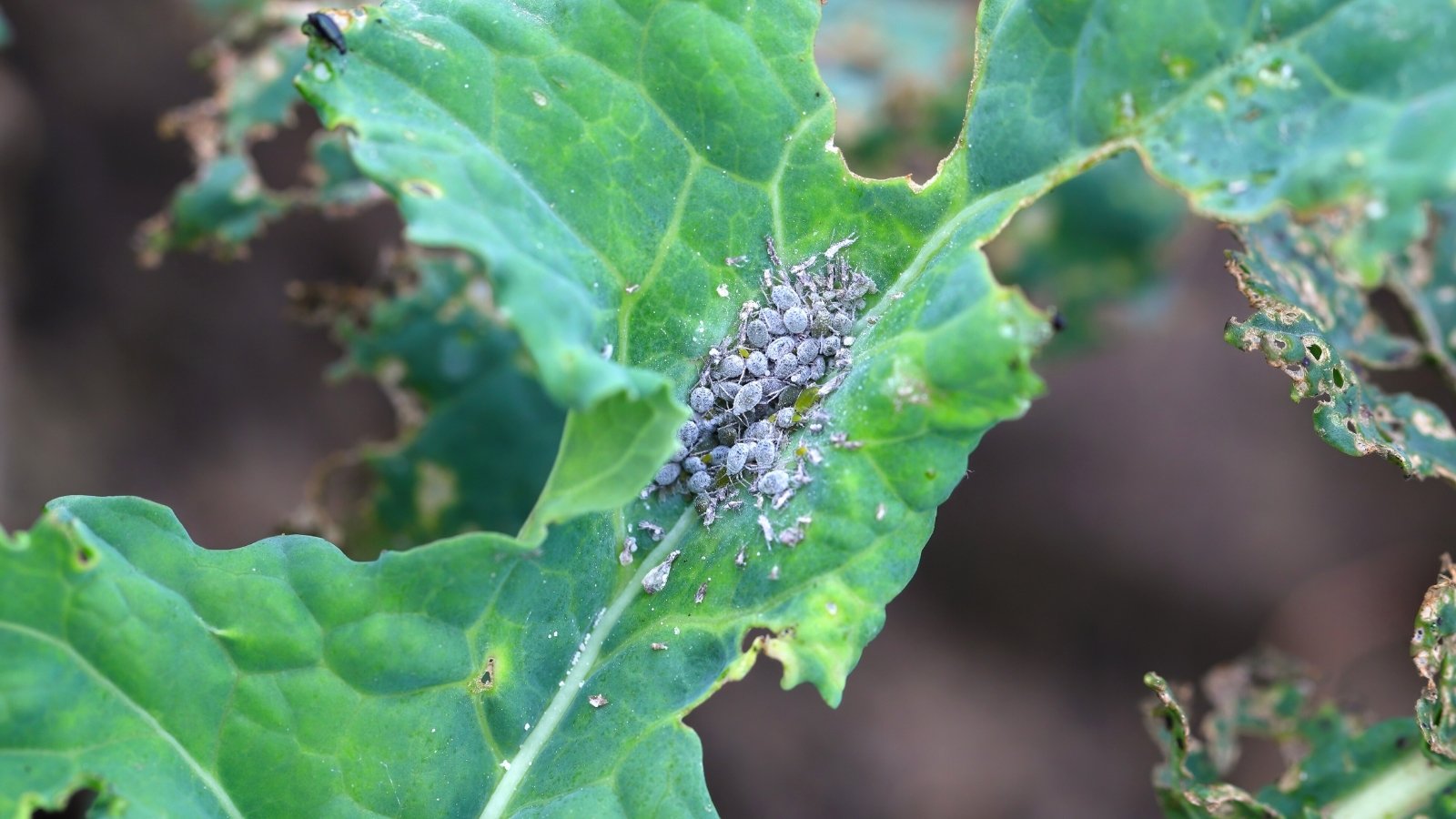
Aphids are tiny insects that feed on plant sap. They can be white, green, or brown in color and often clump together, leaving behind a sticky residue on the plant. To control aphids, you can blast them off plants with a strong stream of water, spray foliage with a neem oil solution, or introduce beneficial insects that feed on aphids, such as ladybugs.
Cabbage loopers and cabbage worms are other common cabbage pests that can cause serious damage. When plants are young, these pests can chew their way to the stems in just a few hours. Both cabbage loopers and cabbage worms are green, which makes them difficult to spot on green cabbage varieties, although they are easier to see on red or purple types.
Encouraging predatory wasps in the garden provides natural pest control. You can also spray growing cabbage with Bacillus thuringiensis (BT), a naturally occurring bacterium that produces a protein toxic to loopers and worms.
Flea beetles typically appear in spring and chew small holes in young plants. They feed aggressively on leaves and can damage both seedlings and mature cabbage heads. Protect seedlings by starting seeds indoors or using row covers when direct sowing. Pyrethrin or spinosad sprays are effective at controlling flea beetles.
The cabbage root fly lays eggs at the base of the plant, and once the larvae hatch, they move into the soil to feed on roots. Heavy infestations of these small, white cabbage maggots can destroy the root system and kill the plant. Use floating row covers to keep flies away from crops. Sticky traps can help catch adult flies, while beneficial nematodes are effective against maggot larvae.
Cabbage Diseases

Virtually all cabbage diseases have a direct link to humidity or soil moisture.
There are three diseases with no truly viable treatments to watch for when growing cabbage. Clubroot, black leg, and black rot are all potentially fatal to cabbage plants. Black leg is caused by a fungus, black rot by a bacterium, and clubroot is caused by a soilborne pathogen, Plasmodiophora brassicae.
For all three diseases, a combination of moist conditions and warm temperatures creates ideal conditions for the pathogens to thrive, and all can persist in the soil. Using certified disease-free seed and clean, non-infected soil is the best line of defense. Maintaining a slightly higher soil pH between 6.8 and 7.0 can also help prevent clubroot in some cases.
Damping off can be caused by alternaria or pythium fungi. Alternaria can also cause leaf blight similar to leaf spot disease. In cases of alternaria, affected foliage can be treated with liquid copper fungicide. Pythium is soilborne and can survive for years in the soil, making it much harder to manage. It can also lead to root rot and other diseases. A mycofungicide may help reduce pythium activity.
Wirestem can cause seedling collapse and is often mistaken for damping off. This fungal disease is more common when seedlings sprout in warm, humid conditions. Prevention is the most effective approach, as there are no reliable treatments. In severe cases, removing the entire plant may be necessary.
Finally, fusarium yellows is caused by fusarium fungi and results in leaf yellowing, defoliation, twisted stems, stunting, or seedling death. Many cabbage cultivars are bred for resistance to this soil-dwelling disease, as there is no dependable cure. Removing infected plants is often required to prevent further spread.
Frequently Asked Questions
Does cabbage regrow after cutting?
Yes! If you leave a few outer leaves on the stem the plant will form mini cabbages, called cabbage sprouts. Harvesting all the sprouts except for one encourages the remaining sprout to form into a tiny head.
How long does it take for a cabbage head to form?
This depends on the variety, but can take 60-110 days to grow cabbage.
Why do cabbage heads split?
Cabbage heads split due to irregular watering. The damage is purely cosmetic and they remain completely edible, but make sure to harvest and use quickly.
How do you keep cabbage from bolting?
This occurs when the weather is too warm for the cabbage. You can prune the forming buds off to encourage the plant to keep growing, but it may not stop the bolting process once begun. Making sure you have the right temperature range during your growing season is best.
How many heads of cabbage do you get from each plant?
You can get up to 6, as subheads form around the middle cabbage.
What should not be planted near cabbage?
Keep your beans, tomatoes, peppers, and strawberries away when you grow cabbage. These tend to compete with your cabbage for nutrients.