

The Best Grass Seed For Your Region: Lawn Pro Recommendations
Wondering what type of grass seed to buy this year? Wonder no more! Here are expert recommendations for the best grasses in each ecoregion. Choose a few new cultivars, or go for a tried-and-true mix that’s dependable. Join lawn pro Jerad Bryant in shopping for the best grass seed mixture for your region.

Contents
Fall and spring are ideal times to reseed the lawn. Maybe some bare patches arose during the summer, or you’d like to strengthen the health of the lawn overall. Or, perhaps you’re creating a new lawn! No matter your needs, it’s important to choose a grass seed blend that will thrive in your garden.
Consider your climate, the seasons, and your site’s conditions. Some yards have microclimates that differ from the surrounding area. A wall can protect lawns from the wind, while a tall tree creates shady conditions that benefit certain grasses more than others.
On a grander scale, we’ll use ecoregions to determine the best grass seed mix for your garden. Ecoregions are better than hardiness zones or states, as they refer to the topography and weather conditions within an area.
To use this guide, first find out your ecoregion. Then, scroll down to the section that matches your area. Each section includes recommendations for sun or shade, helping you find the right grass seed for your region.
Northern Forests
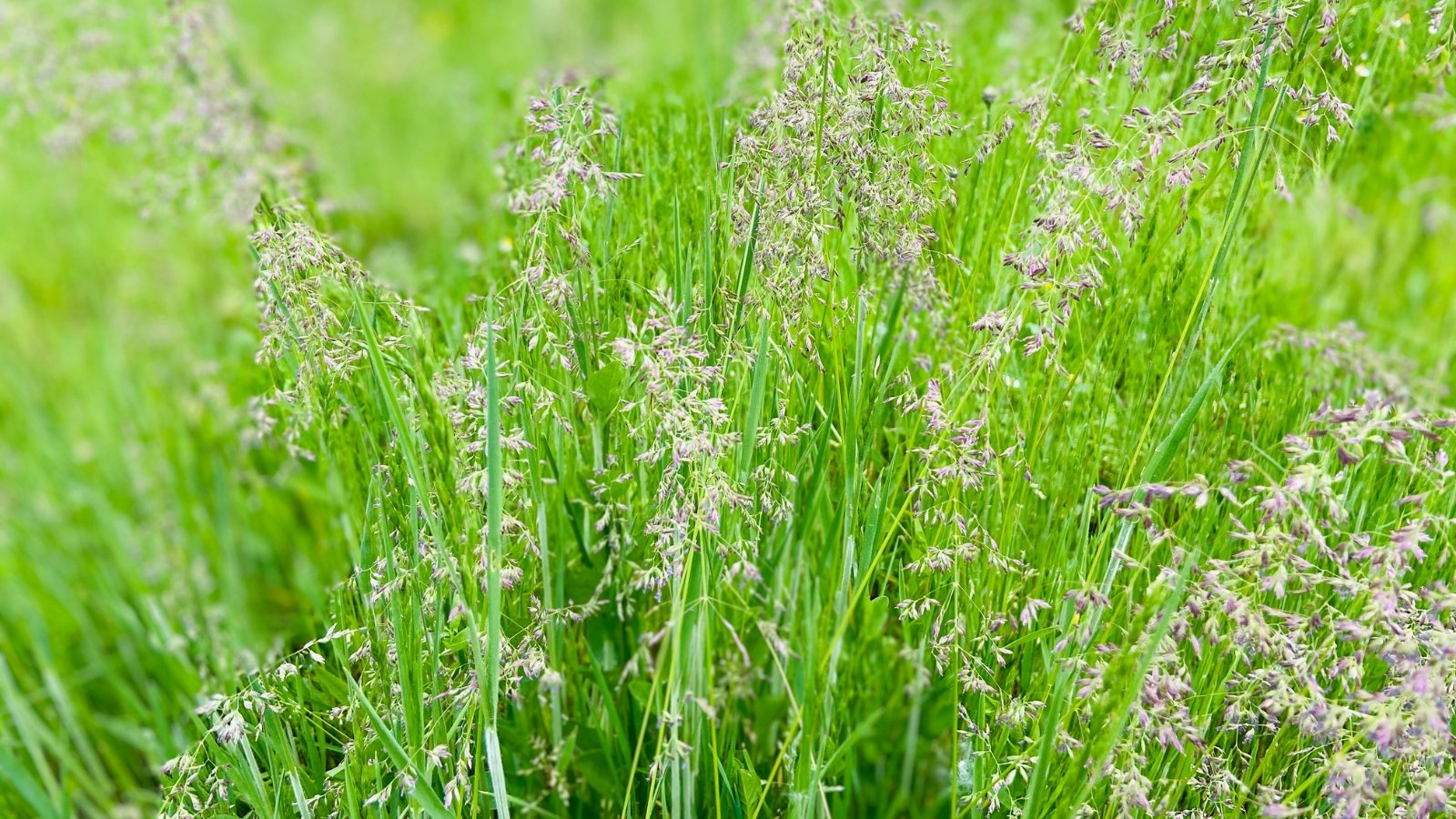
Northern forests are cold in the winter and mild in the summer. This region includes areas of northern Minnesota, Wisconsin, and Michigan, as well as parts of New Hampshire and Vermont. Grass seed for this region must be hardy and frost-tolerant to fare well.
You’ll see Kentucky bluegrass, perennial ryegrass, and fescue many times on this list. These three grasses, and combinations of them, are the most common blends for home lawns. They grow well with mowing and regular watering to stay green year-round.
The type of grass to choose depends on how sunny your yard is. In full sun, choose a mix that’s 10-15% perennial ryegrass and 85-90% Kentucky bluegrass. In the shade, try a combination that’s 10-15% fine fescue and 85-90% Kentucky bluegrass.
Northwestern Forested Mountains
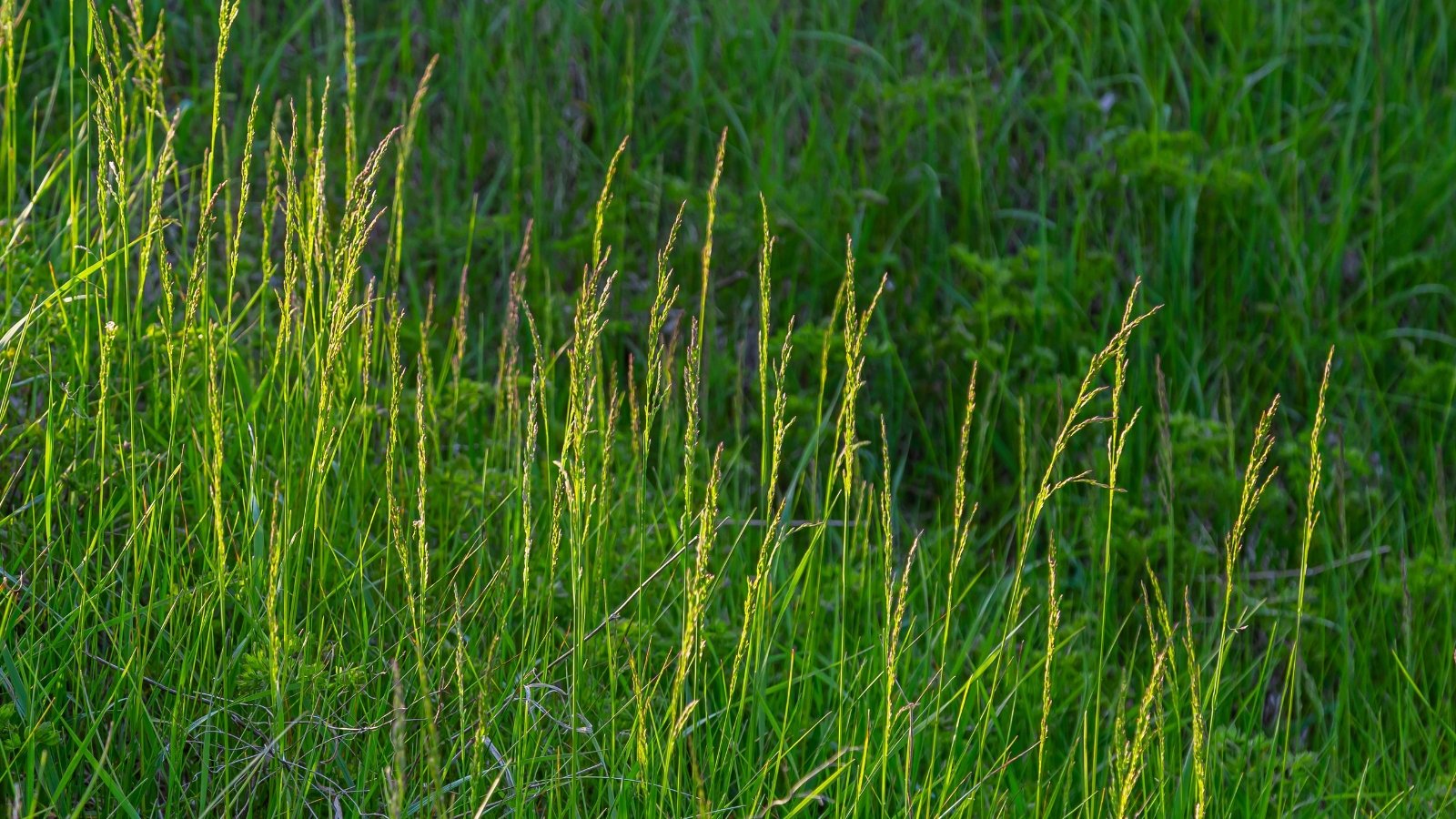
Northwestern forested mountains have a distinct climate that differs from that of the eastern U.S. This region includes portions of eastern Oregon, Washington, and California. It also has parts of Idaho and Montana within its boundaries.
Here, winters are freezing and summers are warm and hot. Grass seed for this region tends to enter summer and winter dormancy, and it must be drought-tolerant to fare well.
Opt for a mixture of Kentucky bluegrass and perennial ryegrass in this region. The ryegrass is quick to sprout and establish; it’ll fill the site the first year. Kentucky bluegrass is hardy, though, and it’ll grow well in the following seasons.
Marine West Coast Forest
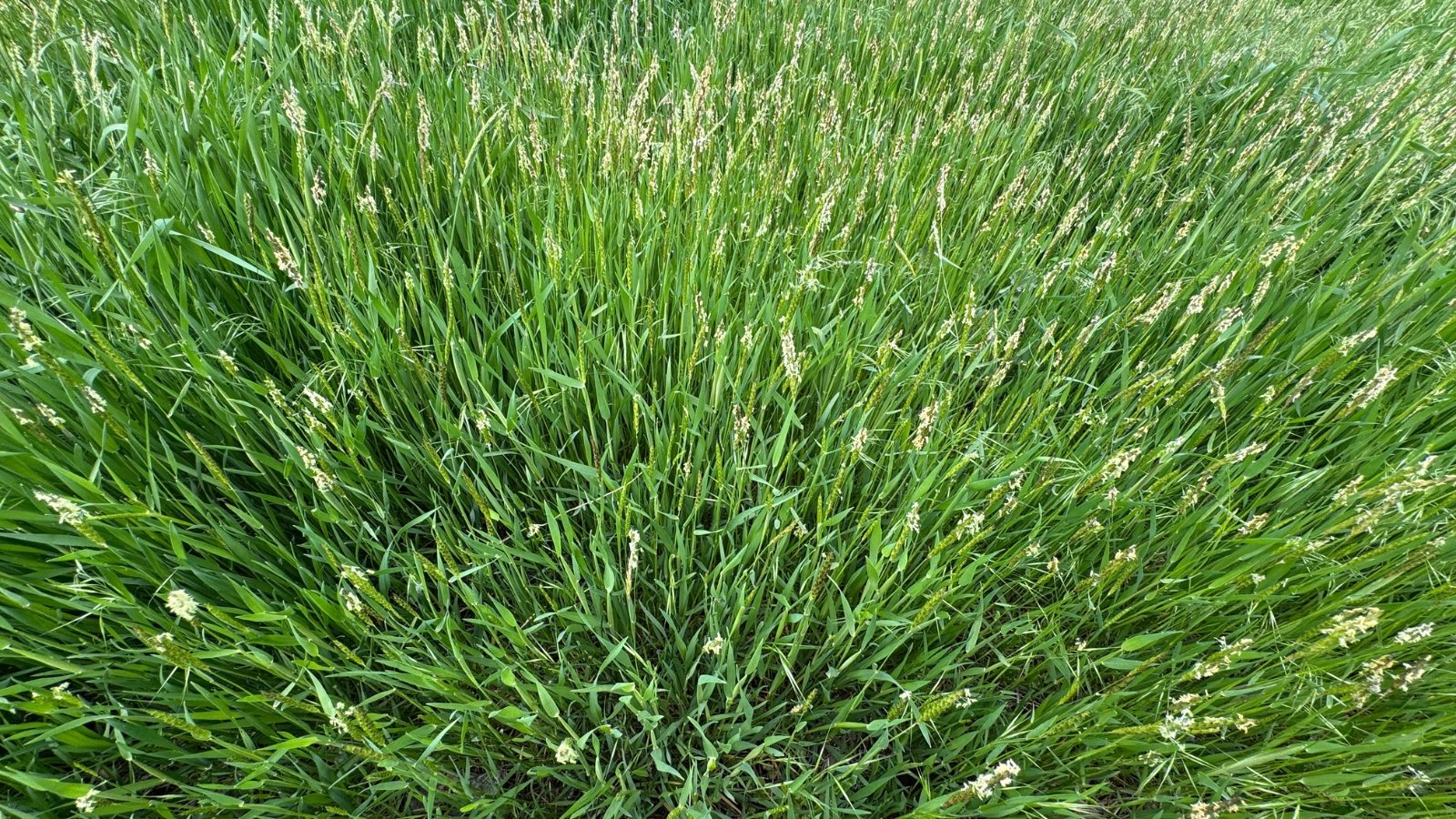
I live in this ecoregion, where coastal weather from the Pacific Ocean makes its way inland. This phenomenon creates giant forests, beautiful meadows, and lush valleys. Marine West Coast forests include coastal portions of Alaska, Washington, California, and Oregon.
Gardeners in these regions should opt for a grass mixture that tolerates excess moisture. Ensure the site has good drainage. If it doesn’t, add a layer of compost before planting and rake it in well.
Go for a mix of fine fescues and perennial ryegrass. Put more ryegrass seed down in the sun, and more fine fescue in the shade. If your summer is hot, you may let the lawn enter dormancy for the warm months. It’ll turn brown, and it’ll green back up when the rains return in the fall.
Eastern Temperate Forests
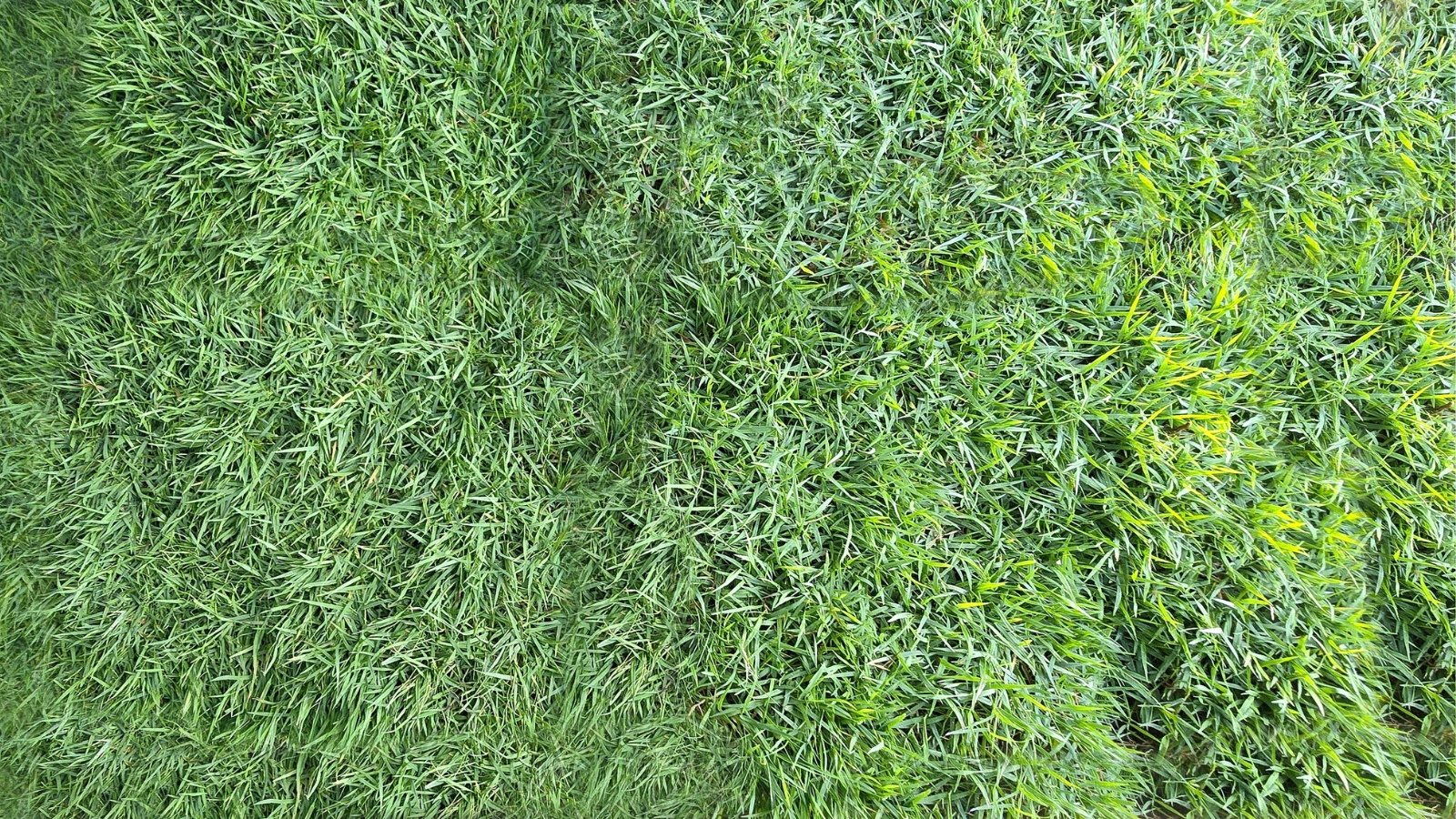
This is the largest region in the U.S. The eastern temperate forests include the states east of the Mississippi River, as well as most of Arkansas and Louisiana. The Appalachian Mountains are in this region, though many of the eastern cities are in lowlands away from hilly terrain.
The best grass seed for this region depends on where you live. In the South, it may be best to choose warm-season grasses that perform well in the spring and summer. In the North, cool-season grasses like ryegrass, bluegrass, and tall fescue fare well.
Warm-season grasses like bermudagrass and zoysiagrass are the best options for sunny, warm areas with hot summers. These species enter dormancy for the winter, and they look green and vigorous during the growing season.
Great Plains
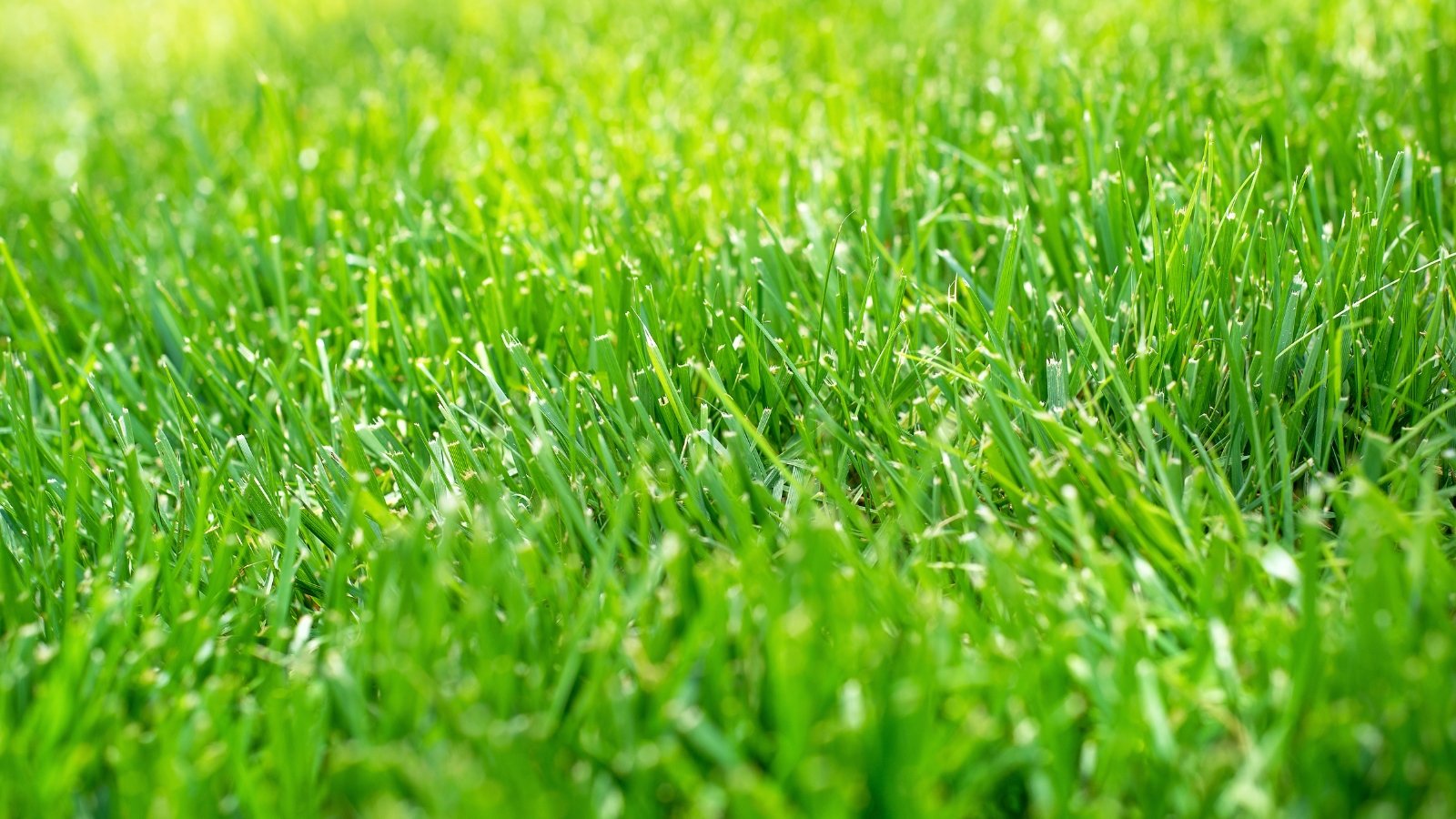
The Great Plains is another large region within the U.S. It spans from the Mississippi River westwards to the deserts and mountains of the West. The right grass seed for this region needs to be frost-tolerant and drought-tolerant.
Most Midwestern growers choose cool-season grasses that look their best in fall and spring. These species enter summer dormancy without irrigation, though you can extend their season with regular irrigation and mowing. Go for a blend of perennial ryegrasses, Kentucky bluegrasses, and tall fescues.
If you’d like green grass in the summer instead of the cool seasons, try planting buffalograss. It’s a warm-loving species that tolerates cold weather better than bermudagrass or zoysiagrass.
North American Deserts
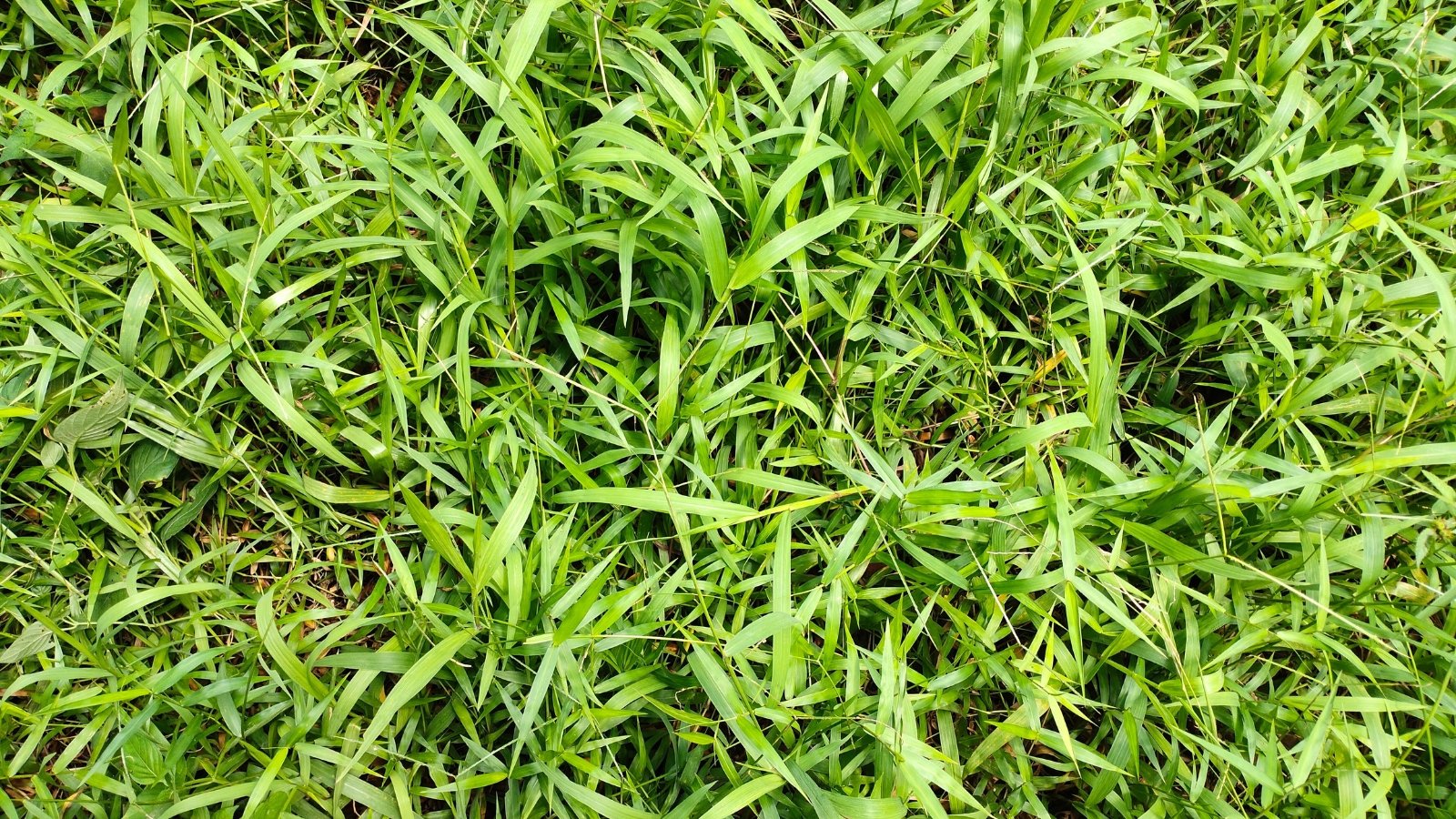
Having a lawn in the desert is extremely difficult! It wastes a lot of water, and it may be better to have a xeriscape or cactus garden instead. If you’d like to push your luck, you’ll need drought and heat-tolerant grass seed to establish a lawn in the North American deserts.
Bermudagrass is the grass of choice for desert gardens in Arizona, Colorado, California, and nearby states. It thrives under hot weather with plenty of sunlight.
The only danger with bermudagrass is its winter dormancy. It’ll turn yellow-brown in the fall and winter. Consider overseeding the site with cool-loving grasses in the fall if you’d like a green lawn through the winter.
Mediterranean California
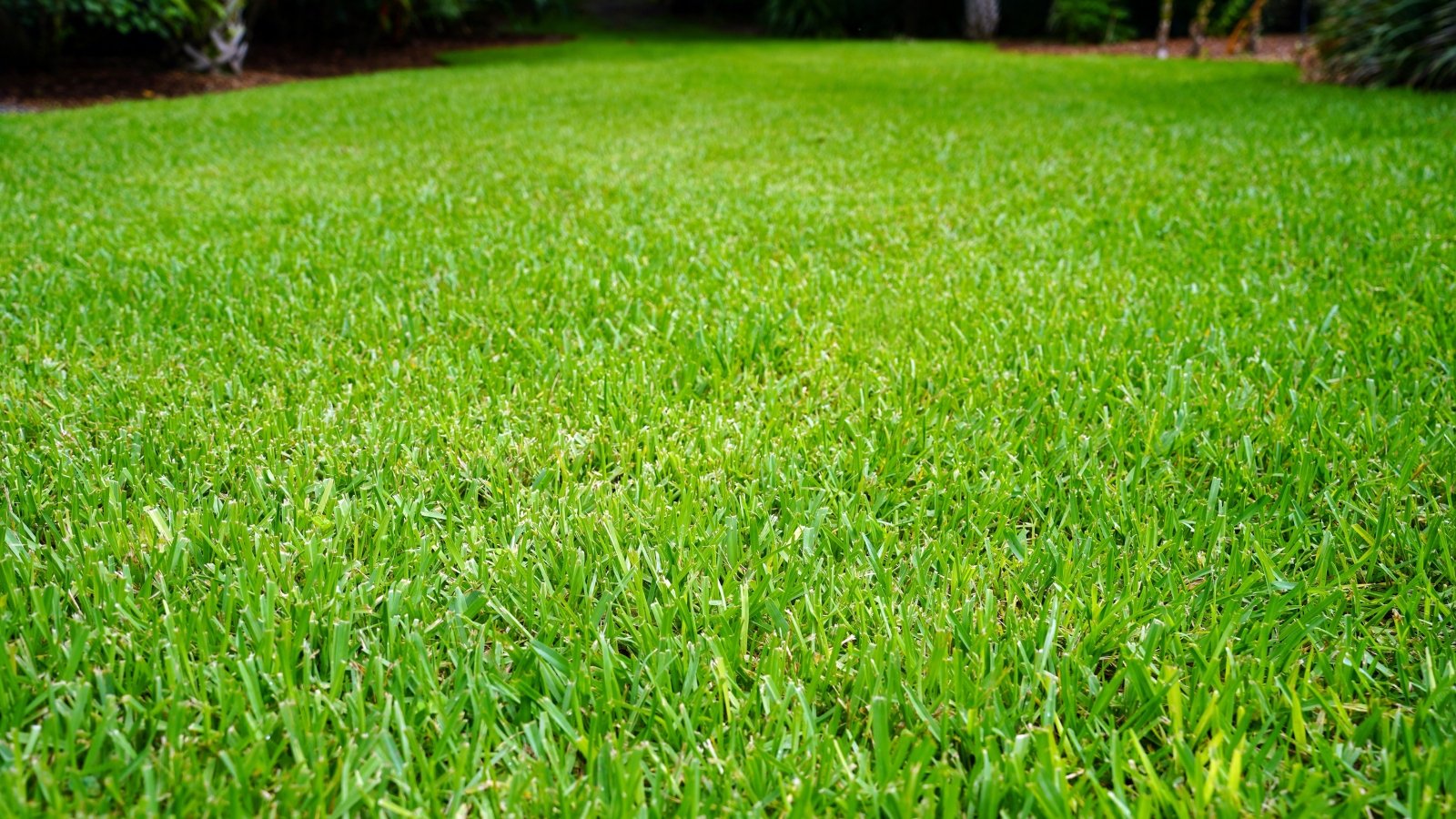
California is unique among all states! It has deserts, coastlines, mountains, valleys, and forests. Mediterranean California refers to the western and central portions of the state. Winters here are relatively mild, and the growing season is long, warm, and sunny.
A mixture of perennial ryegrass and Kentucky bluegrass works well for most lawns. In areas with frequent droughts and hot weather, consider going for a drought-tolerant species of tall fescue. Reseed areas annually in the fall to keep the area thick with growth.
Shady sites fare well with St. Augustinegrass. This species is the most shade-tolerant of the heat-loving turfgrasses. It produces some thatch over the year, and it requires dethatching annually in the fall to stay healthy and vigorous.
Southern Semi-Arid Highlands
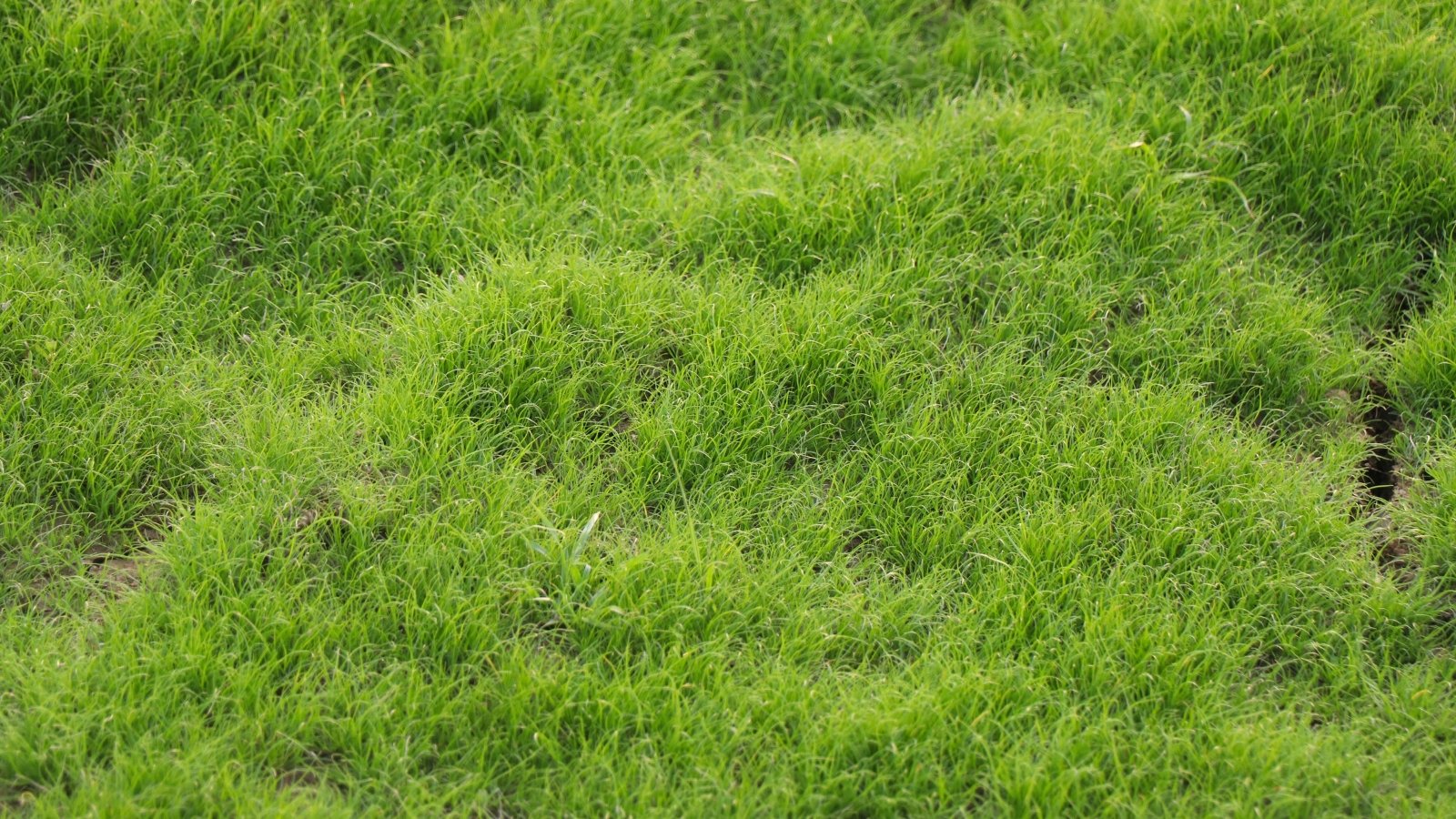
The southern semi-arid highlands make up a small southwestern portion of Arizona. This region is similar to the North American deserts, except at a higher elevation. There is more rainfall and cold weather here than in the deserts.
Though there is more rainfall, the southern semi-arid highlands have tough growing conditions for plants. Grass seed for this region must be drought-tolerant and frost-hardy to survive in the region. Winters are dry, cold, and frosty.
The typical three grass species are the best for this region: Kentucky bluegrass, fine fescue, and perennial ryegrass. For best results, the mixture should have a majority of bluegrass seed and two equal but smaller portions of fine fescue and ryegrass seed.
Temperate Sierras
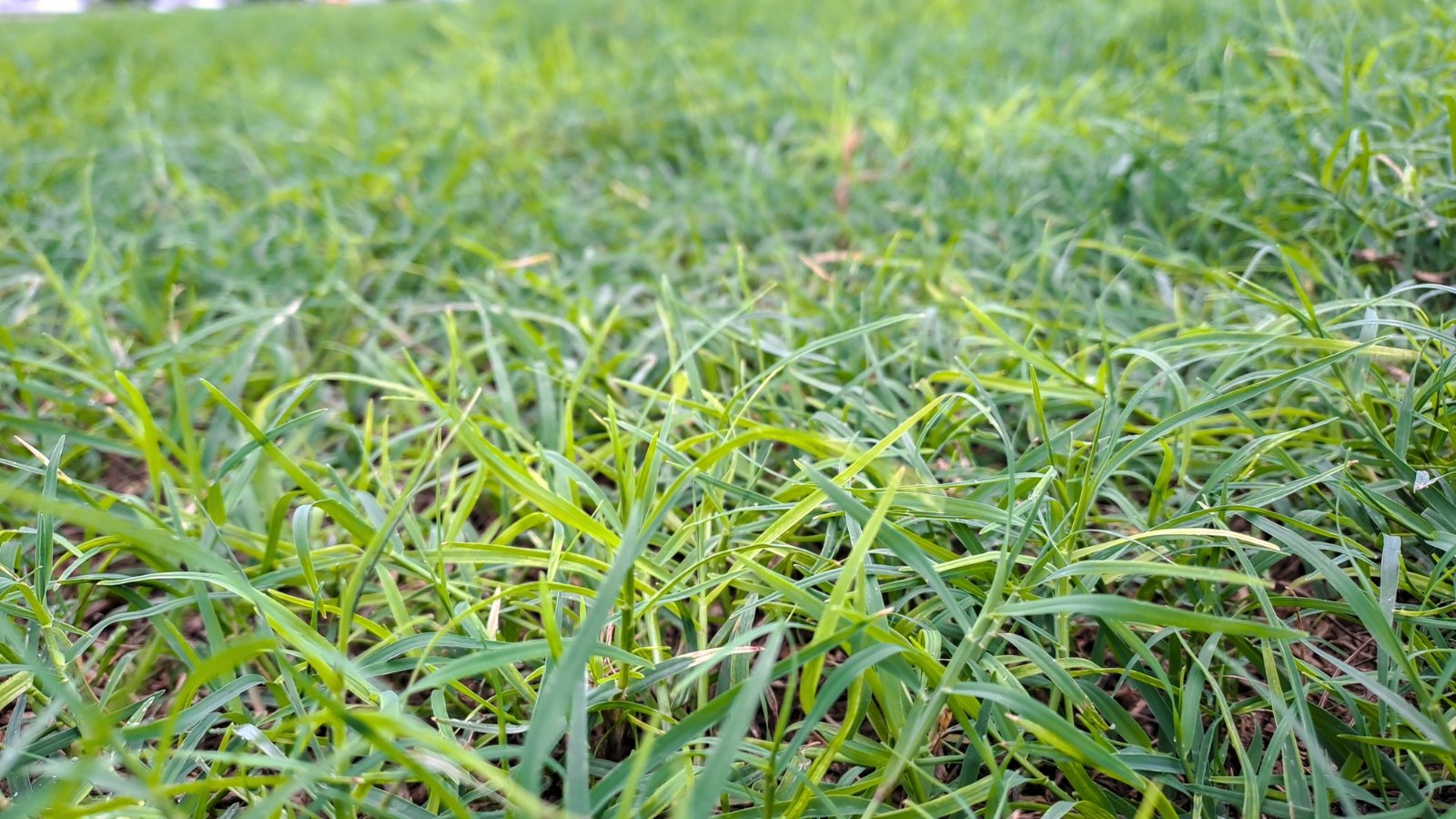
The temperate sierras make up a region right above the southern semi-arid highlands, in New Mexico and Arizona. There is more rainfall here than in the highlands and the deserts, though the winters are still cold and harsh for many plants.
With cold fall, winter, and spring seasons, the temperate sierras are well-suited for cool-season grasses. Go for the classic combination of ryegrass and bluegrass, or choose a mix that has some fescue in it for drought-tolerance.
If you’d like a bright green lawn in summer, you may overseed the site with warm-season grasses in July. Sow bermudagrass or zoysiagrass seeds. Or, try a native grass! Buffalograss and blue grama work well in the temperate sierras during the warm months.
Tropical Wet Forests
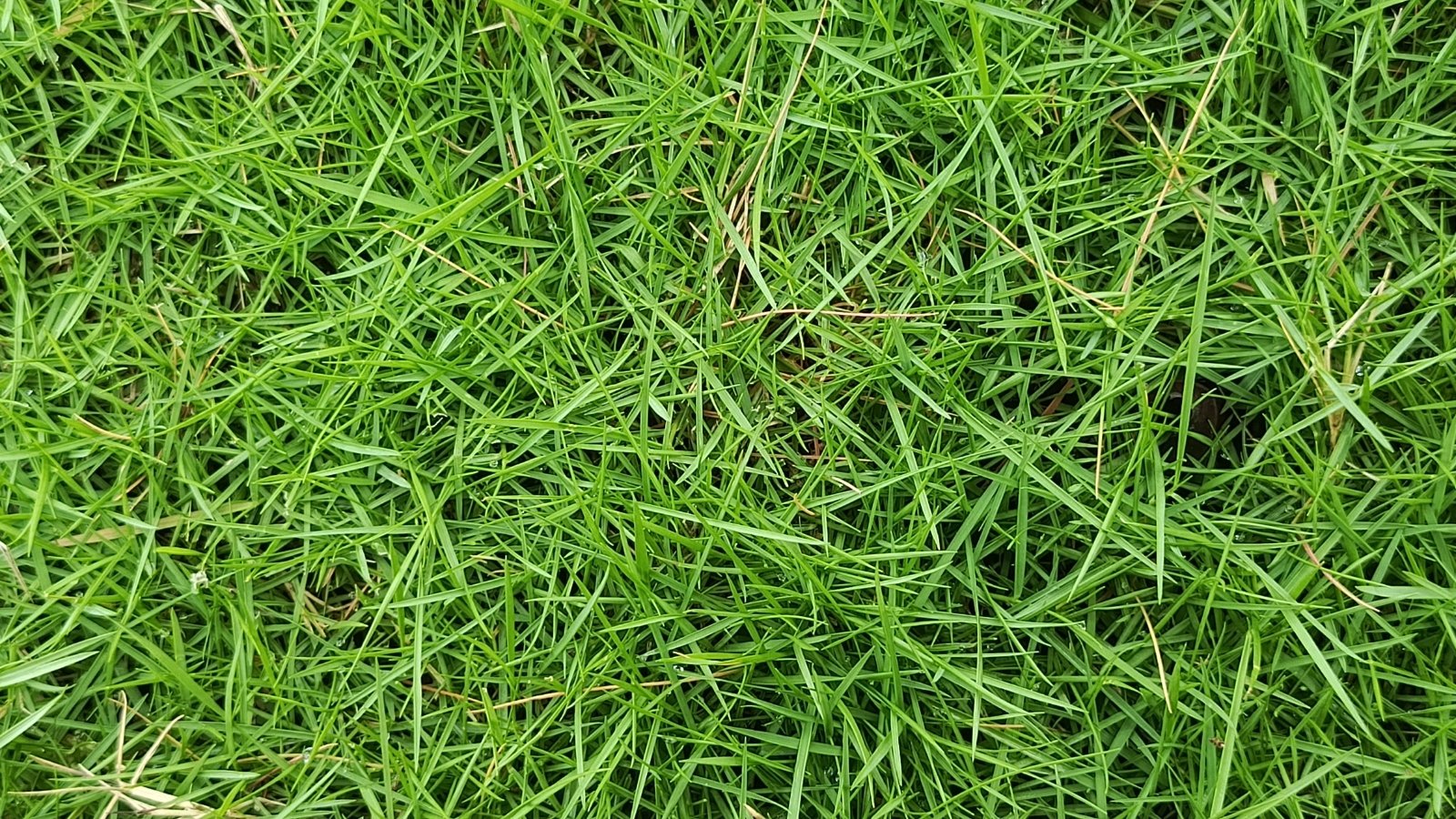
Unlike most areas of the U.S., tropical wet forests are frost-free and warm year-round. This region consists of Florida’s tip, Puerto Rico, Hawaii, and much of the Yucatan Peninsula in Mexico. It’s full of tropical trees, rainforests, and swampy coastlines that create ideal conditions for plant growth.
In this region, you’ll need to plant wet-loving grasses that tolerate the heat. Florida is home to many golf courses, lawns, and athletic fields. The popularity of lawns in the state has pushed the University of Florida to introduce many cultivars that perform well in the region.
Try any new cultivar of bermudagrass, zoysiagrass, or St. Augustinegrass. These three species work well, and breeders release new varieties annually that perform better than the old ones.


