Contents
If you’ve been wondering about optimal times for planting fast-growing fruit, March is one of the best. In March, winter is still in effect in most of the continent, but it’s waning. These cool conditions promote substantial root development, while subsequent warm weather promotes vegetative growth.
If you want berries, there’s a rapidly producing tree for that. The same goes for apples, pears, peaches, and figs. These are not the only trees that develop fruit at a quick rate, but they have some of the most reliable varieties. Some are even suitable for containers.
Before you select your fruit, take some time to assess your available space. Fruit-bearing trees tend to grow to mid-size, reaching no more than 20 feet. However, some become large shade trees that also bear fruit. Some can be pruned so they remain a smaller size. Keep your space and climate in mind before you spring for a fruit tree.
And remember, you can grow your tree in a raised bed if you need to demarcate the space.


Black Mission Fig


|
botanical name Ficus carica ‘Mission’ |
|---|---|

|
sun requirements Full sun to partial shade |

|
height 10-30’ |

|
hardiness zones 7-10 |
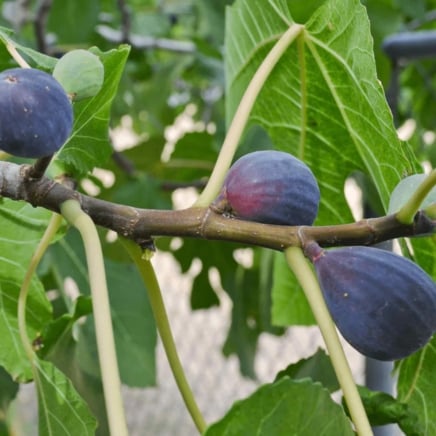
For growers in warmer areas, ‘Black Mission’ figs are a good option. You only need one of these self-fertile trees, and they don’t require much maintenance to provide you with lots of delicious figs. While their mature height is 30 feet, you can prune yours to sprawl and remain shorter.
‘Black Mission’ figs are sweet. In fact, their flavor is what they’re known for. If you order one from our store, you should expect to harvest in the first year or the following year. Late spring to early summer is fig season, so look out for plump, dark purple figs around that time. Leave any that have green coloration until they turn purple. Figs do not ripen off the tree.

Everbearing Mulberry

|
|
botanical name Morus alba x rubra ‘Illinois Everbearing’ |
|---|---|
|
|
sun requirements Full sun to partial shade |
|
|
height 15’ |
|
|
hardiness zones 4-10 |
The ‘Everbearing’ mulberry is a small tree that produces tons of berries from summer through the first frost. It’s an adaptable tree that lives for a long time. The only catch is that it requires maintenance to keep it tidy and prevent it from encroaching on natural areas. Still, mulberries are pretty delicious. Try growing one in a tree surround or a container to prevent suckering.
These trees are hardy and grow well in zones 4 through 10. They live a long time too – up to 125 years. If you’re a wildlife gardener, know that birds love this tree. When I lived on a property with two of them, we’d have visits from waxwings at least a couple of times per year. They would go nuts for the mulberries.
These are fast-growing fruit. March is the perfect time to plant these trees and get them settled in so you can enjoy the mulberries.
Fuji Apple

|
|
botanical name Malus domestica ‘Fuji’ |
|---|---|
|
|
sun requirements Full sun to partial shade |
|
|
height 10-15’ |
|
|
hardiness zones 4-9 |
Apples are delicious, so why not plant an apple tree in your yard this year? ‘Fuji’ has become a classic due to its sweet flavor and crisp texture, and it produces apples in its first year if the tree is at least a few years old. Plant yours with another ‘Fuji’, or a similar apple like ‘Rome’ or ‘Braeburn’, to get maximum pollination. Fujis are not self-fertile.
This dwarf cultivar has parentage with ‘Red Delicious’ and old Virginia ‘Ralls Genet’. It was developed in the 1930s in Japan and is named after the Fujisaki research station. This is a low chill hour apple, requiring only 400 hours for optimal fruit set. Therefore, it’s suitable for growers in the South as much as it is for those in the North.
Kieffer Pear
|
|
botanical name Pyrus communis ‘Kieffer’ |
|---|---|
|
|
sun requirements Full sun |
|
|
height 15-25’ |
|
|
hardiness zones 4-9 |
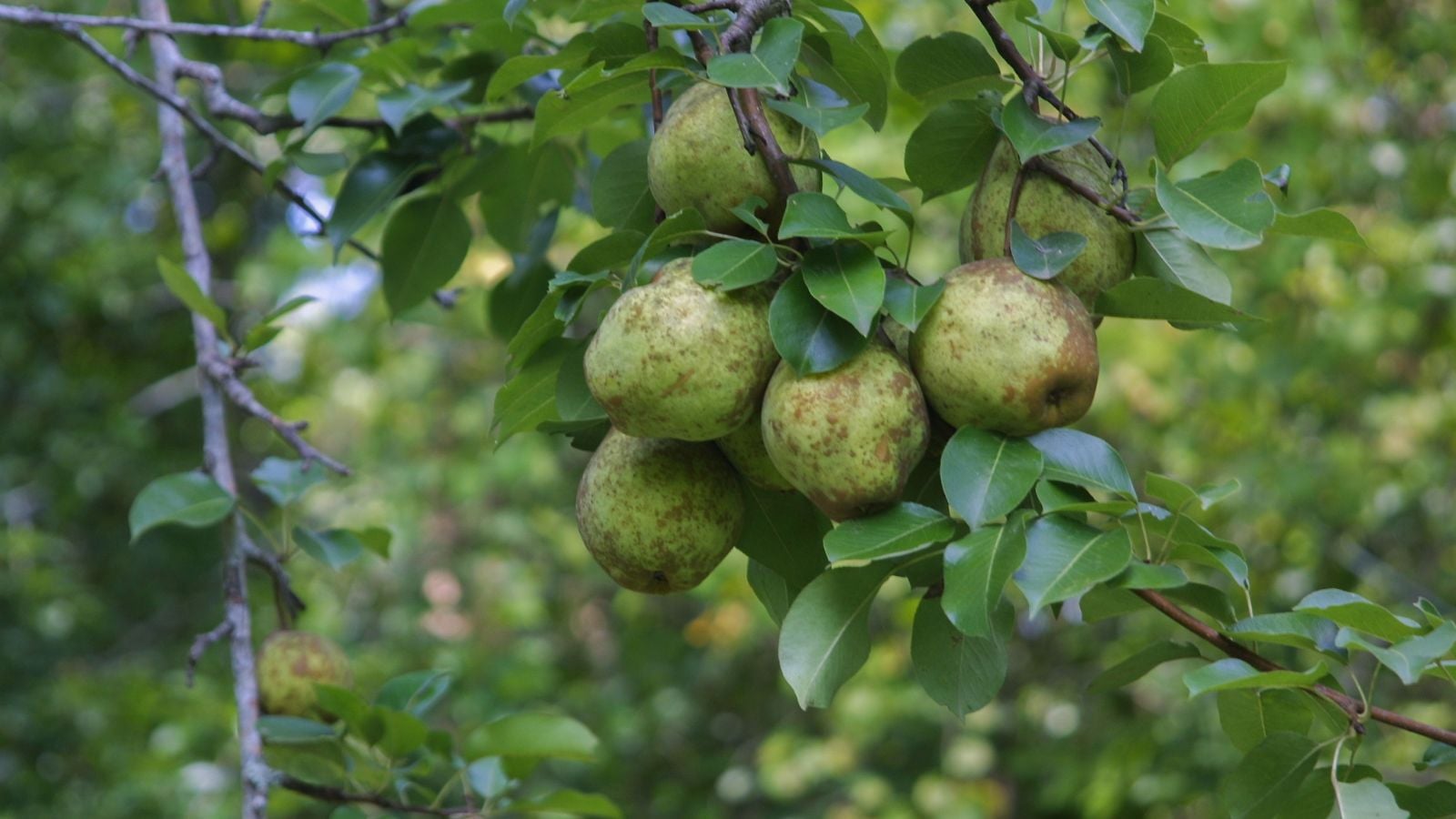
Pears are high-producing trees, and the ‘Kieffer’ pear is no exception. This fire-blight-resistant tree produces quickly and puts on a lovely show as spring rolls in. It’s at this time that it produces tons of white flowers that smell incredible, and are followed by bright green leaves. Just like your ‘Fuji’ apple, you’ll need at least two pear trees to produce a decent harvest. When it comes to planting this fast-growing fruit, March is the best time.
Pick ‘Kieffer’ pears when they turn from fully green to slightly blushed. Then use them in baked goods, or can them. You can certainly eat them fresh, but they really shine when they’re processed. Around the time the fruit is ready, the leaves turn a lovely copper color, giving you a late autumn show. That’s your sign that pear season is almost over, but you have the spring show to look forward to.
Contender Peach

|
|
botanical name Prunus persica ‘Contender’ |
|---|---|
|
|
sun requirements Full sun to partial shade |
|
|
height 12-15’ |
|
|
hardiness zones 5-9 |
If you want a tree that gives you lots of delectable fruit in summer, ‘Contender’ peaches are a great option. These trees grow fast and offer your garden and kitchen lots of fleshy, sweet peaches every summer. This freestone peach tree is not just quick to produce – it’s also cold-hardy. And unlike other fruit trees, this one is self-fertile. You only need one to have peaches.
What this tree offers in its self-fertile and highly productive nature is slightly offset by the maintenance it needs. Peaches can be subject to pests and diseases, and they require regular thinning for the best, highest-quality harvests. Compared to other peaches, these are fast-growing fruit. March is a great time to get them in the ground.