

Extending Mum Blooms: Pinching and Deadheading Tips
Mums, or chrysanthemums, bloom in full at the end of the growing season. Their colorful buds provide a showstopping display of color; use some tricks to extend these blooms as long as possible. Seasoned grower Jerad Bryant shares expert tips for extending mum blooms with pinching and deadheading.

Contents
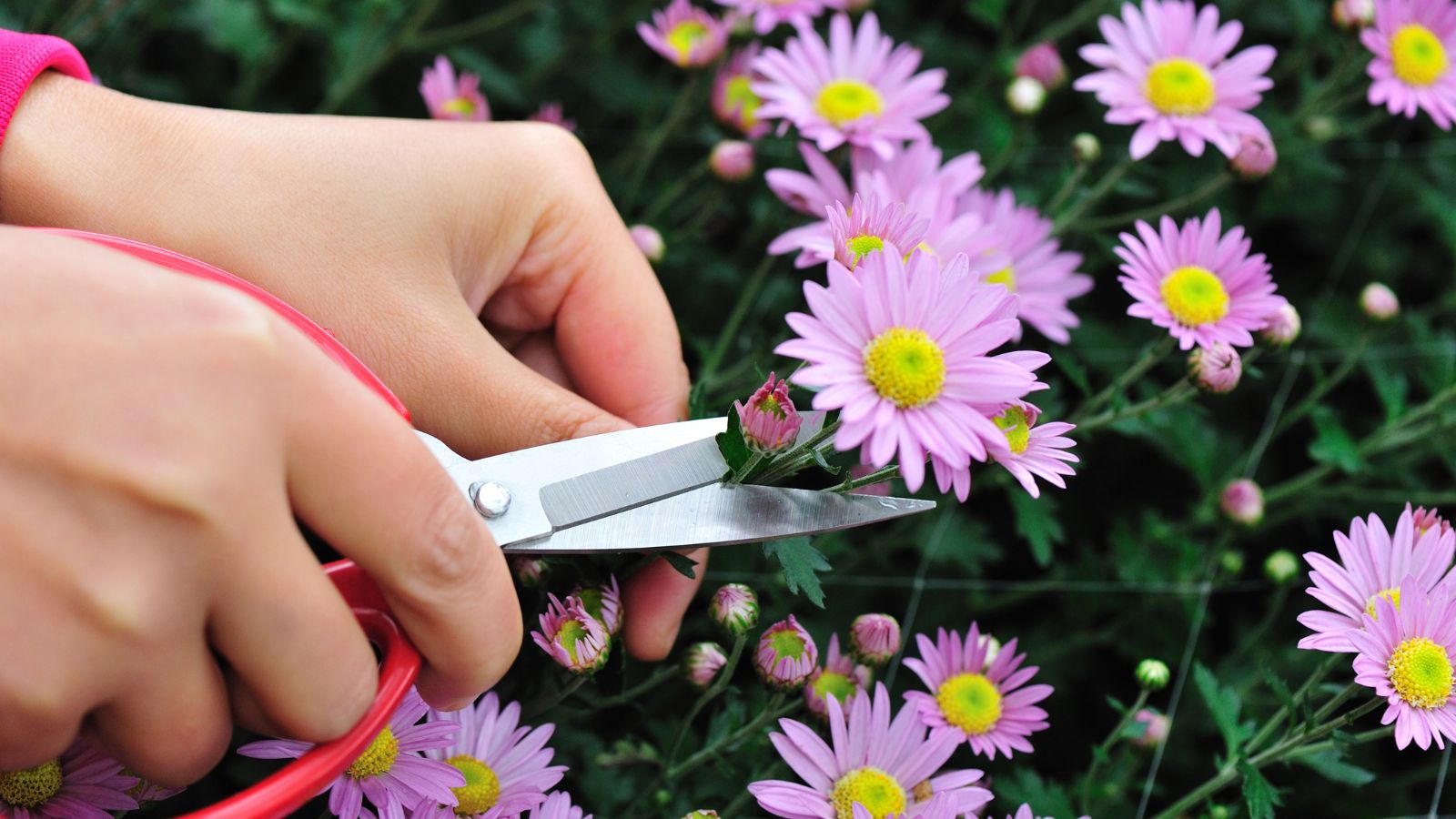
Pinching and deadheading work to remove spent mums and promote new ones. A plant uses flowers to grow seeds. When you snip the flowers off, you prevent the plant from reproducing. This causes it to produce more flowers for as long as the season permits.
Aside from pinching tricks, there are a few other ways to extend the flowering season for mums. Whether you have florist, hybrid, or species chrysanthemums, these guidelines will help you get the most flower power from your mums.
Before you pinch and deadhead mums, make sure you have the right tools. Clean them thoroughly before you start to avoid transferring any diseases to your plants.
How to Pinch and Deadhead Mums
Many perennials, including mums, respond well to deadheading. Removing the spent blossoms keeps the plants looking fresh, and it gives new flowers room to open up. With weekly attention, you’ll promote free-blooming mums from fall until the first hard frost.
Pinch Early in the Season

Pinching isn’t just for the fall blooming season. In early spring and summer, it’s a helpful technique to promote a compact and densely-stemmed plant. This is how commercial growers cultivate the perfectly rounded mums that are for sale at garden centers.
Start by pinching or pruning long stems when they appear in spring. Cut each long stem back to a point right above the growth node, where new growth emerges from between the leaves. Pinch all stems to form a tight, round form that’s bushy and dense.
A good rule of thumb is to pinch stems when they extend over six inches tall. Keep them under half a foot, and they’ll stay manageable during the bloom season.
Stop pruning to shape in August. Mum buds form in August, and you don’t want to lop them off. Instead of pruning, begin deadheading after these blossoms open up and fade.
Create Giant Mums

Pinching and disbudding are two techniques necessary to create florist (or giant) mums. These perennials are the same species as garden mums, Chrysanthemum x morifolium. The difference between the two is their care regimens.
Florist mums sprout a few giant buds on tall stems. Create them by pruning all stems, spare half a dozen in spring. Let the remaining stems elongate, and remove any side shoots and secondary flower buds. This process is known as disbudding.
Continue disbudding until flowers appear on the ends of the stems. These are the florist mums, and they’ll grow larger than garden mum blooms. Snip them off for use in bouquets, or stake them up and let them dance in the wind outdoors.
Deadhead (or Pinch)

Use deadheading to keep your mum plants looking their best. You may snip, pinch, or prune the spent blossoms off. This will let new ones take their place, and it’ll prevent your plants from looking ragged or tired.
Look for brown, crunchy petals and twiggy stems. I have long fingernails with gel polish, and I use them to pinch the crunchy flowers off. If your fingers are sensitive or you lack strong nails, simply use pruners or snips. Place the blades below the blossom, and snip it off in one quick action.
Some leaves may be dead underneath the dying blossom. You may snip these off during the deadheading process. Simply prune each stem back to a healthy growth node, taking care not to remove nearby flowers or stems.
Other Ways to Extend Mum Blooms
Deadheading and pinching aren’t the only ways to extend mum blooms! Frost protection and overwintering may prolong the blooming period for weeks after your neighbors’ mums are done. Keep the color going with these bonus tips and tricks.
Use Frost Protection

Cold temperatures and frosty weather threaten your mum’s blooms. They’ll survive light frosts, but they’ll struggle when hard freezes arrive. Use frost protection to keep the flowers going despite snow and ice.
Greenhouse plastic and frost cloth are two materials that protect mum blooms from cold temperatures. Use either to insulate and warm the perennials at night to keep them safe from frosty weather.
Set frost cloth, or a row cover, gently on top of the plants, and remove it when the temperature rises above freezing during the day. You don’t have to prop this material up, as it’s gentle and light enough to sit right on top of your mums.
Greenhouse plastic is different. You’ll want to prop it up with metal hoops, creating a mini-hoophouse. Drape the plastic over the hoops and clamp it to them. Close the flaps at night, and open them during the day to see your beautiful blooms.
Avoid Heavy Pruning in Fall

Alongside providing frost protection, it’s best to avoid making too many pruning cuts during the bloom period. Use pinching or deadheading without issue. They’re not damaging.
Pruning large pieces of the stems causes the plants to sprout new growth. They’ll compensate for the loss with new sprouts. These new sprouts are especially frost-tender.
Not only are the sprouts tender, but so too are the inner portions of the mums. You want to leave their shapes intact before winter, as they provide insulation and protection from frost.
It’s okay to cut back to a healthy growth node when pruning. Simply avoid cutting into the woody, inner portions of the perennials.
Overwinter Mums Indoors

Perhaps you’d like to bring your flowers inside. A sunny windowsill is perfect for potted mums. Set them where they’ll receive direct sunlight for three or more hours a day.
Avoid placing the mum plants near heaters, as the warm temperatures will confuse them. They’re used to chilly fall weather outside. That is why a windowsill is best, as it receives some natural chill from the cold weather outside.
Continue deadheading per usual to prolong the blooms. Water the potted plants when their soil dries, and take extra care not to overwater them. Let them enter dormancy and water them less frequently after they stop blooming altogether.
Key Takeaways
- Pinching isn’t just for extending mum blooms. It keeps plants short so they form tight, round balls when they flower.
- Deadhead mum blooms after the petals fade. Cut or pinch them back to a healthy pair of leaves.
- If you want giant, florist mums, use disbudding and pruning to influence the plant’s shape early in the growing season.
- Frost protection also extends the blooms. Use row cover or greenhouse plastic to protect the perennials.
Frequently Asked Questions
Why should you deadhead mums?
Deadheading keeps the plants looking their best, and it promotes a longer flowering period. Use it to both keep your plants healthy and extend the blooming season.
Are you supposed to deadhead mums in the fall?
Sure! Deadhead them whenever their blooms fade, whether it’s late summer, fall, or spring.
Can you deadhead mums with scissors in pots?
Scissors may work in a pinch, though they have the potential to snag or crush the stems. Use floral snips or pruners, or pinch the blooms right below the buds.


