Backyard Chickens: Worth It or Waste of Time?
With a combined eight years of chicken-keeping experience between them, Kevin and Jacques share what they've learned about raising backyard hens, from the surprisingly useful garden benefits to the parts nobody warns you about.

Contents
The idea of backyard chickens is easy to romanticize. You’re probably picturing fresh eggs every morning and happy hens scratching around the yard. And to be fair, a lot of that is true.
But after four years each of keeping hens, Kevin and Jacques have a more nuanced take on whether the whole endeavor is worth the effort, the mess, and the occasional heartbreak. The short answer to whether backyard chickens are worth it is yes, but with caveats. Here’s how it breaks down.
Eggs Aren’t the Only Benefit

Most people assume the eggs are the main draw of keeping chickens, and the eggs are great. But for a gardener, one of the most valuable things chickens do is recycle. Every overripe zucchini you missed on the vine, every broccoli stem no one eats, goes straight to the hens. Cucurbit plants in particular tend to be a favorite.
That recycling extends beyond scraps, making chickens worth it for soil health. Chicken manure is one of the richest amendments you can add to a compost pile, particularly high in nitrogen, which is one of the harder nutrients to get from standard yard waste composting. It also tends to carry beneficial bacteria and microbes from the birds’ digestive systems.
The catch is that fresh chicken manure is considered “hot”, meaning it has too much salt and active nitrogen to apply directly around plants. It needs about six months in a compost pile before it’s ready to use. But once it’s broken down, you end up with some of the best compost you can make at home.
Raising Chicks is Fun
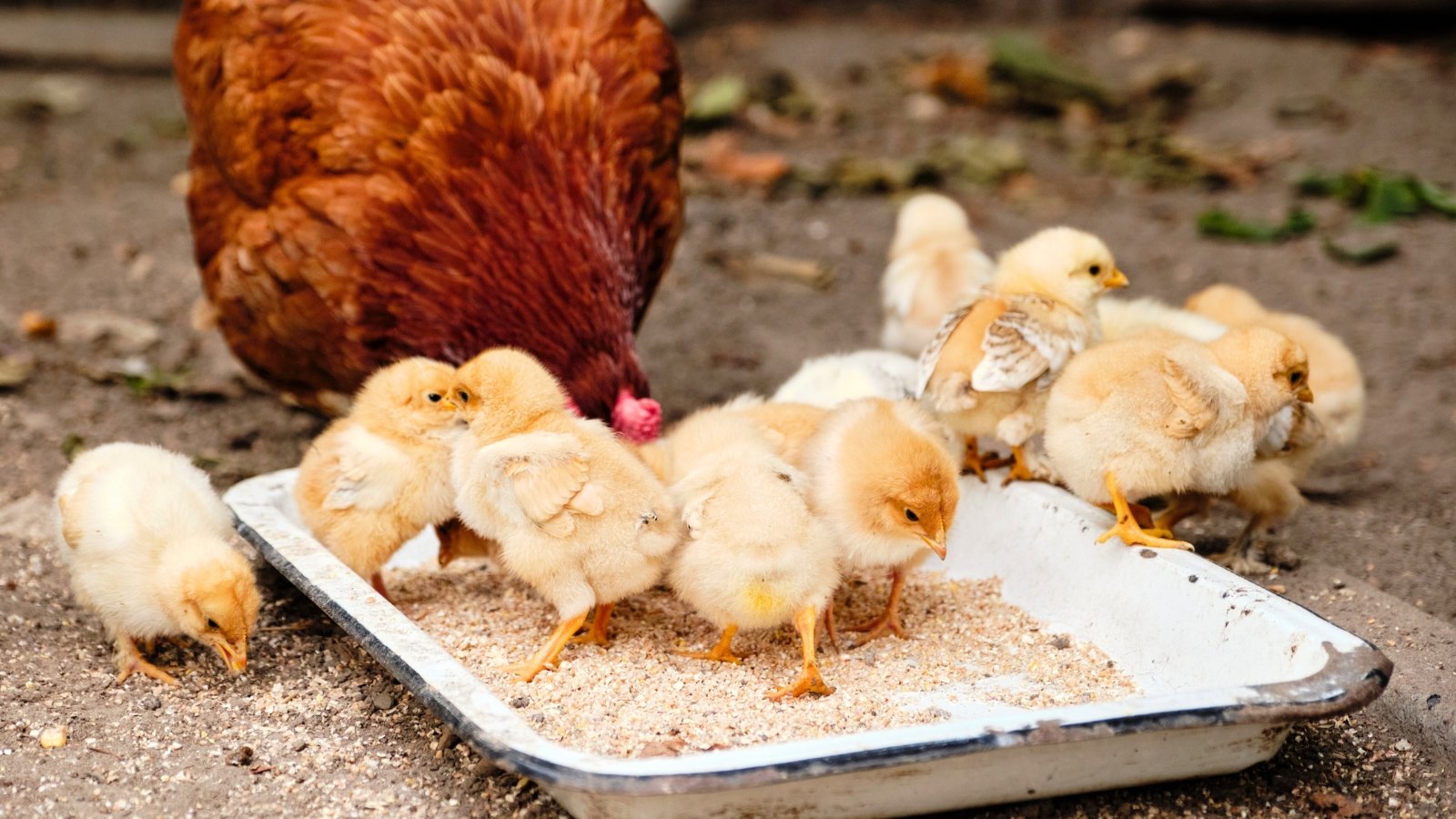
Selecting your breeds and raising baby chicks is one of the more rewarding parts of the whole process. If you have kids, it’s an easy way to get them engaged with something living and growing. From day-old chick to first egg is roughly six months, which means you see the whole arc of development in a pretty short window.
Eggs Aren’t Consistent
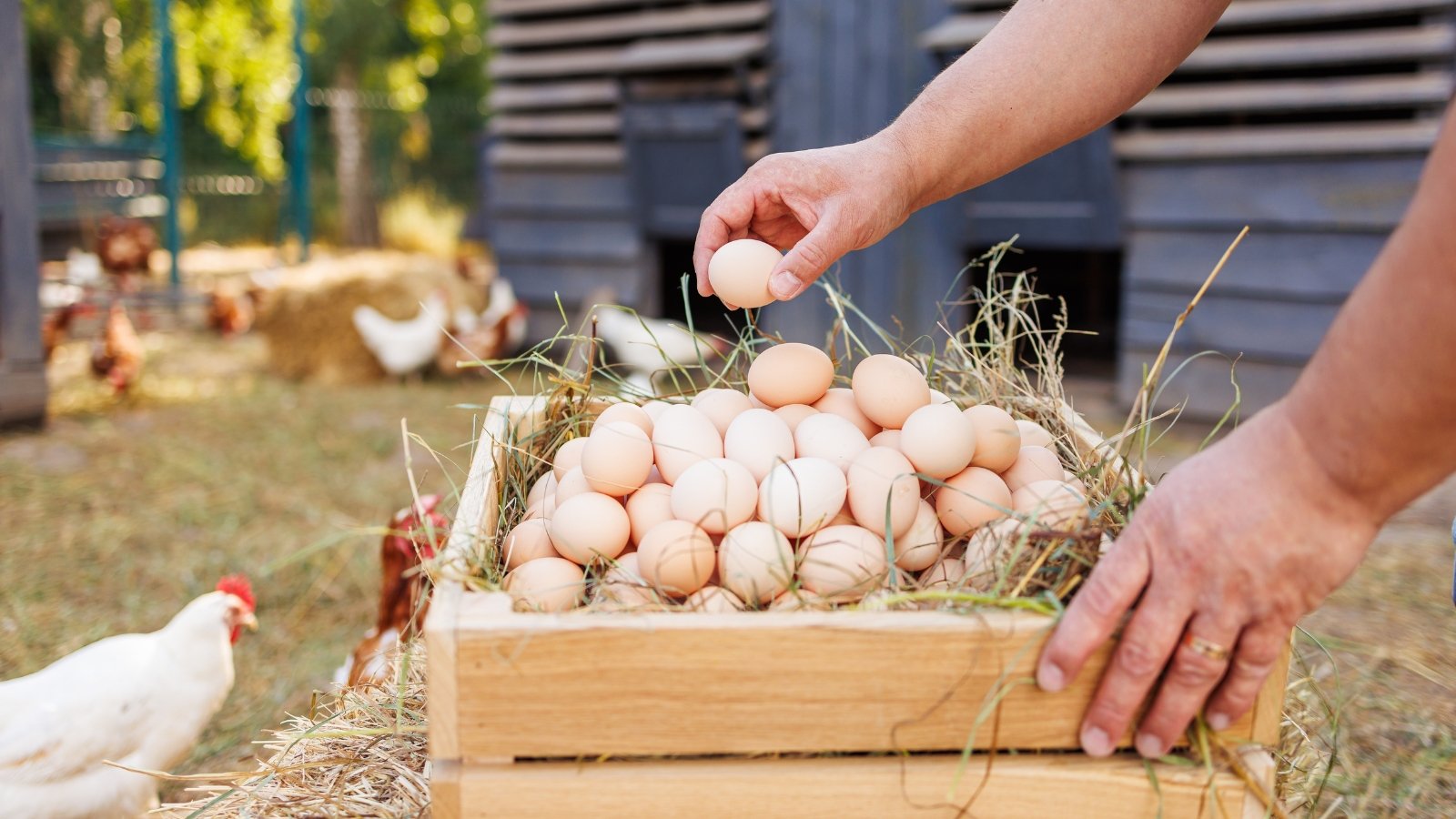
At the grocery store, eggs are available on demand. With backyard chickens, production follows a seasonal curve. Hens lay based on the amount of daylight they receive, so in peak summer, you might get an egg from every hen every 24 to 26 hours. But as fall and winter approach, production drops sharply.
There’s also an age factor. Hens lay most productively in their first three years. After that, production starts to taper. So you’re either continually adding new hens to your flock or accepting that your egg supply will decrease over time.
At peak production, Kevin was getting 10 eggs a day from 10 hens. That’s a lot of eggs for a household of one or two. In the off-season, the number can drop to almost nothing. It’s worth planning for that inconsistency, especially if you’re hoping to replace store-bought eggs entirely.
Maintenance Isn’t Bad
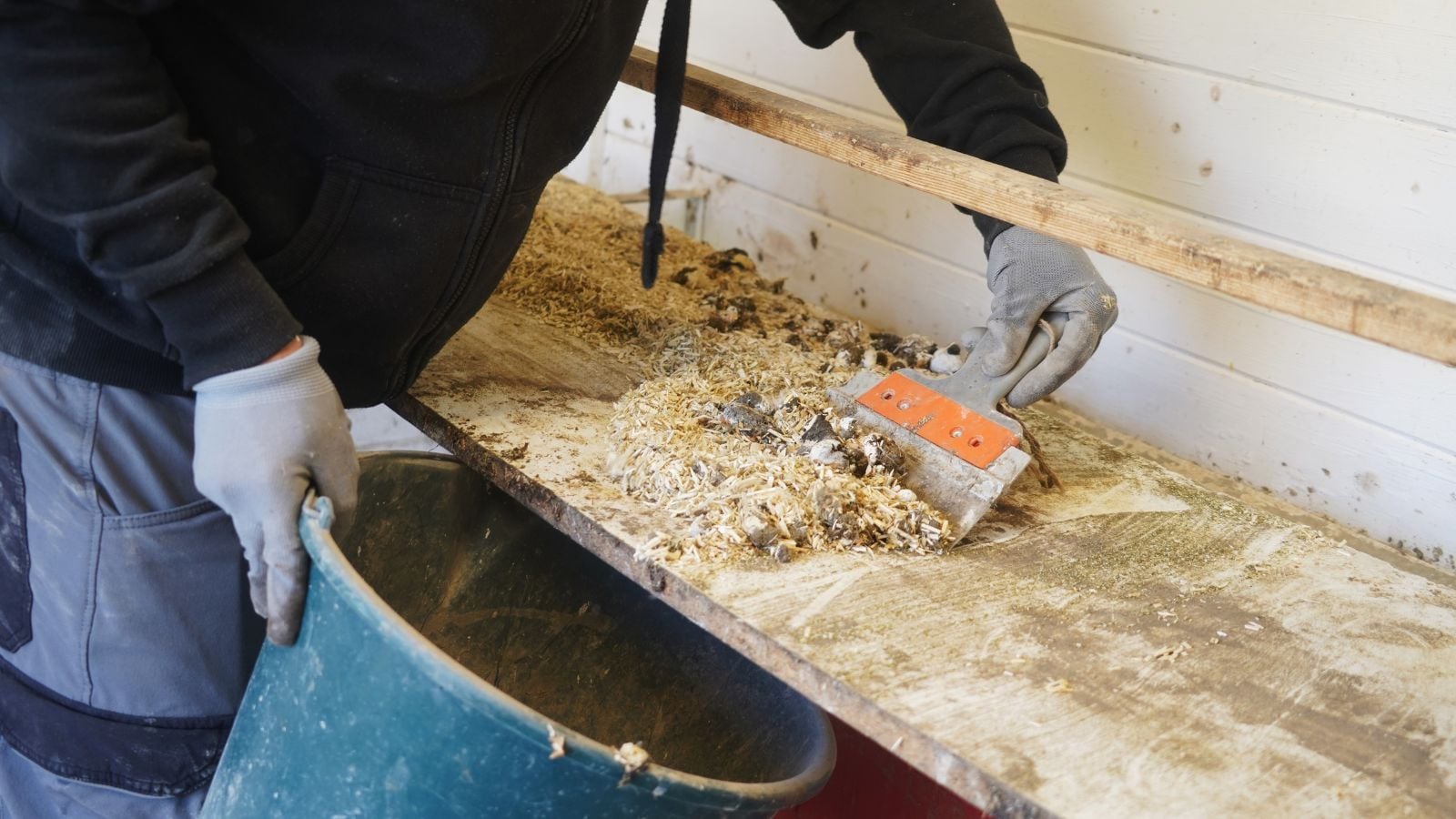
The coop needs cleaning, but the frequency depends on your setup. If you use a deep litter method (layering carbon material on the coop floor and letting it build up), you only need to do a full clean-out about once a year. You scrape it all into the compost bin, let it break down, and you’ve got garden-ready compost by the following season.
Day-to-day, the main tasks are collecting eggs, filling the feeder and waterer, and letting the hens out into their run if you don’t have an automatic door. Feeders and waterers with decent capacity (a five-gallon bucket works) can go for weeks between refills. Automatic coop doors save you from having to physically open and close the coop every morning and evening.
That said, it is dusty around chickens. If you have allergies, wearing a mask during coop maintenance is worth the trouble. The dust is largely powdered droppings, and breathing it in regularly isn’t something you want to make a habit of.
You Probably Won’t Save Money
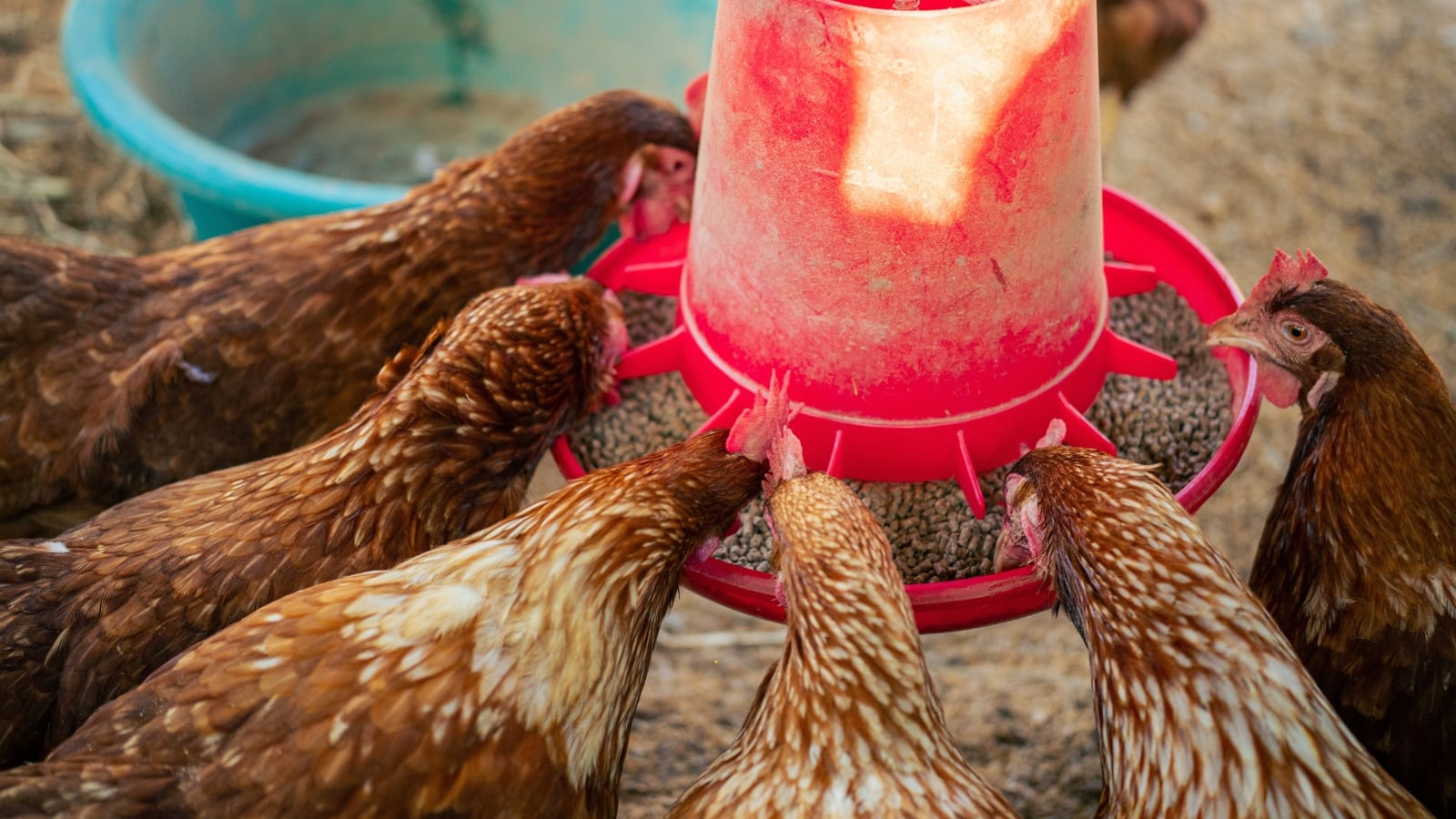
This is where the economic argument falls apart a little. Backyard eggs are, without question, higher quality than anything you’ll find at the store. You know exactly what went into them and how the hens were raised. The closest commercial equivalent would be pasture-raised eggs, which run roughly a dollar each or more.
But between the cost of the coop, feed, bedding, and the occasional veterinary need or equipment upgrade, most backyard chicken keepers aren’t coming out ahead financially. Jacques built his coop for about $100 to $200, though it took several weekends to construct. Kevin’s coop is a more expensive prefabricated option. Either way, you’re keeping chickens for the lifestyle benefits (fresh eggs, garden fertility, the satisfaction of the whole system) rather than for cost savings.
There’s also the food security angle that makes chickens worth it. If you have enough hens, you have a reliable source of protein regardless of what’s happening at the grocery store.
It’s Not All Great
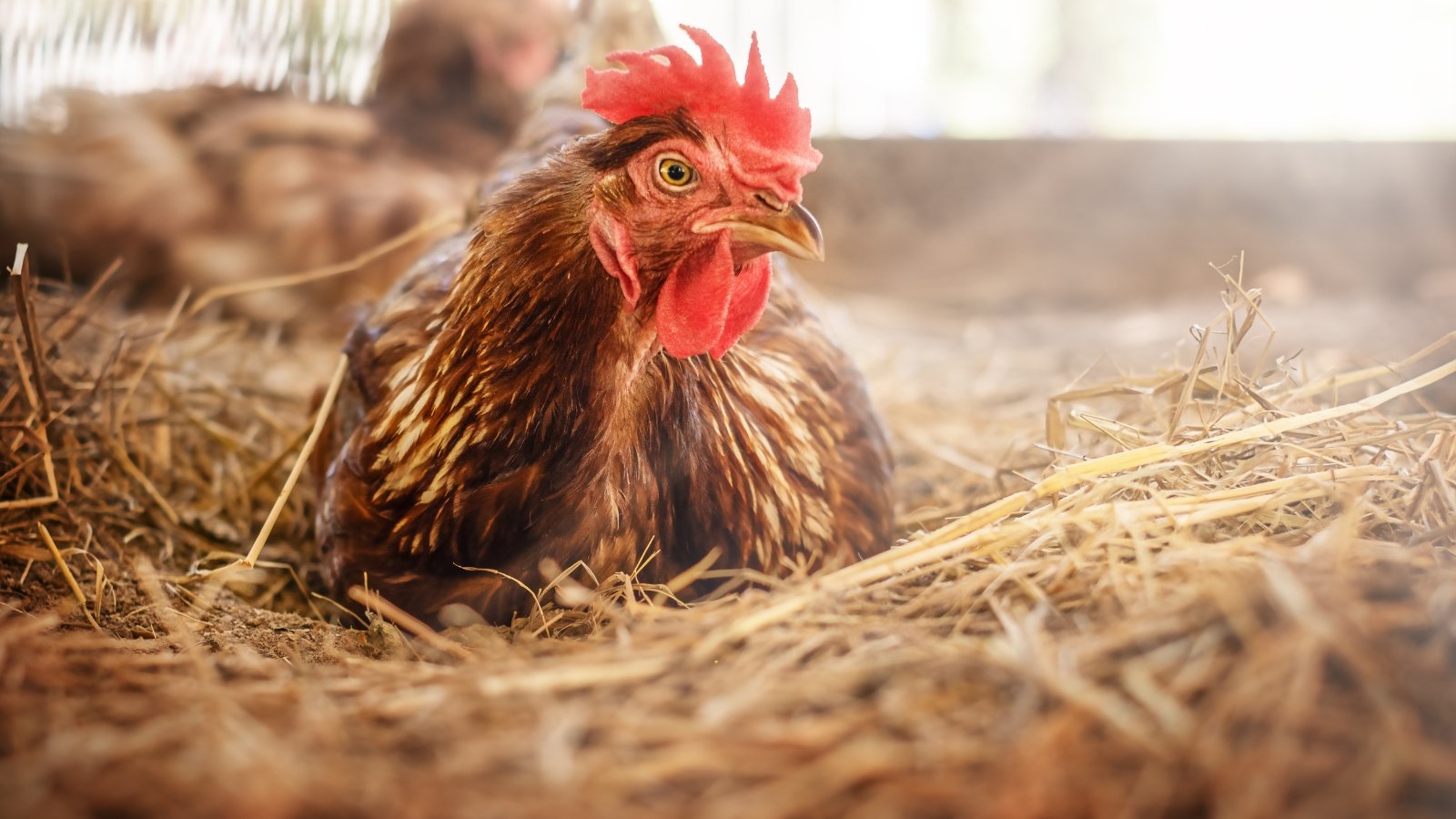
Health issues do come up. Egg-bound hens need intervention or they’ll die. Mites require a full hazmat-style treatment: catching each bird, dusting them with diatomaceous earth or a poultry-safe treatment, and deep-cleaning the coop.
And then there’s the rotten egg situation. Miss a day or two of collection, and if an egg cracked in the nesting box, the smell is something you won’t forget. It can temporarily put you off eggs altogether.
The hardest part, though, is the loss. When you name your hens and raise them from chicks, losing one feels personal. Sometimes heat gets to a large-bodied breed. Sometimes, a genetic issue from a breeder catches up with a hen. Sometimes you do everything right and still come out one morning to find a hen gone.
Are Chickens Worth It?

Kevin says he probably wouldn’t name the hens next time. Treating them as part of the homestead rather than as individual pets makes the inevitable losses easier to handle. He’d also keep fewer birds. Ten hens for a household of one or two is more eggs than anyone can use at peak production.
Jacques is still on the fence about expanding but has no plans to give up the hens he has. Six is more than he needs, but the rhythm of having them around (the eggs, the life in the yard, the dogs who love the eggs as much as he does) makes it worth continuing.
Both agree on the big-picture takeaway: keeping chickens is worth it if you go in with realistic expectations. You’re not saving money. You will lose hens. Some of the maintenance is unpleasant. But the eggs are better than anything you can buy, the garden benefits are significant, and there’s something satisfying about a system where your kitchen scraps turn into breakfast and your compost pile gets richer every season. If you can make peace with the trade-offs, it’s a good addition to any garden setup.