

Don’t Make These 7 Mistakes When Bringing Houseplants in for the Season
It's getting to be that time again, time to bring in your frost-tender potted plants for the winter. Join Florida gardener Melissa Strauss to talk about some common mistakes to avoid this year when you make the transition.

Contents
Bringing your plants indoors for the winter is a great way to protect tropicals and other frost-tender varieties. It can also be a stressful and traumatic time for your plants if their specific needs aren’t tended to. Plants that spend half of the year as houseplants and half as outdoor plants need special care.
Making the shift from outdoors to indoors isn’t something to do in an hour the night before a freeze. It’s a process that should start well before the risk of falling temperatures. Making the shift too soon, too late, or too abruptly can all cause problems for your plants.
Naturally, your region will play a role in timing. The farther north you live, the sooner you’ll want to get to work on the task. If you do it right, you should have healthy, happy specimens to return to their spaces in the spring. Let’s talk about some common mistakes people make when bringing houseplants inside for the winter.


Waiting Too Long
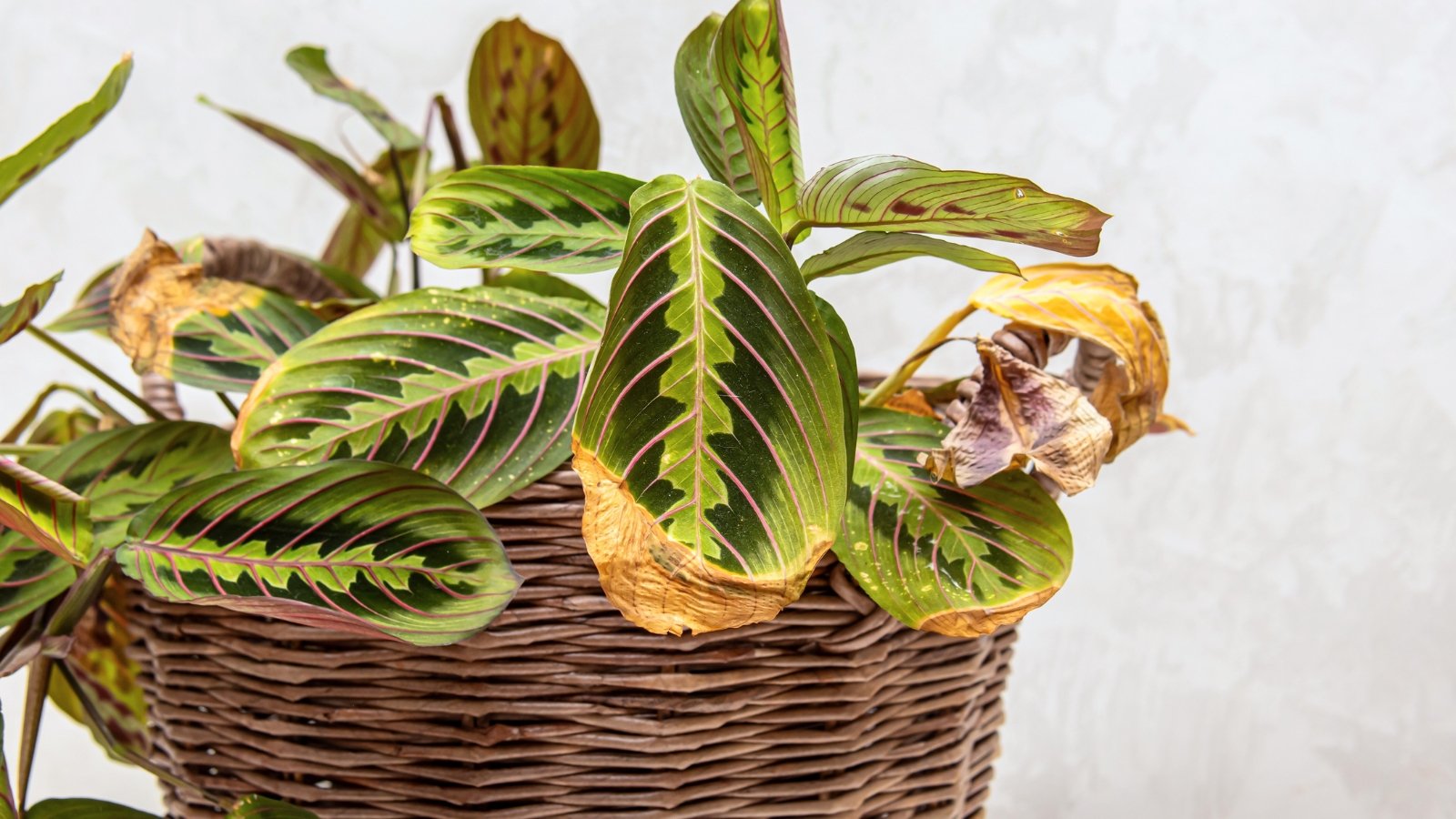
Obviously, the main mistake people make when bringing houseplants inside is waiting too long and winding up with frost damage on their precious houseplants.
Most houseplants will benefit from the time spent outdoors during the warmer months. They will grow faster and enjoy the warmth and humidity. However, leaving them outdoors for too long can cause stress and may even damage some of your foliage. This can happen even if you get them indoors before an actual frost. Many houseplants are tropical, and begin to suffer at cool temperatures that are still well above freezing.
Begin your process of bringing houseplants inside when nighttime temperatures dip into the mid to low 50s (around 10°C). You want them indoors well ahead of a frost. Tropicals like alocasias, monsteras, begonias, and tender herbs will begin to show signs of stress in the 40s (around 4°C). Semi-tender plants are fine outdoors right up until the first frost, but it’s better to prepare ahead of time.
If you’re on the fence about any of your houseplants and how well they tolerate cold, I encourage you to act sooner rather than later. Taking the chance can end in disaster, especially if you get an early or unexpected cold snap. Don’t make the mistake of waiting too long and ending up with dead plants.
Bringing in Pests
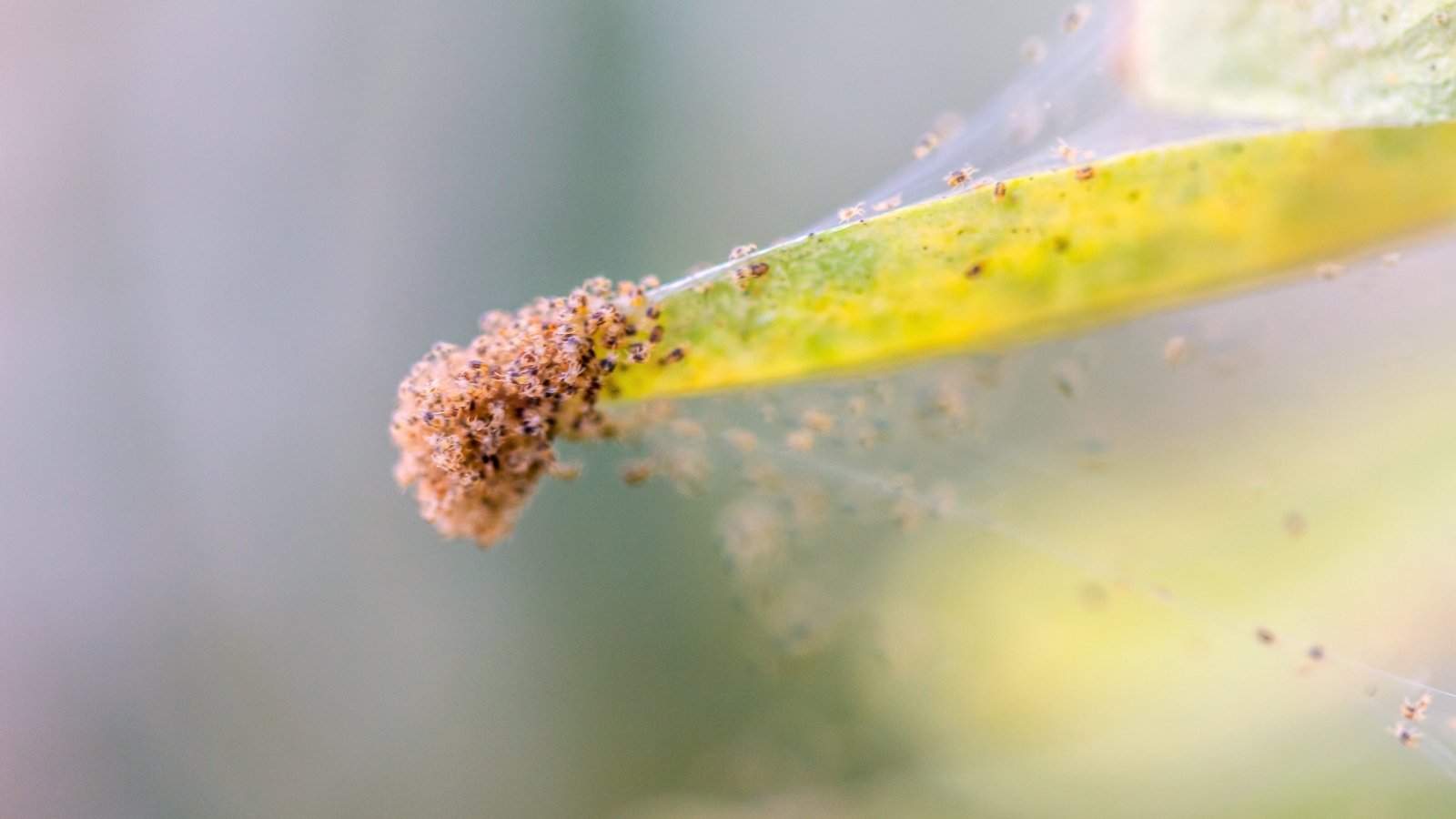
A rather destructive mistake that houseplant owners make when bringing houseplants inside for the winter is neglecting to inspect for insects. I once brought in a plant that had spider mites on it, and it took a year of diligence to get them out of my house! Don’t skip over a pest inspection.
Inspect your houseplants carefully, especially looking under leaves and along stems. These are common places that pests hide. If you come across insects like mites, aphids, scale insects, and others, treat them before you bring them in. Neem oil or insecticidal soaps are typically good methods for eradicating these nuisance insects and avoiding this mistake.
Not Acclimating Properly

Another common mistake when bringing houseplants inside is not taking the time to acclimate them properly. Moving them from bright light directly into low-light conditions can send them into shock. This may result in leaf drop, yellowing, or stunted growth.
Take the time to gradually reduce the amount of light your plants receive in the week leading up to the transition. Move them first into a partially shaded location, and then bring them in after several days of reducing the amount of light they get.
Another way to avoid this mistake is to bring them inside for part of the day and then back outdoors. Over the course of the week, increase the amount of time spent inside, and decrease outside time.
Overwatering

Continuing to water your plants the same amount inside that you did in summer is another major mistake when bringing those houseplants inside. There are several reasons why this is a no-no. First, many plants enter semi-dormancy over the winter. They don’t take in as much water, so it sits in the soil and leads to root rot.
Water also evaporates more slowly inside than outdoors. The more regular temperature, paired with less air circulation, means that the soil naturally stays moist longer. Soggy, wet soil often grows mold, which can lead to root rot and the presence of fungus gnats.
Always check the soil before watering. Don’t assume that every plant needs water at the same time or on a specific schedule. Most houseplants are fine with their soil being dry on top. When the surface and top inch are dry, it’s time to water. Overwatering is a mistake that can cost you your plant’s life.
Neglecting Humidity Needs

Houseplants love the increase in humidity that being outdoors brings for the warmer months. Tropicals, in particular, thrive in above-average humidity levels. Indoor air, especially in the winter, tends to be drier, especially when you’re running the heat.
Neglecting to raise the humidity inside can be a major mistake for your houseplants. You may experience brown tips, curled leaves, and overall stress in your tropical, moisture-loving plants. The solution is to increase the humidity inside your home.
Different rooms in the house will have different humidity levels. The bathroom and kitchen, for example, will be higher than the living room and bedrooms (that is, unless you supplement it with a humidifier).
Not Enough Light

We talked about the mistake of not acclimating your houseplants to the shift in light from outside to inside. A part of that is gradually moving them from sun to shade before bringing them in. However, the amount of light they get after bringing them inside is of equal importance.
Most houseplants are semi-dormant in the winter, so they don’t need quite as much light as they did during their growing season. However, they still need some light if you want them to keep their leaves green and healthy. You can control this naturally or artificially.
The natural solution to this mistake is bringing your plants and placing them in brightly lit spaces. If you don’t have many good windows to provide natural light, think about using a grow light to supplement, especially for plants that prefer a lot of light.
Placing Near Drafts and Vents

The final mistake that many gardeners make when bringing their houseplants inside for winter is placement. You should always avoid setting your plants close to an air vent, space heater, or draft, as these all cause unnecessary stress.
Placing your plant near a heating vent will dry out the air and likely cause brown tips on leaves, or worse. Placing them too close to a window can also be a mistake. When the temperature drops outside that window, it gets cold on the inside, too. I’ve seen tender plants endure cold damage just from being too close to a window.
The same thing goes for drafty spots and spaces that are close to an exterior door that gets frequent use. Constant blasts of cold air will send your plant into stress mode, causing leaf damage and overall poor health.


