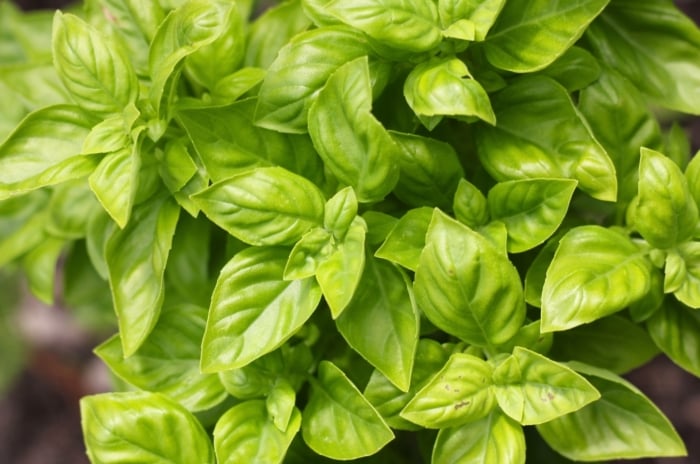
How to Prevent Your Basil From Bolting: 7 Pro Tips
If you live in a climate that shifts from cool to warm quickly, you might have bolting basil every year. In this piece, master naturalist and seasoned gardener Sarah Jay gives you 7 tips for preventing basil from bolting.

Contents
Living in a climate where the cool spring turns to inferno within a day or two has provided me a ton of experience with bolting. My basil plants bolt almost every year. But I’ve managed to learn how to prevent bolting basil over time.
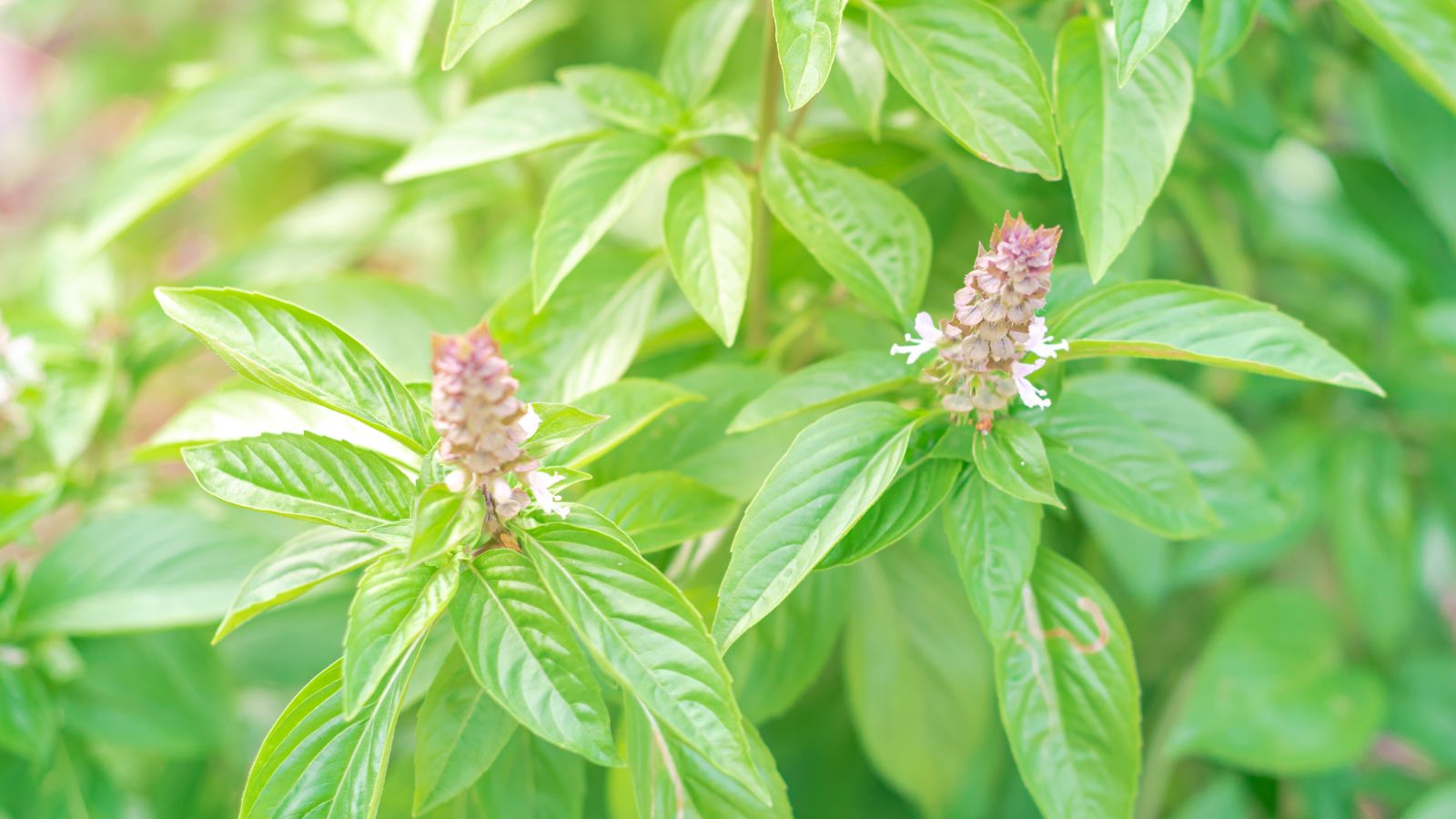
While there are plenty of basil varieties to grow for their flowers, culinary types are grown for their fragrant leaves. There is a slight flavor change when your basil plants start to flower. Some people don’t notice much of a difference, but the difference is there nonetheless.
When your basil bolts, it is going to seed. This reproductive response is prompted by cool conditions, followed by suddenly warm ones. For annuals like basil, that’s the signal it’s time to produce seed, and spread them for next season. This ensures genetic survival. Regardless of what your basil is doing, and what the climate is doing, here are 7 ways you can prevent bolting basil this year.


Step 1: Plant On Time
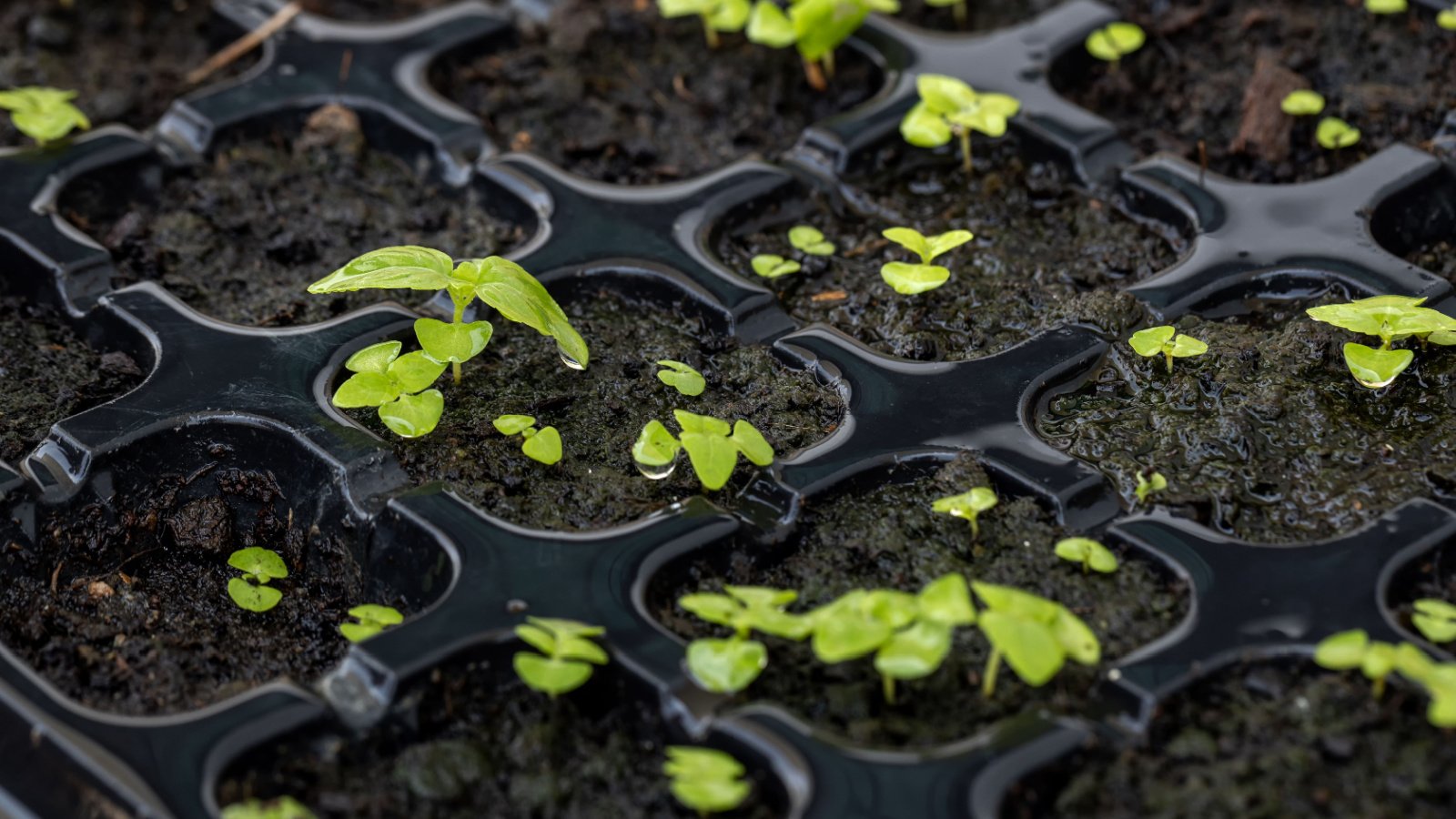
Your first line of defense against bolting is planting at the right time. Get those seeds in the ground at least two weeks after the last frost. Or pop them in your starting pots at least four weeks before your last frost date. This ensures you have plenty of lead time for your basil to develop before the bolting phase begins.
If you’re growing basil outdoors, get transplants in the ground when temperatures are consistently above 50°F (10°C). This temperature is cool enough to prevent the flowering phase, and warm enough to support the life of everyone’s favorite Mediterranean herb.
Step 2: Provide Shade

If sudden heat is an issue in your garden, due to local climate or excess sunlight, provide some shade. Shade can reduce the temperature by up to 15 to 20 degrees. This reduction in temperature is directly related to the prevention of bolting basil.
Do this by planting your basil below taller tomato plants or placing your basil container in an area where it gets morning sunlight but afternoon shade. By reducing the intensity of oncoming heat, your basil is less likely to enter its reproductive phase.
Step 3: Add Mulch
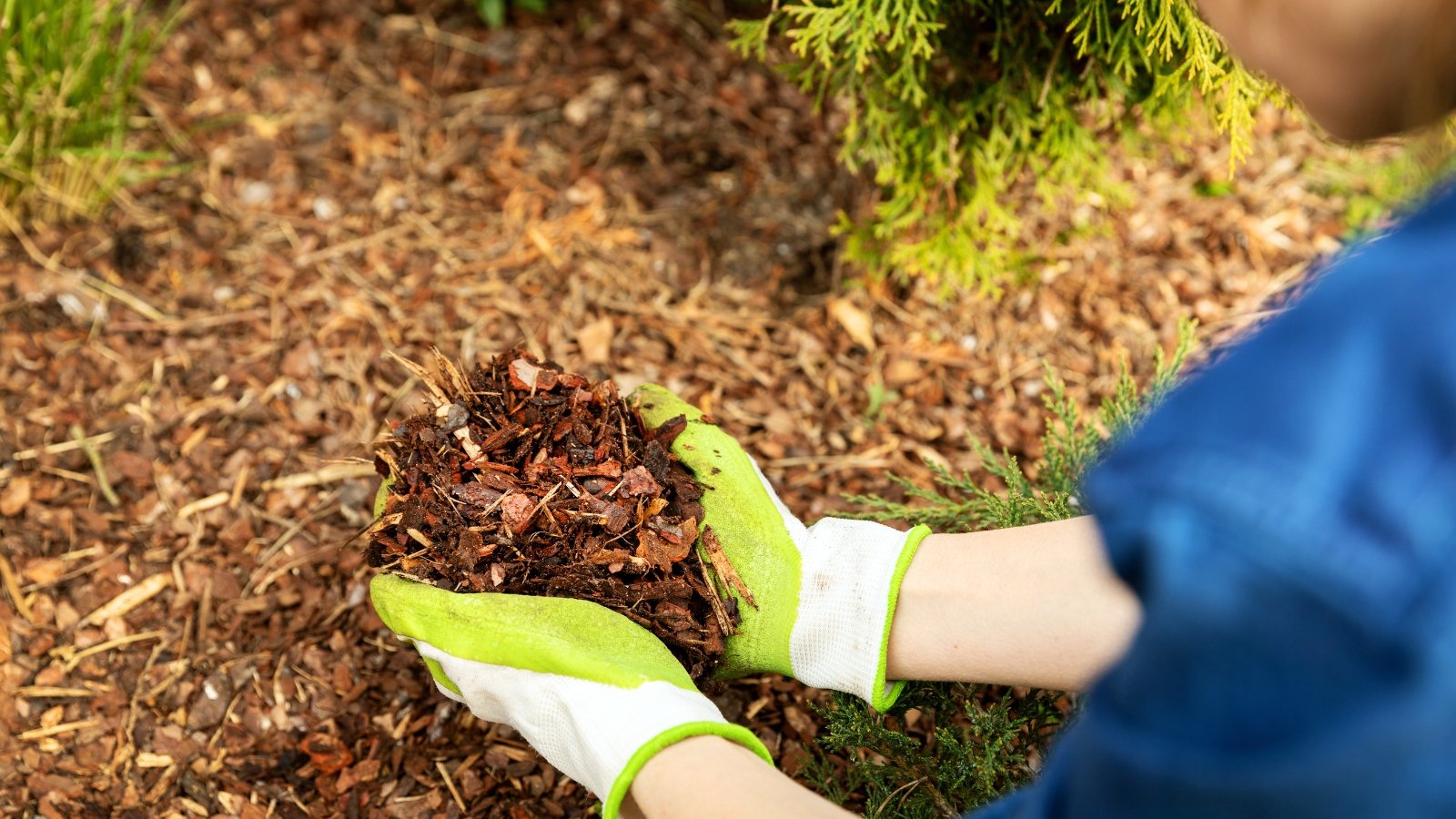
Mulch is another excellent temperature control for basil plants that can greatly reduce basil bolting. Depending on the mulch, it lowers the soil temperature, keeping basil in a state of vegetative growth, rather than forcing it into a cycle of reproduction.
Mulch also traps moisture, and basil needs plenty. Its supple leaves rely on regular water to thrive. Keeping water content in the soil and reducing evaporation also prevents higher soil temperatures that promote the seeding cycle.
Natural mulch is the best choice for your soil. Straw, wood chips, pine needles, and leaves are all great organic mulch choices. These break down and feed the soil as they decompose. Mulches like these boost the quality of the soil, providing tilth and giving the microbes below the surface more food.
Step 4: Harvest Properly

As you use your basil in the kitchen, ensure you’re pruning and harvesting correctly to promote a fuller plant, and preserve its lifespan. Do this with your hands, or with sterile harvesting snips or pruners. Sharp scissors are another tool that help you get the job done. Select a stem. Going from the top of the plant down, find the first leaf node. Snap or snip just below that leaf node.
This promotes a bushier plant and keeps your basil from flowering and going to seed. Once your basil has at least four to five sets of leaves, it’s time to get harvesting. Don’t take more than ⅔ of the plant at a time, but harvest consistently throughout the season, and your plants are less likely to bolt.

Step 5: Snip the Flowers

Say you did all of the above, but conditions warmed quickly and your lush, full basil develops small flowers. This changes the flavor of the leaves slightly, but they’re still perfectly fine for use in the kitchen. Just snip off the flowers with pruners or another preferred tool and keep going.
This is what happens to me every year. No matter what I do, there’s no stopping how drastic weather changes make my basil think it’s time to grow a new plant. So I take a few minutes every day to remove the flowers, and keep harvesting the leaves for food. It works out just fine, and I have no bolting basil at the end of my task.
Step 6: Grow Basil Indoors

Conditions in your home, or in a greenhouse in a planter are easier to control. Keeping a plant indoors, therefore, prevents premature bolting. The only caveat is the need for warmth and light. Homes are generally perfectly nestled inside the right temperature range for basil. If it’s early in spring, a less climate-controlled greenhouse might need a little boost from a heater or heat mat at night.
Use a grow light in both areas if ample sunlight isn’t accessible from a south-facing window. Basil comes from parts of the world where tree cover is sparse, and trees are small. There is little shade in the Mediterranean. Provide at least six to eight hours of light per day. Keep the soil moist, and you’re much less likely to have bolting basil.
This will defer the bolting phase of growth, making it occur at the time it naturally would, rather than quickly after summer commences.
Step 7: Choose Bolt-Resistant Varieties

If you are like me, and you know the bolt is inevitable due to local conditions, choose a variety that won’t bolt as easily. For instance, Lettuce Leaf basil is a large-leaved variety with a sweet flavor that fits into multiple profiles. The plant is less likely to bolt than other varieties. I love growing this one in my garden, as it’s really cool looking crinkly green leaves are a sight and a taste I enjoy.
‘Everleaf’ basil doesn’t flower as quickly as other varieties, keeping leaves on the plant for 12 weeks longer. It’s a regular-sized plant with bunches and bunches of domed green leaves. It’s a lot like your typical Genovese, with smaller, denser foliage.
‘Italian Mountain’ is another great choice that resists bolting due to its cold tolerance. Its sweet leaves are perfect for caprese, pesto, or for simply slicing up and enjoying in a salad or bowl of pasta. Whichever you choose, a cultivar resistant to flowering is a great way to avoid bolting basil.