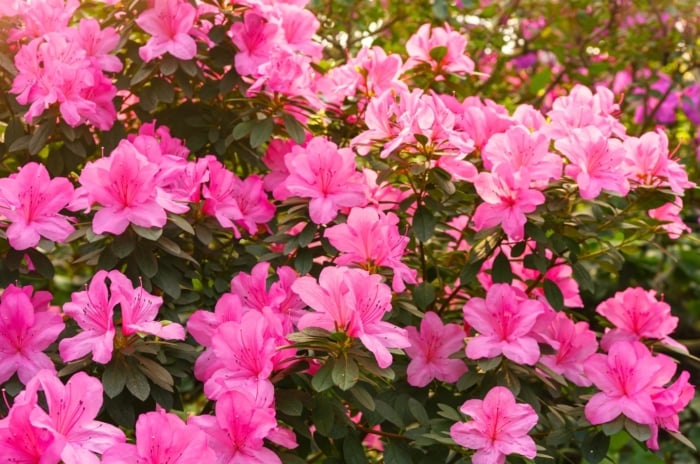
How to Plant, Grow, and Care for ‘Autumn Bonfire’ Azalea
Azaleas are blooming spectacles in the home garden. Most blossom in the spring, but special types like ‘Autumn Bonfire’ bloom from spring until fall! This reblooming azalea in the Encore® series is easy to care for and quick to establish. Learn how to cultivate it in your yard alongside azalea grower Jerad Bryant.

Contents
Azaleas are bright, showy, and spectacularly colored. It’s difficult to match them with muted hues, but it’s easy to make them pop out into view.
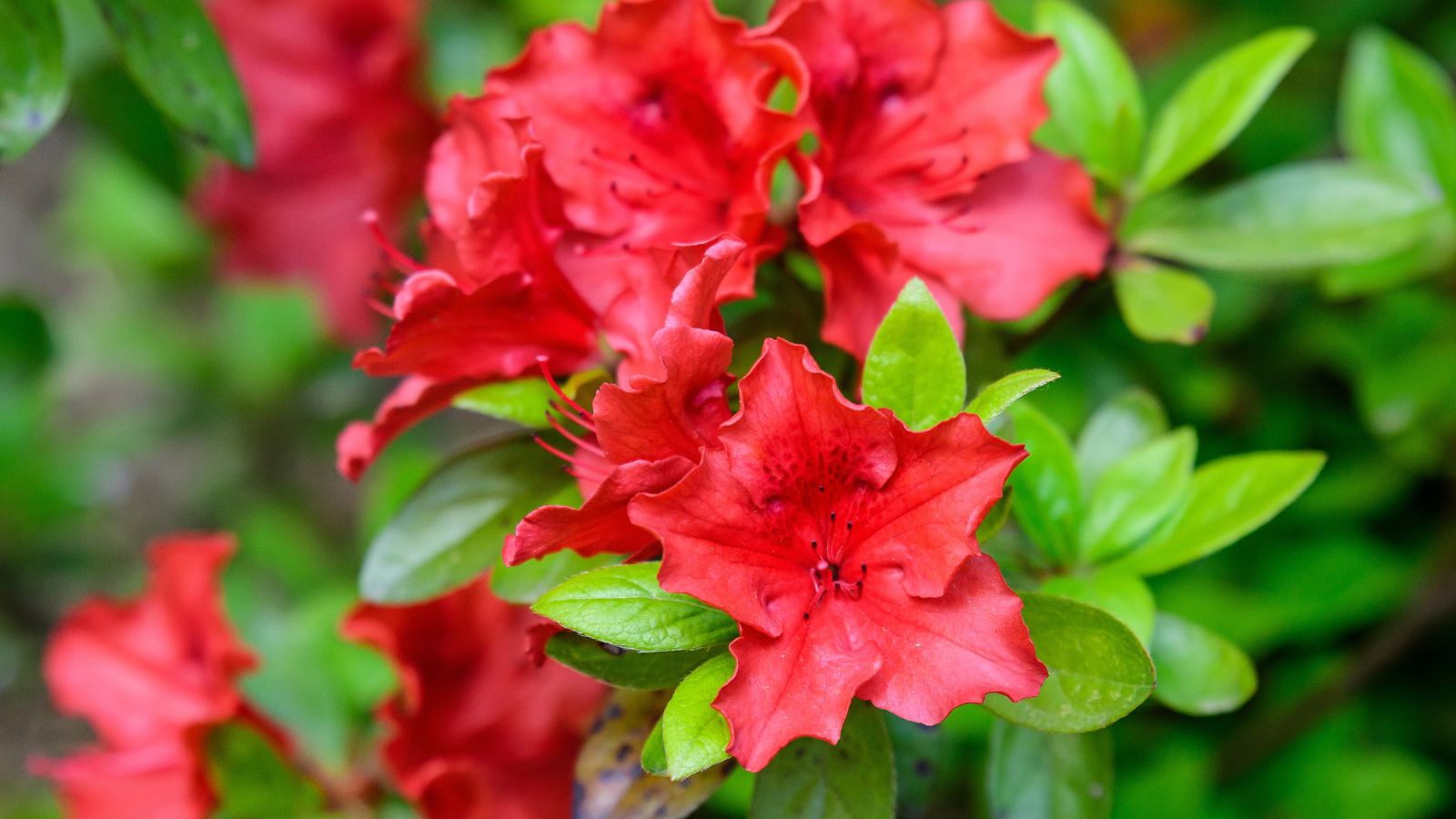
‘Autumn Bonfire’ azalea is no different. This special cultivar features vivid red blooms that are as fiery as a bonfire. They open starting in spring, and the bloom show doesn’t finish until the weather cools in the fall.
A dwarf cultivar, this azalea grows well in containers, planters, and small spaces. Plant many in a tight row to make a colorful, low-growing hedge, or use a few scattered throughout the yard as focal points. No matter what you decide to do, you’ll love the shrubs’ easy-growing nature and spectacular flowers.
‘Autumn Bonfire®’ Overview

|
Latin name
Rhododendron ‘Robleza’
Plant Type
Evergreen shrub
Family
Ericaceae
Genus
Rhododendron
|
Native Area
Eurasia, North America, Australia
Exposure
Full sun to partial shade
Height
3’
Watering Requirements
Average
|
Pests & Diseases
Insect pests, mites, deer, rot, leaf spot, rust, and powdery mildew
Maintenance
Low
Soil Type
Acidic and well-drained
Hardiness Zone
6-10
|
What Is It?
‘Autumn Bonfire’ azalea is a hybrid species of Rhododendron that stays under three feet tall. This dwarf cultivar is a patented plant from the Encore® series, which includes dwarf and semi-dwarf reblooming azaleas.
Technically, the common name for this azalea is Autumn Bonfire, and the botanical name is Rhododendron ‘Robleza.’ Many other cultivars exist in the series with “Autumn” in their name, and they rebloom in a variety of colors.
Native Area
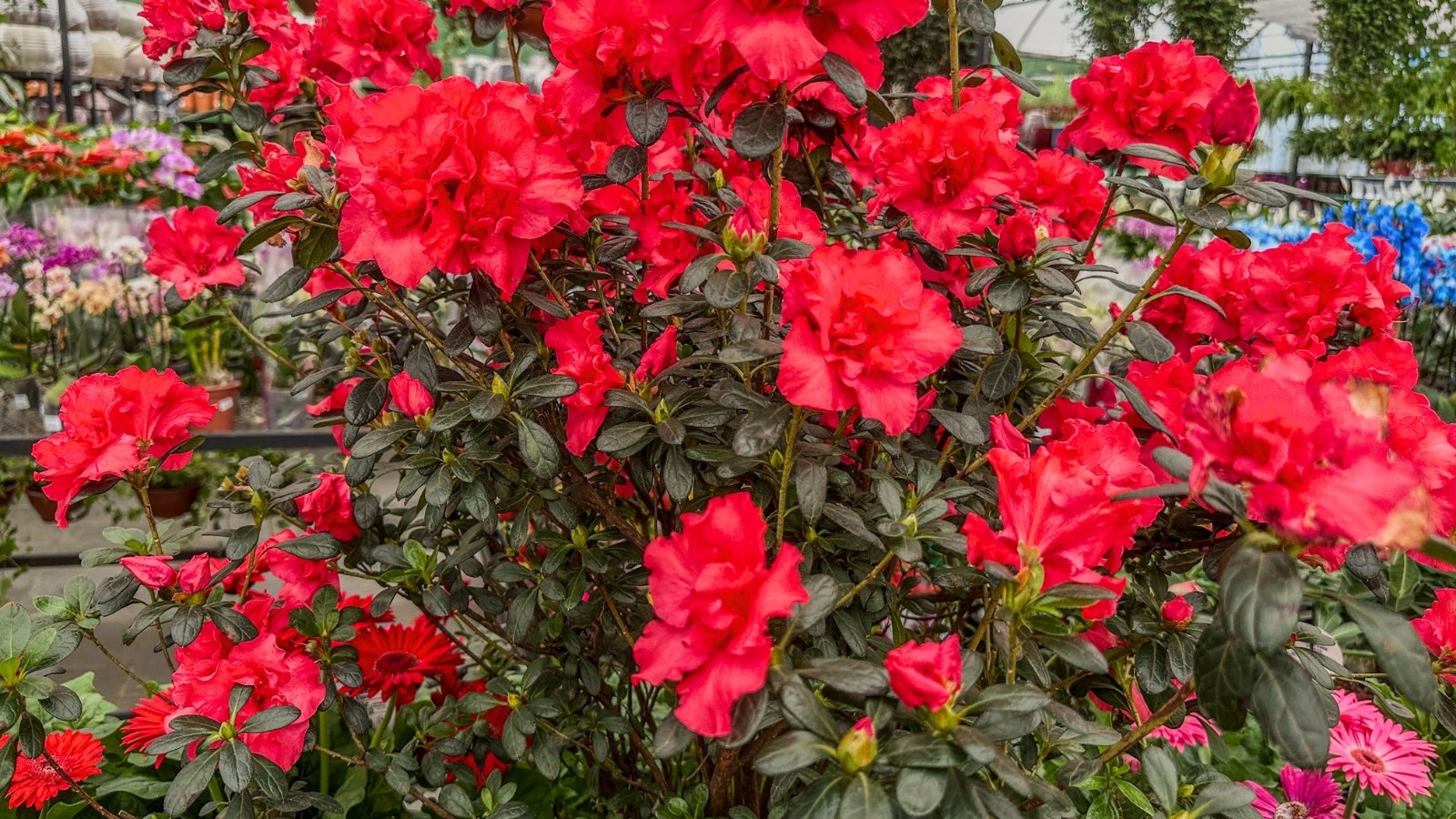
The Rhododendron genus is widespread across the globe. You’ll find azaleas and rhodies, as they’re commonly known, in North America, Europe, Asia, and Australia. A few showy species are native to the U.S., like Pacific rhododendrons and western azaleas.
The hybrid varieties that exist nowadays are difficult to track genetically. They consist of various crosses that produce unique characteristics, like reblooming flowers and evergreen leaves. They’re not necessarily native to any particular region, and they perform well in a wide variety of garden settings.
Characteristics
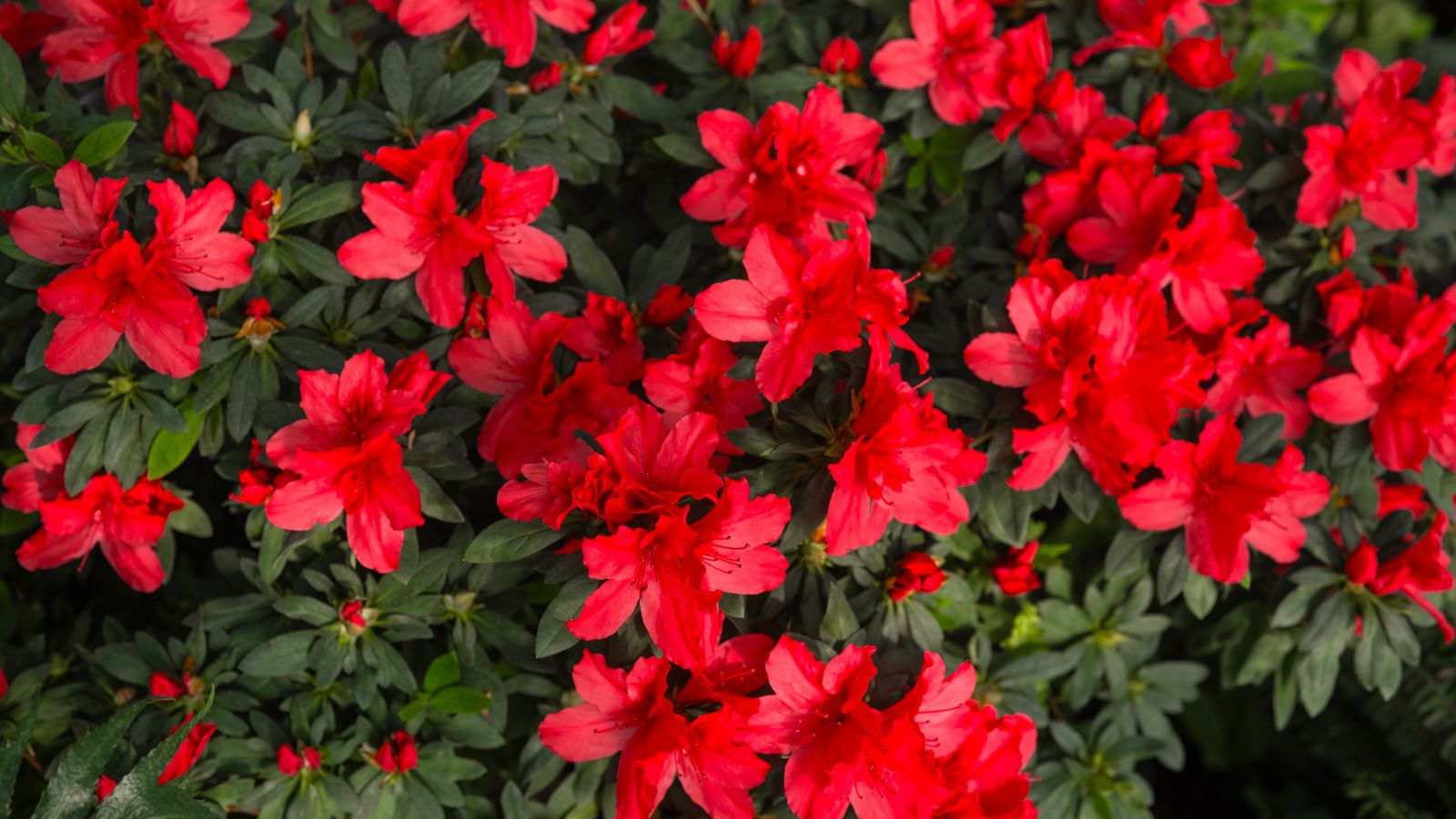
The ‘Autumn Bonfire’ azalea is evergreen in USDA plant hardiness zones 6 through 10. It may suffer some winter damage during particularly harsh winters, though it’s frost-tolerant to -5 to 0°F (-21 to -18°C). Give it winter protection with frost cloth or row cover on cold nights.
The shrubs stay between two and three feet tall, and they feature clusters of vivid red blooms that shine under the sunlight. Unlike most shade-loving azaleas, this cultivar tolerates full sun and grows well in well-lit gardens.
Below the leaves and blooms are woody stems that sprout from a central trunk. The flexible young stems are easy to shape and twist, and ‘Autumn Bonfire’ azalea is a great choice for a bonsai.
Planting
Plant ‘Autumn Bonfire’ azalea shrubs in acidic, well-drained soils. If the dirt is alkaline or neutral, consider amending the site ahead of planting to shift the pH between 5.0 and 6.0.
Use garden sulfur to lower the pH, and, if necessary, garden lime to raise it. If you’re unsure what pH the soil is, use a soil test to see the pH, as well as nutrient levels and organic matter content.
Prepare the Site

Azaleas grow best in well-drained soils rich in organic matter. They prefer a loamy mix that’s light and airy, like the duff on the forest floor. Add compost to enrich the soil for planting, and verify the pH is between 5.0 and 6.0.
Soil amendments take time to break down. Add them a month or two before planting, and lightly rake them into the soil to speed up the process. Keep the dirt moist, but not soggy, to encourage soft, crumbly soil for the transplanting process.
The day of planting, dig a hole as deep and twice as wide as the azalea shrub’s rootball. Don’t amend the hole with compost, and set the dug-out soil aside for later use.
It used to be common practice to fill planting holes with compost, though we now know this leads to cramped, overcrowded root systems. The roots struggle to penetrate the garden’s soil, and they stay stuck in the cushiony comforts of the amendments. Use only the soil you dug out during planting for best results.
Transplanting
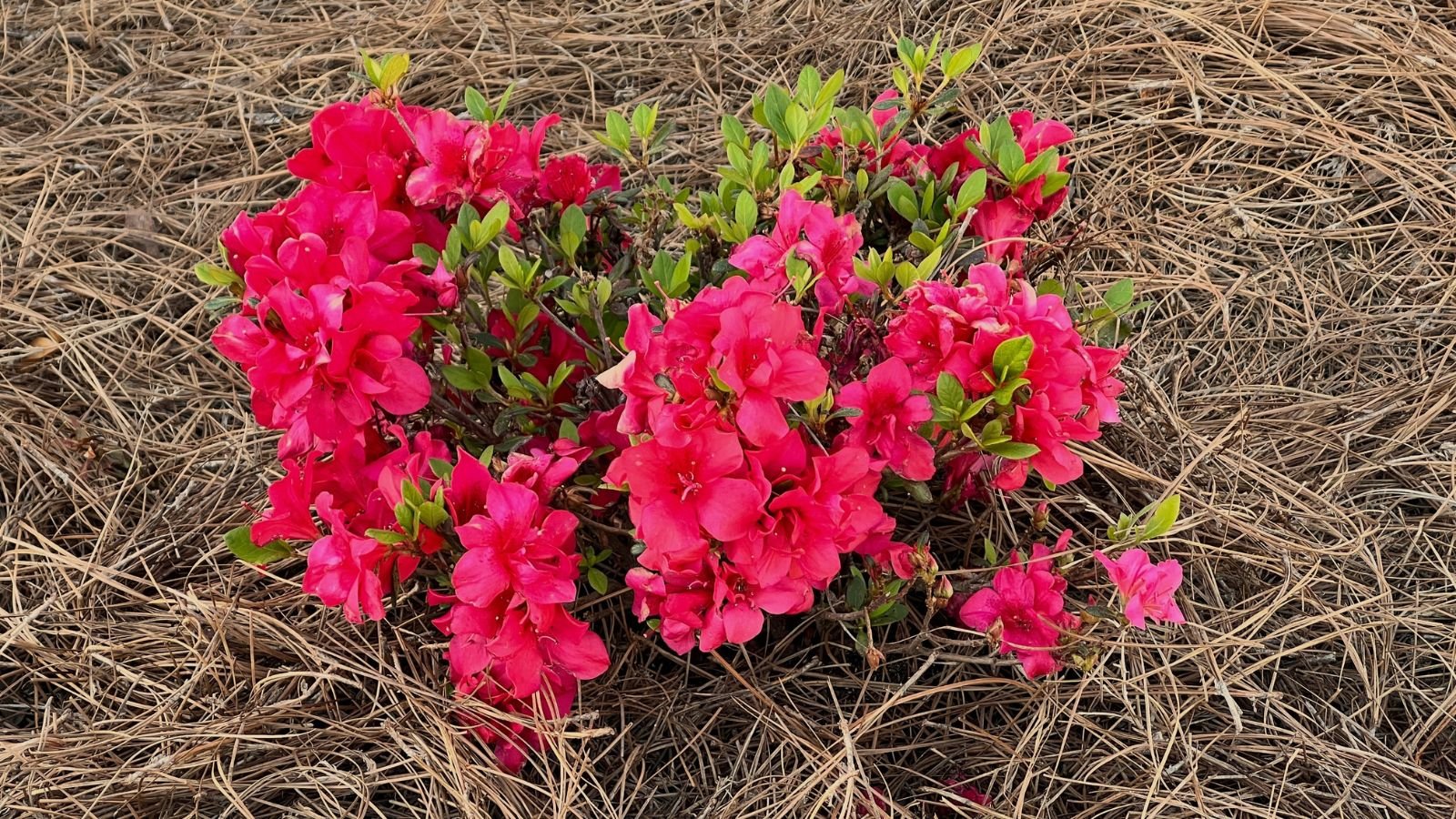
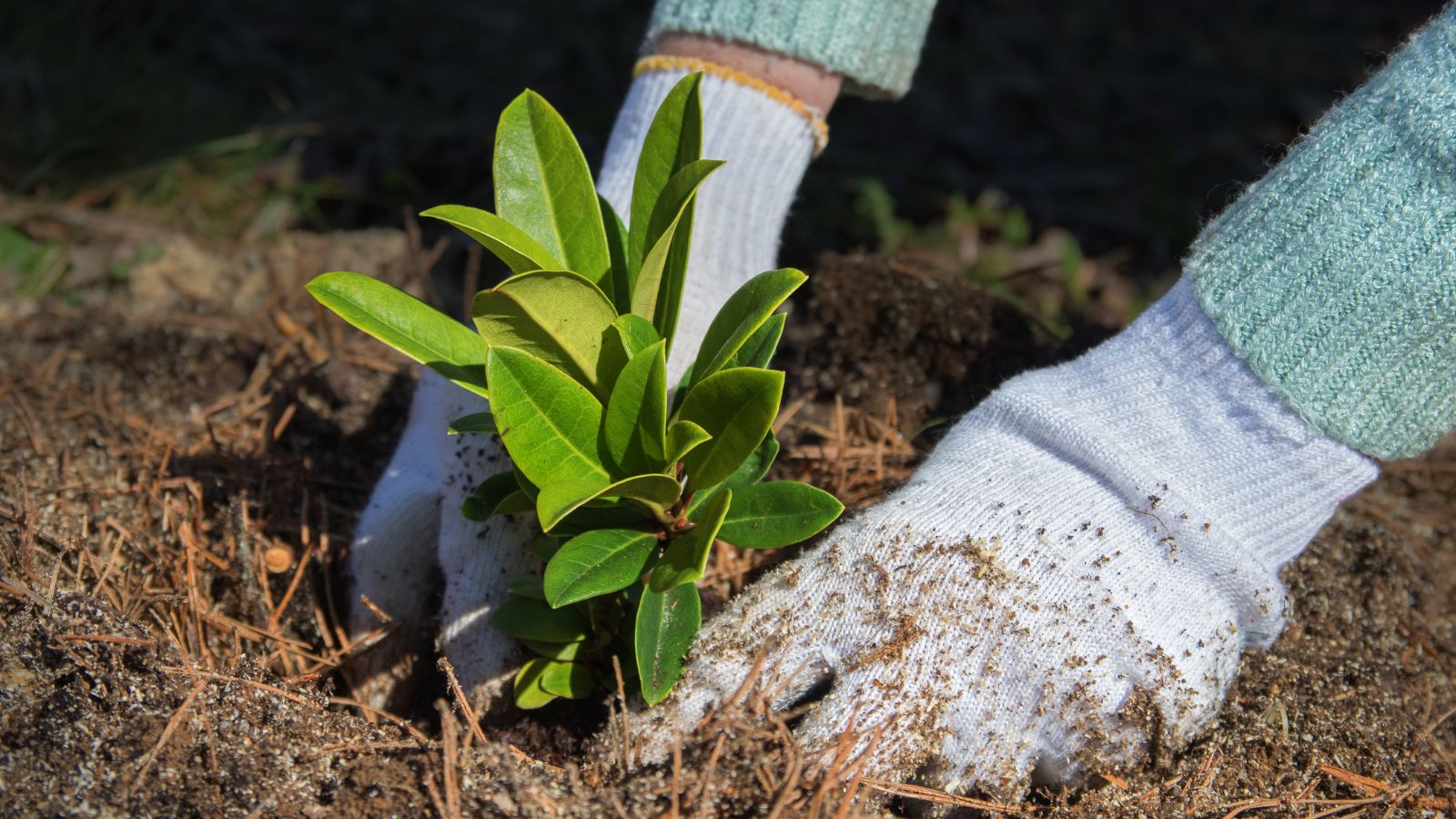
It’s important to set your azalea up for success at planting. Azaleas have fine roots that easily break, so take care during the process to handle them gently. They prefer transplanting during spring or fall, when the weather is cool and mild.
Start by removing the shrub from its container, then take a look at the roots. If the roots are compact and rootbound, use a sharp knife to chop off the lower portions that have been circling the pot. This will free the roots and help them establish well after transplanting.
Set the shrub inside the hole, with its trunk aboveground and its roots below the soil. Backfill the hole with the dug-out soil from earlier until you reach the surface. Then, water the site well and add compost on top of the dirt but away from the trunk.
How to Grow
‘Autumn Bonfire’ azaleas are unlike most other hybrid cultivars. They grow well in warm sites with plenty of sun, and they tolerate short droughts during the summer. Use them to add color in small spaces, and to accent taller trees and shrubs in the garden.
Light
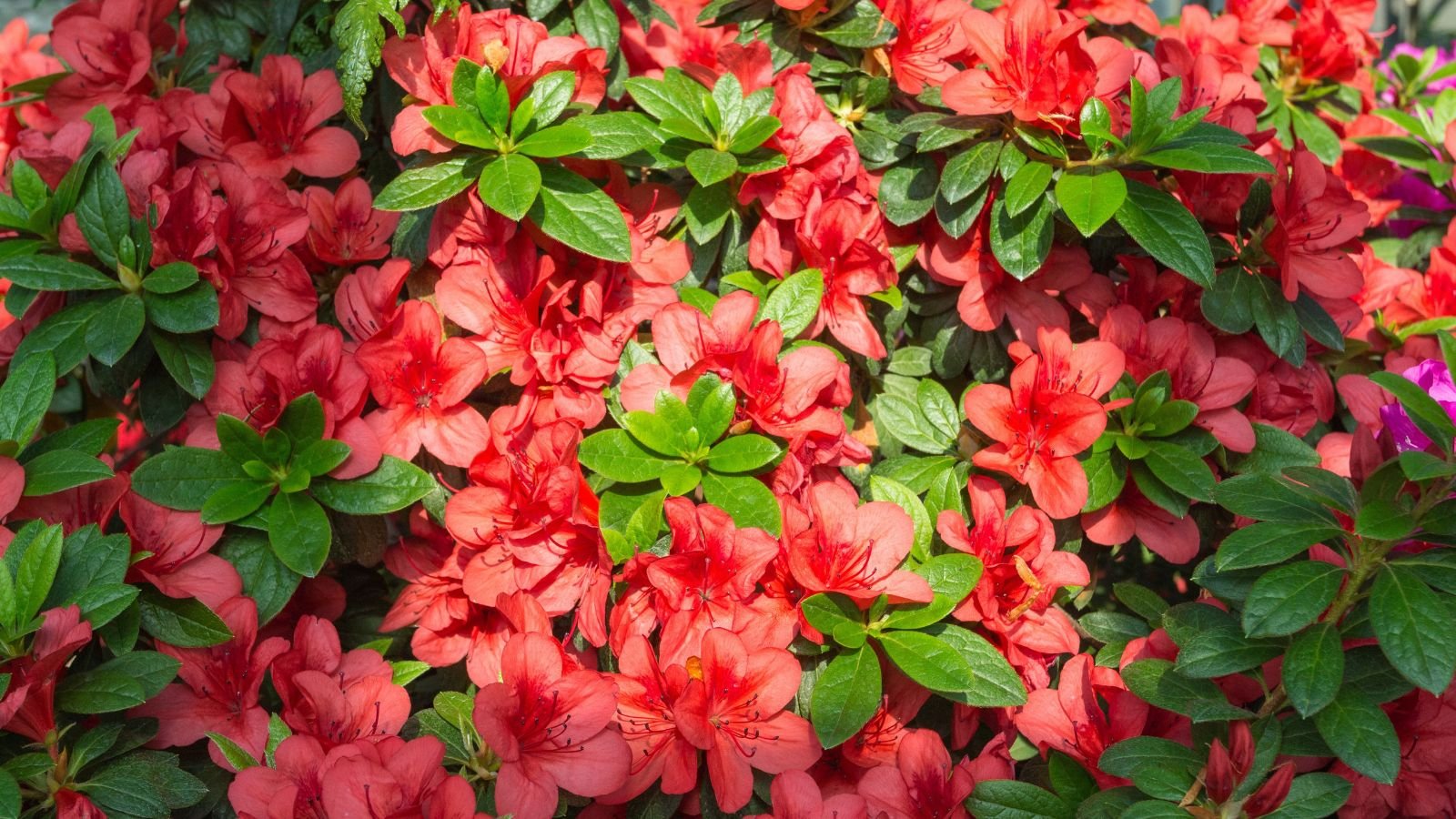
This azalea prefers full sun or partial shade, with between four and six hours of daily direct sunlight. This amount of sun will lead to the most blooms with the best colors. You want bonfire-red flowers, not pale pink ones!
Give this azalea afternoon shade in the hottest regions of zones 8 through 10. The sun is most intense during this time, and it can damage the leaves and fry the bloom clusters. Morning sun is preferable, as temperatures are lower at the beginning of the day than at the end.
You may also grow this cultivar in dappled shade with sunlight poking through the canopy throughout the day. The shrub may grow fewer flowers than in a well-lit location, though it’ll strengthen with time over many seasons.
Water

Regular water is necessary for the first year after planting. Then, the shrub will tolerate less water during the growing season. You may need to irrigate the planting site twice or three times a week during the hot months of the first year.
In the second and subsequent years, water the shrub once a week during dry spells. If rainfall is strong and regular, you may not need to water at all. Check the dirt before watering to ensure you don’t overwater, as soggy soil can lead to root rot.
Potted azaleas will need more water than their in-ground counterparts. They may need water every day or every other day during the dry season. Keep a hose or watering can nearby to make watering easier.
Soil
Well-drained acidic loam is the best type of soil for ‘Autumn Bonfire’ azaleas, though they adapt well to a wide variety of soils. Some clay or sand is okay, as long as the dirt is well-drained and doesn’t hold pools of water.
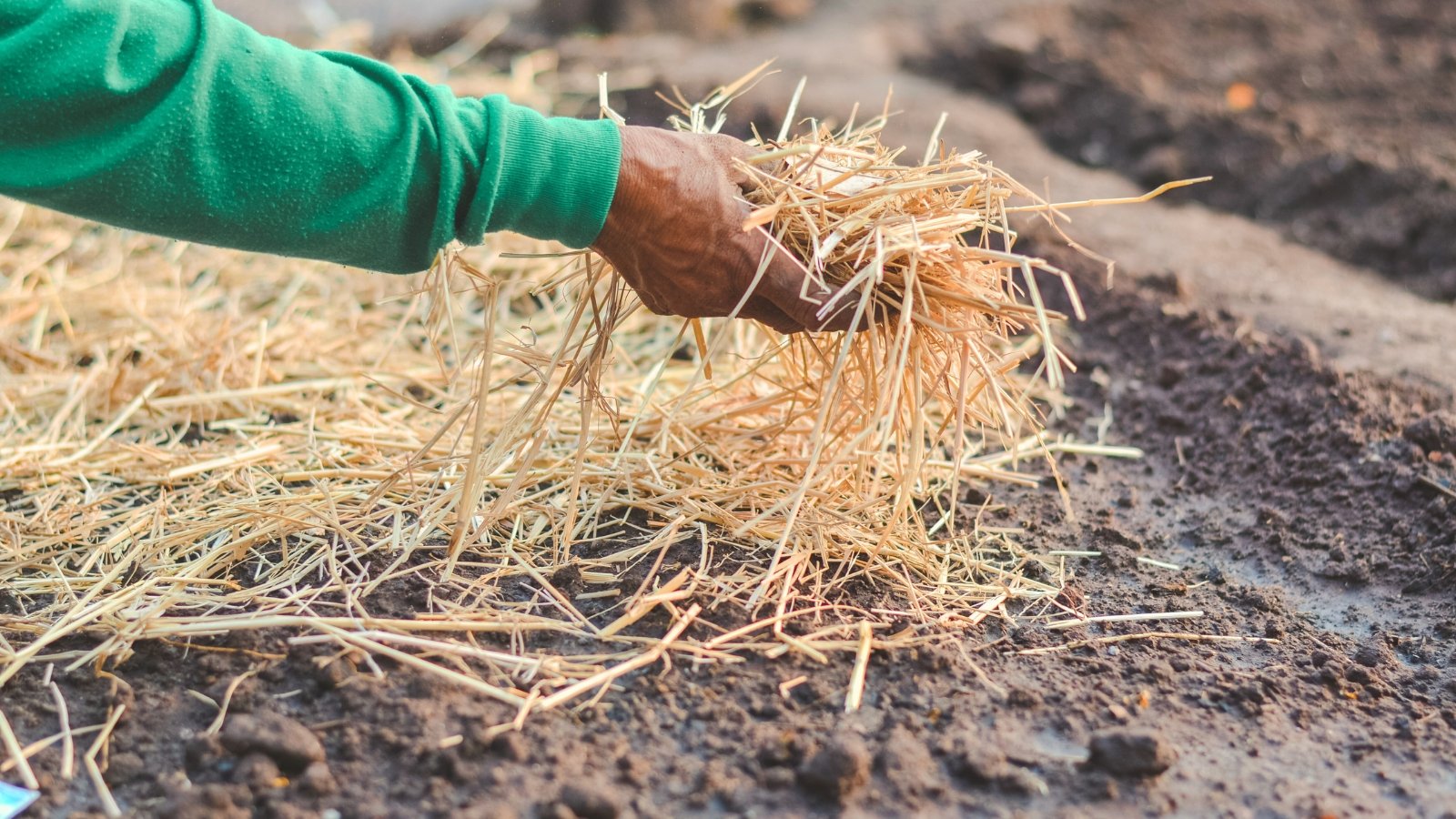
Azaleas love organic matter in their soil. Add plenty of compost, leaf mold, or straw to the site in a layer two to three inches thick. This will feed the plant and insulate the roots, keeping them safe from frosts during the winter.
In pots or containers, use a potting soil mix that’s free-draining and moisture-retentive. Peat moss is a great base, but the harvesting of it is incredibly damaging to sensitive peat bogs. Consider using coco-coir, bark dust, or a different soil mix that’s eco-friendly.
Fertilizing
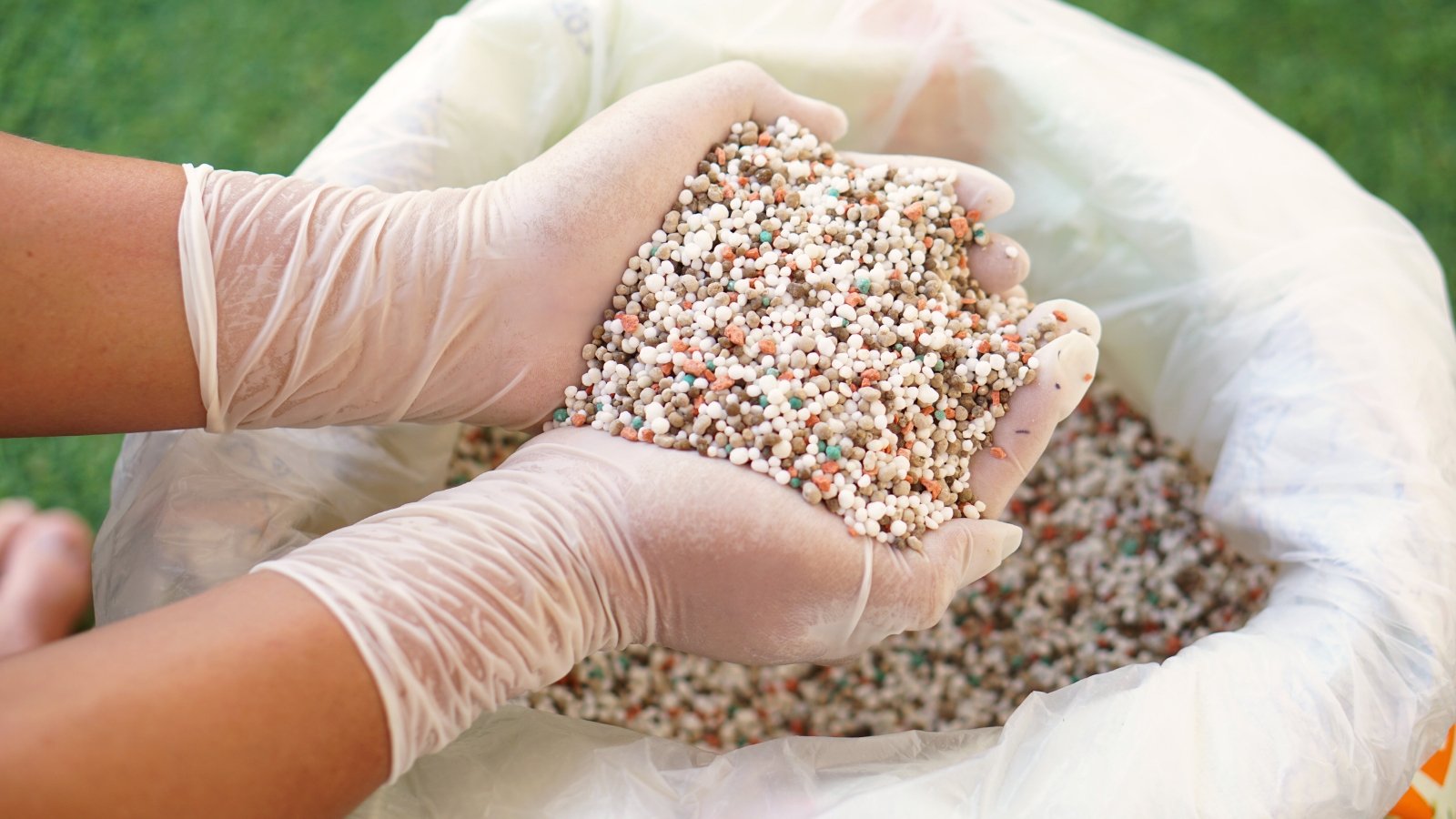
This azalea cultivar is sensitive to overfertilization. It benefits from a single feeding in spring after the first round of blooms. Use a well-balanced organic fertilizer with near equal amounts of nitrogen, phosphorus, and potassium.
Apply the powder, liquid, or granular fertilizer according to the package’s instructions, taking care not to add more than the recommended amount. Water it in well, and splash any substance off the leaves to avoid burning and scorching.
In areas with long growing seasons, like Southern California, a second round of fertilizer may help prolong the bloom period. Add another regular dose in summer, no later than the end of September.
Maintenance

This azalea is low-maintenance. It requires no deadheading or major pruning. You may prune the shrub to shape it how you’d like, though it’s unnecessary. Do so after the first round of blooms when the petals begin to fade, and remove no more than a third of the shrub in a single pruning session.
Adding mulch in the fall will prepare your azalea for the winter. Use compost, leaf mold, or fallen leaves, and apply the mulch in a layer two to three inches thick.
Propagation
It’s impossible to propagate this variety with seeds, as the seeds would produce genetically different seedlings that may not resemble the parent plant. Use cuttings or simple layering to propagate clones of the original shrub.
Cuttings
Take cuttings of healthy new growth during the growing season, from spring through fall. Prune off four to six-inch pieces of the stems with leaves and buds. Remove the lower leaves, and snip off any flowers or unopened buds.
Jab the cut ends of the stems into trays or pots with a free-draining growing medium. Set a humidity dome over the tops of the cuttings, and keep them in a bright location with afternoon shade. Keep their growing medium moist, but not soggy.
Roots will form in a few weeks in proper conditions. Transplant them after a year into larger pots or straight into the garden.
Simple Layering

Simple layering is similar to cutting propagation, except you leave the stems attached while they root. It’s a more sure way of propagating, and it’s easier to do on mature shrubs growing in the ground than on young ones.
Start by finding a long, leafless branch you’d like to root. Nick the underside of the stem with a sharp knife or pruner to peel back the outer layer of bark. Don’t cut too deep! Cut just deep enough to peel through the outer green layer and expose the white cambium tissue.
Then, gently bend the branch down until it reaches the soil. Pin it down with a landscape stake, and cover the cut branch with soil so that the stem’s tip pokes through the soil. It should look like a new plant growing next to your existing shrub.
The cut portion will form roots after a few weeks. Keep the soil moist, and carefully uncover the branch to see if it has roots. Once it roots, prune the base of the branch to remove it from the parent plant. Leave it in place, or dig up the new plant and move it to a different site.
Common Problems
This azalea may face problems when it grows in unsuitable conditions. Before identifying the issue as a pest or disease, look to your care regimen and the weather to see what the problem is. Most growing issues result from abiotic factors, like drought, rather than biotic ones like pests and diseases.
Pests

‘Autumn Bonfire’ is susceptible to leaf, flower, and root damage from aphids, mites, borers, lace bugs, leafhoppers, mealy bugs, nematodes, scale, thrips, and whitefly. Most pests that target the leaves dislike moist conditions, and you can spray them off daily with a hose to get rid of them.
Others, like lace bugs, are difficult to get rid of. Invasive lace bugs are invading my region of the Pacific Northwest, making many azalea cultivars unsuitable for growing. Hose them off and keep them at bay with regular spraying during the warm months.
Keeping your shrub healthy is the best defense. Discourage most pests with mulch, regular irrigation, and proper care. Compost inoculates the area with good bugs and microbes that battle the bad ones.
Avoid using pesticides, as they’ll harm the butterflies and bees that love visiting this azalea’s flowers. It’s not worth it! Pesticides have lasting effects that harm pollinators and predatory insects, and they’ll upset the delicate balance of your garden’s ecosystem.
Diseases
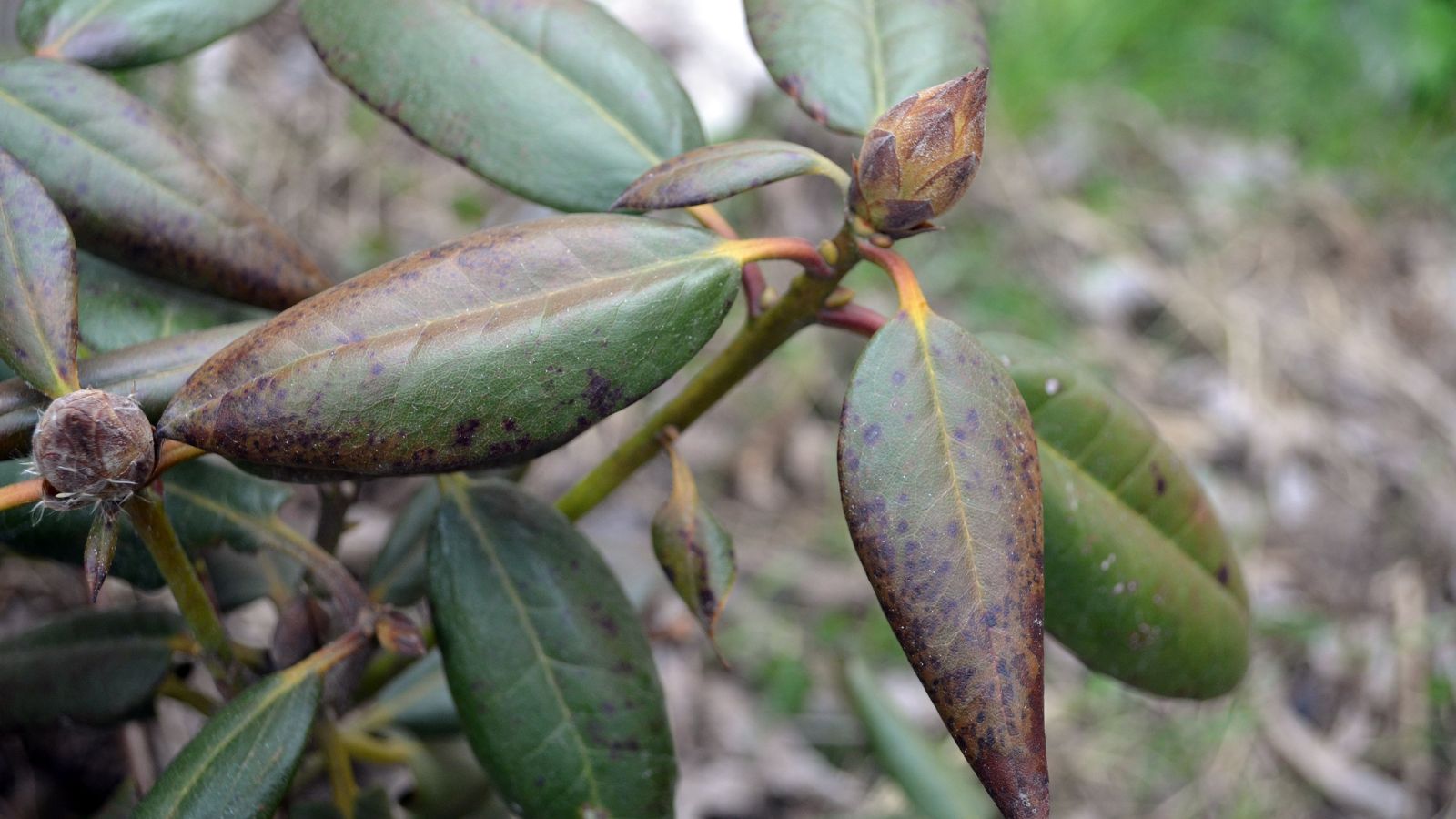
Phytophthora root rot is the most damaging disease, and it’s common in sites with poorly draining soils. Ensure the soil is well-drained, and avoid overwatering the roots. If root rot is present, you’ll need to plant a new azalea in a separate location to let the disease die in the soil.
Add plenty of organic matter, like compost, to help with drainage. Aside from root rot, unhealthy azaleas may be subject to cankers, rust, leaf spots, and powdery mildew. Discourage leafy diseases by planting the shrub in an area with good airflow and plenty of sunlight.