How to Plant, Grow, and Care for Alocasia ‘Jacklyn’
Alocasia ‘Jacklyn’ is a striking houseplant also known as Alocasia tandurusa. Join Briana Yablonski to learn more about this plant and how to care for it at home.

Contents
The Alocasia genus contains numerous species and cultivars of stunning plants with large leaves. Although these plants are native to various areas of Asia, people across the world keep them as houseplants.
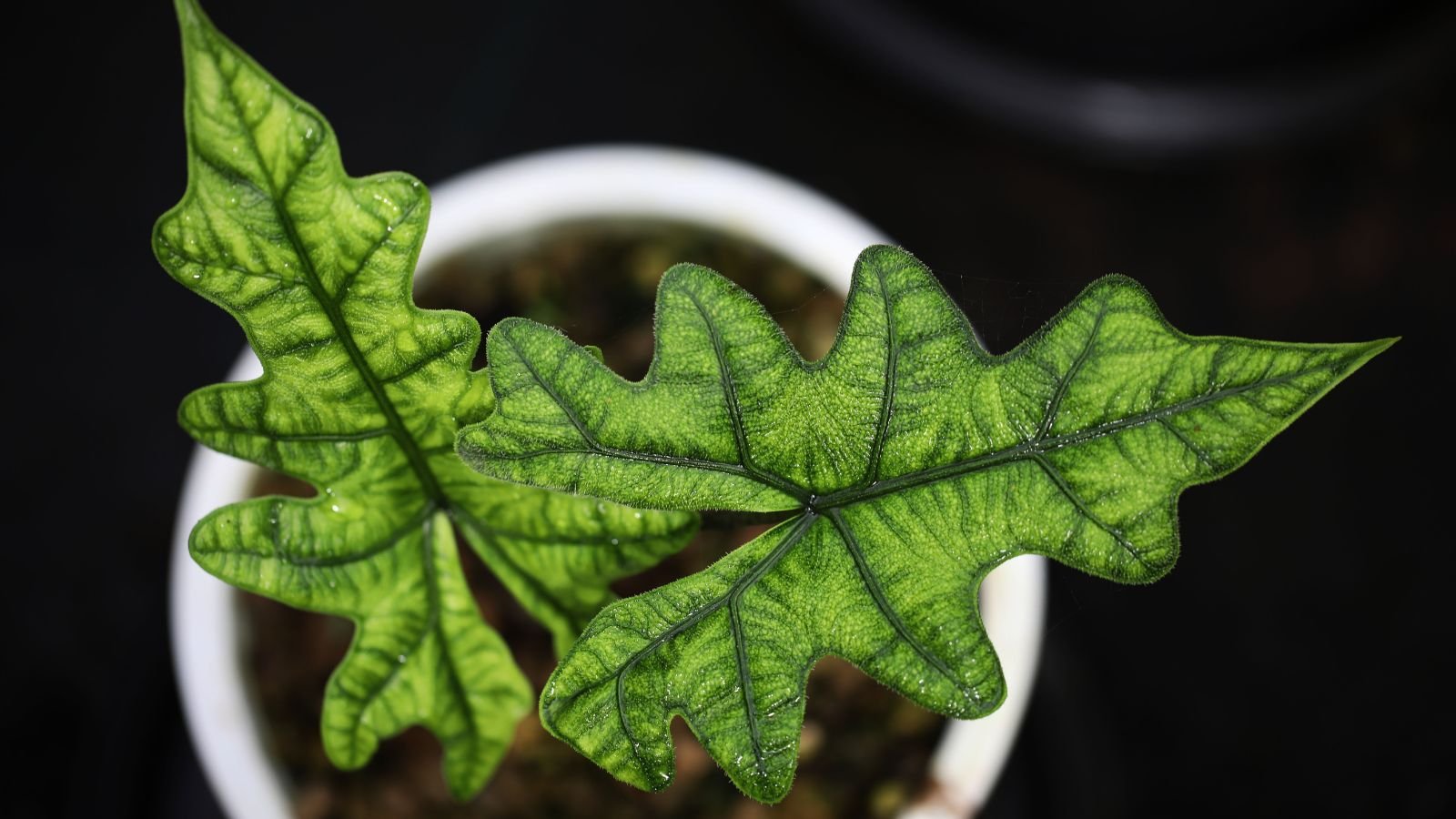
Alocasia tandurusa is one particularly eye-catching species. Also known as Alocasia ‘Jacklyn,’ the plant features deeply lobed leaf margins and a combination of light and dark green foliage.
Let’s learn more about the plant’s traits and care requirements.
Alocasia ‘Jacklyn’ Overview

|
Plant Type
Perennial houseplant
Family
Araceae (Arum family)
Genus
Alocasia
Species
Tandurusa
|
Native Area
Southeast Asia, particularly Indonesia and Malaysia
Exposure
Bright to medium indirect light
Height
3-8’
Watering Requirements
Moderate
|
Pests & Diseases
Spider mites, root rot
Maintenance
Low
Soil Type
Well draining
Hardiness Zone
10-11
|
What Is It?
Alocasia ‘Jacklyn’ is the name given to a particularly stunning type of alocasia with distinctively wavy leaf margins.
There are some debates about the plant’s name. It’s technically referred to as Alocasia tandurusa, but many people refer to it as Alocasia ‘Jacklyn.’ You also see people refer to it as Alocasia sulawesi, but this isn’t a currently recognized species.
Characteristics
Alocasia ‘Jacklyn’ is a member of the Alocasia genus. You may hear people refer to these plants as elephant ears, but this common name is more frequently used to refer to plants in the Colocasia genus.
You can find around 80 Alocasia species growing in the wild, and many of these varieties are popular houseplants. Alocasia tandurusa is particularly sought after due to its beauty.
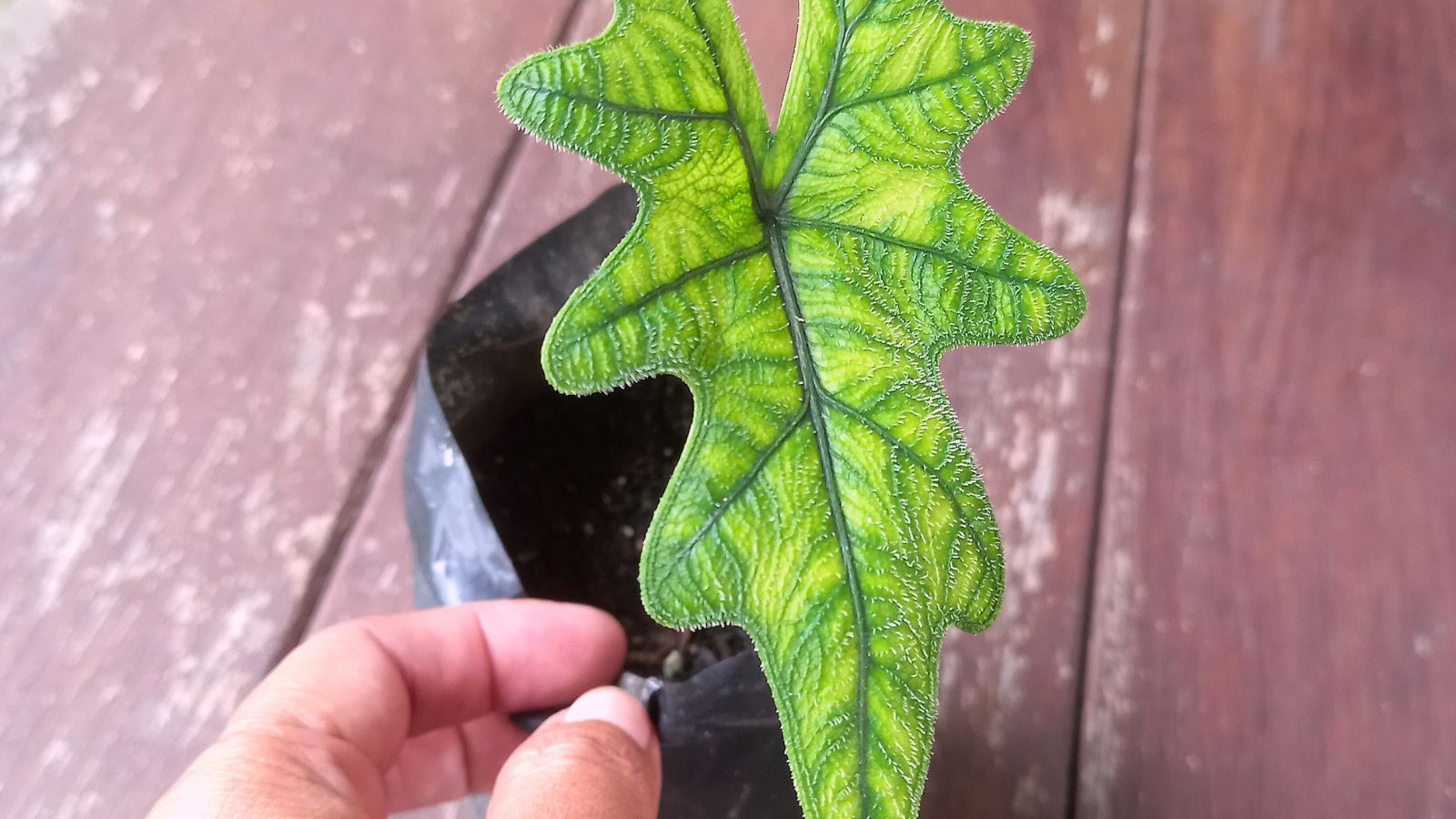
Alocasia ‘Jacklyn’ was once rare and difficult to find, but it is becoming more common and easier to purchase. It features arrowhead-shaped leaves with dramatically wavy leaf margins. The species name tandurusa comes from the Indonesian words ‘tanduk rusa,’ meaning deer antlers.
The leaves are light green with dark green veins that appear to bleed into the rest of the leaf. When light shines through the different hues of green, the leaves appear almost iridescent.
The plants can grow up to eight feet tall, but they often remain under four feet tall when grown indoors. Each plant produces multiple leaves from its base, resulting in an open growth habit.
Native Area

Alocasia tandurusa is native to parts of Indonesia and Malaysia, where it grows in tropical forests.
Planting
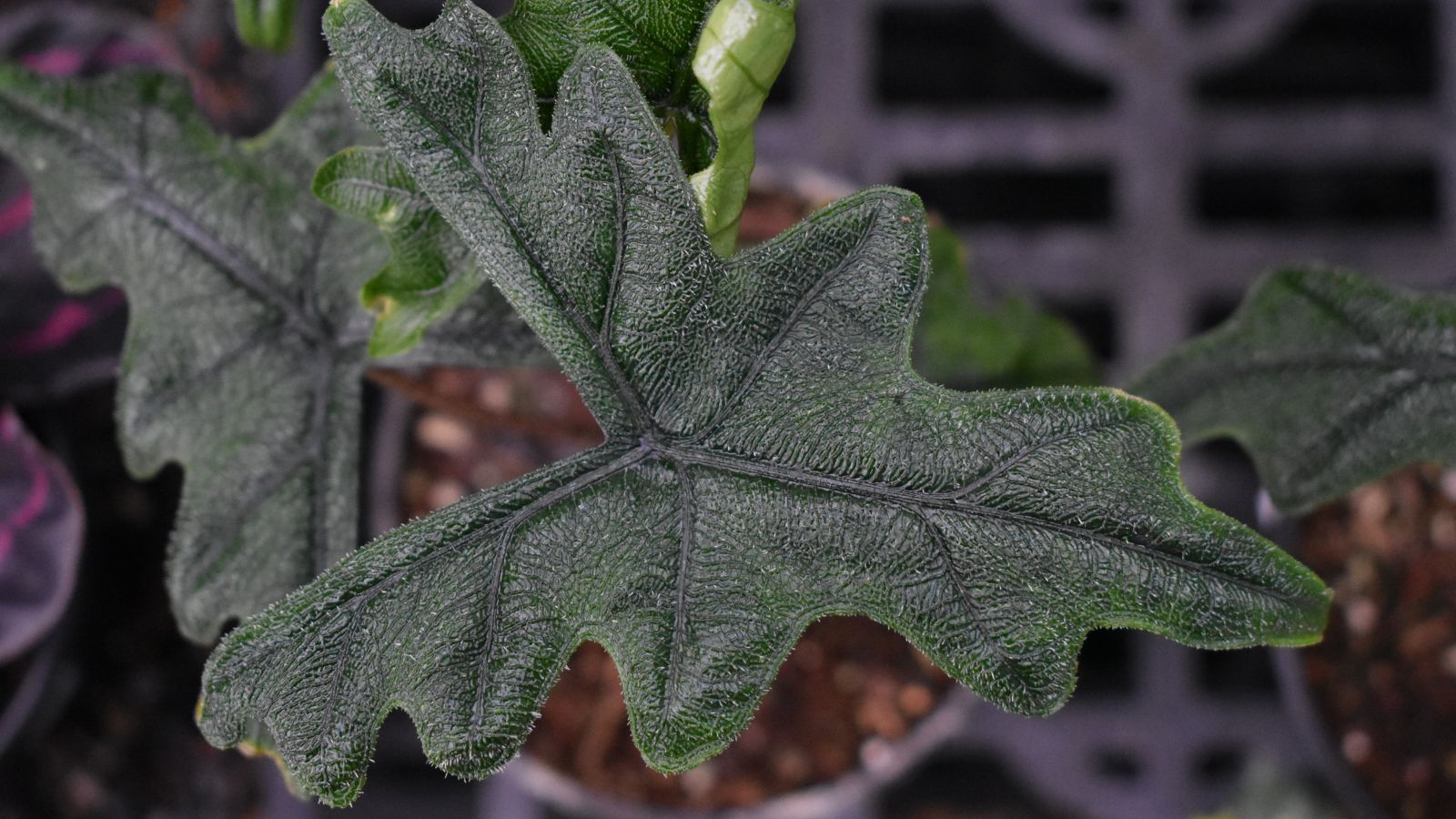
Purchasing a small plant is the best way to start growing this tropical houseplant. It’s becoming easier to find Alocasia ‘Jacklyn’ plants, so you may be able to locate one at your local houseplant shop or greenhouse.
After you select a plant, it’s time to choose the proper container. Look for a pot that’s just a few inches larger than the plant’s current container, and make sure the bottom has drainage holes.
Fill half the container with a well-draining potting mix that’s rich in organic matter. Using a standard houseplant mix is fine, but you may also be able to find a mix designed specifically for aroids. These mixes are often chunkier and have better drainage than other mixes.
Place the plant in the container while ensuring the top of the rootball is level with the top of the soil. Water slowly to help the plant settle into its new home.
How to Grow
Although Alocasia ‘Jacklyn’ is a somewhat rare houseplant, it’s not any more difficult to care for than other types of alocasia.
Light
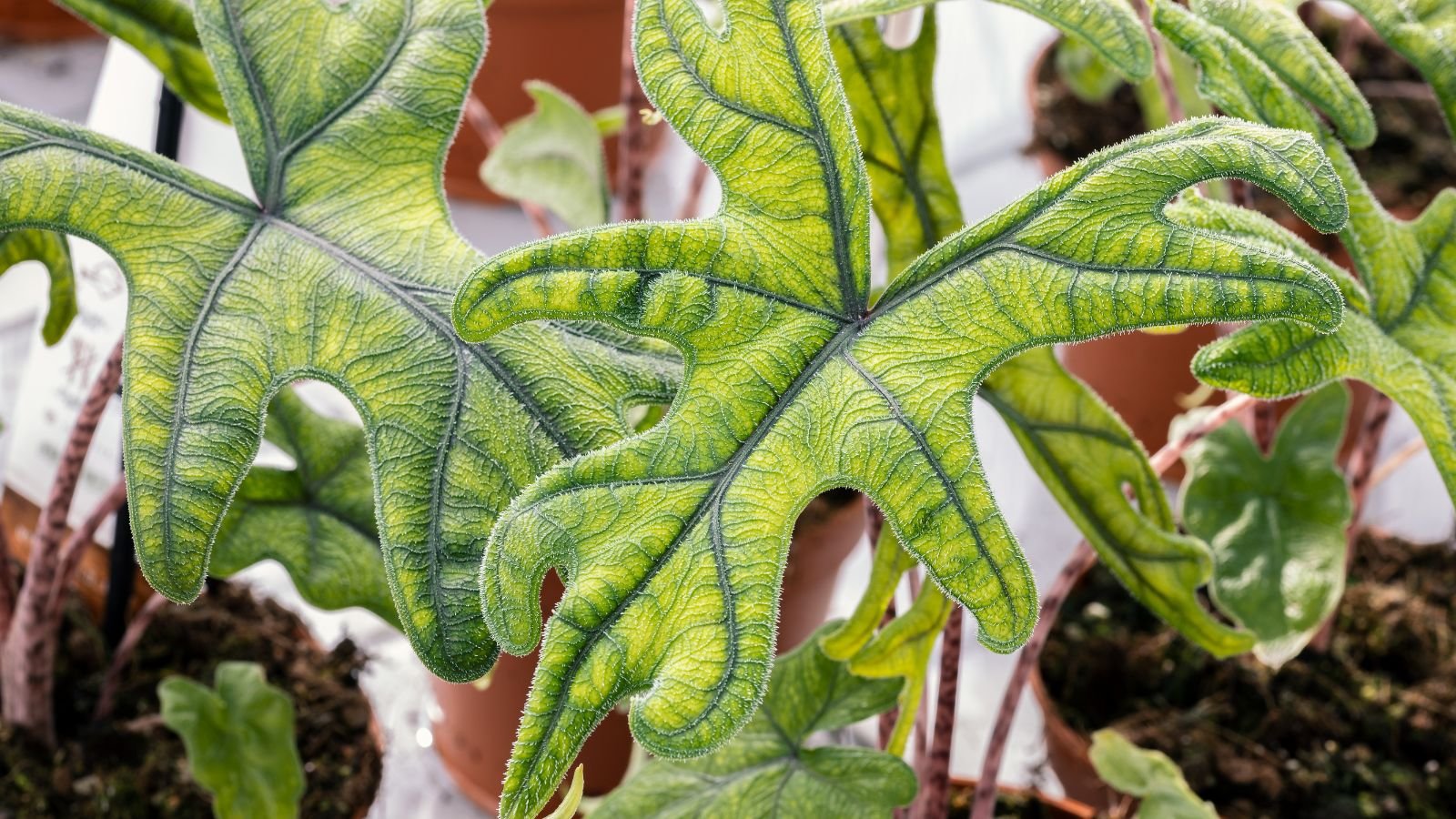
When you’re keeping this plant indoors, aim to provide it with bright, indirect light. Direct sun can scorch the leaves, so keep it away from south-facing windowsills and other locations that will expose it to harsh rays.
Some suitable locations for the plant include the middle of a brightly-lit room or near an east-facing window. The plants can tolerate dim light, but they’ll experience a decrease in growth and an overall decline in plant health.
Water

Like most types of alocasia, ‘Jacklyn’ requires a moderate amount of moisture. The plants are susceptible to root rot, so avoiding overwatering is a key part of keeping them healthy.
Since light, temperature, and humidity often fluctuate throughout the year, don’t water your plants on a set schedule. Instead, check the soil moisture to determine if your plant needs water.
Stick your finger into the top of the soil near the base of the plant. If the top two inches feel dry, it’s okay to water. If you detect any moisture, forgo watering until the soil dries out more.
Use a watering can to apply water slowly near the soil surface. This slow flow will allow moisture to percolate through the soil without overflowing.
Soil

This houseplant prefers well-drained soil that’s high in organic matter. The soil should hold moisture while allowing excess water to drain.
Chunky soil mimics the conditions in which they naturally grow, making it a good idea to add coco husk chips or orchid bark to pre-mixed potting mixes. You can also select a mix that’s designed for aroids such as Alocasia ‘Jacklyn.’
Temperature and Humidity

Since Alocasia ‘Jacklyn’ is native to tropical regions in Southeast Asia, it’s no surprise that it likes high humidity and warm temperatures.
If you’re keeping yours indoors, average household temperatures will keep it happy. Air temperatures between 65 and 85°F (18 and 29°C) are ideal. Make sure to keep your plant away from any drafty areas, such as near exterior doors or air conditioning vents.
Moderate humidity (around 50%) is fine, but if the moisture drops below 30%, they may develop issues like crispy leaf edges. Adding a humidifier will improve the air and help keep the plants happy.
Some people also suggest using pebble trays or spritz bottles to improve humidity, but these are short-term solutions that only increase the humidity slightly. If you’re serious about keeping tropical houseplants, a humidifier is a worthwhile investment.
Fertilizing

Alocasia plants aren’t heavy feeders, but they benefit from a regular application of a balanced fertilizer during the growing season. Add a small dose of a fertilizer with an NPK ratio like 1-1-1 or 2-2-2 once per month in mid-spring through late summer.
Avoid overapplying fertilizer, as this can lead to nutrient burn. You should also stop applying fertilizer in the fall to prevent excessive growth during the winter months.
Maintenance
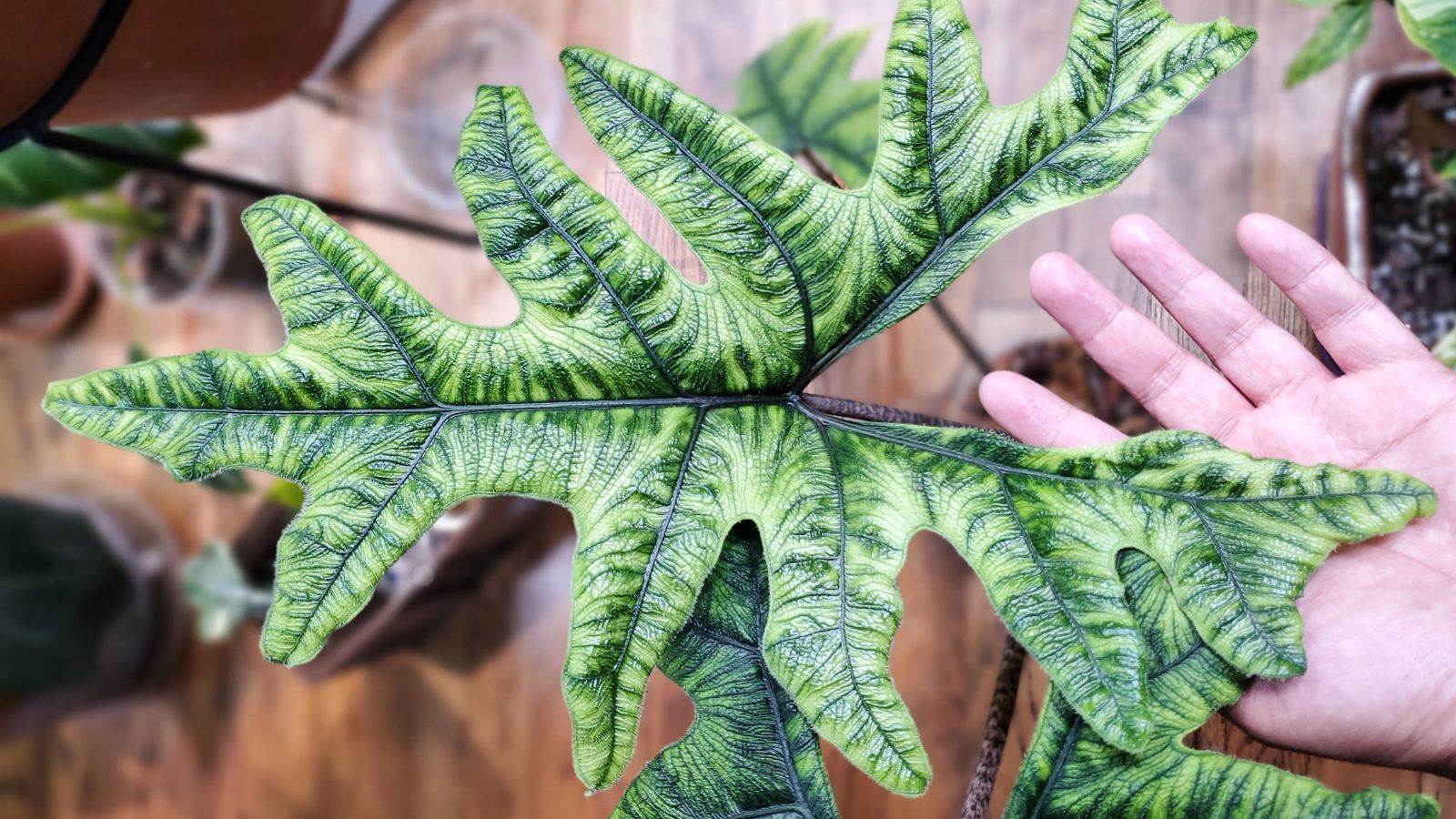
Fortunately, Alocasia tandurusa is easy to maintain. The plants require little maintenance outside of repotting.
Alocasia ‘Jacklyn’ plants are more sensitive to repotting than many other houseplants, so you should only move them to a new container when it’s necessary. If you see roots growing out of the bottom of the pot or notice the leaves are out of room to grow, bump the plant to a larger pot.
Don’t worry if yours looks a little droopy or discolored in the weeks following repotting. As long as you provide the proper environment and resist the urge to overwater, the leaves will bounce back.
Propagation
Since these houseplants can be difficult to find, propagating them is a valuable skill. You can share new plants with friends or keep an extra on hand in case your original begins to decline.
The two main ways to propagate alocasia include dividing mature plants or digging up and separating new reproductive structures.
Division

Dividing is the easiest way to propagate a new Alocasia ‘Jacklyn’ plant, but it requires a large plant. If your plant has outgrown its pot, consider dividing it when you move it to a new container.
Start by removing the plant from its container. This can be a messy process, so you may want to put down a towel or complete the process outdoors. After the rootball is free from the container, inspect the roots for any signs of disease and trim off any infected portions.
Check the plant for offsets, which are small plants growing separately from the mother plant. You can remove each of these small plants to grow on their own. Removing small offsets by hand is often easy, but you may need to use a knife to separate larger plants. Ensure each section has leaves and roots.
After you’ve separated the offsets, repot them into their own containers and water well. The plants may take time to settle into their new homes, but maintaining a stable environment during this period will help them transition with minimal stress.
Corms

Removing and propagating corms (underground, bulb-like reproductive structures) is another way to form new plants. This method takes longer than dividing, but it allows you to grow many new plants at once.
While many plant owners use the term corm to refer to these underground structures, they’re technically terminal rhizomes. Regardless of what you choose to call them, they look like small, round brown nodules that appear near the rhizome. When these reproductive structures are mature, they’ll easily separate from the rest of the parent plant.
After removing the corms, your goal is to encourage them to sprout. Placing them in a warm and humid environment expedites this process. Some growers like placing the corms in moist perlite, while others find that damp peat moss works well. Experiment with a few substrates to find the one that works best for you.
You should see new growth begin to emerge within a month. At this point, you can repot the plant into its own container.
Common Problems
Fortunately, this plant doesn’t experience a ton of problems, but you should watch out for root rot and common indoor pests.
Root Rot

Root rot refers to a group of fungal and bacterial diseases that impact plant roots. If you notice your plants are discolored or rotten, they’re likely infected with rot. As the disease progresses, the plant will struggle to absorb water and nutrients.
The good news is that root rot is easy to prevent. Always start with clean potting mix to avoid accidentally introducing unwanted pathogens to your plants. Avoiding overwatering is the other key to keeping your plant free from rot.
If you notice your plant is infected with root rot, you can trim off the infected sections and repot in a new soil mix. Make sure to keep the soil just barely moist to allow the plant to recover.
Sap-Sucking Pests

Alocasia tandurusa is susceptible to many of the small pests that affect other houseplants. Spider mites, whiteflies, and thrips can all become problematic if they make their way into the home.
Although these pests look different, they all harm plants by piercing their leaves and drinking the sap. Wiping the insects with a wet, soapy rag is an easy and effective removal method.
Frequently Asked Questions
Is Alocasia ‘Jacklyn’ rare?
This plant was once difficult to find in the houseplant trade, but it has become more widespread due to an increase in plant poaching and illegal sales, as well as increased breeding efforts. Although it can sometimes be challenging to find, it has become common in houseplant shops and groups.
Is Alocasia tandurusa difficult to care for?
No, these plants are not particularly difficult to care for. While the plants will remain alive as long as you provide the right environment and care, it takes more practice and patience to help them thrive.