Which Plastics Are Safe For Gardening?
Knowing which plastics are safe for the garden is key to making sure you don't use harmful materials that leach chemicals into your food. Epic Gardening founder Kevin Espiritu explains the different types and their uses.

Contents
One of the more common questions I’m asked on the blog is about plastic use, specifically, “What plastics are safe for use in the garden?” With so many plastic products available for gardening, from pots and grow bags to raised beds and irrigation, it’s worth knowing which types are safe and how to use them properly.
Well, I was curious too, so I decided to go deep into the world of plastics and figure it all out for you all!
In addition, I wanted to address how different garden setups interact with plastics differently because it’s not uniformly the same. When you bring soil, moisture, and sun exposure into the mix, a whole different category of considerations appears, particularly when you get into things like grow bags or GreenStalks!
Let’s talk about plastics in the garden and which are safe for you to use!
Here’s what I found. It turns out there are seven different types of plastics that are labeled. If you’ve seen those little triangles with a number on your plastic products, you’ll know what I’m talking about. Here’s a picture:
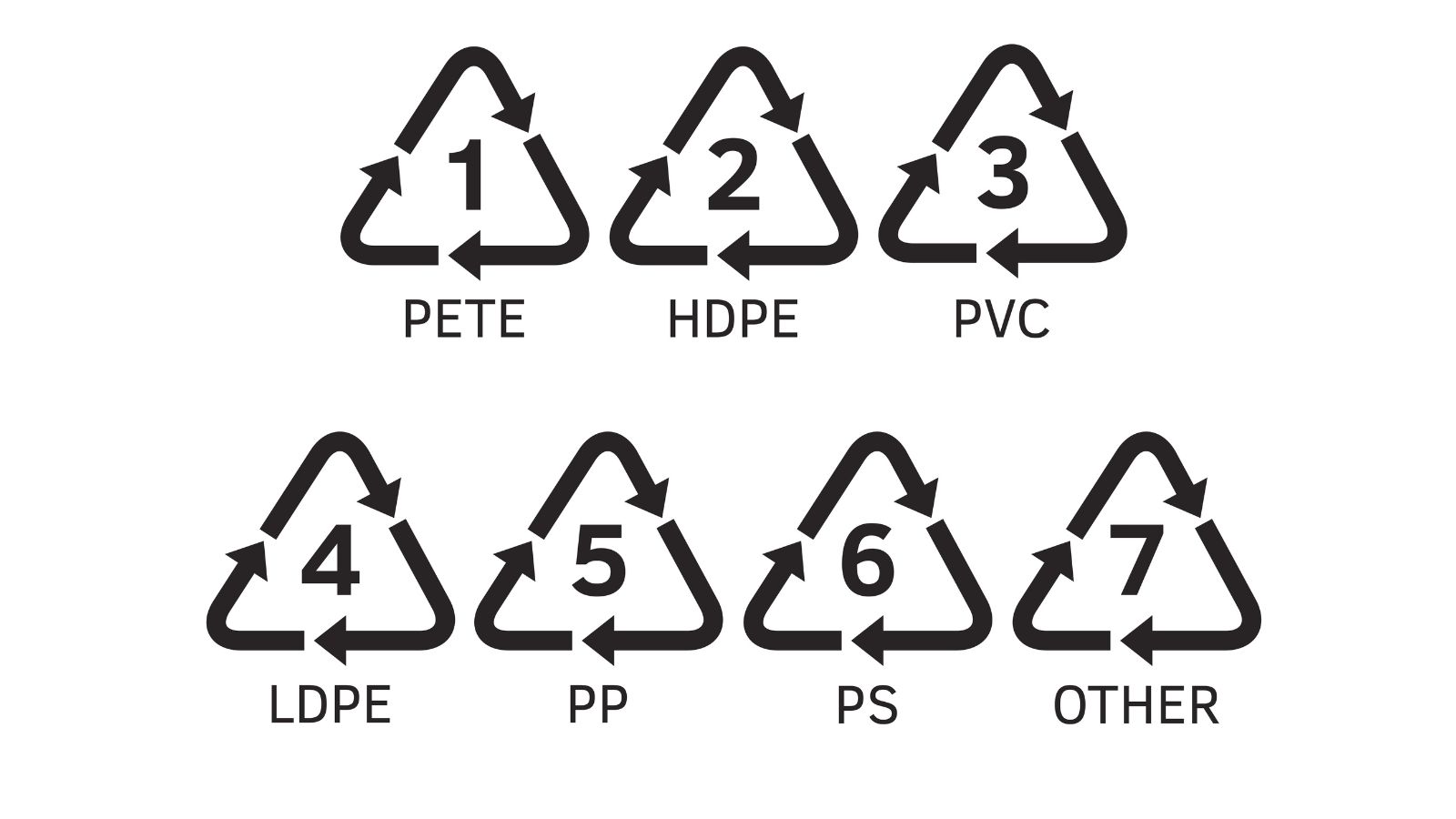
Below is a breakdown of each type of plastic, what products use it, and if it’s safe to use in the garden, along with how to use them properly!


Plastic Type 1 – PET
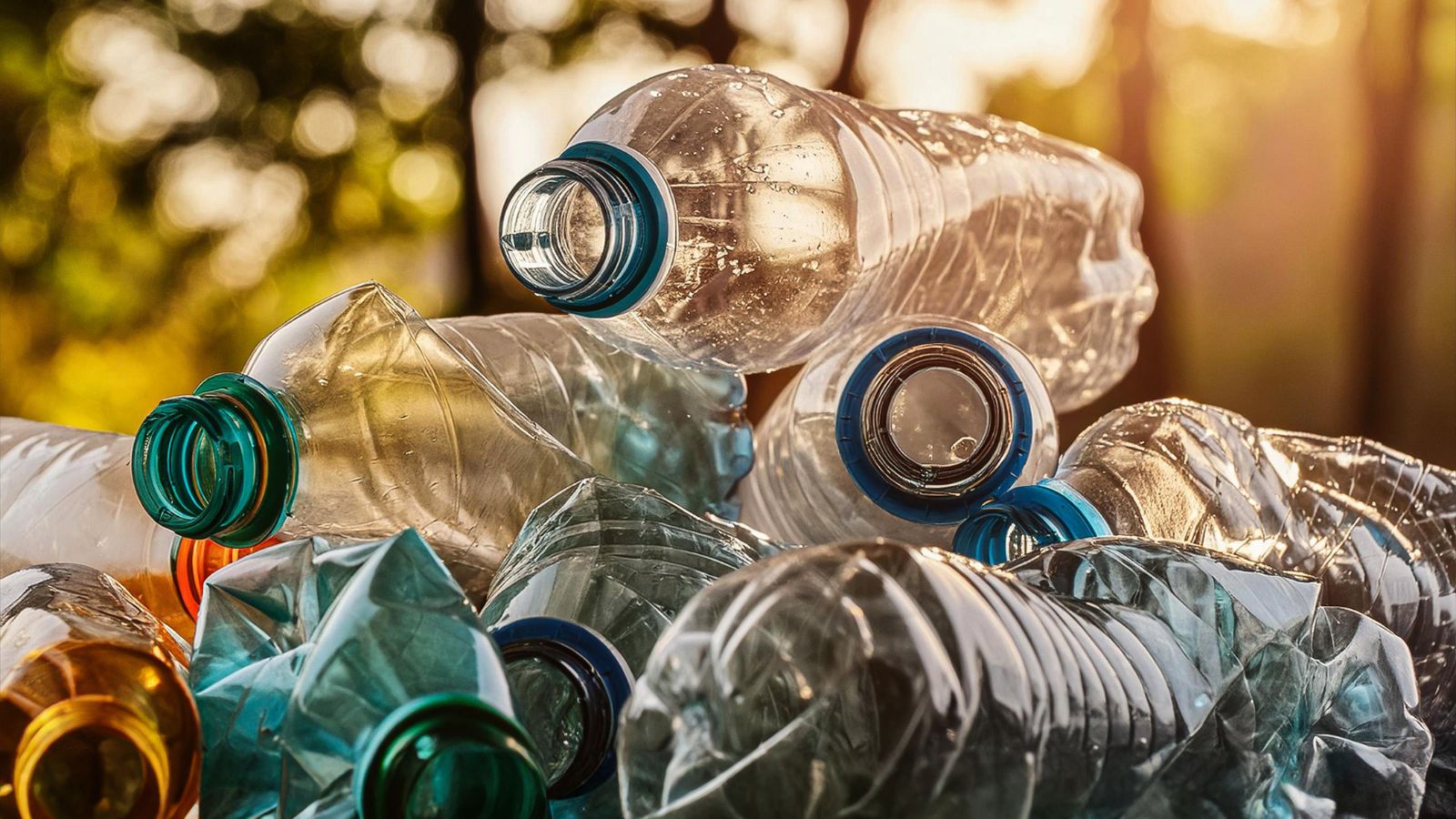
Plastic marked with a 1 is made of Polyethylene Terephthalate, or PET. It’s one of the most common plastics for food items like soda bottles, jars of peanut butter, or, if you’re like me, jars of ghee for cooking. One of the issues with this type of plastic is that it tends to take on the aroma of food that’s been stored in it.
It’s one of the most commonly recycled plastics and is almost exclusively used for single-use items since it can break down when exposed to light or heat for long periods.
The Risks
If you’re paying attention, that means it’s not always the best choice for your garden since gardens typically get quite a bit of light and heat! But having said that, some forms of PET are UV-resistant and can last longer than others; you have to investigate the variety you have.
A larger concern when using PET in the garden is how new it is. Brand-new PET plastics carry the most risk of leaching, but it takes a while. You know how a bottle of water stored for a long time can take on a funky, stagnant flavor? That’s the worry most people have: the chemicals in newer plastics may leach out.
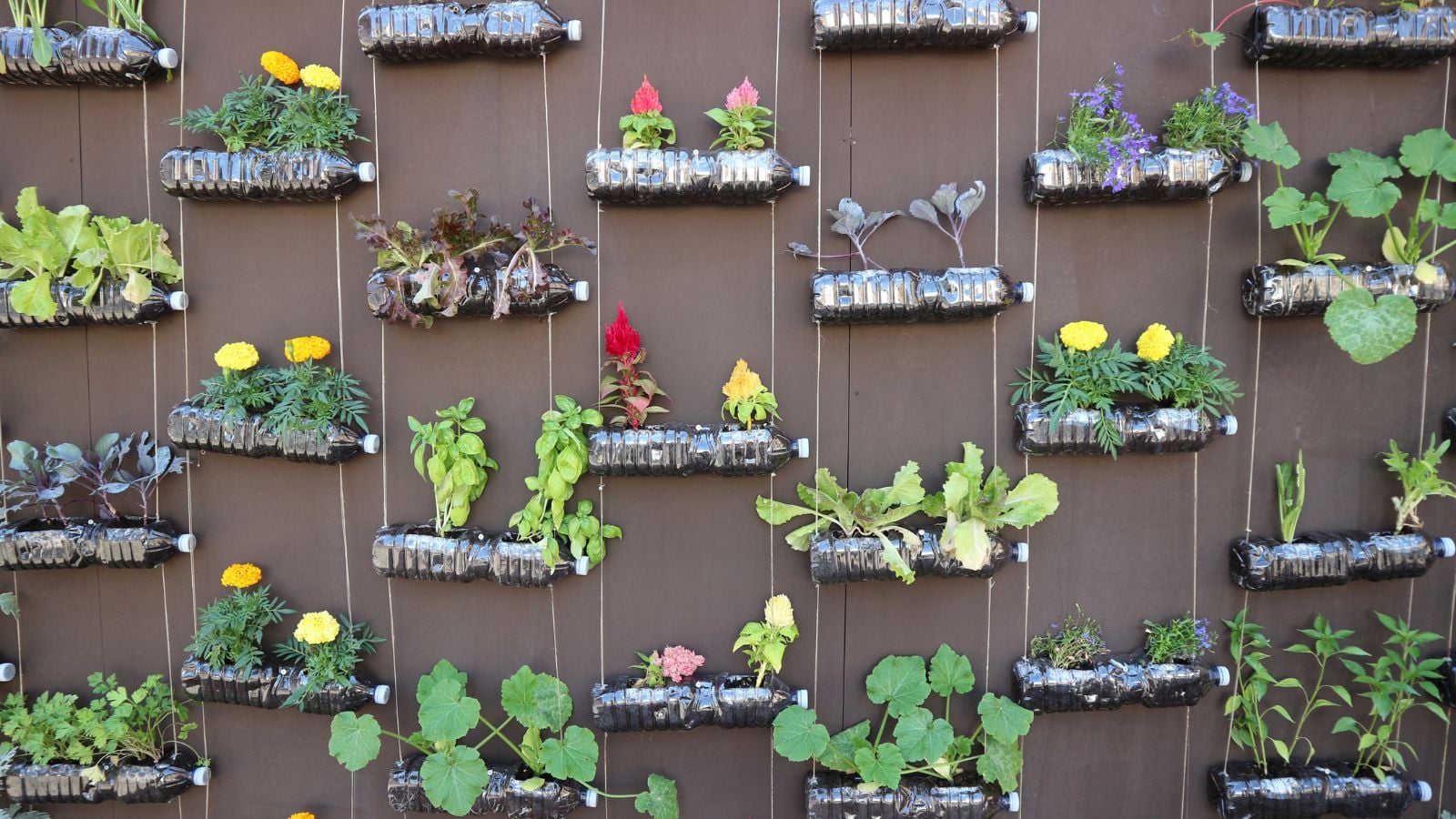
This risk is greater when plastic is in prolonged contact with moisture. Soil allows excess moisture to drain away from the plastic and out through whatever drainage holes are present. This means that using your old soda bottles for holding potting mix and flowers with drainage holes poked into them isn’t necessarily a major risk, and can actually be an effective reuse for a growing season or two before you send the bottle off for recycling.
However, you may want to avoid using PET containers to store standing water or liquid fertilizer for extended periods, as prolonged liquid contact increases the chance of leaching.
Recycled PET that does not include any new plastic in its manufacture is often safer than PET that uses a mix of new and recycled plastics. By the time it’s gone through the recycling process and has been sterilized, it’s usually much less at risk of leaching.
Verdict
This one’s not the best choice for hydroponics, so keep PET out of your hydro grows. But when recycled or repurposed and used with a good soil blend, you shouldn’t have any adverse problems — just remember to put your PET products into the recycling bin once they start to wear out!
Plastic Type 2 – HDPE
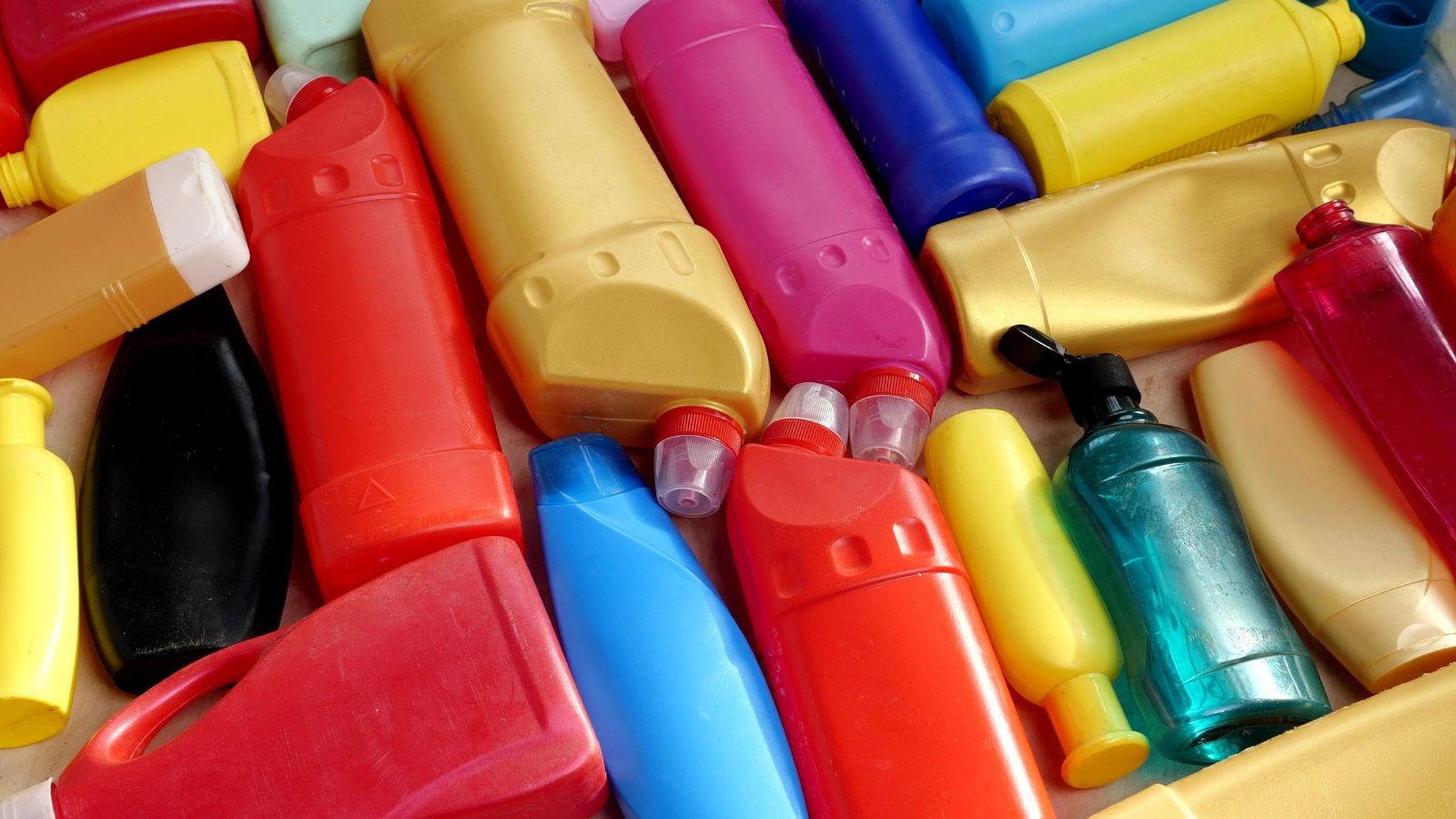
Plastic marked with a 2 is made of High-Density Polyethylene. You see HDPE everywhere, from milk jugs to detergent bottles. It’s one of the best and safest types of plastic for food consumption as it resists UV rays and is extremely heat-tolerant, handling temperatures from -148°F to 176°F (-100°C to 80°C). Because of this, it’s an excellent all-around choice for garden use.
You may encounter HDPE in hoses or irrigation piping, and it’s also common in the nursery pot market for heavy-duty pots. Usually, you’ll see HDPE used for larger nursery pots for small trees, but not in the lightweight plastic pots often found for retail sale.
HDPE is also used to make concrete mixing trays, and if you personally blend your soil mixes, you might want to pick up one of those to mix in. They’re also useful for harvesting worm castings, and if you punch irrigation holes in them, you may be able to convert one into a planter for shallow-rooted plants like herbs!
Verdict
Very safe, not known to transmit chemicals into soil or food. An excellent choice for the garden when you can find it.
Plastic Type 3 – PVC

Plastic marked with a 3 is made of Polyvinyl Chloride, better known as PVC. One of the more commonly known types of plastic, PVC shows up in plastic pipes, irrigation, salad dressing bottles, and liquid detergent containers.
Many PVC products contain chemicals known as phthalates, which essentially help the PVC be more durable and flexible, giving it all of the qualities we associate with plastic.
While this makes PVC a quality building material, phthalates are not the best for us humans. In fact, most of us have some small concentrations of phthalates in our urine, though the CDC believes that our diet accounts for most of the phthalates in our bodies.
For this reason, try to stay away from PVC setups in your gardens. I know it’s attractive to build a cheap PVC garden, but you may want to choose an alternative plastic. If you’re using it just to support a cold frame or a fabric raised bed, that’s fine, but I’d hesitate to use PVC extensively throughout the garden.
Note: not all type 3 plastics use phthalates as a plasticizer, so you may be okay using some PVC products. Just be sure you know that phthalates weren’t used before you decide to buy.
Verdict
We’re already exposed to enough phthalates in our daily lives – be sure that your PVC is phthalate-free before you risk it or use it sparingly.
Plastic Type 4 – LDPE
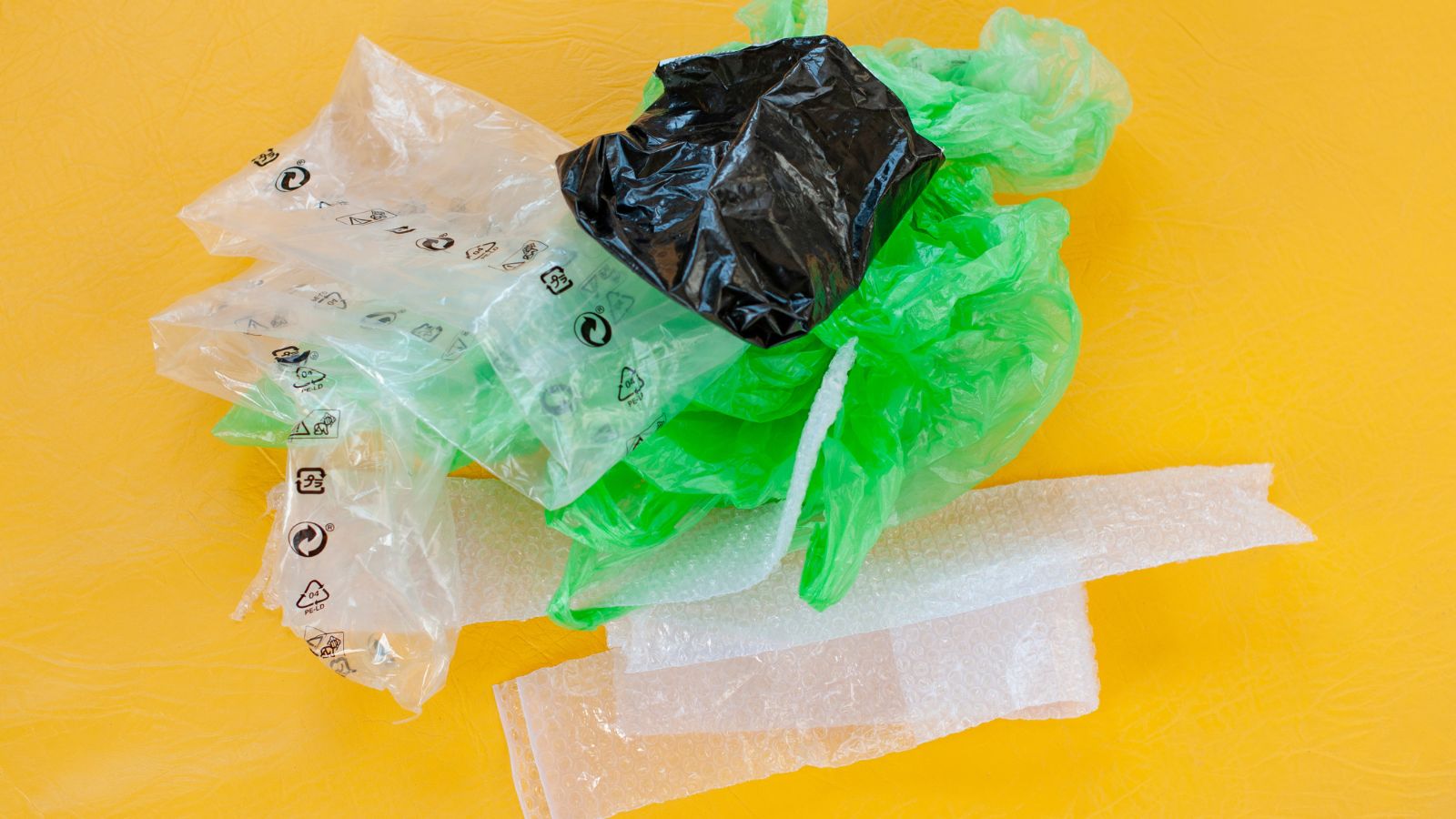
Plastics marked with a 4 are made with Low-Density Polyethylene. Some products that use LDPE include plastic produce bags, trash can liners, and food storage containers.
Do you see a trend here? The plastics that are already used for food storage tend to also be safe to garden with. Like its older cousin HDPE, LDPE plastic is very safe across a wide range of temperatures and can even be used in the microwave.
You’re likely to find LDPE in your garden in the hoses you use to water. LDPE is a major component of many garden hoses as it’s a very flexible plastic. You may also find it in other irrigation hoses like drip lines, and manufacturers use it to make semi-flexible plastic pots for growing plants in.
LDPE is also used for some types of plastic bags, so it may make its way into garden usage there, especially if you use a plastic bag as a temporary “greenhouse” over a plant cutting.
Verdict
Very safe, not known to transmit chemicals into soil or food. An excellent choice for the garden.
Plastic Type 5 – PP
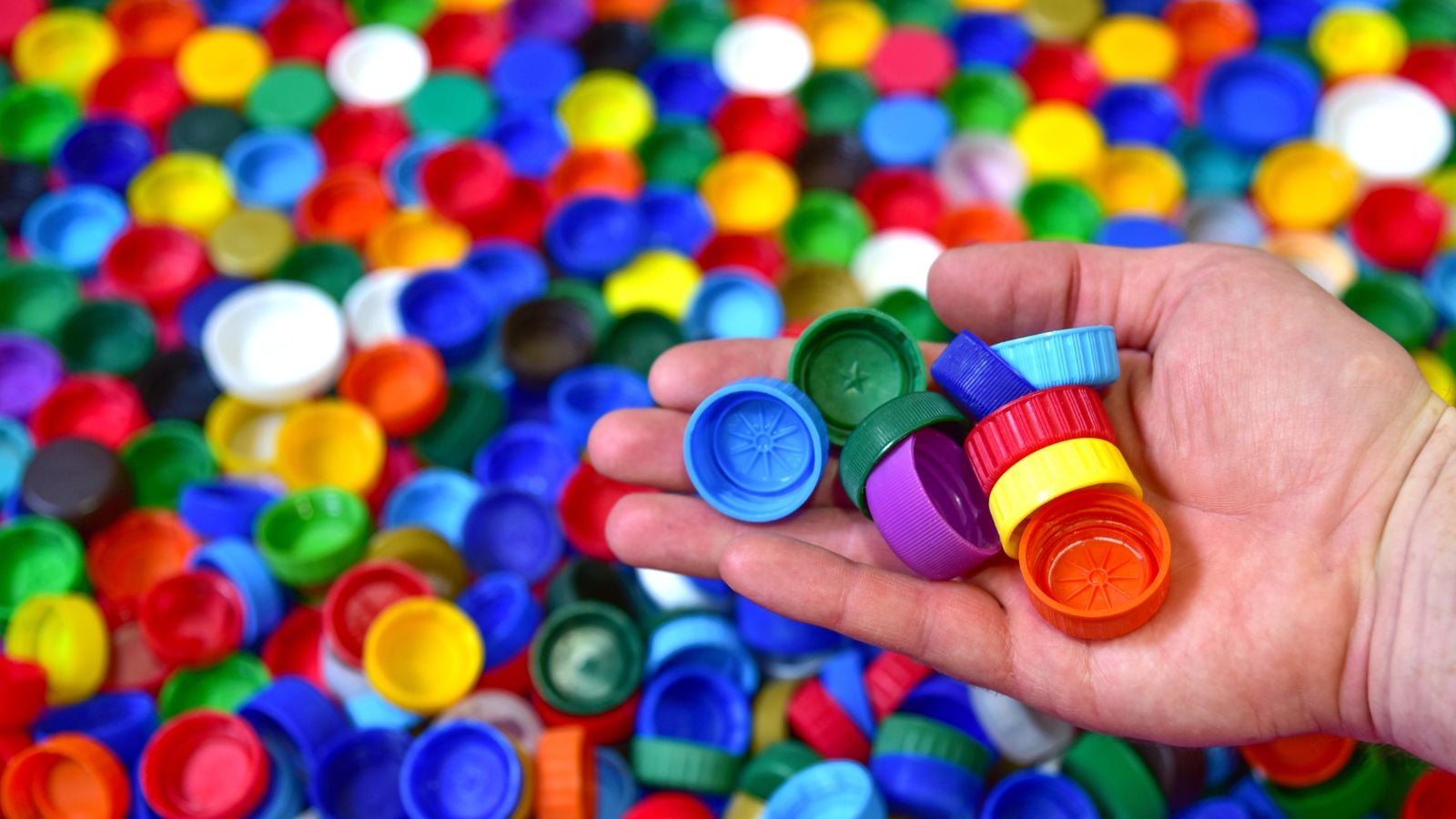
Plastic marked with a 5 is made of Polypropylene. Manufacturers commonly use it in products that require injection molding, like straws, bottle caps, or food containers. While it’s not as universally tolerant to heat as HDPE or LDPE, it is generally safe for use with food and in the garden.
Some minor concerns about leaching came up after Canadian researchers found that it affected their lab work, but it’s considered a safe plastic choice for the most part. Recycled plastics are less prone to leaching here, too.
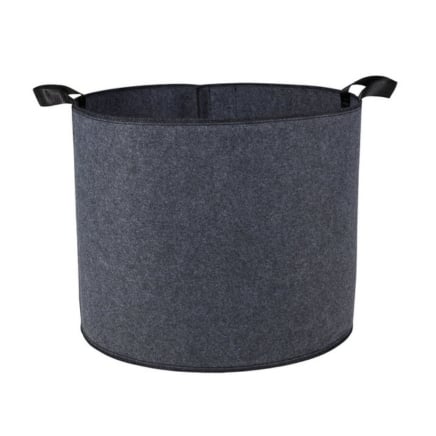
Where you’ll find polypropylene in the garden varies. Some rigid plastic sheeting for greenhouse use is polypropylene. Many fabric raised garden beds are also polypropylene woven fabric, and a few grow bag manufacturers are gradually switching over to it too. The GreenStalk five-tier and GreenStalk seven-tier vertical gardens are made of this plastic. And, of course, our Epic six-Cell Trays and other seed-starting trays are made of recycled polypropylene.
Polypropylene is surprisingly durable, can be flexible if manufactured properly, and is usually UV-resistant. Depending on its thickness, it can last much longer than other forms of plastic in an outdoor environment. And there are many polypropylene garden pots available for sale!
Verdict
A reliable choice for the garden.
Plastic Type 6 – PS
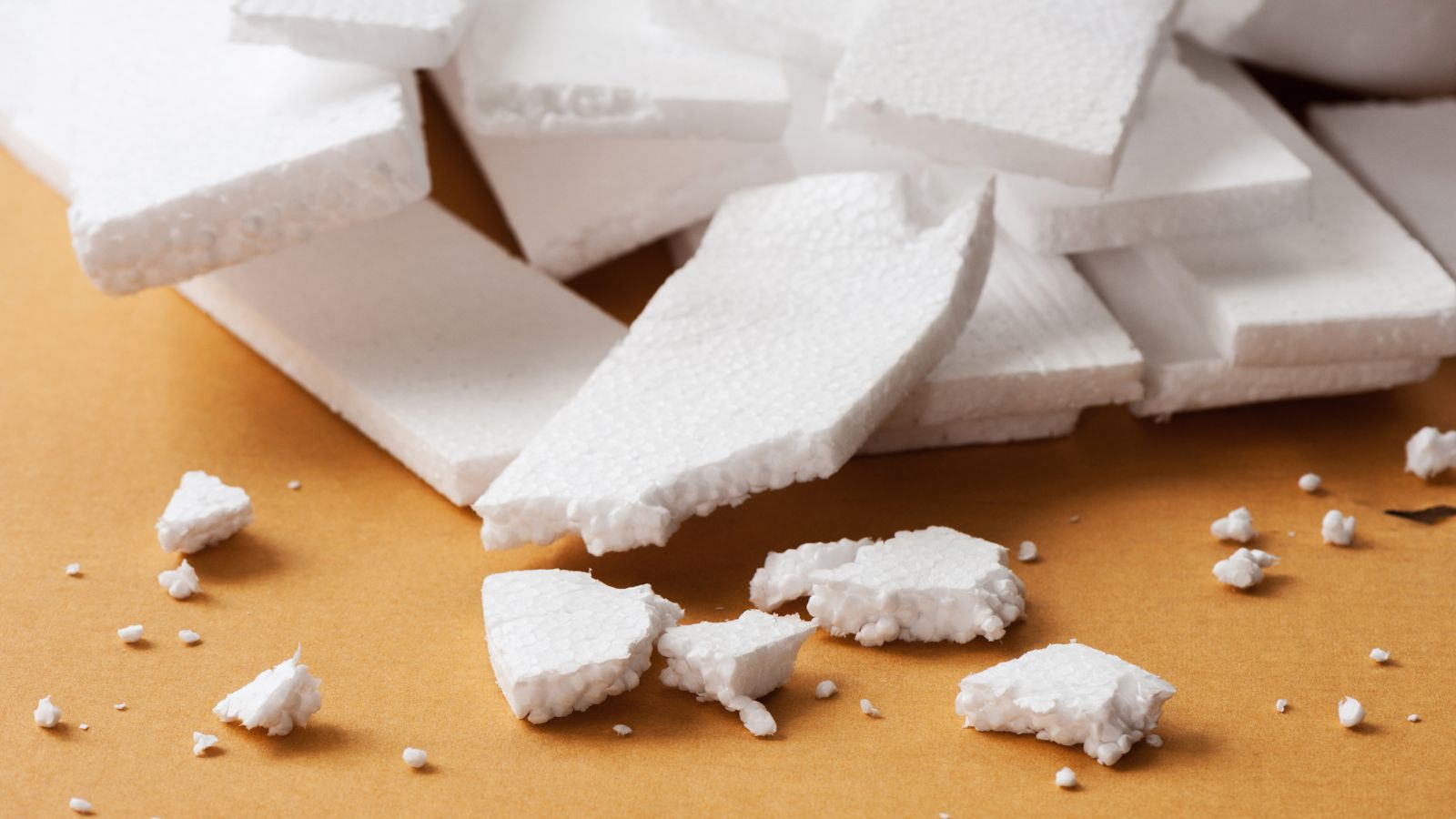
Plastic marked with a 6 is made of Polystyrene. You see polystyrene-based plastic everywhere: packing peanuts, styrofoam cups, plastic forks, meat trays, to-go containers, etc. It’s one of the most widely used types of plastic across various industries.
Being so widely used, it’s also been the subject of many scientific tests on health and safety. The general conclusion is that it’s safe for use in food products, which doesn’t necessarily mean it’s safe for gardening.
Polystyrene remains a continual topic of discussion in scientific circles due to its wide use. One particularly popular topic is the safety of microwaving polystyrene products with food; the jury is still out on that one. Most people tend to avoid it out of an abundance of caution.
But what about its use in the garden? Sure, you can use it, but it’s very porous and not particularly sturdy, plus it’s prone to breaking down. Those little white dots in your potting blend are usually perlite but are often mistaken for polystyrene solely because we can readily identify the little bead-like shapes of broken styrofoam products.
This does not mean styrofoam is a good substitute for perlite! If it’s not going to last very long or have long-term structural integrity, it may not be your best choice.
Verdict
It seems fine safety-wise, but structurally may not be the best choice for the garden if you need it to support weight or water. Also, the effects of heat on polystyrene are still under research at this time.
Plastic Type 7 – OTHER
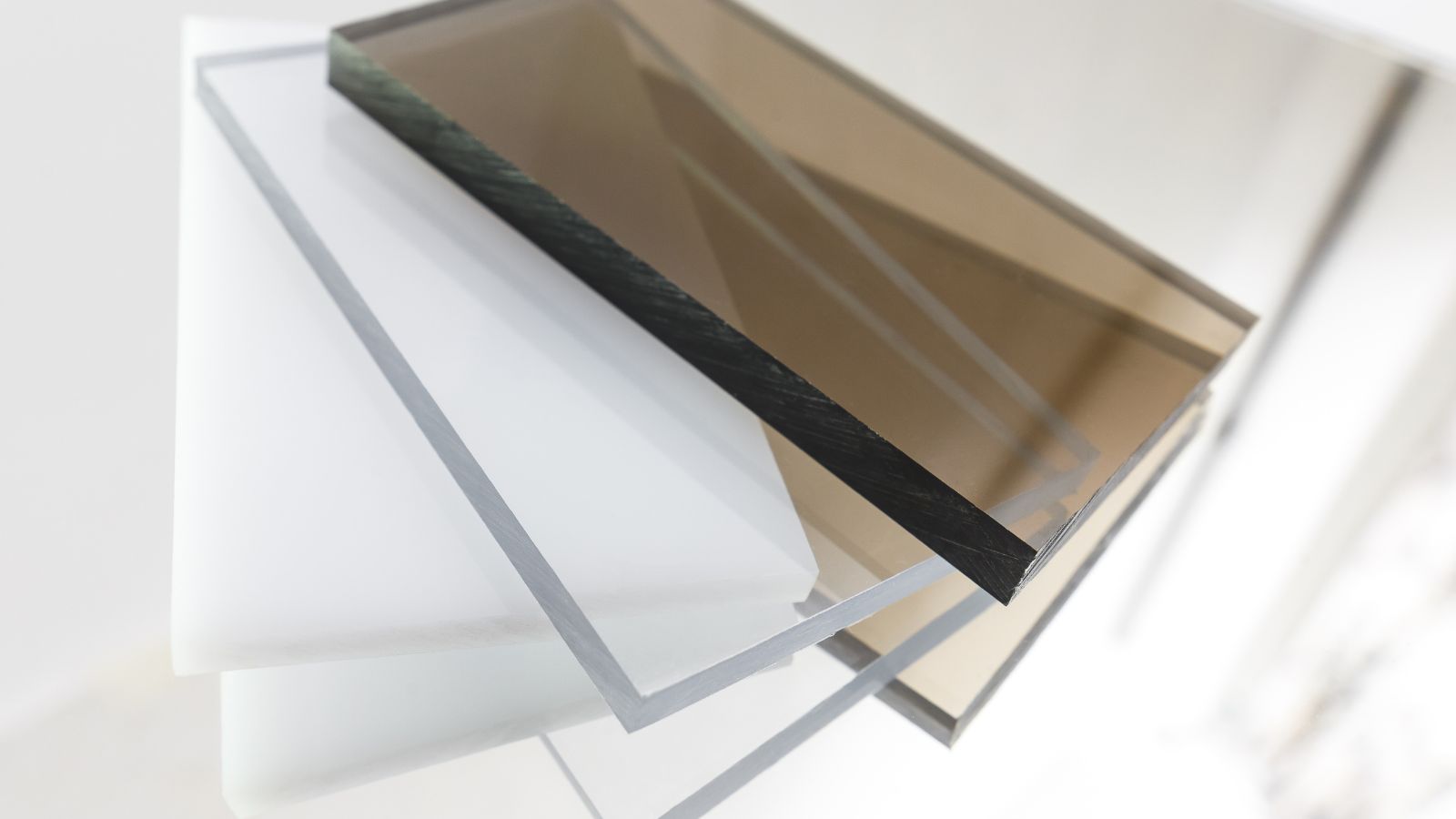
Plastic marked with a 7 is made from anything other than the materials listed in numbers one through six. Typically this means plastics made of Polycarbonate or Polylactide. Polycarbonate is the most common type 7 plastic, and also one of the most harmful plastics ever created. It has been proven time and time again to leach BPA, which has been linked to many different health problems.
The thing to know about plastic type 7 is that it’s a catch-all for anything that doesn’t fit into the first six categories. That means that there are also some safe plastics in this category, but you’ll have to do further research to ensure that you’re using one that’s safe.
Why go through the trouble when there are other, safer plastics to use, like HDPE or LDPE? I vote to stay away from type 7 in the garden simply due to better options elsewhere.
Verdict
Some type 7 plastics contain BPA, a harmful compound that has been linked to many adverse health effects. Stay away from type 7 plastics in your garden.
Which to Choose?
Hopefully, this breakdown gives you a good idea of what to look for when it comes to using plastic in the garden. I’m all for recycling materials and using what you can to build out your garden, but not at the expense of your health, so be mindful of what you’re using in your garden spaces!