How to Grow Watermelons in Raised Beds
Watermelons and raised beds might seem like an odd combination, but it can work well with the right setup. Gardening expert Madison Moulton explains how to choose the right varieties, prepare the bed, and manage the vines for a successful harvest.

Contents
Watermelons have a reputation for needing sprawling rows of open ground. Standard varieties can send vines 10 feet or more in every direction, which doesn’t exactly fit a tidy raised bed setup.
But if you choose the right varieties and plan for the vines, raised beds can be a good environment for watermelons. The soil warms up faster, drainage is better, and you have more control over fertility than you would in a typical garden plot.
You’re probably not going to grow a 30-pound melon in a tiny bed. But a compact variety that produces personal-sized fruit is entirely doable, and the quality can be just as good. Here are the tips you need to grow watermelon in raised beds.

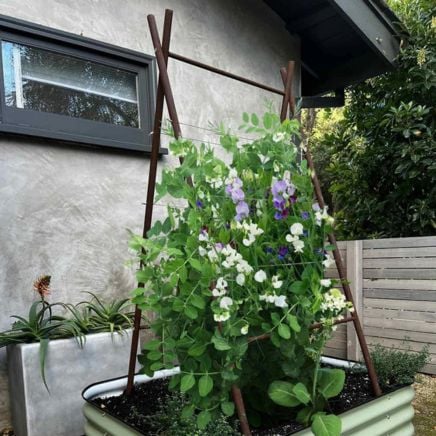
Folding A-Frame Trellis Support For Plants

Folding A-Frame Trellis Support For Plants
Choose the Right Variety
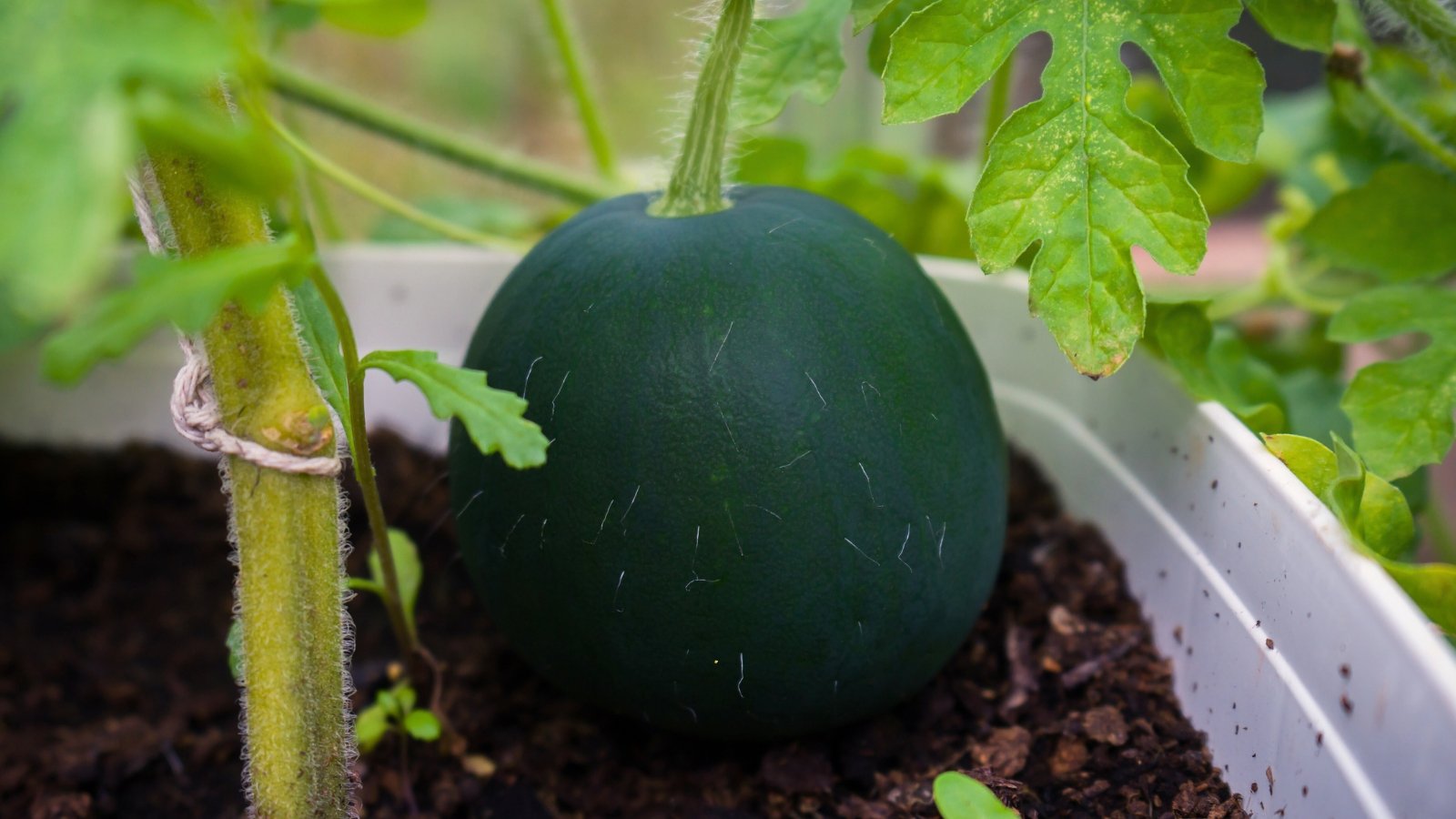
Standard watermelons need more room than most raised beds can offer. Compact varieties, on the other hand, have shorter vines and produce smaller fruit that matures faster, which is exactly what you want in a contained space.
‘Sugar Baby‘ is one of the most widely grown compact watermelons. The vines stay around three to four feet long, and the fruit matures at about eight to ten pounds with a dark green rind and sweet, bright red flesh. It’s also early-maturing (about 80 days), which is helpful if your growing season is short.
Other compact options include ‘Golden Midget,’ which produces a small yellow-fleshed melon on short vines. These are ideal to grow watermelon in raised beds.
Prepare the Bed

Watermelons are heavy feeders with deep roots, so the bed needs to be at least 12 inches deep. More space is better if you can manage it, especially since watermelon roots will push deeper than most vegetable crops. Shallow beds tend to dry out quickly in summer heat, which is a problem for a crop that needs consistent moisture during vine growth and fruit development.
Fill the bed with a rich, well-draining mix amended with compost. Watermelons prefer a slightly acidic to neutral pH (around 6.0 to 6.8), but they’re not particularly fussy about soil type as long as drainage is good. Heavy, waterlogged soil encourages root rot, which can take out a plant quickly once the fruit starts setting.
Watermelons won’t germinate or grow well in cold ground. Black plastic mulch laid over the bed a week or two before planting raises the soil temperature significantly and retains that warmth through cool spring nights. It also suppresses weeds and conserves moisture, which reduces the amount of work you’ll need to do later.
Plant
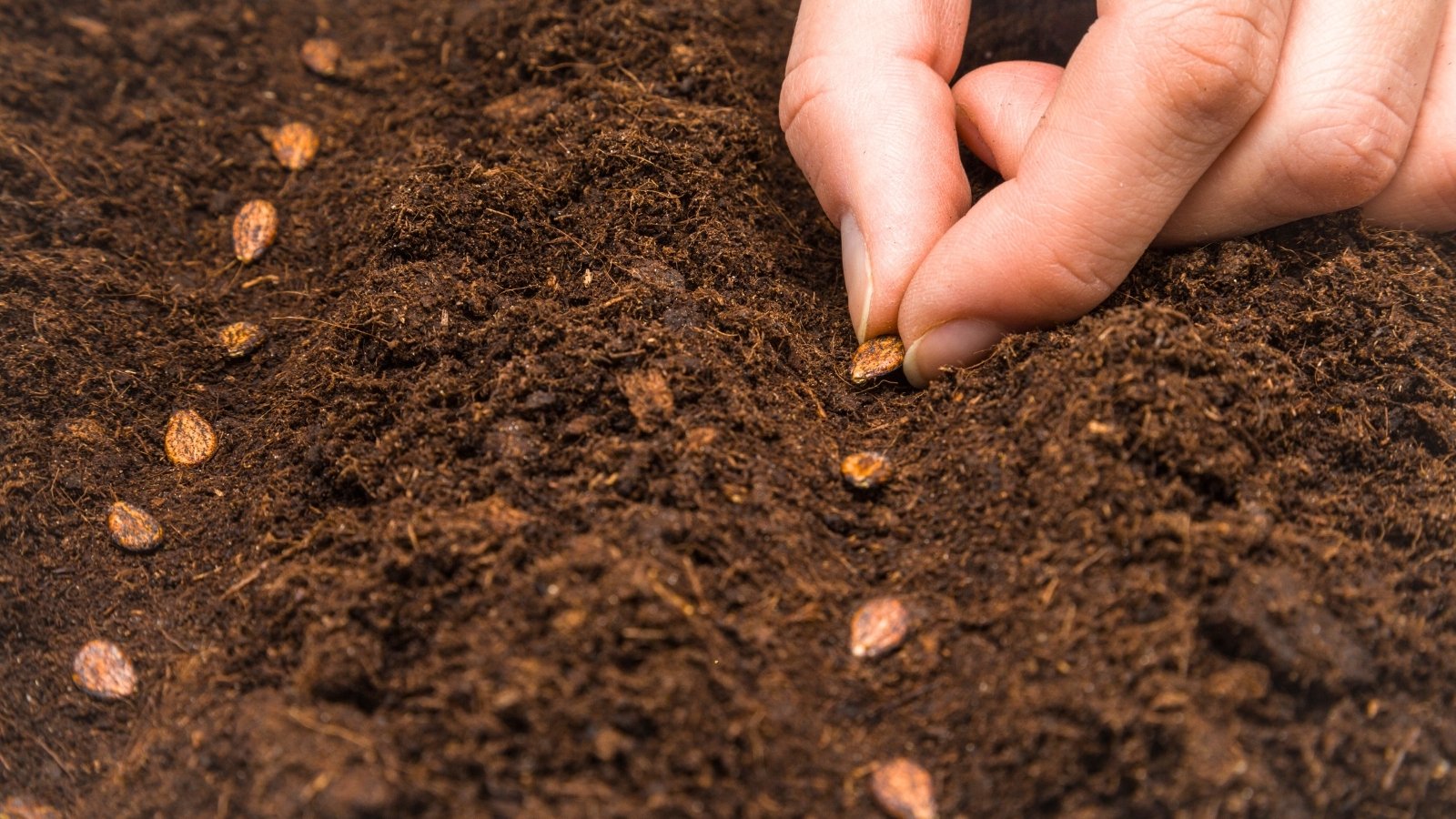
Wait until the soil temperature is at least 70°F (21°C) before sowing or transplanting. Putting them out too early results in stunted, yellowing plants that may never fully recover.
In warm climates, direct sow seeds an inch deep, two to three per spot, and thin to the strongest seedling once the first true leaves appear. In cooler regions where the growing season is shorter, start seeds indoors two to four weeks before your transplant date. Use biodegradable pots because watermelon roots are sensitive to disturbance. Transplant carefully and water immediately.
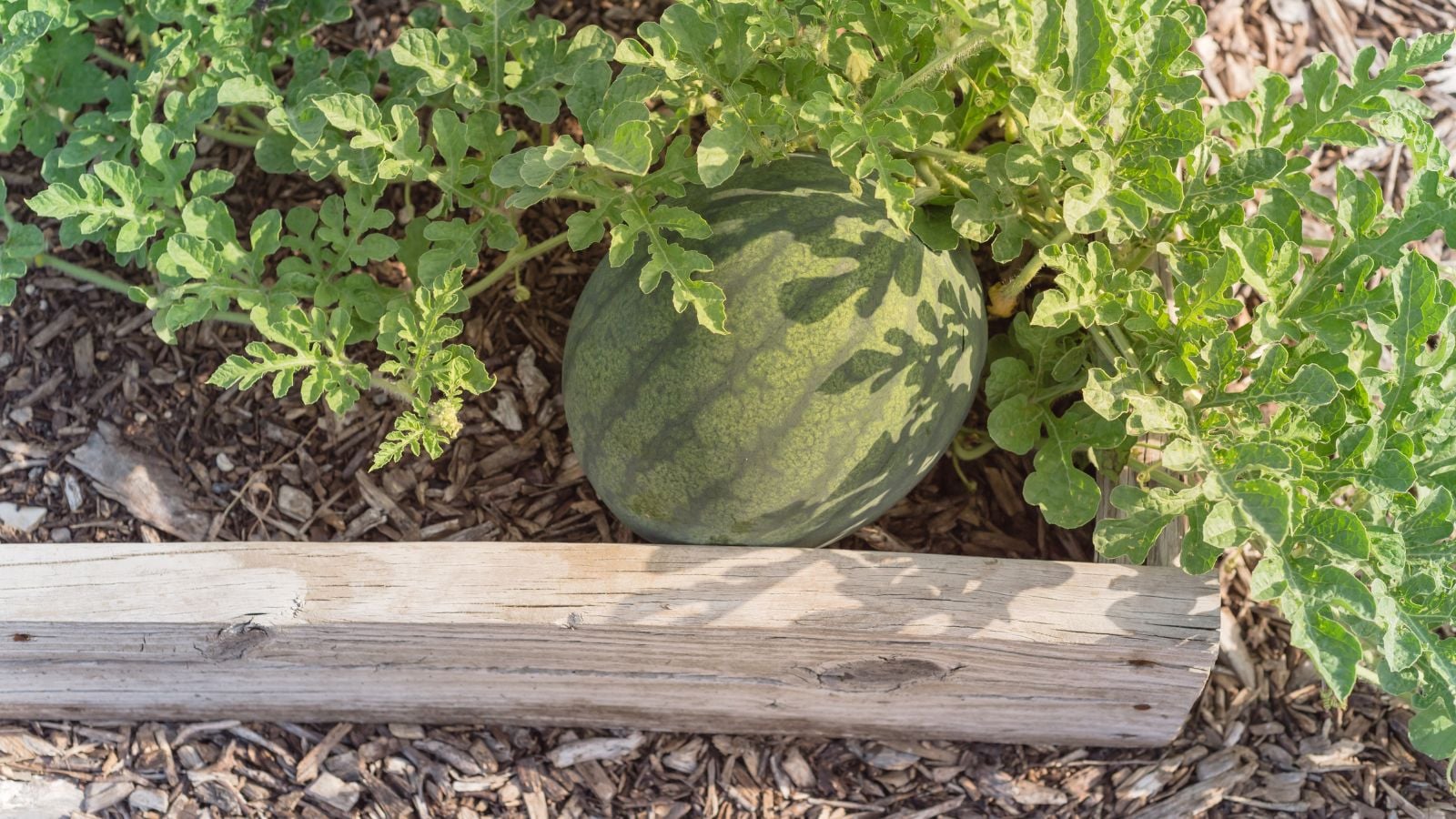
The vines will spread beyond the edges of the bed, and that’s fine. Let them trail over the sides and onto the ground, a pathway, or a mulched area. Trying to contain them entirely within the bed usually leads to crowding and poor air circulation, which invites disease.
Train and Support the Vines

Once the vines start running, you have two options: let them sprawl or train them vertically. In a raised bed, vertical growing saves space and keeps the fruit off the soil, which reduces the risk of rot and makes it easier to spot ripe melons.
A sturdy trellis or A-frame attached to or adjacent to the bed works for compact varieties. As the fruit develops, support each melon with a fabric sling (an old t-shirt works) tied to the trellis. Without support, the weight of even a small watermelon can snap the vine or pull the fruit off before it’s ripe.
If you let the vines sprawl instead, place a piece of straw or a small board under each developing melon to lift it off damp soil. This prevents the bottom from rotting and keeps slugs and other pests from moving in.
Water and Feed

Watermelons need consistent moisture during vine growth and fruit set, roughly one to two inches per week. In a raised bed, the soil tends to dry out faster than in-ground plantings, so check moisture levels regularly, especially during hot weather. Drip irrigation or a soaker hose along the base of the plants is more effective than overhead watering, which wets the foliage and encourages fungal diseases like powdery mildew.
Once the vines begin to flower and set fruit, fertilize with a formula higher in phosphorus and potassium, which supports fruit development. Avoid heavy nitrogen at this stage.
Reduce watering as the melons approach maturity, roughly a week or two before you expect to harvest. This concentrates the sugars in the fruit and improves flavor. If you keep watering heavily right up to harvest, the flesh tends to be watery and bland.
Harvest

Knowing when a watermelon is ripe takes some practice, because you can’t squeeze it like a peach or smell it like a cantaloupe. There are a few reliable signs to look for.
The tendril closest to where the fruit attaches to the vine dries out and turns brown. The spot where the melon rests on the ground (or in the sling) shifts from white to a creamy yellow. And the skin develops a dull, matte finish rather than the shiny look it has while still growing.
Tapping works, though it takes some experience to hear. A ripe watermelon produces a deep, hollow sound. An unripe one sounds more solid and metallic. If you’re not confident in the thump test, the tendril and ground spot are more dependable indicators.
Cut the fruit from the vine with a sharp knife rather than pulling or twisting, which can damage the stem and the remaining vine. Most compact varieties produce two to three melons per plant, so there should be more on the way after the first harvest.