Water Glassing Eggs For Long-Term Storage
Water-glassing eggs is a long standing historical method of preserving eggs. We explain how to store the eggs from your personal flock!

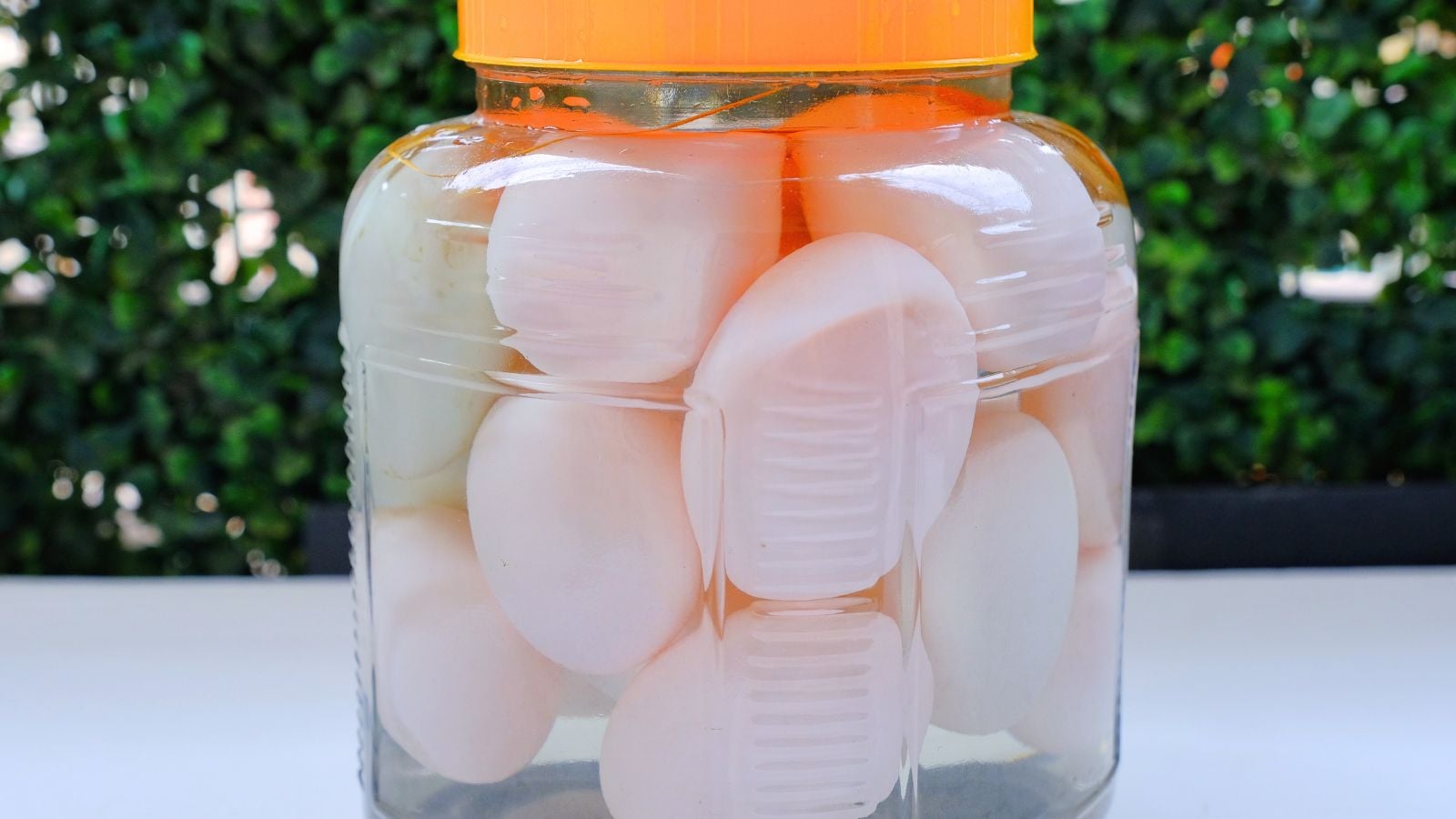
Those experienced in caring for chickens know about water-glassing eggs. It’s no wonder, given how many eggs just one hen can produce in a week. Multiply the five to six eggs one hen lays by six or seven, and you’re working with 30 to 42 per week!
Hens also experience a dip in egg production during the winter months, making eggs scarce when you may want them most. Baking and using the oven in winter becomes important as a way to feed the soul with good food and combat the cold with oven warmth.
There are only so many farm-fresh eggs one can give away or sell, and only so many available in colder times, which brings egg preservation to the fore. While many methods exist, water glassing seems to be one of the most viable ways to preserve eggs.
If you’re a chicken farmer wondering how to keep all your eggs from spoiling, or how to have some over winter, look no further. We’ll talk about water-glassed eggs and how you can preserve eggs at home. Whether you’re a seasoned chicken farmer or new to the game, the information here will help you keep more fresh eggs than you have to give away or throw away.
Epic Homesteading Book

Epic Homesteading Book
Followed by millions, author Kevin Espiritu has built a modern, high-tech homestead on a modest urban lot. In Epic Homesteading, he teaches you how to do the same, wherever you live.
Buy at Epic Gardening Shop
What Is Water Glassing?
Let’s take a moment to discuss the process and where it came from. We’ll touch on the different types of lime you can use and which are most preferable. We’ll also cover which eggs work best for this preservation method.
The History of Water Glassing Eggs

Water glassing is one of the oldest methods used to preserve eggs, dating back to the 18th century. It famously appeared in writing in an 1886 publication by Fannie Farmer called The Boston Cooking School Cookbook. In this book, there is only a brief mention of storing farm-fresh eggs in lime water.
Sodium silicate solutions were and are commonly used in construction, but they have also been used to preserve extra eggs or to keep a supply available in winter. Other types of lime are more food-centric, making it easier to ensure their safety in food.
Water glassing is a surefire method that is still touted today because 90% to 100% of the fresh eggs stored this way remain fresh, as long as they are stored properly.
Other methods mentioned in The Boston Cooking School Cookbook include storing eggs pointy side down in sawdust and cooling them for use within six months. However, the success rate of water-glassed eggs is much higher, and you can keep clean, unwashed eggs much longer.
Pickling Lime for Preserved Eggs
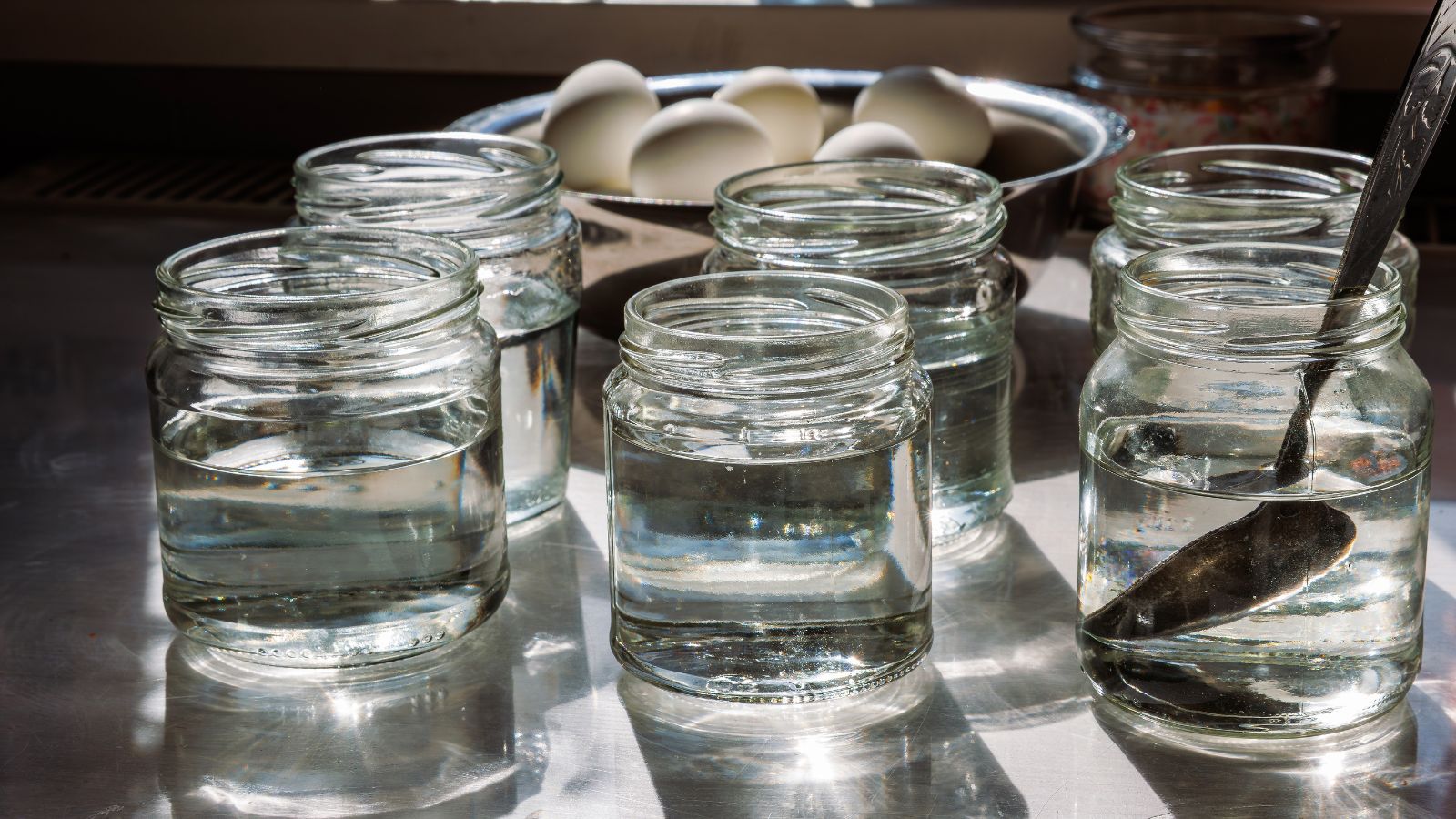
There are different types of lime out there. You may be aware of garden lime, used to build soil blocks and lower soil pH in the garden. When it comes to glassing eggs, we’re talking about lime water, which generally refers to pickling lime (also known as slaked lime or hydrated lime) rather than the ground limestone you find in the garden section.
Hydrated lime used for glassing eggs comes from lime deposits, areas where various ocean debris have collected. In the 18th century, people removed this material, burned it, hydrated it, and applied a lime solution to buildings to create a layer that would become limestone again. This is very similar to the lime water used to keep eggs fresh for a long period.
Today, you can find pickling lime in almost any local grocery store. Some manufacturers sell a sodium silicate solution, which works both to preserve eggs and seal tiles, but there is a question about the toxicity of this silicate. We recommend pickling limes rather than those with applications in construction and home renovation.
Store-Bought Eggs

Before we talk about your water-to-lime ratio and how to carry out the process, let’s talk about eggs. You must only use fresh eggs.
The eggs should be whole, unwashed, and fresh. They shouldn’t have cracks, nor should they be store-bought eggs, because those are washed and pasteurized before they even hit the shelf.
Pasteurization destroys the egg’s bloom coating, which develops on the outside of the egg and protects its tiny pores from absorbing harmful bacteria that cause rot. It makes sense for eggs sold in the store to be pasteurized, as storing them for the length of time needed to pack, ship, and refrigerate them with bacteria present would be unsafe.
Fresh eggs directly from the coop need that protective layer, which allows you to store them without refrigeration for a time. When the bloom is gone, eggshells absorb the hydrated lime used in water glassing. This changes the molecular composition of the egg, which is the opposite of what you want. It also causes problems in preserving the other eggs in the solution.
What About Non-Chicken Eggs?

You will have the most success when you use chicken eggs for this process. Using other poultry eggs, like quail, duck, or goose eggs, complicates things because they are often covered in dirt. Gamier birds nest in areas that are difficult to keep clean, and trying to clean them before immersion in your solution could remove the bloom.
While it’s possible to use other kinds of eggs, they may be better suited for later projects when you’ve gotten the hang of water glassing in general. You can lightly clean them and still follow the same steps as you would for chicken eggs.
How To Water Glass Fresh Eggs
Now we’ll tackle the entire process of water glassing eggs so you can follow it step by step. It’s fairly simple and requires a potentially small amount of maintenance. What you get at the end is essentially a fresh product.
Supplies
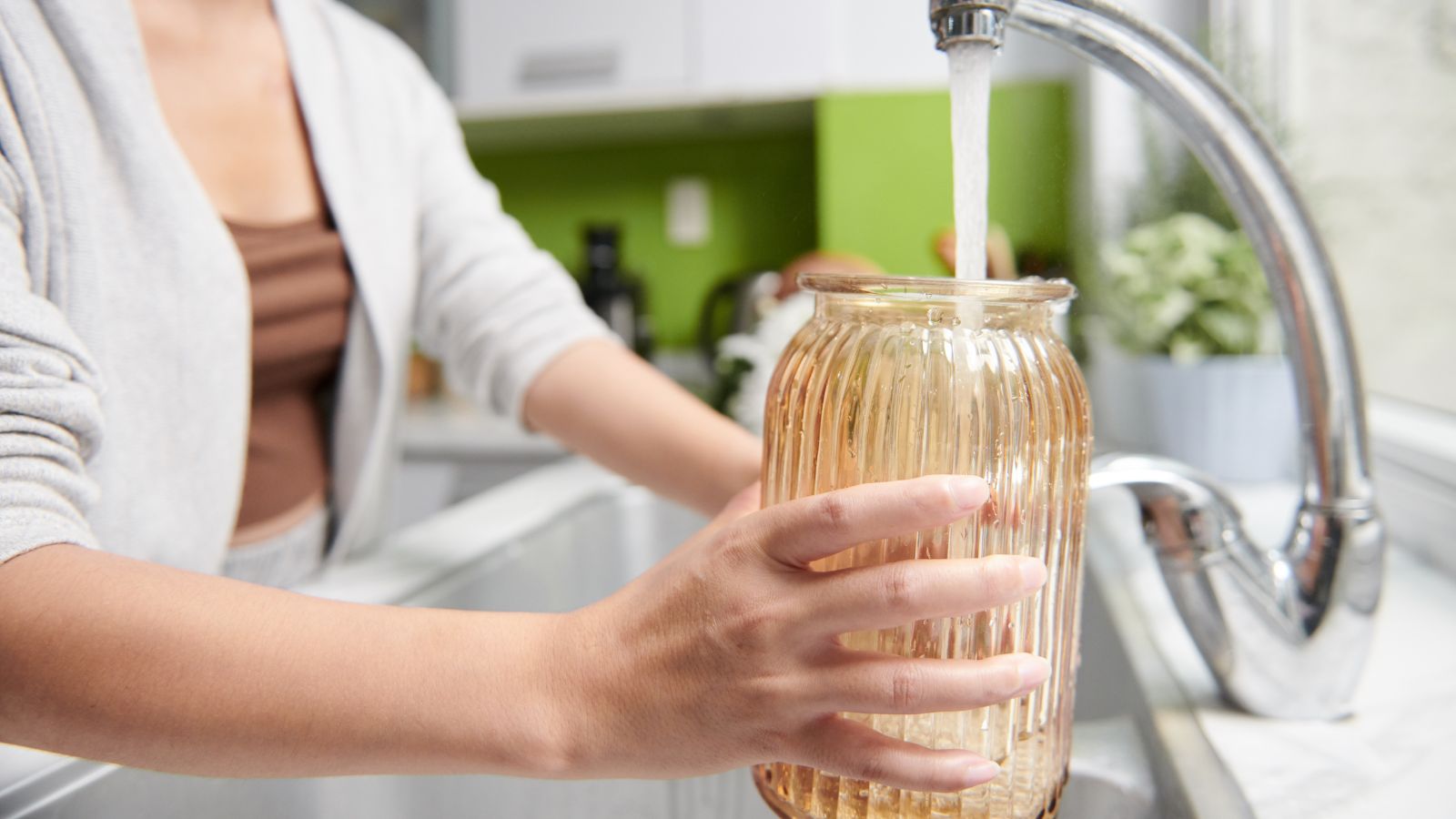
You will need some kind of container to hold the lime water solution as well as your eggs. A large mason jar works well, and you can use one or more depending on how many dozen eggs you need to preserve.
Another option for those with a lot of eggs is food-grade buckets. These are great when you have plenty to work with. You can also use large watertight jars or a keg.
You’ll need room-temperature water that does not contain chlorine. The problem with tap water is that it’s normally treated with chlorine, fluoride, and minerals that can remove the bloom from the shell during the water glassing process.
Opt for distilled water or natural spring water instead. If this isn’t possible, boil tap water for at least 30 minutes to off-gas the unwanted compounds, and let it cool before you make your lime water.
Of course, you’ll also need your unwashed eggs and lime solution. Whether you work with a premade solution or a dry one that requires you to make the brine yourself is up to you.
Water Glassing Ratio

The general ratio for making your own brine is one quart of water for every ounce of pickling lime. If you’re working with a large number of fresh eggs, you’ll likely need to scale that ratio up before you begin.
The best way to do this is to measure the number of eggs by selecting your container (or containers) and seeing how many clean, unwashed eggs fit inside. Then develop the solution based on the size of your container. For instance, if you’re working with two quarts of space, use two quarts of water and two ounces of pickling lime. Half a quart needs half an ounce, and so on.
For sodium silicate solutions that are already mixed, use one part solution to 10 parts water. While this is the standard for most of these solutions, always follow the directions on the label. Silicates used in construction may be advertised as safe for food use, but they have higher toxicity than food-grade pickling limes, which are calcium hydroxide-based.
The Process of Water Glassing a Fresh Egg
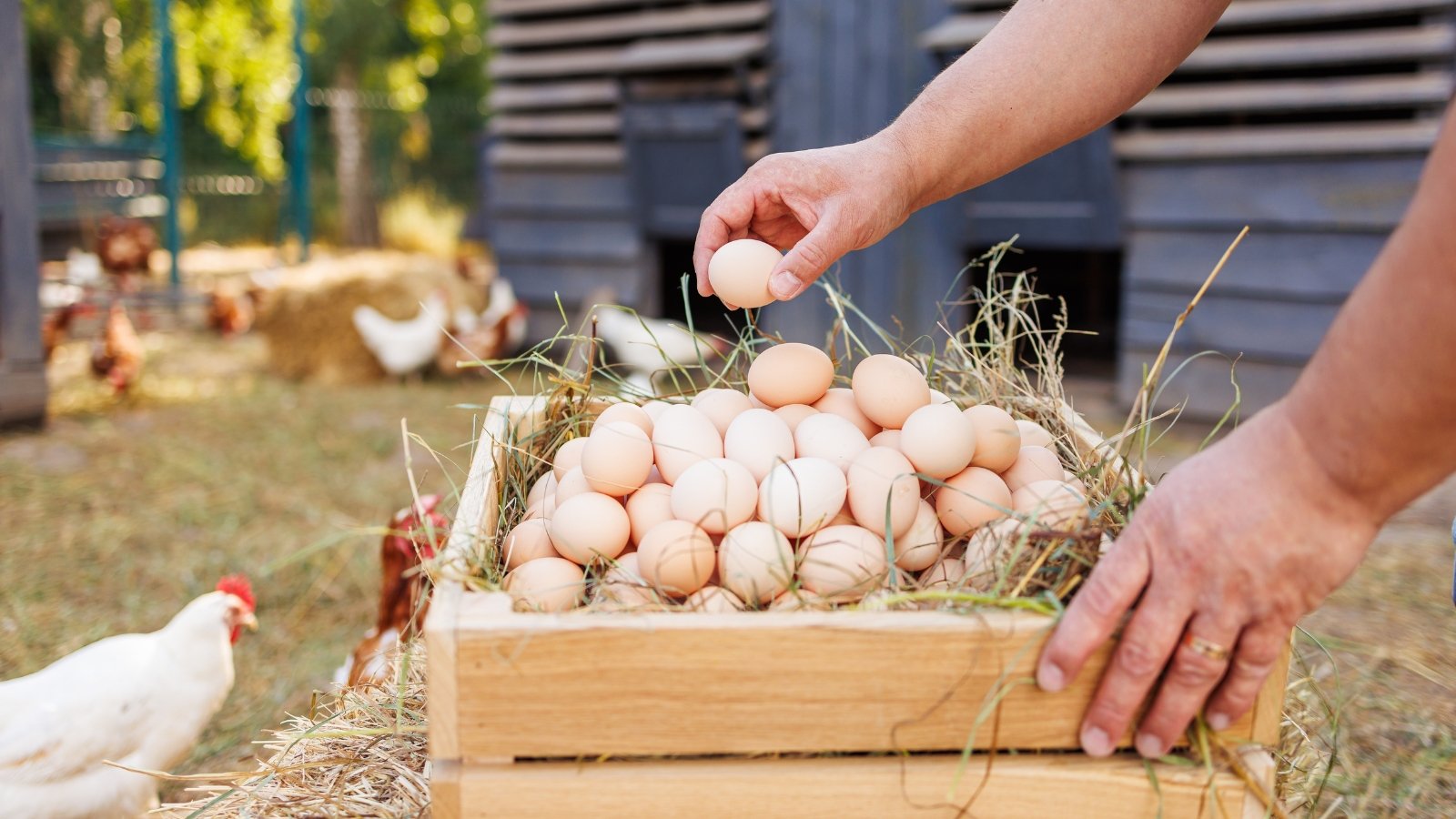
To start, check your eggs for dirt or debris. If they have any, use fine sandpaper to lightly remove it. The fineness of the paper will take away detritus without damaging the bloom.
Add eggs into the vessel of your choosing very carefully. Make sure none of the eggs get any cracks, because a cracked egg cannot be preserved and will require maintenance to keep the other eggs fresh.
Then create your water glassing solution in a separate bowl or container, mixing your spring water or distilled water (or thoroughly boiled tap water) with the pickling lime at a one-quart-to-one-ounce ratio.
Pour the hydrated lime solution over the fresh, unwashed eggs you’ve placed in the airtight container. Check to see if you have room for more eggs by ensuring there are at least two inches of solution above the top of the eggs. Then place the airtight lid over the jar.
Store the water-glassed eggs out of direct sunlight in a dark place for up to one year, and even up to two years.
What To Do About Cracked Eggs
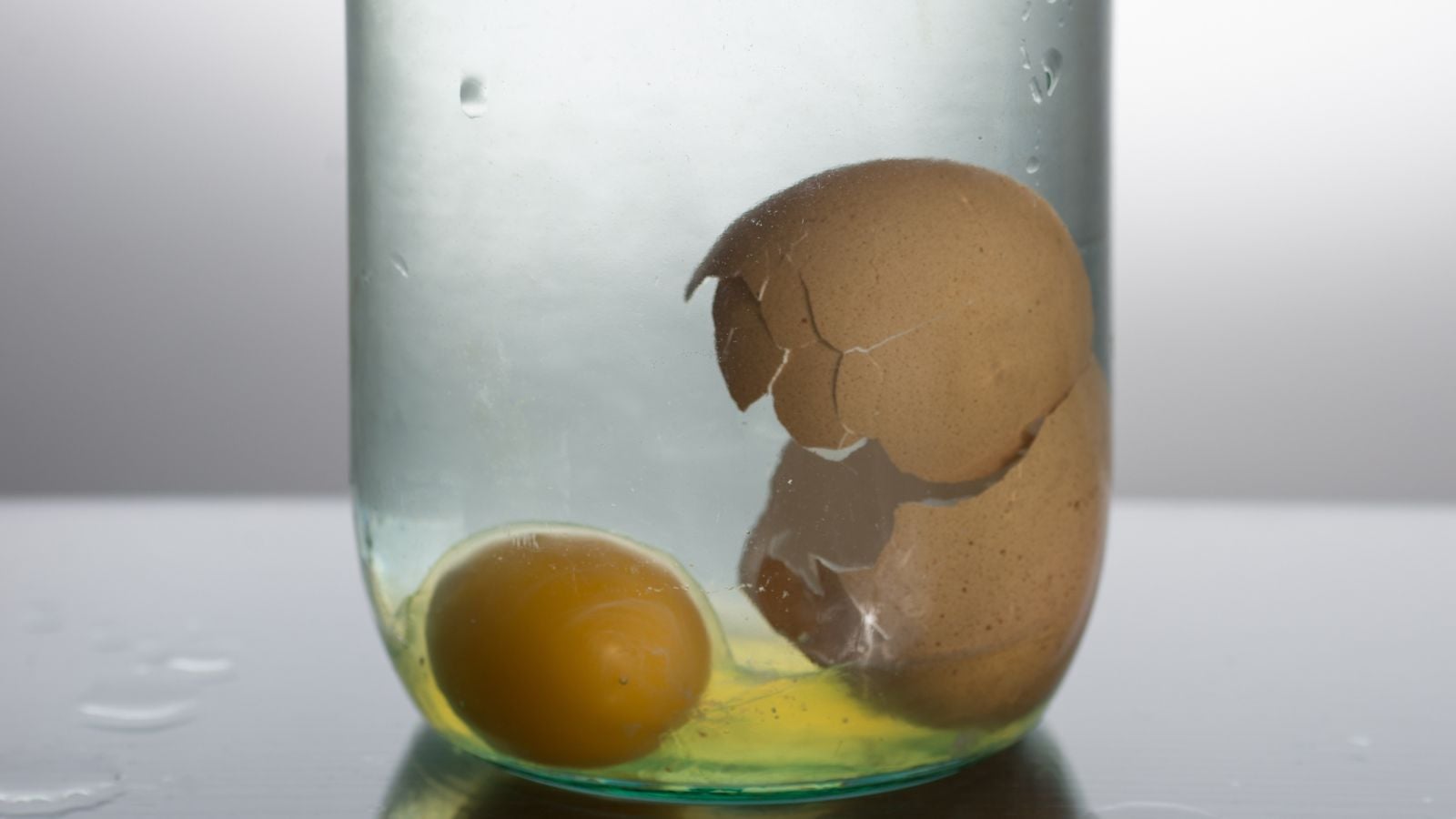
Even the most experienced water glassers sometimes end up with cracked eggs in their batch. Thankfully, if you catch this early, you don’t risk losing the entire set of eggs your chickens produced.
If you crack an egg when removing another for use, simply take out the cracked one and monitor the batch for signs of decay. Don’t use the egg unless you just cracked it, as cracked ones sitting in the solution could be bad. You can add an extra layer of caution by removing the remaining eggs and placing them into a new, clean solution.
More severe signs that a cracked egg is among your batch include a cloudy solution or a foul stench coming from the container. In this case, it’s best to throw out the batch and start again.
How To Use Water-Glassed Eggs
This egg preservation method means the stored eggs can be used essentially like fresh ones. You will need to clean the eggs, removing all the lime from the shell before cooking.
Eggs stored for less than a year will have less of a lime flavor than those stored for a year or more. The longer-stored eggs are better suited to baking rather than frying, scrambling, poaching, or boiling. However, the flavor will not make the egg taste bad if you do opt to simply cook one for ramen or breakfast.
Before Cooking
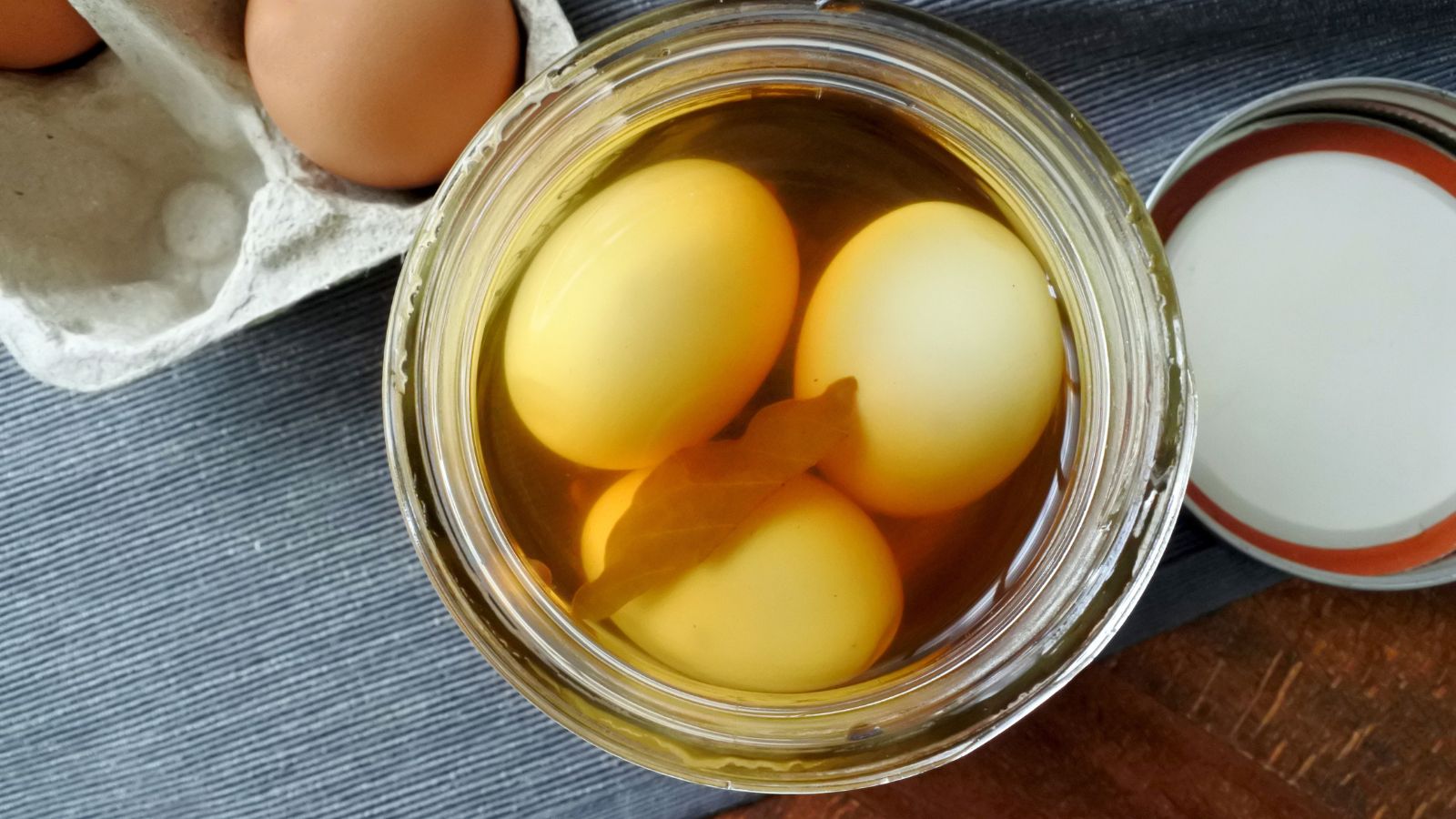
When you have clean eggs, crack them into a cup before throwing them in the frying pan to check for any unexpected cracks. This prevents food poisoning, though the potential for this, if you’ve done everything right up to this point, is rare.
Another thing to look out for with any farm-fresh egg from a hen house with roosters is fertilization. Especially if the eggs aren’t immediately removed from the coop after they’re laid, check for this before cooking. Crack the eggs into a cup to make sure fertilization isn’t present.
Boiling Water Glassed Eggs
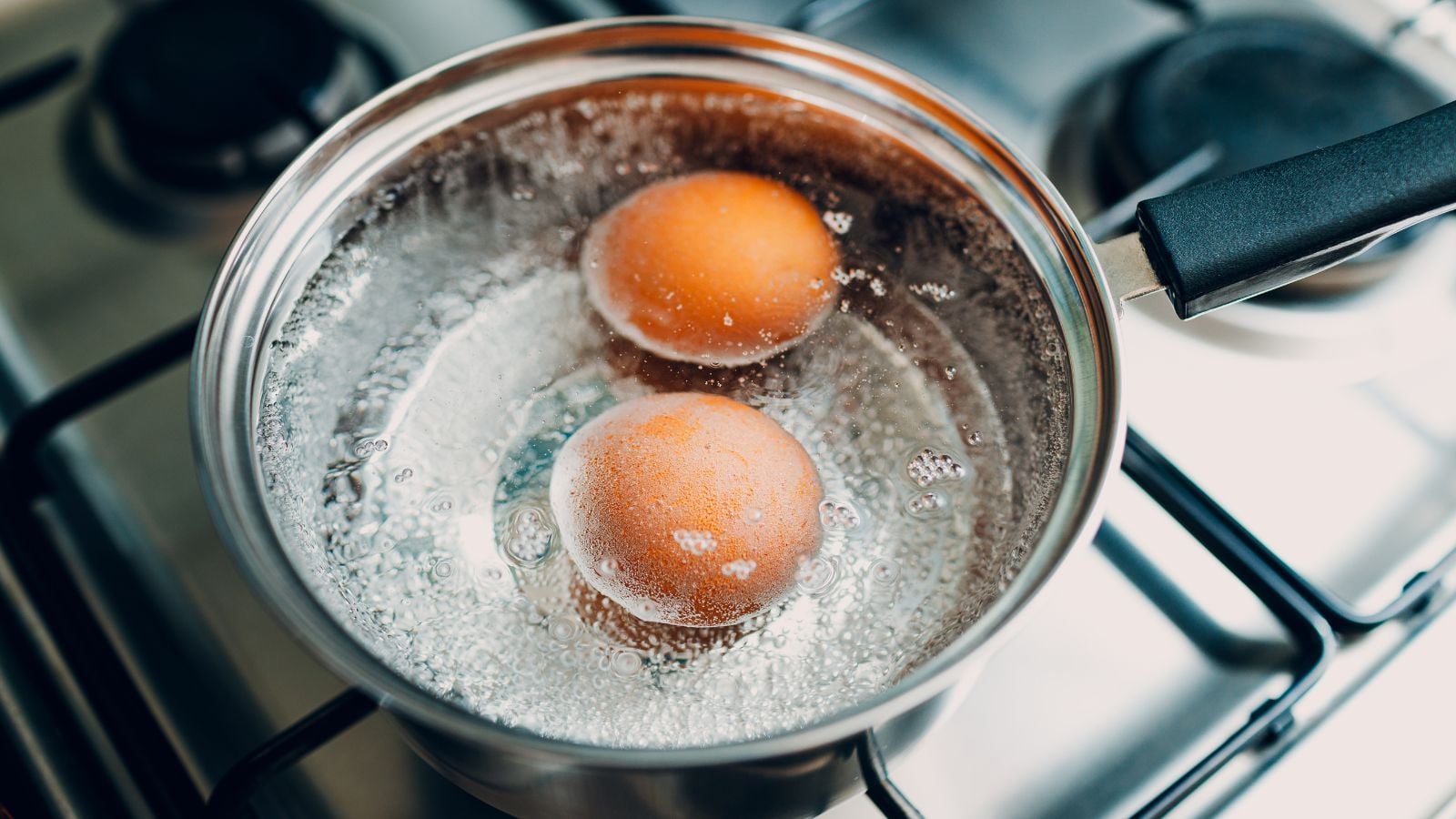
If you’re going to boil the eggs, make a small hole in the shell because the calcium hydroxide solution seals the pores of the eggshells. Without any way to release the pressure, the egg could explode as it boils.
Other Preservation Methods
Let’s talk about different methods of preserving eggs, aside from water glassing. Here’s a brief explanation of each method.
Freezing Eggs
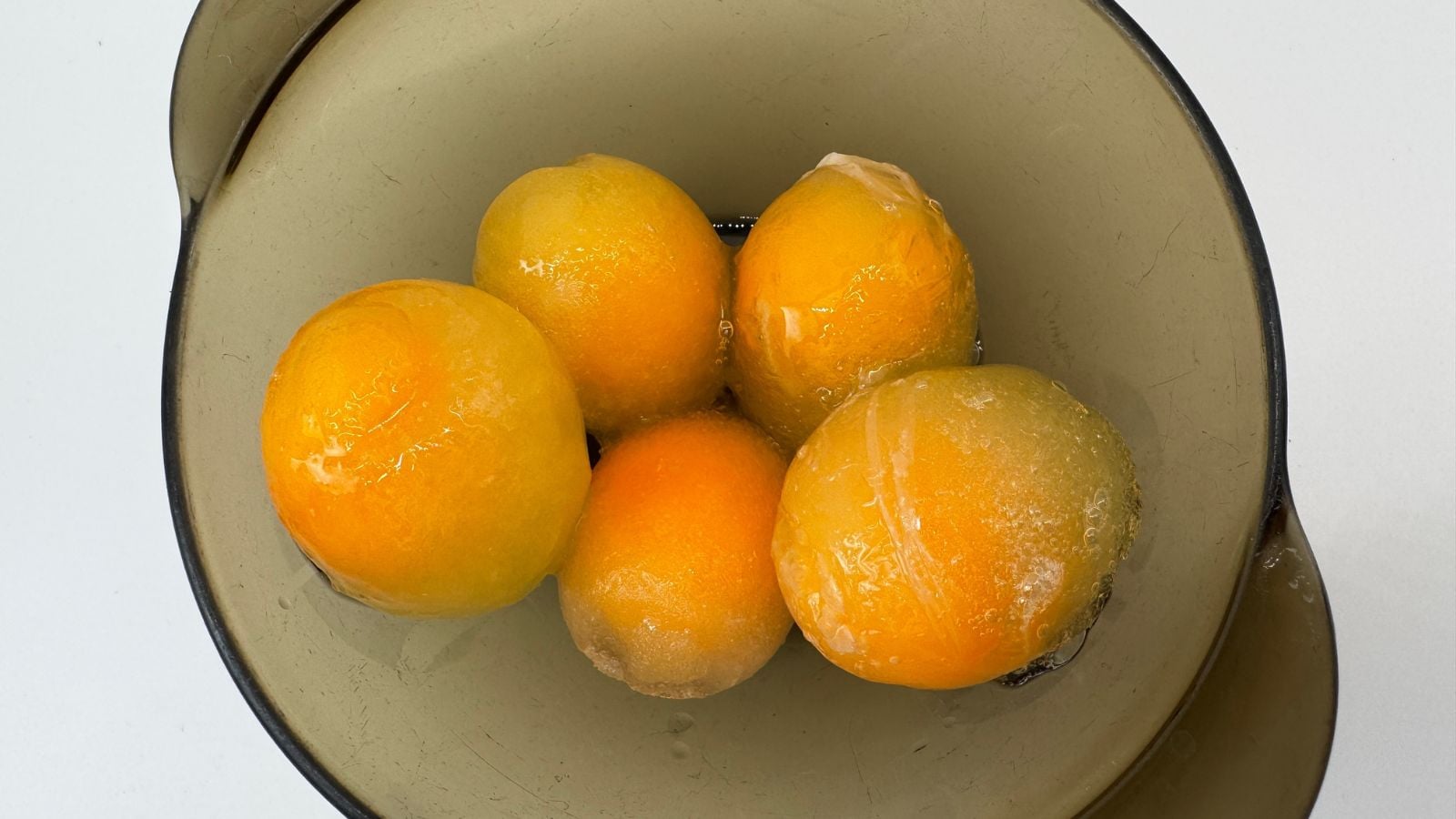
Crack your eggs into a blender and use the lowest setting to mix and scramble them. Then pour them into muffin tins and freeze them. A silicone muffin mold will give you the most ease in removing the eggs after they’ve adequately frozen. Pop them into a freezer bag and store them in the freezer for six months. Simply thaw and use them however you need to: cooking, baking, and so on.
Dehydrating Eggs
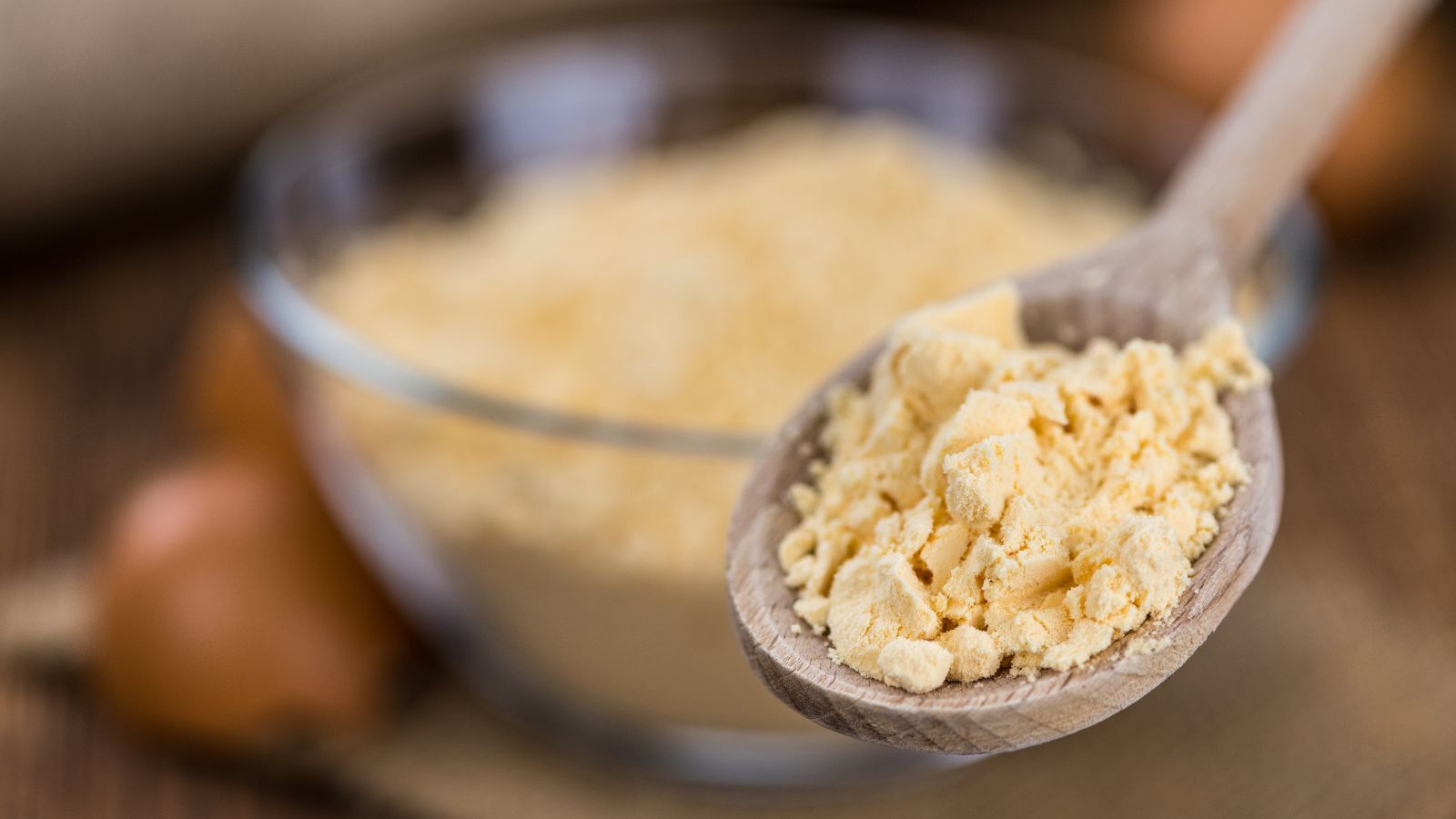
For this, you’ll need a dehydrator and a pan. Scramble your eggs or blend them just as you would for freezing. Then dry-cook them (without any fat, like oil or butter) over low heat in a pan until the water content is sufficiently removed.
Place the scrambled eggs in a single layer in a dehydrator at 140°F (60°C) for 18 hours, or until they snap in half. Then powder them with a coffee or spice grinder, adding a silica packet halfway through to keep them dry in storage. Store the powdered eggs in a cool, dark place in a mason jar for at least two years.
With this method, chicken farmers run the risk of foodborne illnesses if the dehydration is not done completely and the egg powder is not stored completely dry. Use caution when dehydrating your eggs.
Advantages and Disadvantages of These Methods

The benefit of using these methods as opposed to water glassing is that you don’t have to worry about keeping the bloom intact or using chlorine-free water. You also don’t run the risk of accidentally preserving cracked eggs, which results in rotten eggs.
What you miss is the ability to keep your eggs essentially “fresh” for a much longer period. That’s why water glassing has been employed by homesteaders for centuries and is still widely considered one of the most reliable preservation methods.
Frequently Asked Questions
Is water glassing eggs safe?
It is generally considered to be safe. If you use food-grade pickling lime and thoroughly wash water-glassed eggs before cooking with them, you’re likely fine.
Having said that, we do have to provide a caveat here. The FDA currently only recognizes one storage method as safe: cracking eggs into a clean container to remove their shells and freezing them. They presently do not recognize other methodologies such as freeze-drying, dehydrating, salt-curing, oil-coated eggs, water-glassing, or other methods that have either been in use for centuries or that are still in modern use abroad. If you want to strictly follow FDA guidelines, be aware that they do not recommend water glass techniques.
With any preservation method, it’s always best to err on the side of caution. If you ever feel uncertain about using your preserved food (no matter what that food is), opt to throw it out instead. Your health is far more important than a batch of eggs!
What do water glass eggs taste like?
They generally taste almost exactly like they did fresh. Some that have been water glassed for about a year can take on a slightly limey taste. If you prefer, use these in baking rather than cooking.
How long do glassed eggs last?
They last anywhere from 1 to 2 years. Pretty awesome, huh?
Can you water glass eggs with poop on them?
No. Before water glassing eggs, ensure you’ve removed any detritus by brushing the surface lightly with fine sandpaper. Don’t go too hard here to keep the bloom intact.
How tell if a water glassed eggs is bad?
There are a couple of signs to look out for while your eggs are in storage. Check for a cloudy solution or a foul smell. Both of these indicate something happened in the process – potentially a cracked egg.
How long will eggs last covered in mineral oil?
Coating eggs in mineral oil is a different preservation mode than water glassing eggs. Overall, fresh eggs preserved this way keep for about 9 months.
Do water glassed eggs taste different?
Sometimes, only slightly. If they’ve been immersed in the solution for between 1 and 2 years the egg’s contents can take on a limey flavor. Therefore, these eggs are better used in baking.
Can you water glass unwashed eggs that have been refrigerated?
For the same reason you shouldn’t use grocery store eggs, don’t use refrigerated ones. They need to be as fresh as possible.


