How to Plant, Grow, and Care for Scarlet Oak Trees
The scarlet oak is a deciduous shade tree that brightens fall landscapes with brilliant red colors. Join Briana Yablonski to learn how to plant and care for these trees at home.

Contents
When it comes to selecting a shade tree for your home, you have thousands of options. Even after you narrow it down to oaks, you can still choose from hundreds of different species and cultivars. The scarlet oak tree’s (Quercus coccinea) brilliant fall foliage, native range, and pleasing shape make it an excellent choice for many landscapes east of the Mississippi.
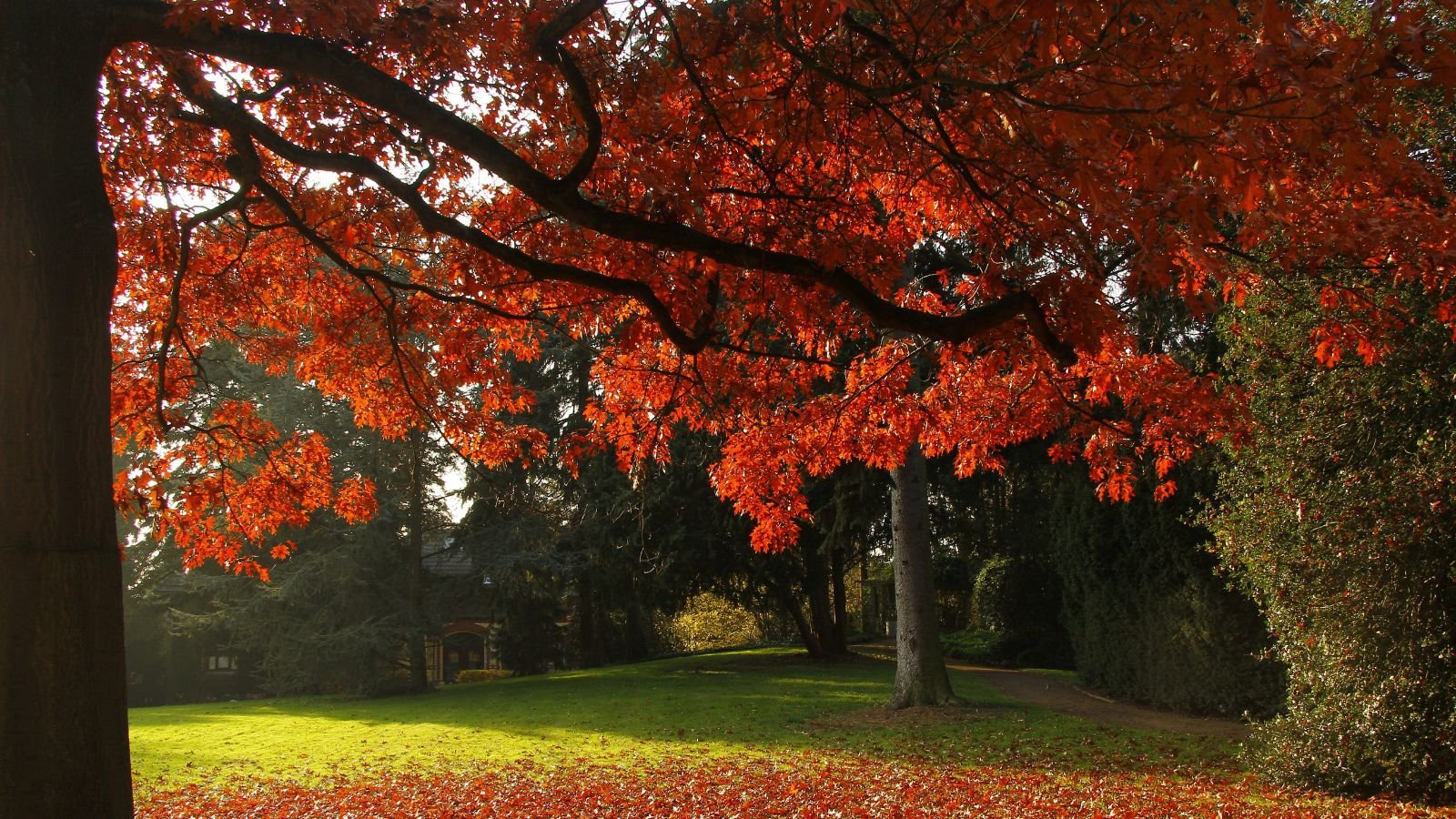
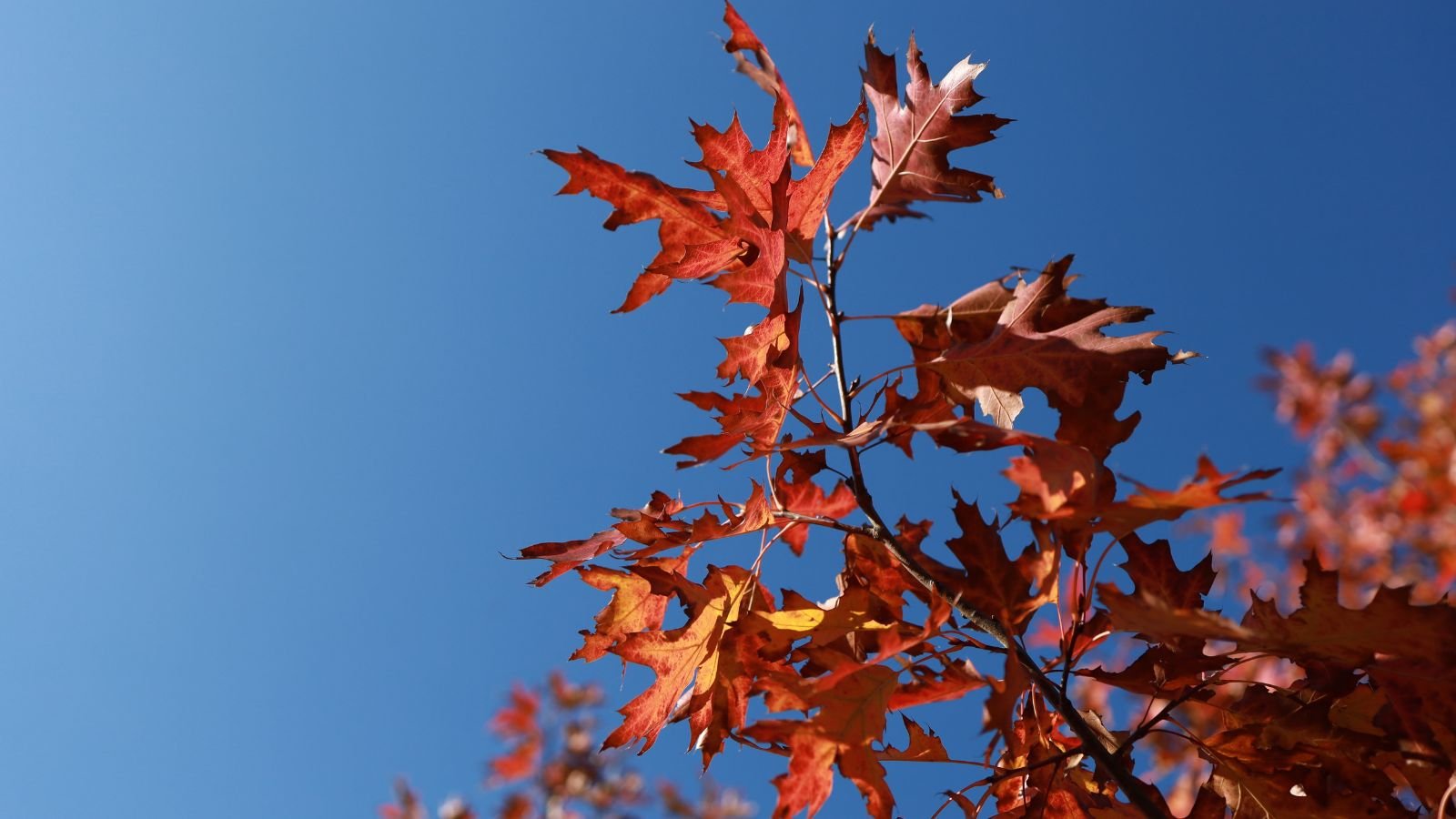
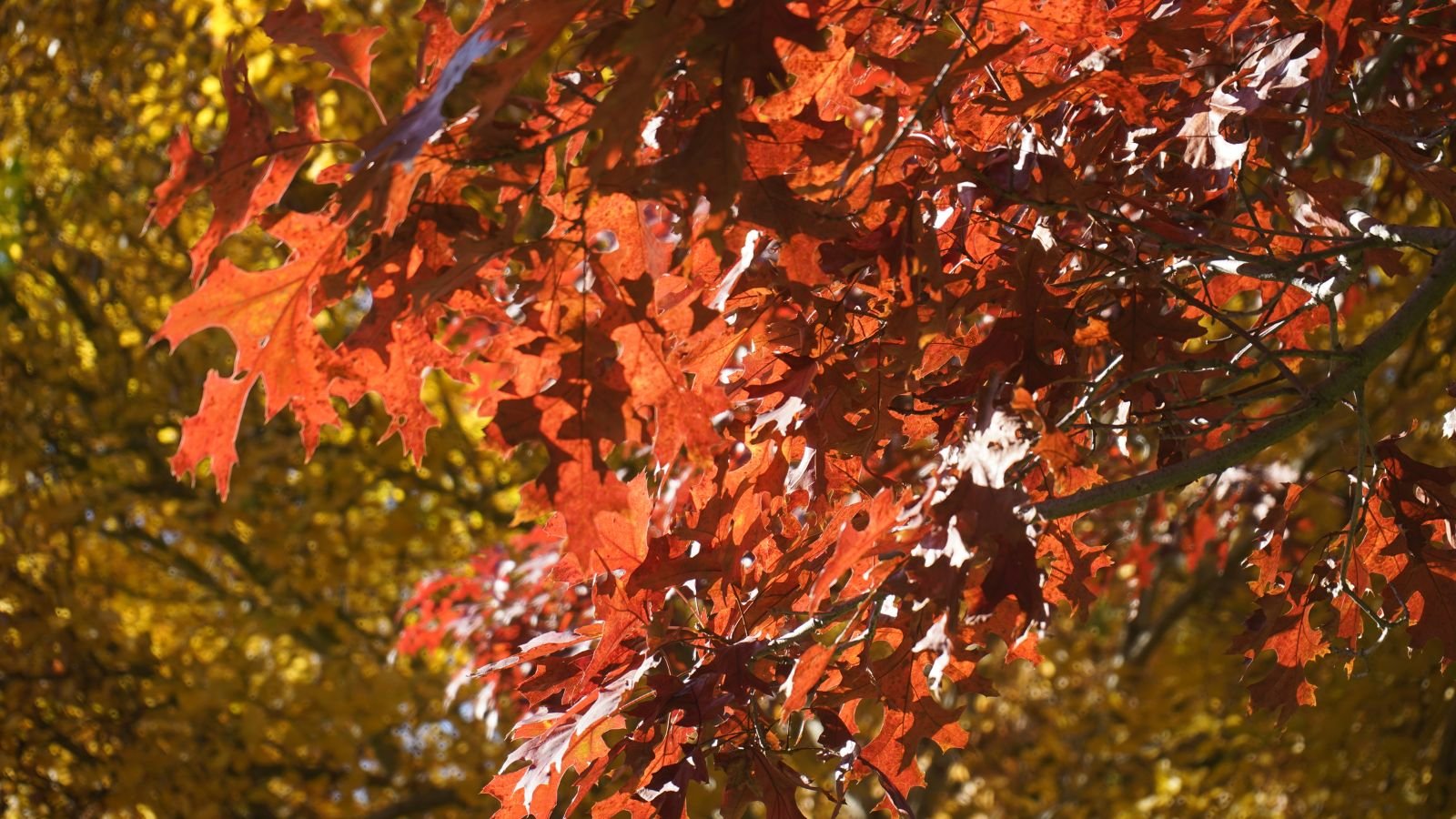
Like most oaks, this species throws abundant shade and produces acorns for wildlife. These trees also put on a show, with new leaves that emerge with a red tint before turning to deep green. In the fall, the leaves change to orange before transitioning into a deep crimson that remains on the trees into winter.
If this oak tree’s looks have caught your attention, stay tuned. I’ll share more information about scarlet oak trees, then explain how to plant and care for them at home.
Scarlet Oak Overview

|
Plant Type
Deciduous tree
Family
Fagaceae
Genus
Quercus
Species
Coccinea
|
Native Area
Eastern and Central United States
Exposure
Full sun
Height
50-80’
Watering Requirements
Low
|
Pests & Diseases
Scarlet oak sawfly, oak wilt, heart rot
Maintenance
Low
Soil Type
Well-draining, neutral to acidic pH
Hardiness Zone
4-9
|
What Is the Scarlet Oak?
The scarlet oak tree is a beautiful tree native to the eastern half of the United States. It’s widespread in both native landscapes and intentional plantings, where it stands out thanks to its bright red fall foliage. This striking color and the plant’s pleasing round shape are a few reasons it’s the official tree of Washington, DC (that’s right, it’s not the flowering cherry).
Characteristics
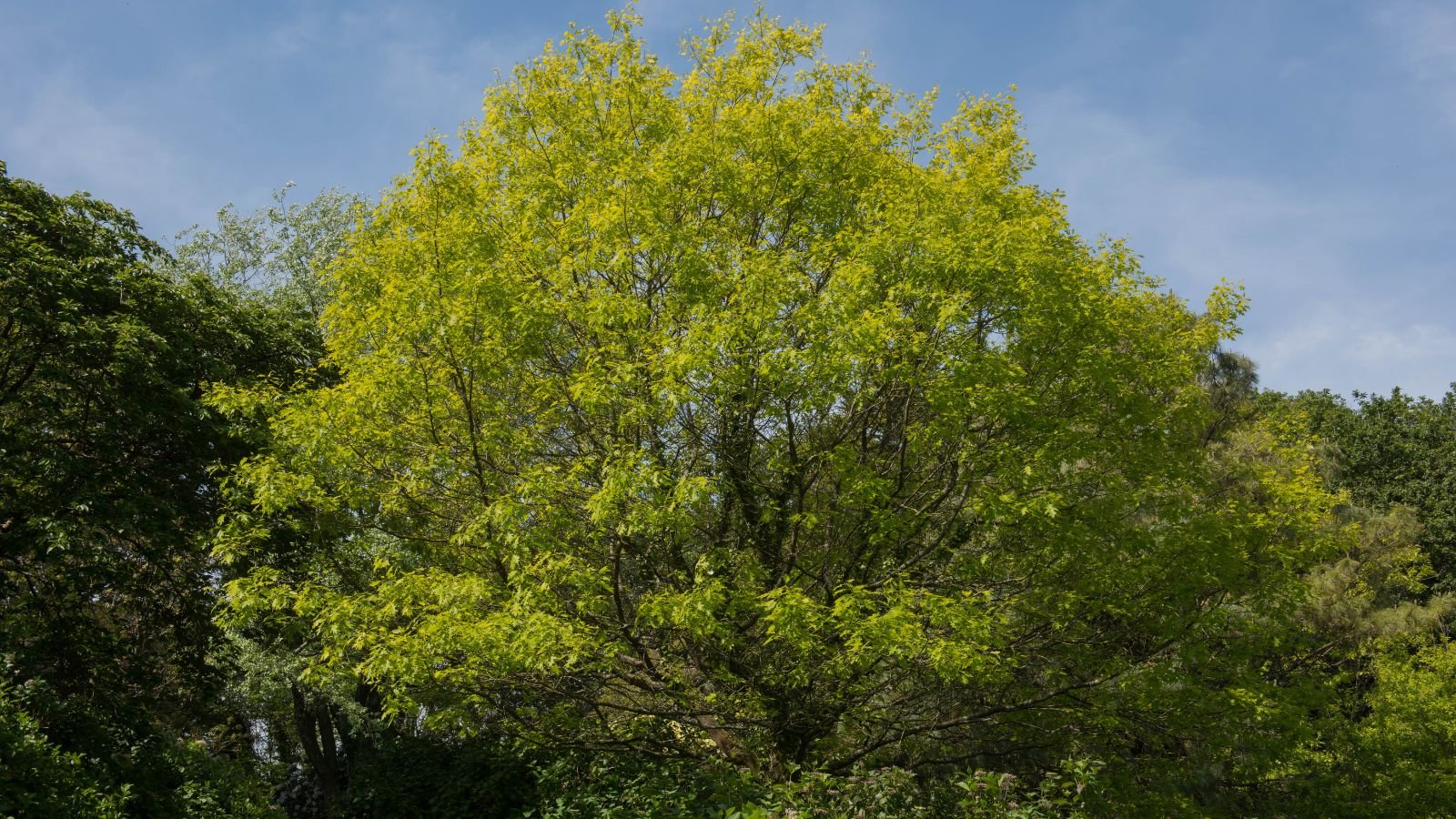
Scarlet oak trees are deciduous hardwoods that drop their leaves each winter and regrow them in the spring. They have an open canopy and a moderate rate. Their bark is dark brown with a grayish tint, featuring large scales and/or ridges.
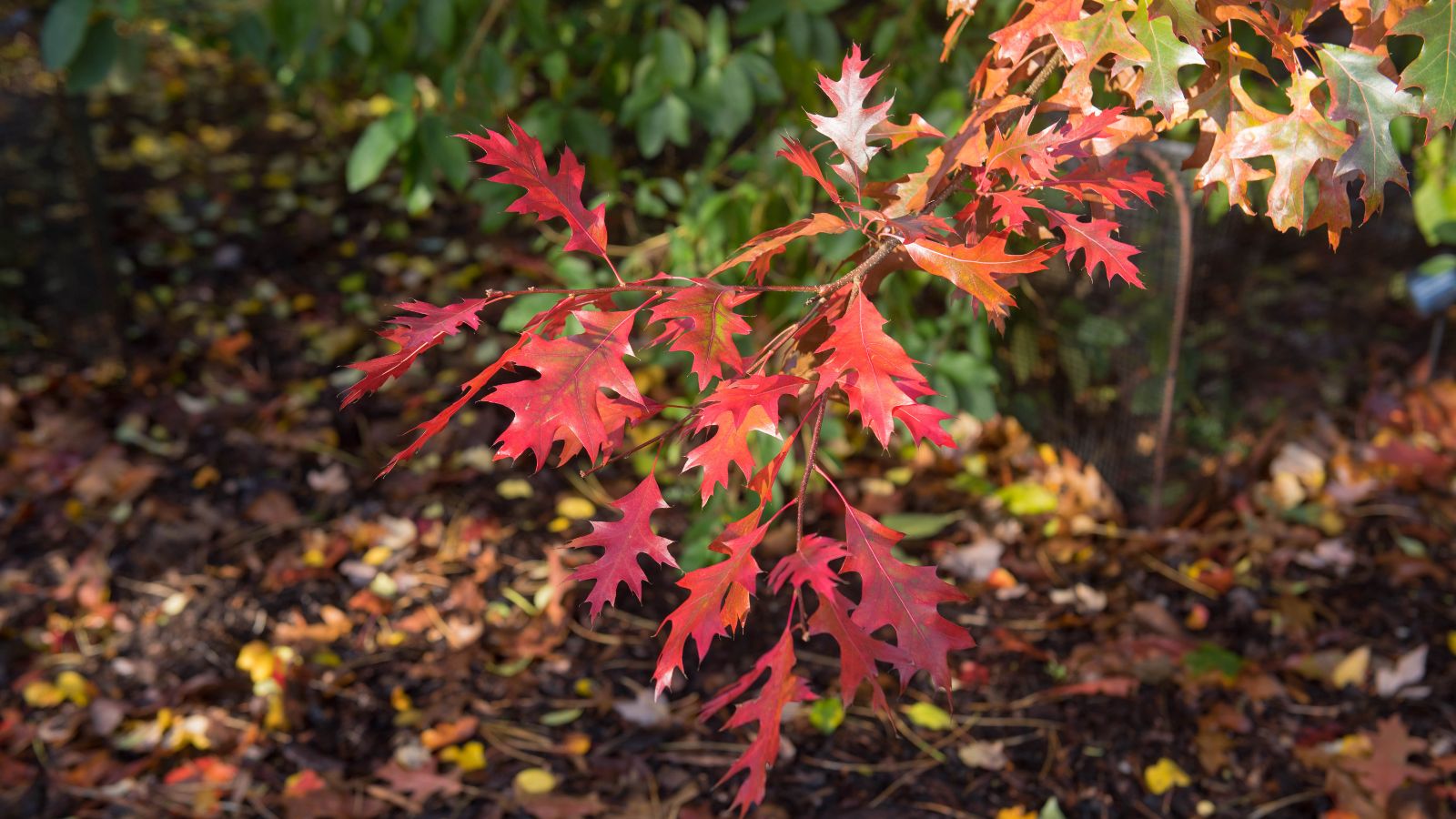
The leaves are deeply lobed with pointed tips. The foliage remains green for most of the growing season before turning bright red in the fall. These scarlet leaves stay on the tree for most of the winter, a condition known as marcescence.
Once trees are 20 years old, they begin producing small acorns. These nuts are a valuable food source for birds and mammals during the late fall and winter. Acorn production varies year to year depending on the weather and insect damage.
The leaves are also an important food source for various butterfly and moth larvae. The Imperial moth (Eacles imperialis), banded hairstreak (Satyrium calanus), Edward’s hairstreak (Satyrium edwardsii), and Horace’s duskywing (Erynnis horatius) all use the oaks as hosts. This ability to feed caterpillars, coupled with acorn production, makes the scarlet oak an excellent tree for wildlife.
Native Area

This oak species is native to many areas east of the Mississippi River. Their native range extends from Maine all the way down to Florida, and west to Missouri. You can find them growing naturally in these areas, as long as the soil isn’t too alkaline.
Planting
Scarlet oak trees develop deep taproots, which makes them more difficult to transplant than other hardwood trees. Successful transplanting isn’t impossible, but you should be aware of the tree’s root system before purchasing a sapling and plopping it in the ground.
If you want to avoid the risks associated with transplanting, you can start with a seed and plant it in the spot you want your tree to grow. Beginning with an acorn rather than a small tree means the plant will lag in size, but you won’t have to worry about the danger of transplant shock.
Growing from Seed

Growing a scarlet oak tree from seed is the least expensive way to add one of these trees to your property. If you know of these trees in your neighborhood or a nearby park, you can probably find acorns for free!
These acorns germinate best when they’re covered with a light layer of soil or leaf litter. Leaving them on the soil surface or burying them too deeply both decrease germination rates. Gently loosen the top inch of soil, place an acorn or two, then cover with half an inch of soil or organic matter.
These acorns require a period of cold stratification to break dormancy, and planting them in the fall meets this need. Be aware that leaving the nuts in the ground over winter makes them available to hungry critters like squirrels and turkeys. Another option is to place the acorns outdoors in a protected container over the winter, then plant them the following spring.
Watch for the seedlings to emerge in the spring. After the trees sprout, water them during any dry spells that occur in the following months.
Growing from Transplants
If you want to start with a larger tree, look for potted plants in nurseries and garden centers. Since the plants develop a taproot, you probably won’t be able to find five or six-foot-tall trees. Plants that are one to three inches tall are more common.
Fall and spring are both suitable times for transplanting trees, since they allow the plants to settle into the ground before intense heat or freezing temperatures arrive. Start by digging a hole that’s as deep as the rootball and two to three times wider. Place the tree’s rootball in the hole, and slowly backfill with soil as you gently tamp it down.
When you’re done planting, the root flare (the curved portion of the tree where the roots meet the trunk) should be just above the soil surface. You can apply mulch around the tree after planting, but avoid placing it against the trunk. Water well when you’re finished,
How to Grow
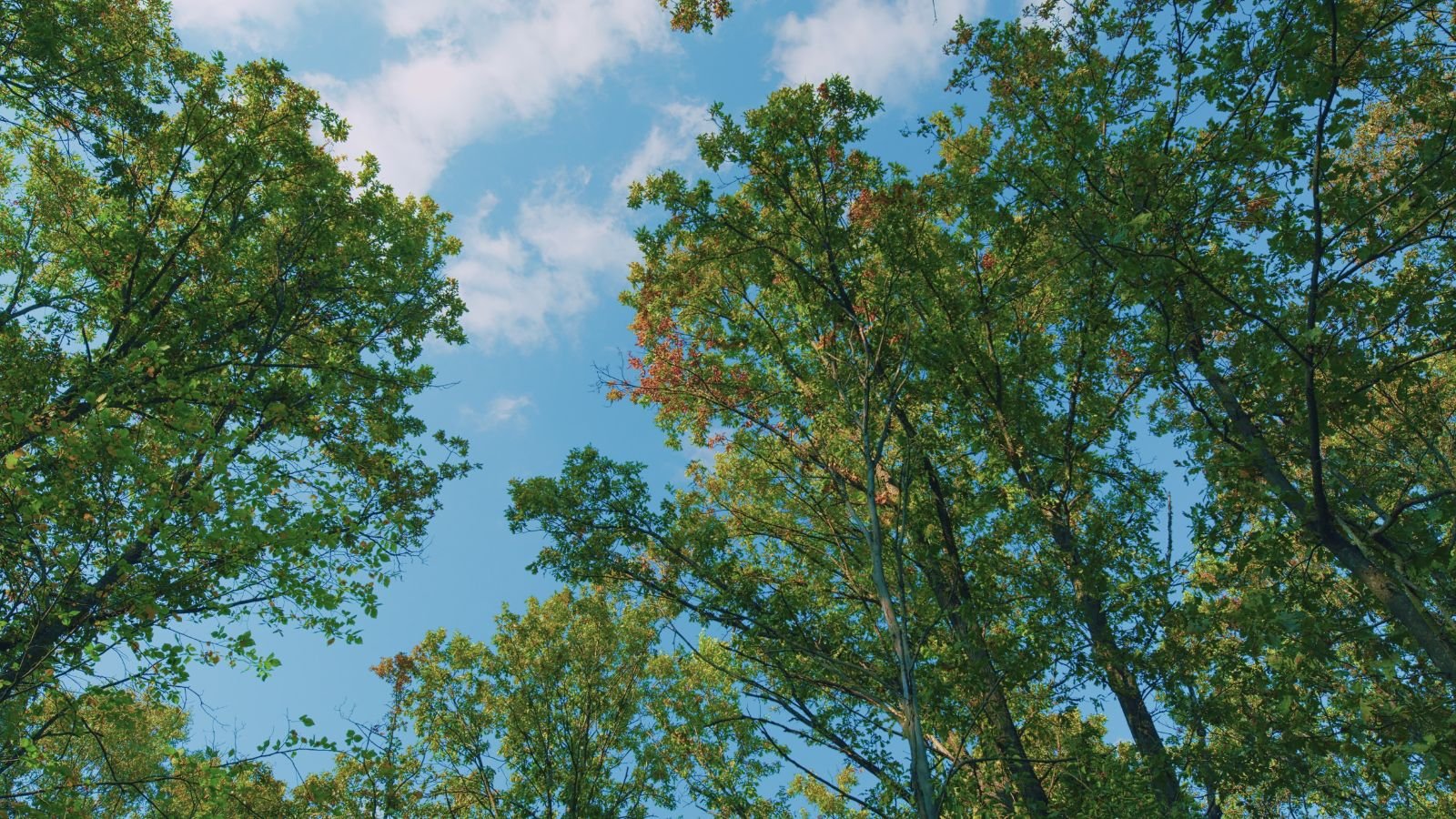
Scarlet oak trees are easy to grow, especially if the plants make it through their first year in the ground. Providing the proper environment is key to keeping the trees healthy, so note the environmental needs before adding one of these oaks to your property.
Light
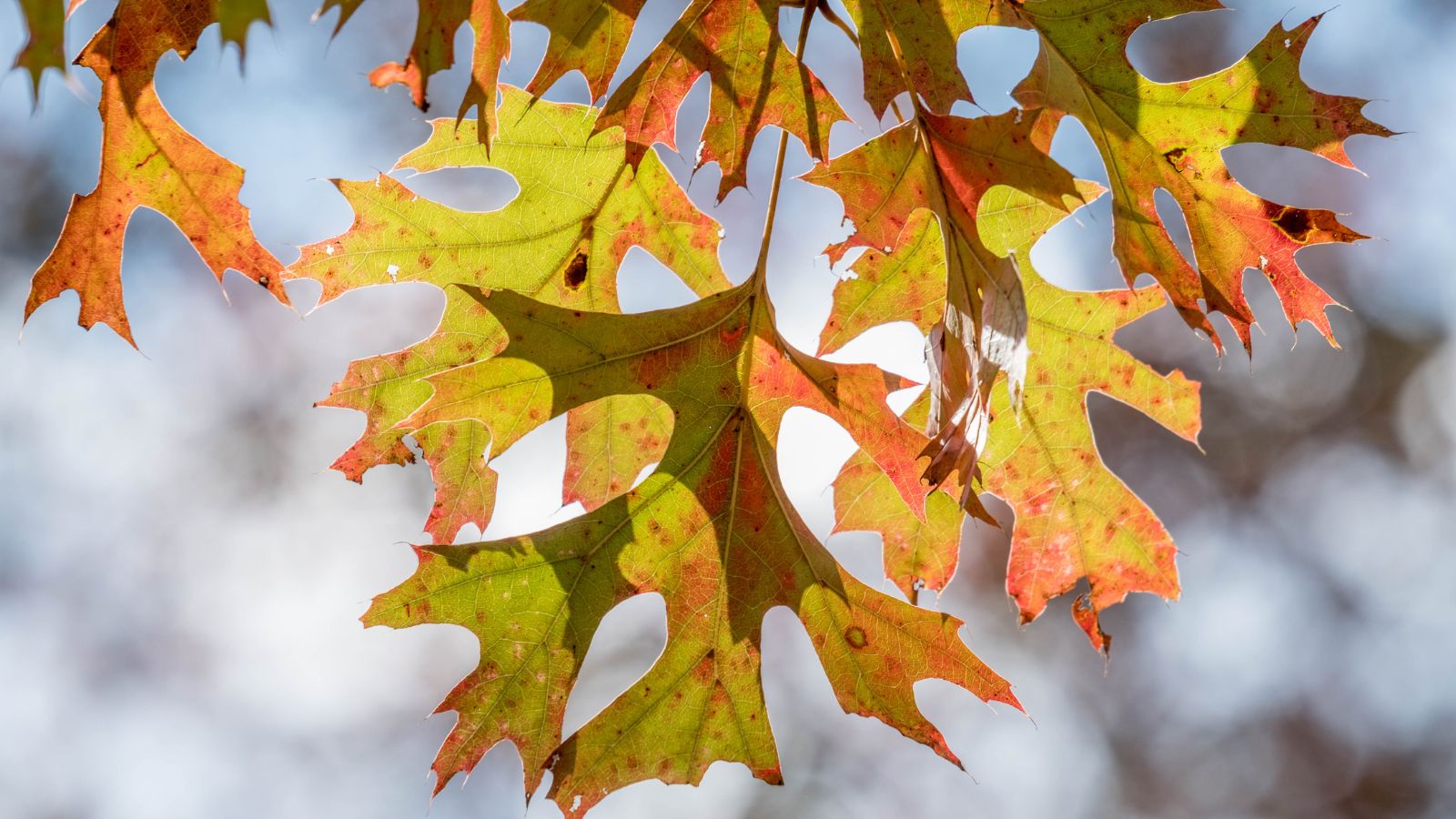
Scarlet oak trees grow best in full sun. They’re excellent additions to front yards and roadsides, where they provide shade and beauty. Avoid planting them in the understory of other trees.
Water

These oak trees prefer drier soil, but they can tolerate moderate moisture if the soil drains well. You’ll often find them growing in drier upland areas in their native habitats.
Although the trees can tolerate moderate drought once they’re well-established, newly-planted trees require moist soil to help them establish. Plan to water new specimens once or twice a week during their first year. Once the plants have settled into their new home and grown larger root systems, you’ll only have to water in cases of extreme drought.
Soil

Scarlet oak trees prefer well-draining and acidic soil. They don’t mind poor, shallow soils, so they’re great candidates for areas with high bedrock and rocky ground. Avoid planting them in locations where the soil pH is above 6.8.
If you really want to plant these trees in an area with alkaline soil, you should lower the pH before planting. Adding sulfur is one of the easiest ways to make your soil more acidic. However, this process takes several months to have an impact on the pH. Therefore, start amending the soil the year before you hope to add one of these oaks. Always do a soil test before amending.
Temperature and Humidity

Scarlet oak trees can survive both cold and hot temperatures, especially when they’re well-established. They grow well in USDA zones 4 through 9.
Humidity isn’t a concern for these trees. They tolerate both dry and moist air with ease.
Fertilizing

Scarlet oak trees grow well in poor soil, so you don’t need to fertilize them regularly. Adding too much fertilizer will actually cause more harm than not adding enough.
If you notice nutrient deficiencies in your trees, resist the urge to grab a quick-release synthetic fertilizer. Instead, choose a slow-release option that is less likely to cause nutrient burn.
Maintenance
These trees require little to no maintenance, which is another reason they’re so popular. Their branches grow horizontally and rarely droop, so you won’t have to prune off low-growing branches that interfere with people walking on sidewalks below. This growth habit makes them preferred over species, including the pin oak and willow oak.
Scarlet oaks produce small acorns that drop from the trees in the fall. Animals like chipmunks, squirrels, blue jays, raccoons, and turkeys eat the nuts, so they rarely become a problem. If you prefer a tidy landscape, you may need to sweep up fallen acorns.
Propagation
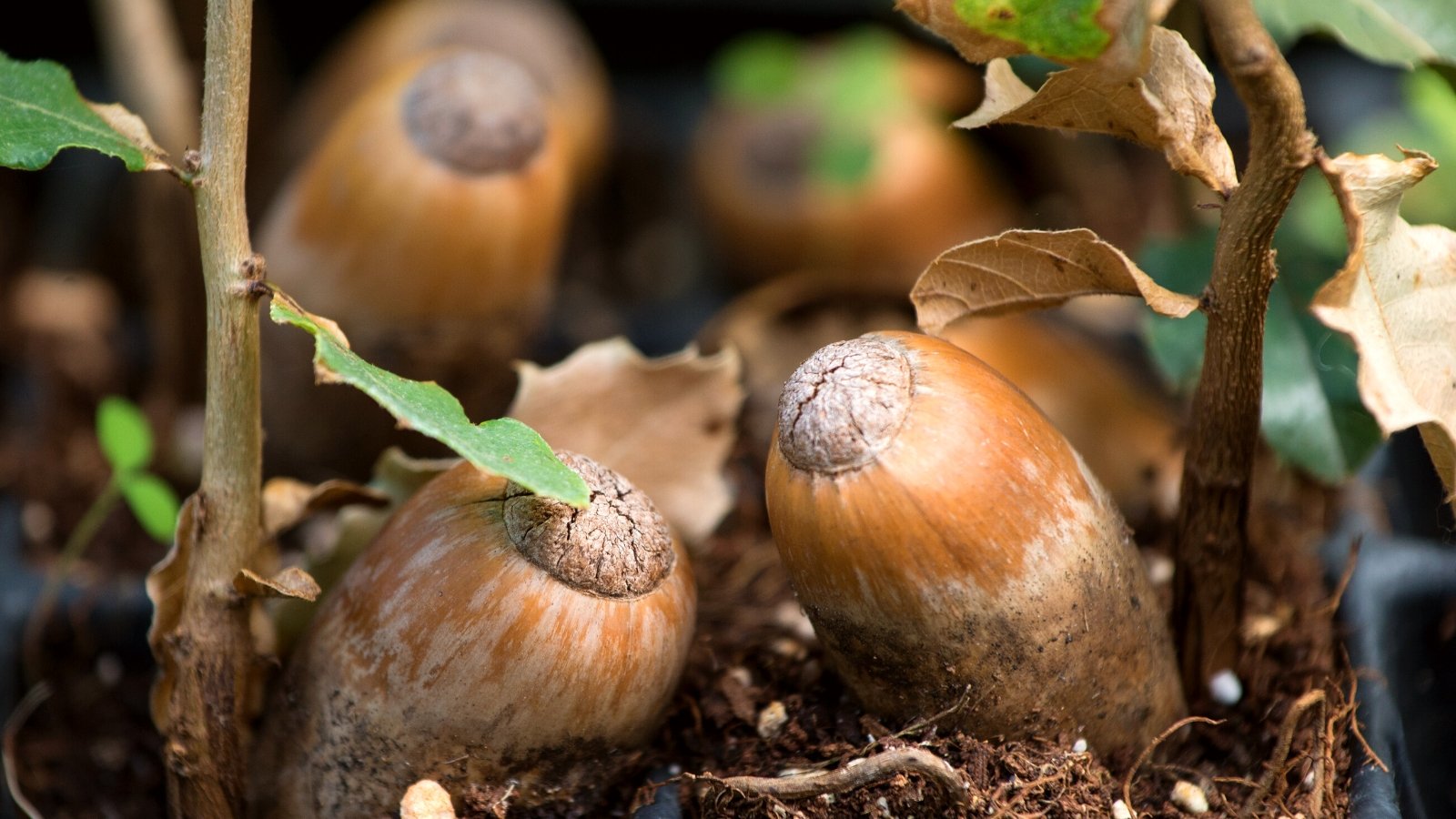
You can technically propagate scarlet oaks from seed and cuttings, but oak tree cuttings are notoriously difficult to root. Starting with healthy acorns is the simplest and most reliable method to produce new trees.
Start by collecting healthy, mature acorns in the late fall or winter. All types of oaks produce acorns, so look for the bright red leaves with deep lobes and pointed tips. The acorns should be free of any holes and discoloration.
Since this species belongs to the red oak group, its acorns require a period of cold stratification before they will germinate. Exposing the plants to a month of moist, cold conditions will satisfy this requirement. One option is to leave the acorns outdoors in a container that protects them from insects, mammals, and birds. You can also place the acorns in a sealed plastic bag in your refrigerator for multiple months.
After the nuts go through cold stratification, they’re ready to plant. You can place the acorns in containers and transplant after they germinate, but direct sowing is easier and removes the disturbance that occurs during transplanting.
Choose a suitable location with full sun and acidic soil, then dig a shallow hole. Place at least one nut in the hole, then cover with a half-inch layer of soil. Some acorns may not germinate, so planting multiple per hole increases the odds of a healthy seedling.
Common Problems
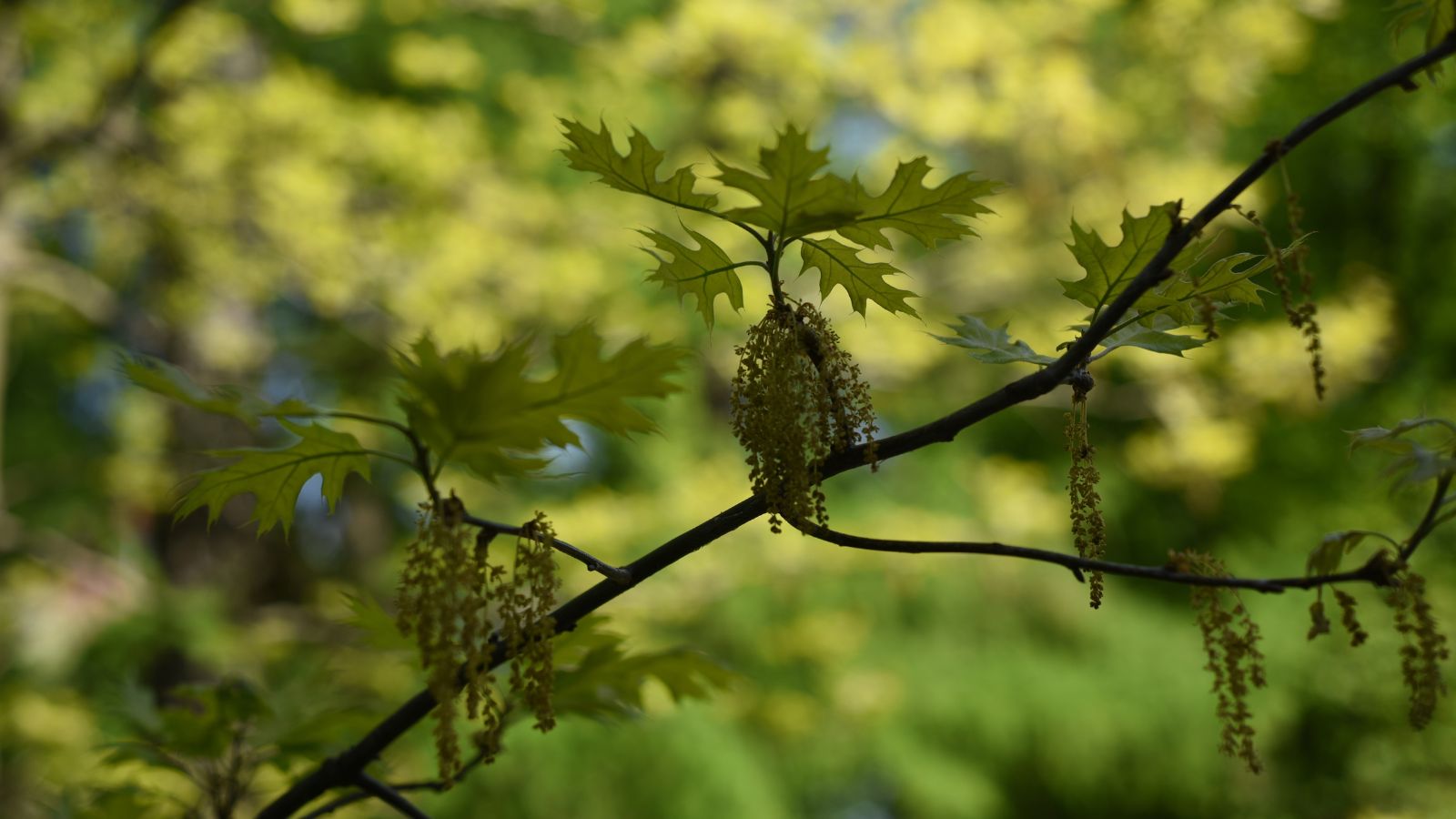
Scarlet oaks are susceptible to problems caused by adverse environments, pests, and diseases. The trees often develop stunted growth and yellowing leaves when grown in soil with a pH above 6.8.
Pests
Many pests feed on the foliage, causing holes in the leaves and even complete defoliation. These pests are more harmful to younger trees, so pay close attention to newly planted oaks.
Oak Leaftier

Oak leaftiers are a group of moths whose larvae feed on oak leaves. The larvae emerge in the spring and begin feeding on leaves and leaf buds. Eventually, they tie the leaves together with silk, hence their common name.
A few of these pests are a major issue, but large outbreaks can defoliate and severely weaken trees. If you notice holey or missing leaves on young oak trees, look for the green caterpillars. You can remove them by handpicking or spraying them with Bt.
Scarlet Oak Sawfly

These pests aren’t true flies, but rather a type of wasp that resembles a fly. The adults lay small eggs on the undersides of oak leaves in the summer, and worm-like larvae emerge a few weeks later. The larvae immediately begin feeding on the foliage.
Scarlet oak sawflies rarely cause serious damage, except in years when their populations boom. There’s no need to manage these pests on large trees, but you can pick the larvae off small trees.
Diseases
Scarlet oaks are susceptible to many diseases that impact other oak species. Foliar diseases like anthracnose and leaf spot are common occurrences, but their harm is typically aesthetic rather than serious. Here are some more serious diseases to be aware of.
Heart Rot

Heart rot occurs when a fungus enters the tree, travels to the center, and eventually kills the heart. Trees can survive without intact heartwood, but they’ll be less stable and more susceptible to falling. Scarlet oaks’ thin bark makes them particularly susceptible to heart rot.
You can help prevent heart rot by pruning in the late winter and making clean cuts. However, infection may still occur through broken branches and natural bark wounds.
Oak Wilt
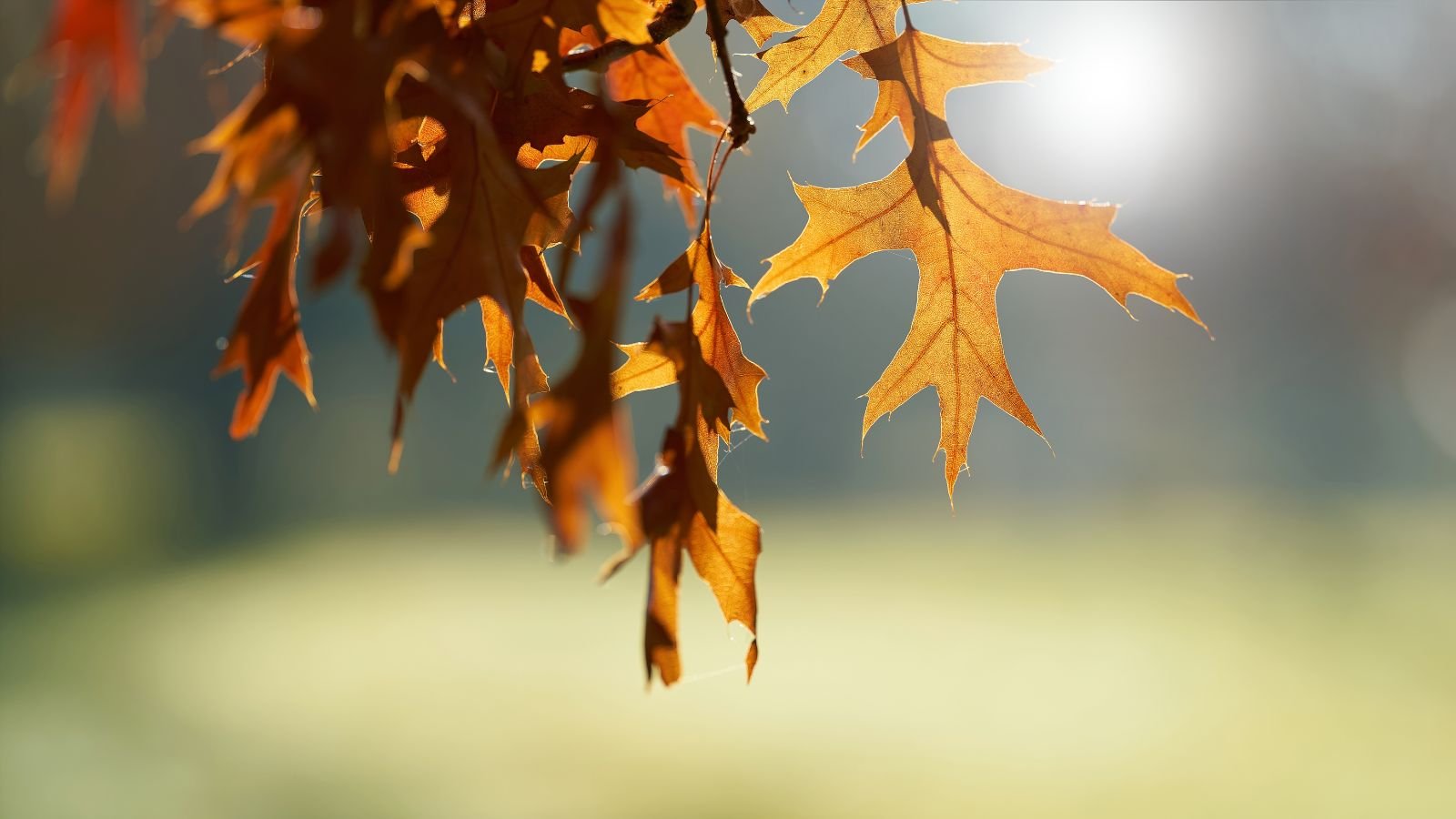
Oak wilt is caused by the fungus Bretziella fagacearum, which is transmitted by beetles that feed on the tree’s sap. The first symptoms are wilting leaves with what appear to be brown, water-soaked lesions. Unfortunately, the plant will entirely wilt and die about a month after you spot these first symptoms.
The beetles that spread the fungus are attracted to fresh wounds, so avoid pruning your trees in the late spring and early summer. Infection is still possible through unwounded bark, but it is less likely.
Frequently Asked Questions
Are scarlet oaks and red oaks the same?
No. Scarlet oaks and red oaks are two distinct species, but the scarlet oak belongs to the larger red oak subgenus Erythrobalanus.
How fast do scarlet oak trees grow?
These are some of the quickest-growing oak species, but they still have a moderate growth rate when you consider all trees. These plants grow around one to two feet per year.
How long do scarlet oak trees live?
These trees can live upwards of 100 years if they remain healthy.