

How to Use Rock Phosphate Fertilizer in Your Garden
Rock phosphate or soft rock phosphate fertilizer is a fantastic way to add - you guessed it - more phosphorus to your garden soil. In this guide, Epic Gardening founder Kevin Espiritu explains where it comes from and how to use it correctly.

Contents
Rock phosphate is a long-standing organic fertilizer valued for keeping plants healthy and encouraging strong new growth. It works by supplying phosphorus, which helps plants use other nutrients more efficiently.
But what exactly is rock phosphate, and how should you use it in the garden? We’ll cover everything you need to know in this guide.
Espoma Bio-tone Starter Plus Organic Plant Food (4 lbs.)

The Ultimate Starter Fertilizer with both Endo & Ecto Mycorrhizae
- Grows larger root mass to help plants establish fast
- Reduces transplant loss
- Promotes bigger blooms
- Microbe enhanced all natural organic fertilizer with no sludges or fillers
For use on everything you plant. Use when planting all flowers, vegetables, trees and shrubs.
Buy at Epic Gardening ShopWhat is Rock Phosphate?
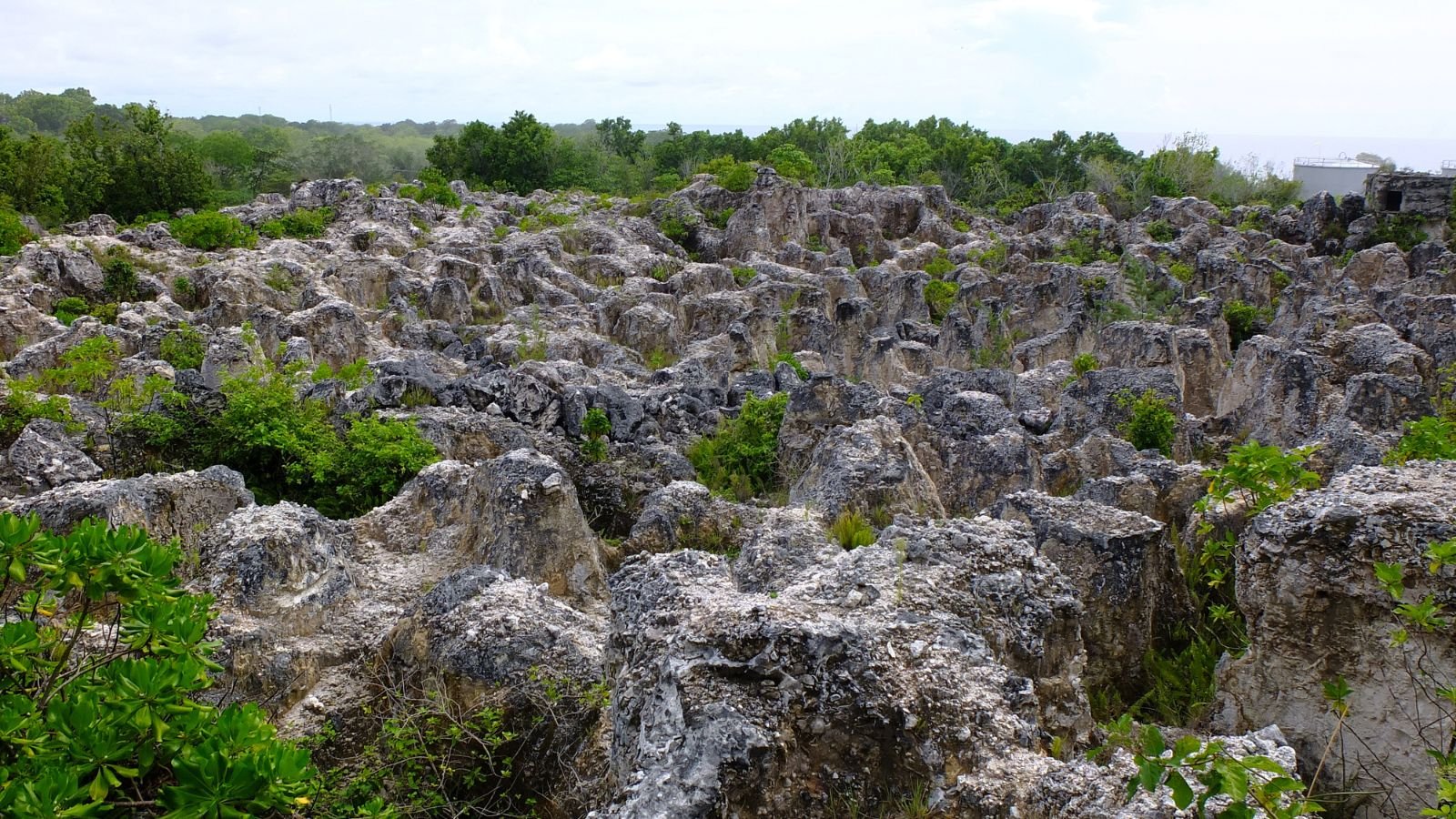
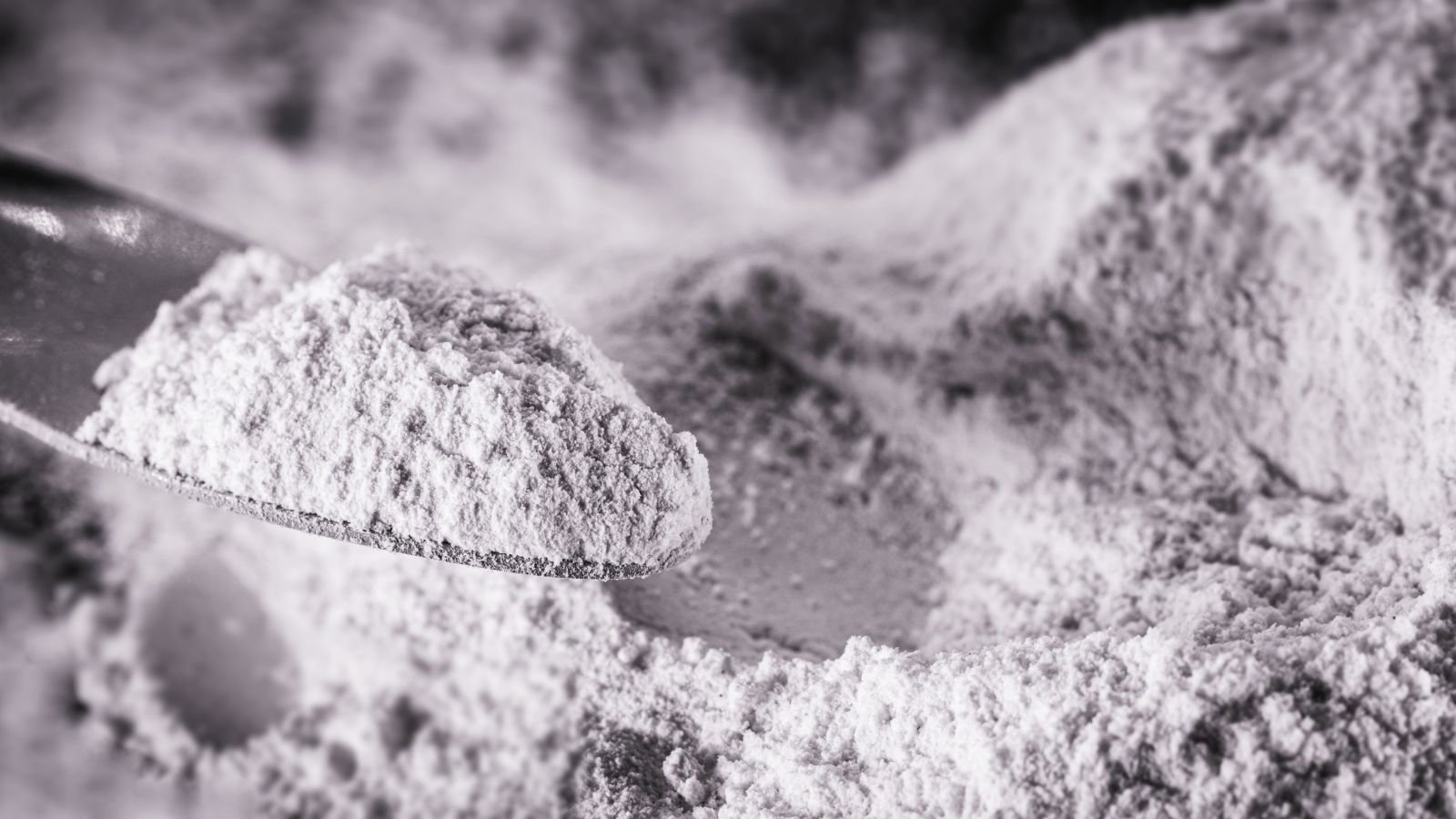
Also known as phosphorite, rock phosphate is a sedimentary rock rich in phosphorus. It is mined and typically contains clay and limestone as well. It’s a key natural source of phosphorus, the “P” in the essential NPK trio, and is used to make organic phosphate fertilizers for gardens.
Historically, gardeners applied raw rock phosphate to promote plant growth. However, its relatively low phosphorus concentration and limited availability have led most gardeners to rely on processed forms today.
Modern fertilizers often use soft rock phosphate, which is sometimes confused with hard phosphate rock. Both contain high levels of phosphorus and calcium, but the nutrients in soft rock phosphate are more readily available to plants. Because it is slow-releasing, it provides a steady supply of essential macronutrients over time.
What Is It Used For?

Rock phosphate fertilizer works with the soil rather than against it, unlike many chemical fertilizers.
It is extremely rich in essential nutrients that support vibrant, healthy plant growth. These fertilizers are sometimes called rock dust because of their finely ground mineral content. Applying is a common way to encourage strong bloom production and healthier vegetables.
If you have flowering perennials in the garden, they will benefit from an application at the beginning of the season in early spring. Its high mineral content promotes large, colorful blooms.
Roses respond especially well, using it to form more buds and build a stronger root system. The phosphorus content also supports healthy lawn and tree root development, making it a versatile fertilizer for many perennials and woody plants.
In a vegetable garden, you may need extra help managing pests and diseases. Phosphates can assist by reducing pest pressure while improving flavor and yield. Powdered rock phosphate is excellent for crops such as coffee, tea, apples, rubber, and citrus. Most vegetable garden soils tolerate direct application of this fertilizer without issue.
Rock Phosphate’s Effect on Plants

Rock dust releases nutrients slowly, so it is best applied in early spring just before the flowering season begins. Aim for about 10 pounds per 100 square feet.
Rock phosphate performs best under specific soil conditions. It becomes more available in acidic soils with a pH below 5.5, where the phosphorus becomes soluble and easier for plant roots to absorb.
Is it Good for Plants?

Definitely. As a natural source of phosphorus, it supports healthy, vigorous plant growth. Phosphorus is essential for photosynthesis and is involved in every stage of development from seedling growth to grain maturation. Young plants in particular require adequate phosphorus to build strength and maintain overall health.
Rock phosphate also supports energy storage and transfer, cell enlargement, and respiration. Without sufficient phosphorus, plants cannot grow to their full potential or regulate key metabolic processes effectively.
Using Soft Rock Phosphate Fertilizer

Soft rock phosphate becomes insoluble when soil pH rises above 5.5. It needs acidic conditions to be fully absorbed by plant roots. For the best results, always incorporate it into the soil before planting. You can mix it directly into the planting hole when repotting or planting trees. Adding it only to the soil surface is usually less effective.
For established lawns and trees, scatter the rock phosphate over the area and gently rake it in so it reaches the root zone. When transplanting or planting trees, use 2 to 10 pounds per planting hole.
If your soil is severely phosphorus-deficient, you can increase the rate to 50 pounds per 100 square feet. Depending on plant health and soil conditions, a single application can remain effective for up to five years.
Getting the Most Out of Your Rock Phosphate

The phosphorus in rock phosphate becomes available only in acidic soil. In alkaline conditions, the fertilizer is far less effective. To speed up nutrient availability, you can mix it into compost. The natural acidity of compost helps loosen the chemical bonds, making phosphorus more accessible to plant roots.
You can also add beneficial microbes such as mycorrhizae to encourage faster phosphorus release. Always purchase high-quality products from a reputable source to ensure your plants receive the best possible nutrition.
How Is It Made?
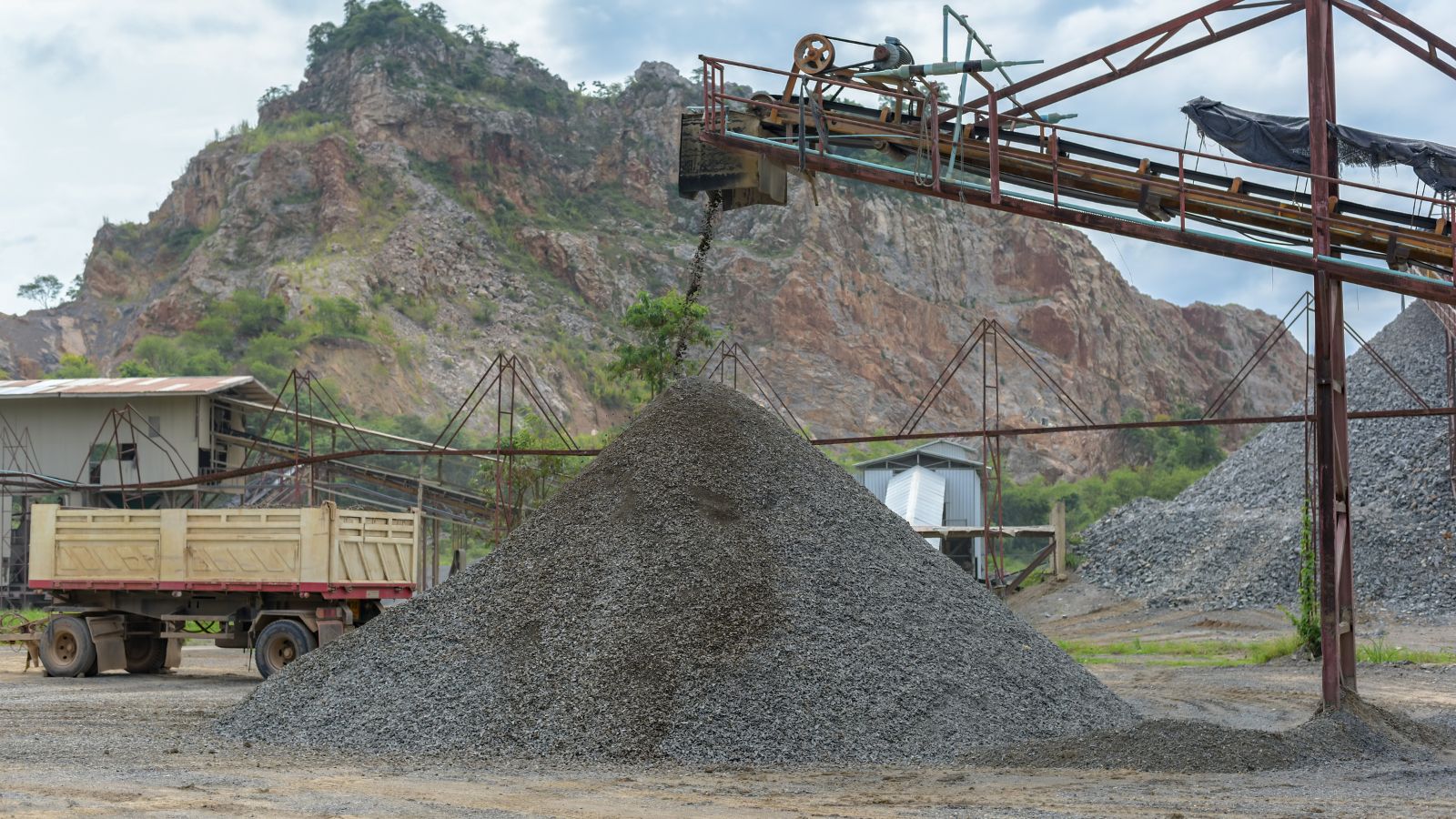
Phosphate rock is a naturally occurring fertilizer. In most cases, it is reacted with sulfuric acid to produce phosphoric acid (P₂O₅) before it can be used. The acid is added to pulverized phosphate rock and then processed further to create effective fertilizers for gardens, trees, flowers, and vegetables.
When sulfuric acid is used, the resulting product is called normal or single phosphate (SSP), which contains about 16% to 21% phosphorus. SSP production begins by mixing phosphate rock with sulfuric acid in a reactor. The mixture is then transferred to a slow-moving conveyor to solidify.
Afterward, it is cured for at least four to six weeks before being packaged and shipped as fertilizer.
What’s the Chemical Formula?

The chemical formula is Ca₅FO₁₂P₃. This mineral composition is also known as calcium carbonate-fluorapatite. There are four kinds of phosphate rocks:
- Hard
- Soft
- River pebble phosphate
- Land pebble phosphate
The chemical formula often referenced in fertilizer labeling as phosphorus acid is P₂O₅, which represents the oxide form used to calculate available phosphate in fertilizers. In phosphorite deposits, the phosphate content can range from about 2% to 21%.
Is Rock Phosphate an Organic Fertilizer?

Phosphate rock can be considered an organic fertilizer depending on how you define the term. True organic fertilizers like compost come from organic matter such as plants, manure, and other natural waste. Phosphate rock, however, is a mineral that is processed for use as a fertilizer. Because it is naturally occurring and not synthetically manufactured, many gardeners view it as “organic” in practice, since it helps them avoid chemical fertilizers.
As a natural and potent source of phosphorus and calcium, it is widely used in organic agriculture. It typically contains about 30 percent phosphates and 48 percent calcium. It is also considered environmentally friendly since it reduces the need for synthetic fertilizers, lowers greenhouse gas emissions, and supports better yields in both crops and flowering plants.
When Not to Use Rock Phosphate

Rock phosphate is not always the ideal fertilizer. Because much of it remains insoluble, plant roots may struggle to absorb enough phosphorus. It is also bulky and far slower-acting than synthetic chemical fertilizers.
Overfertilizing is another risk. Excessive application can cause leaf chlorosis and harm beneficial soil microorganisms.
Even though it is relatively eco-friendly, phosphate fertilizers can still contribute to water pollution. Phosphates bind tightly to soil particles and rarely move far, but if too much is applied, excess phosphorus can leach into waterways. This can lead to contamination as well as outbreaks of algae and bacteria.
Frequently Asked Questions
Is rock phosphate the same as bone meal?
They are two different fertilizers that promote the same nutrient profile in soil. Rock phosphate is a mined mineral, and bone meal is powdered bone.
Is rock phosphate harmful?
Only when it gets into mucous membranes, eyes, and onto skin. Use gloves and eye protection when applying.
Does rock phosphate change soil pH?
It tends to lower soil pH and make soil more acidic as it breaks down.
Why is phosphate banned?
It’s banned in the production of cleaning products as it can lead to eutrophication in waterways.


