

9 Perennial Vegetable Seeds You Can Sow in October
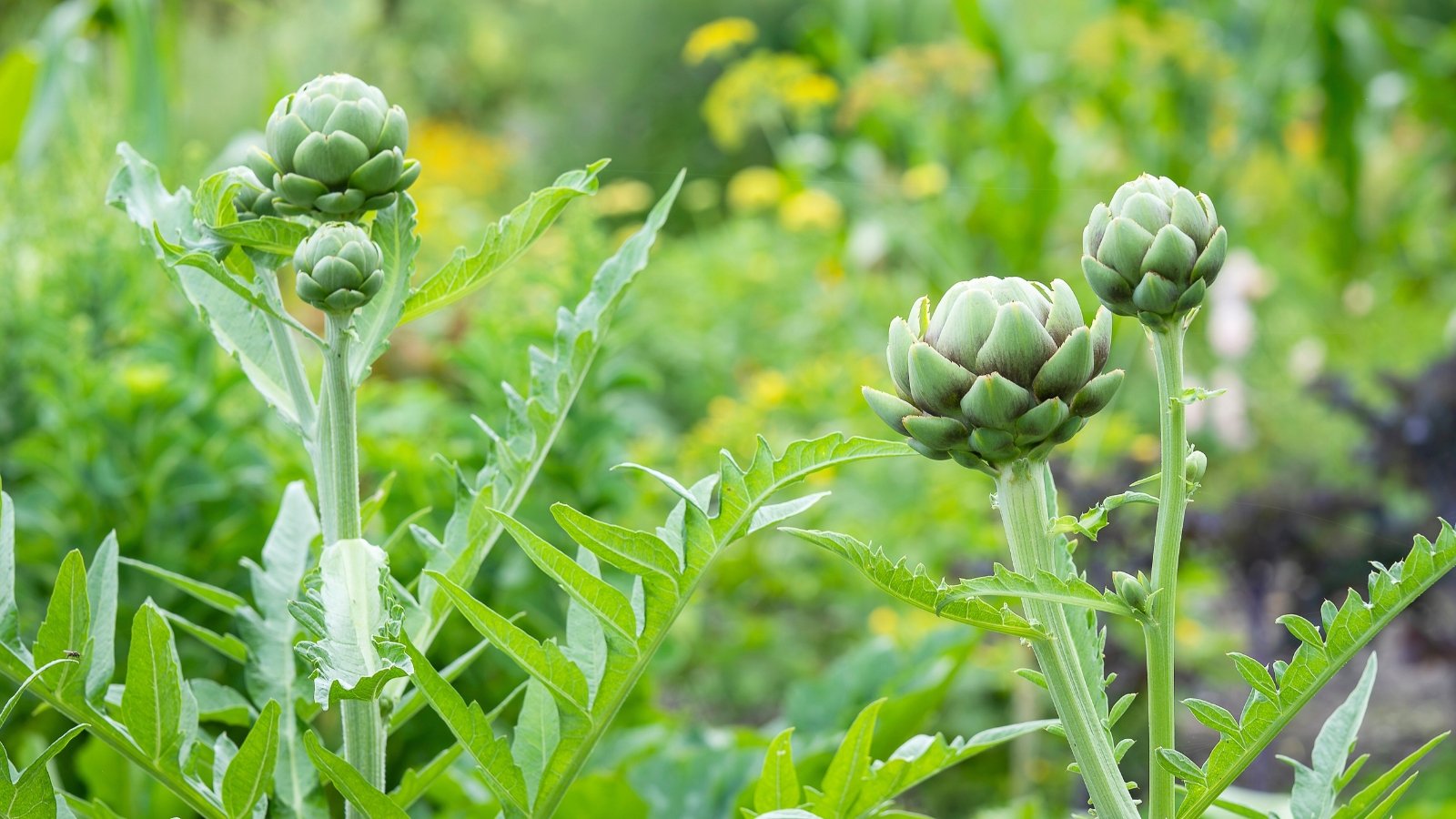
It’s rewarding to plant a vegetable once and have it supply multiple seasons of harvests. No turnover, and easy picking! Some of our favorite perennial vegetables do best with a fall sowing, depending on the climate and selection. Gardening expert Katherine Rowe outlines reliable perennial vegetables to plant in October for lasting yields.

Contents
Perennial vegetables are of hearty stock, persisting year-round in our landscapes for seasons of recurrent yields, pollinator value, and ornament. Choose their permanent garden location, and plant them once to enjoy ongoing rewards. Depending on the selection and climate, they live for over a decade (like asparagus) or for several years (kale).
Vegetables perennialize in our gardens based on climate and growing zone. Those that overwinter in our USDA growing zones have the best growing success beyond the annual season.
For sowing perennial vegetables in fall, October is optimal in climates with mild winters. Many of our favorites establish sturdy roots in cool conditions. Use the first anticipated frost date as a guide for planting. For gardeners in cold climates whose frost is fast-approaching, a spring planting may be best for germination and to protect young seedlings against winter extremes.
With the right crop in the right place, low-maintenance harvests are in the making. Try planting any one of these perennial vegetables in October.


Fennel ‘Finocchio’


|
botanical name Foeniculum vulgare var. azoricum ‘Finocchio’ |
|---|---|

|
sun requirements Full sun |

|
height 2-4’ |

|
hardiness zones 4-9 |
Fennel has sweet edible “bulbs” and herby, anise-flavored leaves. Seeds, too, are useful as a spice. The multiflora plant produces yellow flower umbels in summer that attract beneficial insects. It is also a host plant for swallowtail butterflies.
These Mediterranean herbs do best with fall planting in mild climates to enjoy as a long-developing cool-season crop. Fennel adapts to various growing conditions as long as the soil is well-draining.
Tall and feathery, fennel is robust in its growth and spread. The species readily self-seeds, escaping and naturalizing to become invasive in some areas. Deadhead spent blooms to prevent unwanted volunteers.
‘Finocchio’ is a compact Italian heirloom with airy foliage and bloom clusters. The anise-flavored, bulbous roots reach three to four inches and mature in 90 days.
Garlic Chives

|
|
botanical name Allium tuberosum |
|---|---|
|
|
sun requirements Full sun |
|
|
height 10-20” |
|
|
hardiness zones 3-9 |
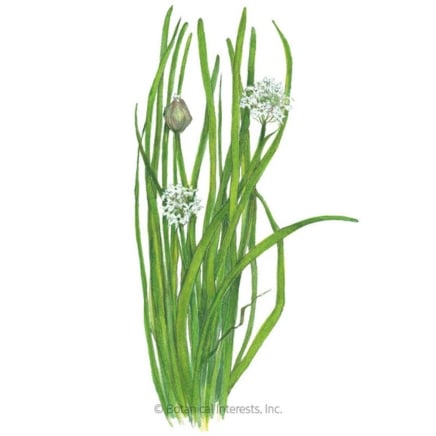
Garlic chives are great perennial vegetables for October due to their cold-hardiness. They bring larger, brighter green blades and a robust garlic flavor compared to their common chive relatives. They’re a pollinator favorite and ornamental with white flower clusters and slender blades. With their Allium aromatic oils, they help repel certain garden pests, including deer.
Garlic chives bloom in late summer to early fall when clusters of tiny, starry white flowers rise on stems above the clumping foliage. To prevent unwanted reseeding, deadhead or dry the blooms for floral arrangements. In cold winters, leaves die back to the ground. In areas with warmer winters, they remain evergreen or semi-evergreen.
Warm regions can sow these perennial vegetables in October, as late as two months before the first fall frost, for seedlings to establish before winter. They do best in the cool season and fade in hot southern summers with high humidity, where they rely on afternoon shade protection.
Artichoke ‘Green Globe’
|
|
botanical name Cynara scolymus ‘Green Globe’ |
|---|---|
|
|
sun requirements Full sun |
|
|
height 3-5’ |
|
|
hardiness zones 7-10 |
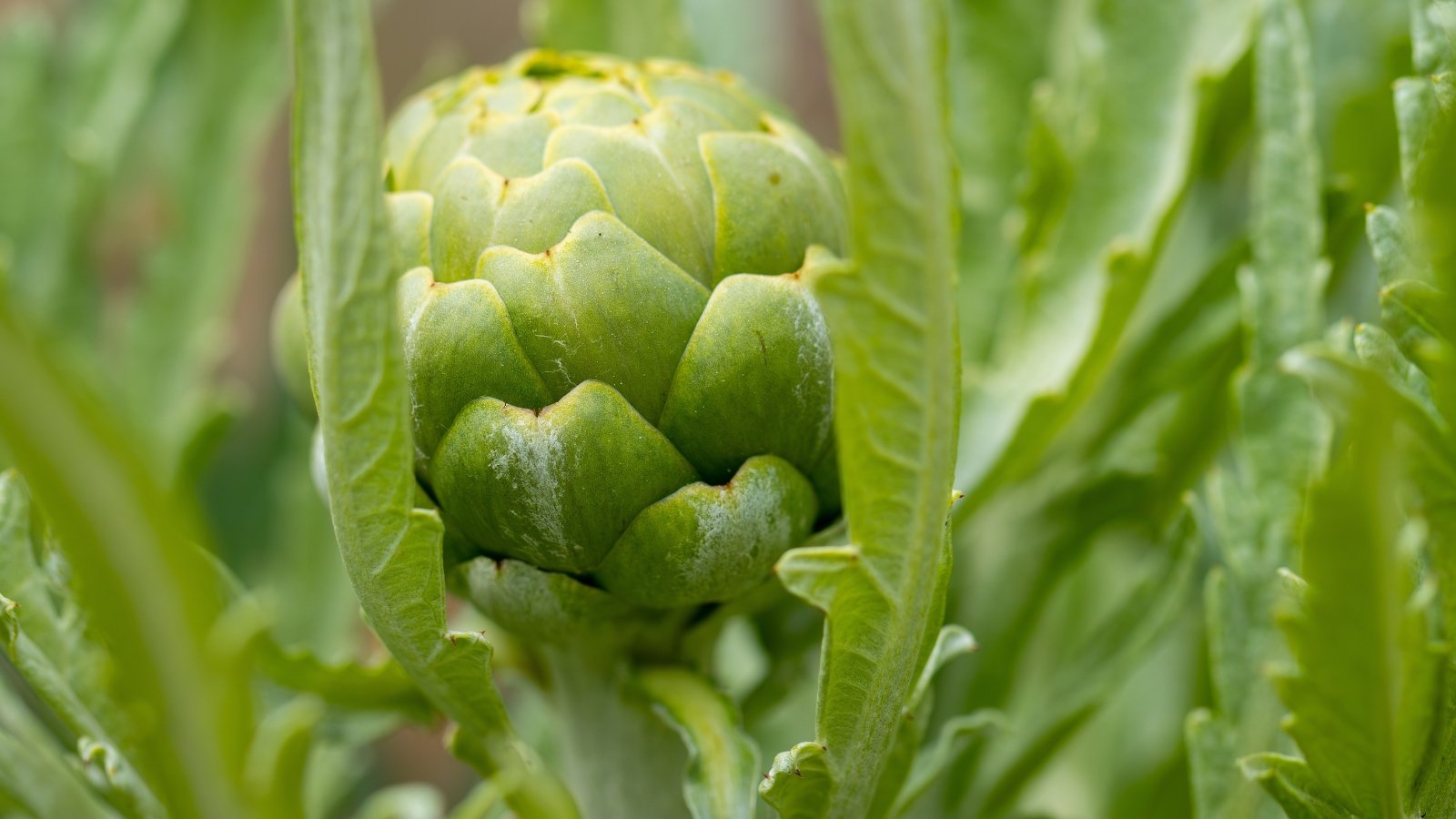
Artichokes are long-maturing vegetables with unique flower forms and silvery green, spiky, frond-like foliage. The edible parts are the underdeveloped flowers, with soft interior leaf tissues and fleshy hearts. The artichokes follow the flush of leaves in cool weather, with three to five buds per plant.
In the upper end of their growing zones, plant artichokes in late summer and early fall. They establish over a mild winter for spring production. Cut back the stalk in the summer to encourage a dormancy period to promote new shoots in the fall.
In cooler climates, start seeds indoors for transplanting after the final frost. Cut back the main trunk in late fall, and insulate the stalks and roots with mulch or straw for overwintering.
‘Green Globe Improved’ is a robust heirloom from 1863 with better production, less spiny tips, and a more uniform habit than other varieties. They mature in five to six months and grow across a range of climates.
Leek ‘King Richard’
|
|
botanical name Allium porrum ‘King Richard’ |
|---|---|
|
|
sun requirements Full sun |
|
|
height 18-30” |
|
|
hardiness zones 4-9 |
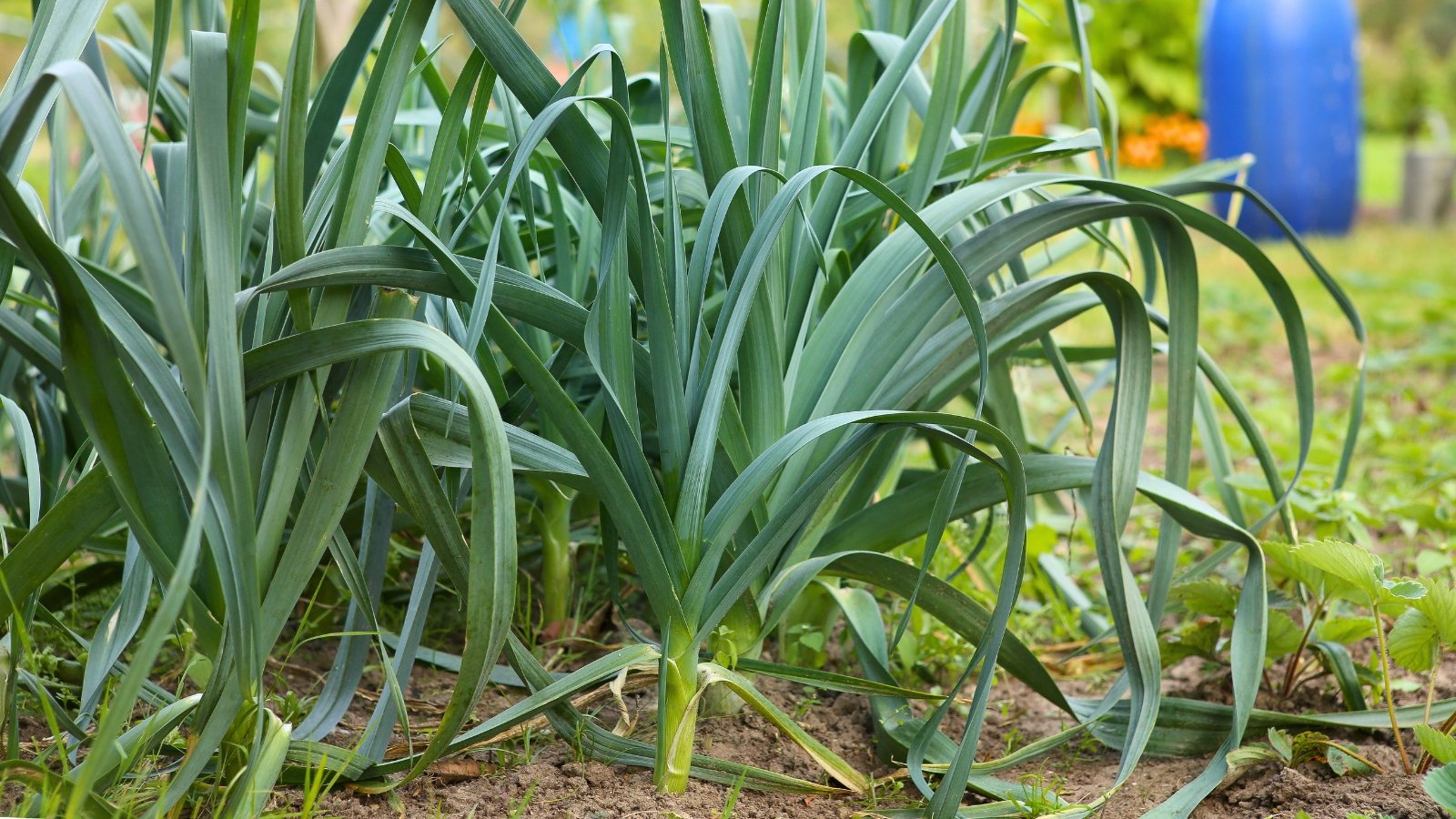
Leeks are a culinary favorite with a rich but mild onion flavor that sweetens with cooking. Often grown as annuals, the alliums are biennials. They develop roots and leafy blades in the first year, followed by seed production before fading in the second year. Because of their clumping bulbs and shoots, subsequent harvests may arise from new shoots if plants remain in the ground.
‘King Richard’ grows dense, long, white stems. Hardy to 20°F (-7°C), the variety matures in 75 days. ‘King Richard’ boasts Royal Horticultural Society Award of Garden Merit status for its robust growth and early harvest as leeks go.
In warm climates, sow seeds of these perennial vegetables in October for a spring harvest. They perform in winter in zone 7 and warmer. In cool climates, sow them four weeks before the average last frost in spring for a late summer harvest. Stagger the yield with a successional round in late spring to enjoy in the fall.
Asparagus ‘Purple Passion’
|
|
botanical name Asparagus officinalis ‘Purple Passion’ |
|---|---|
|
|
sun requirements Full sun to partial shade |
|
|
height 4-5’ |
|
|
hardiness zones 3-9 |
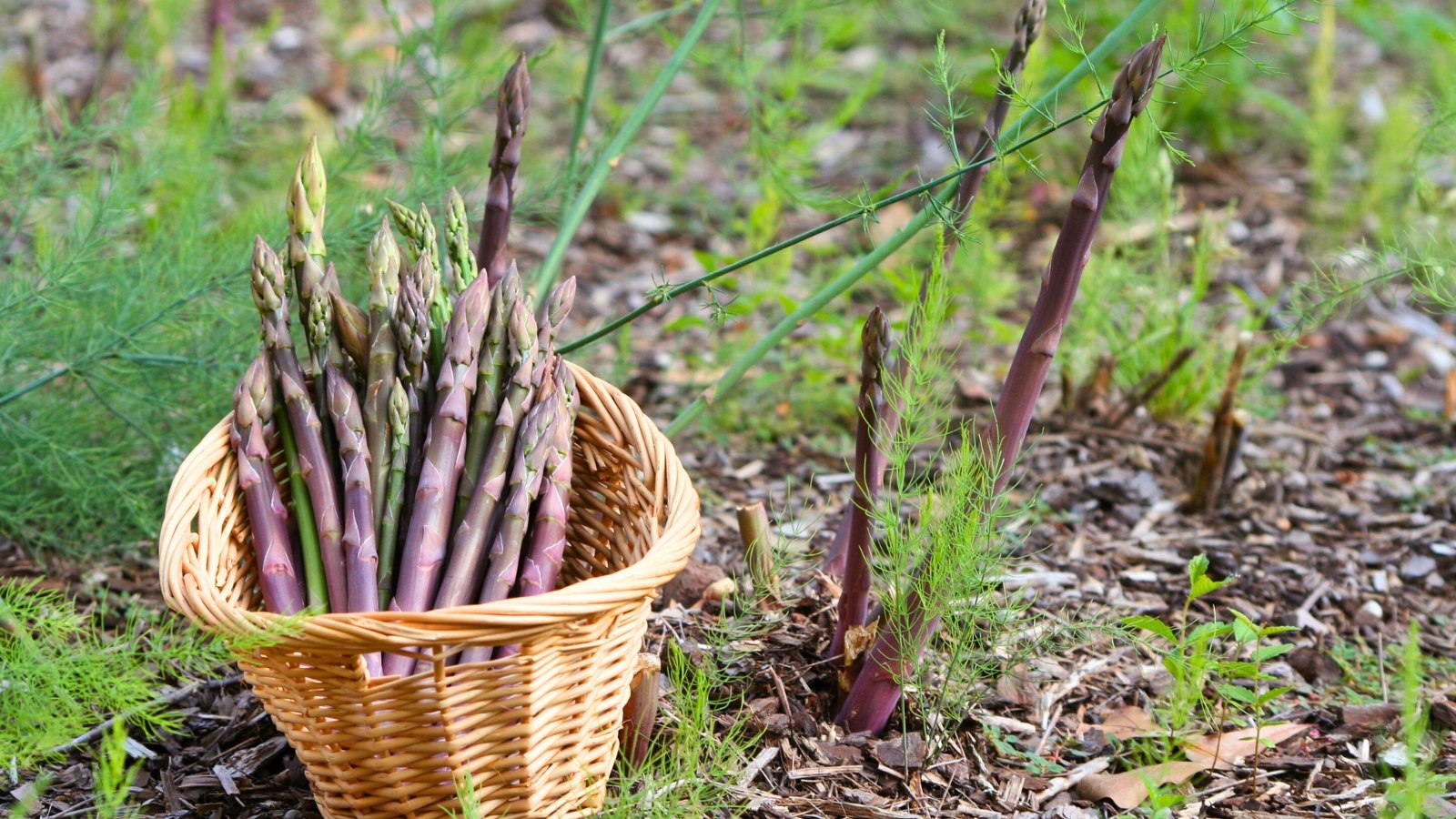
It takes time to realize an asparagus harvest, but once established, the long-lived crop offers years of bounty. The cold-hardy, easy-care perennial can live for 15 years or more in optimal conditions, making it well worth its spot in the garden.
Because of tall, leafy fronds, choose an area with plenty of room where it won’t shade other crops. Along a fence line or the back of the bed are lasting options.
Asparagus is one of the earliest spring vegetables to emerge, and is usually planted in spring, especially in cold climates (April to May). In milder regions, an October planting of the perennial vegetable works well.
‘Purple Passion’ has deep plum spears that turn bright green with cooking. The plump stems have a low fiber content and hold more sugars than green selections, which lend a mild flavor. Thicker than green varieties, the stems also emerge later in the season, protecting sensitive shoots from early frosts. Pair ‘Purple Passion’ with a strong green variety like ‘Millennium’ for a staggered harvest.
Garlic ‘German White Stiffneck’
|
|
botanical name Allium sativum var. ophioscorodon ‘German White’ |
|---|---|
|
|
sun requirements Full sun |
|
|
height 12-24” |
|
|
hardiness zones 4-9 |
While we usually grow garlic as an annual, it is possible to continue the population as bulbs continue to develop. Plant seed garlic in September in cold climates, waiting until October or November in warm climates as temperatures cool.
Garlic bulbs are either hardneck or softneck and suit different climate ranges. Hardnecks require a chill period and do best in cold climates. Softneck varieties are generally smaller bulbs and work well across both cold and hot climates.
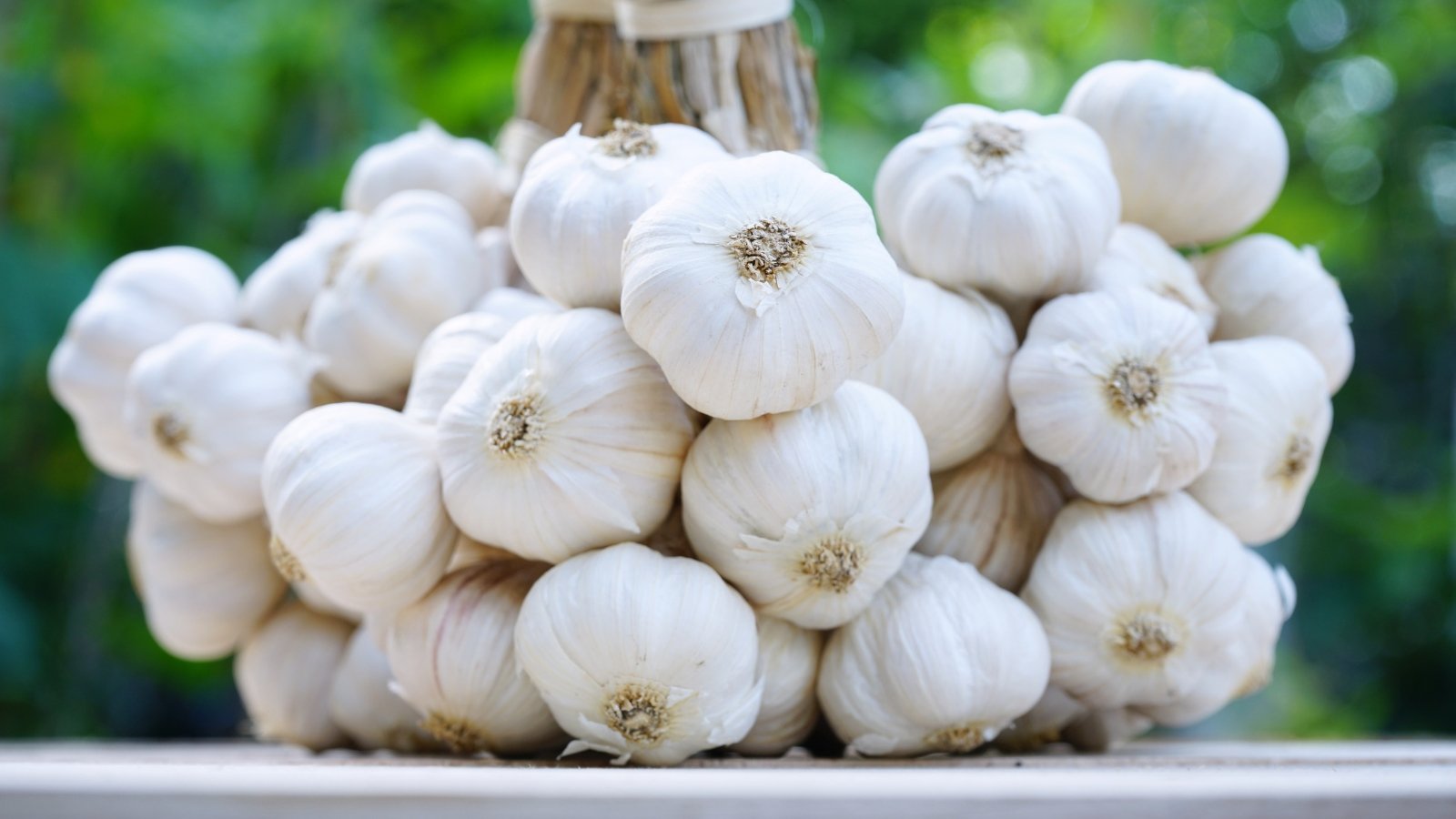
‘German White Stiffneck’ is a favorite hardneck variety for its large cloves with robust, true garlic flavor. High-yielding and low-maintenance, ‘German White’ produces big, silvery white bulbs with juicy, easy-to-peel cloves.
Hardneck garlic needs one to two months of chill time below 40°F (4°C) for healthy growth. To grow ‘German White Stiffneck’ in southern zones, chill bulbs in the refrigerator for about 40 days before planting.
Lovage
|
|
botanical name Levisticum officinale |
|---|---|
|
|
sun requirements Full sun to partial shade |
|
|
height 3-6’ |
|
|
hardiness zones 4-8 |
Lovage is an old-fashioned herb and vegetable with a celery-like flavor in its leaves, stems, and roots. It’s a robust grower that reaches six feet tall, making it ideal for the back of the border.
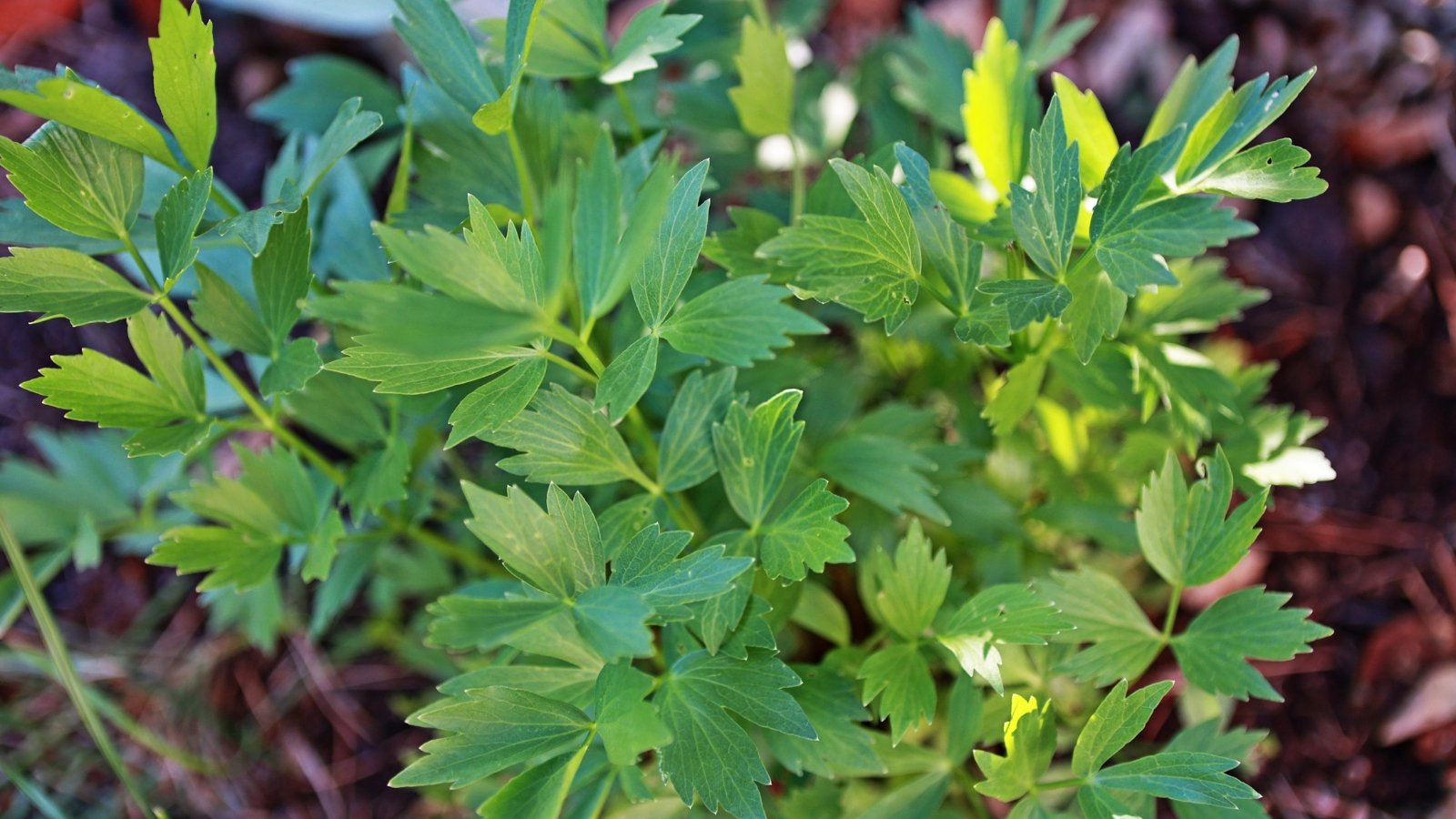
Lovage leaves are flat and feathery, like those of parsley or celery, and are high in vitamin C. Use them fresh in salads and as garnish, and dried for teas and cooking.
Umbels of small yellow flowers emerge in spring, and lovage self-seeds readily. Deadhead spent blooms to prevent the spread. Like fennel, the perennial adapts aggressively in varying soil types and sun exposures.
Perpetual Spinach Swiss Chard
|
|
botanical name Beta vulgaris subsp. Vulgaris ‘Perpetual Spinach’ |
|---|---|
|
|
sun requirements Full sun to partial shade |
|
|
height 20” |
|
|
hardiness zones 3-10 |
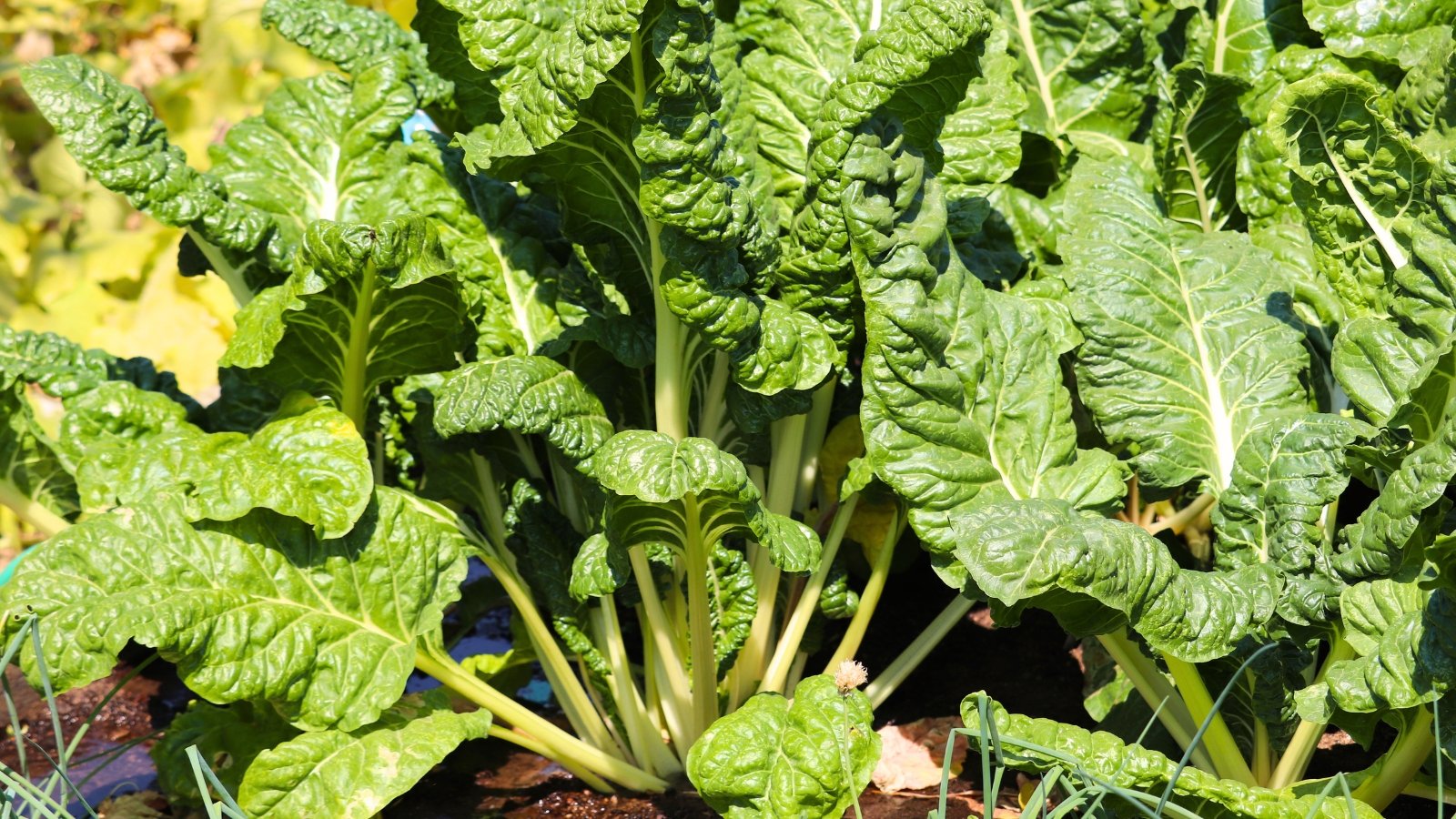
Perpetual spinach is actually a Swiss chard and Italian heirloom. It bears tender, dark green leaves with lighter stems. With a mild flavor, the delicate leaves are best picked early and young. They’re ready in as little as 20 days (up to 50 for large, mature leaves).
Perpetual spinach has better heat tolerance and is slow to bolt in warm conditions. It also has a higher yield than traditional spinach. The biennial that overwinters in mild climates and withstands moderate freezes.
Sow these perennial vegetables in October in warm growing areas. In cold regions, sow in spring a month before the first frost with successional rounds up until two months before fall’s first frost.
Collard ‘Georgia Southern’
|
|
botanical name Brassica oleracea var. viridis ‘Georgia Southern’ |
|---|---|
|
|
sun requirements Full sun to partial shade |
|
|
height 2-3’ |
|
|
hardiness zones 2-11 |
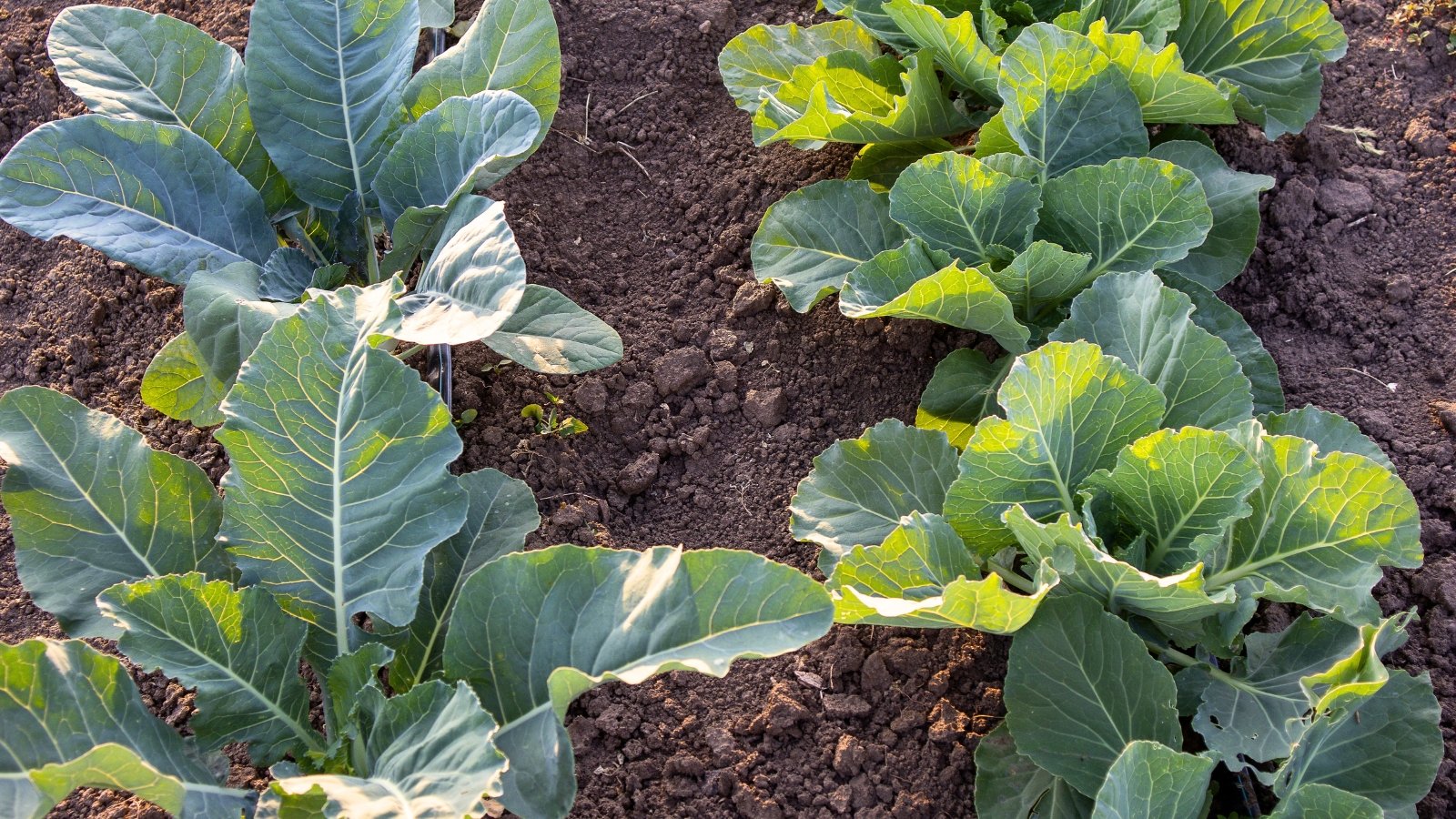
Historically, we associate collards with the American South, but the frost-tolerant crops grow well across regions. Among the most heat and cold-resistant of the Brassicas, they endure seasonal fluctuations and produce from summer through fall. Collards are biennials, producing their leafy growth in the first season and yielding flowers and seeds in the second before fading.
An 1800s heirloom, ‘Georgia Southern’ is a classic variety for fall. The large leaves are ideal for steaming, simmering, or even for enjoying as a fresh wrap. Like kale, tender young leaves are mellow, rich, and hearty in salads.
‘Georgia Southern’ suits different growing zones with strong cold and heat tolerance. It overwinters in climates where temperatures don’t drop below about 20°F (-7°C). It grows well in containers, and sheltering them in a cool space (in pots or bare root), like a garage or basement, protects them in colder winters. Bring them out in spring after the last frost. Enjoy another round of leafy greens, and collect seed after flowering for future sowing.
‘Georgia Southern’ has slightly crinkled, cabbage leaves in blue-green with open, loose heads. They fully mature in 50 to 80 days and are sweetest and most tender after frost. The heirloom grows in sandy and poor soils where other cabbages may not.


