

13 Perennial Bulbs to Plant in October
October is the perfect month for planting perennial spring bulbs. There are so many beautiful ones out there, it can be difficult to choose! Join gardening expert Melissa Strauss to discuss some options.

Contents
October is a prime month in most climates for planting spring-blooming bulbs. The soil is still warm from the summer heat, and the air is pleasantly cool. Autumn rains keep the ground moist, creating the perfect conditions for rapid root growth.
You can plant a wide range of perennial bulbs in October. Some are familiar favorites like tulips and daffodils. Others may be new to you, and who doesn’t love a new discovery in the garden?
Planting your bulbs in the fall has one additional, and imperative benefit. It exposes them to the cold temperatures they need to flower. This process, called vernalization, is one that you can perform artificially. If you don’t get your bulbs in the ground on time, storing them in the fridge will work in a pinch.
October, and fall planting in general, is the preferred and most reliable method to get those gorgeous spring flowers. If you’re having a hard time choosing or want some new ideas, I’ve got some beautiful ones. Here are some of my favorite perennial bulbs to put in the ground in October.


Tulip

|
botanical name Tulipa spp. |
|---|---|

|
sun requirements Full sun |

|
height 6”-28” |

|
hardiness zones 3-8 |
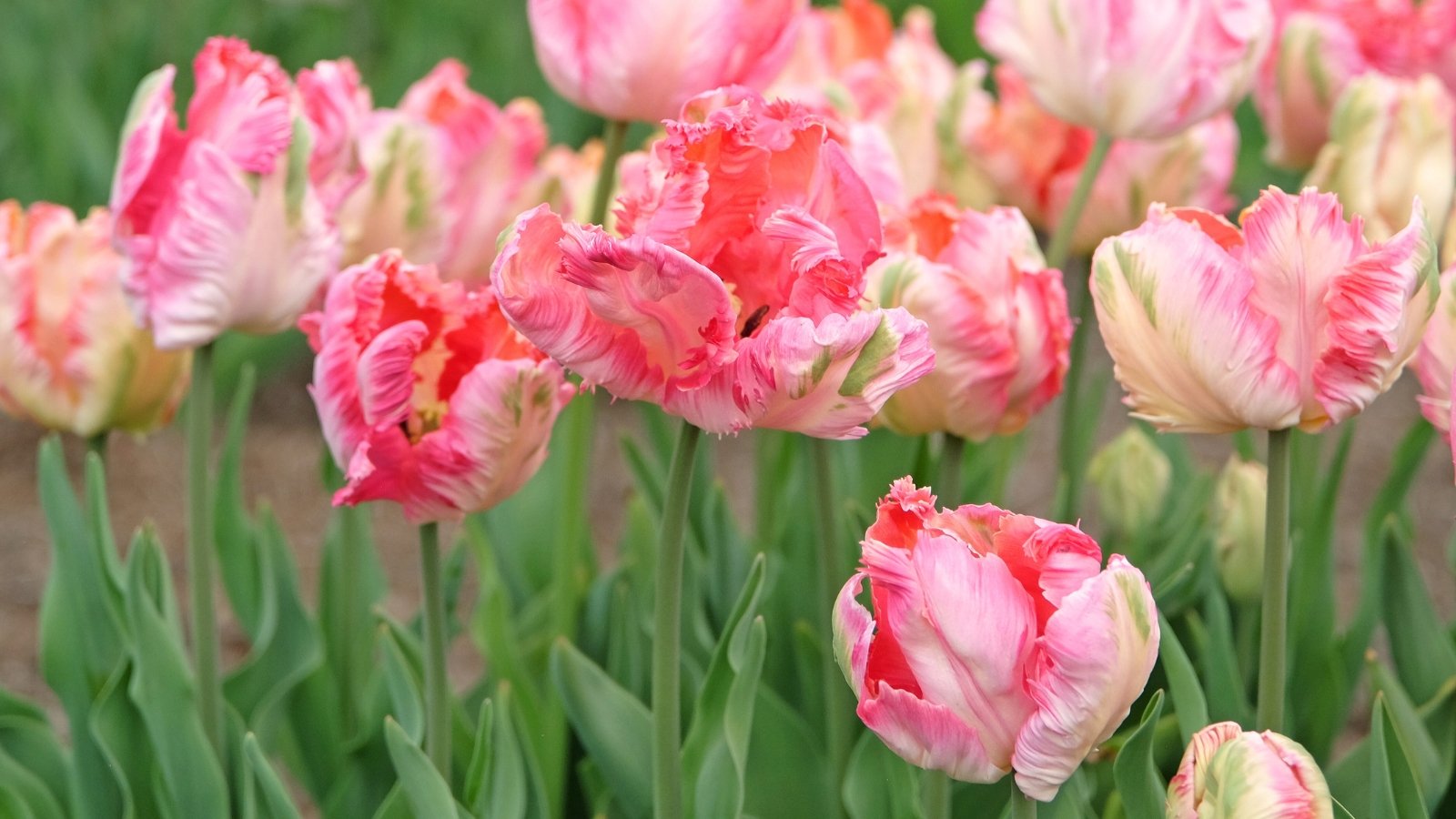
Tulips are the classic perennial bulbs that you can plant in October. There are an incredible number of cultivars and a wide range of flower forms. There are 15 official groups that range from early to late blooming.
Some of the most popular are parrot tulips, which are extra fancy, and Darwin tulips, which are tall and sturdy. There’s a reason tulips are one of the top three most popular flowers in floristry. For the border, container garden, or cutting garden, you can’t beat these lovely flowers.
Daffodil
|
|
botanical name Narcissus spp. |
|---|---|
|
|
sun requirements Full sun to partial shade |
|
|
height 4”-24” |
|
|
hardiness zones 3-9 |
Daffodils are a bit more reliable and heat-tolerant than tulips, particularly if you live in the south. I grow daffodils here in zone 9, and they do relatively well. I do dig them up for the summer and store them indoors. Make sure you choose a more heat-tolerant variety if you are in zones 8 or 9. Their ideal range is zones 3 to 7.
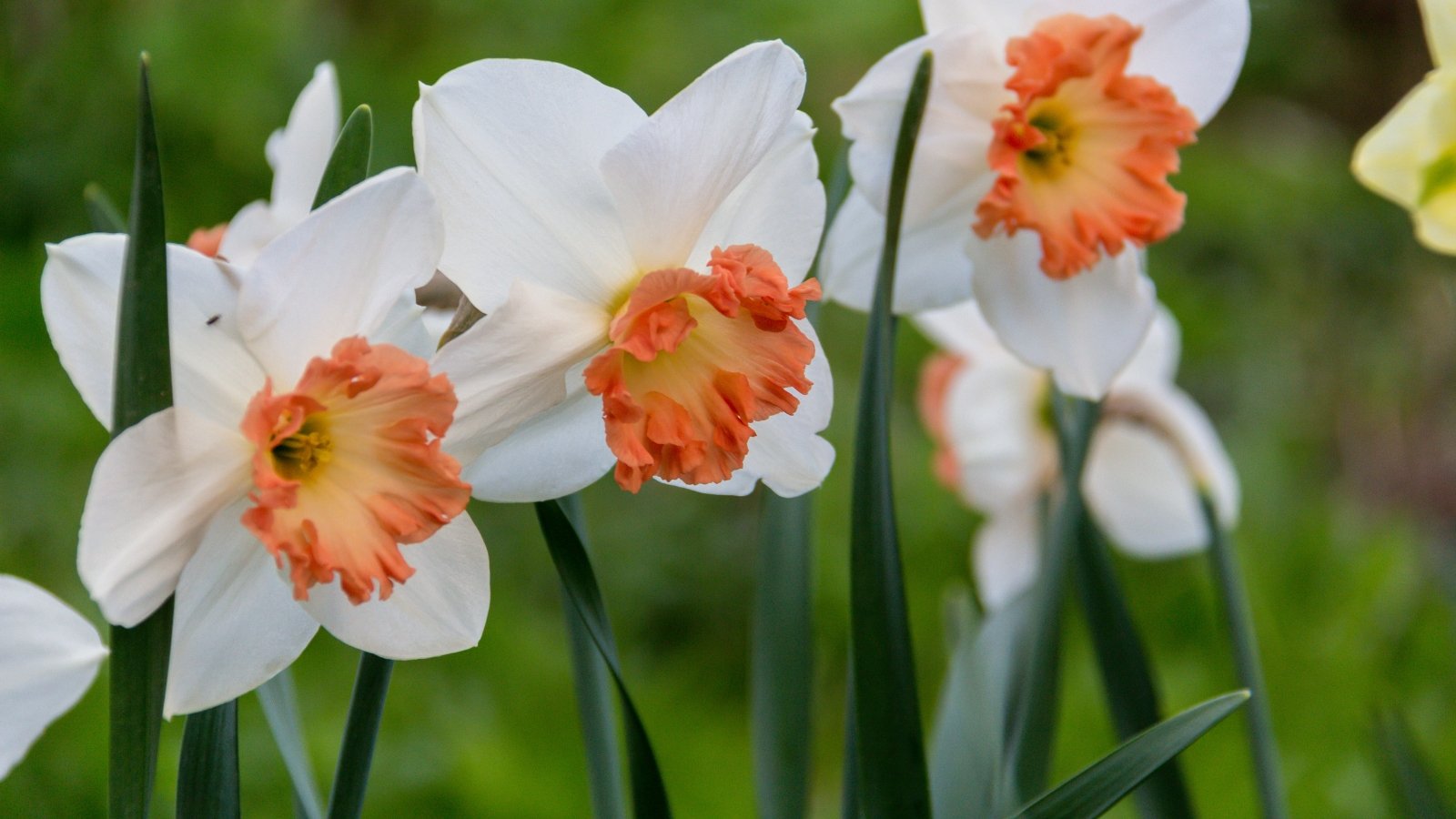
These are a favorite of mine. I love their mild, green fragrance and their cheery little sunshine faces. They also come in a wide range of flower forms. While the standard is solid yellow, they come in many variations and sizes.
‘Pink Charm’ is a simple and stunning variety with a pink cup and white ray petals. These classic perennial bulbs are great for planting in October.
Hyacinth
|
|
botanical name Hyacinthus orientalis |
|---|---|
|
|
sun requirements Full sun |
|
|
height 6”-12” |
|
|
hardiness zones 4-9 |
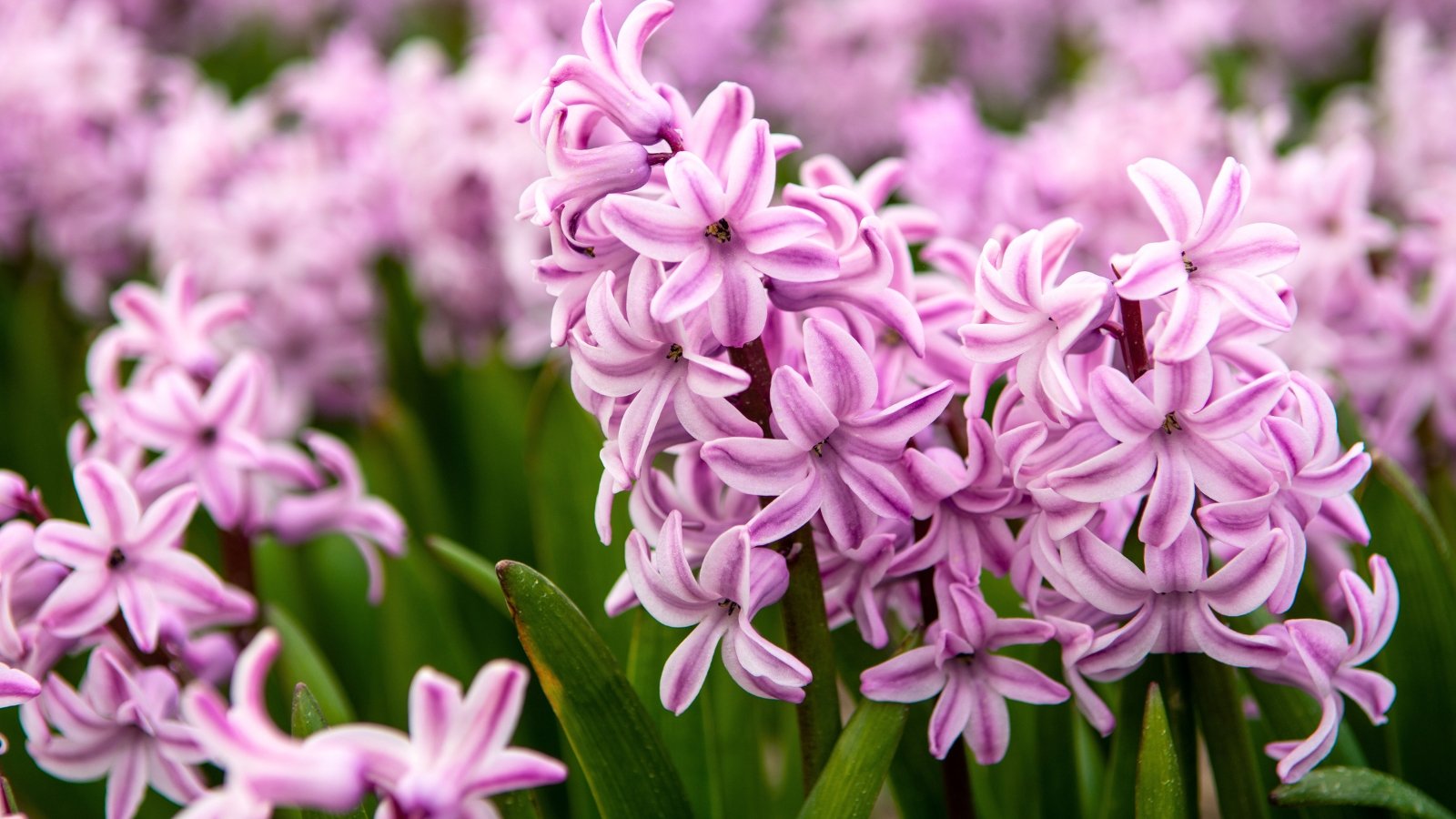
Hyacinths, for me, have the smell of spring. They’re so beautifully fragrant; they were my first ever favorite flower as a child. They’re a great perennial bulb to plant in October.
In cooler zones, these are reliably perennial. In zones 8 and 9, they are less reliable, so you may want to plant new bulbs every few years. The climate may weaken them over time.
These are slightly less variable than tulips and daffodils, but there are some variations. Double-petaled types are beautiful, and both double and single-petaled come in a wide array of colors. These are early to mid-spring bloomers.
Crocus
|
|
botanical name Crocus spp. |
|---|---|
|
|
sun requirements Full sun to partial shade |
|
|
height 3”-6” |
|
|
hardiness zones 3-8 |
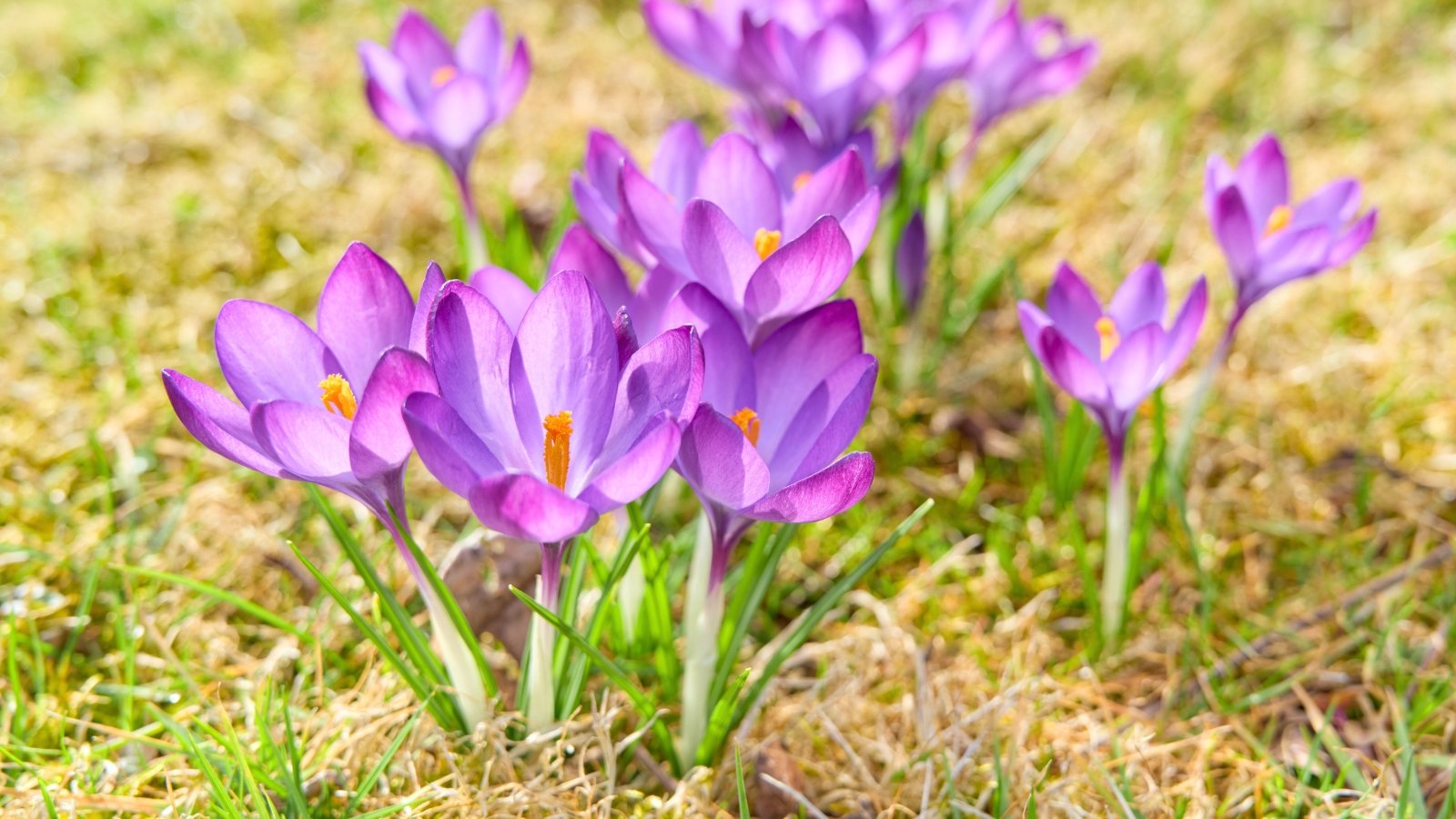
Crocuses are one of the earliest perennial bulbs to pop up in late winter and early spring. They will often peek right out of the snow if you get them in the ground by October.
These small and sweet blooms are naturalizing and will colonize beautifully over time. They do need cold winters. Here in zone 9, I’ve not had much luck.
As with all of these bulbs, well-drained soil is imperative to this one. They stay low growing, and provide a good early nectar source for pollinators as they come out of hiding. Plant them in drifts, in odd numbers for the most natural look. They will form a pretty floral carpet eventually.
Muscari
|
|
botanical name Muscari spp. |
|---|---|
|
|
sun requirements Full sun to partial shade |
|
|
height 6”-8” |
|
|
hardiness zones 4-9 |
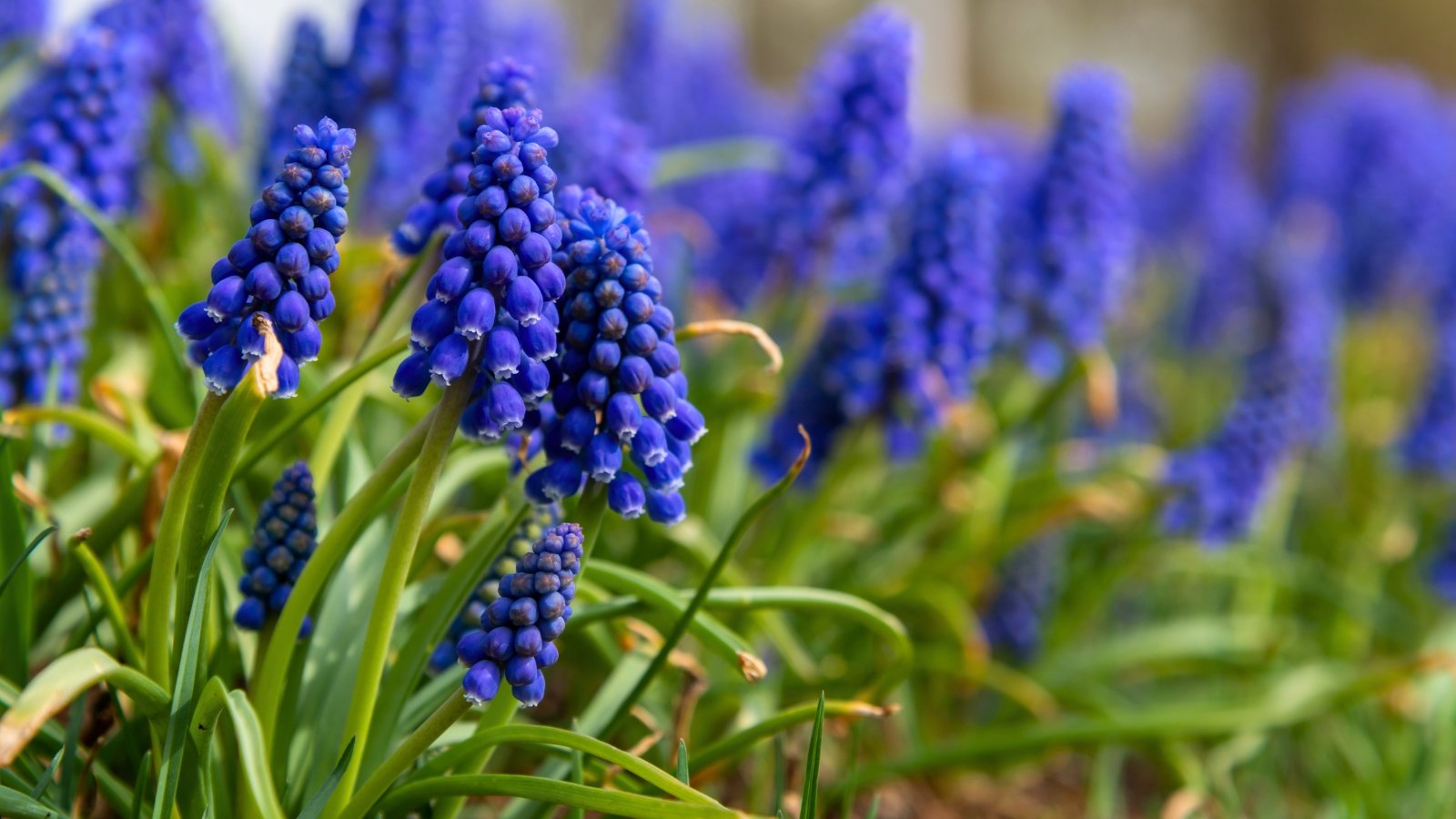
Muscari, also called grape hyacinths, are tough perennial bulbs that you should definitely plant in October. They are one of the most versatile bulbs on the list, and thrive all the way down to zone 9. They are particularly dependable in the Southeast compared with most bulbs.
These are mid-spring bloomers and form colonies over time. Some have a sweet fragrance, and they are good pollinator food early in the season. Their diminutive height makes them excellent for layering with taller flowers. They fill in between daffodils fabulously.
Allium
|
|
botanical name Allium spp. |
|---|---|
|
|
sun requirements Full sun |
|
|
height 6”-4’+ |
|
|
hardiness zones 4-9 |
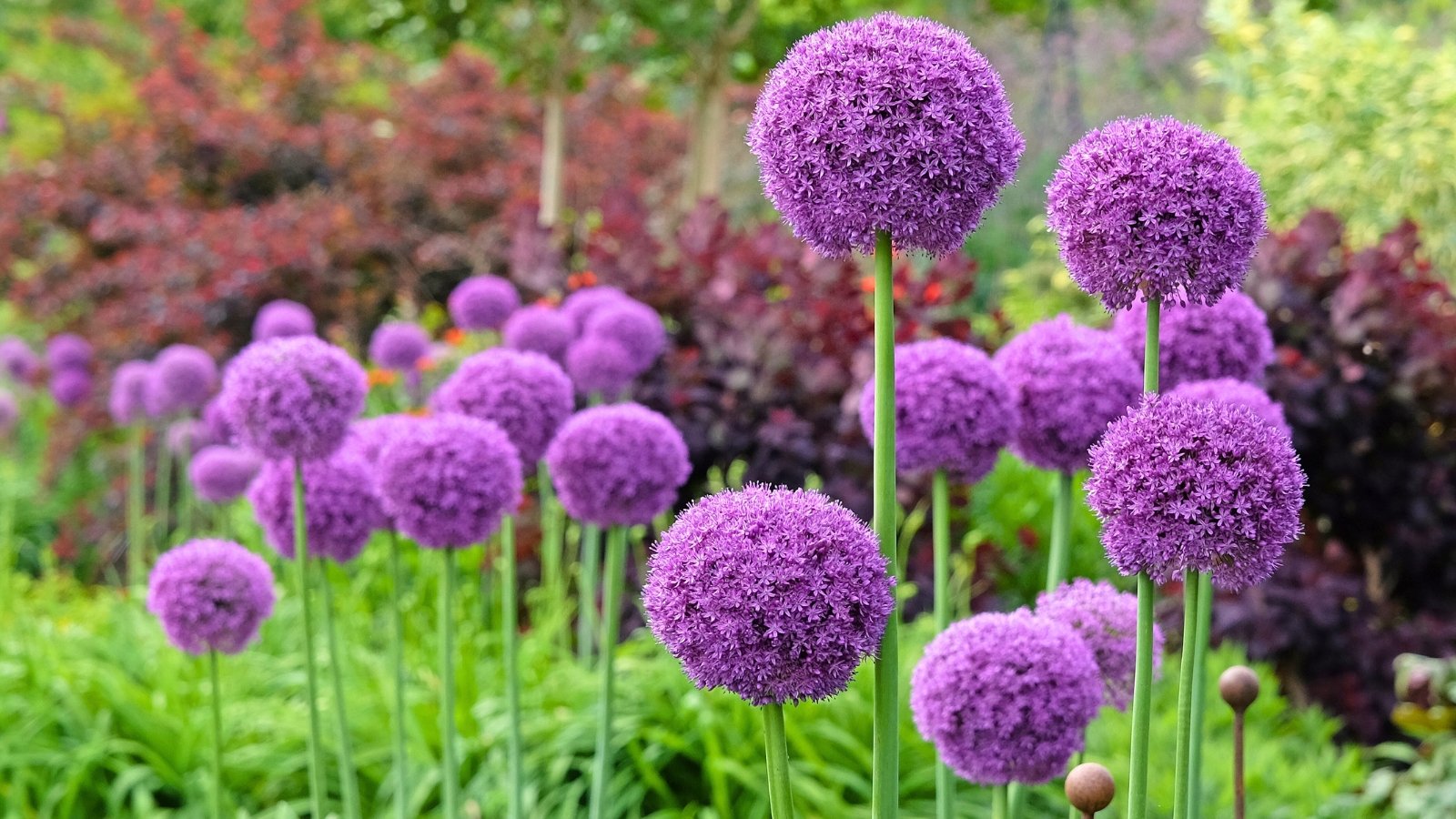
Alliums are fantastic perennial bulbs that you can plant in October. These ornamental onions are incredible spring bloomers that produce large, globe-shaped flower heads. They come in a wide variety of sizes, from dwarf six-inch cultivars to giants at four feet or taller.
These need a lot of sunlight to hold up their tall, strong stems. Particularly the taller varieties. If the stems are not strong enough, these will flop over. They bloom in late spring, sometimes into early summer, depending on your climate.
Snowdrop
|
|
botanical name Galanthus spp. |
|---|---|
|
|
sun requirements Partial to full shade |
|
|
height 4”-8” |
|
|
hardiness zones 3-8 |
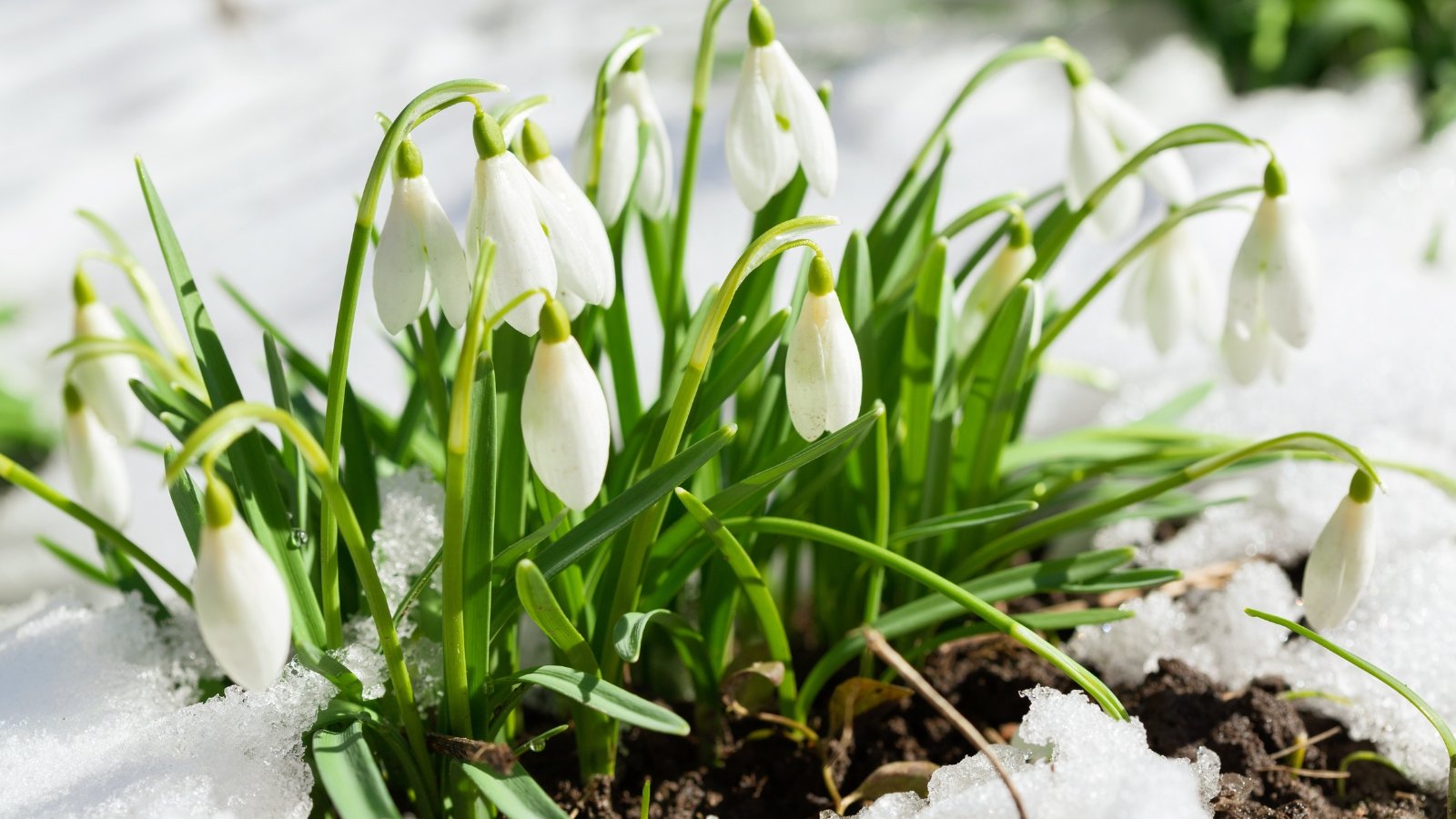
Snowdrops are another early bloomer that can sprout up from beneath the snow. It works well alongside crocuses for this reason. These need significant cold exposure, so they’re only perennial bulbs as far south as zone 8.
In their element, these are long-lived perennials that colonize beautifully. Plant these perennial bulbs in October for the earliest spring flowers.
Plant your snowdrop bulbs in drifts, in odd numbers. These woodland flowers prefer partial shade or dappled light. They spread by bulbs and seeds, so plant these in a spot where you want them to spread. They are simply stunning when they create a delicate white carpet.
Glory-of-the-Snow
|
|
botanical name Chionodoxa spp. |
|---|---|
|
|
sun requirements Full sun to partial shade |
|
|
height 4”-6” |
|
|
hardiness zones 3-8 |
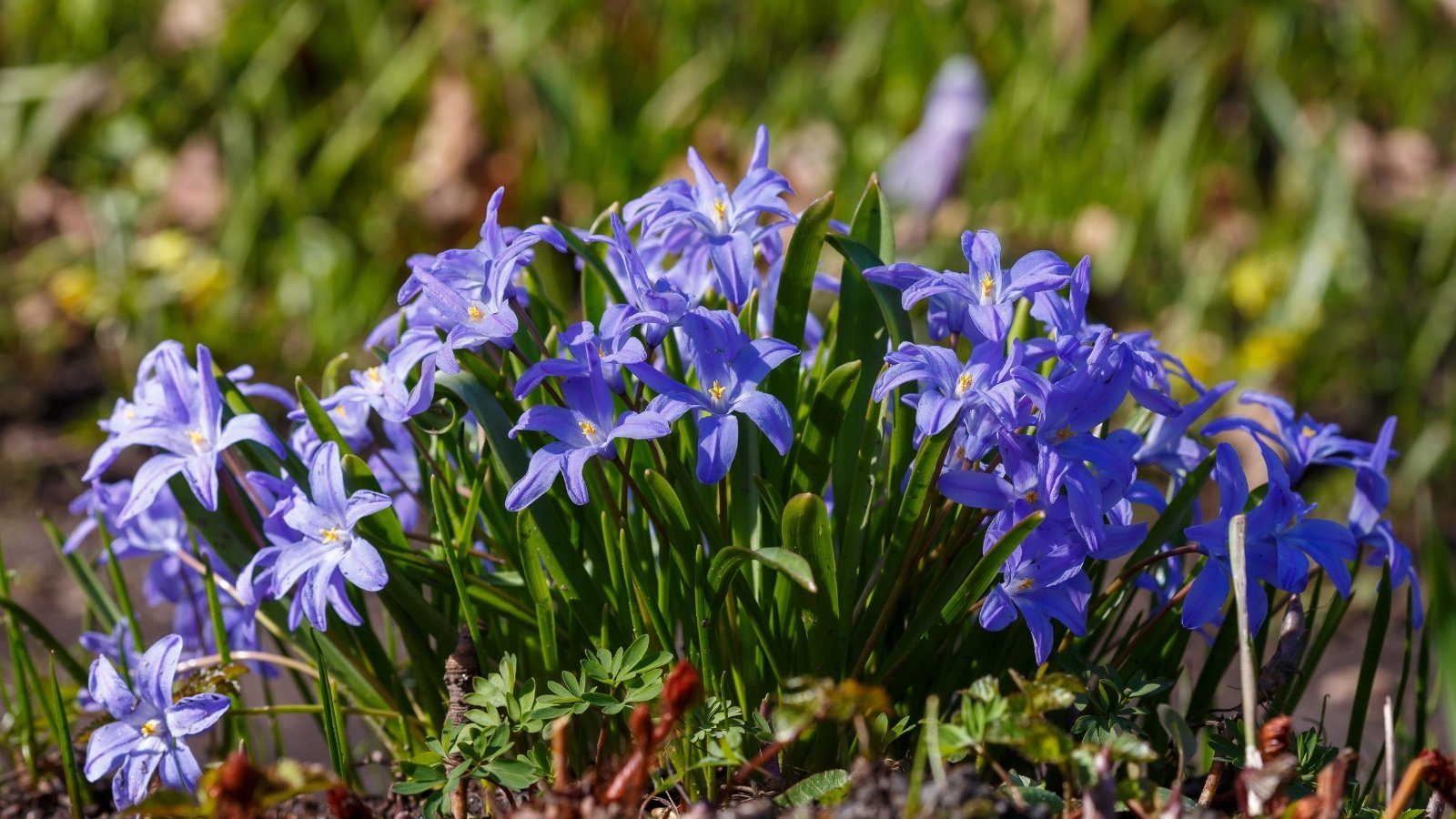
Glory-of-the-snow is a delicate and beautiful early-spring bloomer. Plant these perennial bulbs in October to bring your garden back to life as early as possible. They are similar in size and habit to snowdrops and crocuses, so you can use them in a similar manner.
Like other woodland flowers, these thrive in partial shade, though they will survive in full sun. They spread easily through bulb offsets, forming incredible carpets over time. You can layer these with any other flower. They are humble, but great bloomers, and their bright blue flowers go with anything.
Winter Aconite
|
|
botanical name Eranthis hyemalis |
|---|---|
|
|
sun requirements Full sun to partial shade |
|
|
height 3”-6” |
|
|
hardiness zones 3-7 |
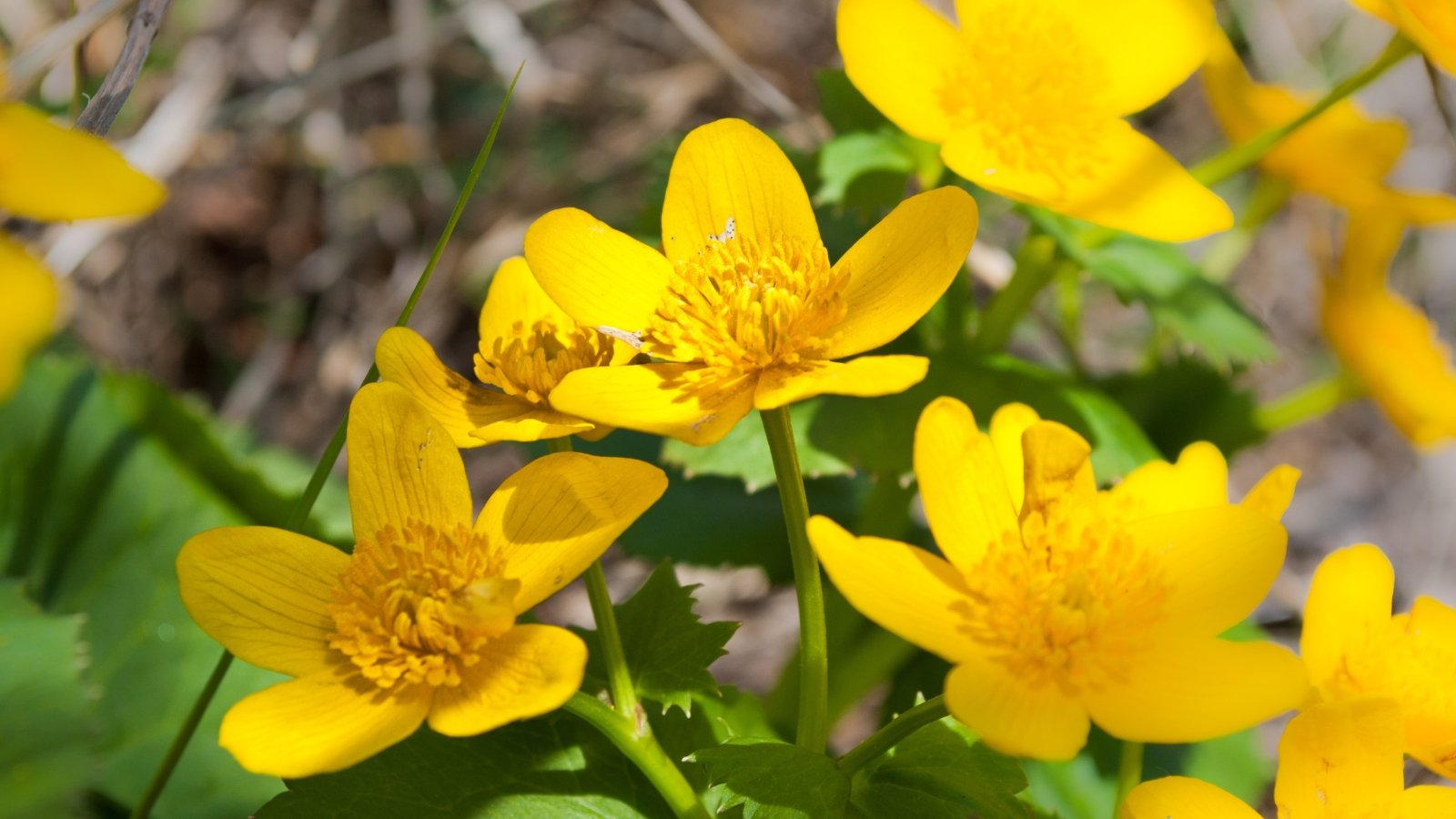
Winter aconite joins the petite, early bloomers on the list and adds a sunny yellow twist. These bright and cheery flowers resemble buttercups. Plant these perennial bulbs in October and you’ll be on your way to a gold carpet in no time. These perennials are reliable in cooler regions, but they can be short-lived in zone 8.
This plant lays claim to an Award of Garden Merit from the Royal Horticultural Society. It’s a stunning winter ground cover, with dense, low-growing, dark green foliage. The flowers appear first, and the leaves follow. These have a cottage garden vibe and are great for planting around walking paths with stepping stones.
Spanish Bluebells
|
|
botanical name Hyacinthoides hispanica |
|---|---|
|
|
sun requirements Full sun to partial shade |
|
|
height 6”-18” |
|
|
hardiness zones 3-8 |
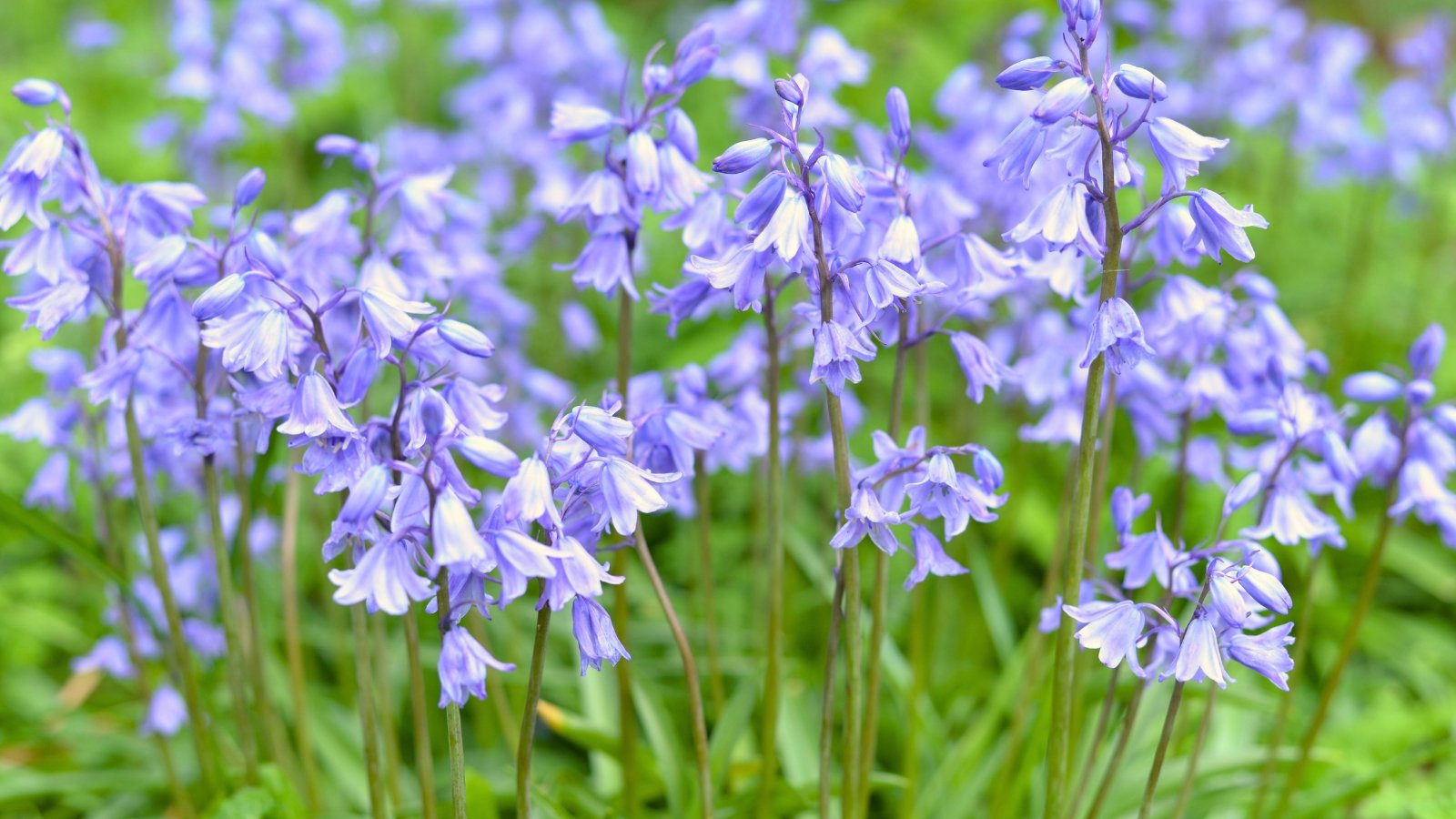
This carefree naturalizer is tolerant and adaptable. Plant these perennial bulbs in October for sweet, fragrant, blue blossoms in the spring. These bloom mid-to-late in the season, so they are a nice follow-up for some of the earlier bloomers. Plant these in with your snowdrops for a longer display.
Spanish bluebells prefer some shade, but at least four hours of sun daily. They’re tall and have loose clusters of bell-shaped flowers. They’re typically blue, but some pink and white cultivars do exist.
Siberian Squill
|
|
botanical name Scilla siberica |
|---|---|
|
|
sun requirements Full sun to partial shade |
|
|
height 4”-6” |
|
|
hardiness zones 2-8 |
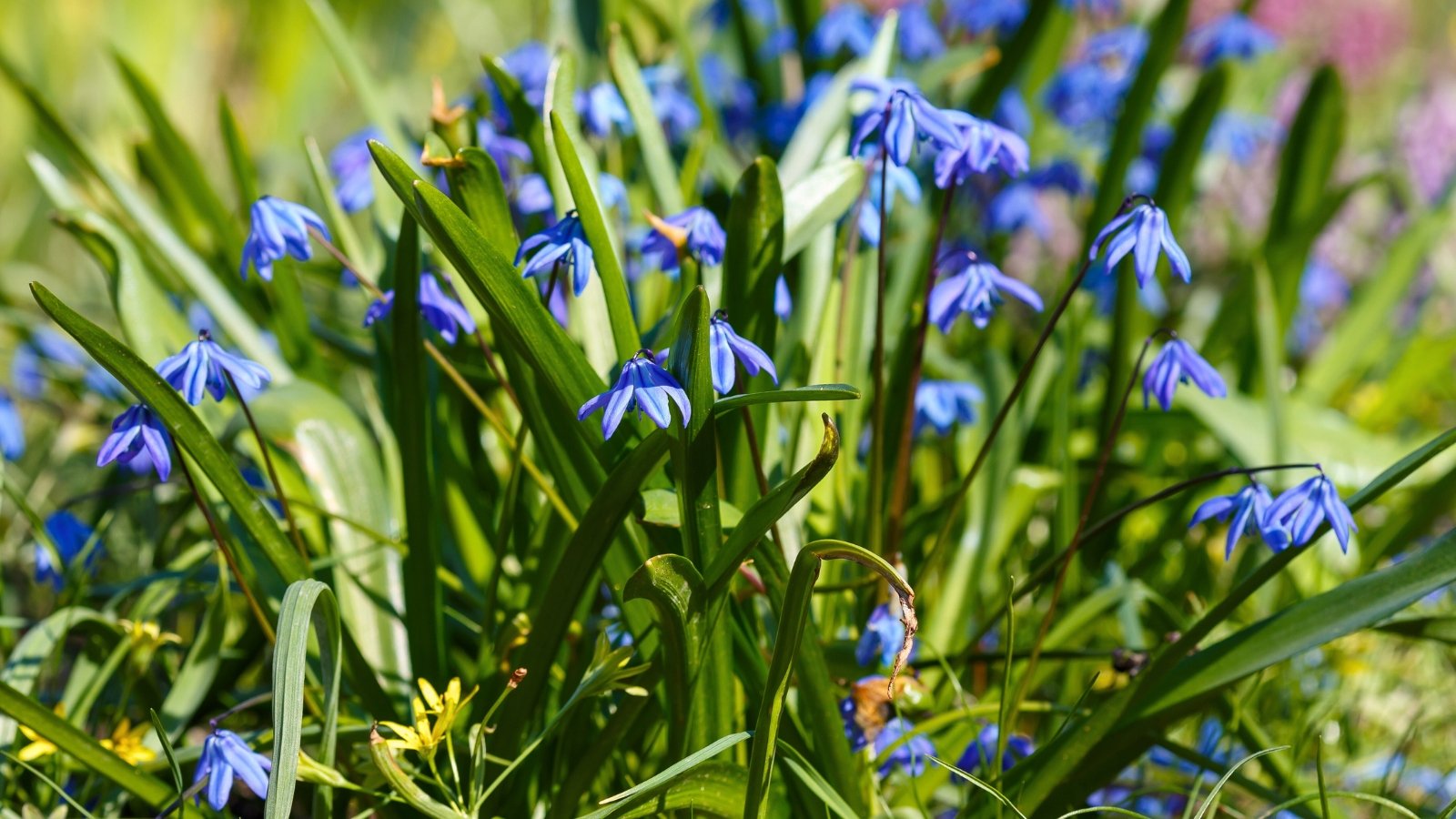
Siberian squill is a tough little plant that tolerates extremely cold winters. In zone 2, this is one plant that you can rely on in the spring. Make sure you plant in full sun in colder climates, and partial shade in warmer regions.
Once established, these perennial bulbs can thrive in a wide range of soil conditions, including sand and clay. This is part of the reason they tend to invade areas of the Midwestern United States.
These perennial bulbs are often planted throughout lawns because they bloom early, before you need to mow. The result is a blue lawn before your green one gets back to growing. Plant these in drifts, similar to crocus, in odd-numbered groups. They spread by seeds and offsets, forming carpets over time.
Camassia
|
|
botanical name Camassia spp. |
|---|---|
|
|
sun requirements Full sun to partial shade |
|
|
height 12”-36” |
|
|
hardiness zones 3-9 |
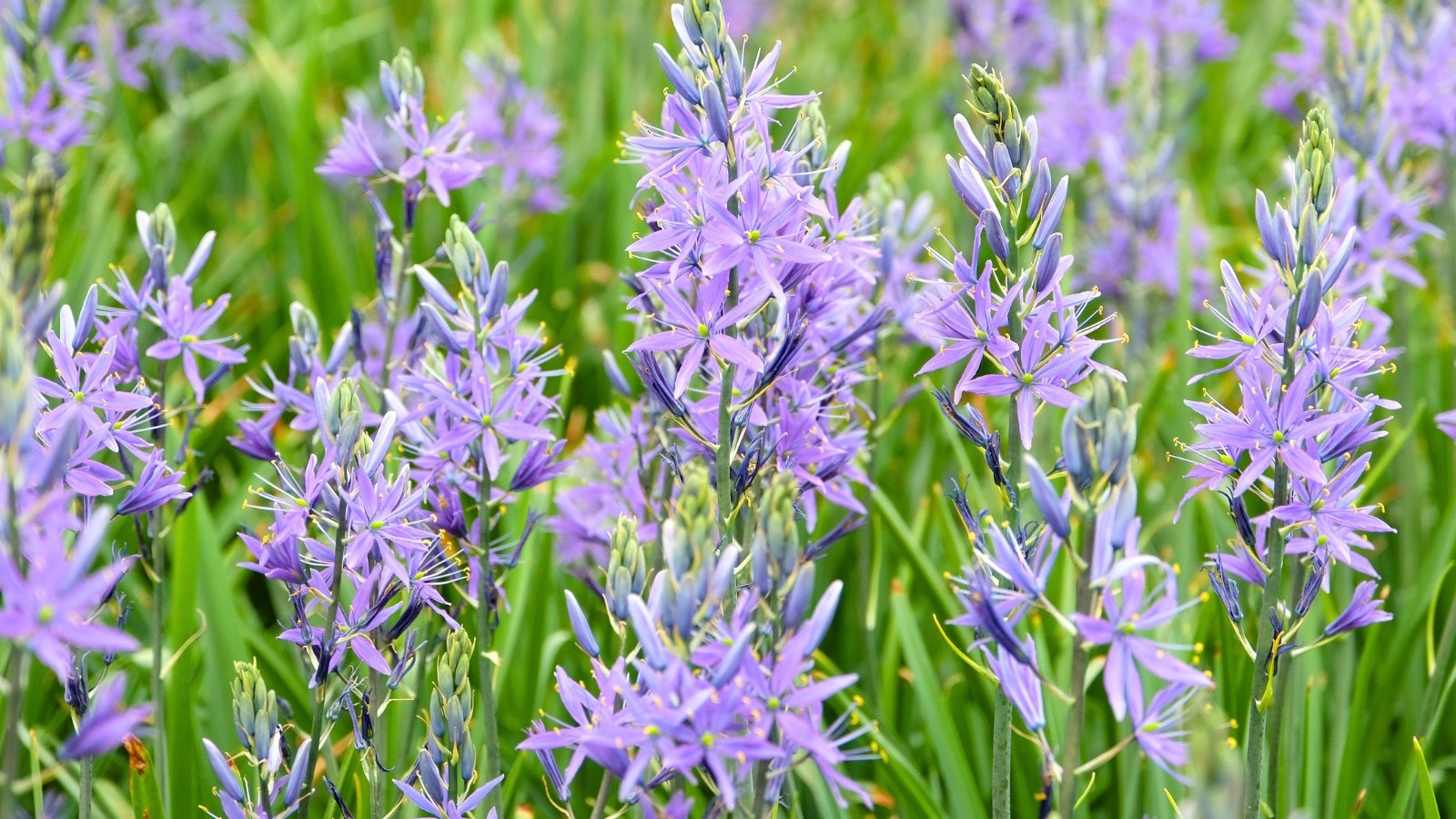
Camassia is a stunning North American perennial bulb. It’s hardy across most of the U.S. and is a reliable one for the Southeast. Plant these late spring bloomers in October along with your other spring bulbs. This one is unusual because it tolerates clay soil, when many bulbs will rot in these conditions.
Camassias are meadow flowers that spread slowly by seeds and offsets. They will naturalize over time, but it happens more slowly than with many. They are clumping and long-lived in most parts of the country.
Fritillaria
|
|
botanical name Fritillaria spp. |
|---|---|
|
|
sun requirements Full sun to partial shade |
|
|
height 4”-36”+ |
|
|
hardiness zones 4-9 |
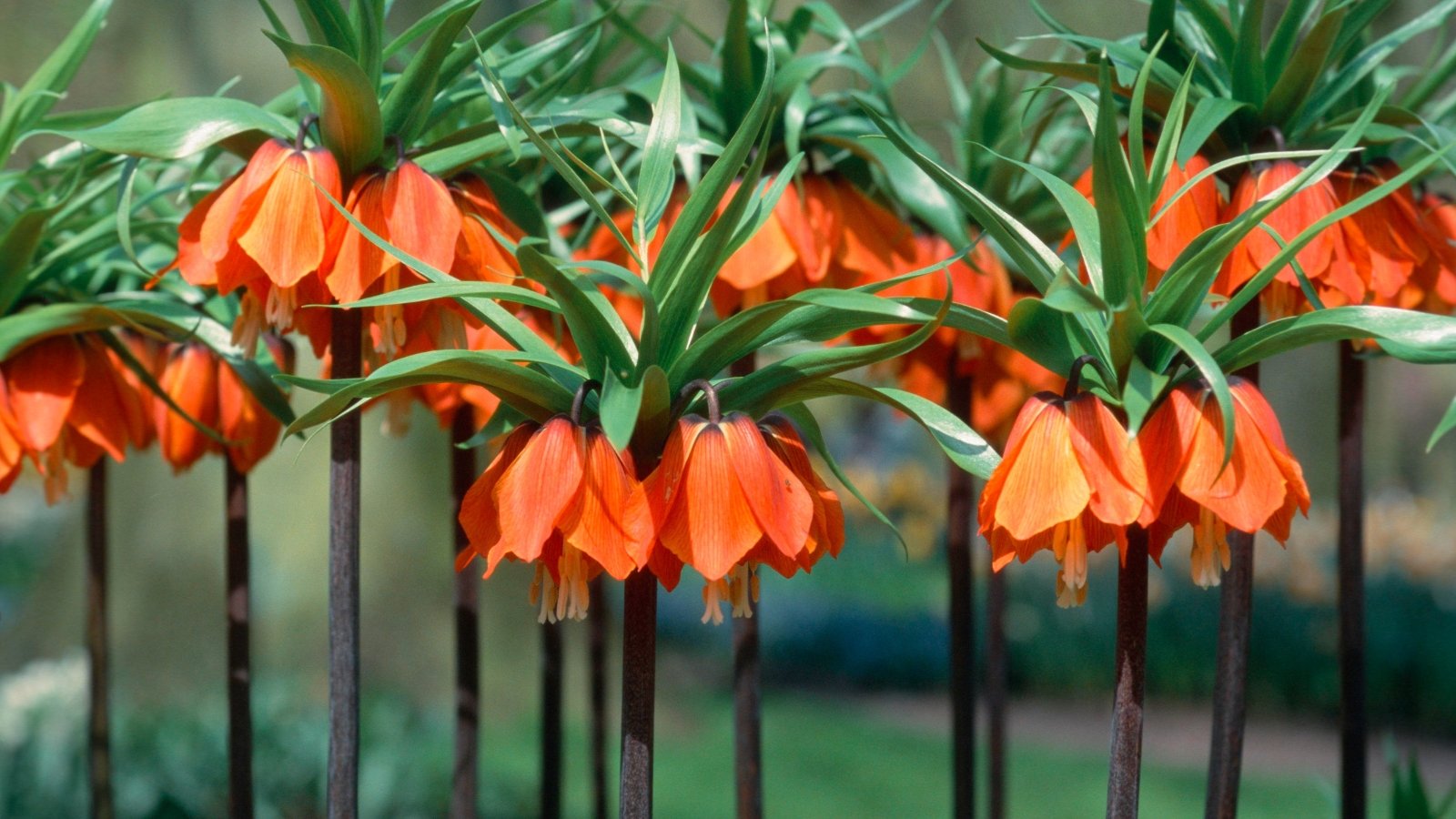
Fritillarias are a nice way to add some tropical flair to your spring garden. Well-drained soil is important for these; they prefer a sandy loam.
There is a wide range of sizes and flower forms, with crown imperials being the most eye-catching and flamboyant. These tall stems produce bright orange or yellow bell-shaped flowers that hang downward.
These are wonderful for the cutting garden. You can use them for layering in all different heights. They do well in climates with dry summers and are prone to rot in wet soil. Plant these perennial bulbs in October for a lovely surprise mid-spring.


