How To Garden With the Moon Phases
The moon, as an ancient timekeeper and astronomical force, has a bearing on plant vigor for those attuned to lunar gardening. Gardening with the moon phases is about harnessing the physical effects of lunar activity on water draw and gravitational pull. Timing the phases with planting and harvesting yields the juiciest crops and the most robust roots. Here, we explore the historic method and how to try moon gardening in our own landscapes to measure results.

Contents
Gardening with the moon’s phases is an ancient practice (and it doesn’t refer to gardening at night or creating moon gardens).
Early civilizations, from indigenous tribes across the globe to the Egyptians and the Mayans, relied on the moon and other celestial bodies to keep time. Benjamin Franklin, in his Poor Richard’s Almanac, highlighted the astronomical calendar and pulled from tradition as it relates to farming schedules. For as long as people have been keeping time by the lunar cycle, its influences have impacted agricultural and seasonal planting schedules.
While the sun’s impact on plant health and processes is noticeable, gardening with the moon brings more subtle benefits. Those who practice lunar gardening are in tune with the nuances of moisture draw in the soil and gravitational pull that inform what to plant, when to plant, and when to harvest.
While there isn’t much research or scientific evidence to substantiate the effects of moon phase gardening on plant growth, folkloric tradition supports the practice with deep roots. From the Italian orto to modern biointensive farms, gardeners look to the moon.
In our own gardens, it can’t hurt to coordinate with the heavenly bodies. If your busy schedule allows, give moon phase gardening a try to draw conclusions about the historic method. Use it in conjunction with the best growing conditions for the selection, including climate, sun exposure, soil health, and moisture requirements.
Moon Phase Gardening
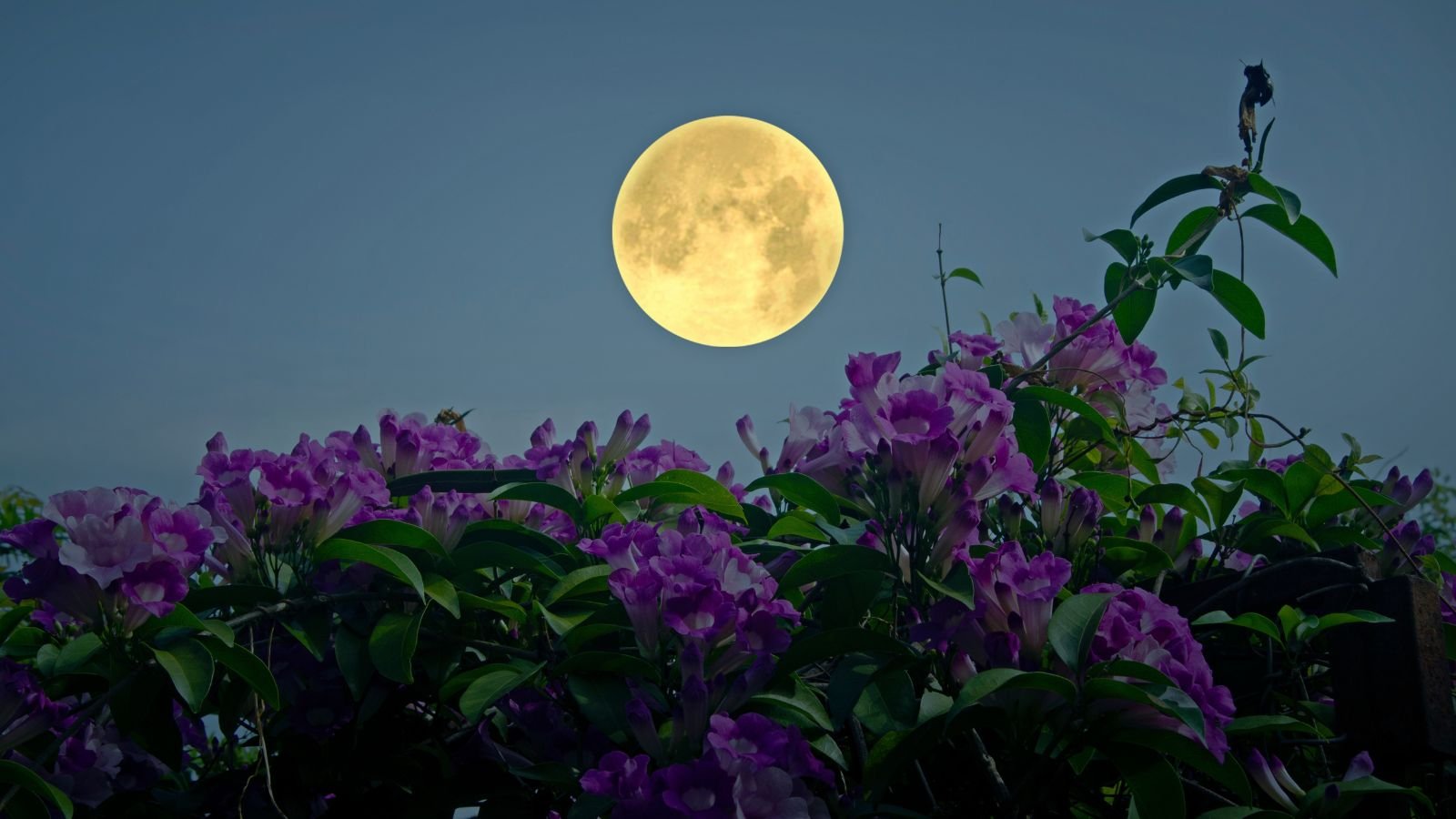
The moon has two primary cycles: waxing as it moves from new to full and waning as it moves back toward new. The waxing phases build from the new moon to the full moon, with waning as the full moon winds down to begin again as new.
With moon phase gardening, just as the moon has the power to impact ocean tides, it affects the draw of water into and away from the soil surface. A full moon means more moisture toward the soil surface for water-filled roots and stems. A waning cycle means water withdraws deeper into the soil layers.
What to plant with the moon phases is part of the inherent knowledge studied and passed down for centuries. The moon’s draw also impacts the best time to harvest certain crops. While seasonality and climate are the overall guides of when and what to plant, lunar gardening becomes a more specific timetable within the planting and transplanting window.
Waxing Moon: What to Plant
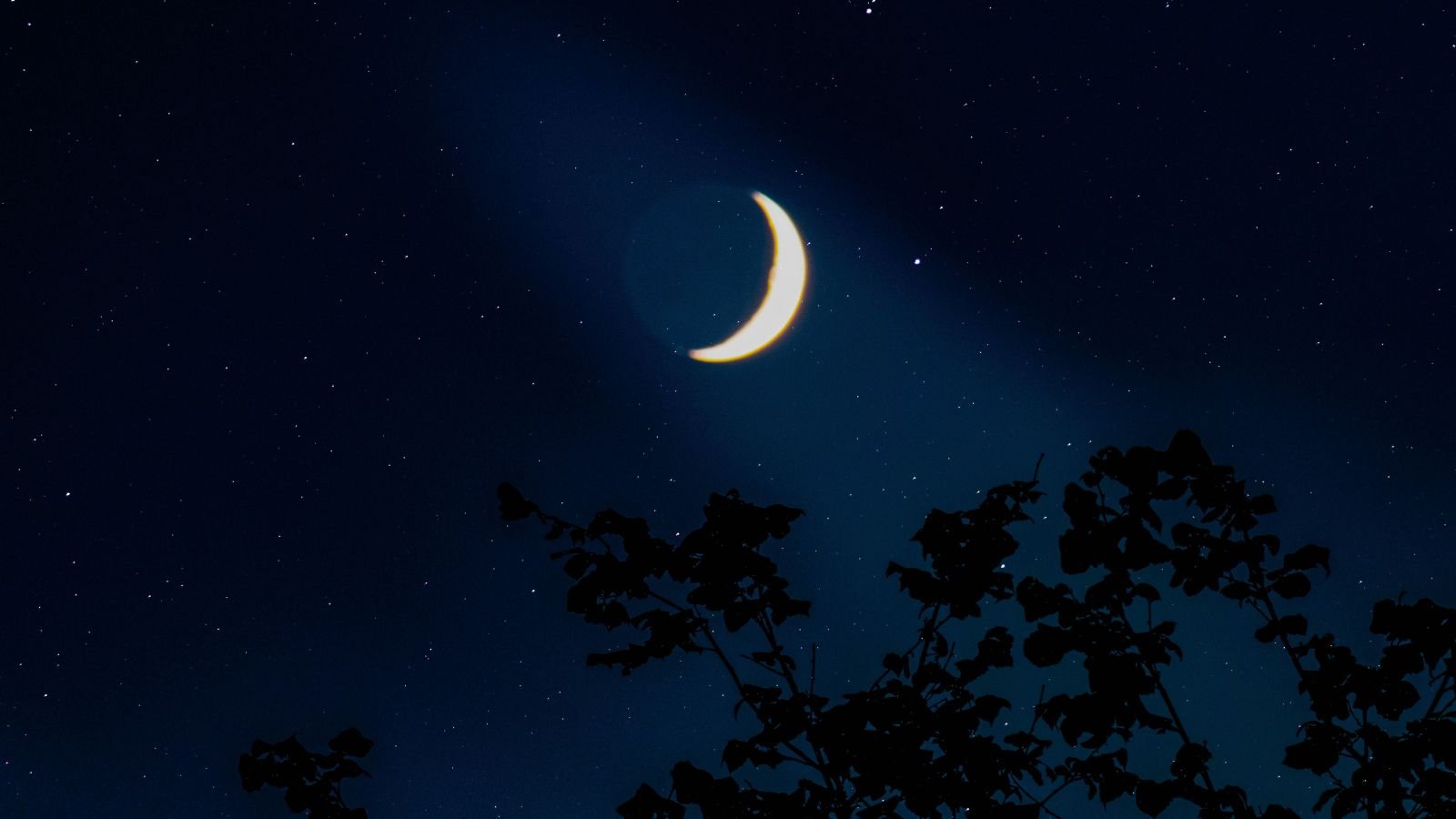
The waxing cycle is when the moon is building toward full. In lunar gardening, the moon draws water toward the soil surface as it builds (think rising tides). These phases offer the best times to plant above-ground crops—those with fruits, flowers, and leafy stems or vines.
With moisture readily available, sowing and transplanting pose the least stress on new plants. Seeds are able to absorb water to swell and germinate, while young roots receive ready access to available moisture. Water pulls upward into above-ground plant parts, and sap (sugars and minerals) flows into stems. As moonlight increases each night, cellular activity triggers leaf and stem growth.
Waxing moon phases:
- New moon
- Waxing crescent
- First quarter
- Waxing gibbous
- Full moon
Crops to plant during the waxing phases include tomatoes, corn, peppers, cucumbers, squashes, and melons. The new moon phase is the time to plant leafy greens like lettuce, spinach, and chard. Annual flowers, too, benefit from installation during a waxing phase. Sow seeds within several days of a full moon for the most moisture benefit.
Waning Moon: What to Plant
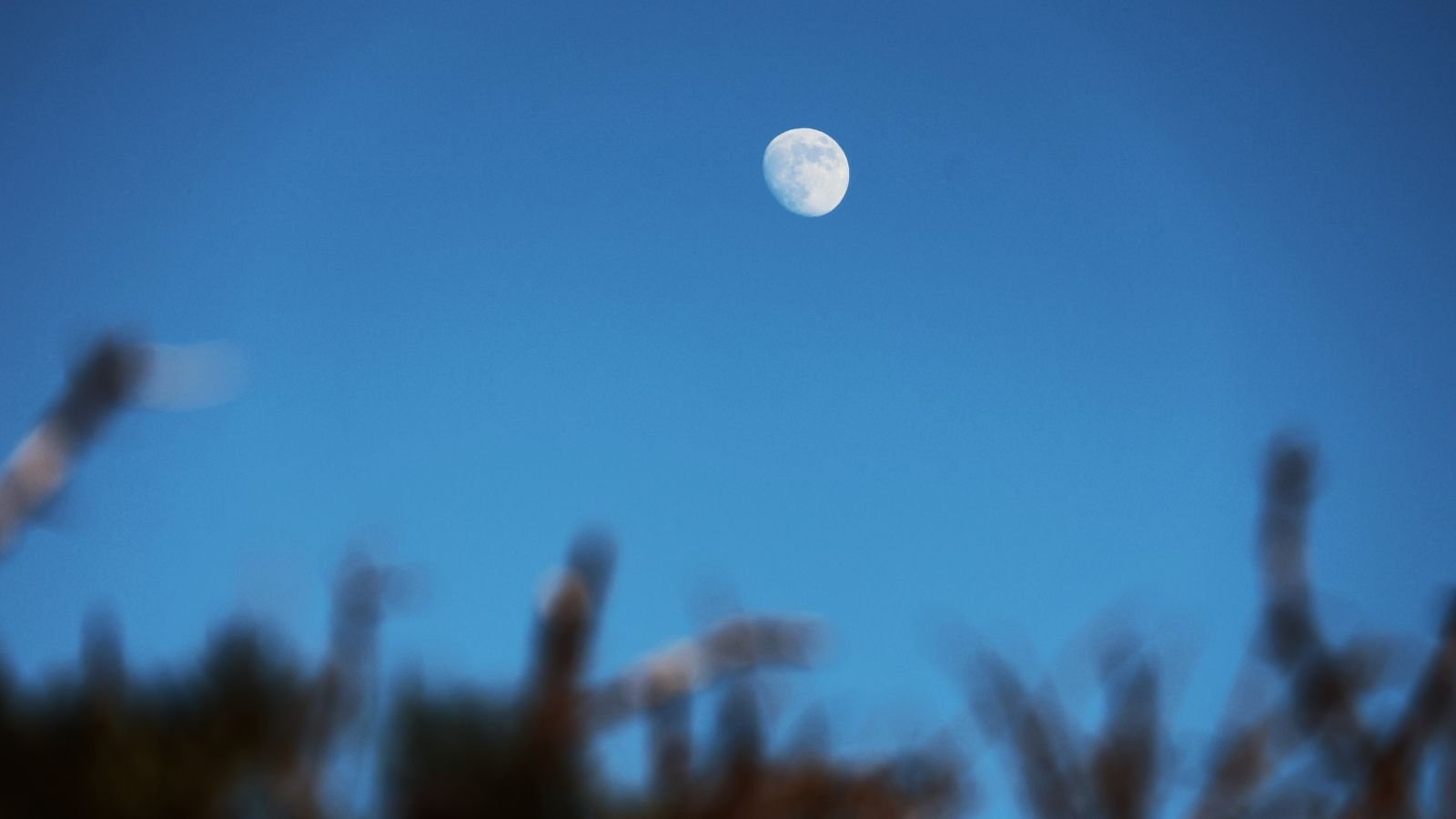
During the waning cycle, the moon retreats and water withdraws. Moisture pulls more deeply into the soil layers, with less concentration at the surface. The best crops to plant during the waning moon phases are those with extensive taproots, rhizomes, and tubers.
Waning Phases:
- Full moon
- Waning gibbous
- Last quarter
- Waning crescent
- New moon
Bulbous root vegetables like garlic, onion, potatoes, carrots, turnips, and beets do well with a waning moon planting. Perennials and flowering bulbs can go in the ground now, too, to form extensive roots that reach for moisture but don’t require saturated conditions.
When to Harvest

When to harvest relies on the moon phases, too. A waning cycle is good for drying, pickling, pasting, and preserving, as moisture draws out of the fruit. Since water draws downward, it’s a good time to pluck root vegetables, bulbs, and underground crops.
Harvest during a waxing phase (when moisture pulls upward) for turgid, water-filled stems and juicy fruits. Cucumbers, eggplants, tomatoes, and melons for fresh eating may be the most full during waxing.
Gravitational Pull
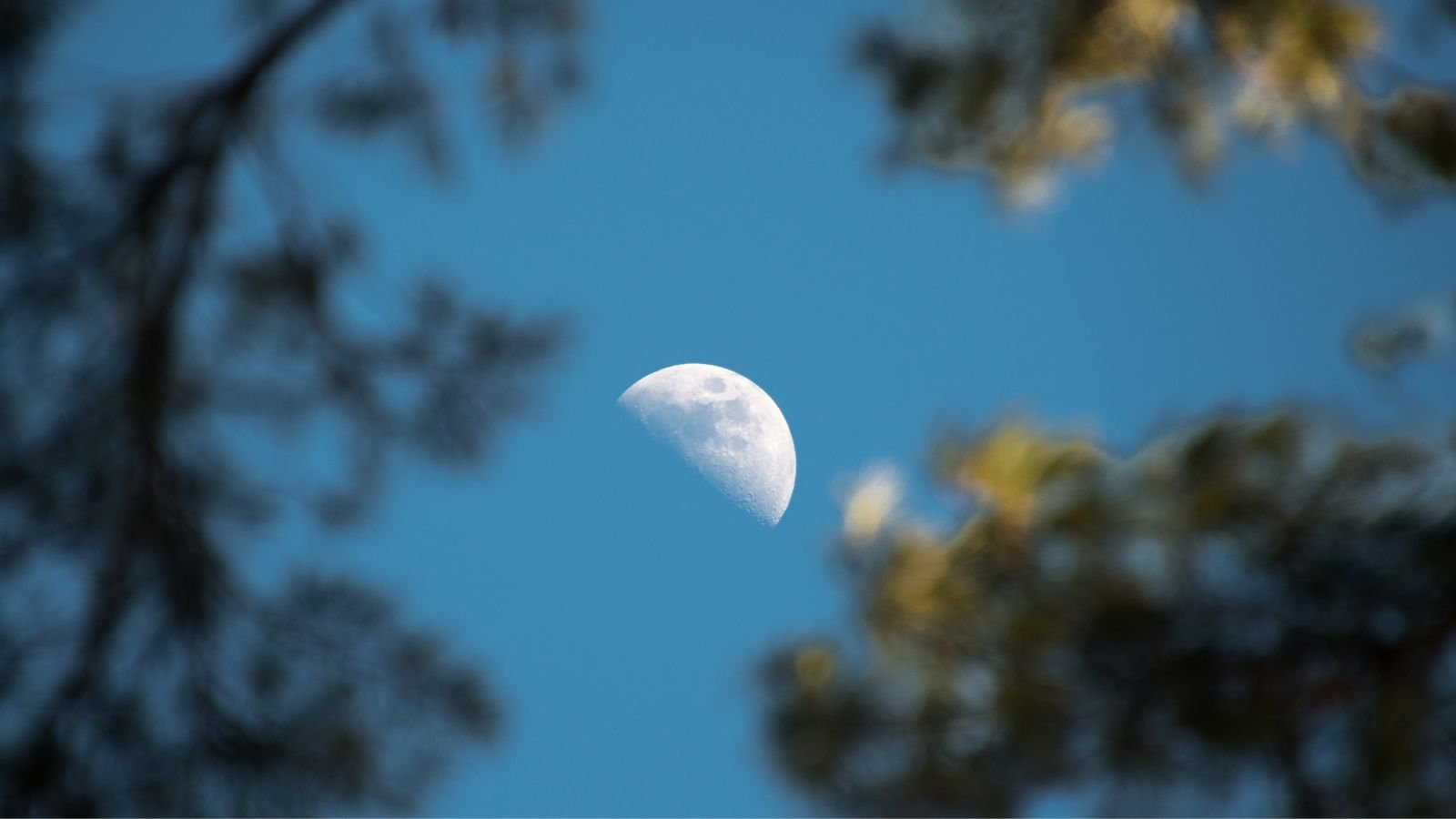
It’s a marvel that a tulip bulb in total darkness is able to orient upward, toward the sun, even if planted upside down. We see this geotropism in upper growth, too, as stems redirect upward from various growing positions. The Earth’s gravitational pull informs the directional plant growth.
With moon phase gardening, the thought is that the moon’s gravitational pull has a bearing on the development of both leafy upper growth and root growth, drawing energy upward or downward, respectively, to the phases. While much less than the Earth’s gravitational force, the moon may impact cellular activity in vegetation.
As plants don’t sleep, they do a lot of moisture moving and undergo chemical processes in the darkness. Specific physiological factors and responses play into internal plant processes at night. Maybe the moon is one of these factors, with more research needed to confirm on a scientific level.
The gravitational pull of moisture upward in stems influences the best time to prune certain plants for lunar gardening. Wait until a waning cycle for those wth a lot of internal sap, as spilling sap may draw insects or cover and burn young buds. Alternatively, those without a lot of natural sap can benefit from a full moon prune or harvest to reduce damage and promote resiliency.
Pollination
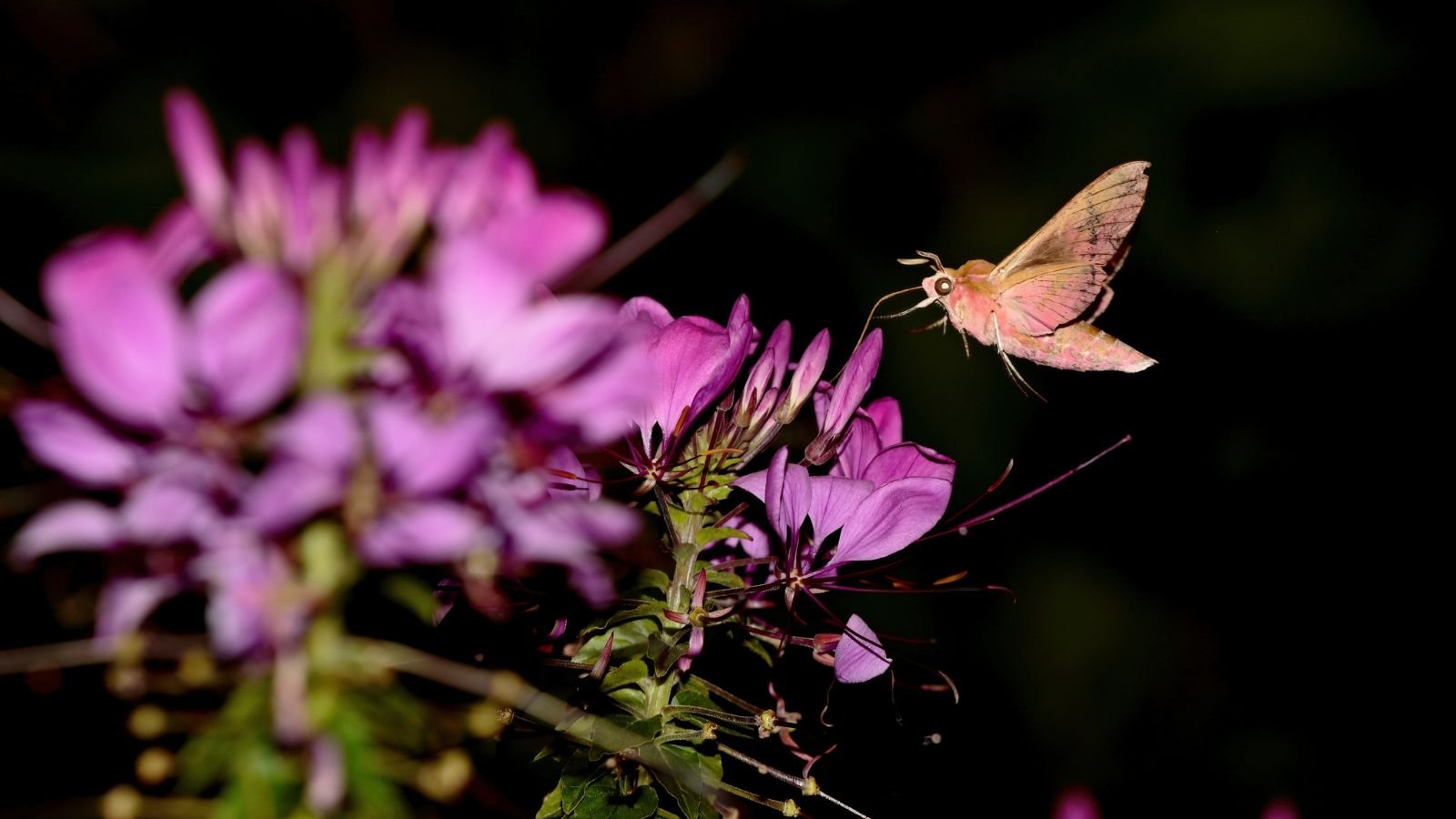
Pollination is one area where science may support the impact of moon activity on the landscape. Specimens that rely on nighttime pollination often open after dusk with light-colored blooms and high fragrance to signal pollinators. Moths and other insects and mammals like bats pick up the beacons.
For nocturnal pollinators, a full moon means more light and perhaps more of a visual draw to plants in flower (at least for Ephedra shrubs in Macedonia and Croatia). Increased research can help illuminate the role of the moon in nocturnal plant/pollinator relationships.