

How to Choose a Garden Fence
Learning how to choose a garden fence will help you make sure you pick a fence that's both functional AND beautiful for your garden. Epic Gardening founder Kevin Espiritu shares his tips.

Contents
Most of us think of garden fences as purely functional, a way to keep deer, rabbits, and other critters from demolishing what we’ve spent months growing. And that’s the primary job. But a fence is also one of the most visible structures in your yard, which means it’s worth putting a little thought into how it looks, not just what it keeps out.
The tricky part is that there’s no single “best” fence. The right choice depends on your budget, what you’re protecting against, the materials available, and the style of your garden. It’s easy to either overspend on something beautiful that doesn’t hold up, or go cheap and end up with something that looks like an afterthought.
Here’s how to think through the decision so you end up with a fence that does its job and fits your space.
What’s Your Budget?

Before looking at materials or styles, figure out what you’re willing to spend. This sounds obvious, but it’s where most fencing mistakes start.
The cheapest fences are tempting, but they tend to show their price within a season or two. Thin wire bends, lightweight plastic cracks in the cold, and flimsy posts lean after the first heavy wind. You’re not saving money if you’re replacing the fence every few years.
What I like to ask myself with any garden purchase is whether spending a little more upfront will save me from replacing it later. With fencing, the answer is almost always yes. A well-built fence should last years without needing more than the occasional repair. That’s worth paying for.
That said, “more expensive” doesn’t mean “most expensive.” You don’t need a custom wrought iron installation to keep groundhogs out of your raised beds. The goal is finding the sweet spot between durability and what makes sense for your garden’s size and needs.
What Material Should Your Fence Be Made Of?
Once you have a price range in mind, the next question is material. This is where the decision tends to get overwhelming, because the options range from basic chicken wire to cedar planks to ornamental metal.
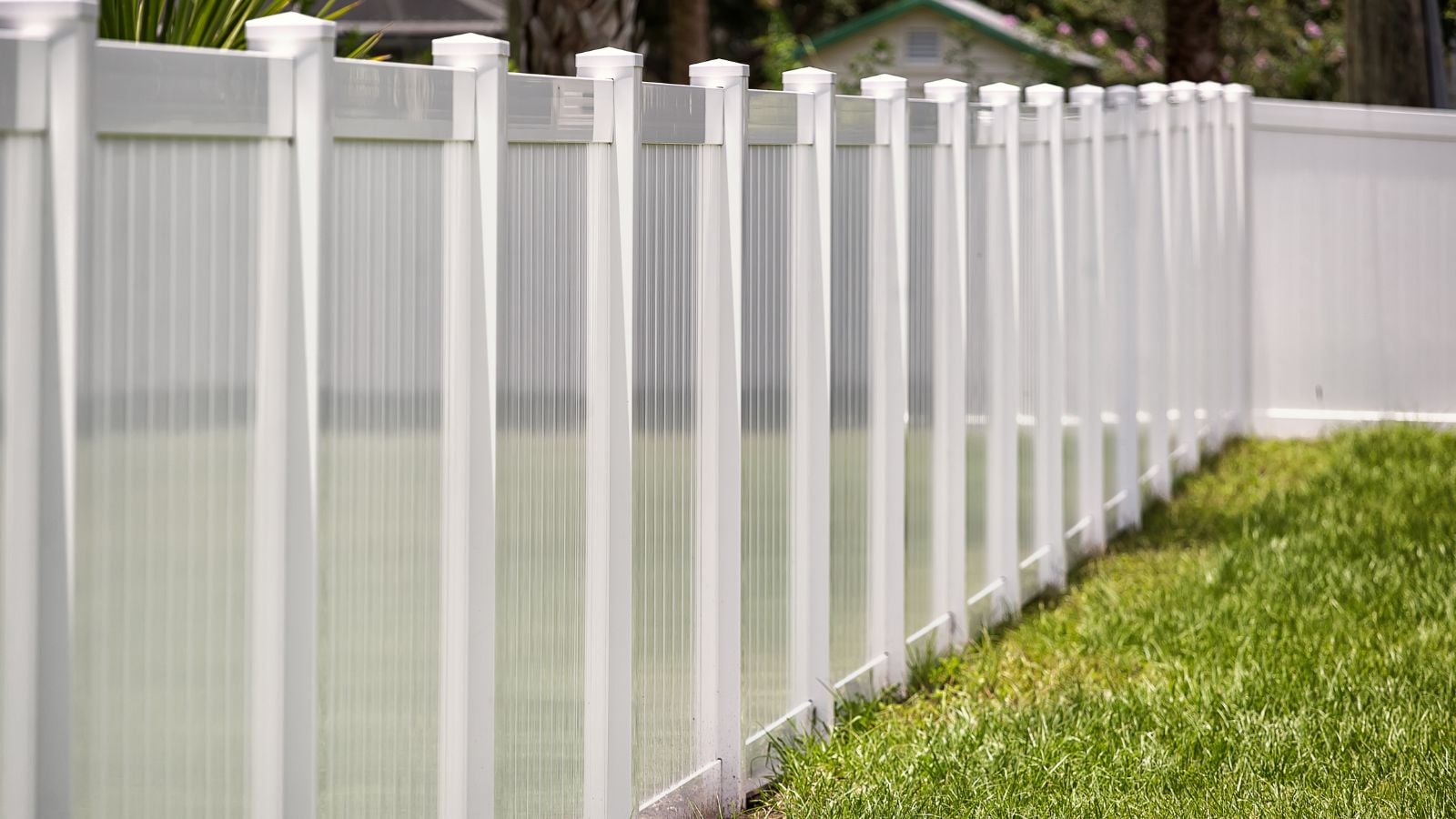
For most vegetable and flower gardens, I’d point you toward three materials that balance durability, safety, and value: aluminum, steel, or PVC vinyl. Aluminum won’t rust, steel is strong enough to handle wind and leaning animals, and PVC vinyl holds up well in most climates without splintering or rotting. PVC is also food-safe, which matters if you’re fencing a vegetable garden and the material will be in close contact with your crops.
Wood is another popular option, and it looks beautiful — especially cedar or redwood, which are naturally resistant to rot. But wood fences need more maintenance over time (staining, sealing, replacing warped boards), and cheaper softwoods can break down fast in wet climates. If you love the look of wood, budget for upkeep as part of the cost.
Chicken wire and hardware cloth work well for smaller gardens or temporary barriers, but they’re not built to last more than a few seasons, and they don’t offer much in the way of aesthetics. They’re functional, not finished.
If you’re fencing specifically against deer, height matters more than material. Deer can clear a four-foot fence without much effort, so you’ll want something at least six feet tall, or consider angling the top outward to discourage jumping.
What About Aesthetics?

A garden fence doesn’t have to be an eyesore. It’s one of the first things people notice about a garden, and it’s there year-round.
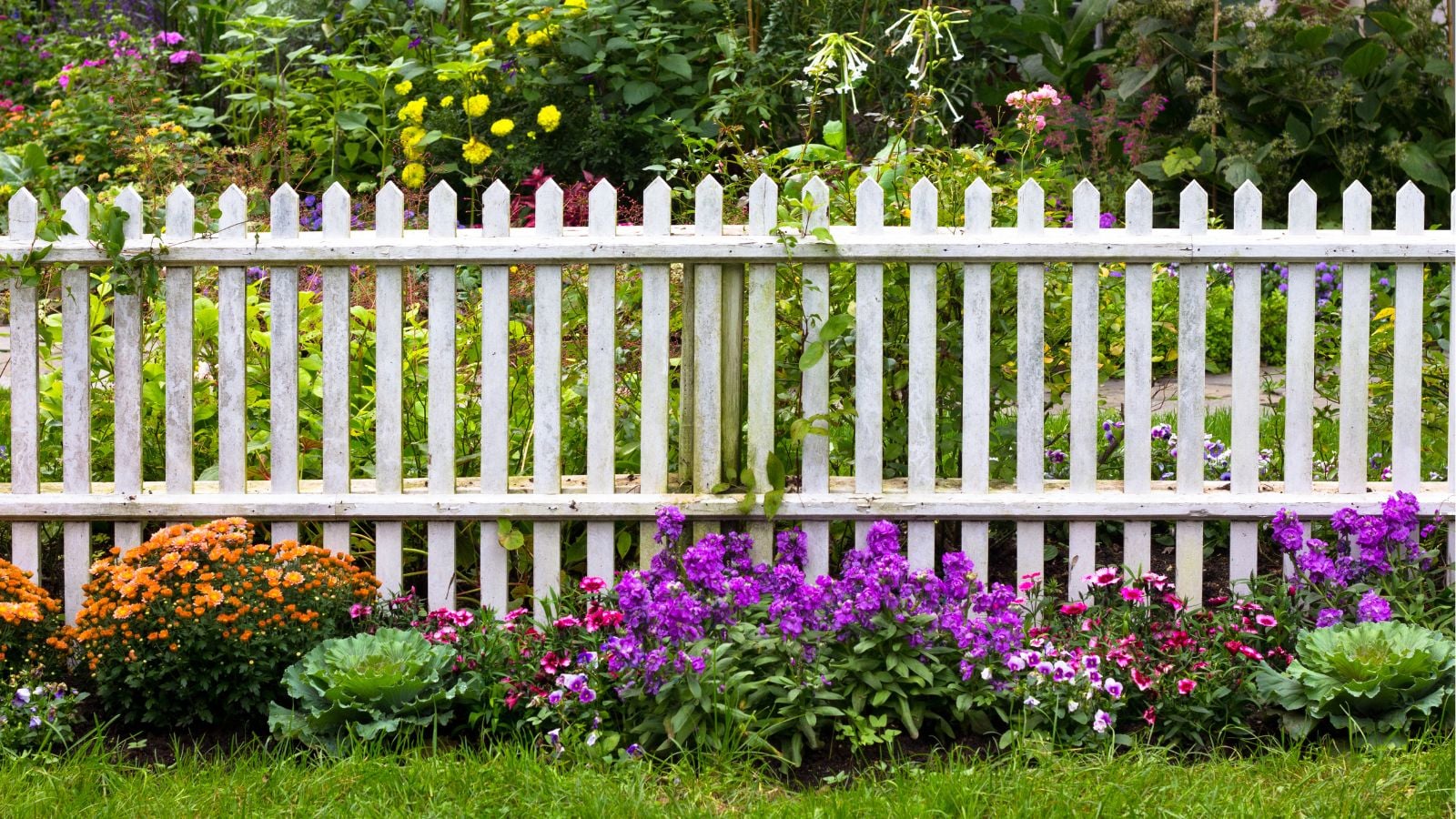
The material you choose will set the tone. Wood gives a warmer, more rustic feel that blends well with cottage-style or informal gardens. Metal (especially powder-coated steel or black aluminum) reads as clean and modern. PVC vinyl tends toward a more suburban, polished look, though some people find it a little sterile for a garden setting.
Beyond materials, small details make a difference. Adding a simple arbor or gate at the entrance gives the fence a sense of intention. Training climbing plants (clematis, morning glories, even pole beans) along the fence line softens the structure and makes it feel like part of the garden rather than a barrier around it. Lattice panels at the top of a solid fence add visual interest without sacrificing much height.
The key is choosing something that fits both your garden and your house. A rustic split-rail fence looks charming next to a farmhouse but out of place in front of a modern home. A sleek black metal fence works beautifully in a contemporary landscape but might feel cold next to a cottage garden full of zinnias and herbs.
Think About Access and Gates
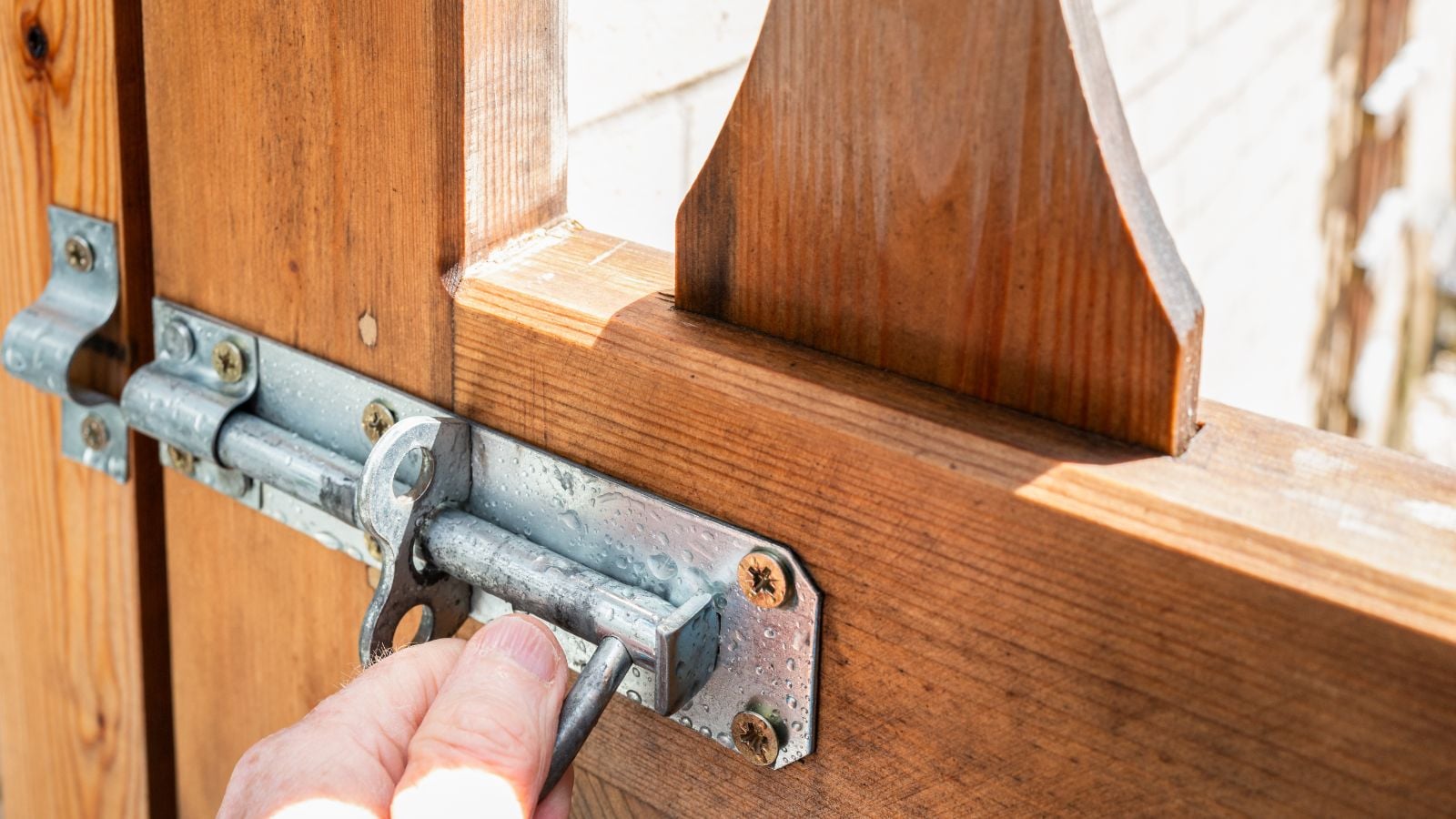
One detail that’s easy to overlook when planning a fence is how you’ll get in and out of the garden. A fence without a convenient gate becomes a daily annoyance, especially when you’re hauling a wheelbarrow full of compost or carrying an armload of harvested squash.
Place the gate where you naturally approach the garden. If the path from your back door leads to the south side, that’s where the gate should go. Make it wide enough for a wheelbarrow (at least three feet), and choose a latch that’s easy to operate with one hand. Spring-loaded hinges that close the gate automatically are worth considering if you have pets or wildlife that will exploit a gate left open for even a few minutes.
For larger gardens, a second access point on the opposite side can save a surprising amount of walking over the course of a season.
Installation: DIY or Hire It Out
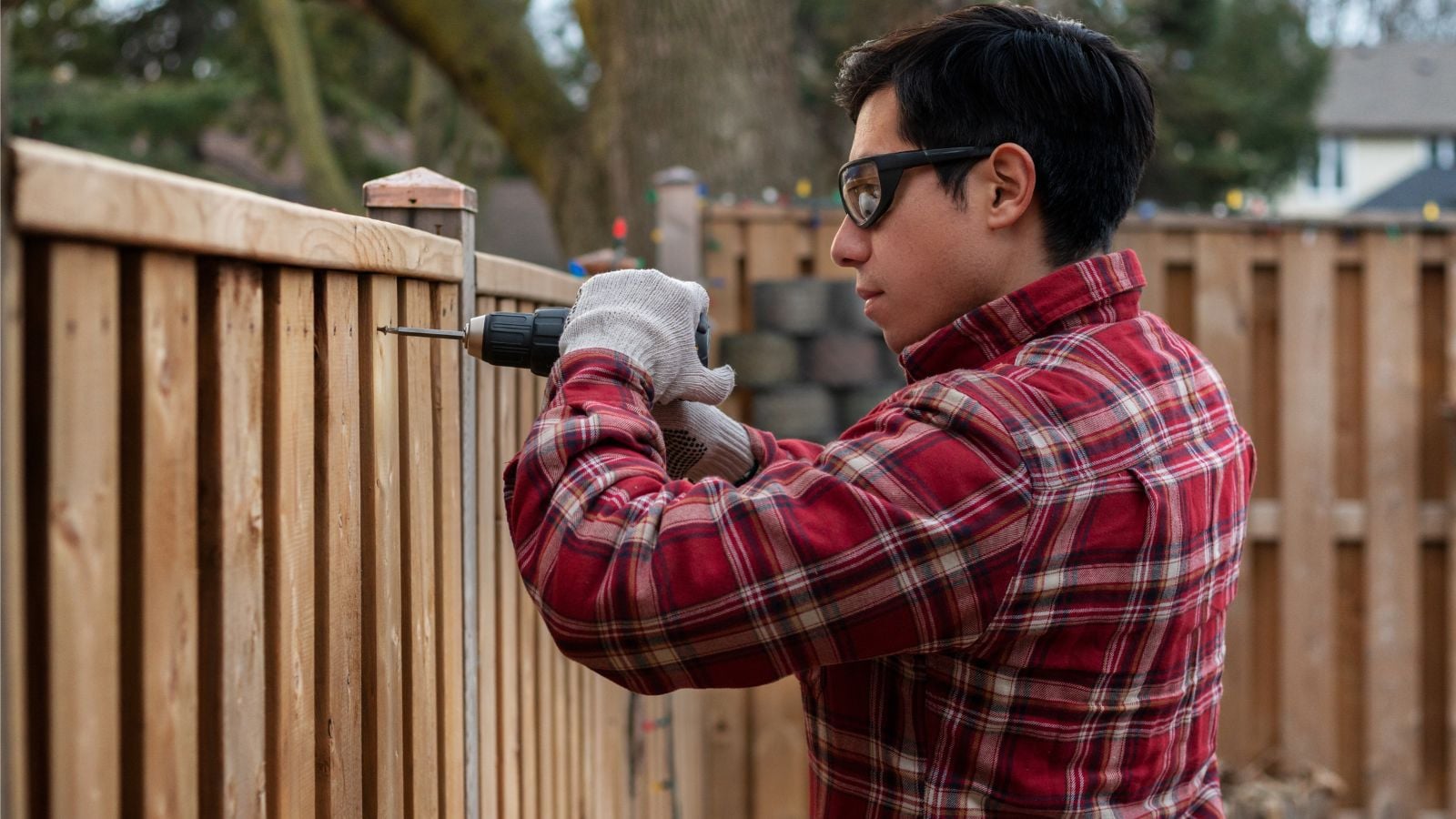
How you install the fence depends on the material, the size of the garden, and how comfortable you are with post-hole diggers.
Simple wire or mesh fences attached to wooden or metal stakes are well within reach for most gardeners. You can put up a basic rabbit fence around a small garden in an afternoon with nothing more than stakes, wire, zip ties, and a mallet.
Larger projects (especially those involving wooden posts set in concrete, metal panel fencing, or anything taller than four feet) are more involved. Posts need to be set deep enough to stay stable (about a third of the total post length should be underground), and they need to be level and evenly spaced. If that sounds like more than you want to take on, hiring someone for the post-setting alone and then attaching the fencing material yourself is a reasonable middle ground.


