

How to Grow Your Own Flaxseeds
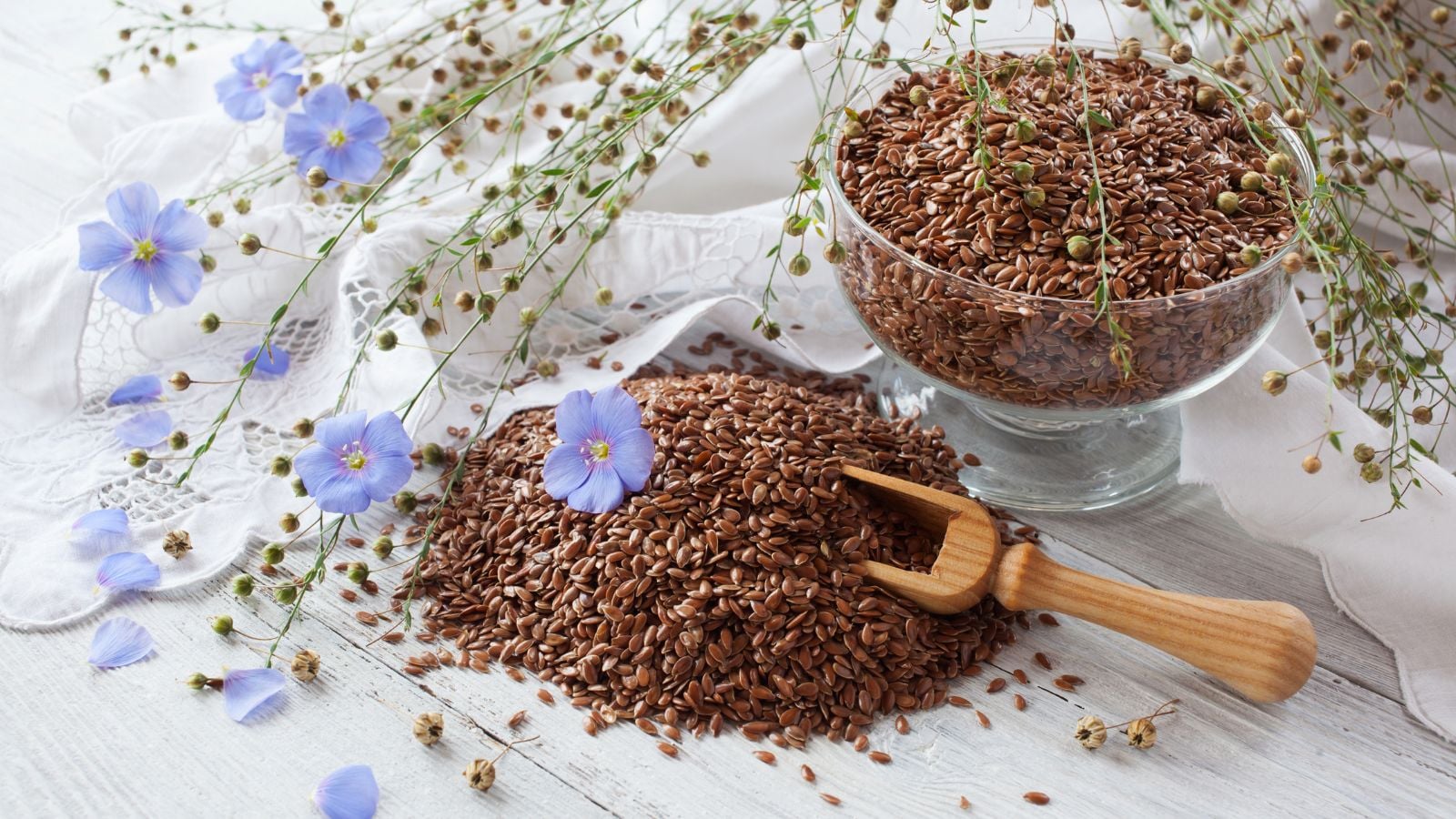
It’s very easy to grow flaxseeds, as long as you know which to plant and how to care for them. Knowing how to harvest helps too! Get these things right, and you’re on your way to a huge supply of your own homegrown flaxseeds. Experienced gardener Sarah Jay shows you how to grow them here.

Contents
If you want to grow flaxseeds, you should know it’s an easy endeavor! Locate the right seeds, prepare your ground effectively, and you will succeed. What’s better than growing your own supply of delicious, nutritious seeds? Personally, I can’t think of anything.
Used to make linen and as a source of nutrients, flax has been cultivated for centuries. This crop is spread across the northern hemisphere, but it originated in what we know today as Turkey and Iran. It is commonly pressed into oil, eaten whole, and ground into meal.
Flax is full of nutrients, with high concentrations of omega-3 fatty acids, fiber, and lignans. The stems of the plant are threshed into fiber, which is where linen comes from. If you want to cultivate your own, spring is a great time to get started.
Step 1: Choose the Right Species

Edible flax is typically cultivated from the species Linum usitatissimum. This plant can be used and eaten in its raw form. Linum lewisii and Linum perenne are also edible, but only after cooking to remove harmful compounds. Therefore, we focus on L. usitatissimum in this piece. Because flax has numerous highly viable seeds, it’s very easy to locate these from multiple seed suppliers.
It is primarily cultivated in Wisconsin, North Dakota, and South Dakota in North America. It has thin, slender stems that reach roughly three feet tall. Like blue flax, it produces small, attractive blue flowers. These are drought-tolerant, easy-growing plants that pretty much anyone can cultivate with enough space. They are vigorous and can become locally invasive in the right conditions, so plant judiciously.
Step 2: Prep the Site
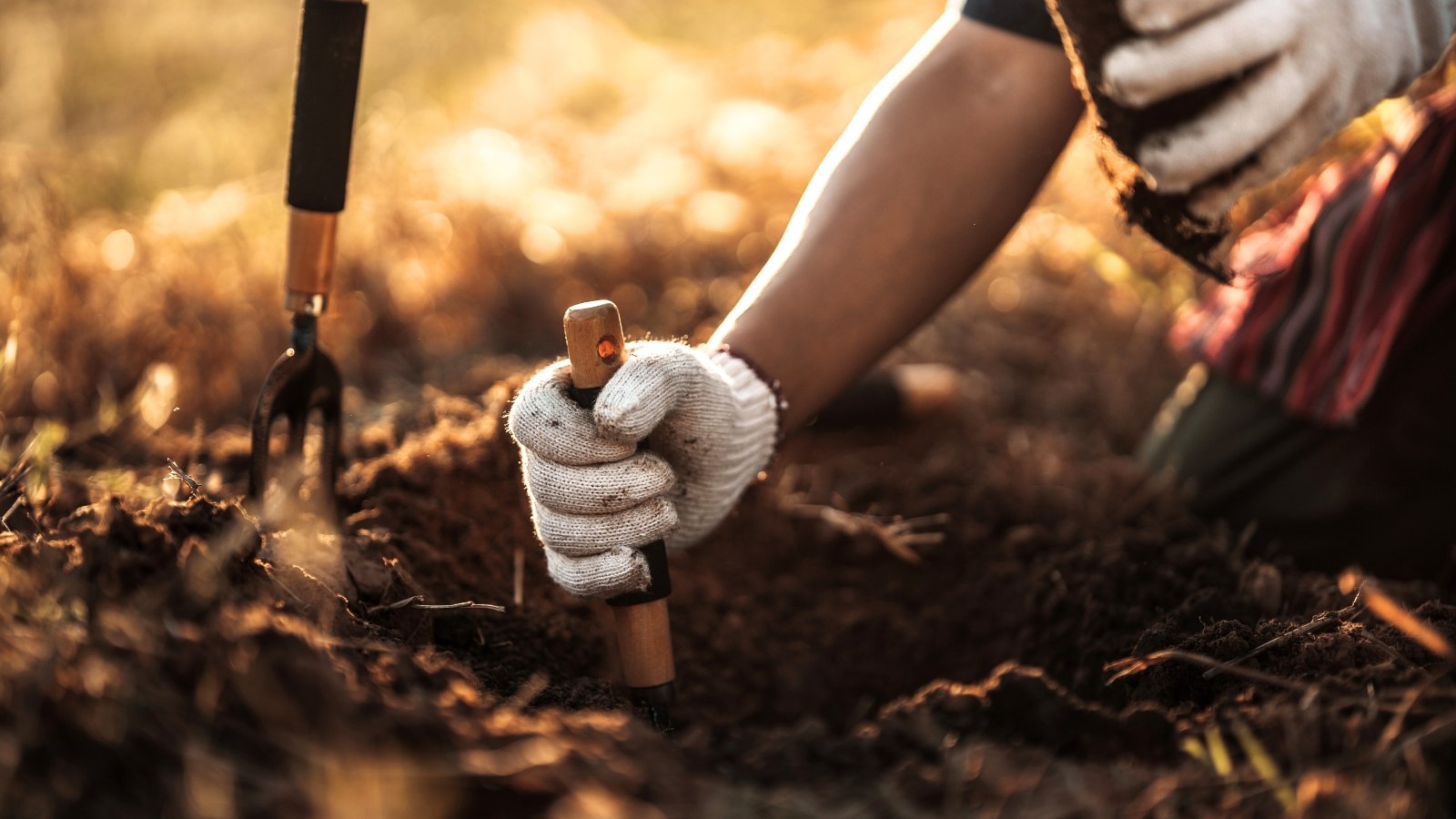
You’ll need space to grow flaxseeds, but because the seeds are so viable, you don’t have to have a ton of space. One four-by-six-foot raised bed will produce a lot, and so will one ten-foot row. Block out this area before you plant your seeds to ensure it is prepped appropriately.
While almost any pH is suitable for growing flax, you do need an aerated, well-draining soil. Loose soils are easier to work with, and fertile soils produce the best seed. Use compost and perlite or agricultural grit to break up heavier soils. Add compost to sandy soils.
If your soil is heavily compacted, till it to provide aeration. If you’re a cover cropper, you can pre-plant daikon radishes to aerate the soil gently before the spring season begins. Weed the site well to prevent them from overtaking the area before your seeds sprout.
Step 3: Plant Your Seeds
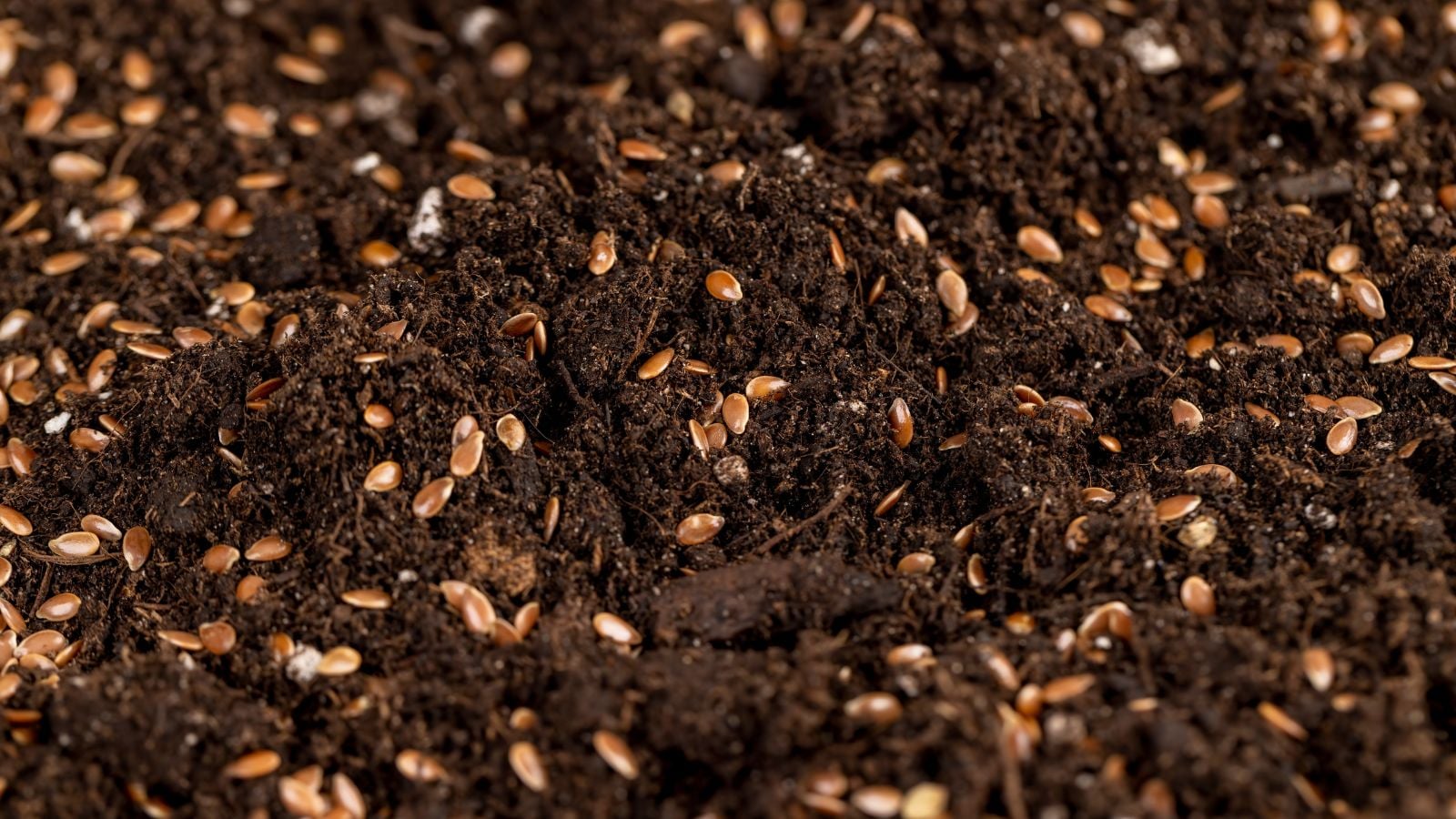
You can start your seeds directly in the ground as soon as frost passes in spring. You’re going to need 90 to 120 days to grow flaxseeds, so ensure your season is long enough for that. If it’s not, you can use a sealed cold frame to protect your seedlings and mature plants at the beginning and end of the season.
Convention recommendations say sow at least a pound of seeds per 10-foot by 10-foot area. Alternatively, you can grid your growing space by square feet. Then, densely sow 30 to 50 seeds per square foot. Ensure the seeds are dry when you sow them, as they develop mucilage when they come into contact with water, making even spreading difficult.
After you cast them across the soil surface, lightly cover them with a thin layer of soil. Then gently water them in. You can use a lightweight organic mulch to snuff out any weed seeds waiting to germinate alongside your seeds as well.
Step 4: Maintain Them

When you grow flaxseeds, you do not need to feed them at all. Thankfully, they’re hardy enough that they’ll take off on their own. Ensure the area remains free of weeds before the plants sprout. You don’t need to water much after the plants are established, especially if rain is prevalent in the season. They dislike wet feet.
If you live somewhere hot, ensure the plants get a little bit of shade in the hard afternoon sun. You may not have as much pollen production in areas where temperatures over 90°F (32°C) are common. Keep an eye out for grasshoppers, leafhoppers, and cutworms. Remove them as needed.
Also, look out for diseases. In dense plantings, rust is more common. Remove stalks that take on rust and dispose of them. The same goes for powdery mildew. Keep the soil somewhat dry as much as possible, as these tend to proliferate in humid conditions. In the process, take out any wilting plants and throw them away.
Step 5: Harvest Flaxseeds
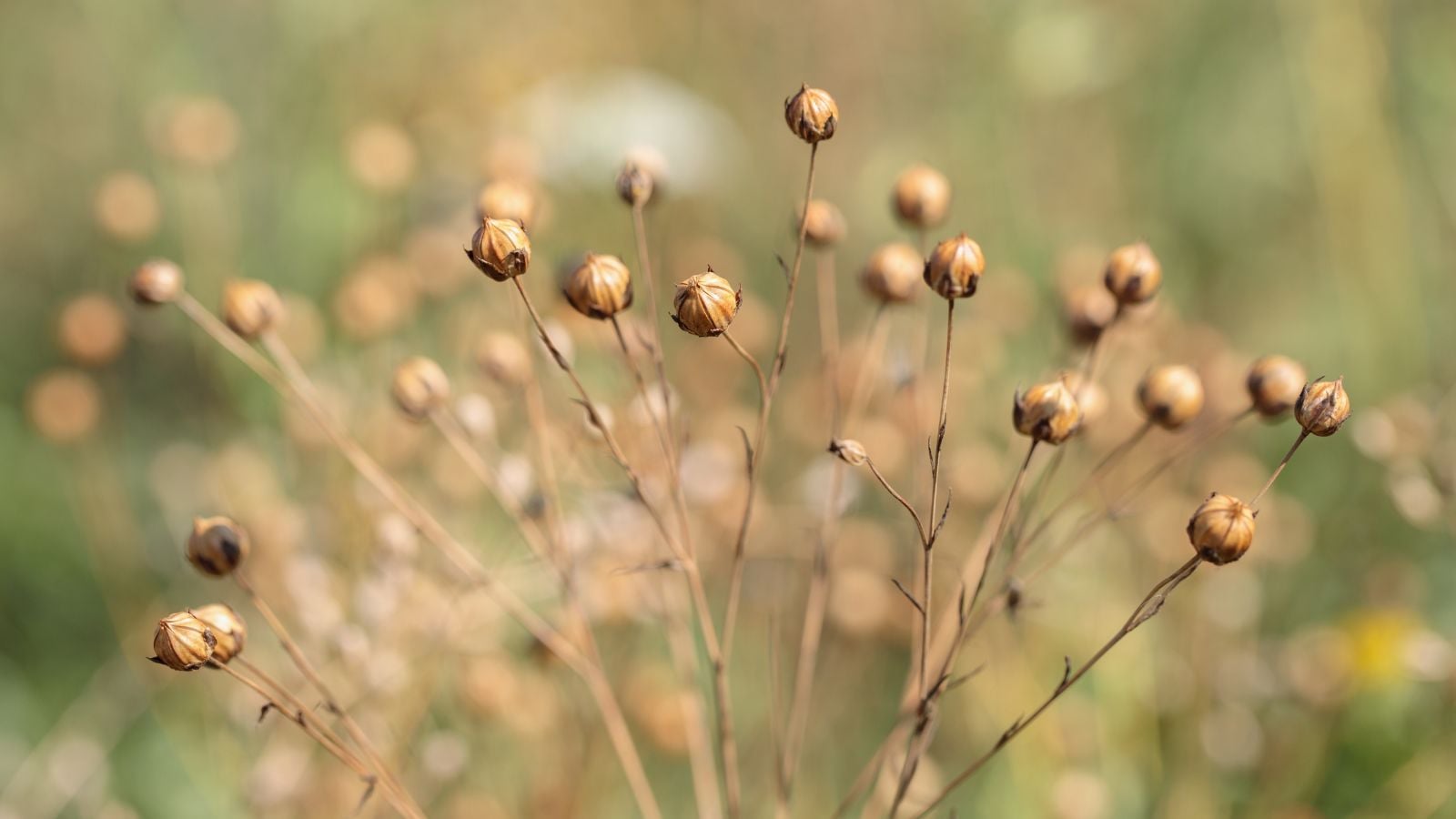
If you get beyond the pollination stage, flax flowers will fade, and their round seedheads remain. Once these are brown and dried, the seeds are ready for harvest. This usually occurs about a month after flowering.
Grab a bunch of stems near the base, and cut them with a sharp knife. Then, shake the stems over a clean sheet or cloth. If seeds come out of the pods, they are ready for post-harvest processing. If not, dry them in an area with good air circulation for a few weeks.
Thresh the pods, and sift the plant matter from the seed. Make linseed oil by pressing them or by boiling them in a slow cooker. This part of the process can be laborious and is similar (but not as hard) as threshing wheat.
Step 6: Store Them
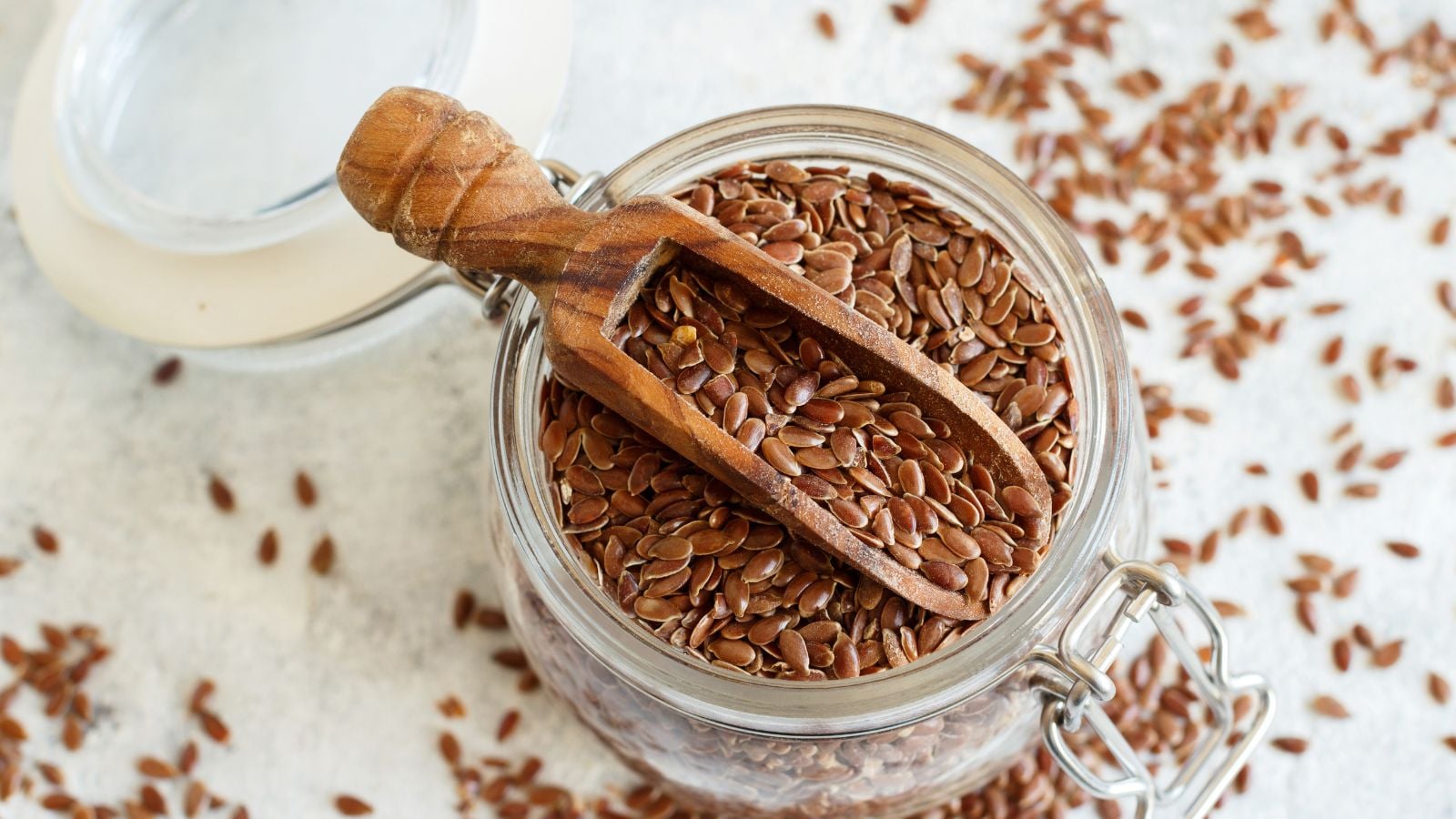
Store fresh seeds in an airtight container for one to two years at room temperature or in the freezer. In the refrigerator, they keep for one year. Ground seeds expire at six months in the refrigerator or freezer. At room temperature, flaxseed meal keeps for a couple of days.
Keep flaxseed oil in an airtight container in the refrigerator for up to one year. In the freezer, store it for six months. If you densely grow flaxseeds, you need a large container to store them in. Use a large glass mason jar, or something similar, to keep them.
Share This Post

7 Wildflower Seeds You Can Sow in March
If you want to plant wildflower seeds, March is a great time! It’s not too late to plant wild annuals to enjoy in summer and sometimes into fall. If you’re wondering what to plant, we’ve got you covered. Experienced gardener Sarah Jay discusses seven wildflowers you can plant this month.


15 Types of Flowers to Grow in Your Rock Garden
Rock gardens offer lasting solutions to challenging sites. They call on durable plants with versatility across conditions, including xeric sites and hot and cold temperatures, depending on the situation. Lean sites don’t mean less color, with rugged flowering perennials ready to brighten the arrangement with multi-season appeal. Gardening expert Katherine Rowe highlights flowers that soften the rockery with high ornament.

How to Design a Blue Garden
Blue gardens create a horticultural tapestry of color for serene spaces and a sense of tranquility. Full of texture and contrast, the dynamic color scheme charms year-round. Garden designer Katherine Rowe explores how to design a blue garden in our own landscapes, big or small.

Are Flowers Really Blue? 21 Best Plants with True Blue Blooms
Blue flowers are extremely rare in the plant kingdom. Many have the word blue in their name, despite their color being closer to purple or violet. A true blue flower is a sight to see in the home garden. Nurseryman and landscaper Jerad Bryant shares 21 of the best plants with true blue blooms.

12 Native Wildflowers for Pacific Northwest Gardens
Planting native wildflowers in the Pacific Northwest is a great way to support the ecosystem and environment. Join pollinator enthusiast Melissa Strauss to look at some beautiful wildflowers that work wonderfully in your garden.

High-Impact, Low-Water Perennials for Drought-Prone Areas
Low-water perennials help us balance water and maintenance needs as they flourish across conditions. Options abound for waterwise landscapes, making it easier on our resources and the gardener. Explore top-performers to energize the display and provide ecological value with gardening expert Katherine Rowe.

15 Best Plants That Quickly Fill in Garden Gaps
Whether making a quick refresh to weary beds or creating a new look for the season, fast-growing plants bring swift rewards. Gardening expert Katherine Rowe highlights selections that perform across garden scales and conditions with high visual interest and lasting color.