How to Germinate Pepper Seeds Faster
Start your next garden off right by germinating pepper seeds yourself. Our thorough guide from gardening expert Rachel Garcia reveals the best tips and tricks to do it!

Contents
How would we ever garden without peppers? Whether you prefer the crisp bite of a bell pepper, the gentle heat of a jalapeño, or the fiery kick of a habanero, peppers are a staple in many gardens, along with much of the nightshade family.
So when we grow peppers from seed, we want plenty of them, and we want them fast. The key? Faster germination. Germinating pepper seeds is the crucial first step in growing this spicy favorite.
But seed germination can be slow and a bit fussy, especially with the hotter varieties. By understanding the basics of germination and adjusting our technique to support it, we can speed up the process and get those pepper seeds sprouting in no time.


Pepper Seed Germination Time

Germination time depends on the species, and sometimes just on how that particular seed is feeling. While super hot peppers typically take longer to germinate, even seeds from the same species can vary quite a bit in timing. Here’s a sample of germination times for a few pepper species to give you an idea of how much it can differ:
| Pepper Variety | Germination Time |
| Bell Pepper | 10 days |
| Cayenne Pepper | 10-25 days |
| Jalapeno Pepper | 2-3 weeks |
| Habanero Pepper | 1-4 weeks |
| Piquillo Pepper | 2-6 weeks |
Since we’re super impatient and pepper seed germination can potentially take a month or more, we’re going to learn how to make pepper seeds germinate faster.
How to Germinate Pepper Seeds
If we want to germinate pepper seeds fast, we have to understand what we’re doing. Luckily, you don’t have to be a botanist to learn just how seeds sprout. Here’s what you need to know.
Pepper Anatomy

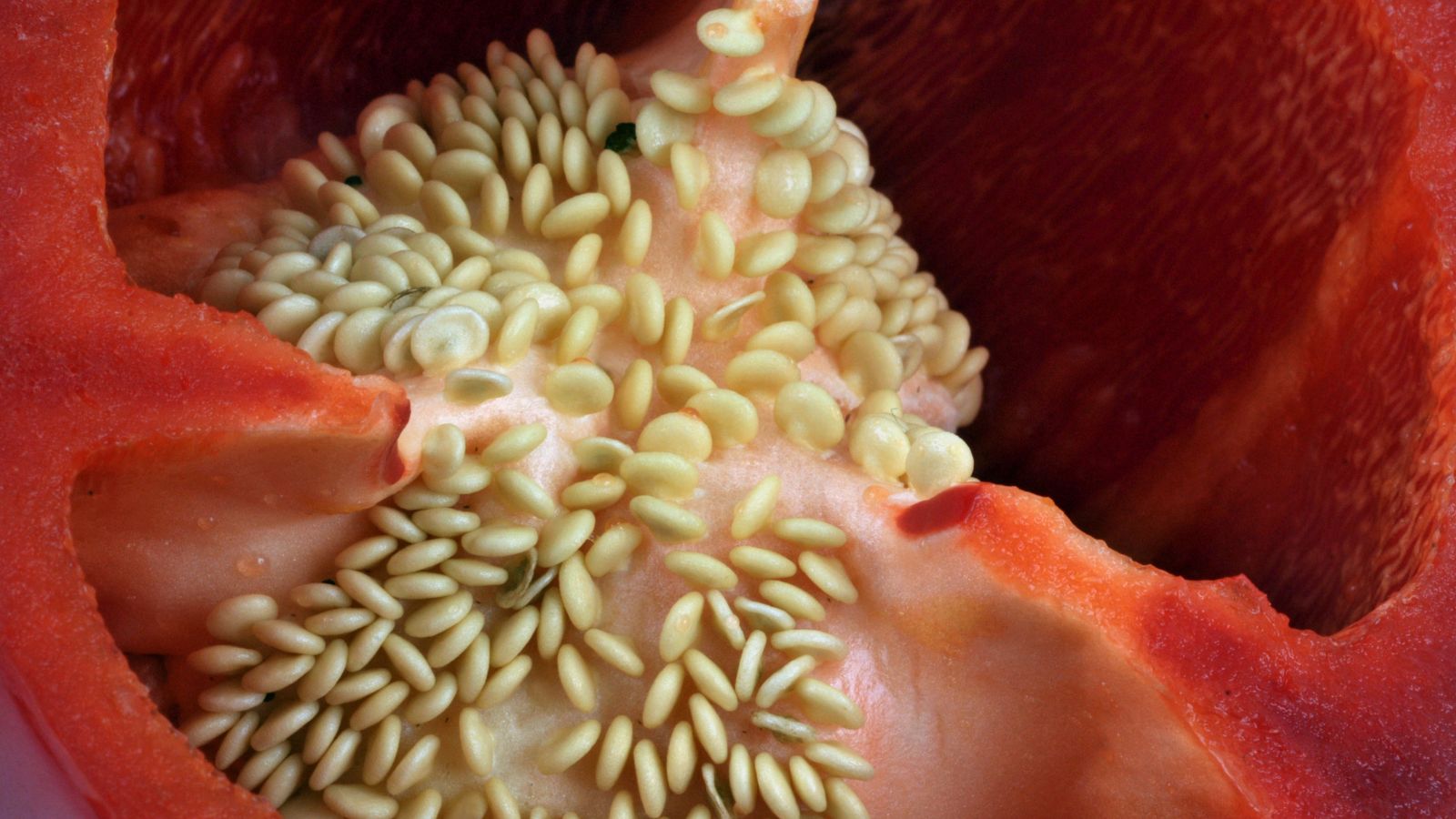
Let’s start with a quick look at pepper anatomy. If you’ve cooked with a bell pepper before, you’ve seen the cluster of small, flat seeds surrounding a pale, tapered core. This central structure is called the pith or placenta, and it houses the capsaicin glands responsible for a pepper’s heat. In hotter varieties, there’s typically more placenta compared to the pericarp, or flesh, of the pepper.
Pepper seeds can vary slightly in appearance depending on the species, but they’re generally round with a small, pointed tip, similar to tomato seeds. The outer layer of the seed, known as the testa, protects the embryo inside. For a seed to be viable, the testa must remain intact.
Inside, the embryo is wrapped in the endosperm and will eventually break through the testa during germination to grow into a healthy pepper seedling.
Dormancy

Pepper plants have evolved to anticipate a cold season, so their seeds enter a period of dormancy after maturing. During this time, the embryo remains inactive, waiting for the right conditions to sprout. After all, it only gets one chance.
For most peppers, dormancy (and viability) lasts anywhere from about 6 weeks to a few years. However, there have been rare cases where pepper seeds germinate immediately after harvest, before dormancy has a chance to set in.
Breaking Dormancy

For dormancy to end, the embryo needs a signal that conditions outside are suitable for germination. In the case of pepper seeds, that signal is temperature. When the soil reaches an ideal warmth (around 85°F or 29°C) germination can begin. Researchers have explored various ways to break dormancy artificially, which we’ll touch on shortly.
But heat alone isn’t enough. The embryo is protected by a hard outer shell and can’t break through it without help. In nature, the testa is softened by moisture or broken down by animals or weathering. Since pepper seeds have relatively thin testas, soaking them in water is usually enough to soften the coating and trigger germination (no stratification required).
Sprouting
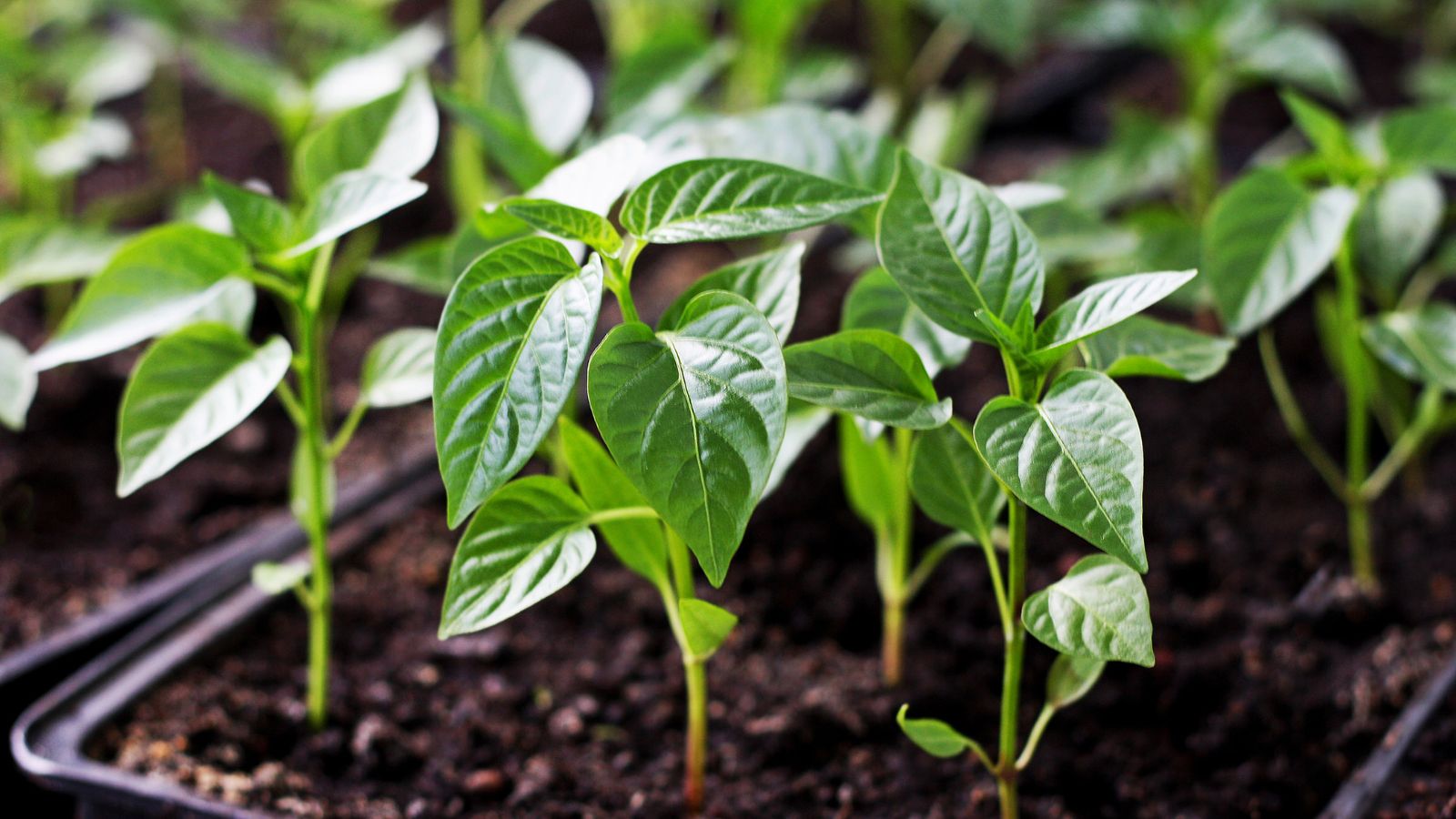
Pepper seeds can germinate in just a few days or take several weeks, depending on the variety and the method used. Once germination begins, the embryo transitions out of its dormant state and grows into a seedling, pushing up through the soil and unfurling its cotyledons to soak in its first light. Until the seedling begins photosynthesizing, it relies on the starch reserves stored in the endosperm for energy and growth.
How to Germinate Pepper Seeds Faster
Now that we understand the basics of germination, we can work on making it faster and more successful. There are quite a few strategies out there, so we’ll take it step by step.
Use Viable Seeds

You aren’t going to get anywhere if your pepper seeds aren’t viable. To be considered viable, a seed must be able to sprout and produce a healthy seedling. Seeds are still considered viable if they’re dormant because the potential is still there.
Seed Viability

A great deal of research has gone into producing viable seeds, especially in agriculture, where high survival rates are essential for efficiency. In one study, researchers used x-rays to examine pepper seeds and compare internal anatomy with germination success. The x-rays revealed the amount of free space between the seed’s internal wall and the embryo/endosperm.
Seeds with a large amount of free space had lower germination rates and a higher rate of abnormalities. Interestingly, seeds with no free space also showed a high abnormality rate, likely due to cracks in the cotyledon area. The optimal range was found to be just under 2.7% of free space within the seed. With this understanding, researchers can work toward breeding pepper seeds with consistently high viability.
Testing at Home

Since home gardeners don’t have access to x-ray equipment, we rely on simpler methods to test seed viability. The only way to know if a specific pepper seed will germinate is to try it. But if you’re planning to grow peppers in bulk, you risk wasting time and resources on seeds that may not sprout. A practical solution is to test a small sample from your batch, observe the germination rate, and decide whether it’s worth planting the rest.
One quick method is the soaking test. Soak a few seeds in a bowl of water for 1 to 2 days. Viable seeds will absorb water and sink to the bottom. Once they’ve sunk, remove and plant them right away. This test gives you a basic idea of whether the seeds are still capable of absorbing moisture, and often, soaked seeds germinate faster too.
However, the soaking test only shows whether seeds can absorb water—it doesn’t confirm if they’ll actually sprout. For that, try the paper towel method. This approach allows the seeds to germinate before planting, though it takes more time and doesn’t always guarantee easy transplanting. It’s especially useful if you’re working with older seeds that may have lost vigor.
To do this, take a random sample (about 10 seeds), and place them evenly on a damp paper towel. Fold the towel over the seeds, press it flat, and seal it in a ziplock bag. Place the bag in a warm, dark spot. Check periodically for signs of germination. Depending on the variety, this could take anywhere from a few days to a couple of weeks. Once the germination period for your pepper type has passed, count how many seeds sprouted. This gives you a rough success rate—personally, I look for at least 60 to 80% before planting the rest.
Store Seeds Properly
Now that you know your hot pepper seeds are viable, it’s important to store them properly until you’re ready to plant. The goal is to prevent germination by doing the opposite of what triggers it: keeping the seeds cold and dry.
Store your pepper seeds indoors in an airtight container. To keep them as dry as possible, add a desiccant such as silica gel or powdered milk wrapped in a thin cloth. This helps absorb any excess moisture.
Maintain a consistent storage temperature between 35 and 50°F (2-10°C). A refrigerator or an attached garage during winter usually provides ideal conditions. Properly stored seeds can remain viable for several years.
Break Dormancy Early
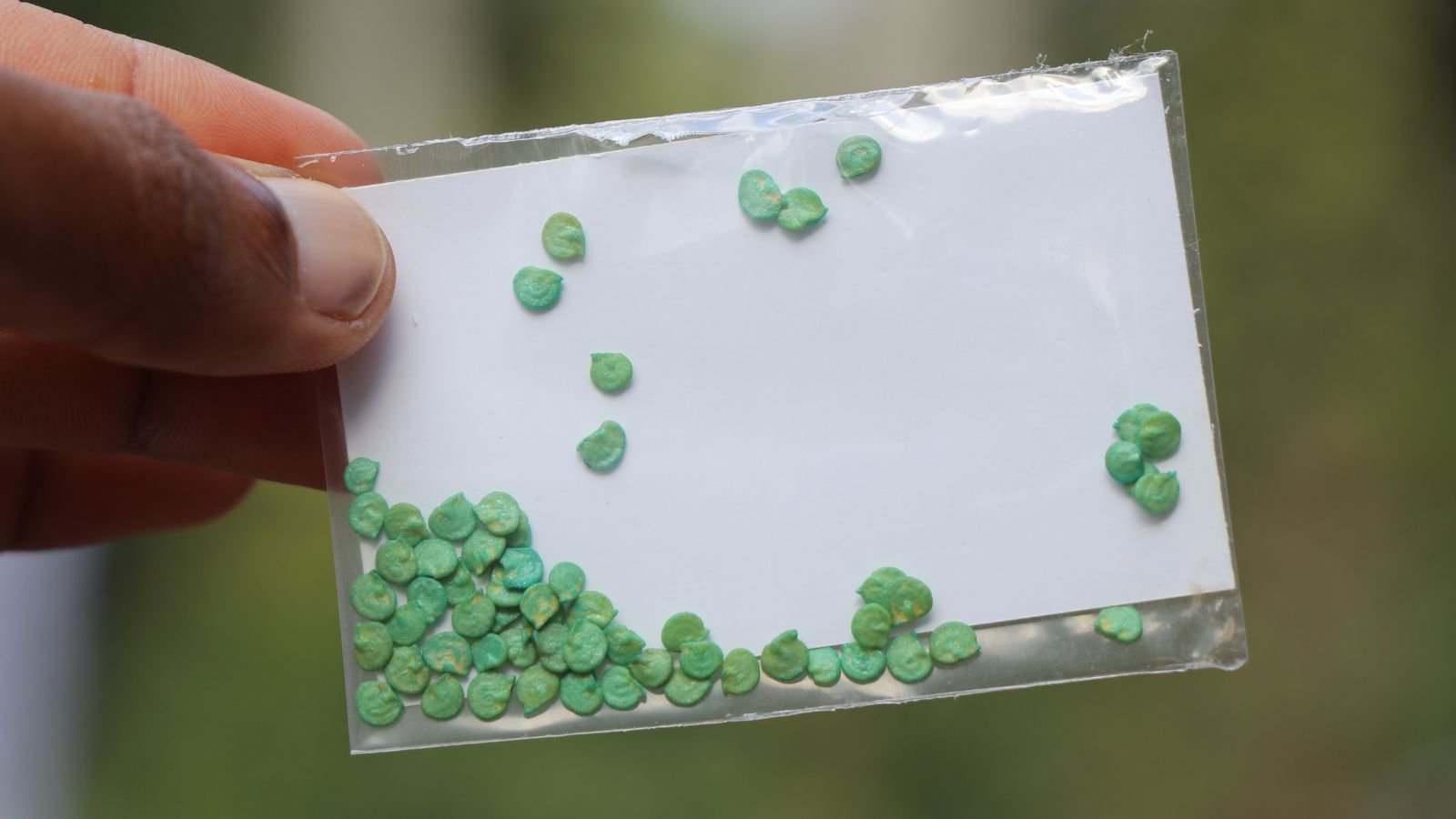
If you buy seed packets in the spring or store your harvested seeds over winter, you usually don’t need to worry about breaking dormancy. Pepper seeds will follow their natural schedule. But if you want to plant seeds right after harvesting or speed up germination, this section is for you.
Dormancy is the seed’s natural defense against harsh winter conditions. To break it, you need to trick the seed into sensing that spring has arrived. The key factors are water, heat, and light. In fact, the soaking and paper towel methods we covered earlier also help break dormancy while testing viability.
To take things a step further and boost germination, some gardeners swap plain water for chamomile tea, sodium hypochlorite, or a diluted bleach solution. These not only soften the seed coat but can also help disinfect the seeds. If using any chemical treatments, soak the seeds for only a few hours, dilute the solution properly, and always follow safety instructions on the label.
Because pepper plants are native to tropical regions, their seeds require warm soil, ideally between 70 and 90°F (21-32°C). After soaking and planting, warm up the soil right away. A seedling heat mat works best, as it allows you to control the temperature. If you don’t have one, place the seed tray in a consistently warm spot, like on top of the refrigerator or near a heating vent.
Plant Correctly

The general rule of thumb for planting depth is to sow seeds at a depth twice their diameter. For most pepper seeds, this means planting them about ¼ inch deep. Be sure the seed starting mix is already moist before planting.
Pepper seeds need to stay consistently moist, but not soggy. One of the most reliable methods is to use a seed starting tray filled with a few inches of fine-grained seed starting mix. This type of mix holds moisture well while still allowing excess water to drain, which is perfect for tiny seeds like peppers. Seed trays are also compact, making them easy to use with heat mats or grow lights. Plus, they simplify the process of transplanting once your seedlings are ready to move outdoors and start producing fruit.
Many gardeners also germinate pepper seeds in soilless media. This is especially popular in hydroponic setups. If you choose this route, use a medium with a fine texture to accommodate the small size of pepper seeds. Coconut coir is a top choice, as it offers excellent drainage, good moisture retention, and supports healthy root development. Pepper plants started this way can easily be transplanted once they’re established.
Common Germination Problems
There’s nothing more frustrating in gardening than doing all your research, carefully planting your seeds, and ending up with no seedlings. Sometimes, despite your best efforts, pepper seeds just don’t sprout. Let’s take a look at some common reasons why.
Seeds are Too Cold
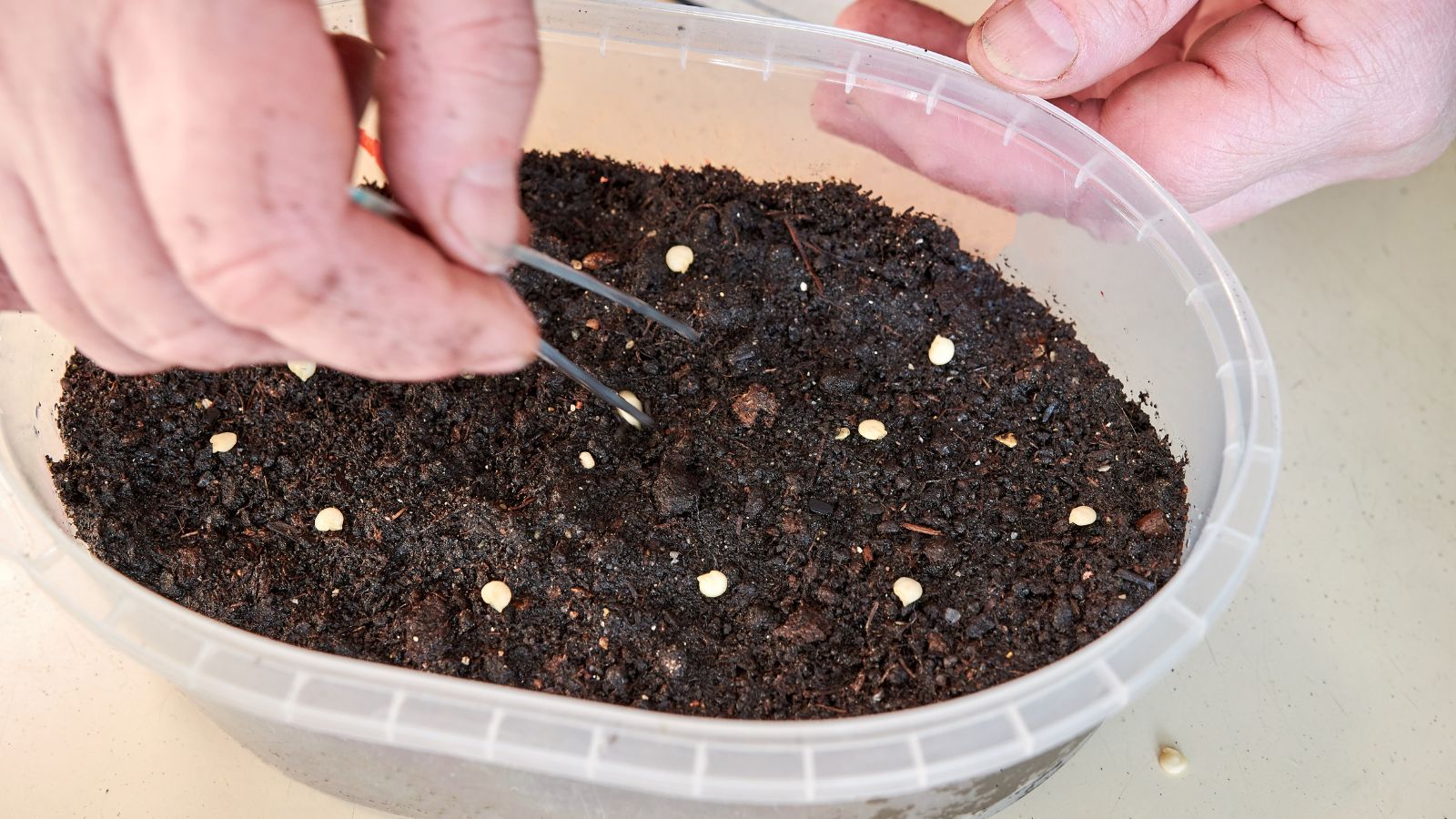
Peppers are tropical plants, and their seeds need warmth to germinate. Many hot pepper varieties require even more heat than sweet peppers, with an ideal soil temperature between 85 and 90°F (29-32°C). If the soil is too cool, the seeds may stay dormant. A seedling heat mat is often essential, especially for hot peppers. It’s one of the best investments you can make to ensure sprouting.
Seeds are Too Hot
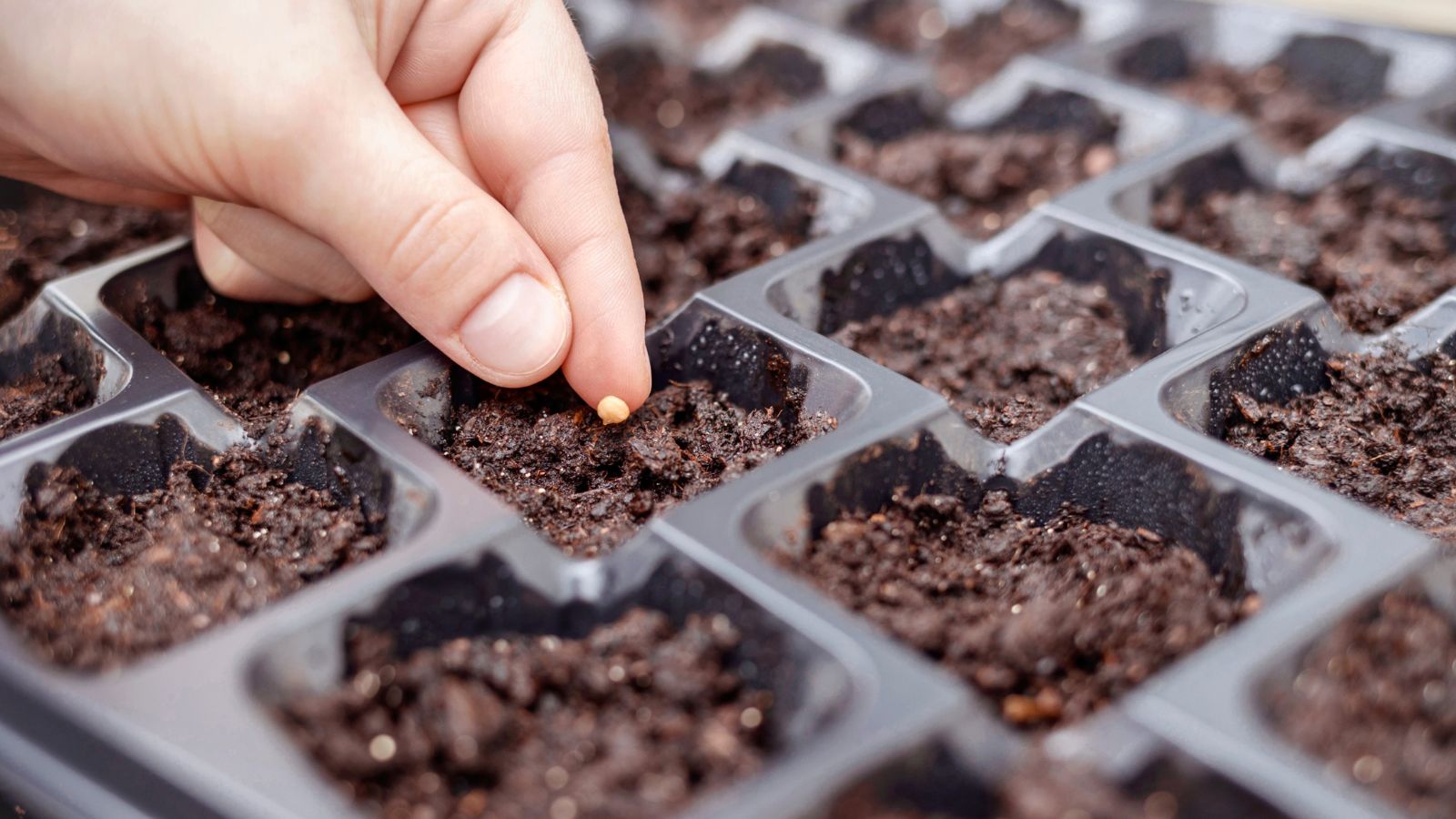
While heat is necessary, too much can damage the seed. If your soil or heat mat exceeds 90°F (32°C), seeds may lose moisture or become unviable. To avoid overheating, keep seed trays indoors and out of direct sunlight. Hold off on using grow lights until after the seeds have sprouted.
Seeds Dried Out
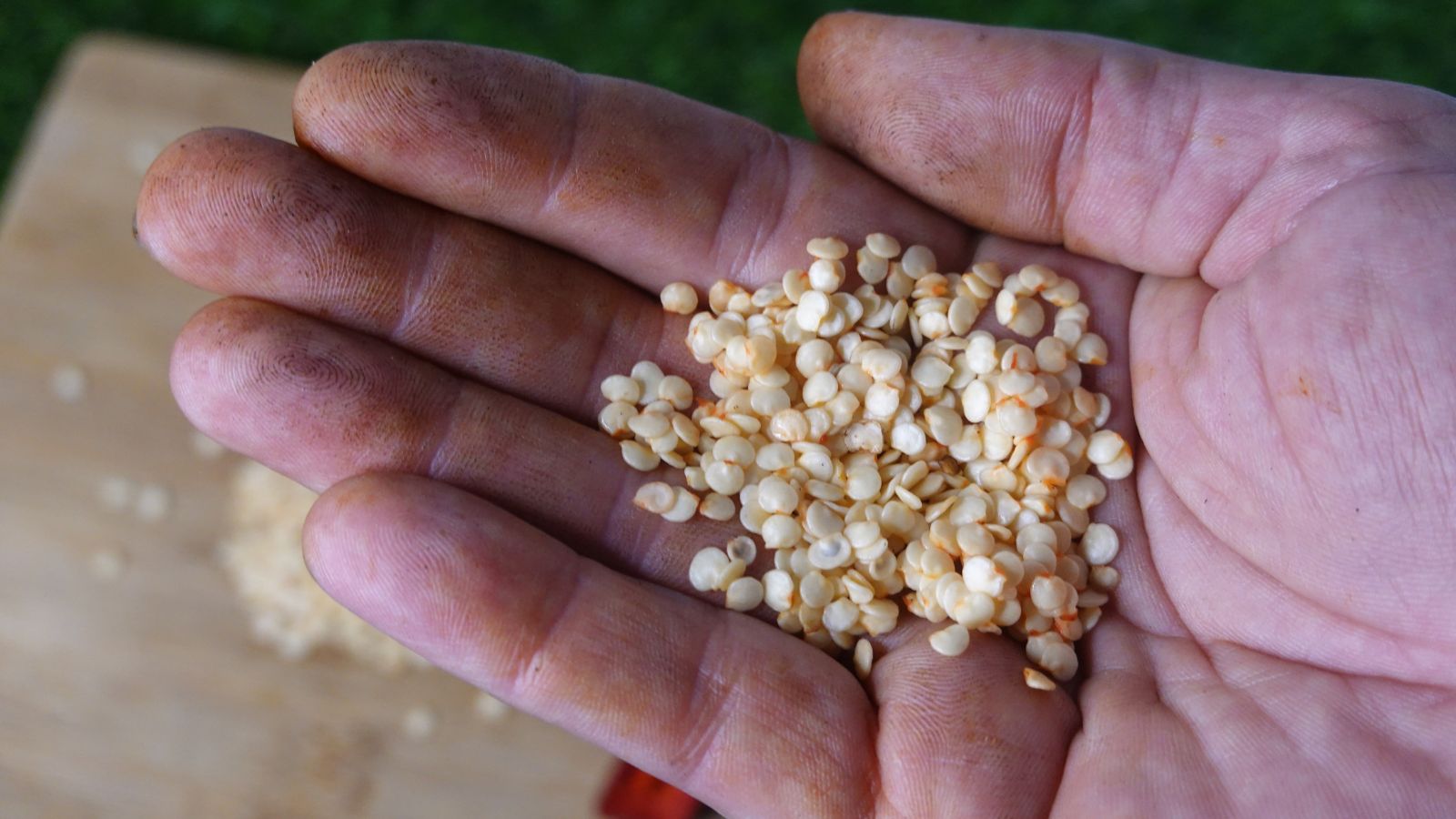
Pepper seeds are tiny and dry out quickly. If the soil isn’t kept consistently moist after planting (especially in dry conditions) they can lose viability fast. You may need to water daily, or better yet, use a humidity dome or mini greenhouse lid to trap in both heat and moisture.
Soil is Too Wet
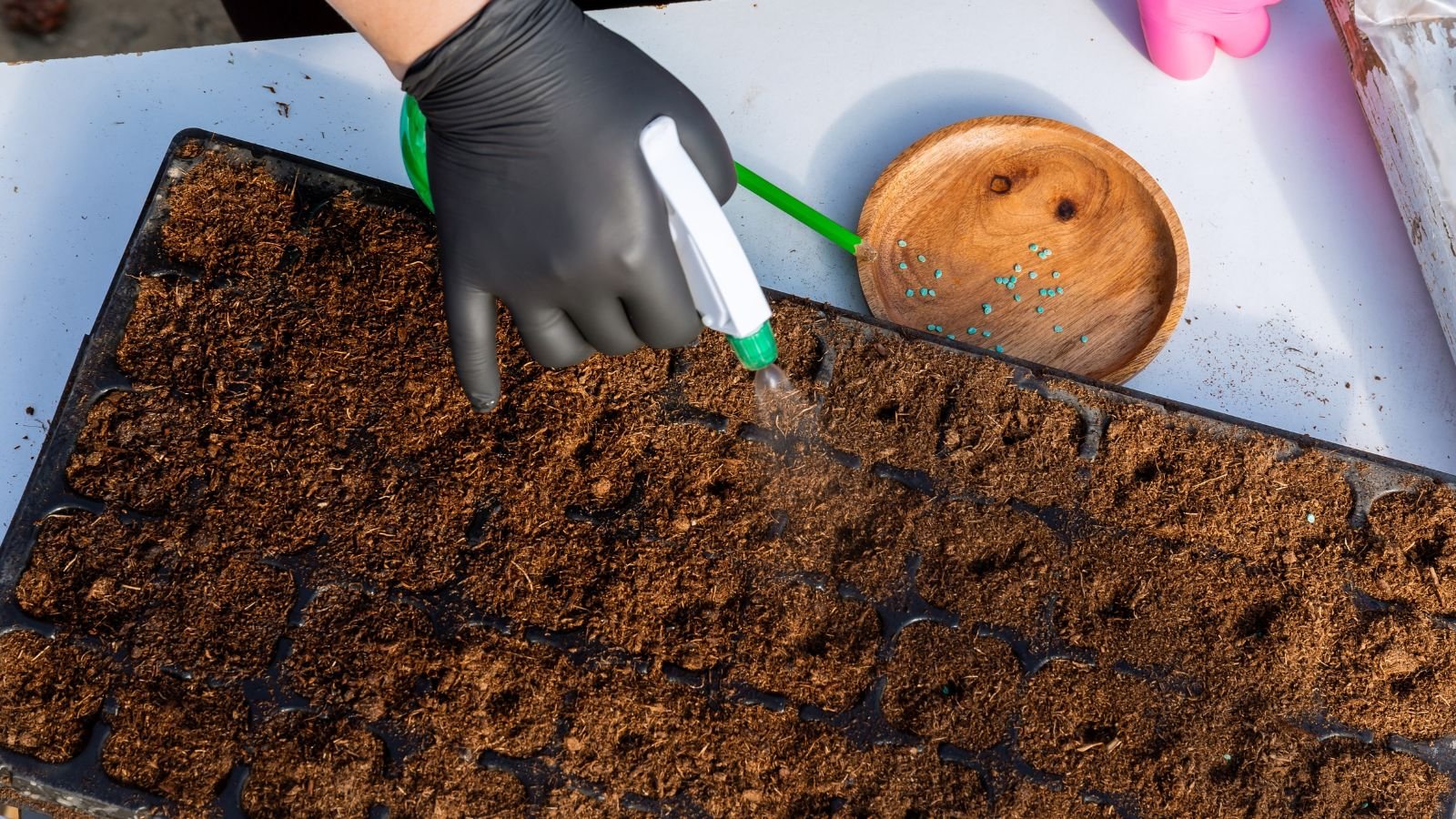
On the other hand, overwatering is just as harmful. Seeds need oxygen to survive, and soggy soil suffocates them. Instead of watering with a can, mist the soil lightly with a spray bottle. You can also bottom-water by setting the tray in a shallow container of water for about 10 minutes and then letting it drain.
Time

While we all want fast germination, some pepper seeds simply take time, especially hot varieties, which may need a month or more to sprout. Don’t give up too early. It’s best to start germination at least one to two months before your planned transplant date to avoid being rushed.
Be patient, monitor your conditions carefully, and give your seeds the warm, moist, and well-ventilated environment they need. Often, a few small adjustments make all the difference.


