Rabbits in the Garden: How to Protect Your Crops Without Cruelty
You can garden with rabbits cruelty-free, and all it takes is a little planning and intention. There are rabbit-resistant plants, covers, and modes for doing it that don’t require a ton of effort. Experienced gardener and master naturalist Sarah Jay covers a few ways you can grow with rabbits nearby.

Contents
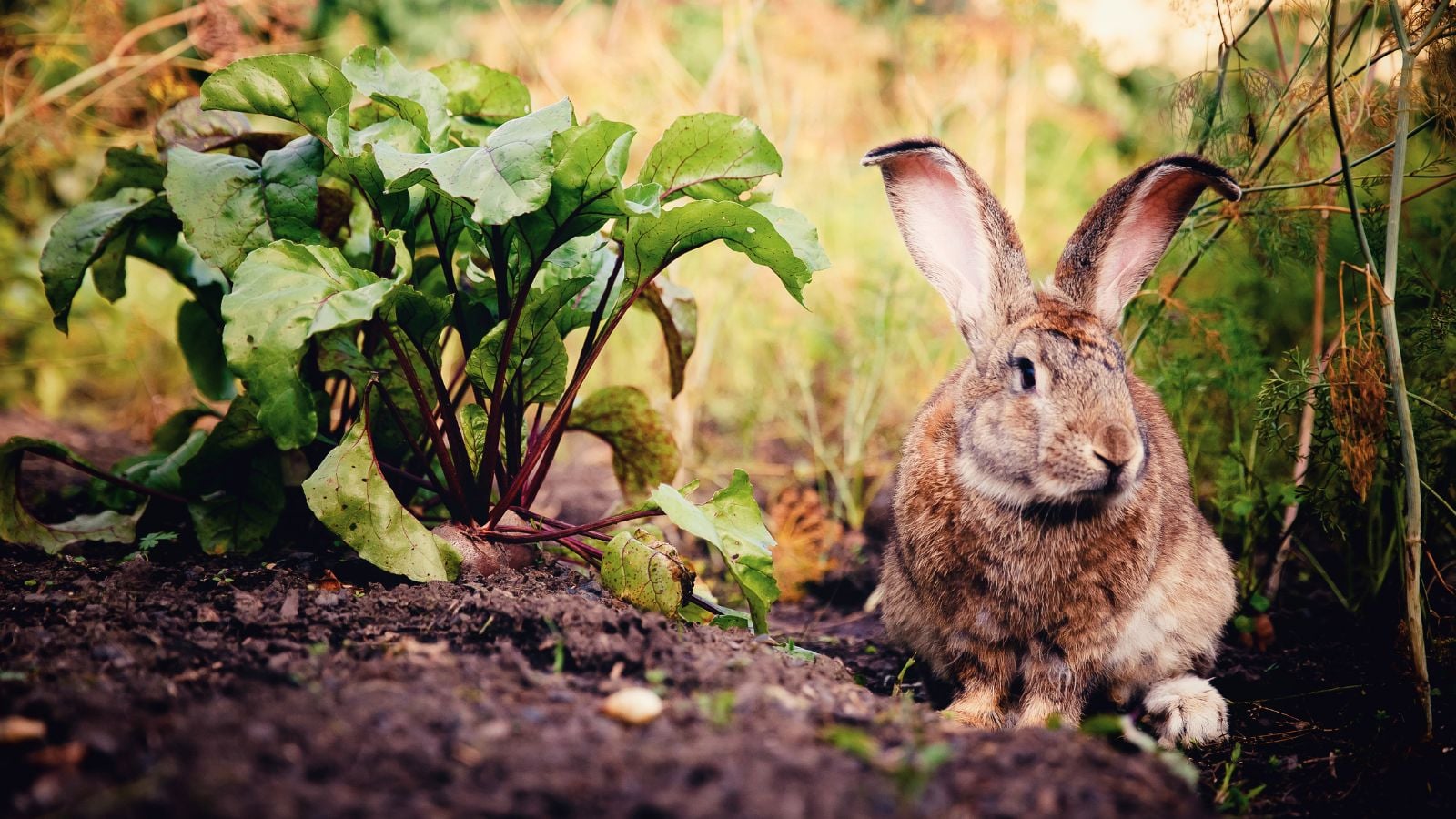
Anyone who has grown a garden somewhere with rabbits knows how devastating it can be to have all your sprouts’ tops eaten from the garden overnight. But there are a few ways to prevent rabbits from making your garden a nightmare. While they can be pesky, there are ways to garden with rabbits cruelty-free.
It’s especially difficult when you’re living in an area where rabbits are plentiful. Rabbits breed all year round, roughly every 14 to 16 days, outside of areas with a very cold winter. Depending on the types of rabbits in your neighborhood, mothers can have between five and 12 kits per breeding cycle. That’s hundreds of rabbits every year, and while there are natural controls for rabbit populations, they don’t have much discrimination when it comes to what they eat.
Still, it’s worth approaching rabbit control in a humane way. It does you or your local ecosystem no good to simply eliminate them, as they’re part of a larger natural web. Eliminating them isn’t effective anyway, as you’d have to remove their habitat. Instead of taking a destructive stance on keeping them out of the garden, try these methods instead.

Step 1: Grow Rabbit-Resistant Plants

To start, the best thing you can do to garden with rabbits cruelty-free is to grow plants resistant to their feeding. This could be two types of plants: those that rabbits don’t like to feed on, and those that can handle feeding from rabbits.
Rabbits have a long list of crops they don’t like. You can plant these along the borders of your garden, near areas where you think rabbits are living. If you know where their hovels are, even better. Start by planting these when the season renews, and keep more sensitive plants inside the bounds of these.
This is by no means a definitive list, but it’s a start. If you want to grow something that’s not on this list, do some research to determine whether or not rabbits will feed on the crop before planting. You can always situate it inside resistant plants. Avoid plants with supple leaves, like lettuce, kale, beans, and raspberries, among others.
- Alliums (onions, garlic, leeks, ornamental alliums)
- Artichoke
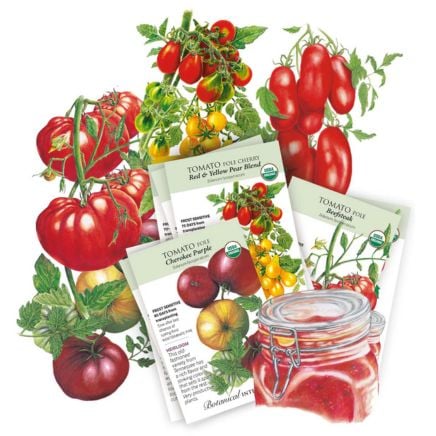
- Tomato
- Corn
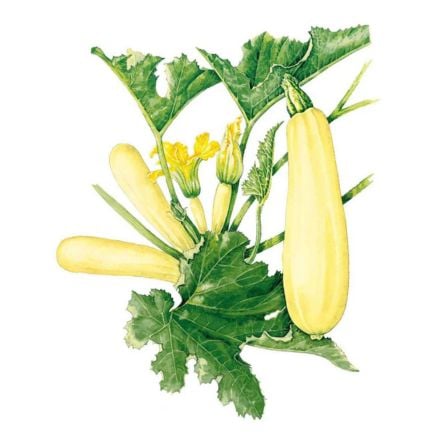
- Squash
- Rosemary
- Potatoes
- Rhubarb
- Asparagus
Step 2: Use Covers

In places where you can’t get away from rabbit feeding, use barriers to keep them out of your garden. This could be as simple as a low tunnel placed over your garden bed, covered with a mesh net. It could be as complicated as a full raised bed setup with a fence around it. Whatever you choose, some barrier will allow you to garden with rabbits cruelty-free.
Smaller rabbits can jump up to three feet in one leap, so keep this in mind if you’re building a fence. They can chew through chicken wire, so use hardware cloth instead if you’re relying on a metal barrier to keep them out. Keep an eye on less sturdy barriers to ensure they don’t break in. Include a bend in your fence that reaches partially underground to prevent burrowing.
Step 3: Apply Deterrent Sprays

While homemade sprays aren’t the most effective of the strategies listed here, when used in conjunction with others, they reinforce your efforts. You can infuse garlic and pepper in water and spray it around the border of your garden. There are other repellants, like fox and coyote urine, that also keep them out. Vinegar is an option, but keep it away from plants.
The kicker here is to apply and reapply the spray of your choice as directed on the bottle if you’re using a store-bought deterrent. For homemade sprays, reapply every week or after every rain. As long as you use this technique along with a physical barrier and regular monitoring, it will be somewhat effective.
Step 4: Plant a Hedge

If you use the age-old garden strategy of growing a hedge, you will be gardening with rabbits cruelty-free. This is an effective means for those who have room to plant a hedge in the ground, as container plantings don’t have the same result.
The practice of using hedges to border the garden originated in the Bronze Age. Not only does the hedge keep things in, but it also gives wildlife a place to be without entering the bounds of your garden. Rabbits would much rather be under the cover of a hedge than in the open, where they can become prey.
If you plant something they like to eat in the hedge, even better. They won’t need to move beyond the boundary.
Step 5: Evict Humanely
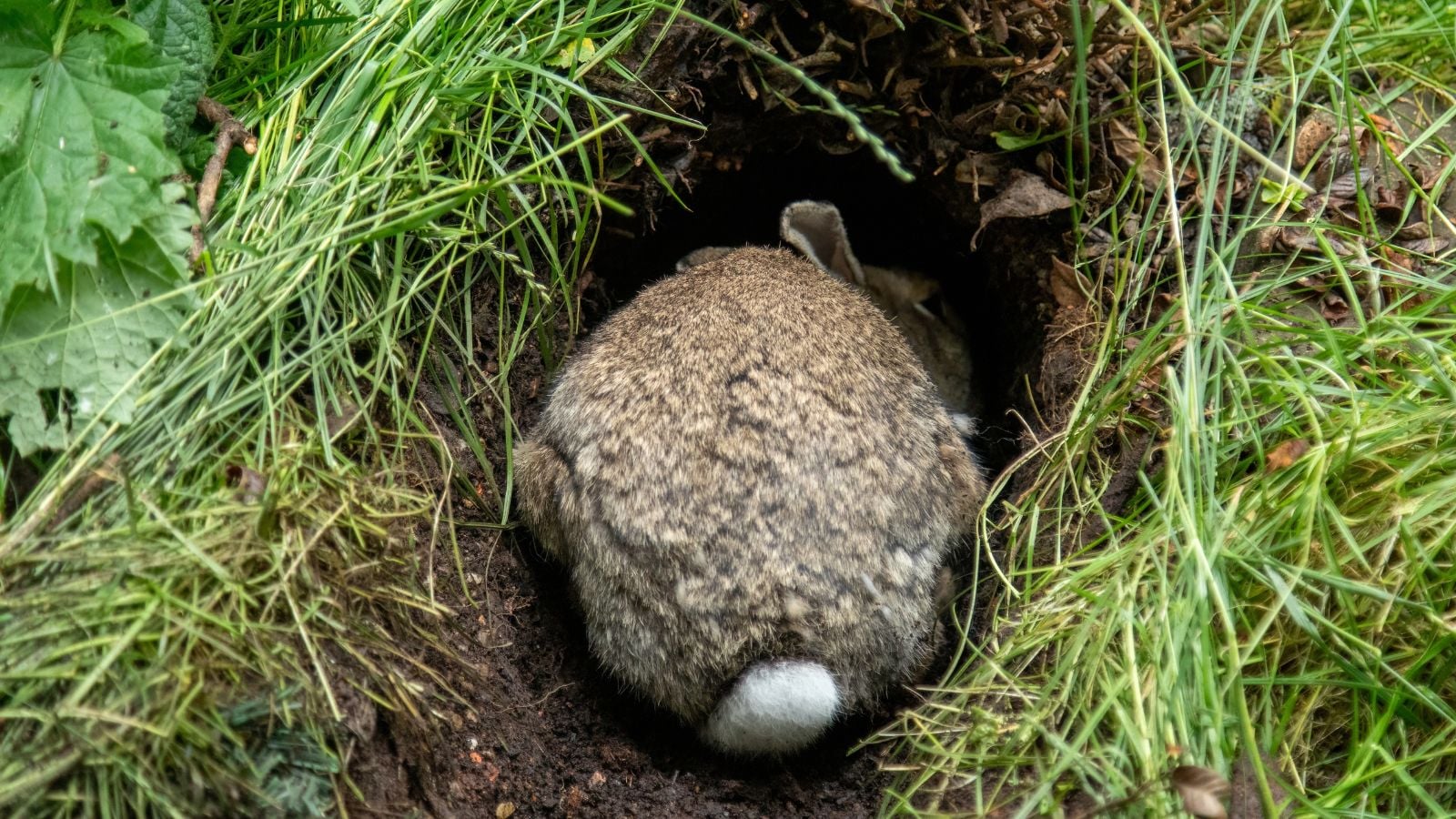
In areas where it’s impossible to live and garden with rabbits cruelty-free, you can evict them. As a former assistant to the local wildlife rehab here in North Texas, I have a few tips! Not only can you make the burrow noisy and make it seem to rabbits to be an unsafe place, but there are also other strategies.
- Place a few rocks down the burrow hole to intimidate them if there are no kits present.
- Dig the entry to the burrow a little bigger. Rabbits will see this as evidence that a predator has been around.
- Make note of the locations of burrows and keep them cleared of hiding spots.
- Once the family has moved, cover the burrow hole to prevent a new family from moving in.
Usually, wild rabbits will move on after a few of these strategies are implemented. They are smart enough to know that spaces that seem unsafe are likely not good places to live. Be kind to them as you use these strategies. They have less and less habitat as years go on due to urban development. Check local wildlife regulations before disturbing burrows.
Step 6: Leave Some Weeds

If you’re okay with rabbits living in your yard, and you’re willing to do what you need to do to protect your garden, you can leave a few areas of the garden wild. Instead of coming into the cultivation space, they’ll stick with the plants that grow naturally in those less manicured areas.
This is another strategy that is most effective when employed with others. It’s one of the nicer ways to keep them out. Then you have your food, and they have theirs. If you want to plant a small prairie where they can eat and enjoy their lives without getting into yours, that’s even nicer than leaving a few weeds.