

18 Cover Crops For Raised Beds
Selecting cover crops for raised beds shouldn't be a chore. We break down a variety of these and help you pick what's best for your beds!

Contents
Cover crops may be the solution if you want to improve your soil health and strengthen your garden ecosystem overall. And cover crops for raised beds are particularly useful. Raised beds can lose soil structure and become compacted over time. They also lose nutrients without supplements such as added organic matter like compost or fertilizers.
An even better option is green manure, also known as cover crops. There are many choices of cover crops for raised beds, from leguminous crops with nitrogen-fixing nodules to flowering varieties like alfalfa that attract pollinators and other beneficial insects to your home vegetable garden.
The benefits of planting cover crops include providing living mulch, increasing soil health, suppressing weeds, improving soil structure, and enhancing decompaction and aeration. Many different plants work as cover crops, but the best options are fast-growing varieties. Look for crops that establish quickly within their first few weeks. This allows you to improve your garden soil quickly and then continue growing vegetables or flowers in your raised bed.
There are many different types of cover crops to choose from, but you don’t need to pick just one. Several seed companies sell cover crop seed mixes containing a blend of eight to nine of the plants we’ll discuss here, so you can reap a variety of benefits.


Buckwheat

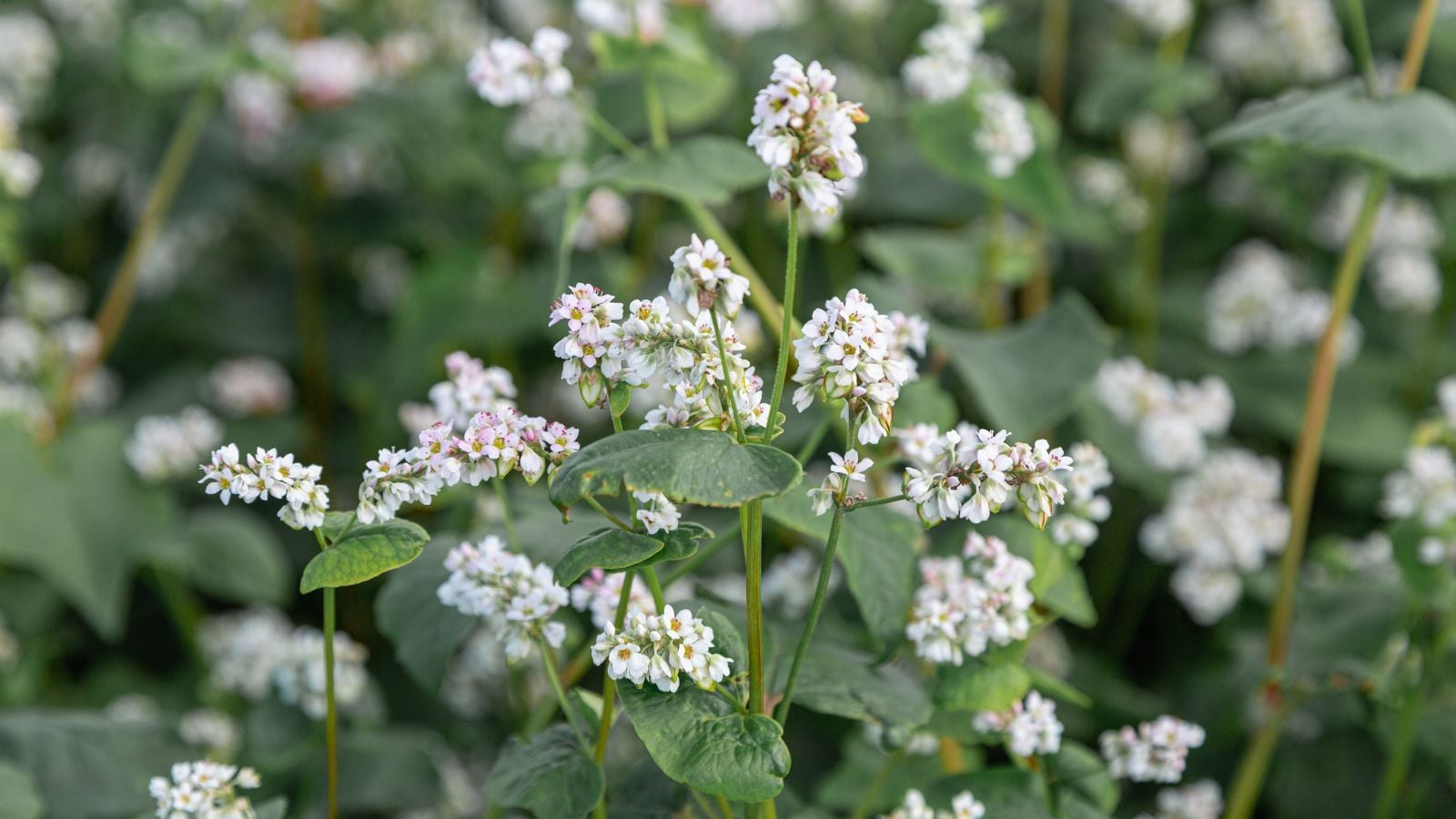
Buckwheat is the fastest-growing cover crop. Because it grows so quickly, you can plant it at virtually any point in the growing season. It also induces the allelopathic effect mentioned above, making it a great choice for your raised bed if weed suppression is your goal.
Buckwheat is edible and can be grown for its microgreens or left to mature so you can harvest the seeds, which are used to make flour. However, cover crops generally aren’t grown to maturity because they end up taking nutrients from the soil to mature rather than adding them back.
Buckwheat is often grown in late summer or as a fall cover crop. It is extremely frost-sensitive and will die after a frost. You can leave the frost-killed buckwheat in place to reap the benefits of it as a living mulch as well.
Alfalfa

Alfalfa is a perennial cover crop in the pea family known for fixing nitrogen into the soil. It’s best to plant it following crops that have depleted nitrogen, such as corn. Alfalfa is commonly grown as forage for farm animals because it contains high amounts of protein. It also produces stunning purple and blue flowers that provide much-needed food for pollinators.
This cover crop is very easy to chop and drop, and you can use it in the same way you would straw mulch. Cut the foliage back to soil level and simply drop the greens onto the soil. Allow them to dry out and break down over winter, then come spring, plant your next crop as you normally would.
Clover
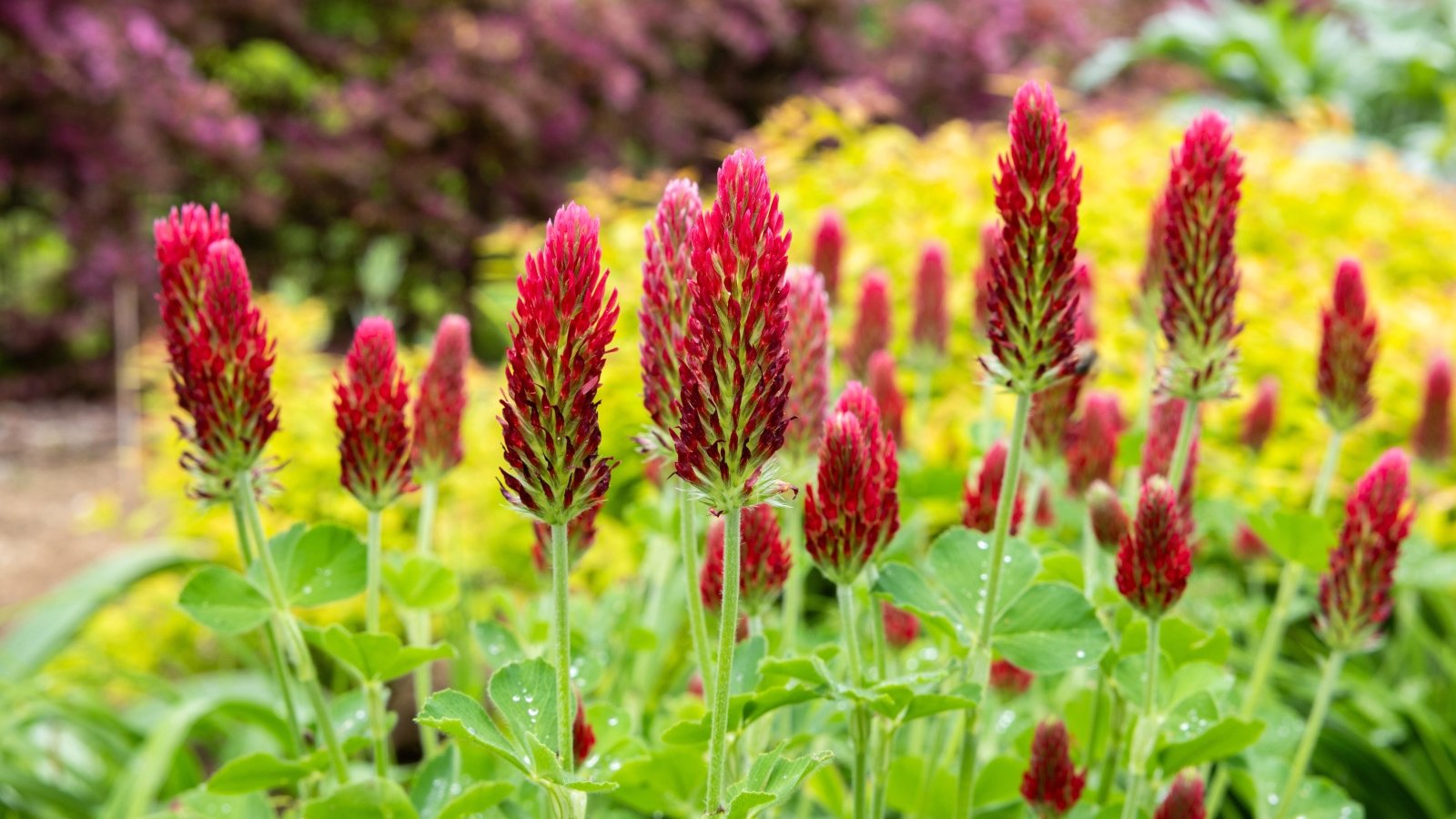
There are many types of clover, not just the common four-leaf variety, and most of them work well as cover crops in raised beds. A few popular types include white clover, red clover, and crimson clover. Clover is related to other legumes such as peas, beans, and peanuts. Like other plants in the legume family, clover fixes nitrogen into the soil via nodules that grow along the roots.
Clover establishes itself in early spring and has a spreading growth habit, which makes it an excellent weed suppressant. It also produces flowers for bees and beneficial insects. Crimson clover is particularly valuable, as it is often one of the first flowers to burst into bloom among spring crops.
Rye
If you want to add a large amount of biomass and organic matter to your soil, look no further than rye. Most commonly, cereal rye such as winter rye is used as a cover crop. Winter cover crops like winter rye have fibrous roots that add plenty of biomass below the soil when allowed to decompose in place.
Winter rye won’t necessarily die on its own over winter, as it can be extremely frost-hardy. You may need to kill it to turn it into a hearty mulch. You can terminate winter rye by mowing it, using the chop and drop method, or even smothering it with a tarp.
Oats

Oats are another member of the grass family, like rye, that you can grow over winter and into spring. This is a great option for home gardeners who live in a temperate climate with a shorter growing season. You can sow oats in fall and grow them over winter, or sow them in spring and grow them into late summer.
Hairy Vetch
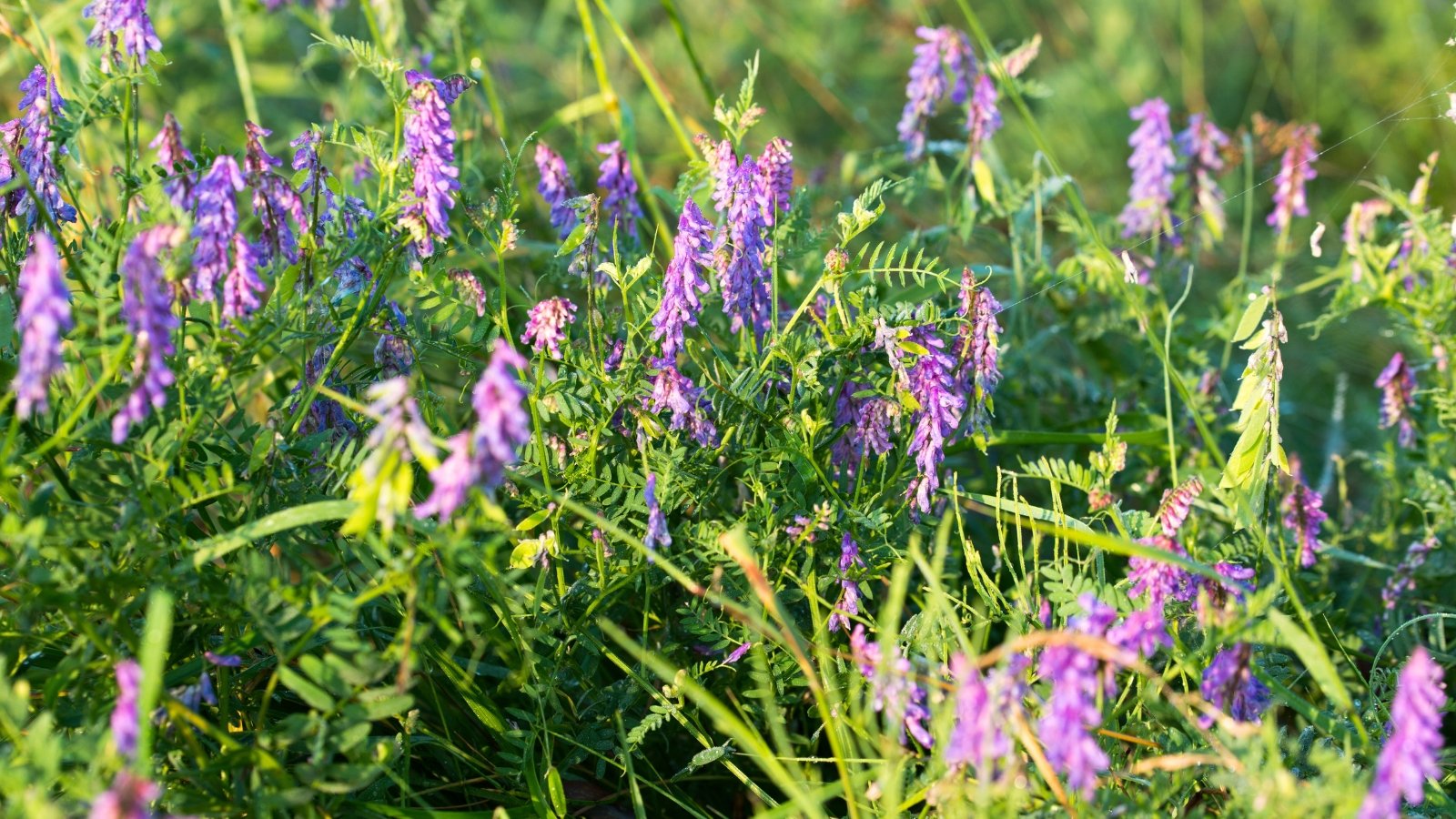
Hairy vetch, like rye and oats, can survive over winter in most areas and works best as a mulch. It is a great choice for improving sandy soil, as it helps increase moisture retention and prevent further soil erosion. This winter cover crop is also a legume that fixes nitrogen into the soil.
Hairy vetch produces beautiful small purple flowers and has a spreading growth habit that makes it excellent ground cover. It can be viewed as invasive because of how quickly it spreads along the ground, but it is easily controlled and usually doesn’t affect healthy native plants.
Sorghum
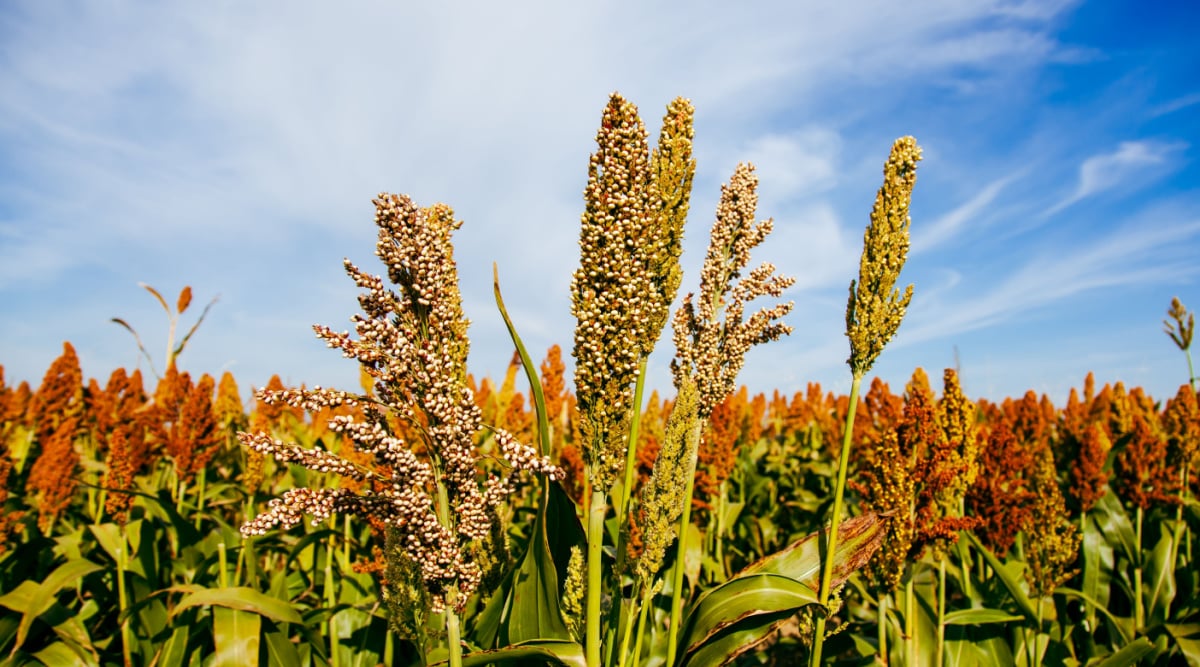
Sorghum, or sudangrass, makes an excellent winter mulch to protect your soil from harsh elements and weeds. It has an extensive root system that adds an abundant amount of organic matter to your soil. Sow sorghum in mid-fall and either mow it down after a few weeks of growth or allow winter frosts to cause it to die back.
Millet

There are many types of millet, but pearl millet is most commonly used as a cover crop. It is generally not sown on its own but rather as part of a cover crop seed mix. Millet has many special benefits, including being very heat-tolerant in hot and dry conditions. It can also tolerate sandy soil.
Like most members of the grass family, millet readily self-seeds for the next year and restarts its life cycle. When using this plant as a cover crop, be sure to cut it back before it goes to seed unless you want it to spread.
Cowpeas
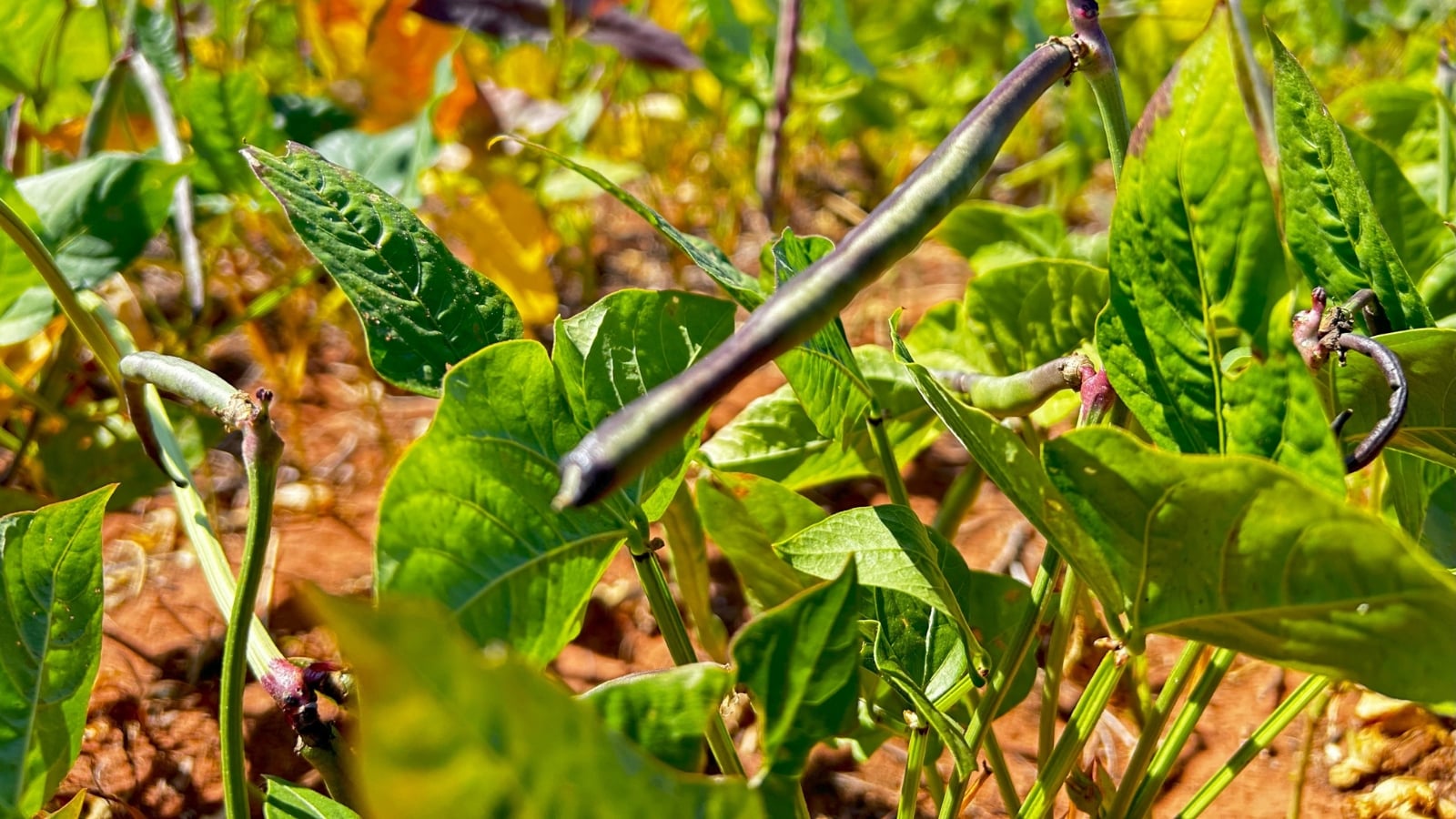
Also known as field peas, or more commonly as black-eyed peas, cowpeas have a long taproot that makes them a great choice if your goal is to prevent soil erosion. They are heat and drought-tolerant, which also makes them a good option for home gardeners in warmer climates. Cowpeas add nitrogen to the soil and are also edible should you choose to grow them to maturity.
Peas

Unlike cowpeas, regular peas do not tolerate heat or drought and are most definitely cool-season cover crops. Another member of the legume family, peas also have nitrogen-fixing properties. They are frost-hardy and can be grown later into the season in temperate climates. You can leave them in place as mulch or harvest them as edible young pea shoots.
Lentils

Lentils are a great cover crop choice in cooler seasons since they are very cold-tolerant, although they cannot survive below-freezing temperatures. Lentil seeds germinate at 40°F (4°C). They are a winter annual legume that provides excellent ground cover. Cover crop plants in the lentil family can also survive in low-moisture environments.
Mustard

Mustard is a great choice for home vegetable gardens that may be struggling with pests and diseases in raised bed soil. Mustard contains high levels of glucosinolates, which are known to suppress soil-borne fungi and even nematodes. Plus, mustard greens are edible and quite delicious.
Mustard plants also have extremely long taproots that can extend three feet below the soil, which will greatly improve your soil structure. Be forewarned that when mustard goes to seed, it will readily self-seed the area and you might find “mustard weeds” popping up later, but that just gives you more salad components to make use of!
Barley

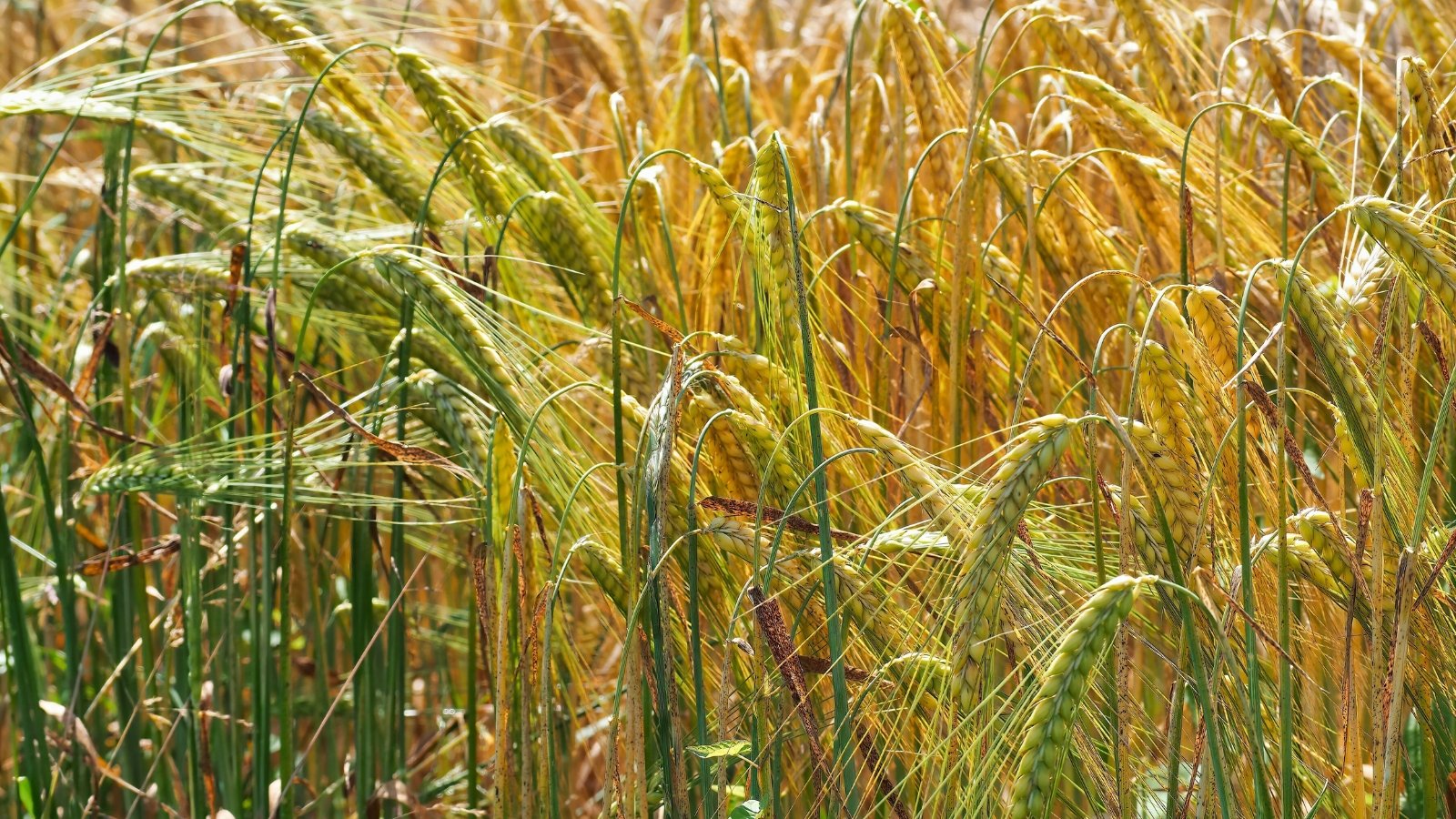
Although barley is less winter hardy than rye, you can grow it through the winter months in mild climates such as zone 8 and above. Like many of the other grasses mentioned above, barley has a deep and fibrous root system that adds a wealth of organic matter to the soil. You can easily mow it down and leave it in place as mulch.
Wheat

Winter wheat, just ahead of oats and rye, is the most common choice for a cover crop. It germinates readily, grows very quickly, and is easy to plant in fall and then wait for winter frost to kill it back. For these reasons, this is a great choice for those just beginning to learn to grow cover crops.
Radish
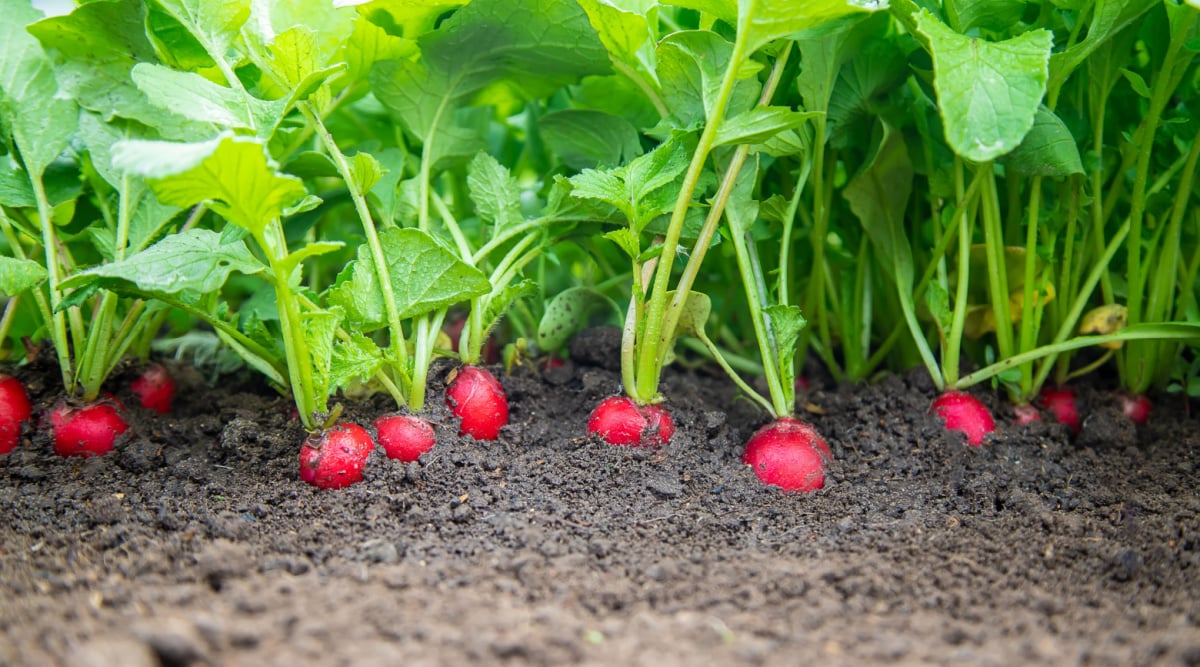
There are two main types of radishes used as cover crops: oilseed and daikon. Oilseed radishes grow faster than daikon since the roots don’t grow as thick. They are technically edible but are not usually grown for culinary use.
Because the oilseed roots don’t grow as thick, the plant focuses on foliage, which provides plenty of green manure to feed your soil microbes. The roots can also be left in place to decompose in the soil more quickly than the thicker root of the daikon radish.
Daikon radishes, however, are a good choice if you’d also like to get an edible harvest from the cover crop you planted. These root vegetables also work well if your goal is to aerate compacted soil.
Triticale

Triticale is a mix between wheat and cereal rye, and because of this, it shares many of the same properties as the plants mentioned above. Growing triticale as a cover crop in raised beds will prevent weed growth, and if you choose to forgo using it as mulch, it also makes an excellent addition to the compost pile.
Garbanzo Beans

Also known as chickpeas, garbanzo beans are summer crops generally planted in early spring and harvested in late summer. A spring planting of garbanzo beans is often used in crop rotation between wheat and barley to help break the cycles of pests and diseases shared by those two plants.
Scarlet Runner Beans

Scarlet runner beans are a perennial cover crop in mild climates like zone 7 and above, but they are grown as an annual in cooler zones. They are also edible but must be cooked first. Scarlet runner beans add nitrogen to your soil and provide beautiful red flowers for pollinators in your garden. Fava beans also share many of the same benefits!
Frequently Asked Questions
What is the fastest-growing cover crop?
Buckwheat is the fastest-growing cover crop that can grow 2-3 feet within 4 weeks.
What is a good cover crop for a vegetable garden?
Ryegrass, hairy vetch, and clover are all good choices of cover crops for a vegetable garden. All of these crops grow quickly and have a large root system that adds biomass below the soil as well as above it.
When should you plant cover crops?
A general rule of thumb is in the fall, one month before your first frost date, but they can be planted at any time of the year to protect bare soil.
What is a no-till cover crop?
This usually refers to the chop and drop method of cover cropping which calls for the crops to be cut down at ground level. The roots are left in the soil to decompose and the above-ground foliage is dropped in place to die back and create a mulch for the raised bed.


