How to Fertilize Your Christmas Cactus with Coffee Grounds
Christmas cacti are colorful, festive succulents that always look their best for the holidays. Easy to care for, with a surprisingly showy blooming habit, these are a houseplant favorite. Join gardening expert Melissa Strauss to learn how you can recycle your coffee grounds as fertilizer for your Christmas Cactus.

Contents
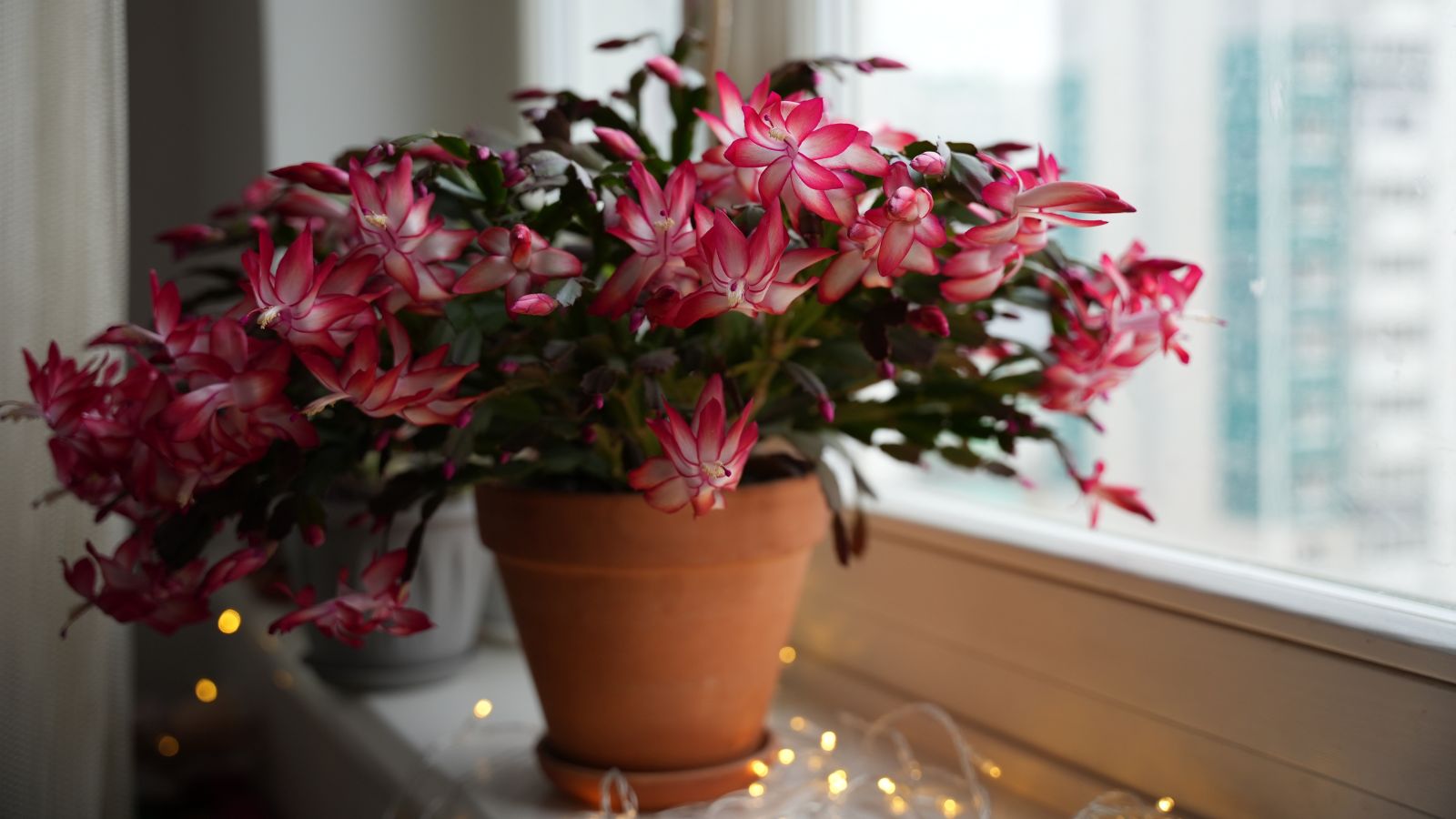
Christmas cactus is a popular houseplant that becomes even more beloved around the holidays. They’re known for their vibrant flowers that bloom between late fall and early winter. They’re not true cacti; rather, these are tropical succulents that come from the rainforests of Brazil.
To keep your Christmas cactus healthy, it needs similar conditions to its natural habitat. It prefers bright, indirect light and moderate to high humidity. While not frost-tolerant, they do like a bit of cold weather to tell them it’s time to bloom. Their leaves will begin to blush purple with too much exposure.
With most cacti, you should water sparingly, but the Christmas cactus is different. This one needs more moisture, though you should allow the soil to dry just slightly between waterings. Encourage flowering by exposing your plant to cooler temperatures and reduced sunlight hours for a few weeks in the fall.
In addition to shifts in light and temperature, your Christmas cactus needs nutrients to perform its best. This is where coffee grounds come in. While they may not entirely take the place of fertilizers, coffee grounds are a great Christmas cactus supplement.
Why It Works
Coffee grounds have several benefits for your Christmas cactus as a fertilizer and soil additive. In moderation, they can boost growth, improve color, and strengthen flowering and root formation. They also contain nitrogen to boost green growth.
Coffee grounds contain small amounts of valuable nutrients, including nitrogen, potassium, phosphorus, copper, and magnesium. These are all valuable for your Christmas cactus, but overdoing it can end in disaster.
Your Christmas cactus also prefers soil that is slightly acidic. As luck would have it, coffee grounds are mildly acidic and can help lower the pH of your soil over time. The ideal pH range is from 5.5 to 6.2, and most potting mixes come in around this range or just slightly higher. So don’t go overboard.
Coffee grounds also improve the structure of the soil. They are about 40% organic matter, mostly carbon-based compounds. When you mix them with your soil, it helps with water retention, aeration, and aggregation.
The result of these soil improvements is richer microbial life. It creates a more hospitable environment for your Christmas cactus’ roots. It improves drainage as well, which is important as these are prone to root rot.
Brew First
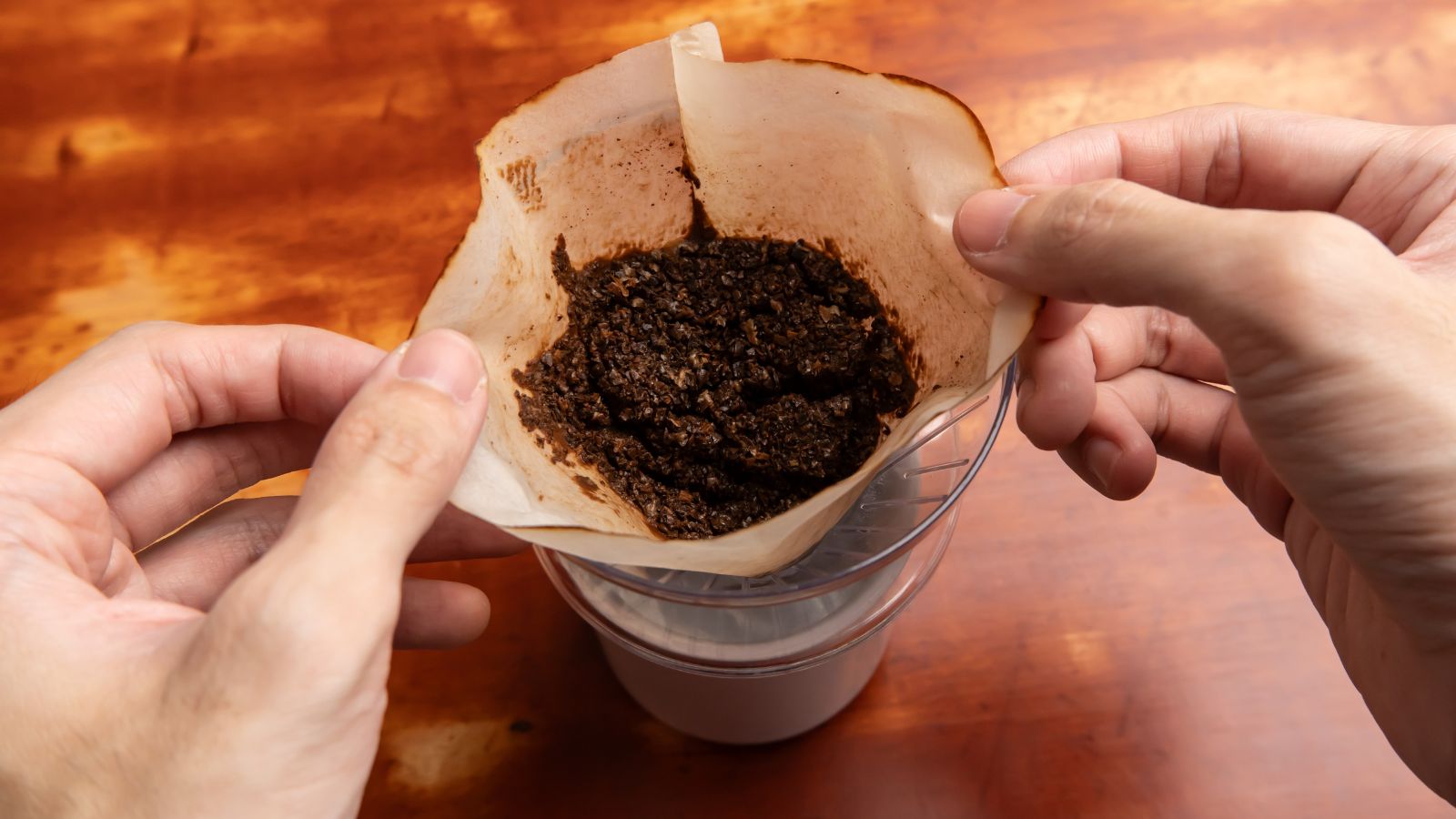
Before we get into the methods for fertilizing your Christmas cactus with coffee grounds, we need to answer an important question. Should we use fresh grounds, or should we brew a cup first and use the leftovers? The answer is the latter. Or, you should at least rinse them first.
Fresh, unbrewed coffee grounds are extra acidic. They typically have a pH of 5.0 or lower. The nutrients are not as accessible in this form, and the caffeine content is extra high. The result is that you may over-acidify your soil and harm soil microbes. The nutrients also won’t be as available for your Christmas cactus to use.
Brewed coffee grounds have a higher pH; they’re slightly acidic, but closer to neutral. The nutrients are more available as a result, and you’ve eliminated most of the caffeine. In moderation, they are safe in this form and will have a more positive effect.
There are times when mixing unbrewed coffee grounds into Christmas cactus soil is appropriate. But it’s not usually in relation to caring for houseplants.
They’re good for lowering the pH of alkaline soil and mixed into larger quantities of compost. Otherwise, it’s best to brew them.
Mix it with Compost
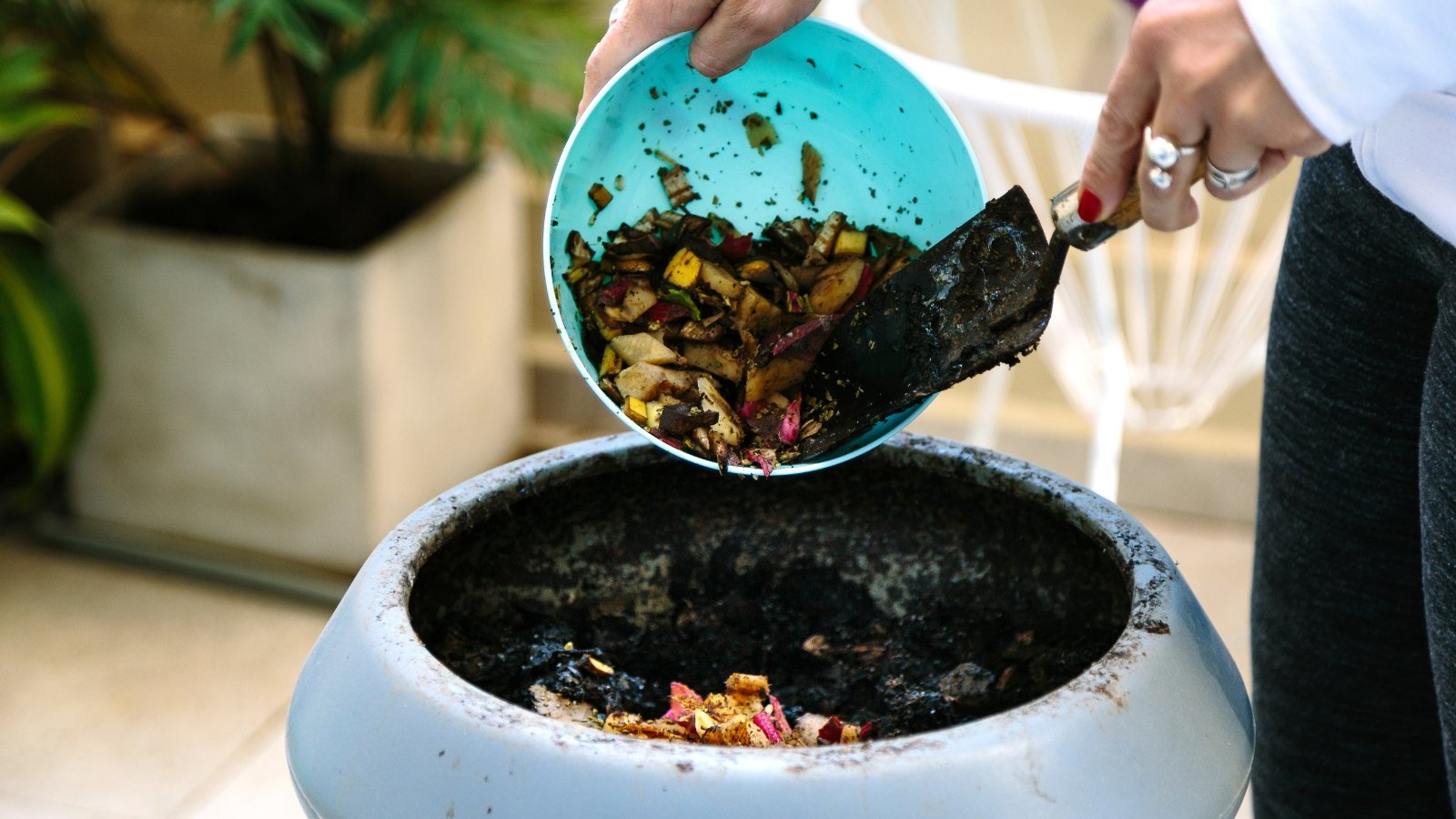
Using coffee grounds in your soil has some drawbacks. You should always mix them with potting mix or compost before you use them for your Christmas cactus. For one thing, they can retain too much water, creating a soggy mess and causing root rot.
When they dry, coffee grounds can compact and form a hard crust on top. This blocks air and water from circulating around the roots. They can also over-acidify the soil. They’re an incomplete nutrient source as well, with plenty of nitrogen, and not enough potassium and phosphorus.
Because of these factors, it’s best to mix your coffee grounds in with compost or potting soil. Even better, you can add them to your compost pile, which will break them down further. Microbes in the compost pile break down caffeine and acid and create a stable humus.
Make a ‘Tea’

The heading of this section makes me laugh a bit. Making ‘tea’ from coffee grounds is just a silly concept. You’re probably asking, ‘Isn’t that just regular coffee?’ Yes, it is. In fact, I often use leftover coffee to water my houseplants.
There is a slight issue with using your leftovers, and that is the strength of the brew. I like my coffee strong, and my plants prefer it pretty weak. If you’re going to use what’s in the bottom of the pot, make sure to water it down. But who am I kidding anyway? What is leftover coffee?
The best way to do it is to take those leftover grounds and essentially make another, larger pot of coffee. You can do this in a jar, bucket, or pitcher, and it takes a day or two to make it strong enough. You’ll need two cups of used grounds and a gallon of water.
Add your grounds to a container and fill it with your gallon of water. Exact measurements aren’t important; you can eyeball it. Stir your mixture and allow it to steep for 24-48 hours at room temperature. Strain it to remove the particles (or don’t) and use it immediately.
Lightly Top Dress
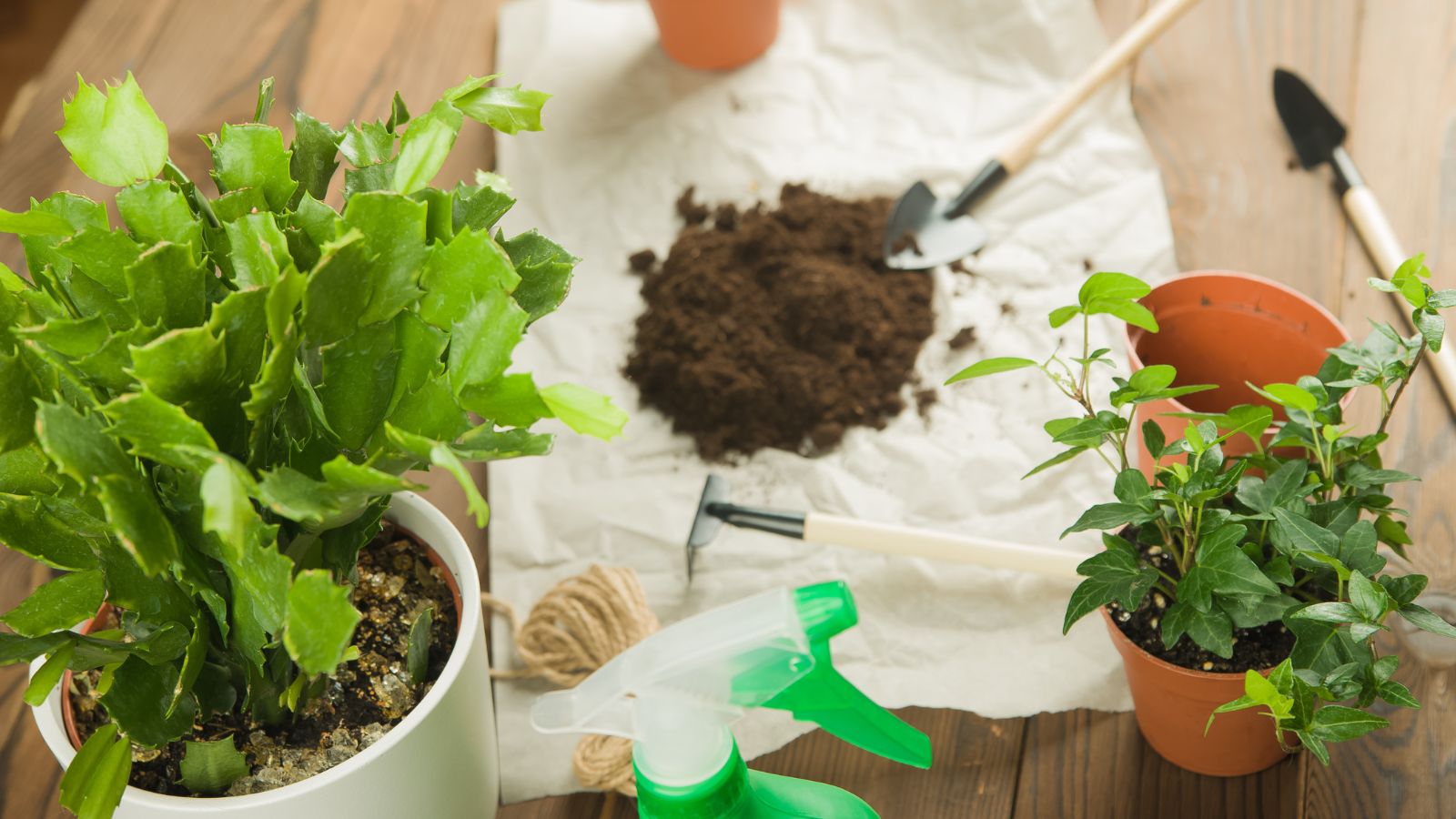
The last method is the one I would least recommend, but it can still work if you do it correctly. It’s certainly the fastest method, but it can have mixed results. Top-dressing your houseplants with your used coffee grounds is simple. If you do it sparingly, it can be effective.
The grounds themselves can improve your Christmas cactus soil composition if you sprinkle them on top. However, it will take time for any real difference to take place. Over time, they can improve the texture and nutrient profile of your soil.
Make sure, again, that you’re using pre-brewed grounds. Spread them out on a paper towel to dry them first, so that they don’t grow mold. You want them to be crumbly.
Then sprinkle a light layer of them on top of the potting soil. Gently mix them into the top 1/2 inch so that they don’t form a hard crust on top.
Water your plants as usual, keeping an eye out for fungus on top of the soil. Reapply once every month or so during the growing season, and stop using coffee grounds after the Christmas cactus finishes blooming. Your plant will want a rest at this point, and too much nitrogen can burn the roots.