August Planting Guide: Best Perennials to Plant for Next Year’s Garden
August can be a good time to plant perennials in some climates. Planting this time of year gives your perennials time to establish strong roots before winter, so they can flourish in the spring. Join gardening expert Melissa Strauss for an August perennial planting guide.

Contents
In regions where fall arrives gradually, planting perennials in August is a great idea. The warm soil and cooler air give plants the perfect combination for strong root establishment without heat stress. This strong root system enables them to get an early and robust start in the spring.
In addition to the soil and air conditions that make this a good planting time, there are other advantages. There are fewer pest and disease issues by this point in the summer as well. Pests are typically past their prime reproduction period by August. Early to mid-summer typically sees a peak in these issues.
You may also find August is a good time to find deals on plants at the nursery. Nurseries will discount plants before heading into the fall months as business slows. This is a great time to take advantage of those discounts.
Many places also see an increase in rainfall during the early fall months. It’s almost like a second spring in this way, but in reverse. While the soil is cold in spring, in fall it’s nice and warm. The combination of warmth and an increase in moisture is perfect for establishing new perennials.
If you want a flush of flowers next year, follow this August perennial guide for ideas on what to plant now.


August Perennial Planting Guide
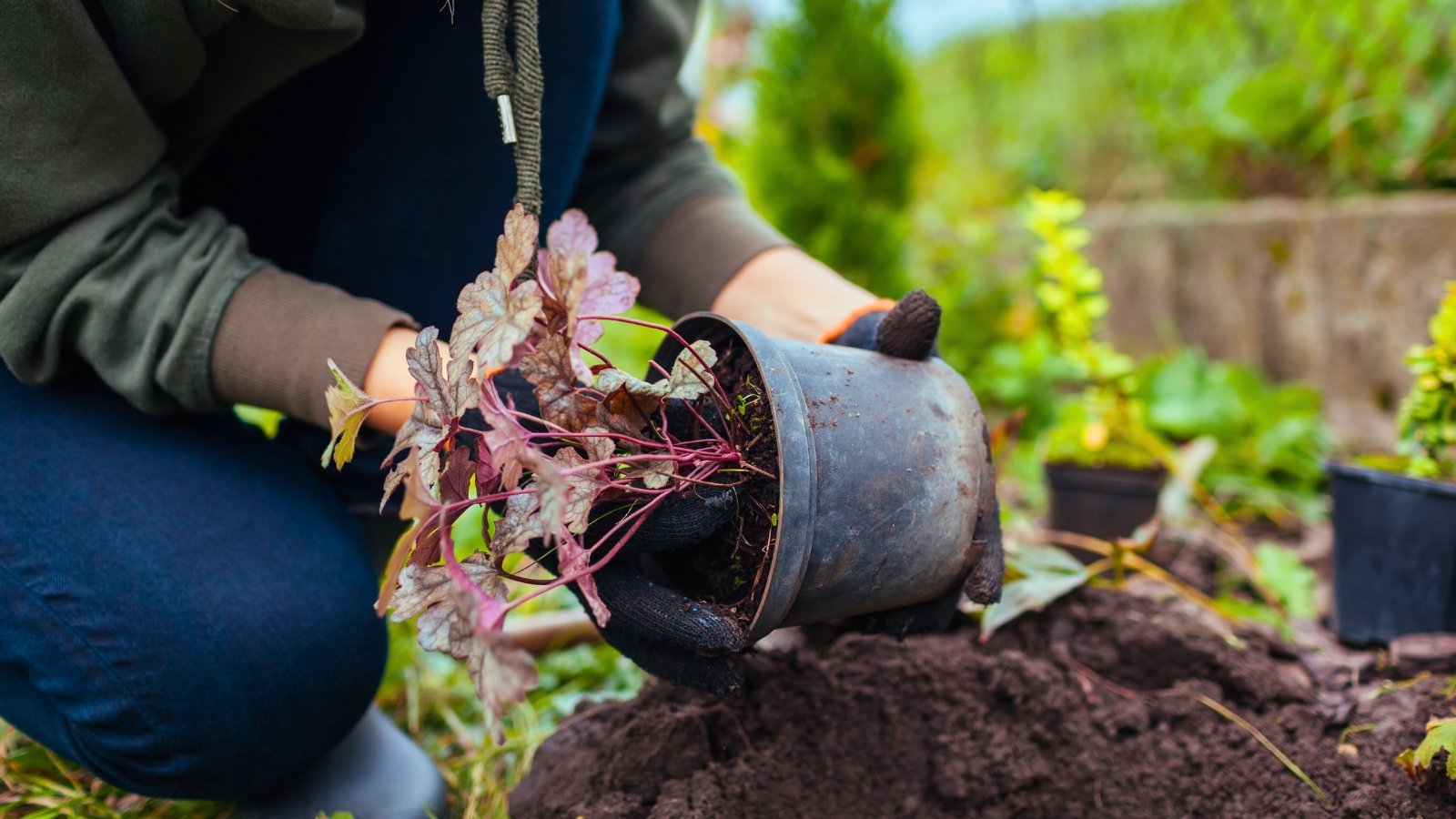
If you want your August-planted perennials to survive, there are some quick guidelines I’d like to cover to set you on the right path:
Water regularly
August soil is warm, and the heat can cause it to dry out quickly. Until your plants are well established, make sure to water them every two to three days to keep them hydrated. Water more often if the weather is still quite hot.
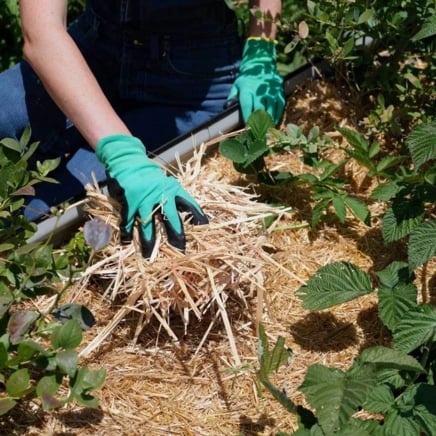
Mulch
A layer of mulch will go a long way toward protecting your new perennial’s roots. It holds moisture and helps to regulate the soil temperature. This makes it easier for your plant to adjust to drastic shifts in the air temperature.
Skip the Nitrogen
High nitrogen fertilizers encourage green growth rather than root development. That green growth is more vulnerable to cold damage. It also takes energy away from that root development, which is necessary to promote before frost. Instead, use a light application of a fertilizer higher in phosphorus and potassium.
Timing is Important
Try to get your perennials in the ground at least six to eight weeks before your average first frost date. This makes August a good time for zones 5-12. Farther north, you could run into frost issues.
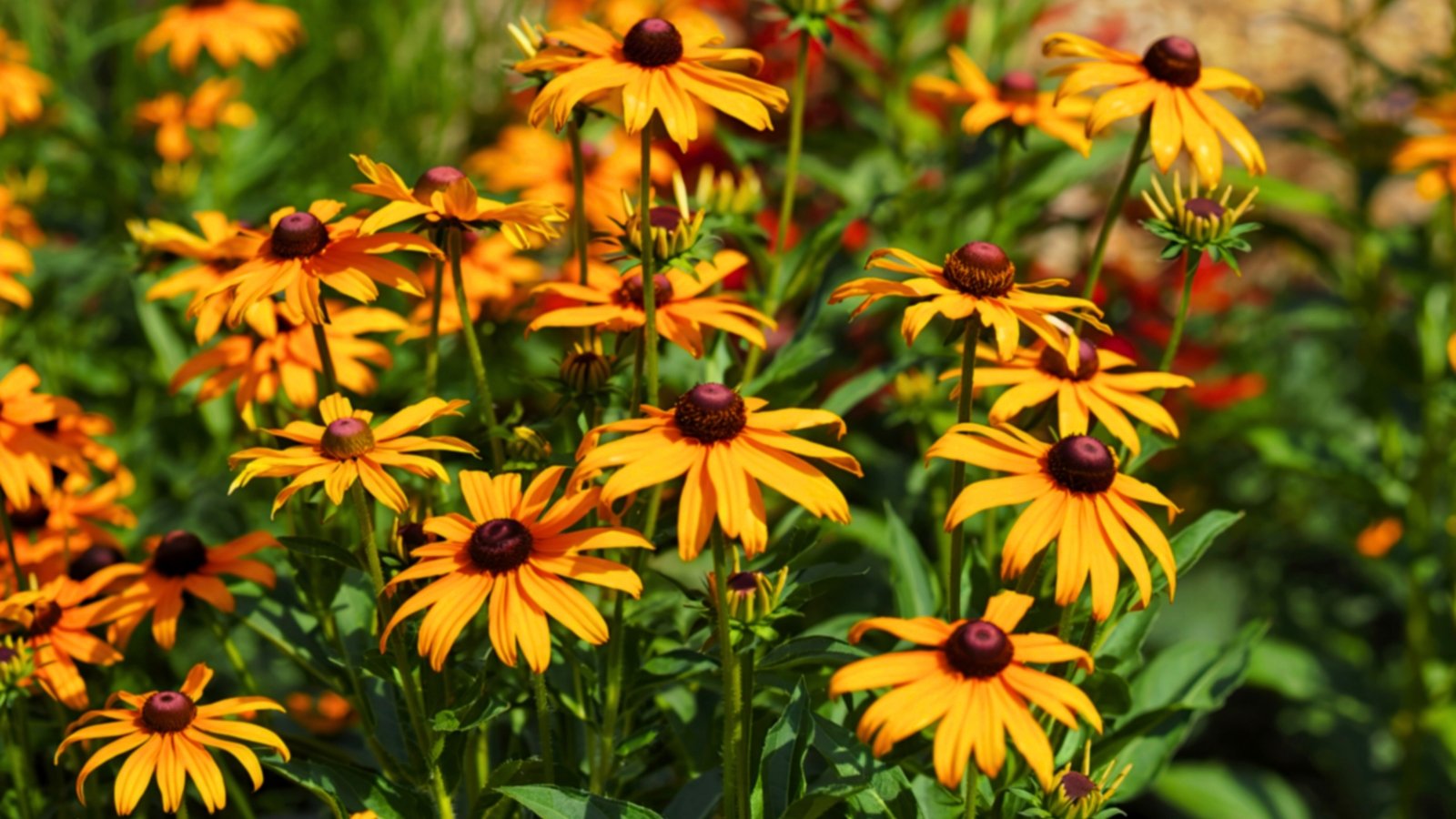
Black-Eyed Susan

|
botanical name Rudbeckia hirta |
|---|---|

|
sun requirements Full sun |

|
height 1’-6’ |

|
hardiness zones 3-9 |
First in our August perennial guide is black-eyed Susans. It’s also a way to add color to the late summer garden. This late summer timing gives this perennial plenty of warm soil and long daylight hours to establish strong roots. This sets them up for vigorous growth and blooms the following year.
Cool nights will give your new black-eyed Susans a strong start and minimize transplant shock. Give your plants 12-18 inches of space between them, as they can grow quite large in one season. This perennial is a late-summer bloomer, so if you plant it now, it will support pollinators through the fall.
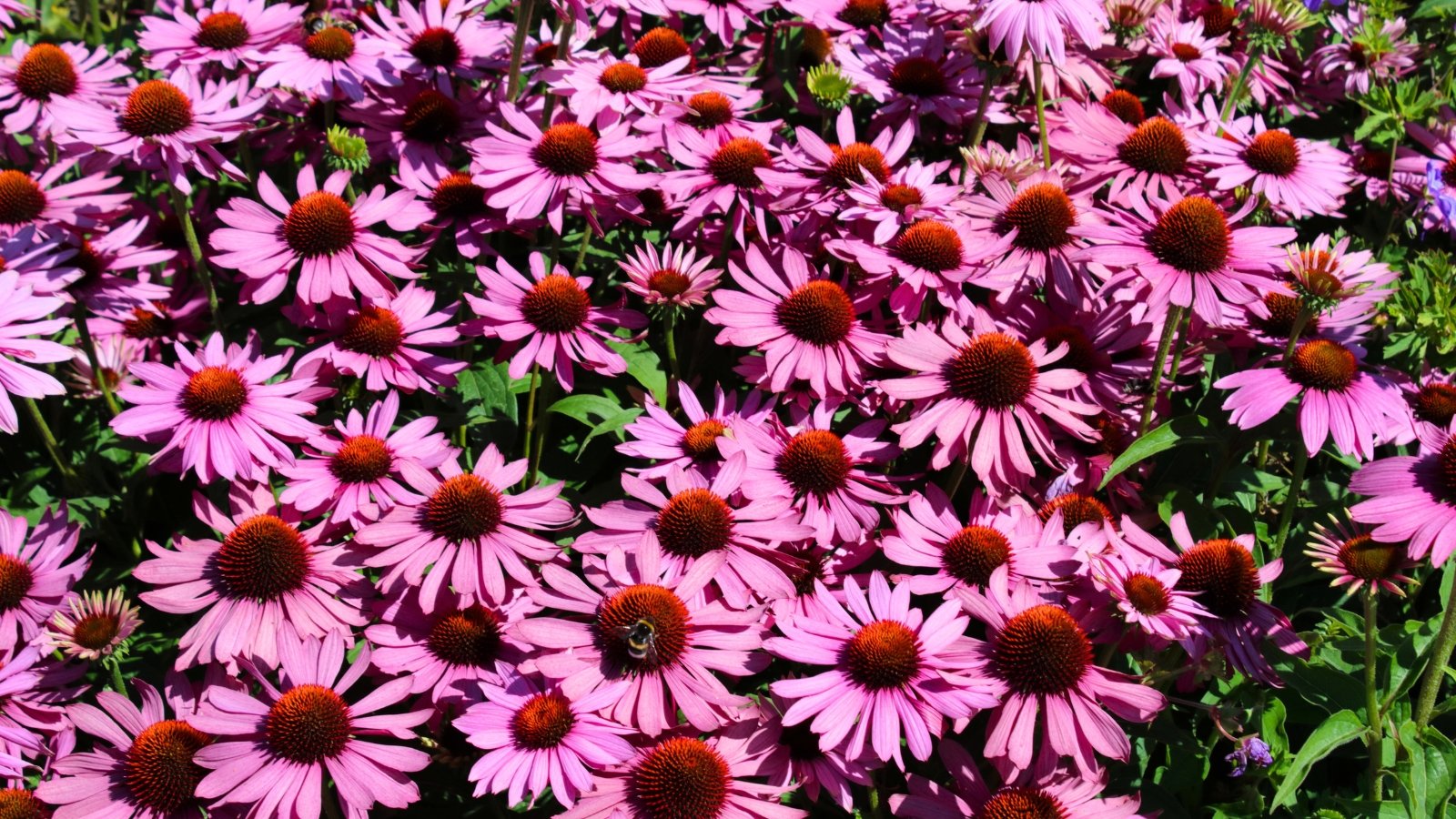
Purple Coneflower
|
|
botanical name Echinacea purpurea |
|---|---|
|
|
sun requirements Full sun |
|
|
height 1’-5’ |
|
|
hardiness zones 3-9 |
Planting coneflowers in August is a smart way to get these perennials established before winter. They are heat- and drought-tolerant, and August’s warm soil encourages strong root growth. This will help them thrive the following spring.
Coneflowers are drought-tolerant once established, and they self-sow nicely. By establishing roots in the fall, these perennials will begin to bloom earlier the following year. They commonly start blooming in late spring and can continue until frost under ideal circumstances. They’re valuable for pollinators, and their seed heads provide food for overwintering birds.
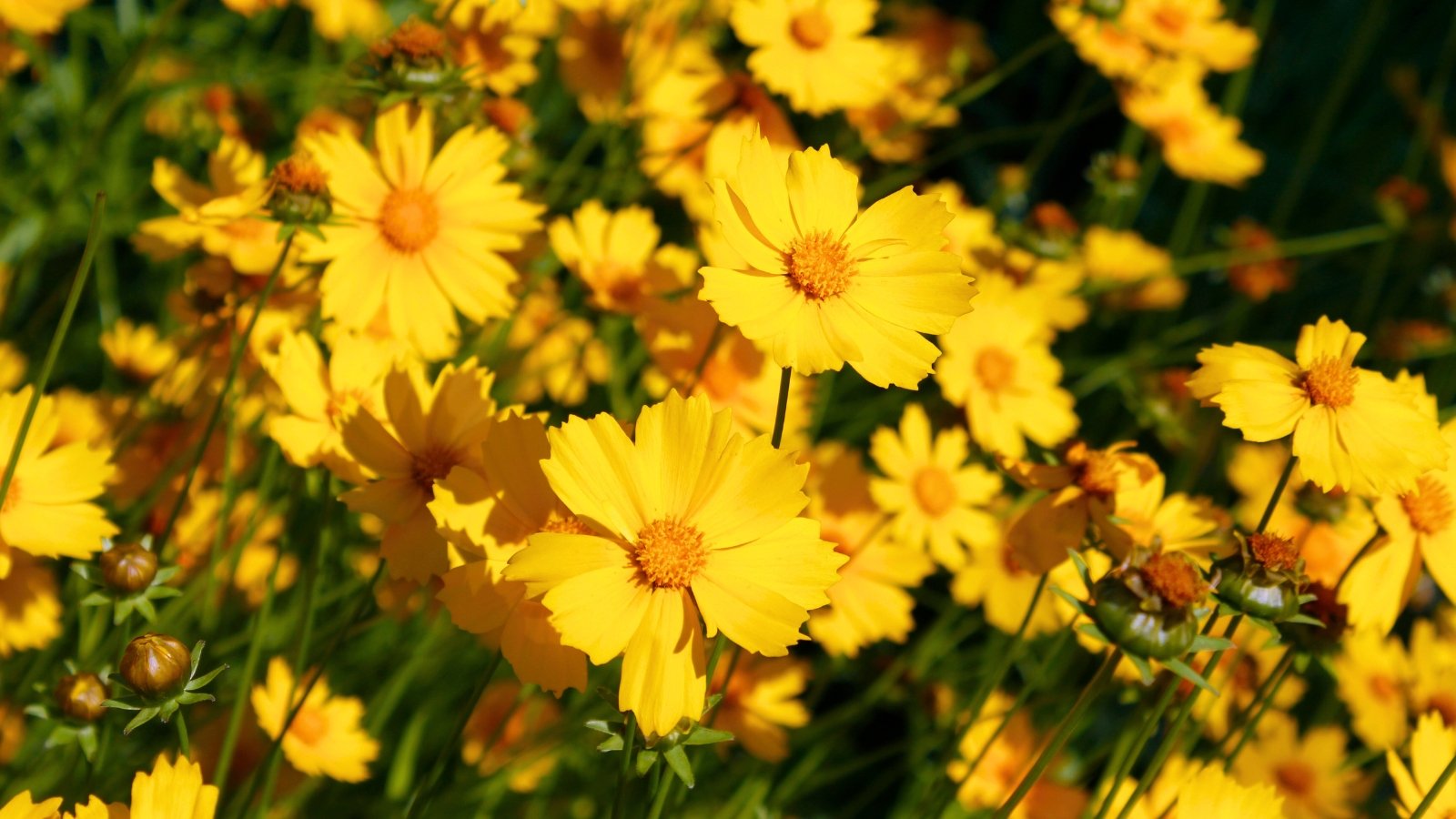
Coreopsis
|
|
botanical name Coreopsis spp. |
|---|---|
|
|
sun requirements Full sun |
|
|
height 6”-4’ |
|
|
hardiness zones 3-9 |
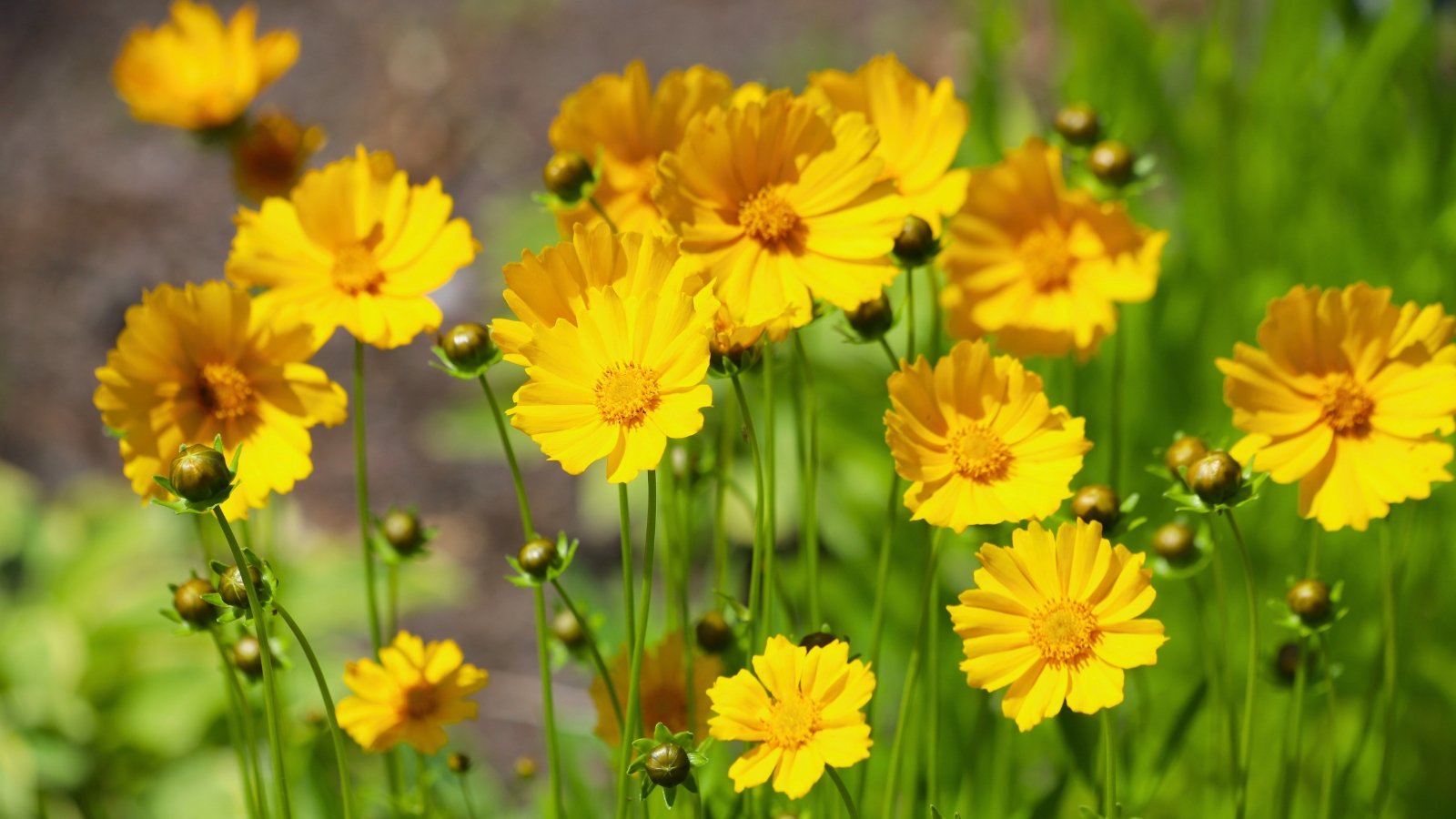
Plant coreopsis in August to establish this cheerful perennial before winter. It’s known for its bright, daisy-like flowers and tough, drought-tolerant nature. By planting in August, you give this plant time to develop strong roots in warm soil, so it returns with vigor in the spring.
Coreopsis is a hardy and adaptable perennial, so it’s well-suited to planting during a long window. Pollinators love it, and it blooms for a long time. It begins in spring. If you shear it after the first flush, it will bloom again later in the summer. It’s drought-tolerant once established, and deer typically won’t bother it.
Hosta
|
|
botanical name Hosta spp. |
|---|---|
|
|
sun requirements Partial shade |
|
|
height 6”-4’ |
|
|
hardiness zones 3-9 |
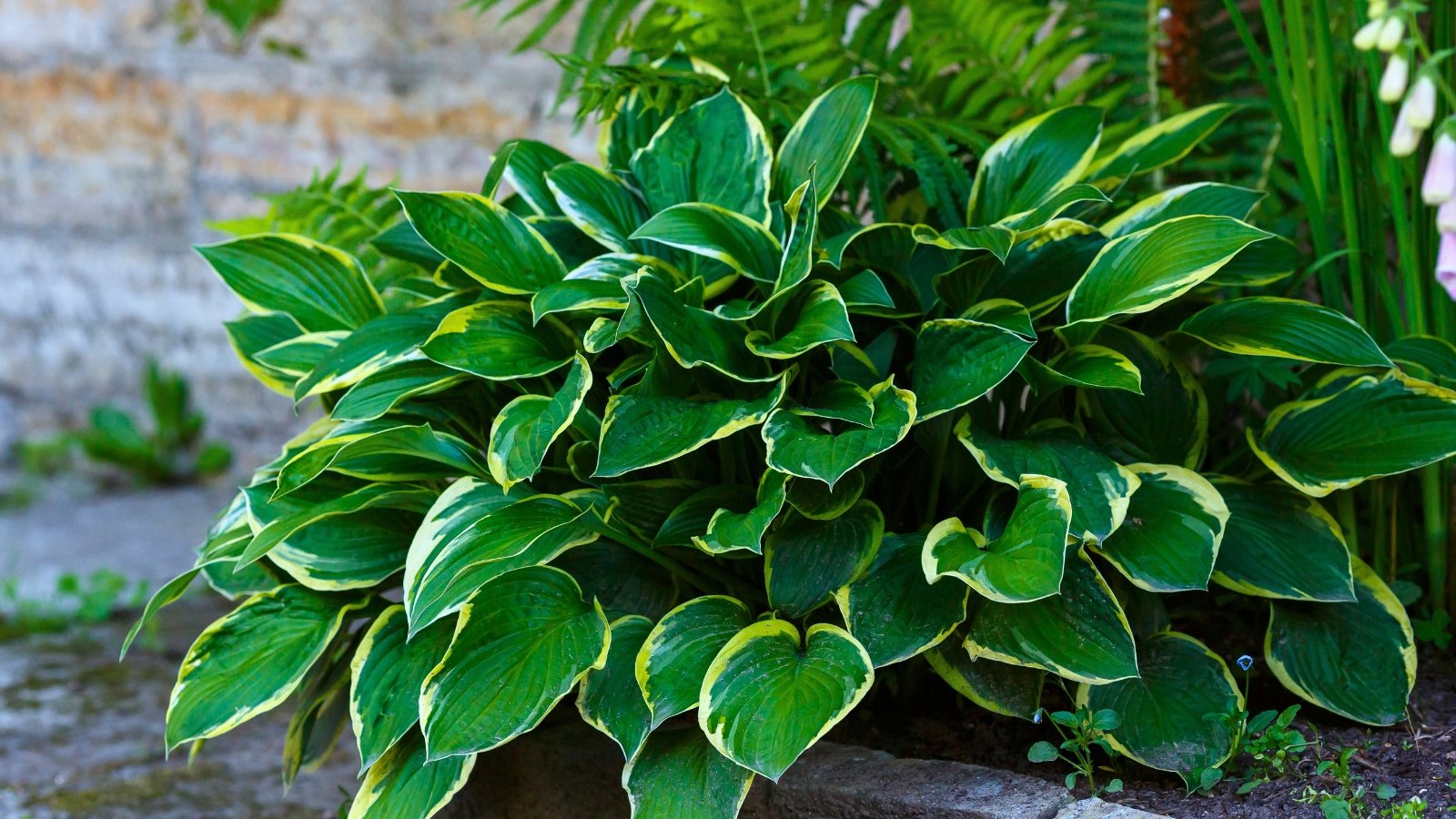
The first foliage plant in this August perennial guide, it’s a great idea to plant hostas this month, especially in cooler or temperate climates. August’s warm soil and slightly cooler air temperatures help new hostas establish strong roots before winter. With proper watering, they’ll settle in well and come back strong in spring.
Hostas prefer some shade to keep their foliage looking hydrated and healthy. They also prefer fertile, moist soil, so make sure to water them regularly while they settle in.
These perennials pair well with ferns as their broad foliage makes a nice contrast to feathery ferns. Make sure to avoid the crown when you mulch.
Salvia
|
|
botanical name Salvia spp. |
|---|---|
|
|
sun requirements Full sun |
|
|
height 1’-5’ |
|
|
hardiness zones 5-10 |
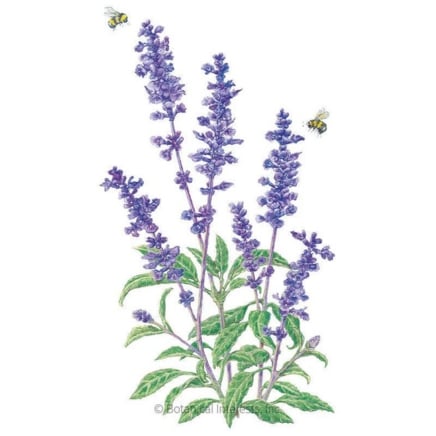
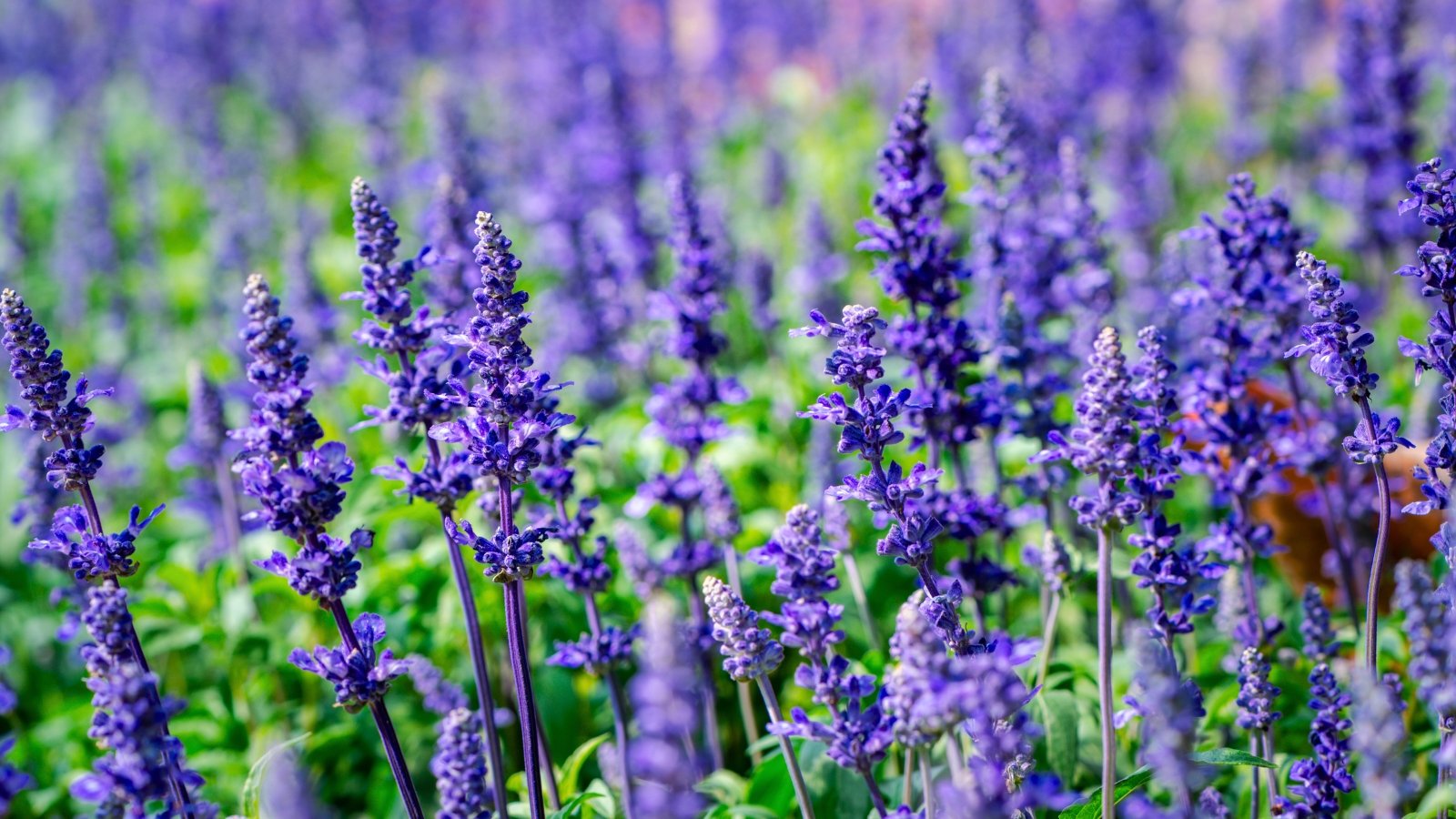
Planting perennial salvia in August is an excellent choice in regions where fall stays warm for a while. Salvia is heat-tolerant, pollinator-friendly, and can bloom continuously through late summer and fall. Plant them now to enjoy the flowers and help out pollinators in the fall.
Planting in August allows salvia to establish strong roots while the soil is warm. This gives them a head start for the next growing season. Salvias are tough and resilient, so even in warmer climates with hot August weather, they are suitable for planting. You should still keep the soil moist while your salvia establishes roots.

Coral Bells
|
|
botanical name Heuchera americana |
|---|---|
|
|
sun requirements Partial shade |
|
|
height 6”-16” |
|
|
hardiness zones 5-9 |
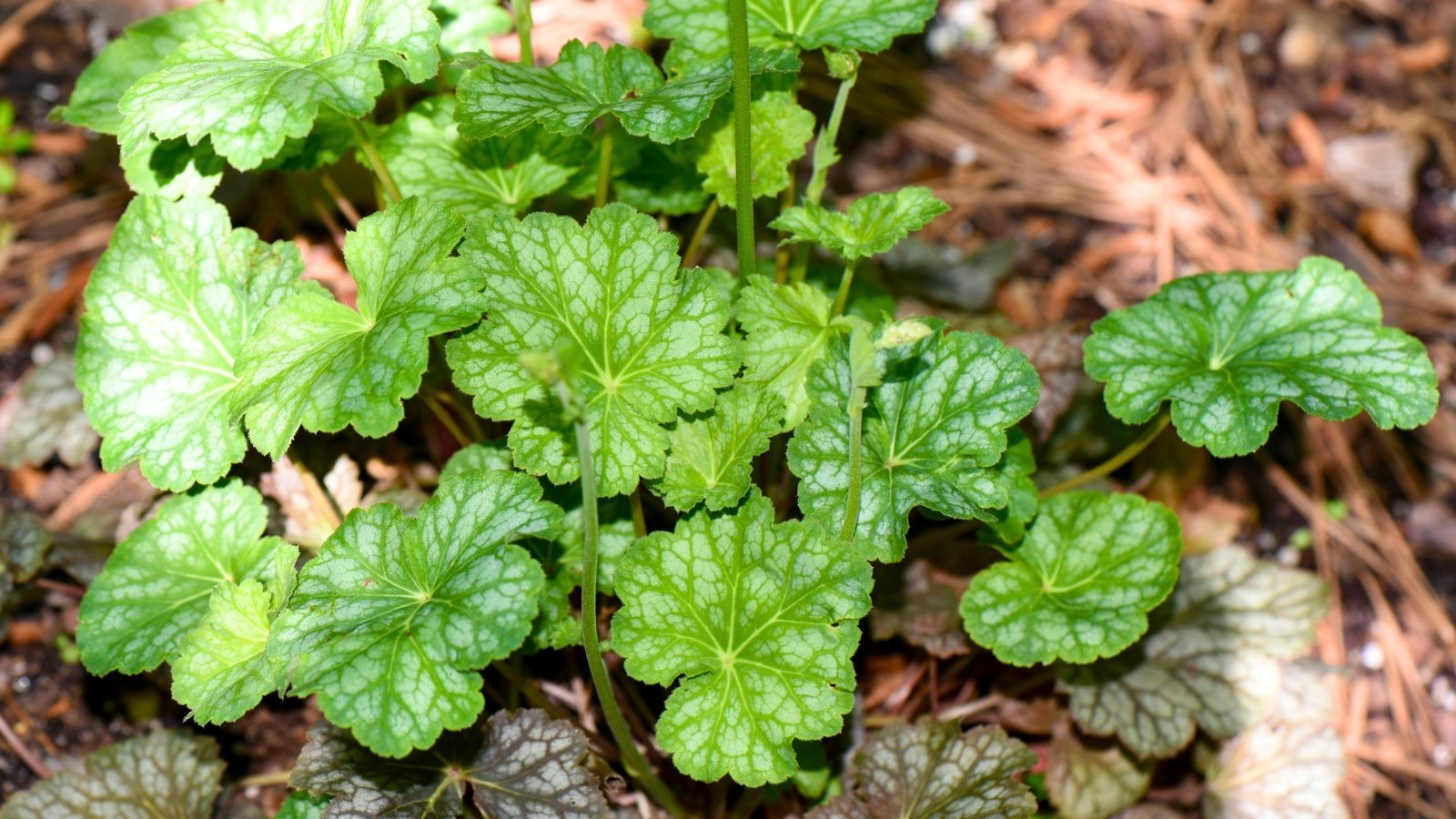
If you live in a region where summers begin to cool slightly by late August, it’s a great idea to plant coral bells now. If you can provide a bit of extra care during hot spells, you’ll be fine planting in warmer climates. Just make sure to give this perennial some protection from the sun.
Establishing coral bells in summer makes them more likely to survive the winter. They are cold-hardy perennials, but benefit from the fast root growth that happens with August’s warm soil. These need partial shade and will thrive in the same type of environment as hostas. The two make great companions.
Daylilies
|
|
botanical name Hemerocallis spp. |
|---|---|
|
|
sun requirements Full sun |
|
|
height 1’-4’ |
|
|
hardiness zones 3-9 |
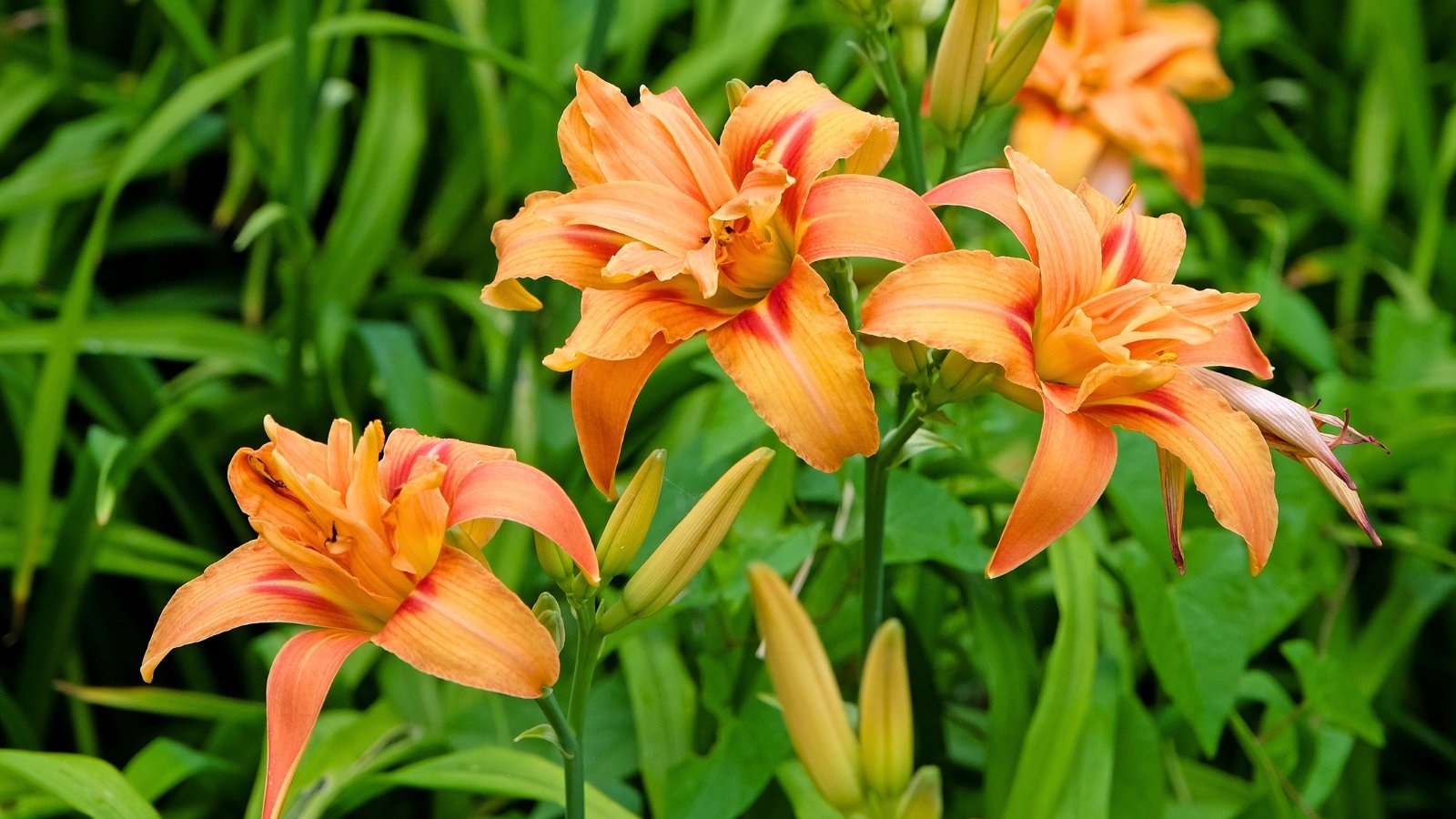
Planting daylilies in August is an excellent way to get a head start on next year’s blooms. Daylilies are tough, adaptable perennials that transplant easily and benefit from the warm August soil. They are tolerant of a range of soil types, but slightly acidic and fertile soil is best.
You may see a few late-season flowers from these, but in general, they will not bloom until next year. Some types are re-blooming though, so it’s not unheard of. Foliage commonly dies back in the fall. Trim it back, and the plant will focus on root growth. When you look for a daylily to include in your garden, opt for species that aren’t invasive in your region.
Stonecrop
|
|
botanical name Sedum spp. |
|---|---|
|
|
sun requirements Full sun |
|
|
height 2”-3’ |
|
|
hardiness zones 3-10 |
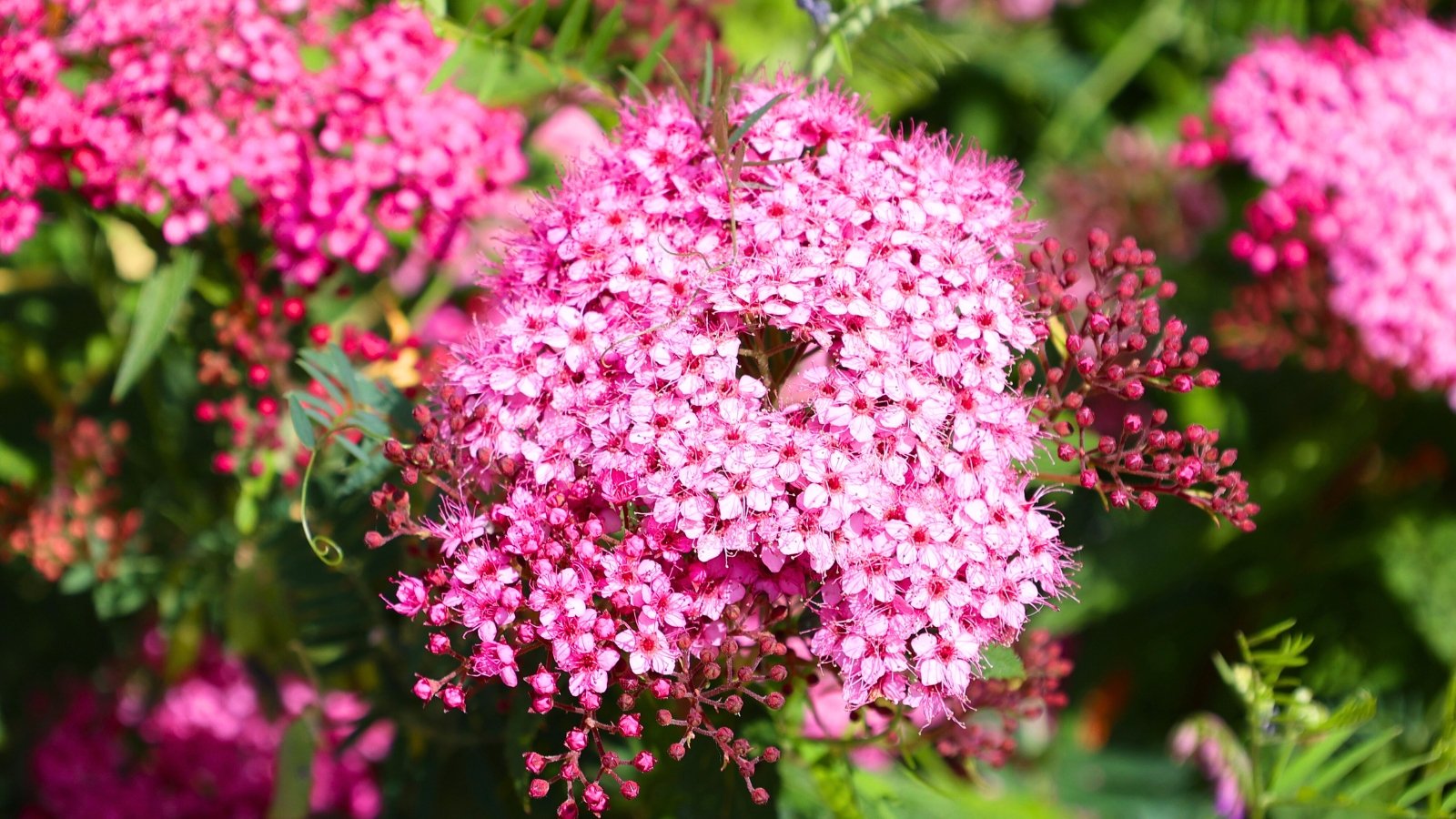
August is an excellent time to plant stonecrop. It’s especially great for gardeners looking to add low-maintenance, drought-tolerant plants that thrive in sun and poor soil. Stonecrop is heat-tolerant, so even in warmer climates, it should be fine to plant this time of year.
Stonecrop is a perfect choice for rock gardens, dry spots, and sandy or poor soil. These cold-hardy perennials will bloom through late summer and fall, even in their first season. Pollinators will appreciate the good nectar source going into their winter hibernation and migrations. Cuttings also root quickly in warm soil, so they are easy to propagate next year.
Peonies
|
|
botanical name Paeonia spp. |
|---|---|
|
|
sun requirements Full sun |
|
|
height 1’-7’ |
|
|
hardiness zones 3-9 |
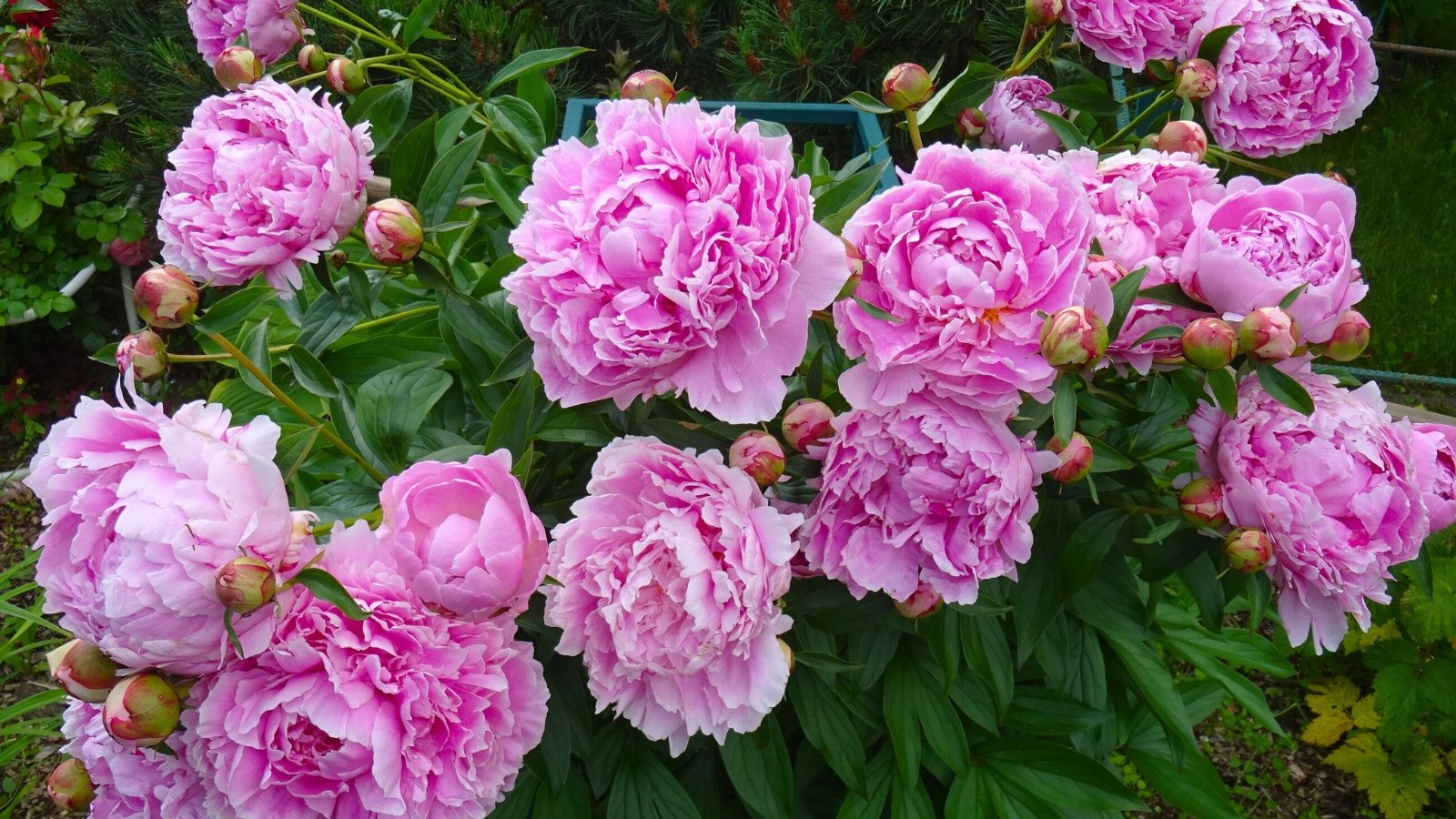
August isn’t the ideal time for everyone to plant peonies, but this is a good one for cooler climates. These perennials don’t take as well to hot temperatures, so it’s best to get them established during the cooler months. In zones higher than 6, hold off until September or October.
Peonies hate soggy roots, so make sure to choose a spot with good drainage. They don’t always bloom in the first year after planting, but fall planting will help with that. If they establish significant roots in the fall, you may get some flowers the following year.