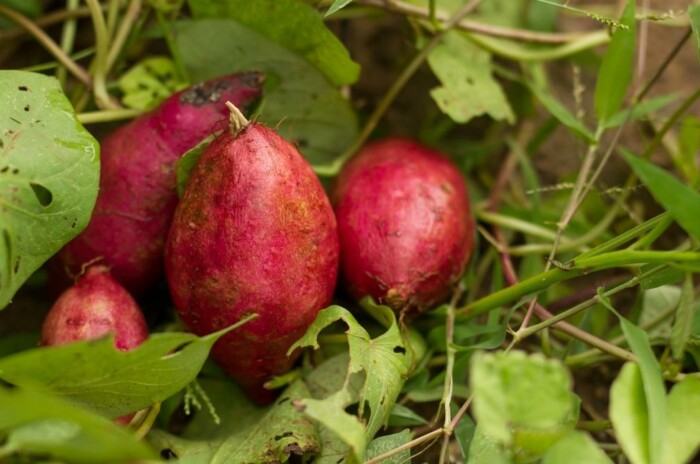
20 Sweet Potato Varieties You’ll Love To Grow
Interested in growing your own sweet potatoes, but not sure which variety to try? This in-depth list provides a wide selection of sweet potato varieties you'll enjoy, both for eating and for ornamental growing!

Contents
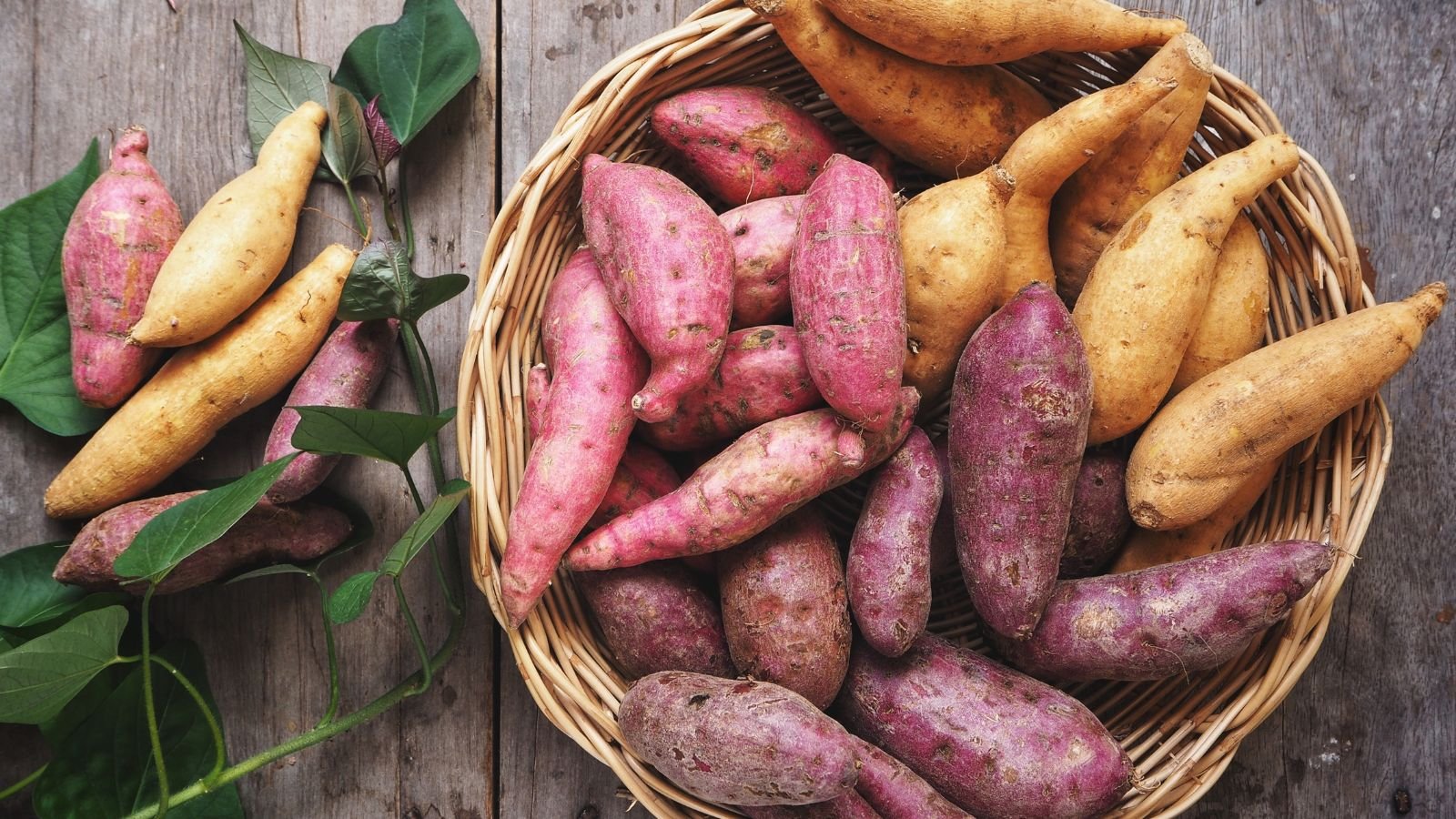
Sweet potato fries burst into popularity a few years ago, but sweet potatoes have been a staple food for a very long time. While the crunchy version served with aioli may be relatively new, these versatile sweet potato varieties, which range in color from purple to cream colored to orange and red, have been a nutritious and flavorful food for almost 5,000 years. Now grown around the world, Ipomoea batatas has nearly 7,000 known varieties.
Most sweet potatoes are grown for food, with varieties such as Japanese, Garnet, Jewel Beauregard, and Covington selected to suit different growing regions, light levels, temperature needs, and taste preferences. There are also sweet potatoes grown primarily for their attractive vines. While these types are technically edible, they are not usually grown for food and can be unpleasant to eat. These are best considered ornamental sweet potatoes.
Sweet potatoes also come from a completely different plant family than regular potatoes. Sweet potato varieties belong to the morning glory family, while potatoes are members of the nightshade family along with tomatoes. This difference helps explain the distinct nutritional profiles of each, with sweet potatoes generally taking the lead in overall nutritional value.
Epic Grow Bags – Lined

Epic Grow Bags – Lined
The unique liner system allows the soil to retain moisture while still encouraging air pruning, creating a denser, more fibrous rootball. Our lined grow bags are great throughout the hot, dry summer months.
Buy at Epic Gardening ShopOrange Sweet Potatoes
The different sweet potato varieties with orange flesh are the most common on the market. With types like Beauregard, Covington, Garnet, and Jewel dominating grocery store shelves, it is easy to assume there are only a handful of options.
These sweet potato varieties are so widely available because they grow large, flavorful crops and perform reliably on commercial farms. For gardeners interested in growing sweet potatoes in the far north of the US, in containers, or in poor-quality soil, there is almost always a variety that can meet those needs.
While these well-known varieties thrive in the warm, almost tropical conditions of the American South, particularly in Louisiana and North Carolina, there are also sweet potato varieties bred specifically to tolerate cooler temperatures and shorter growing seasons in northern regions.
Bayou Belle
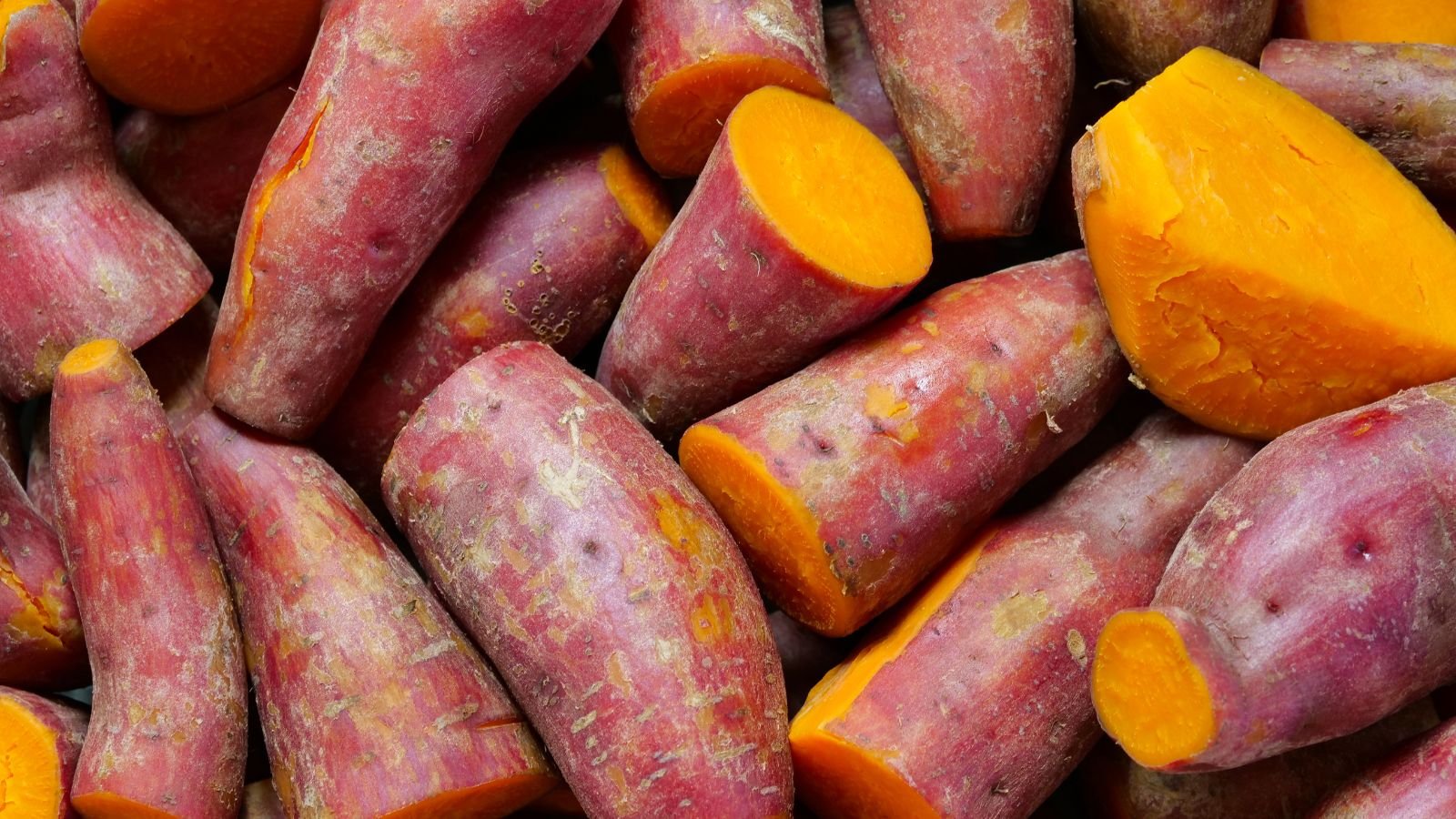
These red-skinned to garnet sweet potatoes open up to reveal deep orange flesh. This variety is considered highly resistant to Rhizopus soft rot. It is also resistant to Fusarium root rot and wilt, as well as soil rot, and is intermediate to resistant against root-knot nematodes. On average, it is ready to harvest between 90 and 110 days after planting. Sweet and firm, Bayou Belle is well-suited to baking or roasting.
Covington
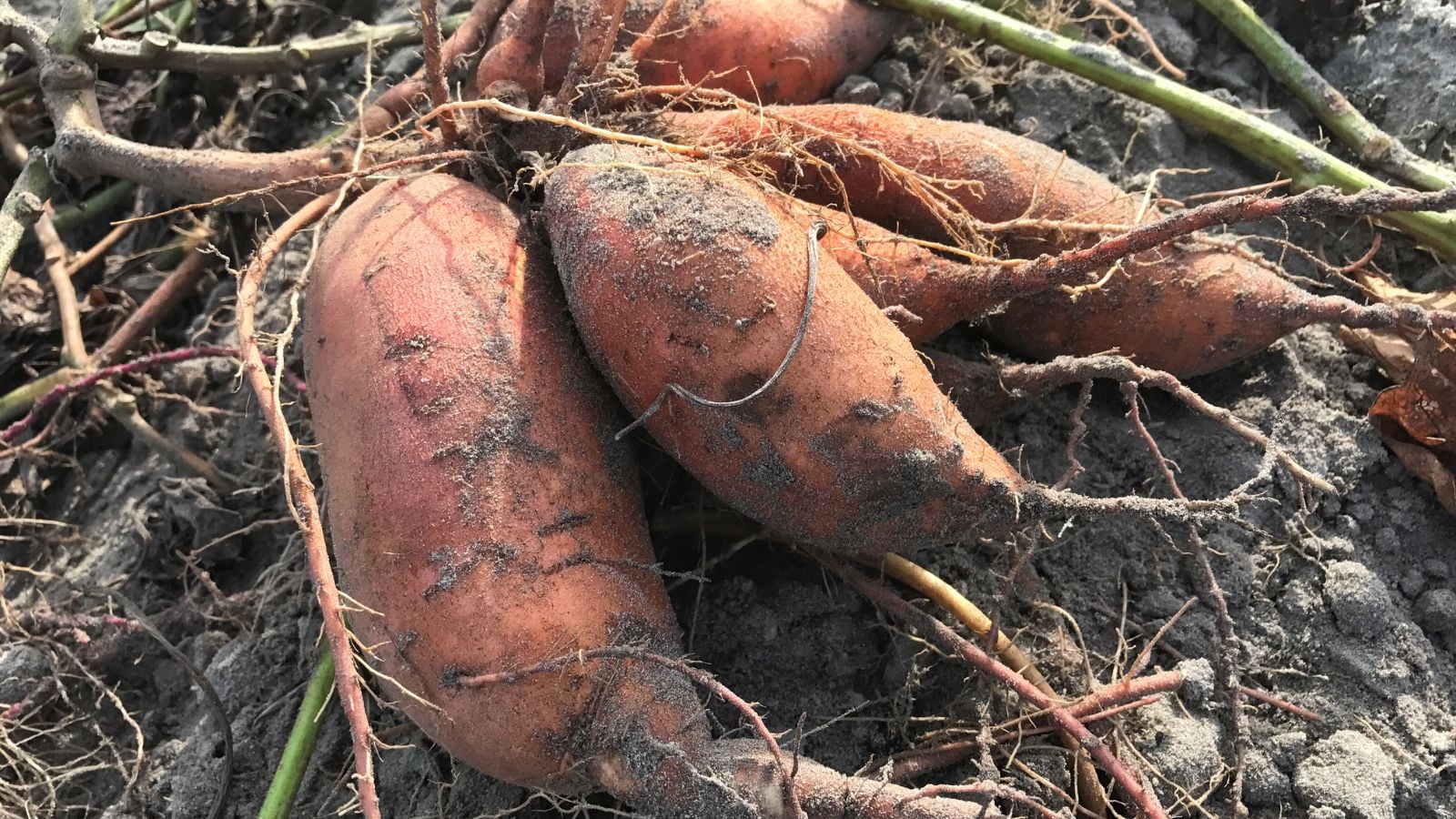
For growers looking for a medium-sized producer, look no further. This newer cultivar from North Carolina is now one of the most popular sweet potato varieties grown there and in Louisiana. It has moist orange flesh and produces long, uniform roots.
This variety performs well in cooler climates with shorter growing seasons. It is resistant to fusarium wilt, soil rot, and nematodes. Similar to the popular Beauregard sweet potato, but slightly darker with an orange-red skin color, it is usually ready to harvest after 110 to 120 days. It is especially well-suited to roasting or mashing.
Jewel
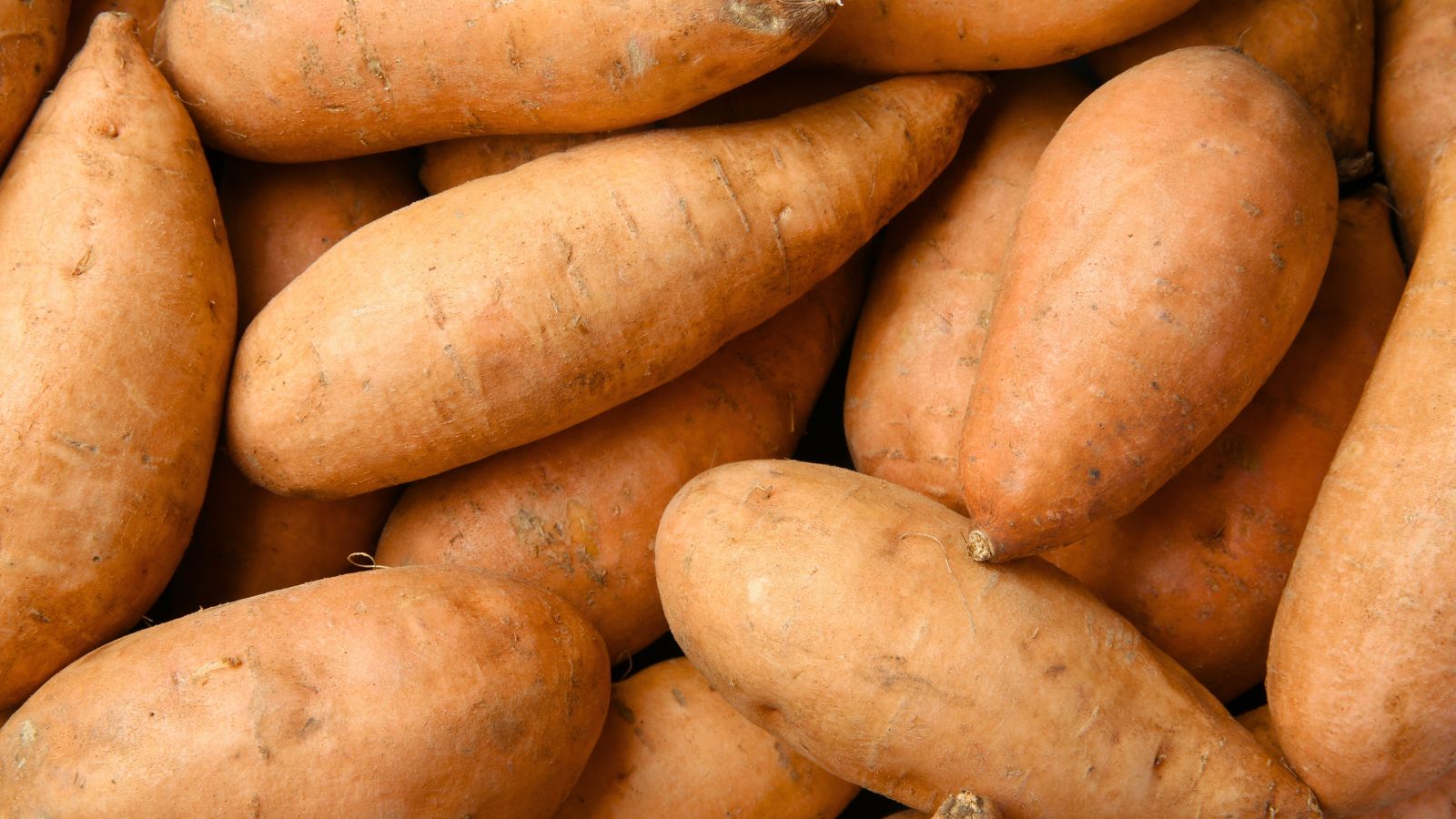
Ubiquitous throughout North Carolina, Jewel sweet potatoes are another dependable and delicious crop. With deep orange flesh and copper-colored skin, these are often what people picture when they think of sweet potato varieties. Able to grow in zones 4 to 12, this large sweet potato adapts well to a wide range of soil types, including loamy, sandy, and clay soils.
While Jewel sweet potatoes take a bit longer to mature at 120 to 135 days, the wait is well worth it. They are resistant to fusarium wilt, southern root-knot nematodes, internal cork, and sweet potato beetle. Jewel sweet potatoes can be grown in full sun to partial shade.
During the growing season, they perform best when fertilized with potassium and phosphorus, but nitrogen-rich fertilizers should be avoided. When sourcing slips, look for varieties bred to be russet crack-resistant. With copper skin and bright orange flesh, this is a versatile, all-purpose sweet potato that works well in pies, baked dishes, frying, or mashing.
Porto Rico
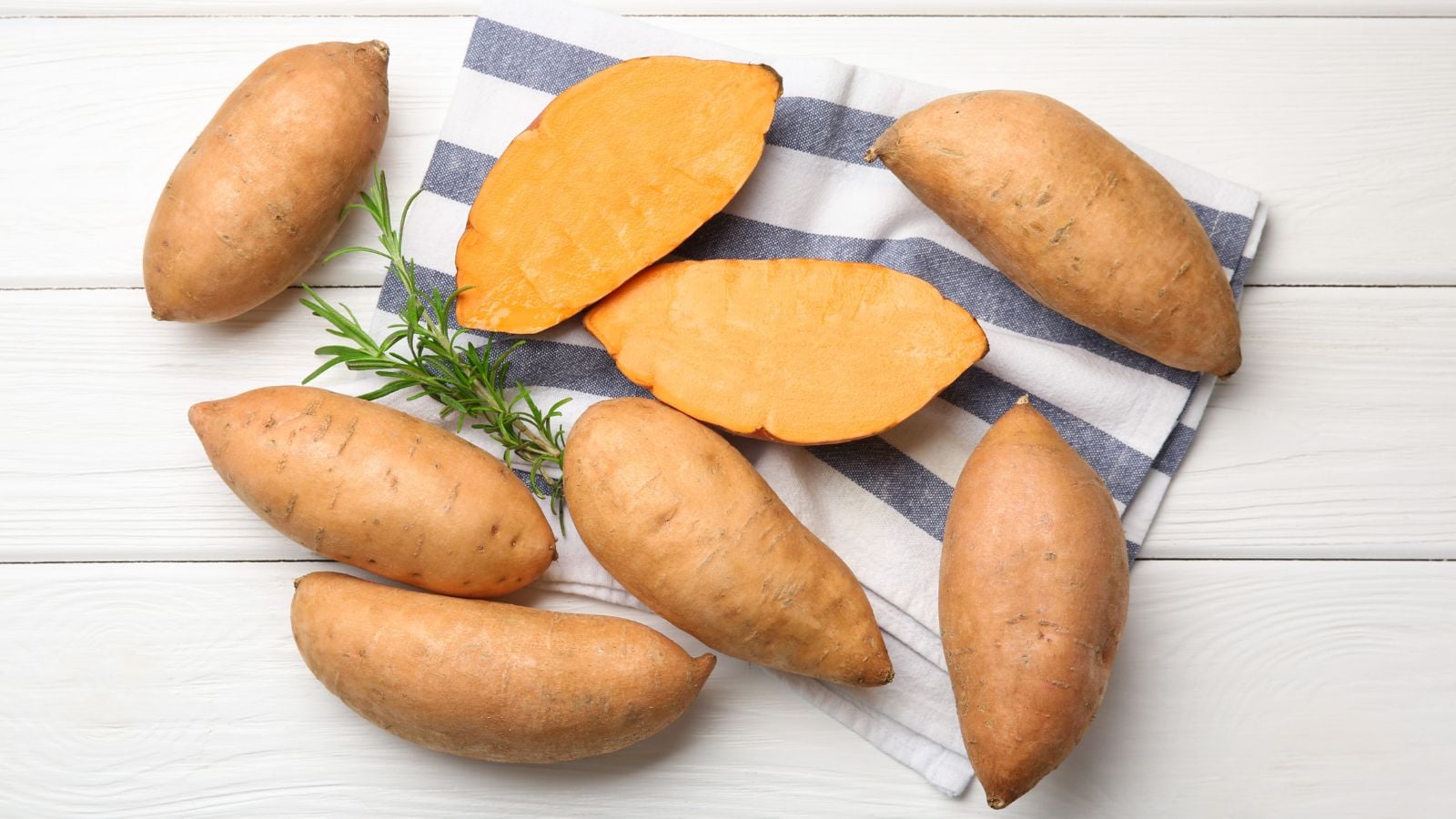
Porto Rico is a favorite variety for gardeners who want to grow sweet potatoes in containers. It has copper-colored skin and light orange flesh. This variety is very moist with a high sugar content that makes it especially flavorful.
It is less disease-resistant than many other sweet potato varieties and is particularly susceptible to fusarium wilt, internal cork, and root-knot nematodes. Overall, Porto Rico is an excellent choice for baking.
Garnet
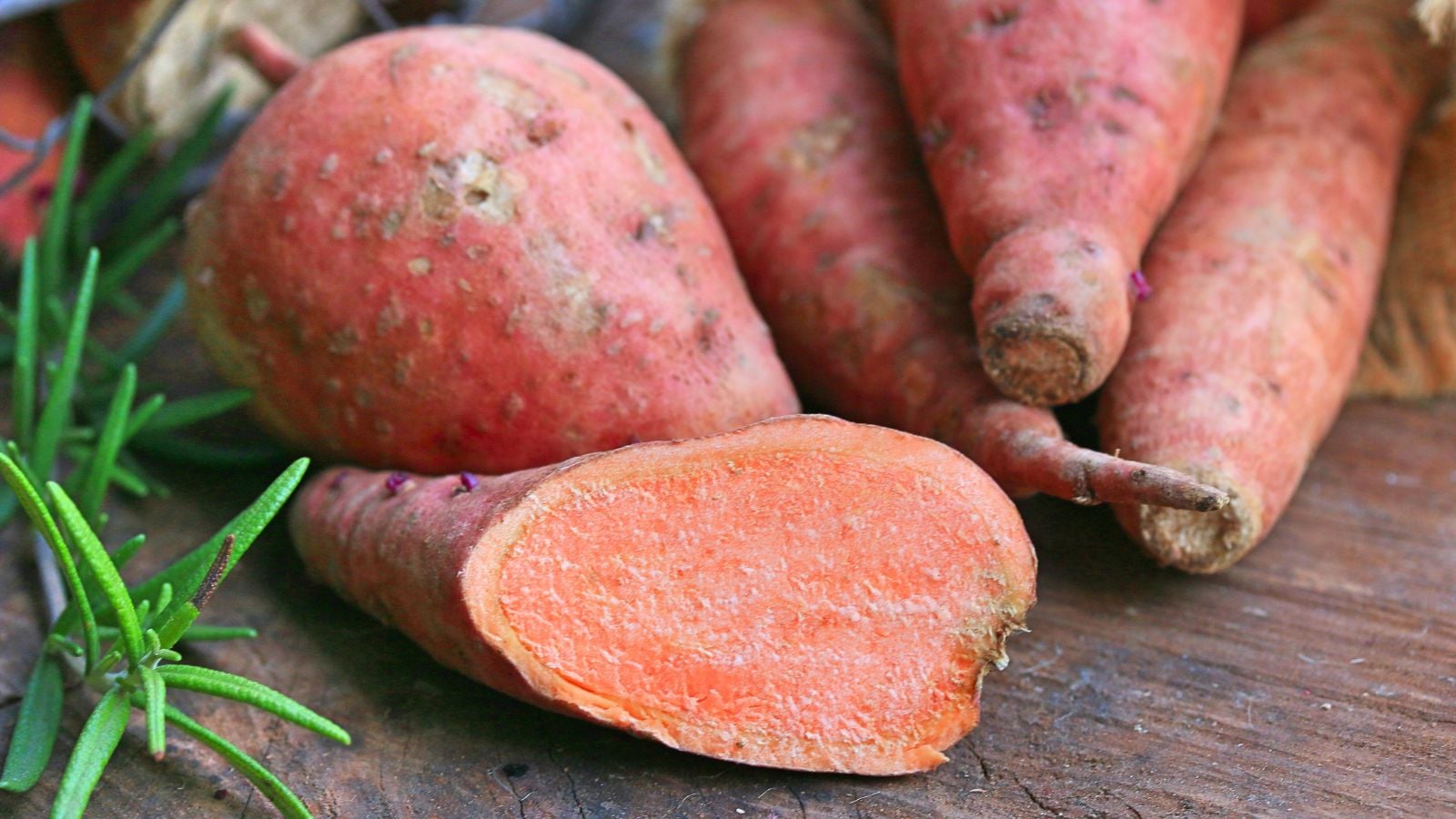
Garnet sweet potatoes are one of the three most popular sweet potato varieties in the US. Along with Jewel and Beauregard, they account for 90 percent of all sweet potatoes grown in the US. Grown primarily in California, this medium-sized sweet potato has red skin and bright orange flesh and is often mislabeled as a yam.
It typically matures in about 110 days and holds its shape well when baked. This variety is a favorite among chefs, and you can often find orange-fleshed sweet potatoes like this served as fries at many popular restaurants.
Bellevue
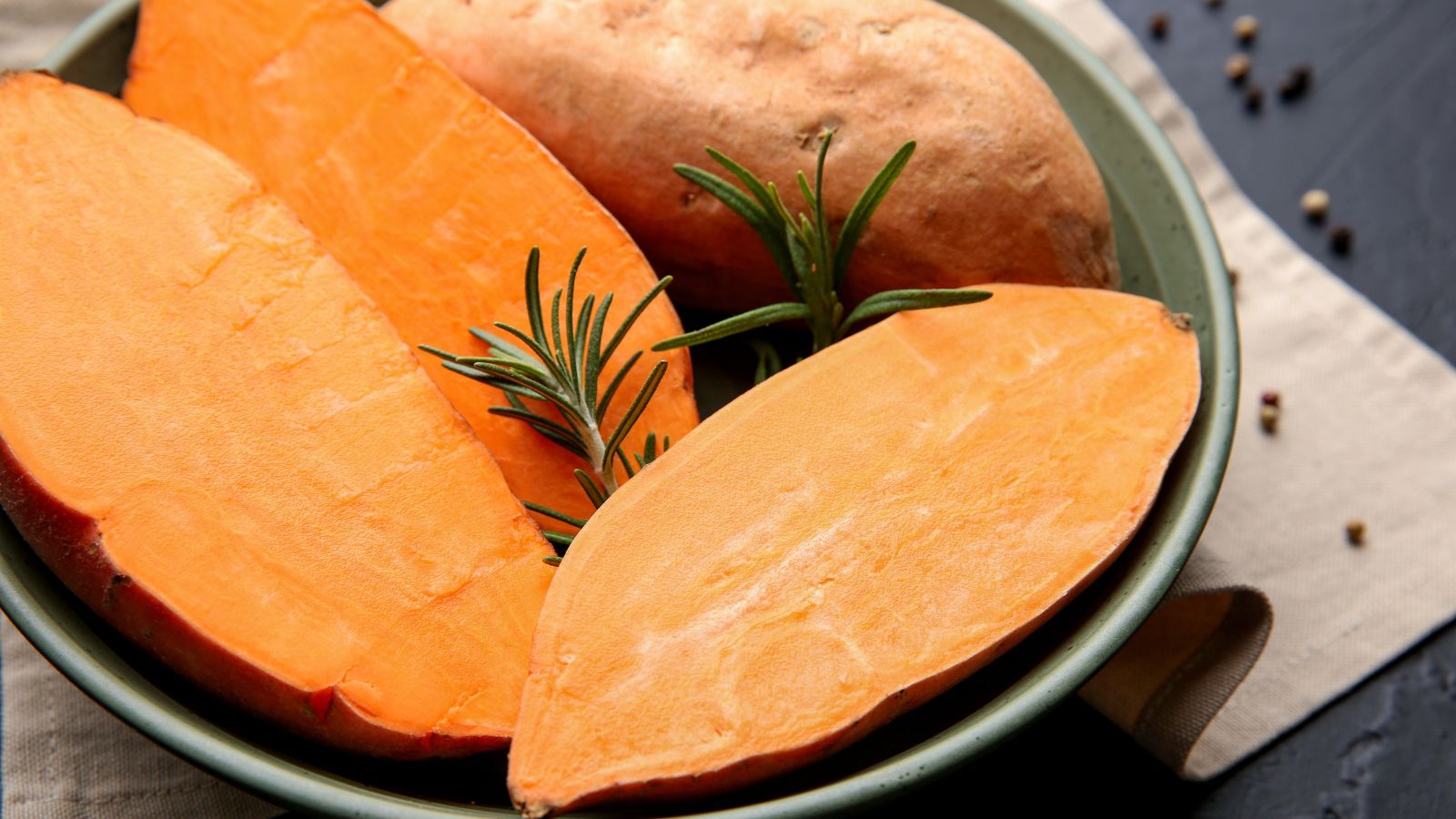
Copper-colored skin with bright orange flesh on the inside. This is a good option for less-than-ideal soil, as the plant maintains its shape across a wide range of soil conditions. It produces well in sandy soils while still retaining its nutritional content.
This variety does not taste its best immediately after harvest. It needs to be harvested and stored for a period of time before the flavor fully develops. For this reason, it is best used in your favorite dishes later in the season, closer to Thanksgiving.
Burgundy
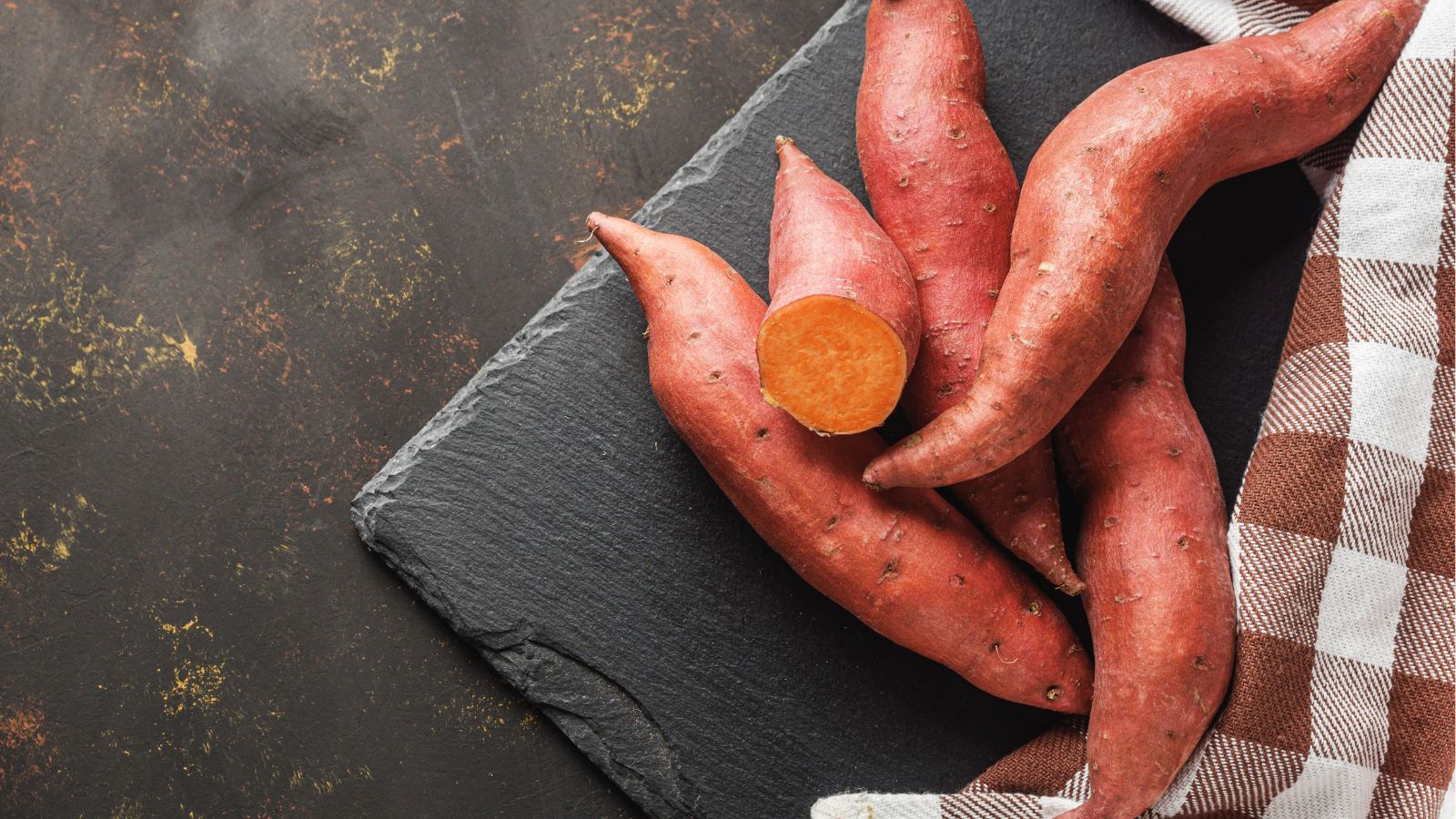
These red-skinned beauties have a bright orange-red flesh interior. A favorite among growers with sandy soils, it produces well in Louisiana. This red sweet potato has a moderately good yield, however it produces less than many other varieties and takes 90 to 100 days to mature. You can depend on Burgundy for a creamy texture and sweet flavor.
Beauregard
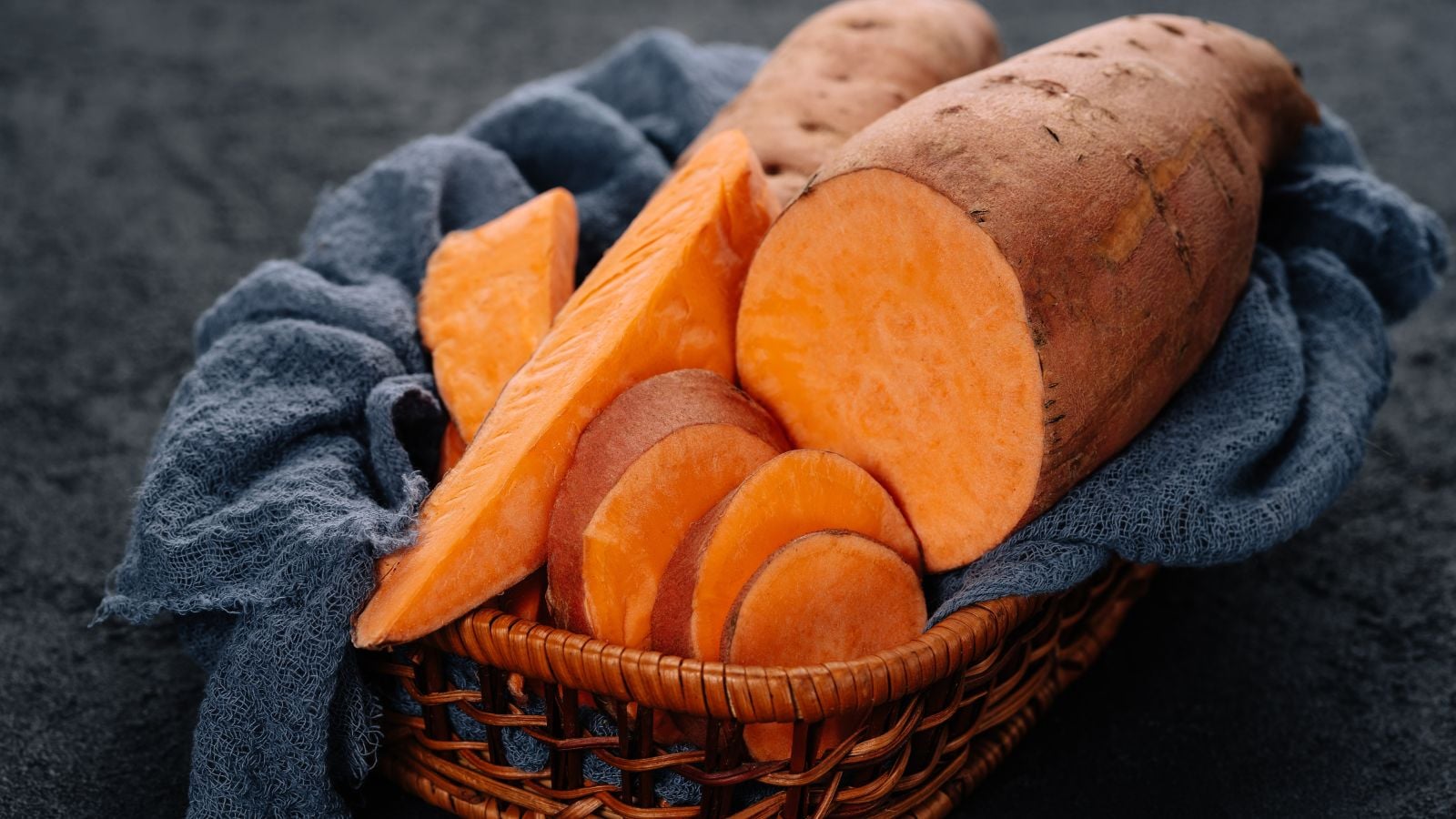
This fast-growing new variety is a hit among farmers. With copper skin and dark orange flesh, this vigorous plant produces large sweet potatoes that resist cracking.
Requiring about 110 days to reach maturity, this variety is also resistant to white grub and streptomyces soil rot. Be careful to plant it in beds known to be free of root-knot nematodes, as this variety has not yet developed resistance.
White Sweet Potatoes
While many growers are more familiar with orange-fleshed sweet potato varieties, there are also many types with tan skin and a cream-colored interior. Although slightly different in flavor from their orange-fleshed counterparts, these varieties still make excellent choices for baking and frying.
Hannah
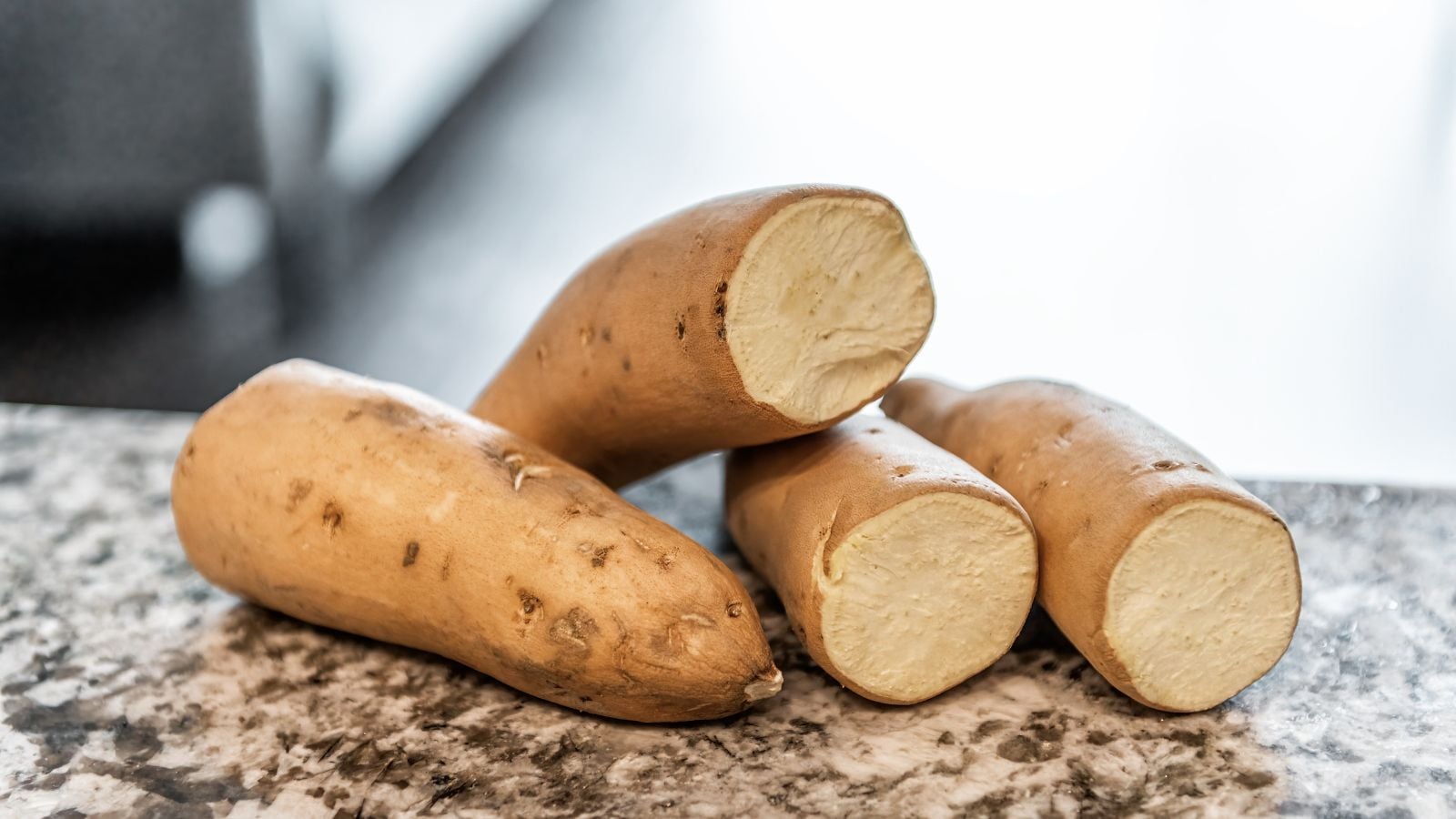
The Hannah sweet potato is a standard white variety with tan skin and cream-colored yellow flesh. It is most commonly grown in California and has a sweet, earthy flavor. Hannah is fairly firm and sweet when cooked, but it is also on the drier side. The nutritional content of Hannah and other similar light-fleshed sweet potatoes is lower than that of deep orange-fleshed sweet potato varieties.
O’Henry
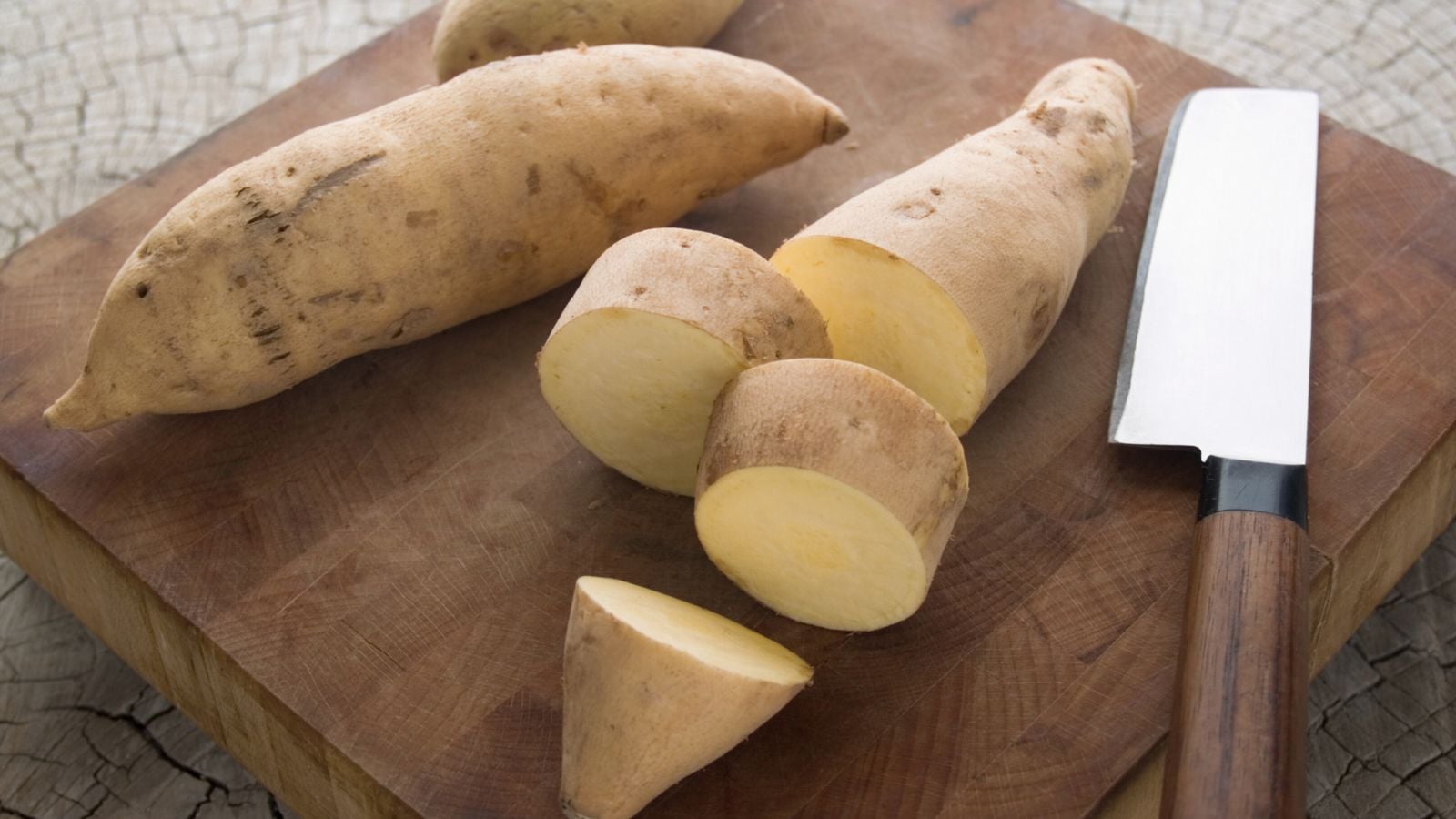
A prolific variety, this plant matures in just 90 days, making it a strong choice for gardeners with short growing seasons. The roots develop a tan exterior with white flesh. This sweet potato was developed from the orange-fleshed Beauregard and retains much of its disease resistance.
Sumor
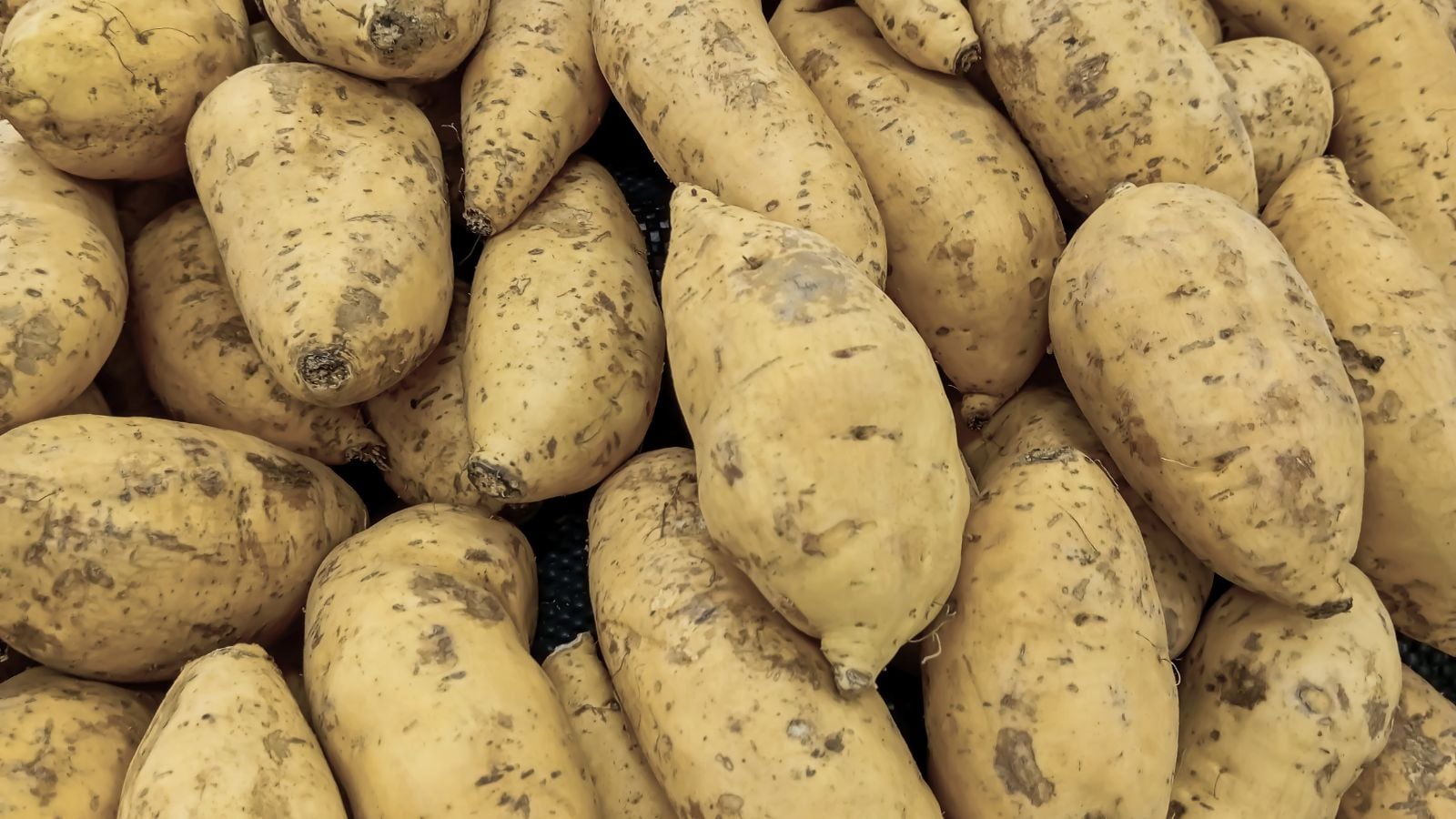
Sumor is a novelty variety with light tan skin and flesh that alternates between yellow and white. It is somewhat disease-resistant and grows well in warmer climates. This sweet potato has a wonderful flavor when baked or fried.
Murasaki
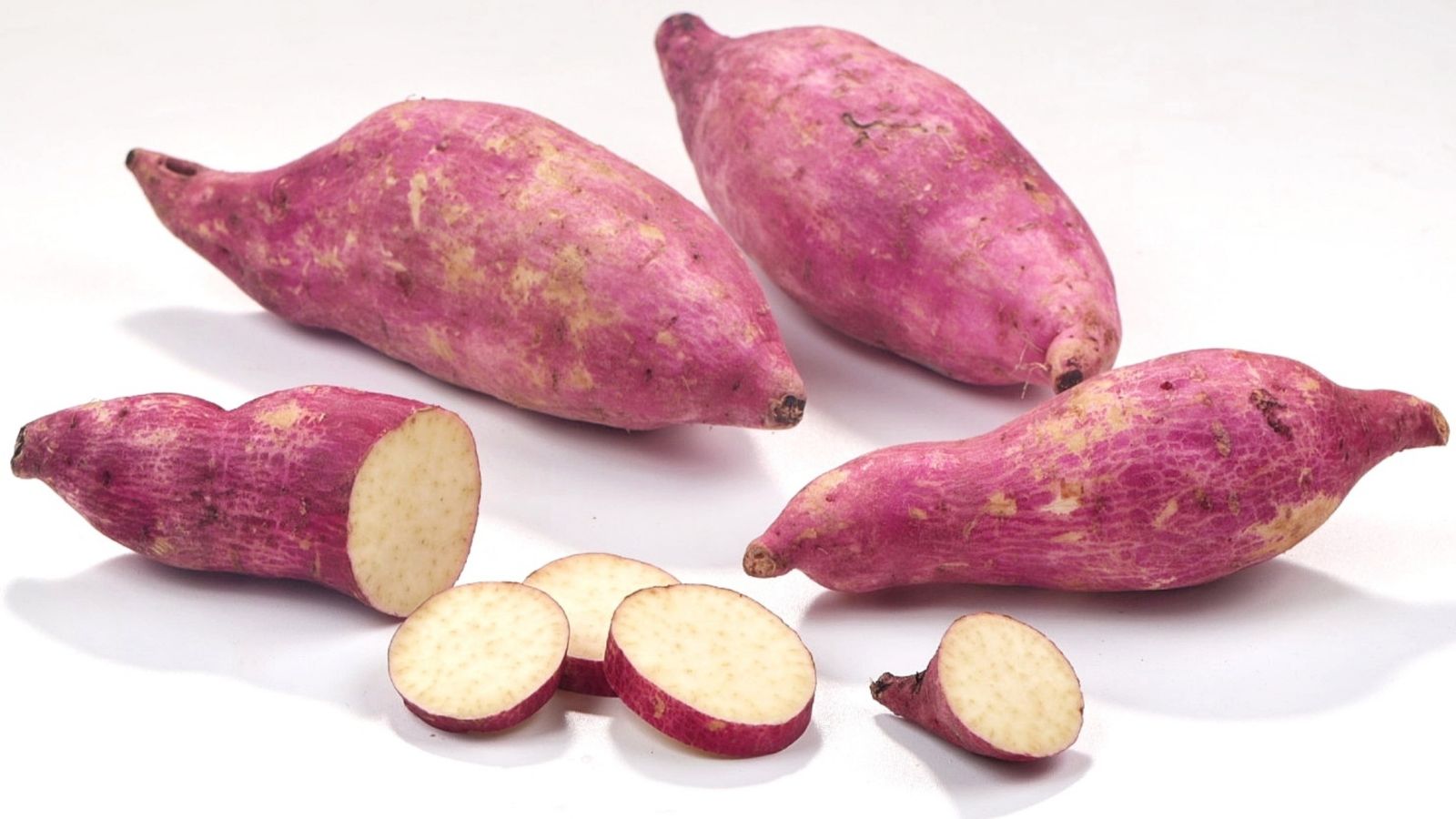
Despite its name, this sweet potato variety was originally developed in Louisiana. Now grown primarily in California, this reddish-purple sweet potato has pale white flesh and broad disease resistance. It is versatile in the kitchen and can be used as a more nutritious substitute for russet potatoes, with better flavor as well.
Purple Sweet Potatoes
Purple sweet potatoes come in two main varieties: either Stokes purple with purple skin and purple flesh, or the Okinawa variety, which has white skin and a purple interior. Higher in nutritional content than their orange-fleshed cousins, these creamy sweet potatoes are generally smaller but still excellent for baking and mashing.
Stokes Purple®
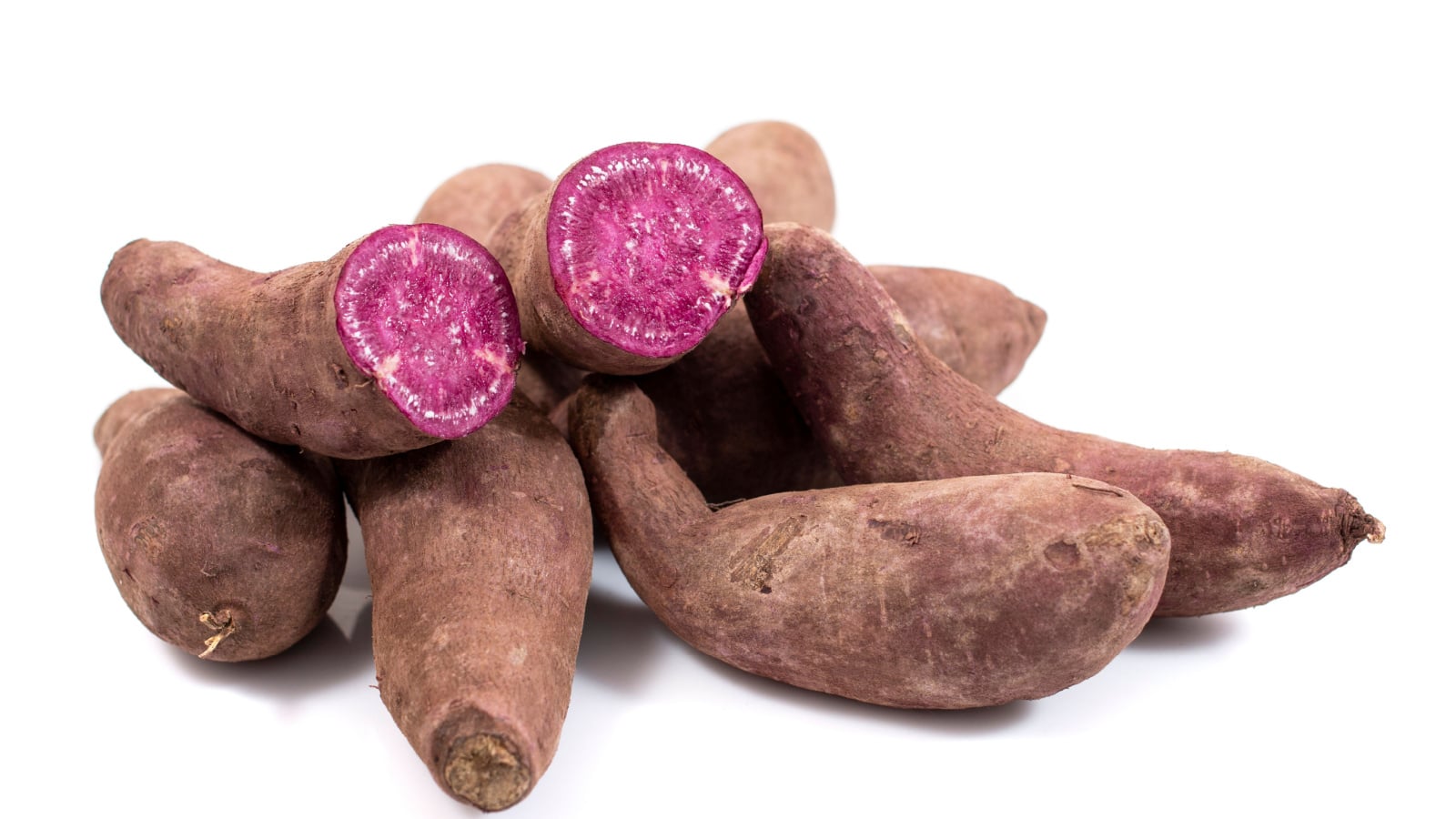
The Stokes Purple sweet potato, as the name suggests, has purple skin and deep purple flesh. Its color comes from anthocyanins, which are also found in fruits like blueberries, making it especially high in nutritional content. It takes longer to bake than most other varieties and has a lower sugar content, which many home cooks prefer.
This sweet potato is denser with a drier texture. It is a newer variety with an earthy, pleasant flavor and has recently been bred for improved disease resistance.
Okinawa
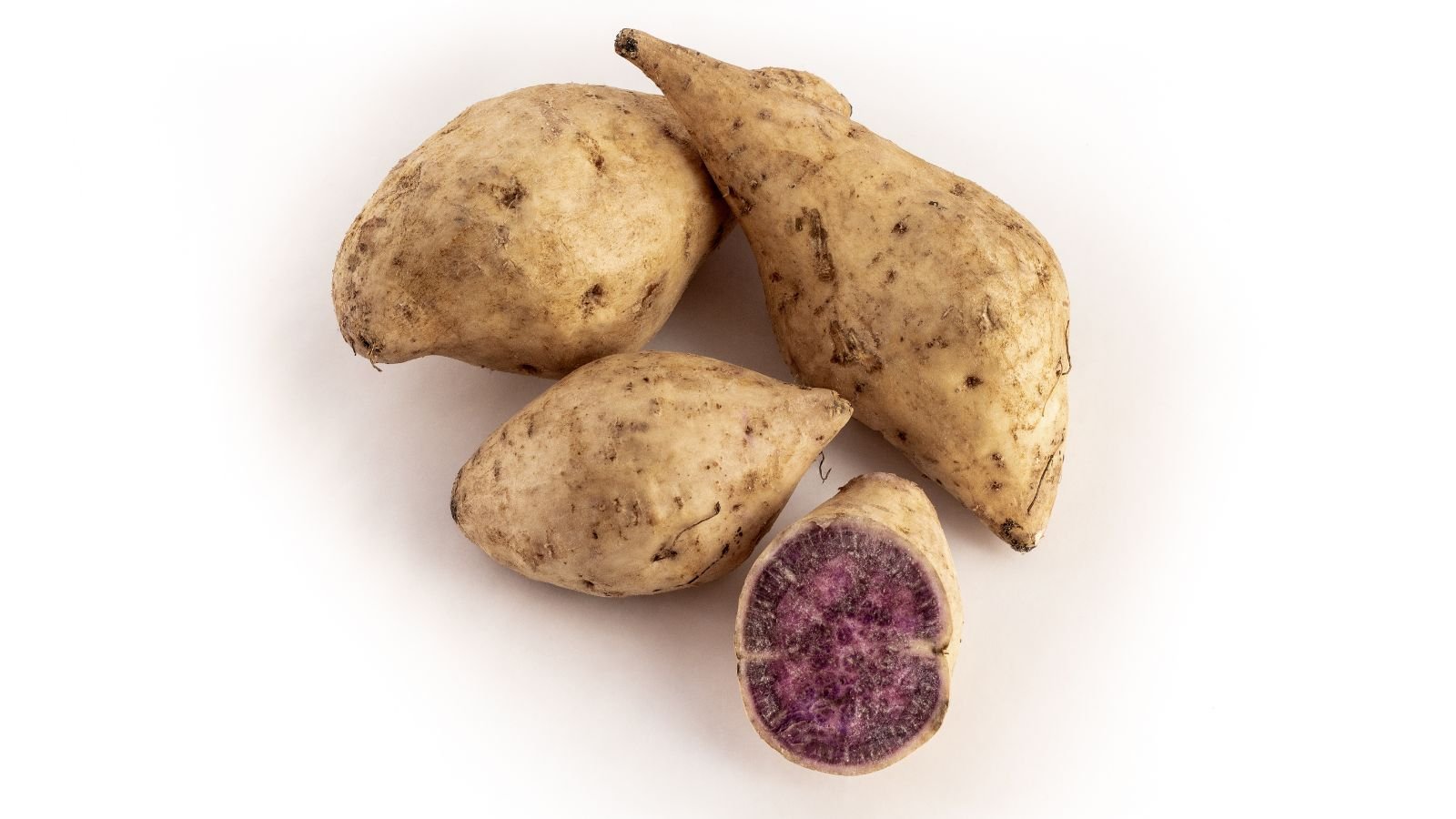
Okinawa is a Japanese purple sweet potato with white skin and dark purple flesh. It has been part of the Okinawan diet for centuries. Okinawa is one of the regions associated with a blue zone diet, a way of eating linked to a high number of people living to 100 years of age. This sweet potato contains 150 percent more antioxidants from anthocyanins than blueberries.
Charleston Purple
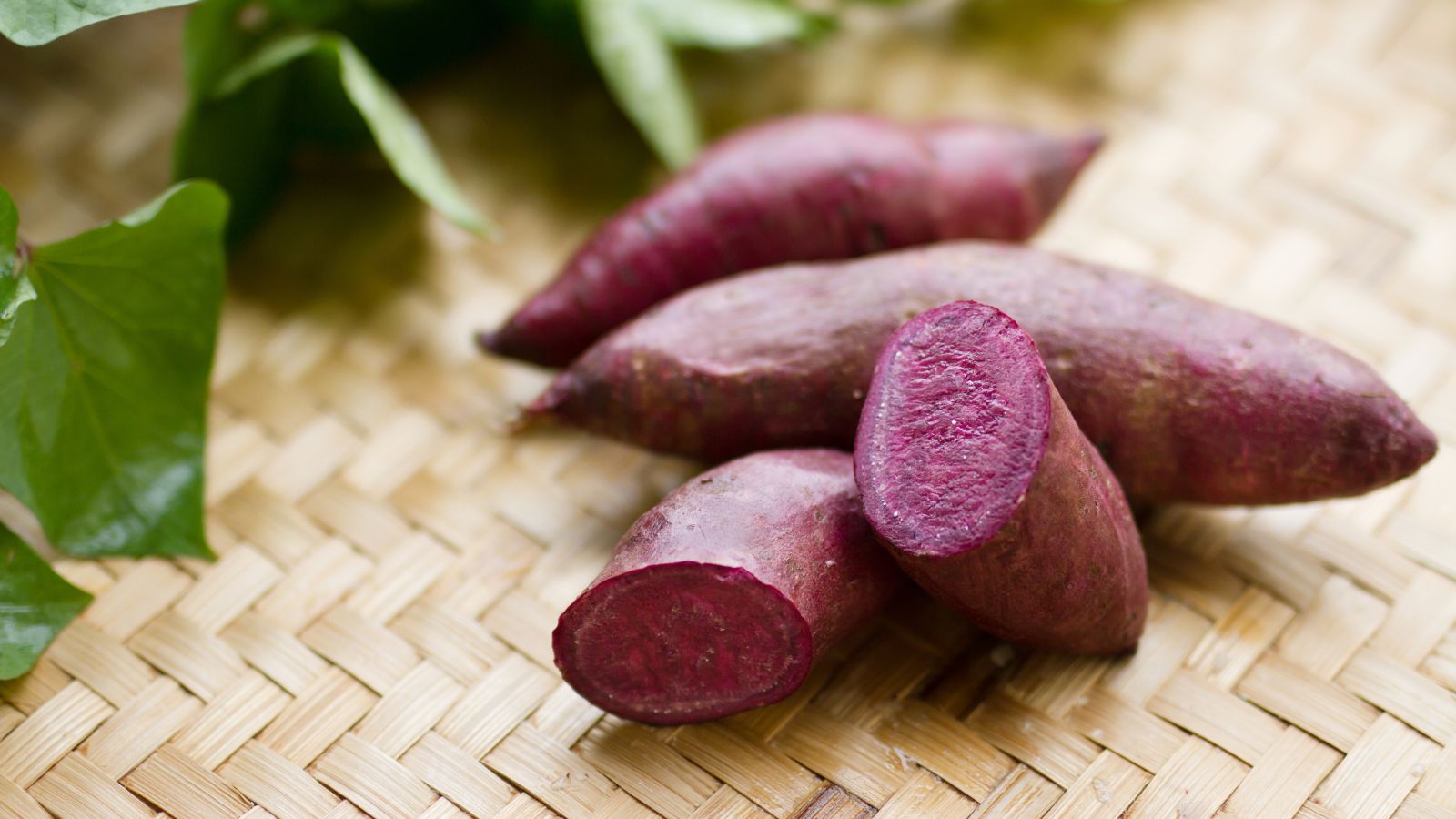
Similar to the Stokes sweet potato, this small, long variety has very deep purple flesh and is packed with antioxidants. It is denser and less sweet than more common orange-fleshed varieties, but it offers a much higher nutritional content.
Ornamental Sweet Potatoes
Ornamental sweet potato vines have long been grown for their visual appeal. While they do grow from true sweet potatoes, these sweet potato varieties are not intended for eating. Although they are not toxic, their flavor can be so unpleasant that they may put you off sweet potatoes entirely.
These vines are bred specifically for their attractive leaf shapes and bold colors. Some varieties are vigorous growers that work well as ground cover, spreading quickly across large areas. Others stay small and compact, making them ideal for containers or tight garden spaces. Ornamental sweet potato vines come in a range of leaf colors, including green, purple, red, and bronze.
Blackie
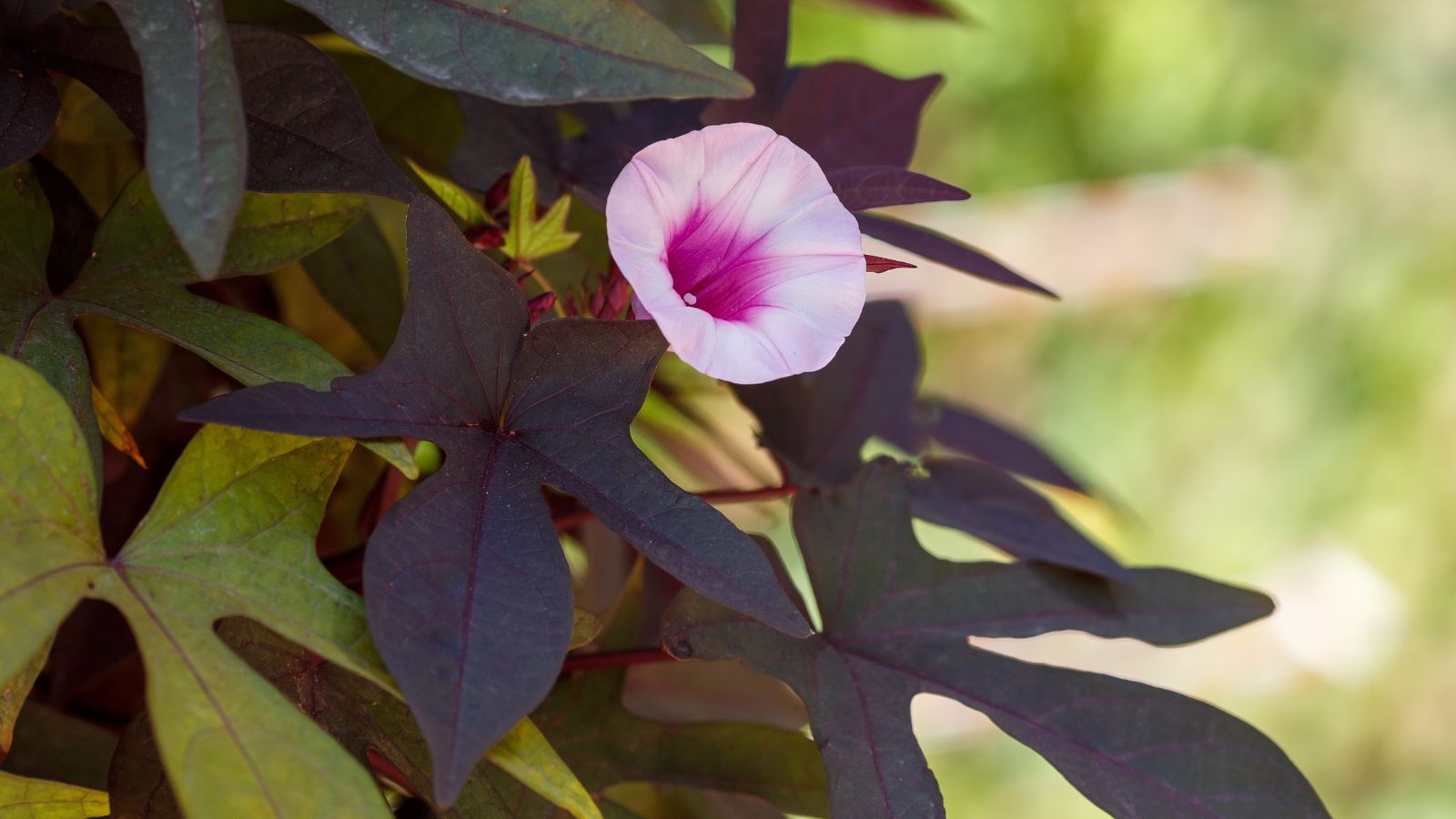
A fast-growing, deep purple cultivar with maple-shaped leaves, this vine grows well in warm weather. Unlike many other ornamental sweet potato vines, it will flower, producing light violet, trumpet-shaped blooms.
Margarita Sweet Potato
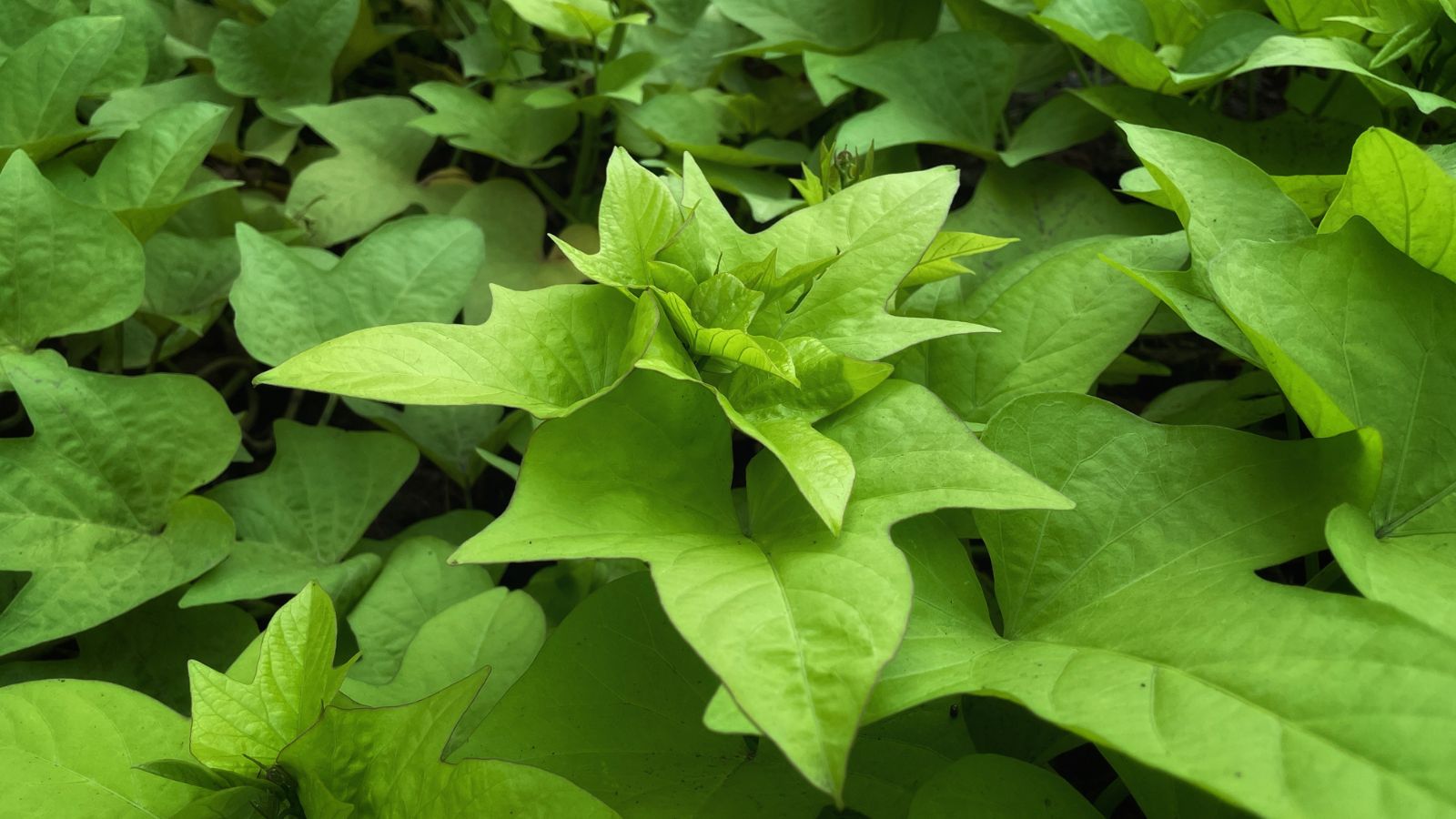
This fast-growing light green vine is an excellent choice for quickly covering walls or open areas. When grown in shade, the leaves will turn a deeper green color.
Sweet Caroline ‘Bewitched with Envy’
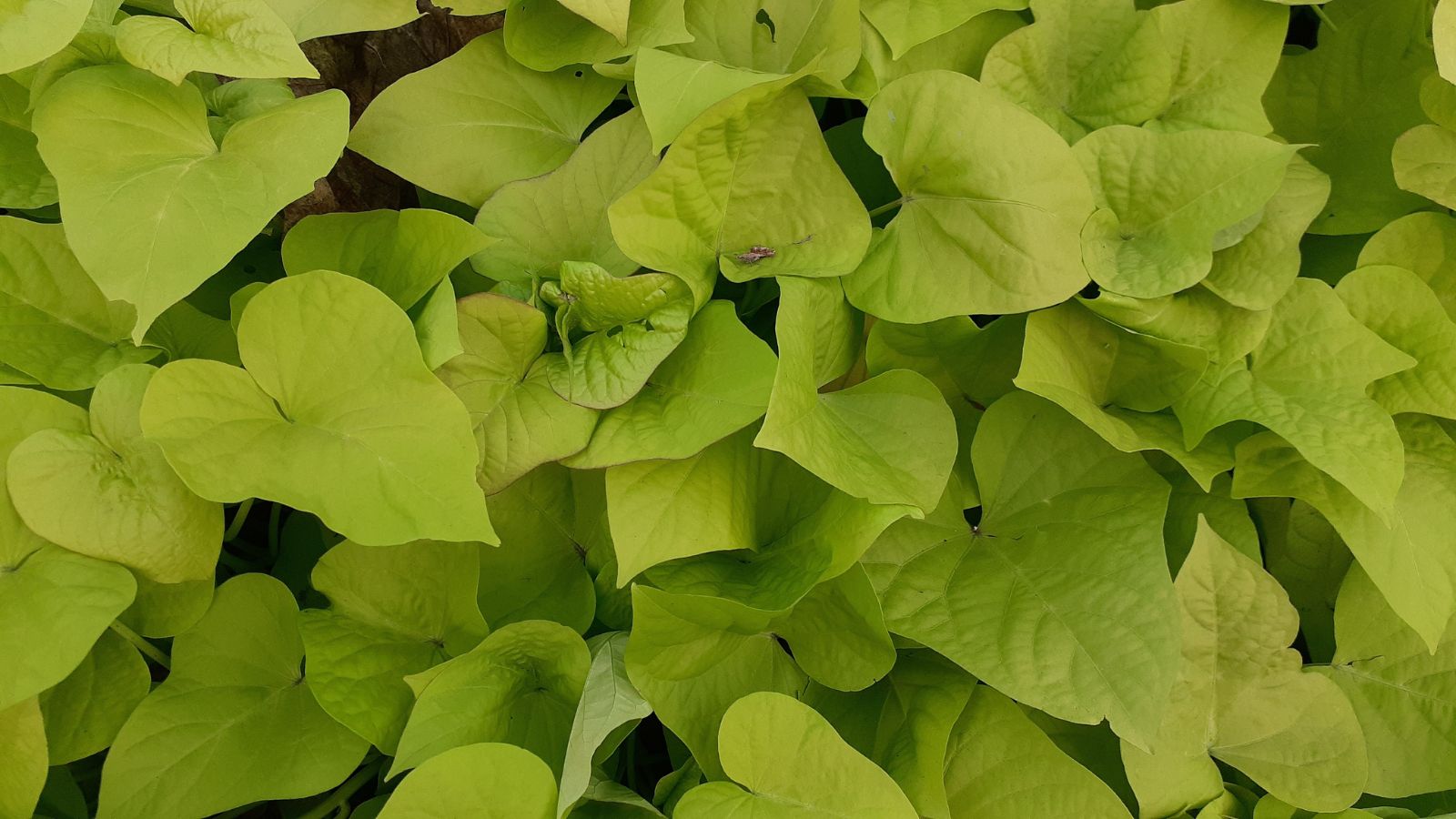
This bright light green vine with spade-shaped leaves is a heat-tolerant variety that performs well in both full sun and partial shade. It is a fast grower, so be sure to keep it from smothering smaller, slow-growing plants nearby. Occasional trimming may be needed to keep its growth under control.
Desana Bronze
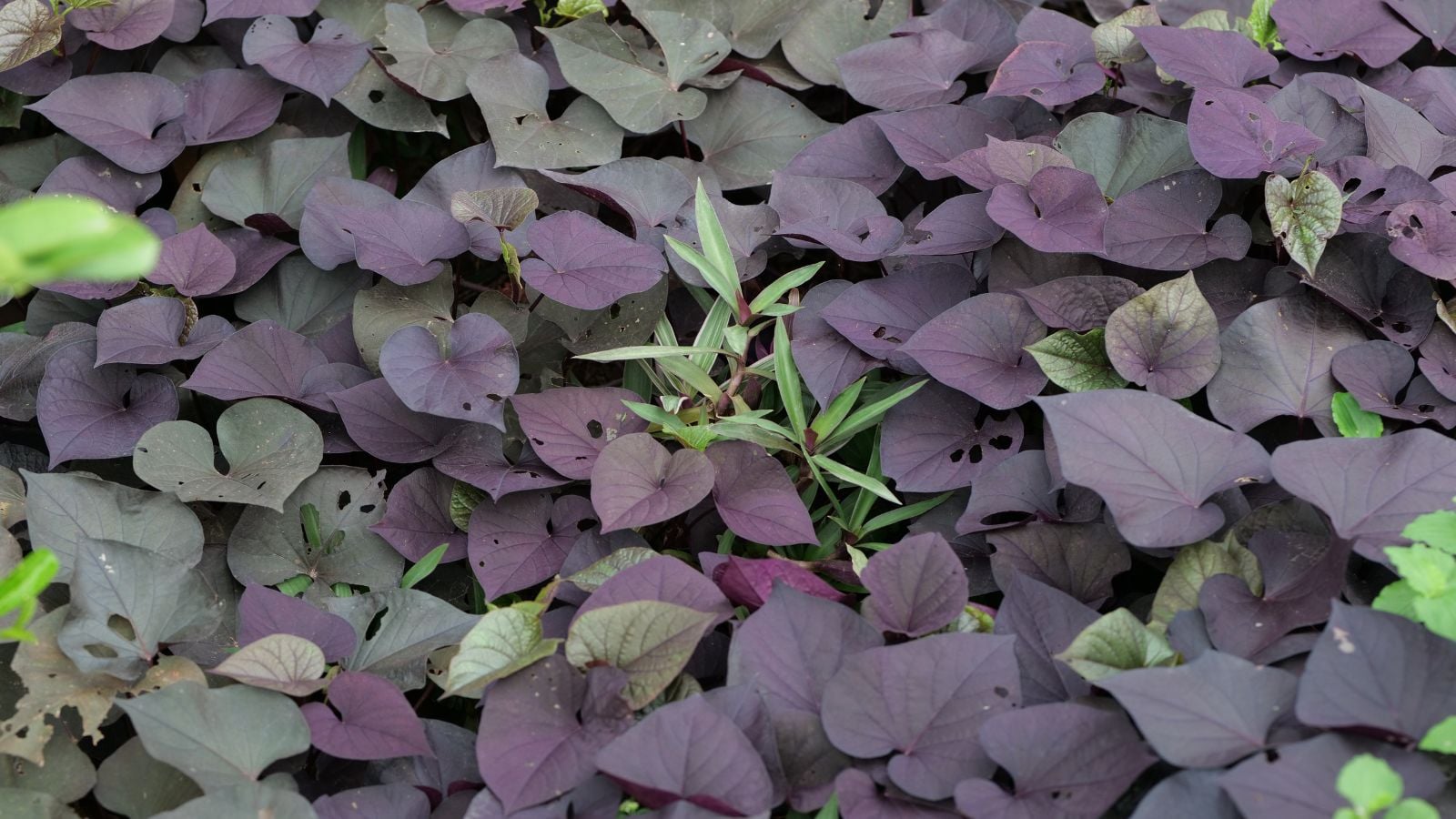
This multicolored purple-silver vine is a true showstopper. It can grow up to four feet across and produces an array of maple-shaped leaves in varying shades of purple.
Medusa
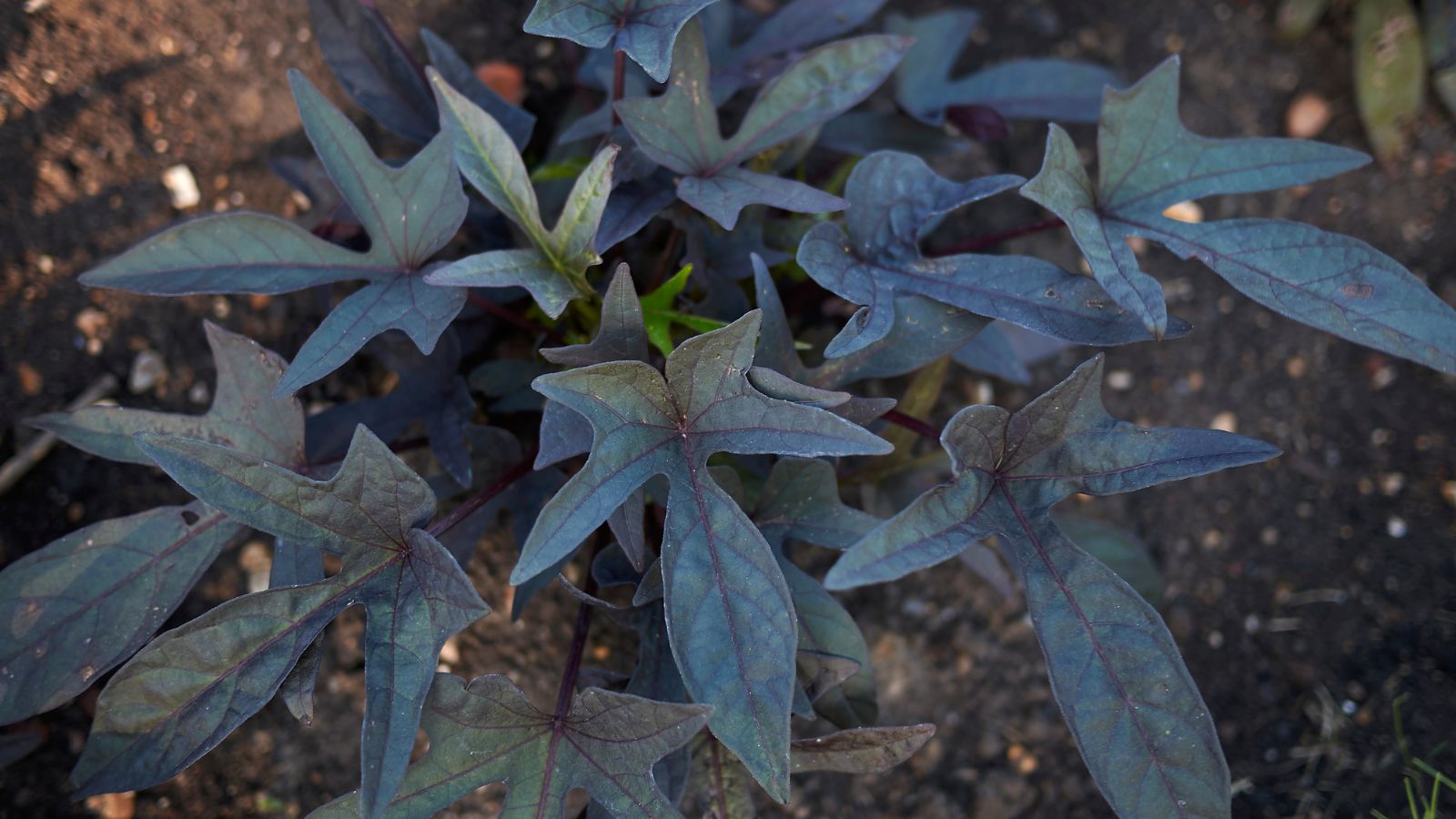
With wonderful maple-shaped leaves that look like they came straight out of New England, this variety is a great addition to an ornamental garden, small balcony, or patio. It is very easy to care for, needing less water than other varieties, and performs well in both full sun and partial shade. Because it has a mounding growth habit rather than a trailing one, it also works well in hanging baskets.