20 Invasive Species You Should Never Buy
These 20 invasive species of plants are commonly sold at garden centers. However, you shouldn't buy them! Epic Gardening founder Kevin Espiritu lists which invasive species to avoid.

Contents
Most of us gardeners assume that the people who run our local garden center are knowledgeable and know exactly what they’re selling, and for the most part, that’s true. But what happens when some of the most commonly sold plants also happen to be some of the most invasive?
Due to the globalization of our society, it’s become very easy to source plants from different areas of the world, grow them, and sell them to gardeners everywhere.
Here’s a list of 20 of the most commonly sold invasive species. Watch out for them next time you’re browsing for a new plant for the yard!

Wisteria sinensis (Chinese wisteria)

Growers introduced Wisteria sinensis from China to Europe and North America in 1816, and it has secured a place as one of the most popular flowering vines for home gardens due to its prolific blooms. It has, however, become an invasive species in some areas of the eastern United States where the climate closely matches that of China.
Chinese wisteria can displace native species, and sizable trees have been killed by its aggressive vining habit. When these large trees die, the open forest floor receives more sunlight, which allows wisteria seedlings to grow and flourish. There are native alternatives you can choose instead.
Phyllostachys spp. (Bamboo)
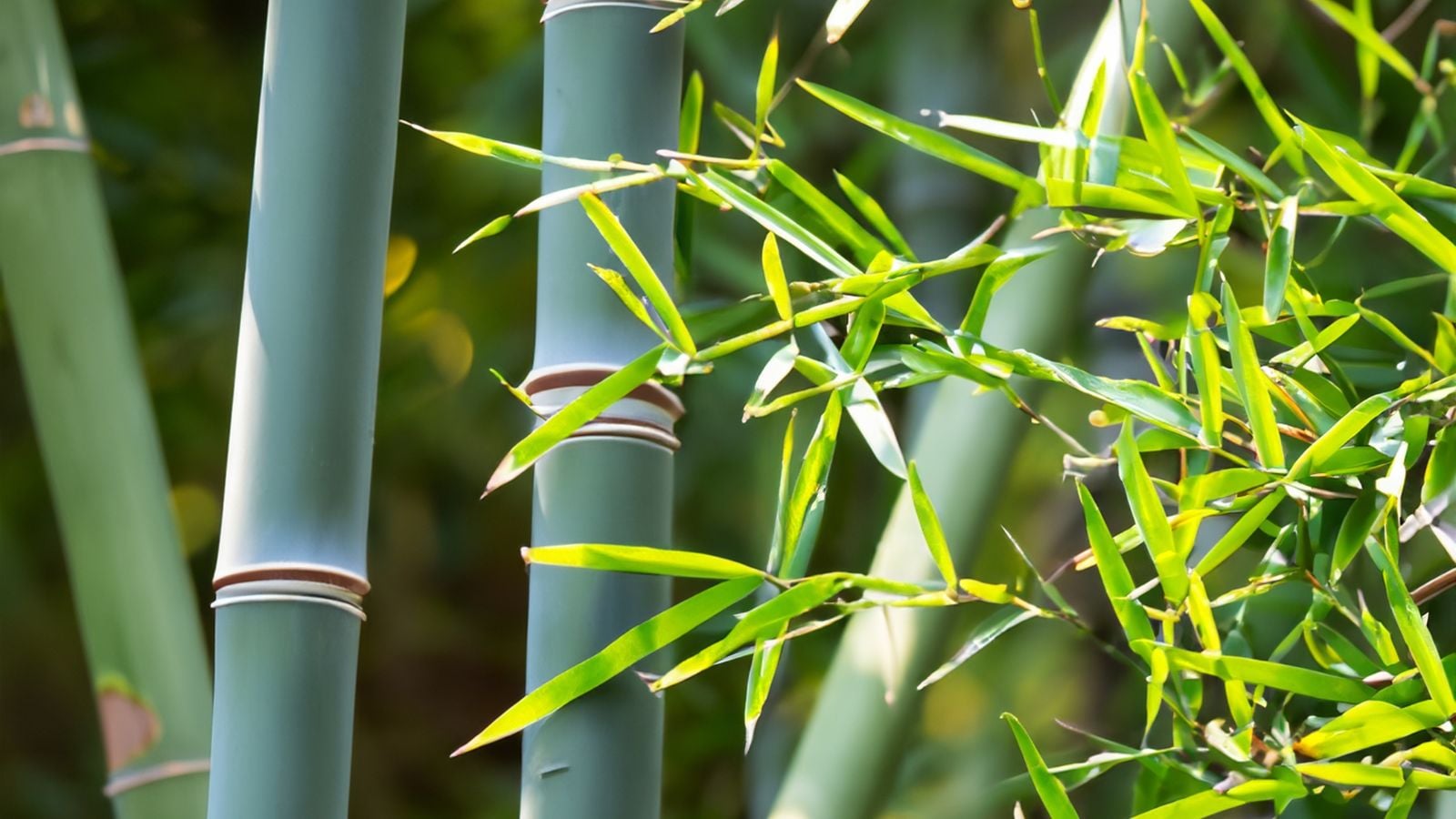
Bamboo, which is technically a giant grass, is one of the world’s most invasive plants. Once established, it is nearly impossible to control. The sprouts that shoot up from the ground each spring can grow 12 inches a day!
The underground roots of common running “fishpole” bamboo, which can easily reach 15 feet tall, can travel as far as 20 feet or more from the original clump. There’s no denying bamboo makes a pretty exotic screen, and with its slender form, it seems ideal for tight urban spaces. Yet in no time, new shoots will appear outside its planting area, creating a maintenance nightmare.
Euonymus fortunei (Winter Creeper)

If allowed to grow unchecked, the vine will spread over anything in its way, even overtopping trees. Winter creeper’s rapid growth, evergreen nature, and tolerance of harsh conditions allowed it to easily escape cultivation and quickly spread to forests throughout the region.
Hedera helix (English Ivy)

English ivy is a vigorously growing vine that impacts all levels of disturbed and undisturbed forested areas, spreading as both a ground cover and a climbing vine. As the ivy climbs in search of increased light, it engulfs and kills branches by blocking sunlight from reaching the host tree’s leaves.
Branch dieback proceeds from the lower to upper branches, often leaving the tree with just a small green “broccoli head.” The host tree eventually dies entirely from this steady weakening. In addition, the added weight of the vines makes infested trees much more susceptible to blow-over during heavy rain, wind events, and snowfall.
Lonicera japonica (Japanese Honeysuckle)

In North America, Japanese honeysuckle has few natural enemies, which allows it to spread widely and outcompete native plant species. Its evergreen to semi-evergreen nature gives it an added advantage over native species in many areas.
The vine can kill shrubs and young trees by girdling, as it twists tightly around stems and trunks, cutting off the flow of water through the plant. Dense honeysuckle growth covering vegetation can gradually kill plants by blocking sunlight from reaching their leaves. Vigorous root competition also helps Japanese honeysuckle spread and displace neighboring native vegetation.
Euonymus alatus (Winged Burning Bush)
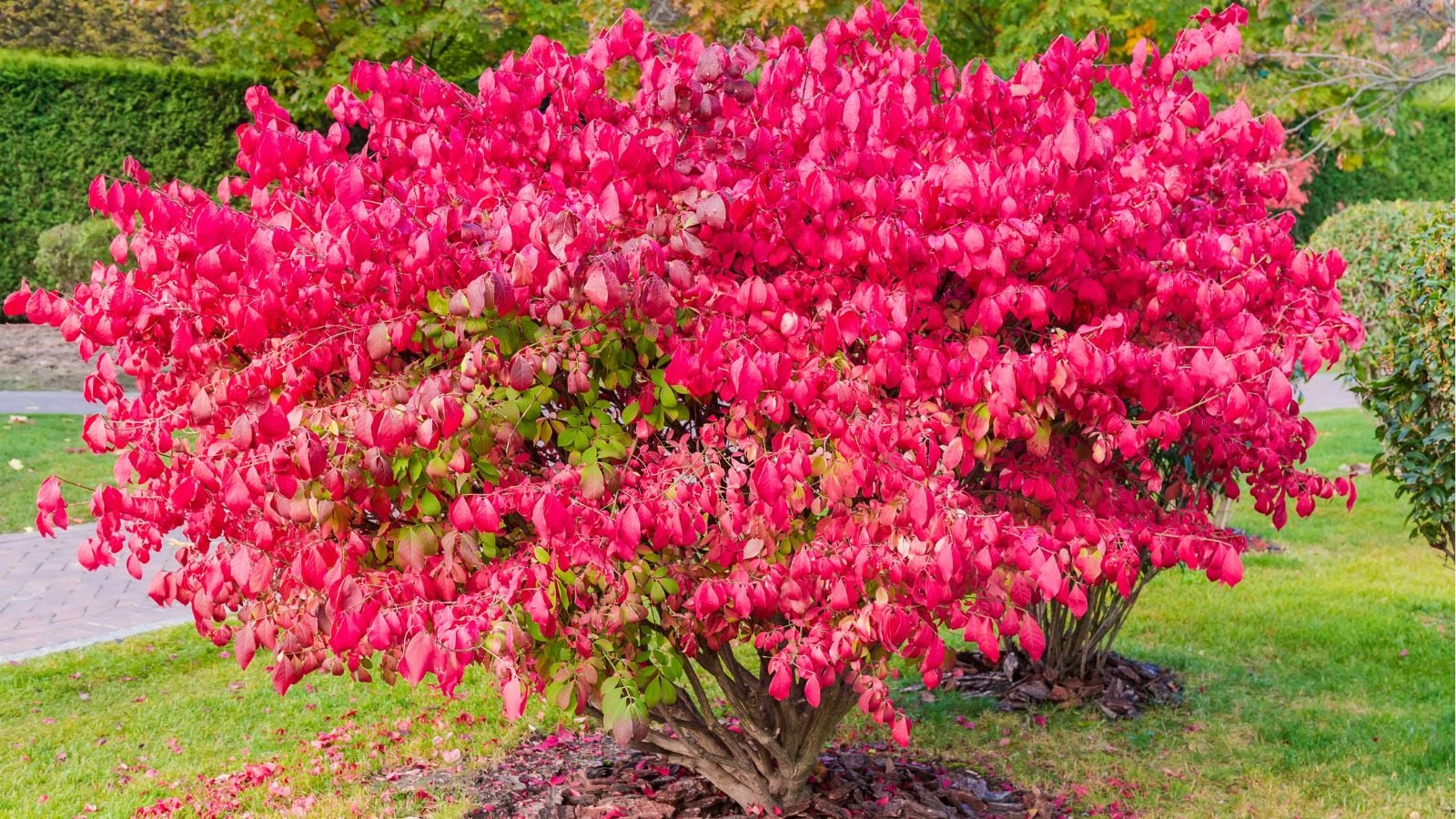
This species threatens a variety of habitats including forests, coastal scrublands, and prairies, where it forms dense thickets that displace many native woody and herbaceous plant species. Hundreds of seedlings often appear below the parent plant in what is termed a “seed shadow.”
Two types are available: the old-fashioned or winged variety, and the newer Euonymus alatus ‘Compacta’. Nurseries and garden centers sell the latter, which does not spread and is not invasive. You can tell the difference between the two by looking at the stems: the older, invasive variety has “wings” on the stems, while the newer one does not. Before buying these shrubs, check the stems to make sure of what you’re buying.
Nandina domestica (Nandina)
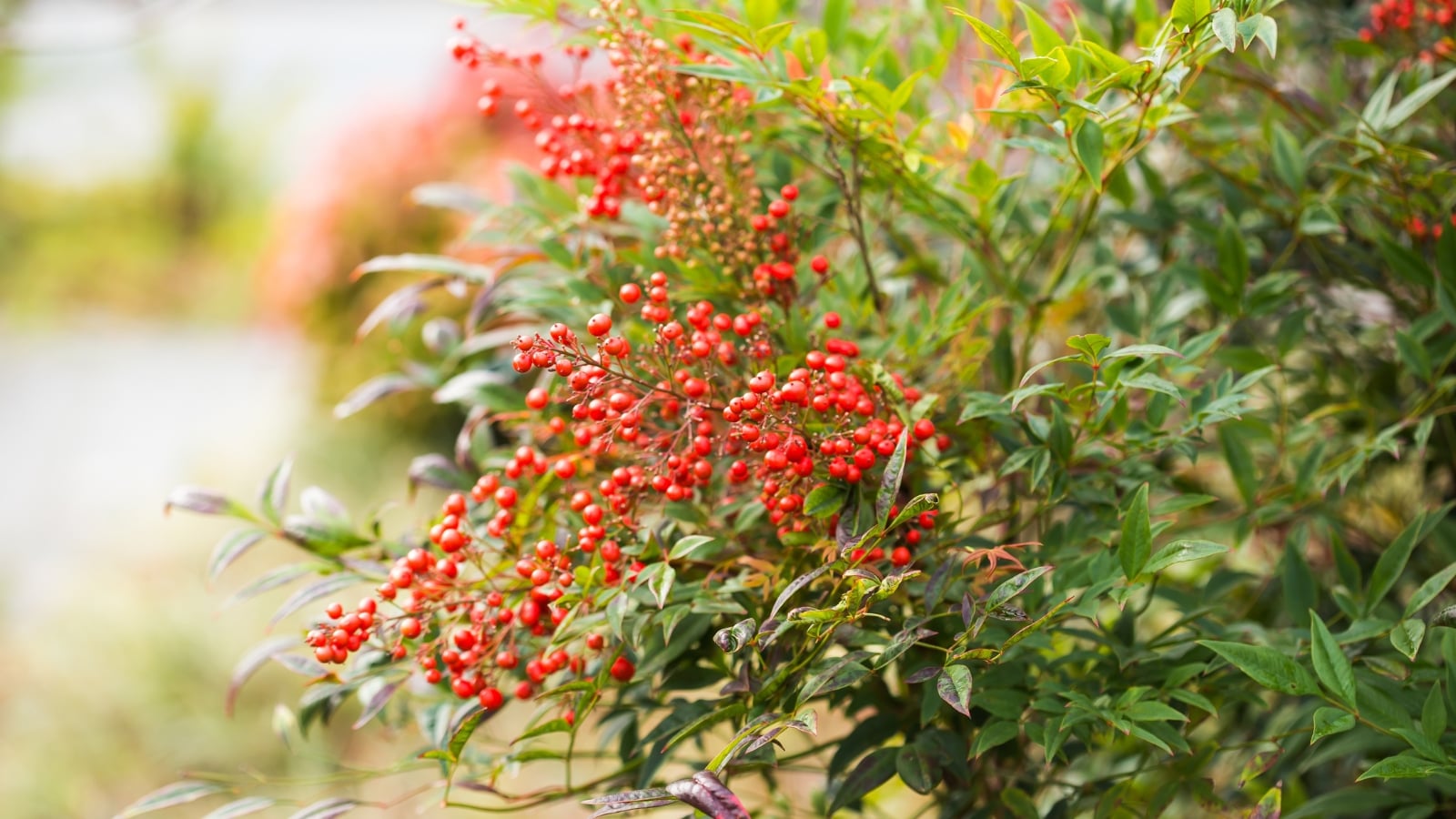
Nandina domestica has naturalized and invaded habitats across several regions. It colonizes by spreading underground root sprouts and through animal-dispersed seeds. Seedlings can persist for several years before maturing, and established plants can displace native species and disrupt plant communities. The berries can also be toxic to cats and some grazing animals.
Ligustrum sinense (Chinese Privet)
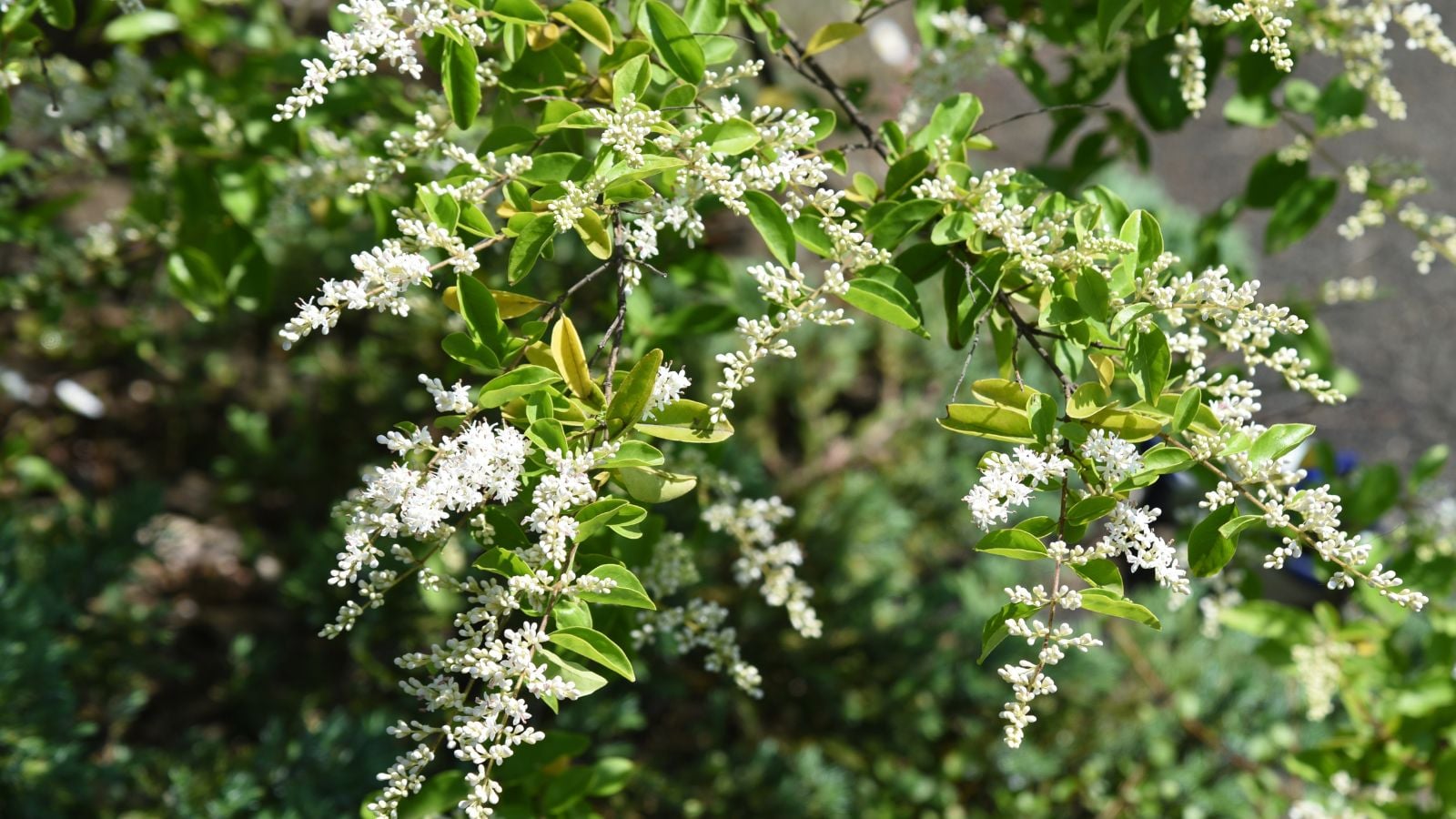
Chinese privet forms dense thickets that shade out and replace native shrubs and herbaceous plants. These shady thickets create conditions unsuitable for native seedlings. Phenolic compounds in the leaves protect the plants from leaf-feeding insects, including native herbivorous species.
Elaeagnus umbellata (Autumn Olive)

Autumn olive threatens native ecosystems by outcompeting and displacing native plant species, creating dense shade, and interfering with natural plant succession and nutrient cycling. A single plant can produce up to 200,000 seeds each year and can spread over a variety of habitats, as its nitrogen-fixing root nodules allow it to grow in even the most unfavorable soils. It also reproduces quickly and with little effort.
Pyrus calleryana (Bradford Pear)

The Callery pear is an invasive species in many areas of eastern North America, outcompeting many native plants and trees. In the northeastern United States, wild Callery pears sometimes form extensive, nearly pure stands in old fields, along roadsides, and in similar disturbed areas.
Vinca minor (Common Periwinkle)
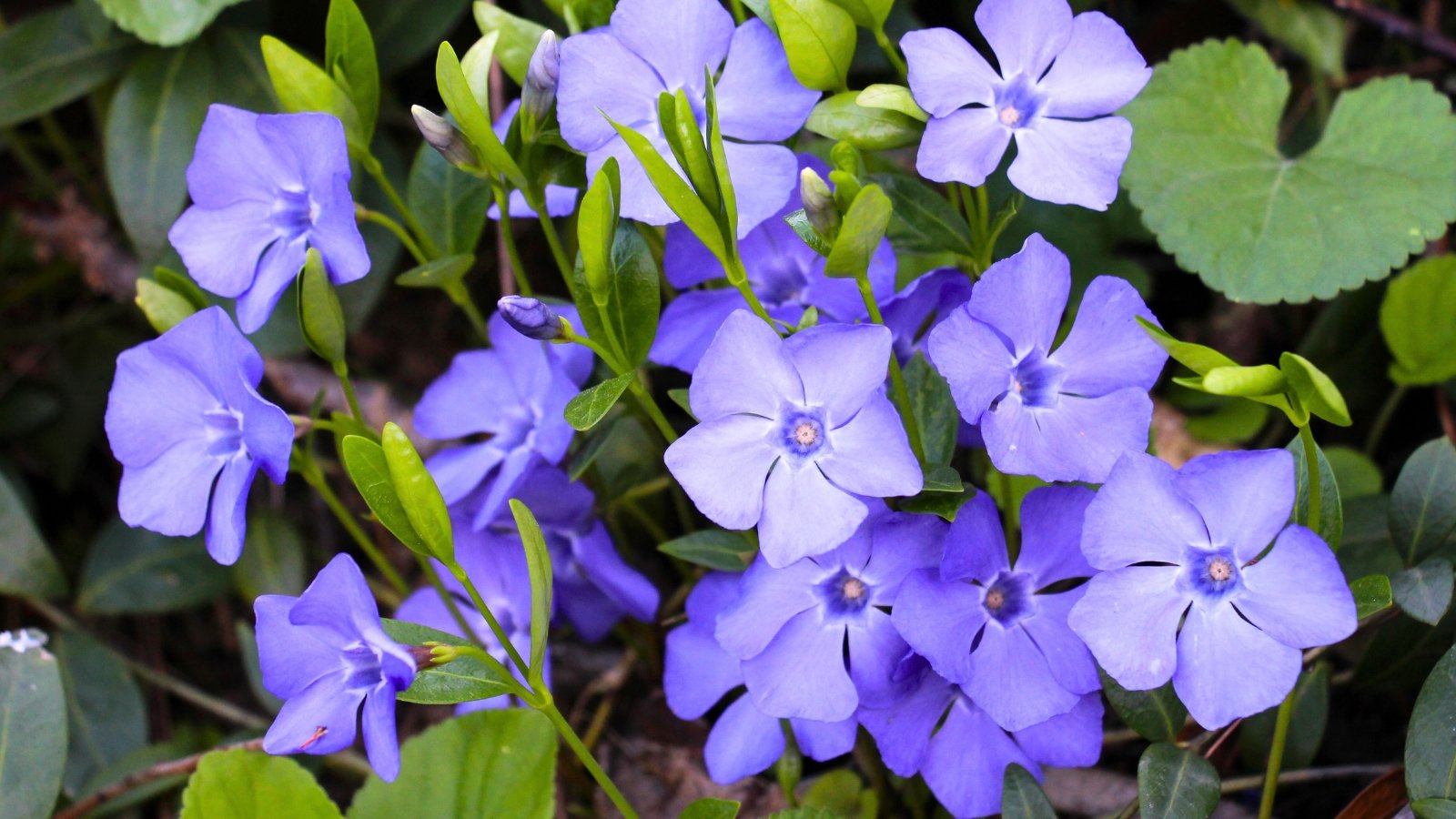
Periwinkle grows vigorously and forms dense, extensive mats along the forest floor, displacing native herbaceous and woody plant species. While its purple flowers are quite striking in a large stand, this is usually a sign that the plant needs to be removed for the safety of local wildlife.
Berberis thunbergii (Japanese Barberry)

Japanese barberry forms dense stands in natural habitats including canopy forests, open woodlands, wetlands, pastures, and meadows. It alters soil pH, nitrogen levels, and biological activity in the soil. Once established, barberry displaces native plants and reduces wildlife habitat and forage.
White-tailed deer apparently avoid browsing barberry, preferring to feed on native plants, which gives barberry a competitive advantage. In New Jersey, researchers have found that Japanese barberry raises soil pH (making it more basic) and reduces the depth of the litter layer in forests.
Paulownia tomentosa (Princess Tree)

Princess tree is an aggressive ornamental tree that grows rapidly in disturbed natural areas, including forests, streambanks, and steep rocky slopes. It can survive wildfire because the roots regenerate new, fast-growing stems. It tolerates pollution and is not fussy about soil type. All of these characteristics make it a very noxious and opportunistic invasive species.
Clematis ternifolia (Sweet Autumn Clematis)
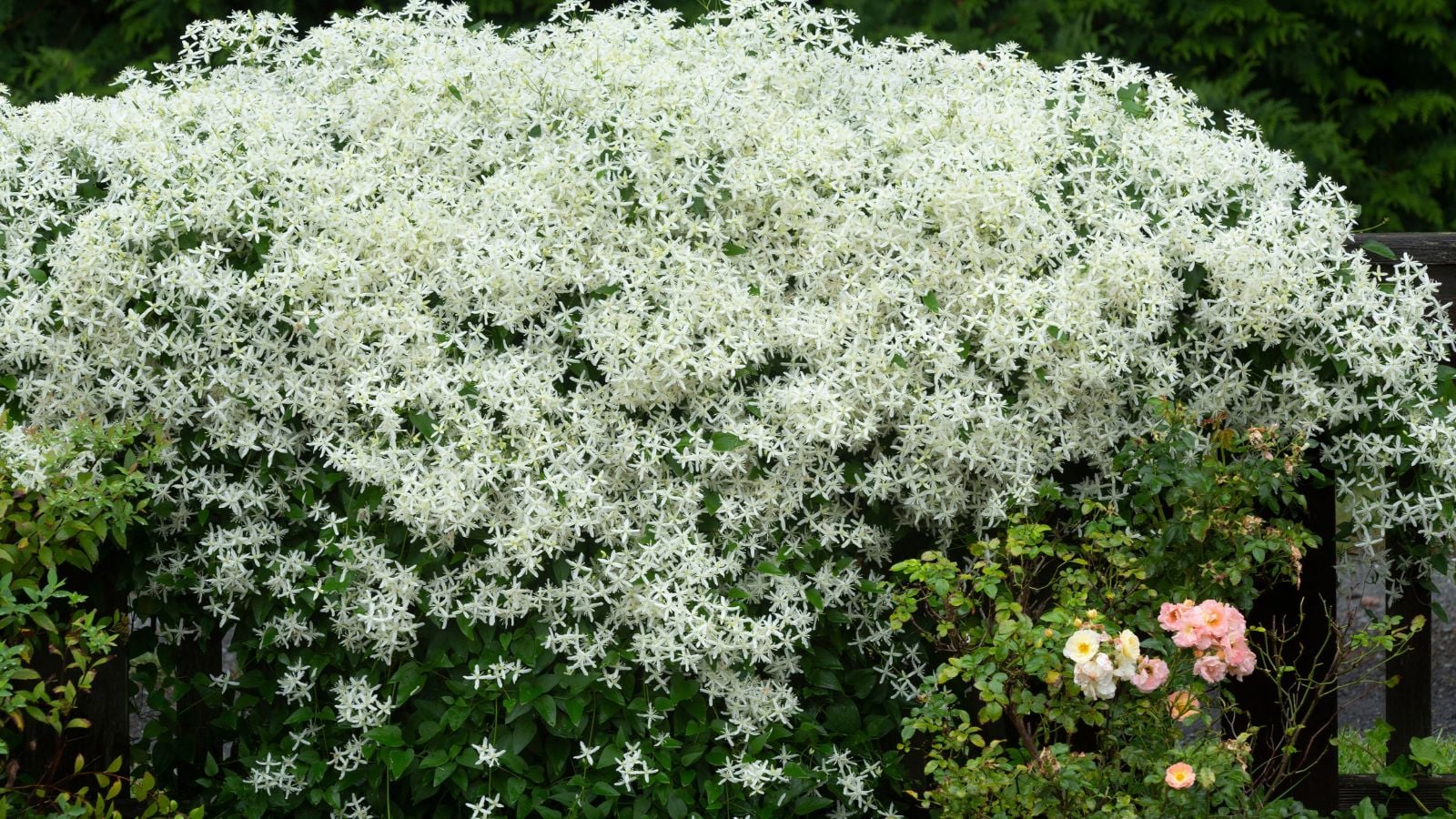
This species invades forest edges, rights-of-way, and urban areas along streams and roads. It grows vigorously over other vegetation, forming dense blankets that block sunlight to the plants underneath. In late summer, infestations become conspicuous due to its abundant, showy white flowers.
Eragrostis curvula (Weeping Lovegrass)
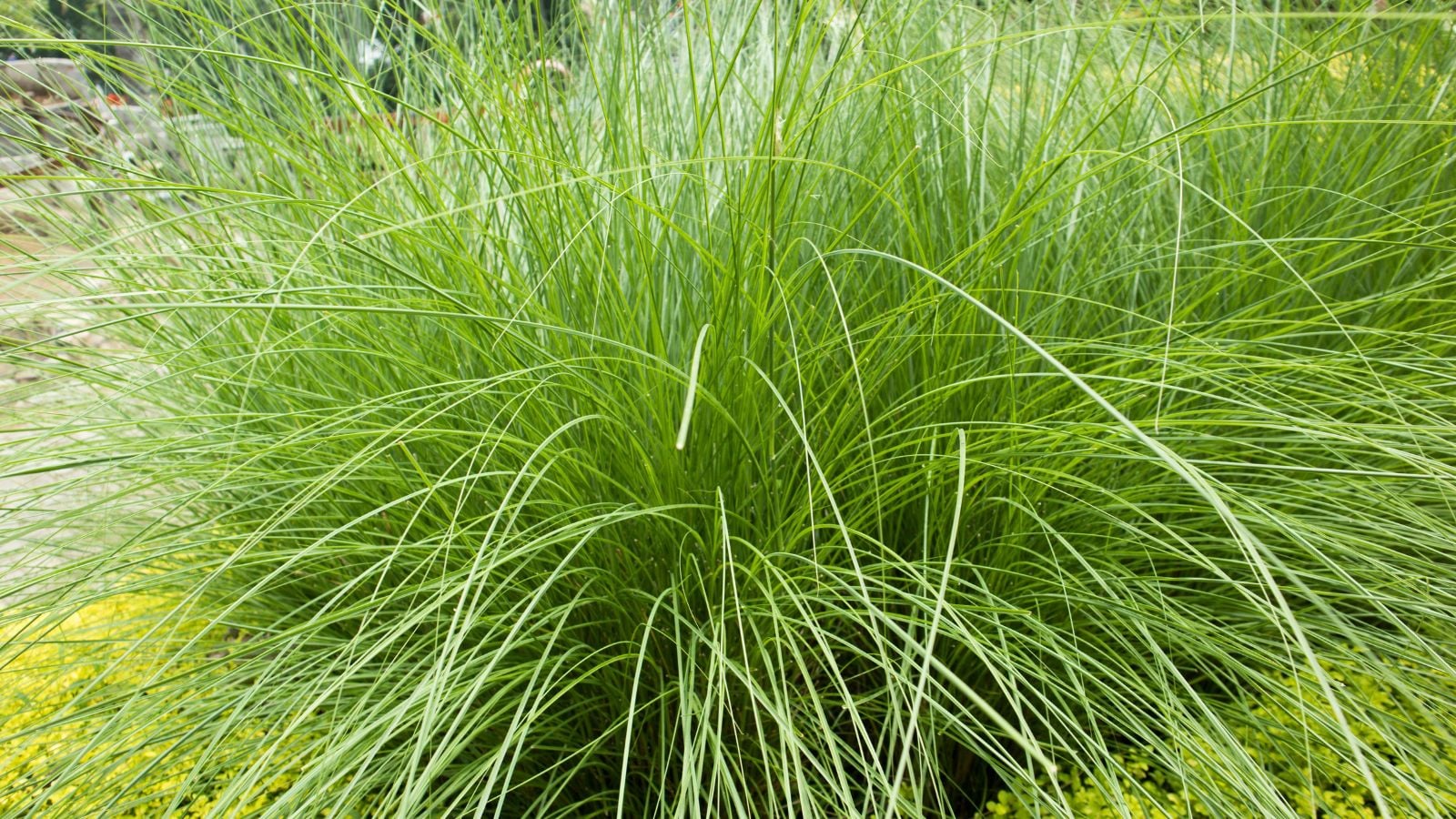
The natural fire regime in desert communities has shifted as this species has increased, resulting in more intense wildfires that occur with greater frequency. Livestock and wildlife do not prefer it for grazing compared to native grasses, which has allowed it to become increasingly dominant in many native plant communities.
Weeping lovegrass establishes quickly, produces high quantities of viable seed during its first season of growth, and can spread at a rate of 175 meters per year.
Spiraea japonica (Japanese Meadowsweet)
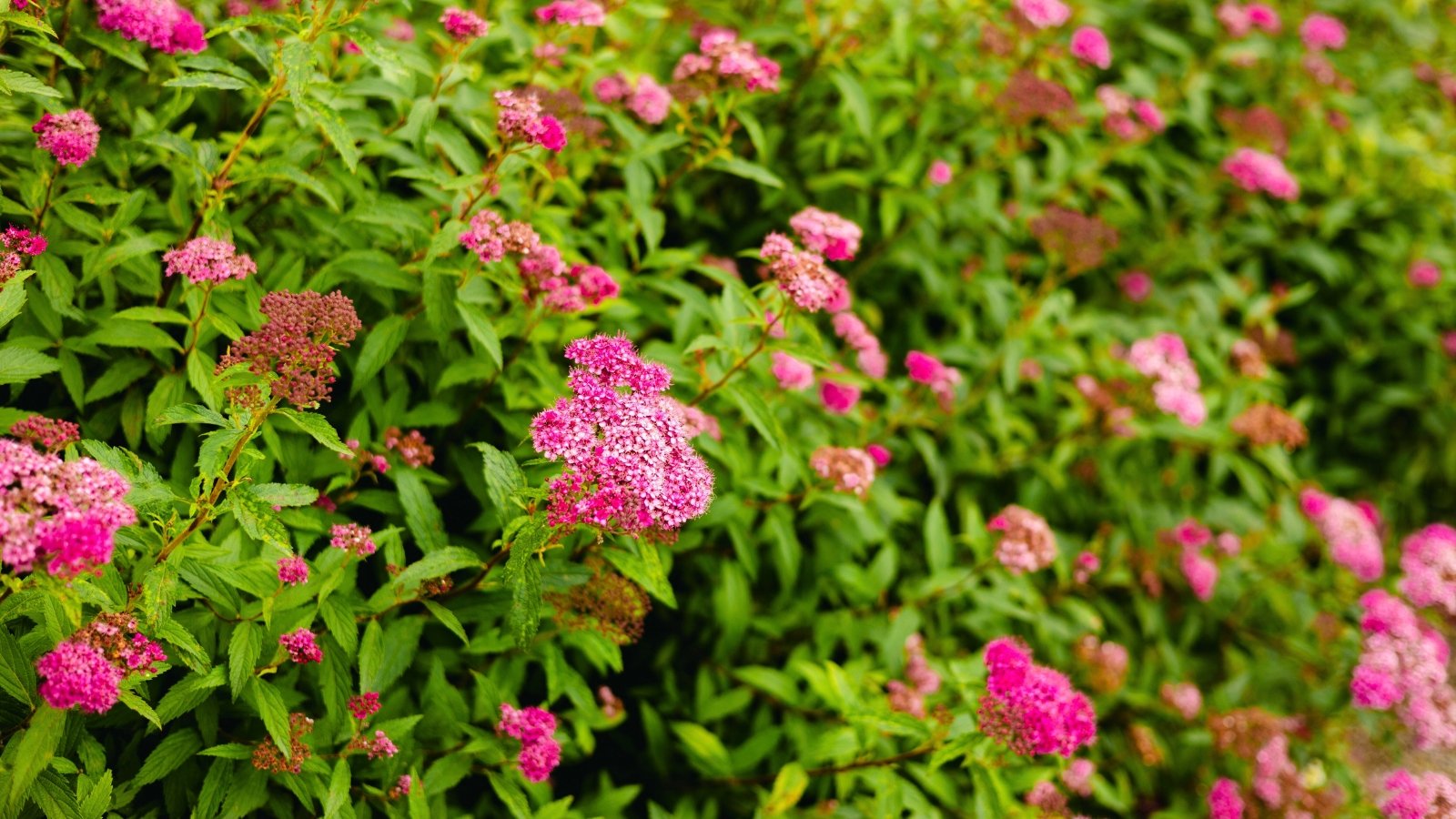
Japanese spiraea can rapidly take over disturbed areas. Growing populations creep into meadows, forest openings, and other sites. Once established, it grows rapidly and forms dense stands that outcompete much of the existing native herbs and shrubs. Seeds of Japanese spiraea last for many years in the soil, making control and restoration of native vegetation especially difficult.
Vitex agnus-castus (Chaste Tree)
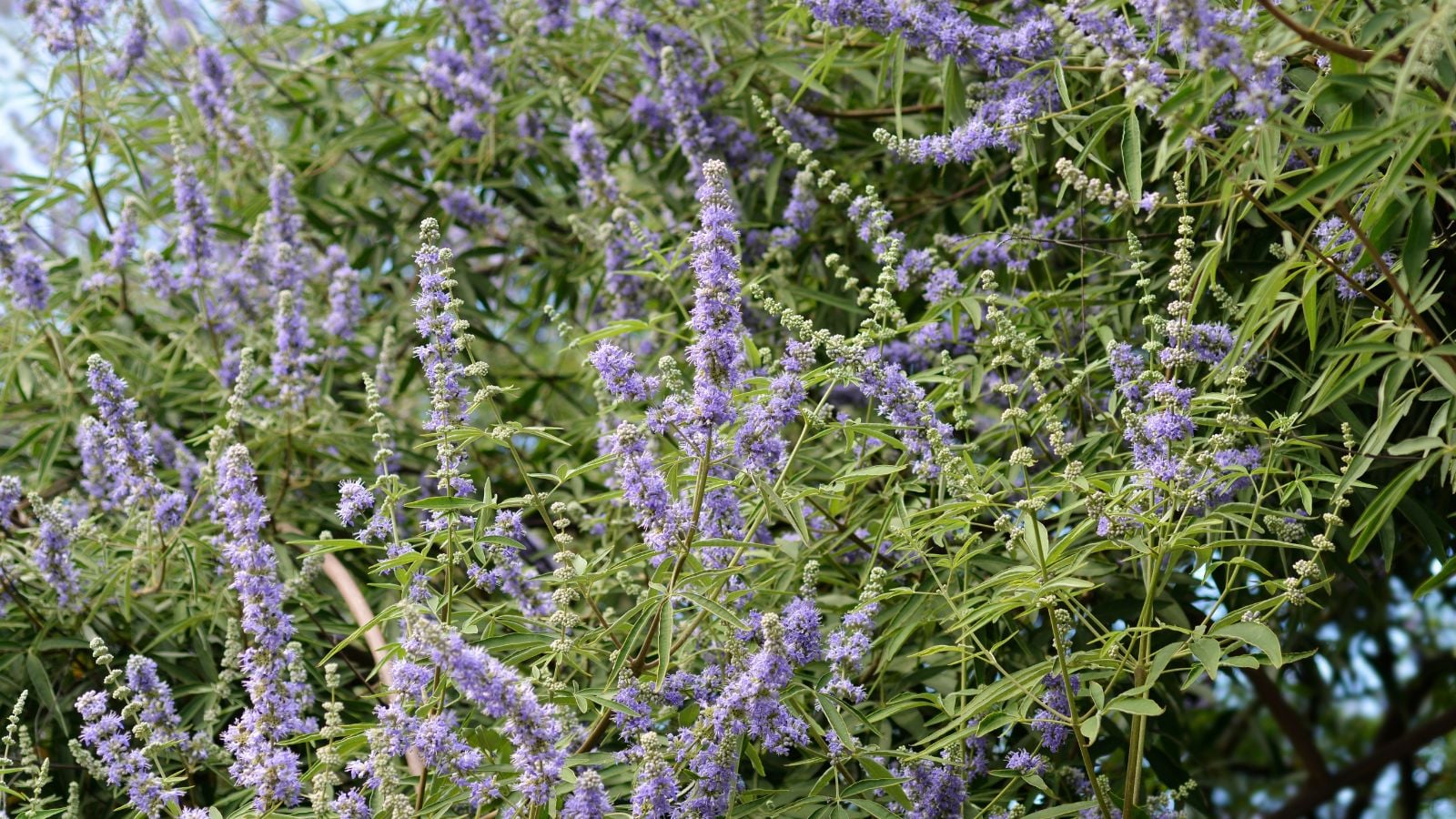
Vitex is a lovely tree sold in nurseries all over the US. It attracts pollinators, and practitioners have traditionally used its flowers as medicine. However, conservationists who focus on riparian areas and wetlands loathe this tree. Birds spread its seeds easily, depositing them along streams and rivers, causing native plants to lose their foothold in the ecosystem.
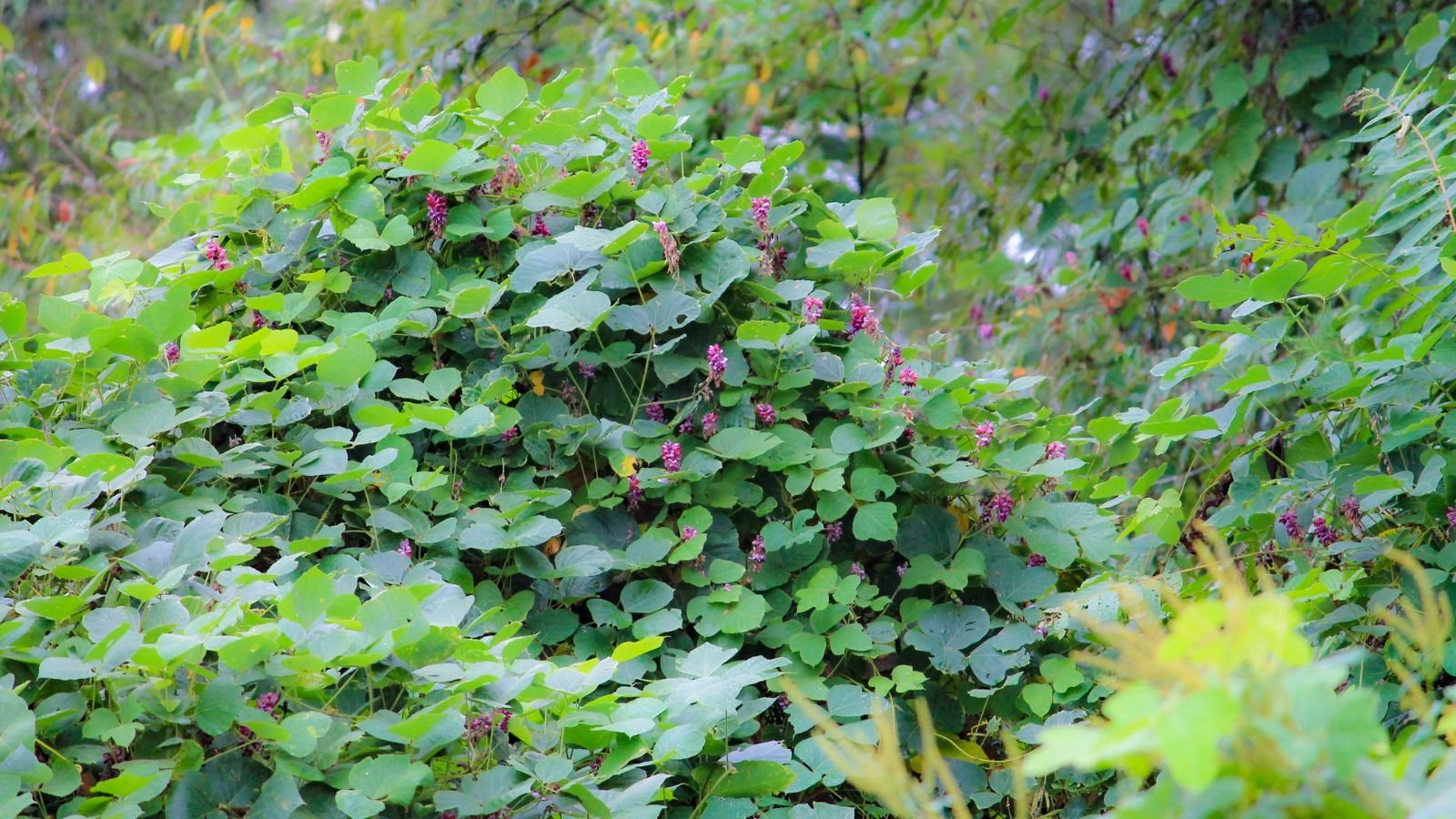
Pueraria montana (Kudzu)
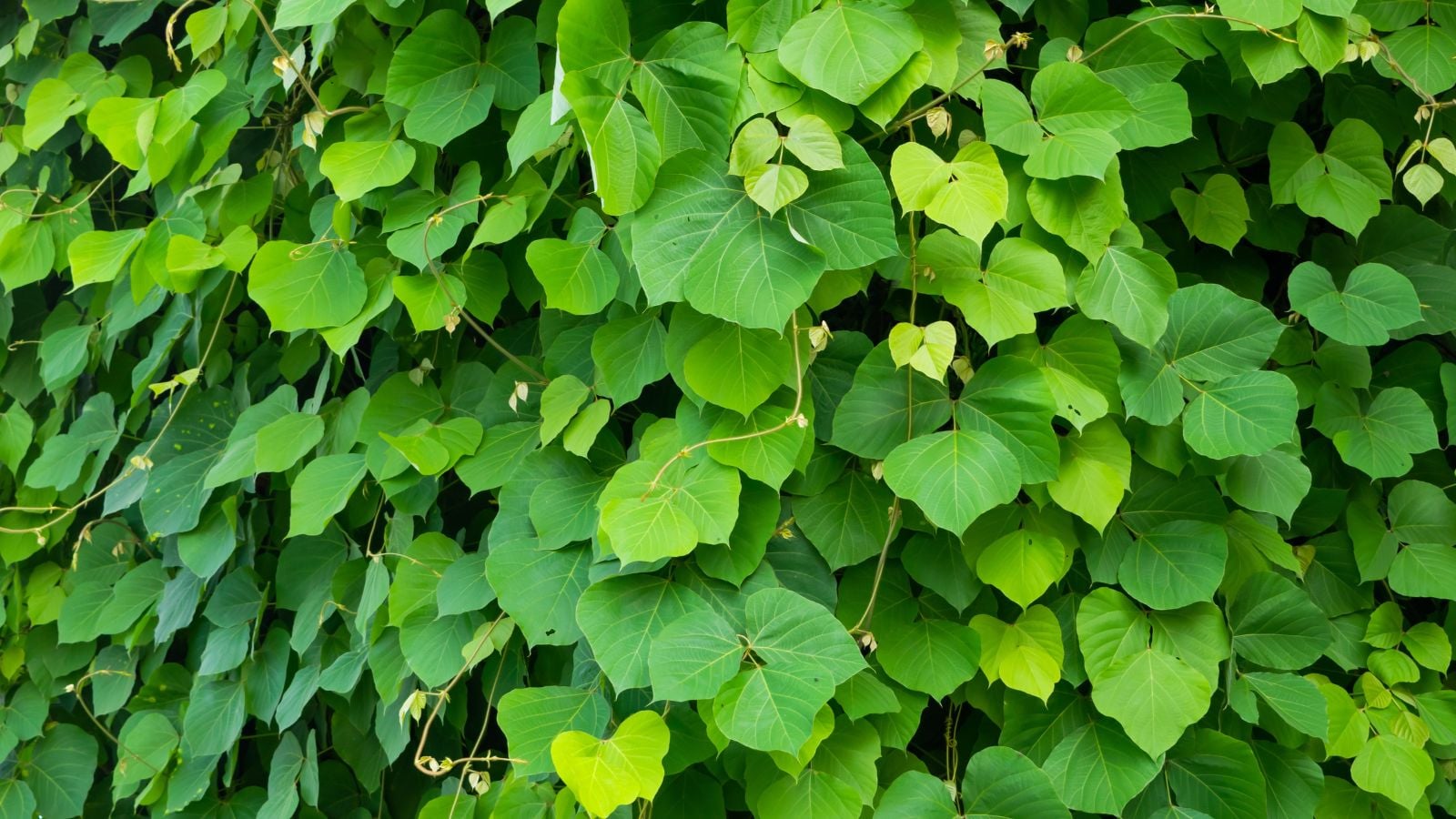
Much like English ivy, kudzu is a particularly dense, thicket-forming vine. It tends to cover pretty much any area where it grows. Forest edges, buildings, fences, and even abandoned vehicles get smothered as kudzu grows rapidly, up to one foot per day. With how invasive this plant is, it’s surprising that nurseries still sell it.
Alliaria petiolata (Garlic Mustard)
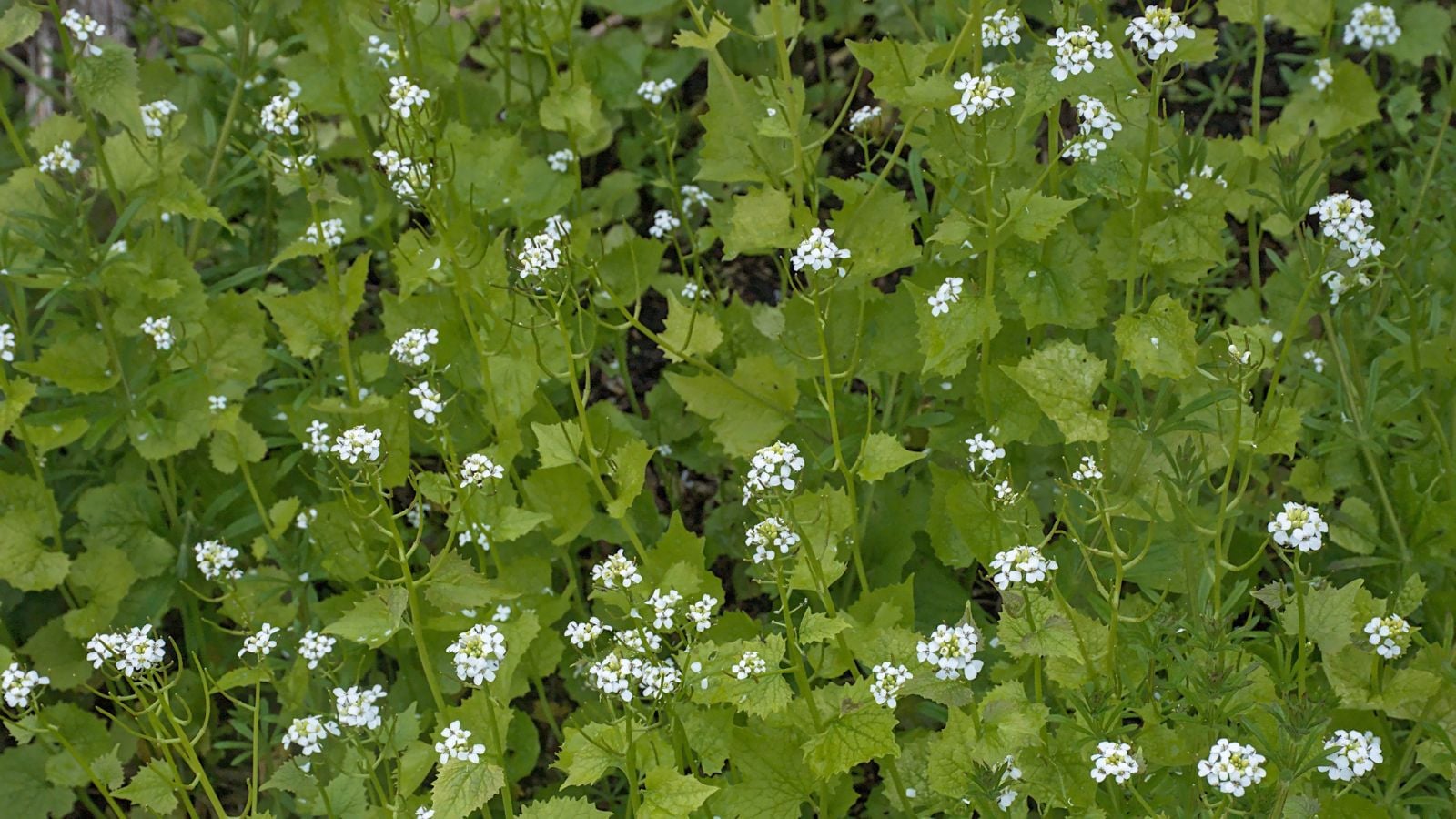
With leaves that smell like garlic when bruised, and pretty white flowers, it’s disappointing to learn that Alliaria petiolata is so invasive. In its second year of growth, the flowers die back and wind spreads the seeds through the ecosystem. The plants tend to populate understories, outcompeting native species through thicketing and shading. Their roots alter the microbiology of soil, pushing out native fungi and bacteria below the soil line.
Verbascum thapsus (Common Mullein)
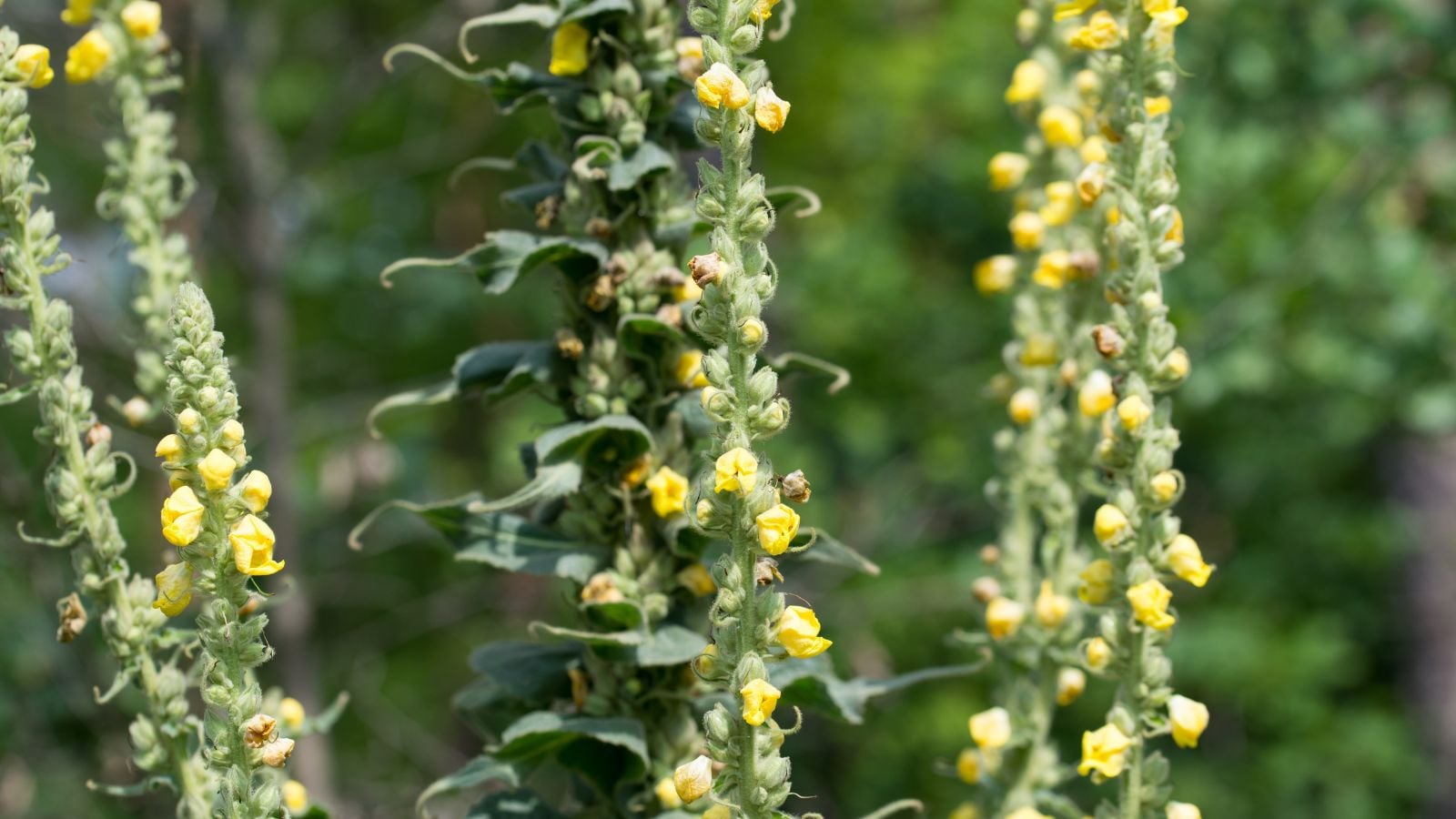
Mullein is one of my favorite ingredients in teas, as it tends to make my lungs feel good. However, the plant is a hugely invasive agent in pastures, ranch land, and meadows. Its prolific seeds tend to germinate easily in these areas and push out natives.
The taproot grows deeply into the ground as the plant matures, making it difficult to extract. Any unsuccessful attempts that result in a broken taproot are followed by another plant emerging from the remaining root segment.


